2027 Different Types of Animal Science Bachelor's Degrees: Specializations, Careers, and Salaries

Co-Founder and Chief Data Scientist
Choosing the right focus within animal science can be overwhelming for students aiming to align their education with career goals. For example, those interested in livestock production face a dynamic industry projected to grow by 13% over the next decade, demanding expertise in genetics and nutrition. Meanwhile, aspirations in veterinary research require strong foundations in biology and clinical practices.
Without clear guidance, students risk pursuing less suitable specializations that limit job prospects or earning potential. This article explores various animal science bachelor's degree specializations, career trajectories, and salary expectations to help prospective students make informed decisions aligned with market trends.
Key Things to Know About Different Types of Animal Science Bachelor's Degrees
- Animal science degrees often specialize in areas like livestock management, wildlife conservation, or veterinary technology, tailoring skills for diverse industry roles.
- Graduates commonly pursue careers in agriculture, research, animal care, or regulatory agencies, reflecting their chosen specialization.
- Salary expectations vary, with median annual wages ranging from $40,000 for entry-level positions to $75,000 in specialized or managerial roles, influenced by experience and location.
What Are the Different Types of Animal Science Bachelor's Degrees?
Animal science bachelor's degrees vary widely in format, allowing students to choose programs that suit their schedules and learning preferences. These degrees differ in structure, pacing, and delivery, making it possible to find a program that fits diverse lifestyles. Currently, about 30% of animal science students in the U.S. opt for non-traditional formats such as online or part-time programs, highlighting a trend toward more flexible education options.
The different types of animal science undergraduate programs include:
- Traditional Programs: Full-time, campus-based degrees typically follow a semester calendar and span four years. They emphasize hands-on learning through labs and research projects, offering a comprehensive in-person experience.
- Accelerated Programs: These programs are geared toward driven students who want to complete their degree faster by taking intensive coursework or enrolling year-round, reducing the usual four-year timeline.
- Online Programs: Allowing students to complete coursework remotely, online programs provide flexibility for those balancing work or personal commitments. The growing availability of these programs makes them a popular choice among non-traditional learners.
- Hybrid Programs: Blending online classes with on-campus lab sessions, hybrid formats offer the benefits of both digital learning and in-person instruction to meet different educational needs.
- Part-Time Programs: Designed for working individuals, part-time degrees extend the path to graduation to accommodate busy schedules without sacrificing essential coursework.
The availability of these options enables prospective students interested in animal science bachelor's degree specializations to tailor their education to career goals and personal circumstances. For those exploring flexible degree options, programs like an rn to bsn with no clinicals offer models of accommodating diverse learner needs within specialized fields.
What Specializations Are Available in a Animal Science Bachelor's Degree?
Animal science bachelor's programs typically offer a variety of specializations that enable students to concentrate on areas that align with their interests and career objectives. Data shows that about 60% of students pursuing these degrees in the United States select a specialization to better align their education with industry needs and personal aspirations. These focused tracks help students gain deeper expertise in particular disciplines within animal biology and management. Below are some common specializations available to students.
- Animal Nutrition: This specialization focuses on the dietary requirements of animals, digestive health, and feed formulation. Students learn to develop nutritional plans designed to improve animal wellness and productivity.
- Animal Genetics and Breeding: Emphasizing heredity and genetic advancement, this track educates students on managing breeding programs that enhance desirable traits in livestock and companion animals.
- Animal Health and Disease Management: Covering the study of various animal diseases and preventive healthcare, this specialization integrates veterinary science principles to support effective herd health management.
- Animal Behavior and Welfare: Here, students study behavioral patterns and welfare practices, focusing on improving living environments and promoting ethical treatment of animals.
Students interested in expanding their credentials might explore online admission requirements for animal science master's programs for non-majors, which often welcome applicants from diverse academic backgrounds. Additionally, understanding the eligibility criteria for non-majors in online animal science graduate degrees can open pathways to advanced study in the field. For those seeking related opportunities, considering a reputable healthcare administration degree can complement animal science studies by broadening management skills applicable to veterinary or animal health services.
2026 Update: Verifying Hands-On Animal Experience Before You Enroll
This 2026 update adds a practical check for students comparing animal science bachelor’s programs: how much real animal, lab, and field experience the degree actually provides before graduation.
- Confirm whether students work directly with livestock, companion animals, poultry, equine, or laboratory animals tied to their intended specialization.
- Check if required labs include nutrition analysis, reproduction, genetics, anatomy, health monitoring, or production management.
- Ask how internships, practicums, farm rotations, or research assistant roles are arranged and supervised.
- Review access to animal facilities, teaching farms, diagnostic labs, or industry partner sites.
- Look for training in biosecurity, animal welfare standards, safe handling, and ethical research practices.
- Find out whether students build job-ready records, such as project portfolios, lab reports, or documented animal-care hours.
Comparing hands-on opportunities helps students choose a program that supports their target specialization and prepares them for animal science careers beyond the classroom.
A bachelor's degree in animal science equips graduates for various starter positions in the animal care and agricultural sectors. Employment data shows that nearly two-thirds of those with this degree secure relevant roles within their first year. The following outlines some common entry-level jobs and the skills they help develop.
- Animal Care Technician: These professionals typically assist in veterinary clinics, research labs, or zoological parks. Their daily duties include feeding and monitoring animals, which enhances abilities in animal handling and basic health evaluation.
- Livestock Technician: Focused mainly on farm animals, this role involves tracking health, recording reproductive data, and maintaining proper living conditions. It builds expertise in agricultural practices and animal behavior observation.
- Quality Control Assistant: Working in industries like animal feed or pharmaceuticals, these assistants test products for safety compliance and document results. This role sharpens precision and familiarity with regulatory standards.
- Animal Nutrition Assistant: Supporting diet formulation and analysis for various species, these assistants gain hands-on experience with nutritional science and lab procedures.
- Research Assistant: Engaged in academic or government-led studies, they contribute to investigations on genetics, animal behavior, or health, developing skills in experimental design and data interpretation.
When asked about entry-level experiences, a professional holding an animal science bachelor's noted the initial challenge of applying classroom knowledge to real-world scenarios. "Transitioning from theory to practice was a steep learning curve," he shared. "Early days involved observing seasoned staff closely and gradually taking on more responsibility, especially when handling unpredictable animal behavior." He emphasized how patience and adaptability were crucial during this period, and how these early roles built a foundation for advancing within the field.
Certain sectors offer substantially higher wages for graduates with a bachelor's degree in animal science, reflecting the advanced expertise required in these roles. Industry salary reports reveal that those in biotechnology and pharmaceuticals can earn up to 25% more than peers in other related fields, highlighting a premium on specialized scientific skills. Exploring these top-paying industries provides clarity on promising career paths.
Key industries offering the best compensation include:
- Biotechnology and Pharmaceutical: Roles in this sector often involve developing animal health products, vaccines, and genetic research. Essential skills include molecular biology, data analytics, and regulatory compliance, making it a leading choice among the highest paying animal science careers in the United States.
- Agricultural Management and Consulting: Professionals here focus on enhancing livestock production, sustainability, and farm operations. Expertise in animal nutrition, breeding methods, and environmental assessments is crucial to optimizing productivity and animal welfare.
- Animal Nutrition and Feed Manufacturing: This industry focuses on diet formulation, feed safety, and nutritional research. Success depends on knowledge of biochemistry, animal physiology, and product innovation, offering lucrative employment opportunities.
Prospective students looking to balance career goals with financial considerations might find it useful to understand the mha degree cost as part of their broader academic planning.
Salary expectations for graduates with a bachelor's degree in animal science vary significantly based on the sector, experience, and area of expertise. Entry-level positions often command salaries between $40,000 and $50,000 annually, reflecting roles in agriculture, research, or animal care. These amounts can shift notably due to several key factors.
- Industry Sector: Positions within private agricultural companies or biotech firms tend to offer higher pay compared to roles in nonprofit organizations or government agencies related to animal management.
- Experience Level: As professionals gain more years of practice and enhance their skills, salaries typically increase, rewarding accumulated knowledge and competence.
- Geographic Location: Regions with high demand for animal science expertise or with elevated living costs usually provide better compensation packages.
- Additional Training: Earning certifications or pursuing graduate studies often leads to improved earning potential by opening doors to specialized and higher-level positions.
A professional with a bachelor's degree in animal science shared that starting a career involved balancing excitement with uncertainty. She described the job search as challenging at times, especially when seeking roles aligned with her passion for animal welfare and research. Her perseverance through internships and networking ultimately resulted in a position that, while initially modest in salary, offered valuable experience and opportunities for advancement. Reflecting on her journey, she emphasized the importance of flexibility and ongoing education to navigate the evolving job market and achieve fulfilling career growth.
Earnings within animal science vary widely based on the chosen specialization. For example, those working as veterinary technologists and technicians typically earn median annual wages between $36,000 and $40,000. In contrast, animal scientists specializing in research or nutrition often have median salaries closer to $60,000. Professionals involved in animal breeding and genetics, who focus on agricultural genetic improvements, can expect salaries exceeding $70,000 depending on experience and location.
Several factors drive these salary differences, including the technical expertise required and industry demand. Roles demanding advanced skills or certification, such as veterinary positions, tend to offer higher compensation. Additionally, sectors connected to public health, food safety, and genetic innovation usually present stronger growth opportunities, positively impacting wages. The nature of the job also influences pay, with research-centered careers in biotechnology or genetic improvement often providing higher salaries than traditional positions in livestock care or farm management.
Graduates holding a bachelor's degree in animal science-whether earned online or on-campus-generally share similar foundational knowledge, as accredited programs usually cover comparable coursework such as animal biology, genetics, nutrition, and husbandry. However, employer perceptions can differ due to the mode of delivery. Online programs frequently rely on virtual labs and simulations, while on-campus options offer more hands-on experience through direct animal handling and fieldwork. According to a 2022 survey by the National Association of Colleges and Employers, graduates who completed internships or cooperative education were about 15% more likely to secure higher starting salaries, a benefit often more accessible to on-campus students.
Factors influencing salary differences extend beyond study format. Networking opportunities available through clubs, internships, and face-to-face events tend to be more robust for on-campus students, helping them build industry connections that can improve job prospects and earning potential. Despite these trends, geographic location, specialization within animal science, individual work experience, and local demand play significant roles in salary outcomes. Graduates who prioritize gaining practical skills and professional relationships-whether online or on-campus-are best positioned to achieve more competitive salaries in the animal science field.
Tuition and fees for animal science bachelor's degree programs vary widely, influenced by multiple factors. Annual tuition for public programs typically ranges from $9,000 to $25,000, while private institutions often exceed $35,000 per year. These different elements contribute to the animal science degree tuition differences seen across programs.
- Institution Type: Public universities usually offer lower tuition rates for in-state students compared to private colleges, which rely more heavily on tuition fees due to their funding models. This distinction heavily impacts the cost comparison for animal science bachelor's programs.
- Program Format: Online animal science degrees often have varying tuition structures compared to traditional on-campus options. Online formats can reduce expenses related to commuting and housing but may feature higher or lower rates depending on the institution.
- Program Length and Credits: Most bachelor's degrees require around 120 credit hours, but specialized tracks with additional coursework or internships can increase the time and total cost to complete the degree.
- Geographic Location: Tuition and fees differ by region, reflecting differences in state funding and cost of living. For example, programs in the Midwest generally have lower tuition averages than those located on the East or West coasts.
- Specialized Fees: Some programs incorporate extra costs for labs, research materials, or equipment access, which can further increase tuition variability within animal science degrees.
Prospective students exploring options might also consider other related fields or flexible study formats such as online nursing programs, which offer alternative pathways in the sciences and health sectors.
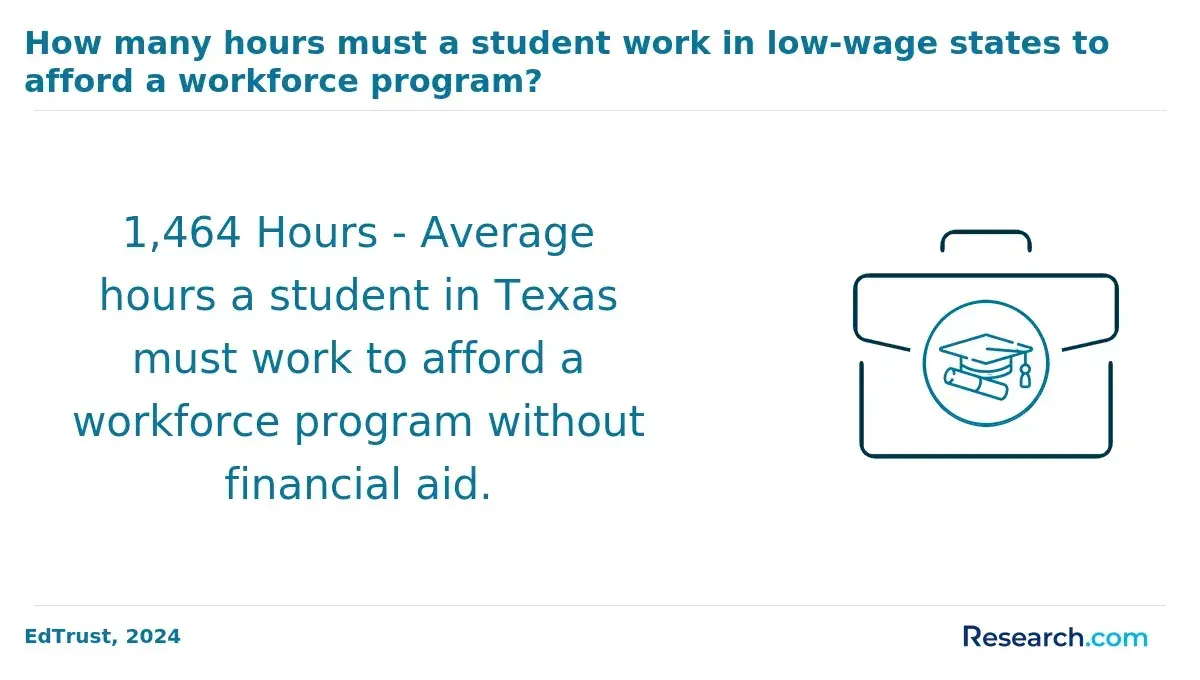
Students pursuing a bachelor's degree in animal science can access a variety of financial aid resources to help offset tuition and related costs. Nearly 85% of undergraduate students in the U.S. receive some form of financial aid, highlighting the widespread availability and importance of these resources. Below are key types of financial aid designed to assist animal science students.
- Federal Grants: Programs like the Pell Grant provide need-based funds that typically do not require repayment, making them an essential resource for many students. These grants help reduce the overall financial burden while focusing on educational success.
- Student Loans: Subsidized and unsubsidized federal loans offer low-interest borrowing options to cover tuition and living expenses. These loans provide flexibility but should be managed carefully to avoid excessive debt.
- Scholarships: Many scholarships are specifically available for animal science undergraduates, often awarded based on academic merit, leadership qualities, or financial need. These scholarships and grants available for animal science undergraduates can significantly ease costs and reward achievements.
- Work-Study Programs: Federal work-study opportunities enable students to earn money through part-time jobs on or near campus. This option helps students gain practical experience related to animal science while supporting their education financially.
- State and Private Aid: Additional grants or scholarships may be offered by agricultural organizations and industry sponsors committed to promoting careers in animal science. Exploring these options early can expand funding possibilities.
Prospective students should apply early for FAFSA (Free Application for Federal Student Aid) to maximize eligibility. Additionally, those interested in specialized or accelerated programs might consider a fast track nutrition degree, which can complement animal science studies and potentially open further scholarship opportunities.
Selecting an animal science bachelor's degree requires a thoughtful review of various academic and personal factors. Research shows that around 68% of students consider the availability of specific specializations crucial when deciding on a major. Below are key points to guide this choice.
- Specialization Options: Identify programs offering concentrations aligned with your interests, such as veterinary technology, nutrition, or animal breeding, to gain targeted knowledge and practical experience.
- Academic Interests: Reflect on which subjects within animal science-like genetics, behavior, or food safety-engage you most, ensuring the curriculum matches your strengths and curiosity.
- Program Format: Evaluate if the program provides flexible learning methods, including online, part-time, or hybrid options, as well as opportunities for hands-on internships and research that enhance employability.
- Career Preparation: Ensure the degree equips you with relevant skills for fields such as animal husbandry, conservation, or biotechnology, and consider alumni outcomes to gauge program effectiveness.
- Long-Term Goals: Consider whether the program supports pathways to advanced study or certifications and review potential salary prospects within your chosen specialization.
What Graduates Say About Different Types of Animal Science Bachelor's Degrees
- Ryker: "Choosing a specialization in animal nutrition within my animal science bachelor's degree was a game-changer. It gave me a strong foundation in understanding how diet impacts animal health, which directly helped me secure a role at a leading feed company. Since graduating, I've seen steady salary growth and career advancement that I attribute to the practical skills I gained during my studies."
- Eden: "When I started my animal science bachelor's degree, I was drawn to wildlife conservation and management. This specialization opened doors to unique internships and job opportunities in environmental agencies. Reflecting on my journey, I realize that the degree not only boosted my confidence but also significantly improved my earning potential in a competitive field."
- Benjamin: "My main reason for pursuing an animal science bachelor's degree was to become a veterinary technician. The program's emphasis on hands-on clinical experience prepared me well for the workforce. Professionally, the degree accelerated my career growth and led to an increase in salary that exceeded my expectations within just a few years."
Other Things You Should Know About Animal Science Degrees
In 2027, animal science students can apply for scholarships like the National Dairy Shrine Scholarship and the American Society of Animal Science's awards. Eligibility often requires a strong academic record and enrollment in an accredited animal science program.
In 2027, animal science bachelor's degrees offer specializations like animal behavior, veterinary science, animal nutrition, and livestock management. Each specialization focuses on different career paths and requires coursework tailored to fields such as wildlife conservation, dairy production, or biomedical research.
- College Scholarships for Aspiring Veterinarians https://www.pinterest.com/pin/497577458849887564/
- Bachelor of Science in Animal Science University of Delaware https://www.hotcoursesabroad.com/india/course/us-usa/bachelor-of-science-animal-science/57627034/program.html
- 310 Fully Funded Bachelor Animal Sciences scholarships for indonesian students https://www.scholarshipsads.com/search/nationality/indonesia/degree/bachelor/subject/animal-sciences/funding/fully-funded
- Animal Scientists https://app.overgrad.com/careers/14-animal-scientists
- 20+ Cool Careers With Animals (That Pay Well) https://unity.edu/career-corner/20-cool-careers-with-animals-that-pay-well/
- Animal Scientists — Salary, Outlook & Programs | degree.fyi https://degree.fyi/careers/animal-scientists
- Everything You Need to Know About a Bachelor's degree in Animal Sciences https://www.tun.com/schools/everything-you-need-to-know-about-a-bachelors-degree-in-animal-sciences/
- Animal Science Scholarships For International Students https://scholarships.fazerparaaprender.am.gov.br/en/animal-science-scholarships-for-international-students.html