2027 What Jobs Can You Get With an Animal Science Bachelor's Degree?

Co-Founder and Chief Data Scientist
Choosing a career path with an animal science bachelor's degree can be daunting for many graduates seeking practical and rewarding roles. With the U. S. Bureau of Labor Statistics projecting a 4% growth in related occupations over the next decade, understanding the landscape of job opportunities is essential.
Many students face challenges identifying roles that align with their interests in animal health, welfare, and management. This uncertainty highlights the need to clarify potential career outcomes.
This article explores the various job options available to those holding an animal science bachelor's degree and offers insights to support informed decision-making about future employment paths.
Key Benefits of the Jobs You Can Get With a Animal Science Bachelor's Degree
- Animal science bachelor's degrees open doors to careers across agriculture, biotechnology, veterinary services, and environmental management, showcasing impressive industry versatility.
- Graduates often command competitive salaries, with median wages above $60,000 yearly, reflecting strong demand and advancement prospects in related fields.
- This degree supports long-term growth through diverse pathways including research, policy, and education, enabling sustained professional development in evolving animal and life sciences sectors.
What Entry-Level Jobs Can I Get With a Animal Science Bachelor's Degree?
A bachelor's degree in animal science can lead to several entry-level job opportunities where graduates apply foundational knowledge of animal biology, nutrition, and behavior in practical settings.
About 65% of bachelor's degree holders secure relevant positions within six months of graduation, highlighting steady demand for these skills. Recent graduates looking for animal science bachelor's degree career options often pursue roles that engage their specialized education directly.
- Animal Care Technician: This role involves daily responsibilities such as feeding, grooming, and monitoring animals' health in environments like research laboratories or veterinary practices. The degree equips graduates with essential knowledge of animal anatomy and welfare needed to maintain high care standards.
- Livestock Production Assistant: These assistants help manage farm animals by supporting breeding efforts, nutrition plans, and health assessments. Graduates' understanding of animal husbandry and production systems enables effective contribution to farm operations.
- Veterinary Laboratory Assistant: Tasks include collecting samples, maintaining laboratory equipment, and aiding veterinarians in diagnosis. The emphasis on animal physiology and pathology during the degree prepares students well for these technical duties.
- Animal Nutrition Assistant: Professionals in this role assist with developing and testing diets for animals in agricultural or zoological settings. Graduates' training in nutrition theory and feed technology is crucial for analyzing dietary needs and supporting related research.
Each position leverages the knowledge gained in an animal science bachelor's degree after graduation. Those researching the best way to strengthen their qualifications might also explore additional education paths, such as the shortest post master's DNP program, to complement their animal science background and expand career opportunities.
What Industries Hire Animal Science Bachelor's Degree Graduates?
A bachelor's degree in animal science opens doors to diverse industries, where expertise in animal biology, nutrition, genetics, and management is highly valued.
Demand for graduates varies according to specific skills and specialization, yet a consistent trend shows that about 70% of employers prioritize candidates holding bachelor's degrees for science-related roles, underscoring the importance of formal education.
Those exploring animal science career opportunities in agriculture industry sectors find a range of paths that leverage their knowledge for meaningful impact.
- Agriculture and Livestock Production: This sector depends on animal science graduates to enhance breeding programs, nutrition plans, and overall herd health. Positions include livestock managers and research technicians dedicated to improving sustainability and productivity on farms.
- Food and Dairy Industry: Graduates contribute to quality control and food safety, applying their understanding of animal physiology to optimize meat and dairy product development and ensure compliance with industry standards.
- Pharmaceutical and Biotech Industry: Roles here involve research and development of veterinary medicines, vaccines, and animal health products, where a deep knowledge of anatomy and physiology is essential for innovation and testing.
- Animal Nutrition and Feed Industry: Specialists craft diets and supplements that promote growth and wellbeing in animals. Graduates can work as nutritionists or product developers, tailoring feed solutions to meet industry demands.
- Government and Regulatory Agencies: Animal science professionals support policy making, animal welfare inspections, and wildlife management, addressing livestock health regulations and environmental concerns.
For students looking to broaden their expertise and accelerate their career prospects, exploring an accelerated healthcare administration degree can complement a background in animal science and open additional opportunities in health administration fields.
Can You Get Jobs Outside Your Major With a Animal Science Bachelor's Degree?
Many graduates holding a bachelor's degree in animal science find opportunities beyond their immediate field, thanks to versatile skills and changing labor market demands.
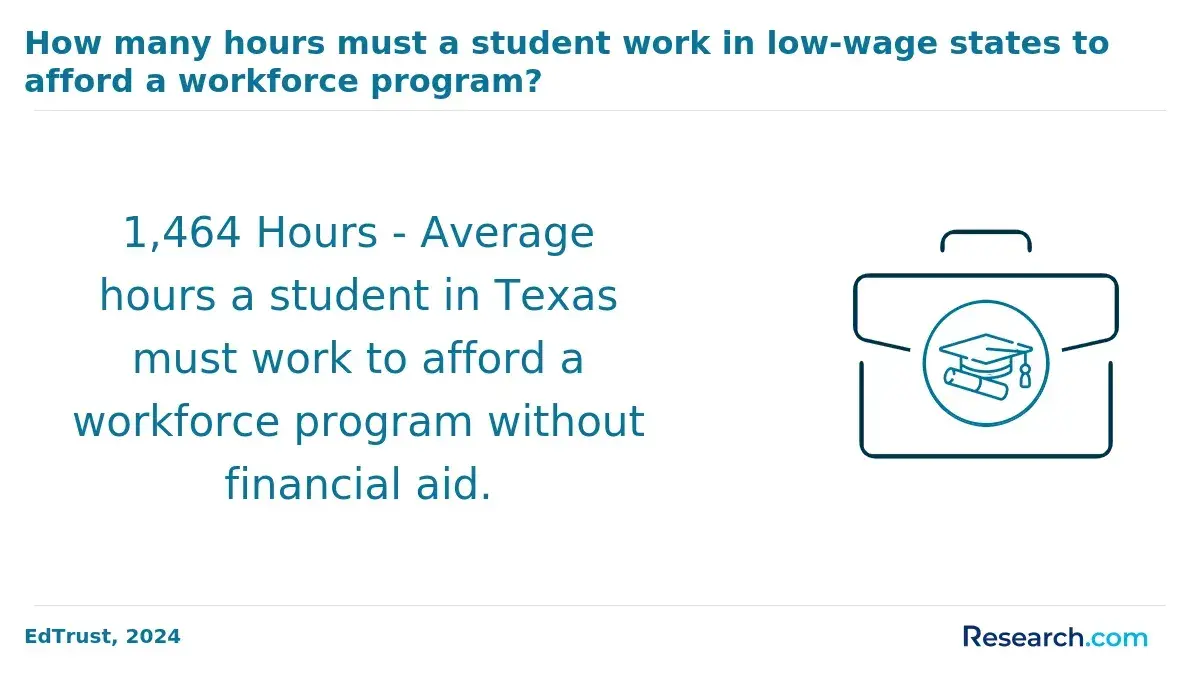
Research indicates that around 41% of college graduates end up working in careers unrelated to their original major, highlighting a significant trend toward career flexibility.
- Transferable Skills: Animal science programs develop critical abilities such as analytical thinking, data interpretation, problem-solving, and effective communication. These competencies are in demand across a variety of industries, making graduates adaptable candidates capable of thriving in diverse roles.
- Employer Hiring Trends: Employers increasingly value candidates with multidisciplinary backgrounds who bring a breadth of knowledge. Graduates with animal science degrees are appreciated for their unique perspectives, which can enhance research, management, education, and other professional areas beyond agriculture or biology.
- Experience and Training: Supplementing a degree with internships, certifications, or additional coursework in fields like business or technology enhances employability. Such practical exposure helps bridge gaps between academic knowledge and job requirements, expanding available career paths.
Remote work has become increasingly common, with about 60% of U.S. employers now offering flexible or fully remote positions. Graduates holding a bachelor's degree in animal science can leverage their expertise in research, data analysis, and communication to pursue several remote-friendly career paths previously dominated by on-site roles.
- Technical Writer: Create detailed manuals, reports, and educational content focused on animal biology or veterinary products. An animal science background ensures technical accuracy while strong writing skills enable effective remote teamwork.
- Research Analyst: Analyze scientific studies, market data, and field reports from a remote setting. Graduates use their knowledge to interpret biological findings and support research initiatives without the need for physical lab presence.
- Regulatory Affairs Specialist: Oversee compliance with animal health regulations while working remotely. The degree aids in understanding legal standards and preparing necessary documentation for regulatory approval.
- Environmental Consultant: Advise on wildlife management and conservation by evaluating environmental data and collaborating with field personnel virtually. Animal science training equips graduates to provide informed recommendations remotely.
- Online Educator or Curriculum Developer: Design and deliver educational programs in animal science for virtual classrooms. Combining subject expertise with digital communication skills helps create engaging remote learning experiences.
A graduate from an animal science bachelor's program shared her experience transitioning to remote work. She found managing communication and deadlines from home initially challenging, especially adapting to digital collaboration tools.
However, she emphasized that the critical thinking and self-discipline developed during her studies were invaluable, allowing her to thrive in a remote role.
"The hands-on knowledge gained made me confident in the content I work with, while time management and virtual teamwork became essential skills I honed along the way," she reflected.
Many professionals leverage a animal science bachelor's degree as a versatile foundation for career change due to the range of transferable skills it develops and the shifting demands of today's workforce.
Research shows that nearly 30% of college graduates move into jobs unrelated to their majors within a decade after finishing school, reflecting a growing adaptability among degree holders. This flexibility allows graduates to explore new directions beyond their original field.
Career change opportunities for animal science graduates are increasingly recognized as realistic and attainable with the right approach. Such transitions demonstrate how a degree can serve as a starting point rather than a limitation in professional growth.
A animal science degree fosters critical abilities like communication, problem-solving, analytical thinking, and adaptability, all of which are valuable across numerous career paths.
Graduates who supplement their education with internships, volunteer positions, or self-directed learning often find switching careers smoother and more feasible. On-the-job training also supports the development of industry-specific expertise needed for success in new roles.
Actively pursuing these growth opportunities enhances prospects for those seeking career change opportunities for animal science graduates. For those interested in further advancing their qualifications, exploring options such as the cheapest DNP programs online can provide additional avenues for professional development.
Earning potential for those with a bachelor's degree in animal science varies considerably depending on the sector, level of experience, and specific expertise.
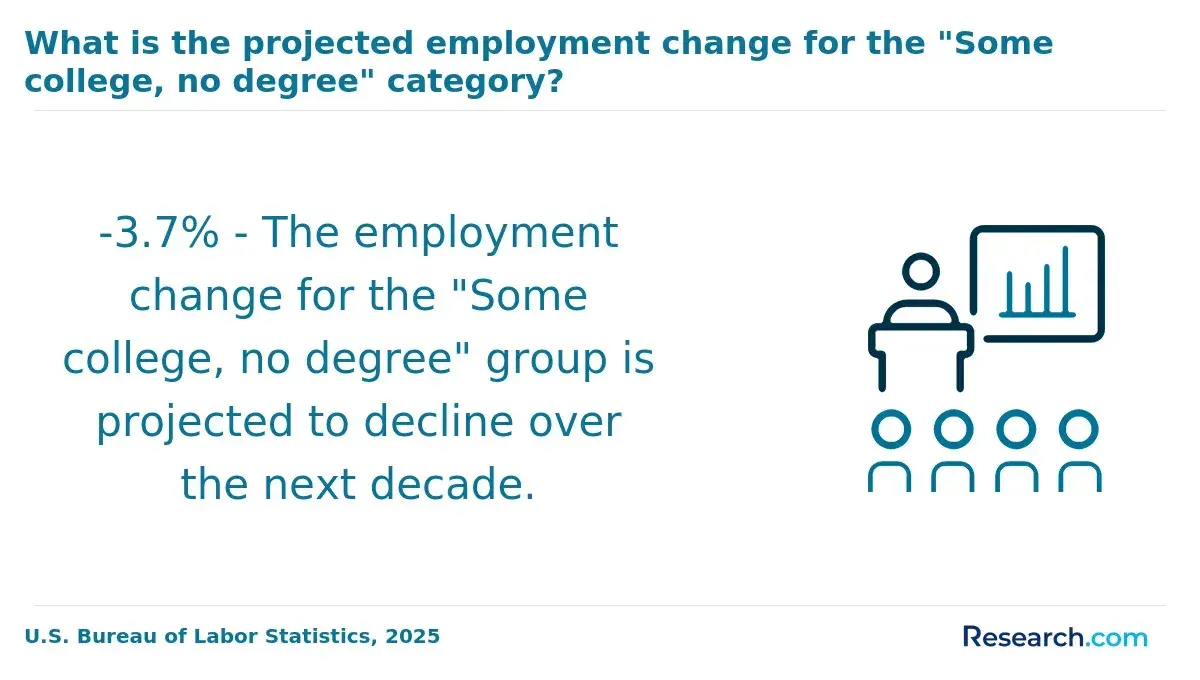
On average, bachelor's degree holders tend to earn substantially more over their careers compared to individuals without this education, with animal science graduates benefiting from opportunities in both scientific and management roles. Advancing knowledge and skills can lead to higher salaries and greater responsibilities within the field.
- Animal Nutritionist: These experts design feeding plans to improve animal health and production efficiency. A background in animal science supports understanding of animal physiology, with salaries generally ranging from about $50,000 to over $90,000 as experience grows.
- Livestock Production Manager: Responsible for overseeing farm or ranch activities, these managers handle breeding programs, feeding schedules, and animal welfare. Their knowledge of genetics and facility management comes from an animal science degree, with compensation typically falling between $60,000 and $100,000.
- Animal Health Inspector: In this role, professionals ensure livestock facilities meet health and safety regulations to prevent disease. A solid animal science foundation equips inspectors to identify biosecurity risks and enforce compliance. Salaries usually range from $50,000 to $85,000 annually.
- Research Technician in Animal Science: Working in laboratories or research institutions, these technicians participate in studies related to genetics, behavior, or nutrition. Their scientific training aids in data collection and analysis, with salaries starting near $40,000 and rising past $70,000 with experience.
- Technical Sales Representative: Combining technical knowledge and sales skills, these representatives market animal health products to veterinarians and producers. The animal science background enhances credibility and client support, with earnings-including commission-often between $55,000 and $90,000 or more.
A bachelor's degree in animal science offers a strong foundation for sustained career development and advancement across various roles related to animal biology, agriculture, and veterinary fields.
Graduates often move into positions with greater responsibility, such as managing teams or overseeing research projects, particularly within livestock management and zoological organizations.
Developing specialized expertise in areas like genetics or animal welfare science can distinguish professionals in competitive job markets and lead to consultative roles.
Additionally, career growth may include expansion into cross-functional and leadership roles involving business operations, regulatory affairs, or policy development, supported by enhanced collaboration and project management skills.
When asked about career growth opportunities, a professional with an animal science bachelor's degree reflected on the gradual yet rewarding journey that involved facing initial doubts about leadership capabilities.
He shared, "Taking on supervisory roles wasn't easy at first; I had to build trust while learning how to juggle administrative tasks with technical work." He emphasized the importance of adaptability and continuous learning, noting that "each new responsibility expanded my perspective and opened doors I hadn't anticipated."
This experience highlighted how career progression in this field often requires perseverance, skill refinement, and embracing a wider scope beyond direct animal care.
Many roles available to graduates with a bachelor's degree in animal science require or strongly prefer additional certifications. These professional licenses for animal science careers validate specialized skills and improve eligibility for positions that have specific regulatory or technical demands.
- Veterinary Technician: Veterinary technicians assist veterinarians in clinical environments, performing tasks like sample collection, lab work, and patient care. Earning the Veterinary Technician National Exam (VTNE) certification along with state licensure is typically required.
- Livestock Inspector: Livestock inspectors ensure animals and facilities meet health and safety regulations. They usually seek certification through the National Association of State Departments of Agriculture (NASDA) Livestock Inspector Certification.
- Animal Nutritionist: Professionals specializing in animal diet optimization may pursue the Certified Animal Nutritionist (CAN) credential. This certification demonstrates expertise in nutrition science, essential for roles in agriculture, feed manufacturing, or research.
- Wildlife Rehabilitator: Those caring for injured or orphaned wildlife often need state permits. These credentials vary by jurisdiction but always require demonstrated competence in handling and medical care, for which biology and physiology courses within an animal science degree provide useful background.
- Animal Behaviorist or Trainer: Specialists in modifying animal behavior may obtain certifications like the Certified Professional Dog Trainer (CPDT) or Certified Applied Animal Behaviorist (CAAB). These attest to advanced skills in behavior science, helping graduates qualify for training or therapeutic roles.
Prospective students or graduates interested in expanding their qualifications might also consider related fields or additional training. For example, exploring medical assistant programs online Michigan can provide complementary skills for certain veterinary or animal care roles.
While a bachelor's degree in animal science opens many career opportunities, some advanced jobs require a master's degree for specialized knowledge, deeper expertise, or professional licensure.
Approximately 13% of life science occupations demand graduate-level education, reflecting a trend toward increased academic qualifications in this field. This is especially true for advanced jobs requiring graduate study in animal science.
Common roles that typically require a master's degree after earning an animal science bachelor's degree include:
- Animal Nutritionist: These professionals develop feeding programs to enhance animal health and productivity. A master's degree is crucial for conducting research and creating evidence-based nutritional strategies.
- Animal Behaviorist: Focusing on animal psychology and ethology, this role often needs graduate study to effectively analyze and modify animal behavior in various settings.
- Veterinary Public Health Specialist: Specialists address issues at the animal-human health interface, such as zoonotic disease control and food safety. A master's provides essential epidemiological and regulatory training.
- Research Scientist in Animal Science: Leading advanced research in genetics, reproduction, or disease control requires graduate-level training to design and implement scientific studies.
- Agricultural Extension Agent (specialized focus): While some extension positions accept bachelor's holders, those focusing on animal husbandry and complex farm practices often need a master's for expert guidance and education delivery.
Graduate education fosters critical thinking and technical skills crucial for these careers. Students interested in expanding their expertise may explore options like an online exercise science degree to complement their animal science background, broadening their qualifications and job prospects.
Job prospects for animal science careers are projected to grow moderately over the next decade, with an estimated 5% increase in related agricultural and biological fields according to the U.S. Bureau of Labor Statistics.
Demand fluctuates depending on the sector, with agricultural production roles influenced by economic cycles, trade policies, and consumer preferences.
In contrast, fields connected to veterinary support, research, and biotechnology tend to offer steadier employment due to ongoing advancements in animal health and food safety. The need for specific skills and geographic location also shape job availability, as urban centers may prioritize food safety and animal welfare, while rural areas emphasize traditional farming practices.
Long-term job outlook depends heavily on technological progress such as genetic research, precision farming, and data analysis, requiring professionals to adapt continuously. Environmental concerns and shifts toward sustainable agriculture increasingly impact workforce demand and industry focus.
Candidates equipped with diverse abilities in laboratory methods, animal management, and data interpretation are likely to find more opportunities. Additionally, evolving public attitudes and innovations in biotechnology contribute to a dynamic employment landscape in animal science, where staying current with new developments is essential.
What Graduates Say About the Jobs You Can Get With a Animal Science Bachelor's Degree
- Ryker: "Choosing an animal science major was driven by my passion for wildlife conservation and sustainable farming practices. The coursework gave me a strong foundation in animal biology and management, which helped me secure a role in agricultural research. I'm genuinely excited about how this degree continues to open doors in ecological consulting and veterinary support fields."
- Eden: "Reflecting on my journey, the animal science bachelor's degree was pivotal when transitioning from academics to professional life. The diverse skill set I gained allowed me to navigate opportunities in animal nutrition and regulatory compliance smoothly. This degree truly shaped my approach to problem-solving in animal welfare organizations."
- Benjamin: "Professionally, my animal science degree has been instrumental in advancing my career in livestock production management. It equipped me with practical knowledge and critical thinking needed for overseeing large-scale operations and ensuring ethical standards. Pursuing this degree was a career-defining decision that positively impacted my leadership roles in the industry."
Other Things You Should Know About Animal Science Degrees
Employers in the animal science field highly value practical skills such as animal handling, data analysis, and knowledge of animal nutrition and breeding.
Strong communication and teamwork abilities are also important because many roles require collaboration with veterinarians, farmers, or researchers. Additionally, familiarity with regulatory standards and technological tools enhances job prospects.
Animal science bachelor's degree holders in 2027 can find jobs in industries like agriculture, pharmaceuticals, food production, and biotechnology. These industries offer roles in animal care, research, sales, and management, providing diverse career opportunities for graduates.
Yes. Many employers ask for at least one internship, research project, or 6–12 months of hands-on livestock, dairy, or animal health experience. Research roles often prefer 12 or more credit hours of lab-based coursework, plus skills in data collection, sample handling, and recordkeeping.
Certifications like Certified Veterinary Technician (CVT) or Certified Animal Welfare Auditor (CAWA) can enhance career prospects in animal science. These credentials, accredited by organizations such as the American Veterinary Medical Association, demonstrate specialized expertise and commitment to best practices in animal care and welfare.
- Animal Science Pathway https://www.agcareers.com/career-profiles/animal-science-pathway.cfm
- Career Outlook and Job Vacancies for Animal Scientists https://www.recruiter.com/careers/animal-scientists/outlook/
- Animal scientists: Salary, career path, job outlook, education and more - RaiseMe https://www.raise.me/careers/life-physical-and-social-science/agricultural-and-food-scientists/animal-scientists/
- BSAS https://www.bisas.org.uk/undergraduates-and-early-career/ec-education
- Animal Scientists Respond To Yahoo’s “College Majors That Are Useless” https://www.beefmagazine.com/farm-business-management/animal-scientists-respond-to-yahoo-s-college-majors-that-are-useless-
- 20+ Cool Careers With Animals (That Pay Well) https://unity.edu/career-corner/20-cool-careers-with-animals-that-pay-well/