2027 Is 40 Too Late to Earn an Animal Science Bachelor's Degree?

Co-Founder and Chief Data Scientist
Contemplating a return to academia at 40 often brings a mix of hesitation and curiosity, especially when considering a bachelor's degree in animal science. Many individuals face career plateaus or shifts and must juggle family responsibilities and financial demands while adapting to evolving online and hybrid learning formats.
With the U. S. Bureau of Labor Statistics projecting a 4% employment growth for animal and food science jobs through 2031, this field offers tangible opportunities. This article explores whether 40 is too late to earn an animal science bachelor's degree and examines the key factors influencing this important educational decision.
Key Things to Know About Whether 40 Is Too Late to Earn a Animal Science Bachelor's Degree
- Midlife career shifts toward animal science remain viable, with demand growing 4% annually for roles in veterinary support, research, and sustainable agriculture.
- Modern degree programs offer flexible online and part-time options, enabling students around 40 to balance studies with personal and professional responsibilities.
- Completing an animal science degree later in life fosters valuable skills and long-term career advancement, enhancing job stability and earning potential into retirement.
Can You Start a Animal Science Bachelor's Degree at 40?
Starting a animal science bachelor's degree at 40 is increasingly accessible thanks to evolving higher education pathways that embrace learners of all ages. Admission to undergraduate programs generally focuses on academic qualifications and relevant experience rather than age, ensuring that 40-year-old students have equitable enrollment opportunities.
Many adult learners pursuing animal science degrees find that this openness encourages them to pursue their goals without unnecessary barriers. Institutions have expanded their reach to attract and support a diverse student population, making return to school for animal science after 40 a practical choice.
Colleges and universities actively support adult learners through inclusive academic environments and structured degree pathways tailored to non-traditional students. These supports often include academic advising, recognition of prior learning, and resources that foster engagement and success.
Such inclusivity helps mature students navigate the demands of higher education with confidence. Additionally, some institutions provide complementary certifications in related fields, such as medical coder certification, expanding career options aligned with animal science studies.
What Are the Biggest Challenges of Going Back to College at 40?
Returning to college at 40 presents unique challenges; studies show adult learners juggle multiple roles that impact their educational success. For those pursuing a bachelor's degree in animal science, understanding these obstacles can aid in managing expectations and planning effectively.
- Time Management: Balancing family and work commitments while pursuing a degree is a major hurdle. Developing disciplined schedules and prioritizing tasks efficiently helps mature students navigate limited available study hours.
- Work and Family Balance: Many students in this age group care for children or aging parents, which can cause stress and fatigue. Building a reliable support network among family and friends can alleviate these pressures.
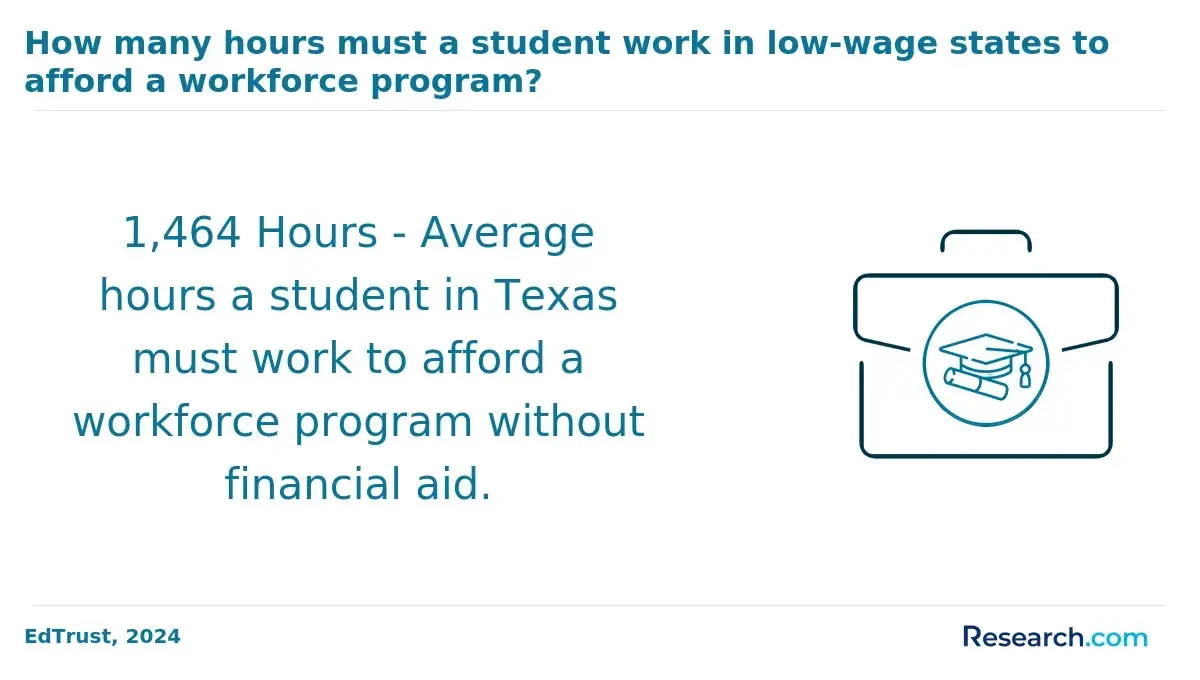
- Financial Concerns: Older students often face tuition and educational expenses without the financial aid younger students may receive. This adds anxiety and requires careful budgeting to sustain their academic goals.
- Adapting to Technology: Adult learners may find new learning platforms and software challenging. Gaining basic tech skills early and accessing campus resources like tutoring or workshops can ease this transition.
- Overcoming Self-Doubt: Feeling out of place among younger peers or questioning academic abilities is common. Setting small goals and celebrating progress fosters motivation and builds confidence.
Balancing these challenges while managing time effectively as a mature student in higher education is essential. For those interested in further healthcare-related degrees, resources like RN to BSN programs provide additional pathways tailored to adult learners seeking flexible options.
Can You Work Full-Time While Earning a Animal Science Degree at 40?
Balancing full-time employment with earning an animal science degree at age 40 is challenging but achievable. Strong self-discipline, effective time management, and a clear focus on long-term goals are essential for success.
Many adult learners leverage their experience and organizational skills to maintain steady academic progress while fulfilling job responsibilities. This balance illustrates that pursuing higher education later in life is not only possible but also rewarding, reinforcing the idea that 40 is not too late to earn a bachelor's degree.
A professional over 40 currently enrolled in an animal science bachelor's program shared his experience, describing the journey as both demanding and fulfilling. He noted, "Juggling work deadlines and coursework requires careful planning and frequent adjustments to my schedule, especially when unexpected work challenges arise."
He also emphasized the importance of mental resilience, saying, "Some days are overwhelming, but setting small, achievable goals helps maintain momentum." Support from colleagues and family plays a crucial role, as does staying motivated by the personal significance of completing the degree, which he views as a meaningful investment in his future despite the hurdles.
Flexibility is essential for adult learners around 40 or older who want to pursue an animal science bachelor's degree while managing work, family, and other life obligations. Various learning options provide the adaptability needed to balance education with ongoing commitments.
Exploring flexible animal science degree programs for adult learners can make a significant difference in achieving academic goals.
- Online Learning: Fully online animal science bachelor's degree options for mature students offer the freedom to study from any location. Recorded lectures and digital resources allow learners to access materials when it fits their schedules, eliminating commuting challenges.
- Part-Time Enrollment: Taking fewer courses each term reduces weekly demands, enabling students to maintain a manageable balance between schoolwork and personal responsibilities.
- Evening and Weekend Classes: These classes accommodate working adults by providing campus-based sessions outside of regular daytime hours, making attendance more feasible without impacting job commitments.
- Self-Paced Study: Some programs allow students to progress through content at their own speed, offering extra time to grasp complex topics or the opportunity to advance quickly based on prior experience.
For those seeking accelerated paths, options like fast track medical LPN programs demonstrate the growing availability of flexible, efficient routes to degree completion tailored to busy adults.
Pursuing a bachelor's degree in animal science around age 40 can take varying amounts of time depending on personal circumstances. While traditional full-time students often complete the degree in about four years, adult learners frequently balance additional responsibilities that influence their timelines.
Several key factors shape how long it may take to earn the degree.
- Course Load: Many learners at this stage choose to take fewer classes per term, which can extend the duration beyond the typical timeline. Conversely, taking heavier course loads or enrolling in summer sessions helps accelerate progress.
- Prior Credits: Transferable college credits or previous coursework can shorten the path to graduation by fulfilling general requirements, making the process more efficient.
- Life Commitments: Family, work, and other obligations require flexible scheduling and effective time management, often influencing the pace at which students complete their studies.
- Motivation and Support: Strong personal motivation and access to academic resources or support networks play important roles in maintaining steady progress through the program despite challenges.
An adult learner who returned to college at 40 to complete her animal science degree shared that balancing parenting and a part-time job made each semester a careful juggling act. She described how "finding even small pockets of study time" was essential, and summer courses allowed her to shorten the overall timeframe.
Though it took longer than the traditional route, she reflected positively, saying, "The journey was challenging but incredibly rewarding. I never felt rushed, and completing my degree brought a deep sense of accomplishment." Her experience illustrates that while the timeline may differ, earning an animal science degree at 40 is both realistic and fulfilling.
The average cost of earning a animal science bachelor's degree varies widely, with total expenses often ranging from several thousand to tens of thousands of dollars depending on multiple factors.
For adult learners around 40, recognizing these financial elements can clarify what to expect when returning to school.
- Tuition Fees: Tuition is typically the largest cost and fluctuates based on whether the institution is public or private, its geographic location, and whether you qualify for in-state rates. Part-time enrollment can also influence tuition billing by charging per credit hour rather than a fixed semester cost.
- Learning Materials: Expenses for textbooks, lab supplies, and access to digital tools or specialized software add up and should not be overlooked. These resources are essential for success but often represent a significant portion of the overall budget.
- Enrollment Intensity: Choosing full-time study may increase upfront costs but can reduce the total time and thus some additional fees, while part-time attendance spreads costs over more semesters, potentially extending payments and cumulative expenses.
- Additional Fees: Registration, technology, and campus service fees vary by school and are added on top of tuition. These support infrastructure and extracurricular activities, contributing to the final cost outline.
- Credit Transfers and Prerequisites: For many learners, transferring previous credits or completing prerequisite courses impacts both cost and timeline. Such factors can increase the total financial commitment but often provide long-term savings by reducing coursework.
Returning to college at 40 to pursue a bachelor's degree in animal science can present distinct challenges that merit careful consideration. While many adult learners succeed, it's important to understand potential risks to prepare for a smoother academic journey.
These challenges often relate to workload, adapting to new learning environments, and managing life commitments alongside studies. Key considerations include:
- Workload Demands: College-level animal science courses often require consistent study, laboratory work, and projects. The physical and mental effort needed may feel more strenuous for those reentering academia after years away.
- Adjustment to Learning Environments: Returning students must often adapt to updated technologies, teaching methods, and academic expectations. This learning curve requires patience and can add stress during the early semesters.
- Balancing Responsibilities: Many 40-year-old students manage jobs, family, and personal obligations. Juggling these responsibilities with coursework can increase risks of fatigue and burnout without effective time management.
- Physical and Cognitive Stamina: Extended study hours and late nights may take a greater toll than in younger years. Establishing self-care routines and realistic schedules is key to maintaining endurance.
- Support Systems: Finding and utilizing support networks, whether peer groups, mentors, or academic resources, helps mitigate many challenges and enhances persistence for returning adult learners.
Starting a new career in animal science at age 40 is not only feasible but offers unique advantages. Earning a bachelor's degree in animal science at this stage builds a robust foundation in biology, animal behavior, and agricultural practices, creating career change opportunities with animal science degree over 40.
This education equips adult learners with specialized knowledge applicable in research, veterinary support, conservation, and agricultural management. For many, it becomes a vital step toward shifting into rewarding professions that may have seemed inaccessible previously.
Workforce trends increasingly support adult learners embracing significant career changes, reflecting a broader shift toward lifelong learning and skills development. Access to higher education has improved substantially, making it possible for people in their 40s and beyond to pursue degrees such as animal science.
The evolving professional landscape values the blend of maturity and fresh expertise these learners bring while emphasizing adaptable career pathways. Those considering a change can also explore related fields with promising prospects by reviewing the job outlook for medical billing and coding, which illustrates how varied options exist outside traditional roles.
Employers generally value animal science bachelor's degrees earned at age 40, especially when combined with relevant life and professional experience. Many hiring managers recognize that adult learners bring maturity, practical knowledge, and a proven commitment to lifelong learning.
According to a Lumina Foundation study, approximately 55% of employers prefer candidates who demonstrate adaptability and continuous skill development regardless of when they earned their degree.
When considering perceptions of hiring candidates with animal science degrees over 40, employers often evaluate several key perspectives:
- Skill Relevance: Employers prioritize the technical and scientific knowledge gained, especially how it applies to modern animal health, management, and welfare practices.
- Professional Experience Integration: Work experience in agriculture, veterinary assistance, or related fields complements academic achievements, showcasing the candidate's ability to apply theory in practical settings.
- Continuous Learning: Returning to school at 40 reflects strong motivation to update skills and stay competitive, a quality highly valued in evolving industries.
- Adaptability And Time Management: Balancing education alongside personal and professional responsibilities demonstrates resilience and effective multitasking, traits prized by employers.
- Networking And Leadership Potential: Mature students often bring established professional networks and leadership skills, enhancing collaboration and project management.
Overall, earning an animal science bachelor's degree later in life can be a strategic advantage if a candidate effectively communicates how their education enhances their experience and contributes to organizational goals. Adults interested in a fast track nutrition degree online may find similar opportunities to combine education with practical expertise.
Preparing to apply for a animal science bachelor's program involves thoughtful academic and logistical steps to ensure smooth enrollment. Early planning is crucial for adult learners, especially those around 40 or older, as it supports better decision-making and readiness.
Studies indicate that applicants who prepare in advance have a 30% higher chance of successfully enrolling and completing their programs. Consider the following essential steps before submitting your application:
- Assess Academic Records: Review previous coursework and transcripts to identify necessary prerequisites or missing credits. This helps clarify your academic standing and prevents unexpected requirements during admission.
- Research Program Details: Investigate the emphasis areas within animal science degrees, such as livestock care or veterinary technology. Understanding curricula and focus helps you choose a program aligned with your career goals.
- Evaluate Learning Formats: Explore options like part-time, evening, or online classes that accommodate work and family commitments common among adult learners. Selecting flexible formats improves your ability to balance education with other responsibilities.
- Organize Application Materials: Prepare important documents including transcripts, recommendation letters, and personal statements ahead of time. Well-assembled paperwork reduces delays and presents a strong candidacy.
What Graduates Say About Earning a Animal Science Bachelor's Degree at 40
- Ryker: "Going back to college at 42 was a decision fueled by my passion to shift careers and finally pursue what truly interested me-understanding livestock and sustainable farming. Choosing an animal science bachelor's degree allowed me to gain practical knowledge and credibility in a field I love, even if it felt daunting at first. Earning this degree gave me renewed confidence and opened doors to leadership roles in agricultural management that I hadn't imagined possible before."
- Eden: "I returned to school at 45 because I wanted to inspire my children and prove that learning has no age limit. Animal science caught my attention with its blend of biology and environmental stewardship, which I found deeply meaningful. The degree not only enriched my understanding but significantly boosted my career as a consultant in animal welfare, proving it's never too late to make a professional pivot."
- Benjo: "At 41, I recognized that advancing my career in veterinary technology required a deeper academic foundation, prompting me to enroll in an animal science bachelor's program. Selecting this degree was a strategic move to specialize and enhance my expertise. Completing it has elevated my professional standing and provided me with critical insights that directly impact the quality of care I can provide in my practice."
Other Things You Should Know About Animal Science Degrees
Yes. Many universities cap transfer credit at 60 to 90 semester hours for a 120-hour bachelor’s degree, and they usually require a minimum grade of C in accepted courses. Core animal science classes, labs, and capstone requirements still must be completed at the degree-granting institution.
Courses that involve applied animal management, ethics, and policy tend to benefit from the perspectives of adult learners who often have prior work and life experience. Classes addressing sustainable farming practices or animal welfare can be enriched by insights from mature students familiar with industry challenges. Such real-world knowledge adds depth to academic discussions and practical assignments.
Many colleges and universities offer tailored support for adult learners, including academic advising, career counseling, and flexible scheduling options to accommodate work and family commitments. Some programs provide tutoring or mentoring specifically designed for non-traditional students to help with coursework in biology, chemistry, and animal husbandry. Access to networking events and internship placements is also commonly available to aid career readiness.
- Bachelor of Animal Science – BAnSci https://www.massey.ac.nz/study/all-qualifications-and-degrees/bachelor-of-animal-science-UBANS/
- Going Back to School at 40 in [2026]: Here’s What to Expect https://www.neit.edu/blog/going-back-to-school-at-40
- Common Obstacles for Mature-Age Students Returning to Study - Sero Institute https://seroinstitute.com.au/common-obstacles-for-mature-age-students-returning-to-study/
- Confessions of an Aging Student: Returning to College in My 40's | HuffPost College https://www.huffpost.com/entry/confessions-of-an-aging_b_2977027
- Are You Too Old to Go to Vet School? https://www.liveabout.com/are-you-too-old-for-vet-school-125912
- Animal Science: 2023/24, second cycle (post bachelor's degree), part-time studies - https://sylabus.sggw.edu.pl/en/1/19/4/3/40/8/49