2027 Online Animal Science Bachelor's Degree Programs With Monthly Start Dates

Co-Founder and Chief Data Scientist
For many prospective students, traditional academic calendars create barriers to timely enrollment in animal science bachelor's degree programs. Waiting months for semester start dates can delay career progression, especially for working adults or military personnel seeking flexibility.
Online animal science programs with monthly start dates address this by offering continuous enrollment opportunities that align with varied schedules. According to recent data, programs with flexible start times have increased student retention rates by 15% compared to fixed-semester options.
This article examines key factors—from accreditation and curriculum to cost and career outcomes—to help readers select and succeed in online animal science bachelor's degrees with monthly intake availability.
Key Things to Know About Online Animal Science Bachelor's Degree Programs With Monthly Start Dates
- Regionally accredited online Animal Science programs with monthly starts often accept transfer credits and require a high school diploma or equivalent for admission.
- Curricula typically blend core biology, nutrition, and genetics with electives; costs vary widely but average $300-$600 per credit hour.
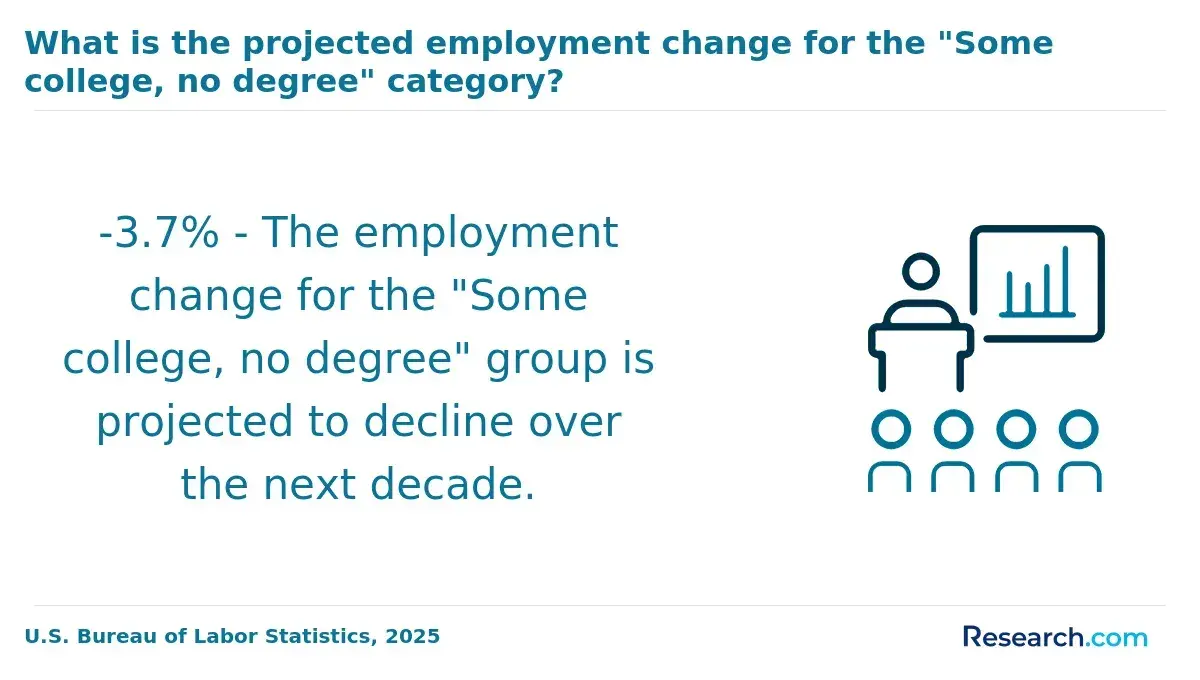
- Graduates qualify for roles in agriculture, research, and veterinary support, with a projected 8% job growth over the next decade.
What Are Online Animal Science Bachelor's Degree Programs With Monthly Start Dates, and How Do They Work?
Online animal science bachelor's degree programs with monthly start dates provide a flexible alternative to traditional semester systems by allowing students to enroll at the beginning of any month.
This rolling enrollment approach fits well with flexible online animal science bachelor's degrees for working adults, military members, career changers, and recent high school graduates.
Programs typically employ asynchronous or competency-based learning models, enabling learners to progress at their own pace without fixed class times.
Most programs require roughly 120 credit hours, blending core sciences like biology, chemistry, and statistics with specialized animal science courses such as livestock management, nutrition, and genetics. Students advance by demonstrating mastery of competencies or completing assigned coursework, allowing a tailored, efficient path toward degree completion.
The popularity of programs offering monthly enrollment has risen sharply. According to the National Center for Education Statistics, more than one-third of online students now take advantage of rolling admissions and monthly start options, with the Online Learning Consortium confirming these models have become mainstream in higher education.
- Flexibility: Monthly start dates permit continuous enrollment, eliminating waiting periods between traditional semesters and supporting diverse schedules.
- Delivery Model: Asynchronous and competency-based formats allow personalized learning timelines, ideal for busy adults and military personnel.
- Program Structure: Around 120 credit hours integrate foundational sciences with specialized animal science courses in a carefully sequenced curriculum.
- Growth and Accessibility: Enrollment data reflects increased adoption of rolling start programs, showing wide acceptance and practicality.
- Audience Fit: These programs serve varied learners seeking accredited, flexible online animal science bachelor's degrees with monthly enrollment, including working adults and recent graduates.
For those exploring options in nursing advancement, reviewing information about DNP programs can be helpful.
Which Regional Accreditation Bodies Approve Online Animal Science Bachelor's Programs With Monthly Start Dates?
Regional accreditation is the benchmark for online animal science bachelor's programs with monthly start dates, recognized by most employers, graduate schools, and licensure boards. It involves rigorous evaluation of entire institutions by established agencies to ensure academic quality and institutional integrity. In contrast, national accreditation tends to be less demanding and is often linked to vocational or for-profit schools, which generally hold less weight in professional and academic settings.
Key regional accrediting agencies approving online animal science degrees with flexible enrollment include:
- Higher Learning Commission (HLC): Covers institutions mainly in the central United States and assesses overall academic standards.
- Southern Association of Colleges and Schools Commission on Colleges (SACSCOC): Oversees schools in southern states, widely respected by employers.
- New England Commission of Higher Education (NECHE): Accredits institutions in the northeastern U.S., ensuring high academic rigor.
- Western Association of Schools and Colleges Senior College and University Commission (WSCUC): Evaluates West Coast schools for comprehensive quality.
- Middle States Commission on Higher Education (MSCHE): Responsible for mid-Atlantic region institutions, assuring academic excellence.
- Northwest Commission on Colleges and Universities (NWCCU): Accredits schools in the northwest U.S. to maintain educational standards.
Students should verify a program's accreditation using trusted databases such as the U.S. Department of Education's Database of Accredited Postsecondary Institutions and Programs (DAPIP) or the Council for Higher Education Accreditation (CHEA) database. These tools help confirm that stated credentials are legitimate and respected.
Some animal science programs also earn programmatic accreditation in agriculture or biological sciences, adding further credibility. Prospective students can check program websites or contact advisors to confirm such credentials.
Beware of diploma mills or non-accredited institutions offering quick monthly start dates. These programs often lack recognition, limiting career and educational opportunities. Always prioritize programs with regional accreditation to secure a valid degree.
If affordability is a concern, consider exploring other fields as well—for example, this guide to affordable online nursing programs can provide insights into cost-effective educational paths.
How Do Monthly Start Dates in Online Animal Science Programs Differ From Traditional Semester or Quarter Systems?
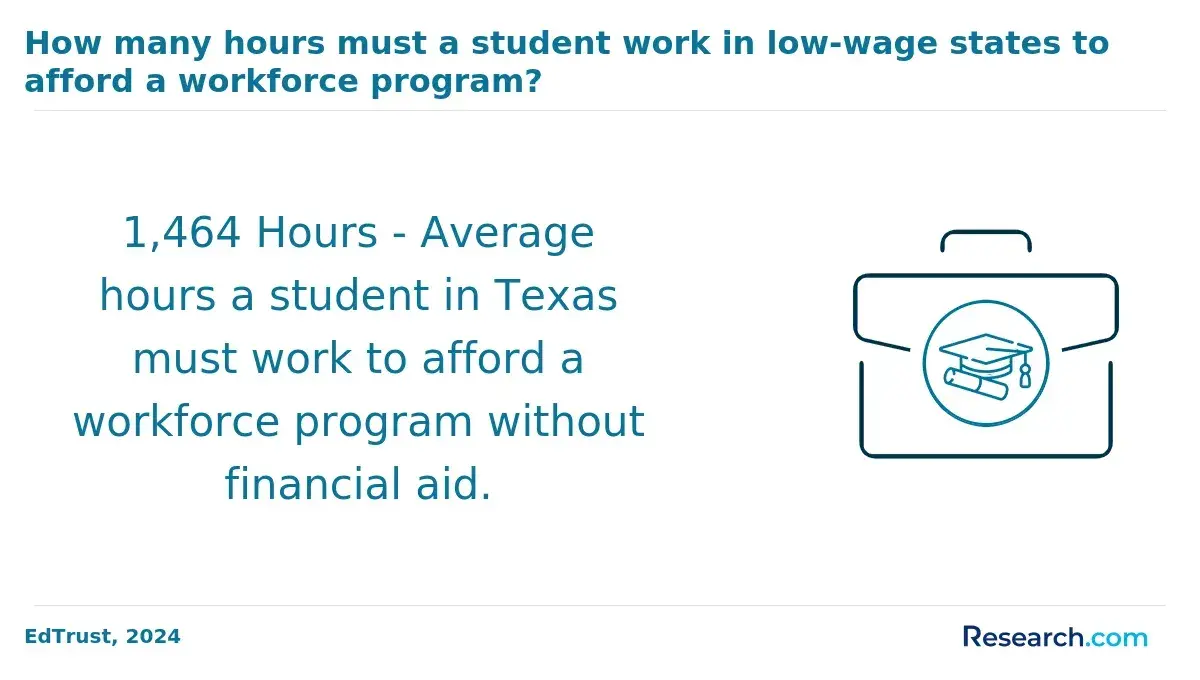
Monthly-start online animal science programs offer a flexible alternative to traditional academic calendars, allowing students to begin their studies throughout the year rather than waiting for fixed semester dates. While this rolling enrollment model increases accessibility, it also changes how courses are structured, how students interact, and how financial aid is managed.
The following sections outline the key features and considerations of this format.
- Rolling Enrollment: Unlike traditional semesters with fixed start and end dates, monthly-start online animal science programs allow students to begin classes every month. This continuous enrollment supports greater scheduling flexibility, accommodating working adults and military members who may not fit semester timelines.
- Course Sequencing: Students typically follow a guided sequence of courses to ensure essential topics are completed in order. Some programs blend structured pacing, where cohorts move through core subjects together, with self-paced elements that enable learners to select electives or manage additional coursework independently. This combination balances rigor with flexibility.
- Learning Community: Monthly starts create smaller, staggered groups rather than one large cohort progressing simultaneously. This fosters closer interactions within each cohort but may limit broader networking opportunities. Faculty often remain accessible throughout the year, providing ongoing support beyond conventional semester hours.
- Financial Aid Considerations: Federal Title IV aid relies on defined enrollment and payment periods aligned to academic terms. Because monthly starts differ from standard semesters, students must ensure their program's calendar meets federal guidelines to maintain aid eligibility and timely disbursement. Consulting the U.S. Department of Education's Federal Student Aid resources helps verify that payment periods correspond with approved enrollment intervals.
A professional who completed an online animal science bachelor's with monthly starts shared that adapting to rolling enrollment initially felt disorienting. "I was used to a set schedule, so starting each month required extra planning," he explained.
Yet, the smaller cohorts offered a "more personal touch" with instructors and peers, which helped maintain motivation. He noted, "Managing financial aid was tricky at first—making sure I understood the payment deadlines was crucial to avoid delays."
His experience highlights how monthly start programs can be rewarding but demand proactive organization and communication to thrive.
Admissions for online animal science bachelor’s programs with monthly start dates are designed to ensure both accessibility and academic readiness. While most programs require standard credentials like a high school diploma and transcripts, many also offer flexible policies around testing and GPA to support a broader range of applicants.
The following sections outline key requirements and strategies to strengthen your application.
- High School Diploma or GED: Most online animal science bachelor's programs with monthly start dates require applicants to have completed a high school diploma or GED as a fundamental admission criterion. Official transcripts from previous schools must usually be submitted to verify academic history, accompanied by a minimum GPA requirement—often between 2.0 and 2.5—though standards vary by program.
- Standardized Testing: Many flexible enrollment criteria for animal science online bachelor's degrees now exclude the need for SAT or ACT scores, enhancing access for working adults and nontraditional students. However, some programs still recommend or require these tests, so checking each institution's policy is essential.
- Selective vs. Open Admission: Most reputable programs maintain selective admission policies, carefully assessing candidates to uphold degree quality. In contrast, open-admission programs may offer easier entry but with less competitive credentials in animal science.
- Transfer Students: Initial applications often accept unofficial transcripts to speed evaluations, though official versions are mandatory before final enrollment. Transfer applicants aiming for prior learning assessment credit should provide detailed course descriptions or syllabi for review.
- Supporting Weak Academic Records: Those with lower GPA scores can improve their chances by submitting a personal statement outlining their commitment, securing strong letters of recommendation, or enrolling in bridge or preparatory courses to demonstrate preparedness.
Applicants seeking affordable options might explore no application fee colleges, which sometimes include animal science programs with flexible admissions.
Admission to online animal science bachelor's programs typically requires a minimum GPA between 2.0 and 2.5 on a 4.0 scale. This baseline varies depending on the program's selectivity-open-admission programs generally accept applicants with a 2.0 GPA, while moderately selective ones may seek closer to 2.5.
Competitive programs often expect GPAs above 3.0 and evaluate applicants holistically, incorporating work experience and recommendations.
Beyond admission, students must maintain satisfactory academic progress to keep financial aid eligibility, which usually involves sustaining a GPA of 2.0 or higher. Graduation requirements may call for an overall GPA slightly above the minimum admission standard, commonly between 2.0 and 2.75.
Applicants whose GPA is below the minimum often qualify for provisional admission, conditional on achieving specific academic goals shortly after enrollment. Academic probation and appeal processes further provide opportunities to improve or explain lower GPAs.
Because GPA expectations differ by institution and sometimes program tracks, prospective students should review academic catalogs available online to confirm current requirements before applying. Criteria can change annually and might be adjusted based on prior education or other factors.
- Admission Standards: Most programs require a GPA from 2.0 to 2.5 for entry, with more competitive schools expecting higher academic records.
- Ongoing Eligibility: Maintaining a minimum GPA, often 2.0, ensures continued access to financial aid and program participation.
- Provisional Options: Candidates below minimum GPA thresholds may receive conditional acceptance contingent on early academic achievement.
- Program Selectivity: GPA requirements vary by program rigor, affecting an applicant's chances depending on their academic background.
- Confirm Policies: Academic catalogs should be consulted regularly to verify GPA and related admissions policies.
A professional who completed an online animal science bachelor's program with monthly start dates described her admission experience as initially stressful due to a GPA slightly below the listed minimum.
However, she was granted provisional admission after submitting an appeal detailing her work experience and motivation. The early coursework demanded focus, but meeting the benchmarks lifted her academic probation status quickly.
She emphasized that this flexibility helped maintain her confidence and commitment, ultimately allowing her to graduate without delay and build a solid career in the field.
Most online animal science bachelor's degrees require about 120 semester credit hours to graduate. How quickly students finish depends on the number of credits they take each term, transfer credits they bring in, and the ability to start new courses monthly instead of waiting on traditional semester schedules.
- Full-Time Study: Taking 12 to 15 credit hours per term allows students to make steady progress. Monthly start dates let students begin courses without delay, potentially finishing the degree in 3 to 4 years.
- Part-Time Study: Students balancing work or military duties commonly enroll part-time with 6 to 9 credits monthly. While the monthly enrollment option prevents gaps between courses, completion often spans 5 years or more.
- Transfer and PLA Credits: Transferring credits from other institutions or gaining PLA credit for professional experience can reduce required coursework significantly.
- Program Flexibility: Many programs let students pause enrollment or take leaves of absence without losing progress—a vital option for working adults and military personnel managing unpredictable schedules.
- Potential Challenges: Delays often occur when transfer credits aren't fully accepted or when prerequisite course sequencing restricts progression. Students should work closely with advisors to create realistic timelines and avoid underestimating time to graduation.
Costs for an online Animal Science bachelor's degree with monthly start dates vary significantly by institution and program design. Tuition is typically charged per credit hour, ranging from $300 to over $600. Additional expenses include technology fees, commonly between $50 and $150 per term, and course materials, which can exceed $500 annually.
Despite the fully online format, some programs require on-site residencies, practicum hours, or lab work, adding travel and housing costs for hands-on experience.
- Federal Financial Aid: Eligible students can apply for Pell Grants, which do not require repayment and are based on financial need. Direct loans, available as subsidized and unsubsidized, must be repaid with interest but offer flexible terms. Federal work-study programs provide opportunities for part-time jobs, often related to animal science. Since monthly start programs have rolling enrollment, filing the FAFSA early—starting October 1—is crucial to maximize aid availability and meet deadlines.
- Scholarships: Several scholarships target animal science students, including those from professional associations like the American Society of Animal Science and various agricultural foundations. Universities often offer merit- and need-based scholarships for animal science majors. State grant programs may also support in-state residents. Useful resources for researching scholarships include the College Board Scholarship Search and Fastweb.
Cost Comparison Framework:
Program A: Tuition at $300/credit with $200 technology fees annually; Pell Grant reduces cost by up to $6,500 per year, resulting in about $8,000 net annually.Program B: Tuition at $450/credit plus $600 for materials and $100 for technology fees, loans cover 60% of tuition, net out-of-pocket approximately $12,000 per year.Program C: Higher-priced state university at $625/credit, includes a practicum requiring travel costs; scholarships and grants lower net price to roughly $15,000 annually.
Several reputable schools offer online animal science bachelor's degree programs with monthly start dates, providing flexible learning schedules paired with respected academic quality.
These programs cater to working adults, career changers, military personnel, and recent high school graduates seeking accredited colleges with flexible online animal science bachelor's degree monthly enrollment.
- Colorado State University: Accredited by the Higher Learning Commission, CSU offers an online bachelor's in animal science with tuition around $650 per credit. The program accepts up to 90 transfer credits, allowing accelerated completion typically within four years. It emphasizes applied research and industry connections, supporting internships and job placements, with faculty holding doctoral degrees.
- Texas A&M University: Accredited by the Southern Association of Colleges and Schools Commission on Colleges, Texas A&M provides rolling admissions and in-state tuition averaging $350 per credit. It allows generous credit transfers and personalized advising to help students finish in three to four years. The program boasts strong employer partnerships in livestock management and biotechnology.
- University of Florida: UF's program, accredited by the Southern Association of Colleges and Schools, has an average tuition of $500 per credit and flexible transfer policies. Full-time students typically graduate in about four years. The curriculum includes extensive research opportunities and a dedicated online student support team.
- North Carolina State University: NC State offers multiple annual start dates with tuition near $870 per credit for out-of-state students and discounted in-state rates. The program features active research faculty, low student-to-instructor ratios, flexible pacing, and supports transfer credits.
- Oregon State University: Accredited by the Northwest Commission on Colleges and Universities, Oregon State delivers an online animal science program for working adults at about $330 per credit. It facilitates transfers of up to 90 credits and focuses on sustainable agriculture and leadership. Strong alumni networks and employer collaborations enhance career readiness.
Prospective students should seek programs that combine quality curricula, flexible monthly start dates, and professional engagement to maximize career outcomes. For those interested, exploring options like an online ASN degree can provide additional flexible learning pathways in science fields.
Online animal science bachelor's degree programs start with general education courses in English composition, mathematics, chemistry, biology, and social sciences to build essential academic and critical thinking skills. These foundational courses support the broader curriculum and prepare students for more specialized study.
Lower-division core courses focus on the scientific principles of animal biology, nutrition, physiology, genetics, and microbiology. These classes provide the groundwork necessary to understand animal health, breeding, and welfare.
Upper-division coursework typically covers advanced topics such as livestock production, animal behavior, reproductive technologies, and disease management, demonstrating the academic rigor of animal science courses with flexible monthly start dates that accommodate diverse student schedules.
Common specializations or elective tracks enable students to align their education with career goals.
- Aquaculture: Focus on fish and aquatic animal production systems.
- Equine Science: Concentration on horse health, training, and management.
- Animal Nutrition: Emphasis on dietary formulation and feed science.
- Animal Breeding and Genetics: Study of genetic improvement and breeding programs.
Applied learning components distinguish reputable online programs. Capstone projects, practicums, simulations, and employer-partnered projects provide practical experience, linking theory with industry needs. These opportunities help students build real-world skills and professional competence.
Programs often include access to technology tools like statistical software, online animal science databases, and memberships in professional associations, fostering research skills and networking opportunities.
For those comparing related options, exploring an online exercise science degree can offer insights into complementary health and biological science disciplines.
Monthly-start online animal science programs are designed to accommodate adult learners managing careers, family, and personal commitments. These programs typically feature asynchronous coursework and on-demand lecture recordings, enabling students to study when it fits their schedules.
Flexible deadlines help reduce pressure, while mobile-friendly platforms provide easy access from any device. Such flexibility makes it possible for learners to balance responsibilities without sacrificing progress.
Support services are tailored to meet the needs of non-traditional students. Academic advisors available beyond regular hours guide course selection and degree planning. Career services assist with job placement and internships, while military and veteran support offices provide specialized resources.
Disability accommodations and peer tutoring are often accessible during evenings and weekends, addressing the diverse challenges adult learners face.
The transition back to academics can be daunting, with common concerns like imposter syndrome, technology anxiety, and refreshing writing skills after years away from school. Many programs offer workshops, mentoring, and writing centers to help ease these barriers.
Additionally, students returning to education should seek programs that recognize prior learning through CLEP exams, portfolio assessments, or military training credits—a strategy that can shorten degree timelines and reduce costs.
Recent data from the National Center for Education Statistics shows a steady increase in adult enrollment in online bachelor's degree programs, emphasizing the growing demand for flexible higher education options.
- Flexible Coursework: Asynchronous classes and mobile access let learners balance study with life's demands without strict scheduling conflicts.
- Extended Support Services: Dedicated advisors, military support, and tutoring are available beyond business hours to fit diverse schedules.
- Addressing Challenges: Programs provide resources to overcome imposter syndrome, tech issues, and academic writing obstacles.
- Credit for Prior Learning: Recognition of exams and military experience helps adults accelerate degree completion and lower expenses.
- Growing Enrollment Trends: Adult participation in online bachelor's programs continues to rise, reflecting higher demand for adaptable education.
A bachelor’s degree in animal science offers steady career opportunities across agriculture, research, and emerging biotechnology fields. While entry-level roles provide a stable starting point, long-term growth and earning potential often depend on specialization, experience, and further education.
The following sections explore employment trends, salary expectations, and evolving career paths in this field:
- Employment Growth: Jobs for animal science bachelor's graduates are expected to increase about 5% over the next ten years, matching the overall national growth rate. This steady demand arises from sectors like agriculture, livestock care, and scientific research, making the degree a sound investment for those seeking stable career prospects.
- Salary Expectations: Earnings vary depending on job title and location. Animal scientists typically earn a median salary near $68,000 annually, while technicians in agriculture and food science start around $40,000. Salary differences often reflect regional industry strength, with higher wages concentrated in states boasting robust agricultural or biotech research hubs.
- Career Pathways: Positions such as animal health technician or lab assistant generally require a bachelor's degree, whereas roles like research scientist or specialized consultant often prefer graduate degrees. Advancing into management or higher-level research positions usually demands experience and additional qualifications. Opportunities exist in government regulation, pharmaceuticals, feed companies, and wildlife conservation as well.
- Regional Demand: Job availability and compensation fluctuate according to regional economic priorities and industry presence. Rural areas with extensive farming or veterinary services show strong employment demand, while urban centers tend to offer roles linked to biotech and animal nutrition research. Remote work options, including data analysis and consulting, are increasingly accessible for graduates.
- Emerging Roles: Growth areas include sustainable agriculture, animal welfare, and biotechnology innovation. Graduates skilled in genetics, environmental assessment, or data science will find expanding opportunities. Industry trends emphasize rising needs for experts in climate resilience and alternative protein development, positioning new entrants for diverse and future-focused careers.
What Graduates Say About Their Online Animal Science Bachelor's Degree Programs With Monthly Start Dates
- Ryker: "Choosing this online animal science bachelor's degree with monthly start dates was the best decision I made for my education. The program's accreditation gave me confidence in its quality, and the flexible admission requirements made it accessible without compromising standards. I appreciated how the curriculum balanced theoretical knowledge with practical applications, all while keeping the cost manageable for working students like me."
- Eden: "Reflecting on my experience, the curriculum was diverse and well-structured-covering everything from animal biology to sustainable farming practices. The affordability of the program made continuing my education possible, and the monthly start dates truly helped me fit study around my busy schedule. Graduating has opened doors to professional careers in wildlife management and research that I hadn't imagined before."
- Benjamin: "The program's strong focus on career outcomes stood out most to me-graduates are well-prepared for various roles in veterinary care and animal welfare industries. I found the admission process straightforward and appreciated the legitimacy provided by its accreditation. The cost was reasonable compared to other institutions, and the flexibility of monthly intake options made progressing through the courses stress-free and efficient."
Other Things You Should Know About Animal Science Degrees
Many online animal science programs with monthly start dates accept transfer credits from accredited colleges, typically requiring official transcripts and a course-by-course evaluation to match relevant subject matter. Prior learning assessments may allow students to earn credit for work experience, military training, or certifications related to animal science through portfolio reviews or standardized exams. The evaluation process ensures that accepted credits align with the program's learning outcomes and accreditation standards.
Courses often leverage learning management systems like Blackboard, Canvas, or Moodle to organize lectures, assignments, and discussions. Virtual labs, simulations, and video demonstrations supplement hands-on learning for animal handling and laboratory techniques. Students commonly use online research databases and may require specific software for data analysis or nutrition modeling relevant to animal science disciplines.
Yes. Most programs require some in-person laboratory or field experience for courses such as anatomy, nutrition, or livestock management. Schools may use short campus residencies, supervised internships, or approved local placements. Programs usually specify minimum contact hours and require documentation from the supervising site.
- Animal Science - Admissions https://admissions.usask.ca/animal-science.php
- Animals and Veterinary Science Online Courses for Moravian College Students | College Parent Central https://www.collegeparentcentral.com/moravian/online-courses-animals-and-veterinary-science
- What is the Difference Between Quarters, Semesters, and Trimesters? https://www.studyusa.com/en/a/1235/what-is-the-difference-between-quarters-semesters-and-trimesters
- Bachelor's Degree Livestock & Animal Science https://www.bircham.edu/bachelor-s-degree-livestock-animal-science.html
- Online Animal Science Degree: What to Expect and How to Succeed https://animalia.bio/blog/online-animal-science-degree-what-to-expect-and-how-to-succeed
- Online Option for Animal Science Degrees - Peterson's https://www.petersons.com/blog/online-option-for-animal-science-degrees/
- Quarters vs. semesters https://www.aeaweb.org/research/college-semesters-quarters-graduation