2027 Fastest Online Forensic Science Degree Programs You Can Finish in Under 2 Years

Co-Founder and Chief Data Scientist
Choosing an online forensic science degree is often a timing decision: how quickly can you earn a credible credential without weakening your preparation for lab, evidence, or investigative work? For working adults, parents, military students, and career changers, the appeal is clear. Nearly 40% of students seeking accelerated science degrees prioritize programs that can be completed in under two years, and demand is also shaped by a projected 14% growth in the field over the next decade.
The fastest online forensic science degree programs are not simply shorter versions of traditional programs. They usually combine compressed terms, year-round enrollment, transfer-friendly policies, and focused curricula that reduce downtime between courses. This guide explains how accelerated formats work, what admissions teams look for, how transfer credits affect completion time, what employers may consider credible, and how to compare cost, workload, technology, and career outcomes before enrolling.
Key Benefits of Online Forensic Science Degree Programs You Can Finish in Under 2 Years
- Completing an online forensic science degree in under two years allows faster workforce entry, meeting the 17% projected job growth through 2030 in crime and forensic science fields.
- Accelerated programs often reduce total tuition and living expenses, making forensic science education more affordable amid rising college costs nationwide.
- Flexible online schedules accommodate working adults, aligning with a 40% increase in online enrollment among nontraditional students pursuing science degrees.
What Features Make an Online Forensic Science Program Accelerated?
An online forensic science program is considered accelerated when its structure helps students earn credits faster than a standard semester-based degree while still covering the required scientific, legal, and investigative coursework. The best accelerated programs shorten the calendar, not the academic expectations. Students should expect a heavier pace, faster deadlines, and less time to recover from missed assignments.
Students seeking fast-track forensic science degree admissions often look for accelerated online forensic science degree programs because these options can support quicker entry into the workforce. Many are designed to reduce time-to-degree while preserving academic quality, often allowing completion in under two years. Data from the National Center for Education Statistics shows that nearly 30% of students in accelerated online STEM programs, including forensic science, finish their degrees in less than two years compared to traditional paths exceeding four years.
- Compressed course terms: Instead of 15-week semesters, accelerated programs often use 5- to 8-week sessions. This allows students to finish more courses across the year, but each class moves quickly and requires steady weekly work.
- Higher course loads per term: Fast programs may encourage or require students to take more credits at once. This can shorten the degree timeline, but it also raises the risk of burnout if students underestimate the reading, lab reports, exams, and writing assignments.
- Flexible online scheduling: Asynchronous coursework can help students study around work shifts, caregiving, or military obligations. Flexibility, however, does not mean the program is easy; deadlines are usually frequent in accelerated formats.
- Integrated practical assignments: Strong programs use case studies, evidence documentation exercises, virtual labs, research projects, and applied writing to combine multiple learning outcomes into fewer, more focused assignments.
- Year-round course availability: Programs that offer continuous start dates or summer enrollment help students avoid long gaps between required courses.
The key question is whether the program accelerates completion through smart scheduling and prior-credit policies or by cutting important content. Forensic science depends on precision, documentation, ethics, and scientific reasoning, so students should avoid any program that seems to promise speed without clear academic requirements.
For students comparing accelerated degree models in other professional fields, related options such as online MBA degrees can also show how schools structure fast, flexible completion pathways.
What Are the Online Forensic Science Degree Formats You Can Finish in Under 2 Years?
The format of an online forensic science degree determines how quickly students can move from enrollment to graduation. A program advertised as “fast” may still take longer than expected if required courses are offered only once per year, if labs have limited availability, or if transfer credits are restricted. Students who want to finish in under two years should evaluate the delivery model as carefully as the curriculum.
- Accelerated term-based programs: These programs divide the academic year into shorter sessions, usually 5 to 8 weeks. Students may complete one or two courses per session and accumulate credits faster than they would in a traditional semester system.
- Competency-based education: CBE allows students to progress by demonstrating mastery of specific skills or subject areas. This can benefit disciplined students who already have relevant academic or professional experience, but it requires strong self-direction.
- Full-time intensive tracks: These tracks require students to carry a heavier course load each term. They can be effective for students with few outside obligations, but they may be difficult for those working full time or managing family responsibilities.
- Year-round enrollment: Programs with no long summer break or with multiple annual start dates allow students to keep earning credits continuously. This is one of the most practical ways to reduce total completion time.
- Degree-completion formats: Some programs are designed for students who already have substantial college credit or an associate degree. These can be among the fastest routes because students focus mainly on upper-division forensic science, criminal justice, or laboratory-related coursework.
Students should also check whether the program is fully online or only mostly online. Some forensic science programs may include in-person labs, proctored exams, internships, or field experiences. These requirements can be valuable, but they may affect travel, scheduling, and speed.
Individuals interested in fast track forensic science degree formats should also weigh affordability alongside pace. For comparison, resources such as the most affordable online counseling degrees can help students think through how cost and accelerated delivery interact across online programs.
What Are the Admission Requirements for Accelerated Online Forensic Science Degrees?
Admission requirements for accelerated online forensic science degrees are designed to identify students who can handle science-heavy coursework on a compressed schedule. Because these programs move quickly, schools often look for evidence of academic readiness, relevant prerequisites, and the discipline needed to succeed in an online environment.
- Minimum GPA threshold: Most programs require a minimum GPA between 2.5 and 3.0 on a 4.0 scale. A higher GPA may strengthen an application, especially for competitive programs or science-focused tracks.
- Prerequisite coursework: Applicants may need prior courses in biology, chemistry, or basic criminal justice. These prerequisites matter because accelerated programs may not have time to reteach foundational science or legal concepts.
- Relevant work or internship experience: Experience in forensic science, criminal justice, healthcare, laboratory settings, public safety, or related fields can help show that the applicant understands the demands of the profession.
- Placement tests and skill assessments: Some programs use placement exams or internal assessments to evaluate math, writing, or science readiness. These are more common when students have older credits or uneven academic records.
- Readiness for accelerated study: Admissions teams may look for signs of time-management ability, self-discipline, reliable technology access, and realistic expectations about weekly workload.
- Official transcripts and documentation: Students should be prepared to submit transcripts from every prior college. Transfer evaluations can take time, so waiting until the last minute may delay enrollment.
Applicants should not choose an accelerated program solely because it has the shortest timeline. A stronger approach is to ask whether their academic background matches the pace. Students who struggled in prerequisite science courses may benefit from a slightly slower option, tutoring support, or a program with built-in academic advising.
Students comparing graduate-level affordability and admission expectations in nearby fields may also find useful context in affordable online masters in psychology programs.
How Many Transfer Credits Do Fast Online Forensic Science Programs Accept?
Transfer credits can make the difference between a degree that takes under two years and one that takes much longer. Many online programs recognize prior college learning, especially general education courses, introductory science classes, and criminal justice coursework. Around 70% of online degree programs accept some level of transfer credits, reflecting growing flexibility in higher education.
In fast online forensic science programs, transfer-credit policies usually depend on the school, the level of the degree, the age and content of prior coursework, grades earned, and whether the previous institution was properly accredited.
- Maximum transferable credits: Most programs allow between 50% and 75% of total credits to be transferred, often capping at about 60 credit hours. Students with an associate degree or substantial prior coursework may therefore shorten the remaining degree plan significantly.
- Course-by-course evaluation: Schools typically review transcripts, course descriptions, syllabi, credit values, grades, and the accreditation status of the prior institution. Courses taken with a grade of C or higher are typically accepted.
- General education versus major credits: General education credits are often easier to transfer than upper-level forensic science courses. Major-specific courses may be evaluated more strictly because forensic science curricula need to align with current methods and standards.
- Impact on program duration: Transfer credits can allow students to focus on core forensic science, laboratory concepts, evidence handling, and applied coursework. This is often the most realistic path to completion in less than two years.
- Timing of approval: Transfer reviews can delay registration if students wait too long. Request transcripts early and ask whether unofficial evaluations are available before applying.
A graduate of an accelerated online forensic science program described the transfer process as time-consuming but worthwhile. He noted, “Submitting detailed course materials and waiting for approvals felt tedious, but it was key to reducing my course load.” His advice was practical: “Start gathering transcripts and syllabi right away-this can save unexpected delays.” For students balancing a full-time job, that preparation can reduce both time pressure and total cost.
How Many Classes Do You Take at Once in a Fast Online Forensic Science Program?
In a fast online forensic science program, students commonly take more concentrated course loads than they would in a traditional program. Nearly 40% of students in these programs enroll in about three classes per term, aiming for a pace that is efficient but still manageable. The right number depends on term length, work schedule, family obligations, course difficulty, and whether the student has prior experience in science or criminal justice.
- Term length: In six- to eight-week terms, even one course can feel intensive. Two courses may be realistic for organized students, while three can become demanding if the courses include lab reports, exams, or major projects.
- Course sequencing: Some cohort programs require students to follow a fixed order of courses. This can simplify planning but may limit how many classes students can take at once.
- Pacing models: Self-paced formats may allow motivated students to move faster, but they require consistent progress without the external structure of weekly class meetings.
- Science and lab intensity: Forensic science courses may require careful documentation, technical writing, data interpretation, and case-based analysis. These assignments often take longer than students expect.
- Work and caregiving responsibilities: A student working full time may need a different pace than a student who can study during normal business hours. The fastest plan is not always the most sustainable one.
A useful strategy is to begin with a manageable first term, then increase the course load only after understanding the program’s expectations. Students trying to finish quickly should speak with an academic advisor about prerequisite chains, course availability, and the consequences of withdrawing from a short-term class.
Do Employers Respect Accelerated Online Forensic Science Degrees?
Employers may respect an accelerated online forensic science degree when it comes from an accredited institution and the graduate can demonstrate relevant skills, practical knowledge, and professional judgment. The word “accelerated” is not usually the issue. Credibility depends on program quality, accreditation, rigor, and the candidate’s ability to perform forensic or evidence-related work accurately.
According to a 2022 survey from the National Association of Colleges and Employers, more than 70% of employers regard online degrees from accredited institutions as comparable to traditional degrees if candidates demonstrate relevant skills and experience. For forensic science, the following factors are especially important:
- Accreditation: Employers tend to give more weight to degrees from properly accredited institutions because accreditation signals that the school has met external quality standards.
- Skills relevance: Coursework should reflect current forensic methods, evidence handling, documentation practices, scientific reasoning, and legal or ethical considerations.
- Demonstrated experience: Internships, laboratory components, research projects, case simulations, or related employment can help graduates show more than classroom knowledge.
- Program rigor: A strong accelerated program should maintain academic depth even though the schedule is compressed. Employers may be skeptical of programs that appear too short, too vague, or too light on science.
- Communication and documentation ability: Forensic work often requires precise reports, chain-of-custody records, and testimony-related preparation. Graduates should be ready to show strong written and verbal communication skills.
Students should also understand that some forensic roles are competitive and may require additional training, certifications, background checks, or experience. A fast degree can open doors, but it does not replace the need for professional competence, careful documentation, and continued skill development.
How Much Does a Fast Online Forensic Science Degree Cost?
The cost of a fast online forensic science degree depends on tuition, transfer credits, fees, textbooks, technology, lab requirements, and how quickly the student completes the program. Accelerated programs can sometimes reduce total living and opportunity costs by shortening time in school, but the per-term workload and payment schedule may feel more intense.
- Per-credit tuition: Tuition rates typically range between $300 and $600 per credit hour, though they can vary widely by institution. Some accelerated programs may charge more per credit or require students to pay for more credits in a shorter period.
- Total program cost: Most fast-track forensic science degrees require about 60 to 70 credits to graduate, resulting in an overall tuition estimate between $18,000 and $42,000. Students should confirm whether this estimate includes only tuition or also mandatory fees.
- Additional fees: Online students may pay technology fees, registration fees, lab fees, proctoring costs, transcript fees, and graduation fees. These can add several hundred to a few thousand dollars.
- Transfer-credit savings: Accepted transfer credits can reduce the number of courses a student must pay for. This is one of the most direct ways to lower total cost and shorten completion time.
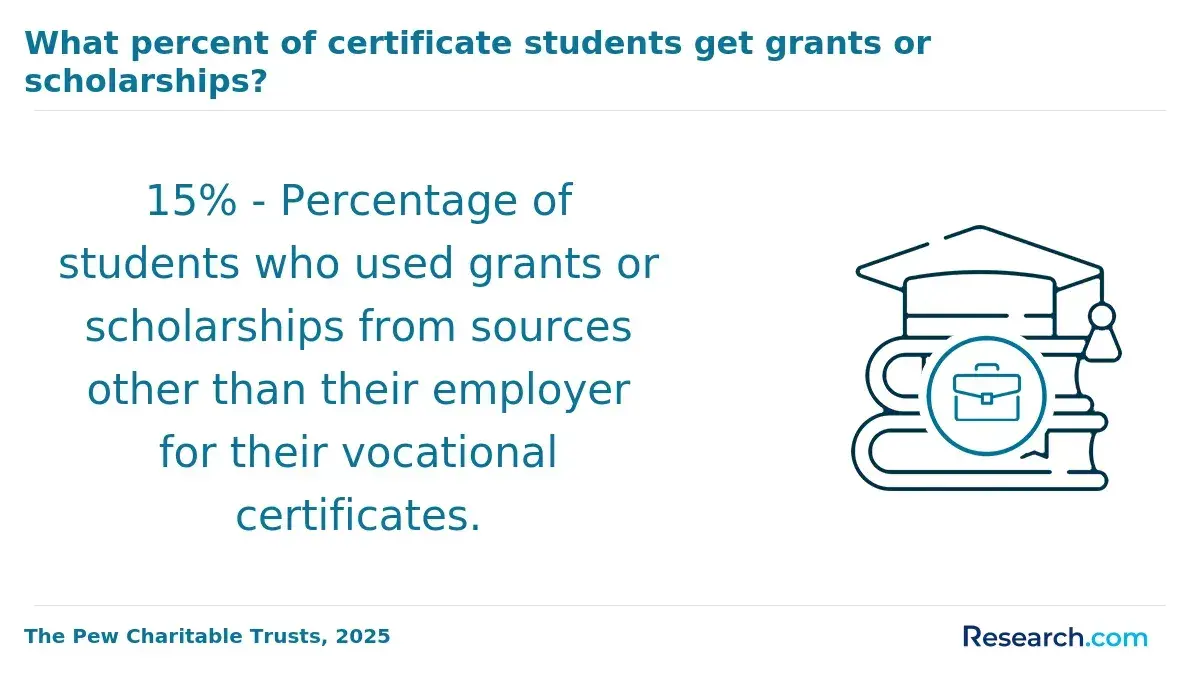
- Financial aid and benefits: Students may be able to use scholarships, employer tuition assistance, military benefits, payment plans, or other aid options. Eligibility depends on the school, program, enrollment status, and student circumstances.
A graduate who completed her accelerated online forensic science degree in under two years said the shorter timeline helped reduce her overall expenses. “The faster pace meant fewer semesters where I was paying for housing and daily living costs,” she explained. By using transfer credits and applying for military-related financial aid, she reduced tuition costs substantially. Her main takeaway was that speed only saves money when students plan carefully: “It wasn't easy juggling everything,” she said, “but finishing faster saved me thousands and let me enter the workforce sooner.”
Before enrolling, students should request a full cost breakdown in writing. The most useful estimate includes tuition, all required fees, expected transfer credits, financial aid assumptions, and the number of terms needed to graduate.
What Jobs Can You Get With a Fast Online Forensic Science Degree?
A fast online forensic science degree can prepare graduates for entry-level or early-career roles related to evidence, laboratory support, criminal investigation support, and forensic analysis. Career options depend on the degree level, science coursework, hands-on preparation, employer requirements, location, and whether the student has prior experience in criminal justice, public safety, or laboratory work.
Employment for forensic science technicians is expected to grow 11% from 2022 to 2032, which is faster than the average for all occupations. Graduates may pursue roles such as:
- Forensic technician: Forensic technicians may collect, catalog, preserve, or analyze physical evidence from crime scenes or laboratories. The role requires attention to detail, knowledge of lab procedures, and an understanding of chain-of-custody rules. Average entry-level salaries are around $61,000 annually, though pay varies by employer and region.
- Crime lab analyst: Crime lab analysts examine evidence using scientific techniques in laboratory settings. Strong analytical skills, quality-control awareness, and careful documentation are essential. Salaries generally align with forensic technician roles and may increase with experience and certifications.
- Evidence technician: Evidence technicians receive, label, store, track, and release evidence while maintaining accurate records. This role demands organization, integrity, and strict adherence to procedures. Annual salaries typically range from $40,000 to $55,000.
- Forensic analyst or specialist: These advanced roles often require additional education, certifications, or specialized experience. They may involve more complex analysis, expert reporting, or support for investigations and legal proceedings.
Students should read job postings in their target region before choosing a program. Some employers may prefer applicants with strong chemistry or biology backgrounds, while others may emphasize criminal justice, evidence handling, or public-sector experience. Background checks, drug screening, and professional references may also be part of hiring for forensic or law enforcement-adjacent roles.
Students planning long-term advancement may eventually compare graduate pathways, including the best online masters programs, to determine whether further education could support specialized forensic roles.
What Technology Is Required for Accelerated Online Forensic Science Programs?
Accelerated online forensic science programs depend on reliable technology because the pace leaves little room for missed lectures, late uploads, software problems, or poor connectivity. Students should confirm technical requirements before the first term, especially if the program uses virtual labs, remote proctoring, data analysis tools, or video-based presentations.
- Reliable high-speed internet: A stable connection is essential for streaming lectures, submitting assignments, taking assessments, attending live sessions, and participating in discussions without interruptions.
- Compatible computer or laptop: Students need a device that can run the school’s learning management system, browser-based tools, document software, video conferencing platforms, and any required forensic or lab simulation software.
- Video conferencing hardware and software: A working webcam, microphone, and speakers or headphones are often required for virtual labs, group work, advising, presentations, and instructor meetings.
- Productivity software: Forensic science coursework often includes reports, spreadsheets, presentations, research summaries, and data interpretation. Students should have access to word processing, spreadsheet, and presentation tools.
- Secure testing setup: Some courses may require proctored exams. Students may need a quiet testing space, an approved browser, webcam access, and a computer that meets proctoring software requirements.
- Backup plan: Because accelerated courses move quickly, students should plan for outages by identifying an alternate internet source, backup device, or nearby location where they can complete urgent work.
Prospective students should review the technology requirements for online forensic science degrees before enrolling. The equipment needed for accelerated forensic science programs is usually manageable, but failing to prepare can create unnecessary academic setbacks.
Students comparing broader online study options can also review online college programs to understand how technology expectations vary by field and format.
How Do You Choose the Fastest Online Forensic Science Degree Program?
To choose the fastest online forensic science degree program, look beyond the advertised completion time. The right program should be fast, accredited, affordable, transfer-friendly, and realistic for your schedule. Data from the National Center for Education Statistics shows accelerated online degrees can cut study time by up to half, but only when the program structure and the student’s circumstances align.
- Verify program length: Confirm the total credits required, term length, start dates, summer availability, and whether required courses are offered often enough to finish within your target timeline.
- Review transfer-credit policy: Ask how many credits can transfer, which courses are likely to count, what grade is required, and how long the evaluation takes.
- Check accreditation: Confirm institutional accreditation and any relevant program-level recognition. Accreditation affects credibility, financial aid eligibility, transferability, and employer confidence.
- Compare curriculum quality: Look for coursework in forensic science, evidence handling, scientific methods, ethics, criminal justice, laboratory concepts, and technical writing. Avoid programs that are fast because they are too general.
- Assess workload honestly: Ask how many hours students typically spend per week, how many courses are recommended per term, and whether full-time work is realistic during the accelerated track.
- Calculate total cost: Compare tuition per credit, mandatory fees, transfer-credit savings, financial aid options, and the number of terms required to graduate.
- Ask about practical learning: Strong programs include applied projects, case-based assignments, virtual labs, internships, or other experiences that help students demonstrate job-ready skills.
- Evaluate student support: Accelerated students need responsive advising, tutoring, library access, technical support, career services, and clear communication from instructors.
- Review career outcomes: Ask about graduation rates, job placement support, alumni roles, employer partnerships, and whether graduates pursue forensic technician, evidence technician, crime lab, or related roles.
A practical short list should include only programs that can show exactly how you will graduate quickly. Ask for a sample degree plan based on your transfer credits and preferred course load before committing.
What Graduates Say About Their Fastest Online Forensic Science Degree Programs
- : "“Finding a fast online forensic science degree was a game changer for me because I could finish in less than two years while working full-time. The total cost was surprisingly affordable compared with traditional programs I researched, and the focused curriculum helped me move into a crime lab analyst role.” — Cathlyn"
- : "“I chose an online forensic science degree that I could complete quickly without taking on massive debt. The pace forced me to stay disciplined, but finishing in under two years helped me qualify for advanced opportunities sooner than I expected and shaped my path in forensic consulting.” — Angela"
- : "“The affordability and speed of an accelerated online forensic science degree gave me a practical way to advance my education without sacrificing quality. Completing it in under two years helped me move from an entry-level technician role toward forensic specialist work and strengthened the investigative skills I use on the job.” — Elton"
Other Things You Should Know About Forensic Science Degrees
In 2027, the fastest online forensic science degree programs under two years are typically recognized by accreditation bodies like the Forensic Science Education Programs Accreditation Commission (FEPAC), ensuring the program meets quality standards and prepares students effectively for careers in the field.
Admission prerequisites typically include a high school diploma or GED and possibly standardized test scores like the SAT or ACT. Some programs may require prerequisite courses in biology or chemistry, ensuring students are prepared for the intensive curriculum.
Yes, many online forensic science degree programs in 2027 are designed to include practical components, like virtual labs and partnerships with local facilities, ensuring students gain essential hands-on experience alongside theoretical knowledge even in a condensed timeframe.
References
- Online Degree Programs from GMC Online https://online.gmc.edu/programs/forensic-laboratory-technology/
- Master's in Forensic Science 100% Online | Stevenson University https://www.stevenson.edu/online/academics/online-graduate-programs/forensic-science/
- 8 Best Online Bachelor’s in Forensic Science Degree Programs https://legalcareerpath.com/online-bachelors-in-forensic-science-degree-programs/
- Remote Forensic Jobs - Work From Home & Online | FlexJobs https://www.flexjobs.com/remote-jobs/forensic
- How Online Forensic Science Programs Provide Hands-On Training https://www.crimesceneinvestigatoredu.org/blog/online-forensic-science-training/
- Forensic Science, B.S. | Roberts Wesleyan University https://www.roberts.edu/all-programs/traditional-undergraduate/forensic-science-bs/
- Top Online Forensic Science Degree Programs https://www.forensicscolleges.com/online
- Computer Forensics Degree Programs https://www.criminaljusticedegreeschools.com/degrees/computer-forensic-degree/
- Accelerated Graduate Programs https://www.loyola.edu/academics/forensic-science/graduate/accelerated.html
- Forensic Science | BGSU https://www.bgsu.edu/academics/forensic-science.html