2027 Can You Get Licensed With an Online Forensic Science Degree? Requirements, Rules, and What to Know

Co-Founder and Chief Data Scientist
Many prospective students wonder if earning a forensic science degree online qualifies them for professional licensure. This uncertainty arises as about 35% of forensic science roles in the U. S. require certification or licensing to work in crime labs or law enforcement agencies. The path to licensure varies by state and often depends on educational credentials, exam performance, and supervised experience.
Understanding these factors is critical to avoid costly delays or disqualification. This article clarifies licensure eligibility, explains relevant rules, and examines how online forensic science degrees affect credential recognition, helping readers make informed decisions about their education and career prospects.
Key Benefits of Getting Licensed with an Online Forensic Science Degree
- Licensure with an online forensic science degree enhances career eligibility by meeting professional standards, making candidates qualified for certified forensic examiner roles.
- Licensed professionals gain access to a broader range of job opportunities across states, increasing employment flexibility and job mobility within forensic fields.
- Licensed forensic scientists typically experience higher earning potential and better advancement prospects, with certified roles often commanding salaries 10-20% above non-licensed positions.
Can You Get Licensed With an Online Forensic Science Degree?
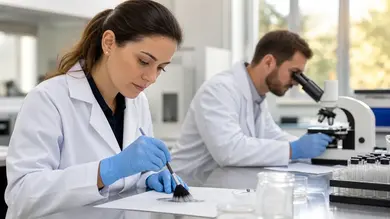
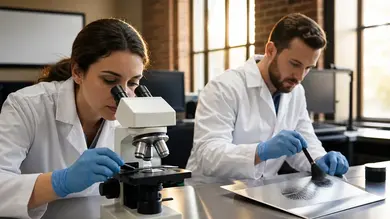
Licensure is attainable with an online forensic science degree, provided the program meets the required educational standards and practical experiences mandated by licensing authorities. Completing coursework that covers core forensic methods, evidence analysis, and legal procedures is essential to prepare graduates for professional practice.
Many programs integrate virtual labs, supervised internships, or partnerships with local agencies to fulfill hands-on training requirements. Ensuring a chosen degree complies with online forensic science degree licensing requirements supports eligibility for state and professional licensure boards.
Earning licensure through an online forensic science degree opens opportunities for access to regulated career paths like forensic analyst and crime lab technician roles.
Licensed professionals often gain increased job responsibilities and can participate more fully in legal investigations. Additionally, holding a license typically enhances salary potential compared to non-licensed peers.
Meanwhile, prospective students can explore related fields through MSW online programs, illustrating the growing availability of flexible online education options.
Do Licensing Requirements for Forensic Science Vary by State?
Licensing rules for forensic science professionals exist to ensure consistent competence and ethical standards across the field, but these requirements vary notably by state. Around 30% of U.S. states have formal licensure or certification programs specifically for forensic scientists, while others depend on professional associations or employer-based credentialing.
The key areas where licensing requirements differ include:
- Examinations: Some states require candidates to pass written or practical exams to prove their technical knowledge and skills, whereas others do not have mandatory testing. This impacts how prepared applicants must be before applying for licensure.
- Supervised experience: The length and nature of hands-on training under a licensed professional vary widely, ranging from six months to several years according to state regulations, affecting how soon professionals can practice independently.
- Continuing education: Many states mandate ongoing professional development to maintain licensure, but the required hours and approved activities can differ, influencing how practitioners stay updated in the field.
- Scope of practice: States define the legal tasks a forensic scientist may perform in diverse ways, shaping day-to-day responsibilities and job opportunities.
- Renewal policies: The frequency and requirements for license renewal, including fees and documentation, vary, requiring professionals to stay informed about their state's specific policies.
For learners considering other fields, exploring counseling degrees online accredited options can offer additional career flexibility and a broader skill set.
Are Online Forensic Science Programs Different From Campus Programs for Licensure?
The choice between online and campus forensic science programs does not inherently affect licensure eligibility. Licensing largely depends on whether the program meets educational standards, not its delivery method. In fact, over 60% of forensic employers now accept accredited online degrees as equivalent to traditional ones for licensing and job qualification.
Below is a detailed comparison between the two formats:
- Curriculum Coverage: Both program types must address essential topics such as biology, chemistry, and legal procedures to satisfy licensure criteria. The comprehensiveness of content holds more weight than whether it's delivered in person or digitally.
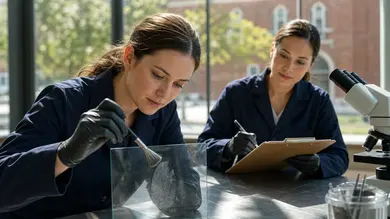
- Practical Experience: Hands-on training is crucial for skill development. Online programs often require students to complete lab residencies or collaborate with local facilities to fulfill this requirement, ensuring practical competency similar to campus offerings.
- Assessment Methods: Exams, laboratory work, and case studies are commonly used across platforms to gauge student proficiency. These standardized evaluations maintain consistent quality regardless of format.
- Employer and Licensing Acceptance: The professional community's perspective has shifted positively towards online degrees, reflecting improved program rigor and accreditation standards, which support licensure readiness equally for both pathways.
A licensed professional who earned his degree online shared that while managing lab residencies alongside work was demanding, the flexibility of choosing elective courses allowed him to tailor his education toward emerging forensic technologies.
He noted, "Balancing fieldwork with online lectures was tough, but it prepared me well for real-world cases." His experience underscores that online programs, when properly structured, can match campus programs in preparing students for licensure and professional practice.
Online forensic science degree programs do include required clinical or practicum hours to ensure students gain essential hands-on experience. These hours prepare students for professional practice and often fulfill licensure or certification mandates necessary in forensic science careers. Here are some key facts:
- Typical Hour Requirements: Clinical or practicum hours generally range from 100 to 300 hours, varying by program and regulatory agency. This range helps meet the standards needed for forensic science licensure in many states.
- Types of Placements: Students complete their practicum at crime laboratories, law enforcement agencies, or forensic research centers. These environments provide real-world settings where theory is applied to active forensic casework.
- Supervision and Oversight: Experienced professionals directly supervise practicum work, ensuring adherence to proper techniques, ethical guidelines, and legal standards. Supervision is critical to maintaining quality and integrity in evidence handling and analysis.
- Skills Development: Clinical hours promote the development of practical skills including laboratory instrumentation, evidence collection, detailed documentation, and courtroom communication. These competencies are vital for forensic science practitioners.
- Coordination with Online Learning: Many online forensic science degree clinical hours are coordinated locally through partnerships with approved agencies near students' residences. This model supports flexibility while meeting the practicum requirements for forensic science licensure.
To explore affordable options in other fields, you can look into cheap psychology masters programs, which also offer various online pathways.
Licensing exams serve as a key measure to confirm that graduates possess the knowledge and skills essential for competent forensic practice and career eligibility. Approximately 70% of first-time candidates pass the American Board of Criminalistics certification exam.
Below are the critical elements of this licensing requirement to help guide online forensic science graduates:
- Exam name: The primary credentialing test is the American Board of Criminalistics (ABC) certification, widely recognized within the forensic community for validating professional expertise.
- Content areas: The exam assesses a broad range of topics such as forensic biology, chemistry, criminalistics principles, evidence handling, lab safety, and law enforcement procedures, ensuring a thorough evaluation of scientific and legal knowledge relevant to forensic work.
- Format: Candidates face multiple-choice questions, practical problem-solving exercises, and occasionally written assessments, designed to test both theoretical understanding and applied skills.
- Preparation: Successful candidates often combine formal coursework, practical laboratory experience, and focused study materials or guides to build the depth of knowledge necessary to pass.
- Retake policy: Multiple attempts are permitted under set conditions, usually involving payment of additional fees and sometimes proof of further study or training to encourage mastery of the material.
- Relevance for online graduates: Graduates of online forensic science programs hold equal eligibility for licensure, as the exam requirements and expectations remain consistent regardless of instructional format, maintaining professional standards.
When I spoke with a licensed professional who completed her forensic science degree online, she shared that facing the ABC certification exam was intimidating at first. She described the challenge of balancing full-time work with rigorous study, often revisiting complex topics late into the evening.
Despite initial doubts, her hands-on experiences gained during the program proved invaluable, giving her confidence when tackling practical questions. "Passing the exam felt like a true confirmation that I belonged in the field," she explained.
Preparing for the retake opportunity also reinforced her grasp of weaker areas, illustrating how persistence and structured study eventually led to success. Her journey highlights not only the demands of the exam but also the achievable reward for those who commit fully to their professional development.
Supervised work experience is commonly required after earning an online forensic science degree to ensure that graduates develop essential practical skills and are fully prepared for professional practice. This guided training supports the transition from theoretical knowledge to applied expertise in real forensic environments.
The following points outline critical elements of this requirement:
- Duration: Supervised experience typically lasts one to two years of full-time work, providing sufficient time to hone technical and professional skills under direct guidance.
- Settings: Experience usually occurs in crime laboratories, medical examiner offices, or law enforcement agencies, where trainees engage with authentic forensic cases.
- Mentorship: Experienced and credentialed forensic professionals supervise the work, offering oversight, expertise, and feedback to ensure adherence to ethical and legal standards.
- Skill Development: Hands-on work enhances proficiency in laboratory techniques, evidence management, and courtroom communication, bridging academic learning and practical application.
- Career Readiness: Completion of supervised experience is often required for licensure eligibility and demonstrates a candidate's preparedness to employers and regulatory boards.
Studies indicate that nearly 70% of graduates complete supervised experience before achieving full licensure or certification.
Licensure reciprocity allows licensed professionals to practice in multiple states without repeating the entire licensing process, which is crucial for forensic science graduates seeking flexibility and career mobility across various regions. This helps professionals expand their opportunities beyond the state where they first obtained licensure.
Here are key factors that influence how reciprocity applies to online forensic science graduates:
- Eligibility Criteria: Most states require verified education, supervised work experience, and passing of relevant examinations. Meeting these criteria is essential for licensure transfer options for forensic graduates and can vary depending on the state's standards.
- Program Requirements: Graduation from a regionally accredited forensic science program is commonly required, but some states may scrutinize online degrees more closely. Ensuring the online degree aligns with state requirements helps avoid delays in licensure recognition.
- State Agreements: Not all states have formal reciprocity arrangements for forensic science licenses. Graduates should research each state's specific rules regarding interstate licensure and how these agreements impact licensure transfer options for forensic graduates.
- Application Process: States usually require detailed documentation, applications, and fees. Some may also ask for additional exams or continuing education credits before accepting an out-of-state license, adding complexity to the transfer process.
- Limitations: Reciprocity may be limited if the original licensure was based on standards that differ substantially from those of the new state. Online graduates especially must confirm their degree meets the prospective state's criteria to prevent licensure denials.
For those exploring advanced educational paths alongside professional credentials, options like a doctorate organizational leadership online program may complement forensic science careers by enhancing leadership roles and management skills within forensic settings.
Online forensic science programs have surged in popularity, with enrollment rising by more than 40% in the last ten years. Many prospective students focus on how these programs support licensure and professional certification to ensure their education meets industry standards.
Below are key advantages and disadvantages to consider when evaluating such programs:
Pros
- Flexible scheduling: Students can tailor their study times around work or personal commitments, aiding consistent progress toward licensure.
- Increased accessibility: Candidates living far from traditional institutions gain access to quality coursework without relocating.
- Up-to-date curricula: Online programs often provide diverse and current materials aligned with evolving forensic science practices.
Cons
- Limited hands-on experience: Reduced supervised lab work may hinder development of essential practical skills required for certification.
- Networking challenges: Fewer in-person interactions can restrict building professional connections important for career advancement.
- Employer skepticism: Some may question the rigor of online training, potentially impacting job prospects despite licensure.
Obtaining licensure with an online forensic science degree significantly influences salary potential, with licensed professionals often earning 10% to 20% more than those without certification. This increase reflects the enhanced qualifications and trust that licensing provides.
Below are important points to consider regarding licensure's impact on salary growth:
- Access to Higher-Paying Roles: Licensure opens doors to positions that typically offer increased pay. Licensed forensic scientists are often considered for specialized roles involving complex case analysis, which command higher salaries than entry-level positions.
- Eligibility for Leadership Positions: Many crime labs and forensic departments require licensure for supervisory or managerial roles. These leadership jobs tend to come with additional compensation, reflecting greater responsibility and expertise.
- Specialized Responsibilities and Court Testimony: Licensed professionals may be authorized to testify as expert witnesses in court, a critical function that usually carries premium pay rates. Handling specialized casework also often entails better remuneration.
- Increased Job Security and Professional Status: Licensure provides recognized credentials that improve job stability and professional reputation. This status can lead to longer-term employment and more consistent salary growth.
- Career Advancement Opportunities: Holding a license enhances eligibility for advancement within government agencies or private sectors. This includes better chances to participate in research projects, consultancy, or secure grants.
Graduates with an online forensic science degree must meet the same state licensing requirements as those with traditional degrees. Successfully earning licensure demonstrates competency and helps overcome potential bias against online credentials, enabling competitive salaries and career growth.
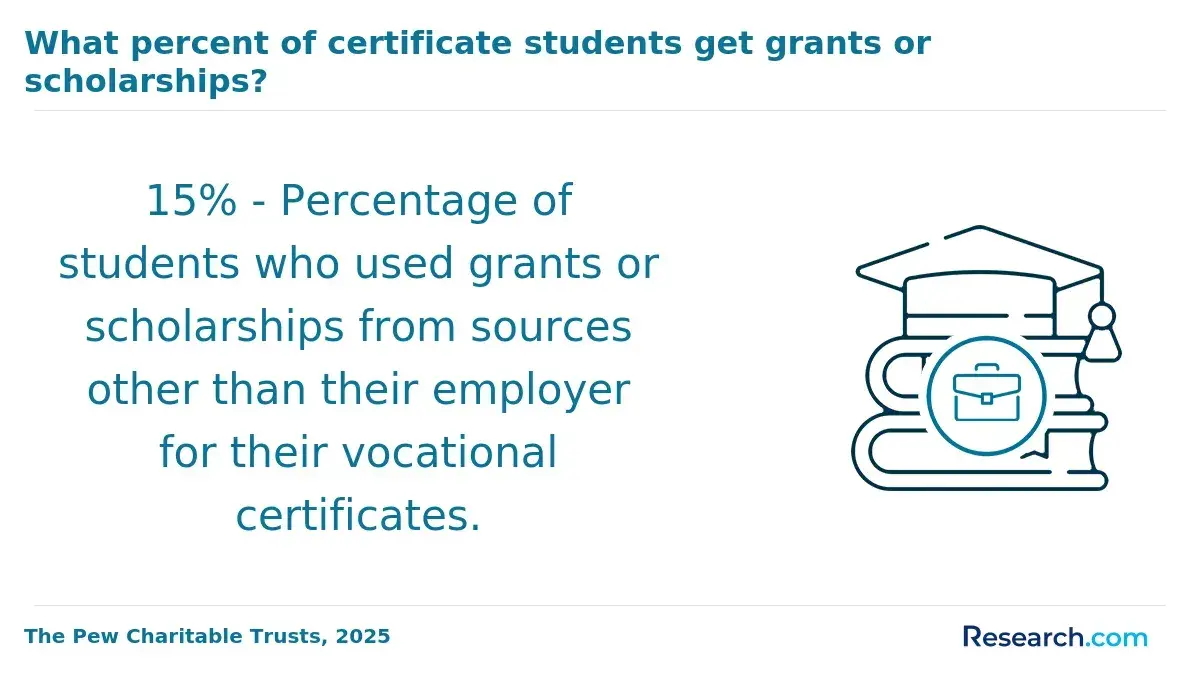
For additional credential options, consider exploring certificate programs online that complement forensic science qualifications and enhance career earnings.
Licensure can significantly influence the career paths available to holders of an online forensic science degree, with some roles requiring official certification while others do not. Graduates often choose positions that align with their goals and state regulations, balancing entry opportunities with long-term advancement.
Below are key distinctions between roles that require a license and those that do not:
Jobs With a License
- Forensic toxicologist: These professionals analyze biological samples for toxins and drugs, often providing expert testimony in legal cases. Licensure ensures they meet strict regulatory standards and enhances credibility.
- Crime lab analyst: Responsible for examining controlled substances and evidence in compliance with legal protocols, licensed analysts benefit from greater job security and opportunities for advancement.
- Crime scene investigator: In some states, these investigators must be licensed to collect and document evidence at crime scenes, supporting law enforcement with detailed reports and courtroom testimony.
Jobs Without a License
- Evidence technician: These workers manage and process physical evidence but typically do not require licensure. This role offers accessible entry points for recent graduates entering the field.
- Forensic data analyst: Specialists in data management and analysis help interpret scientific information to aid investigations without formal certification requirements.
- Forensic researcher or documentation specialist: These roles support investigations through report writing, research, and maintaining case files, generally not needing a professional license but providing foundational experience.
Approximately 40% of forensic science jobs demand licensing or certification, which is linked to a 15% higher median salary than non-licensed positions.
What Graduates Say About Getting Licensed with an Online Forensic Science Degree
- Hayley: "Enrolling in the online forensic science degree was one of the best decisions I've made. The program's cost was reasonable compared to traditional schools, making licensure achievable without overwhelming debt. Studying online allowed me to balance work and education seamlessly, and now as a licensed professional, I feel confident that this flexible approach gave me a crucial edge in my forensic career. "
- Evelyn: "Reflecting on my journey through the online forensic science program, the affordability was a genuine relief given the financial strain many degree programs impose. The coursework was thorough, and the virtual labs and resources truly prepared me for licensure and professional practice. This degree opened doors to specialize in forensic toxicology, making my career progress both rewarding and fulfilling. "
- Natalie: "Completing the online forensic science degree taught me discipline and self-motivation since the cost savings were significant compared to in-person alternatives. The curriculum was demanding but well-structured, enabling me to pass the rigorous licensure exams with confidence. Today, as a licensed forensic analyst, I appreciate how this program shaped my analytical skills, critical to solving complex cases. "
Other Things You Should Know About Forensic Science Degrees
For licensing review, forensic science programs are commonly evaluated through regional accreditors such as the Higher Learning Commission or Southern Association of Colleges and Schools Commission on Colleges, plus programmatic review by the Forensic Science Education Programs Accreditation Commission. State boards usually recognize degrees from institutions holding U.S. Department of Education-recognized accreditation.
In 2027, professional forensic science organizations often provide certification, which can enhance qualifications but may not be mandatory for licensure. They play a role in setting industry standards and can offer networking and continuous education opportunities, contributing indirectly to the licensure process.
- How To Become A Forensic Psychologist: Step-By-Step Guide https://www.psychology.org/careers/forensic-psychologist/
- How Online Forensic Science Programs Provide Hands-On Training https://www.crimesceneinvestigatoredu.org/blog/online-forensic-science-training/
- Online Forensic Science Degrees Explained https://careerkarma.com/blog/online-forensic-science-degree-programs-a-guide/
- PROD [Integrated] Catalog https://catalog.chaminade.edu/academic-programs/forensic-sciences/bs/requirements
- Forensic Sciences Careers https://www.dea.gov/careers/forensic-sciences
- What Can I Do With a Forensic Science Degree? 5 Career Paths https://www.alliant.edu/blog/what-can-i-do-with-a-forensic-science-degree
- Forensic Science: Forensic Examination | Bachelor’s | BGSU https://www.bgsu.edu/academics/forensic-science/forensic-examination.html
- Forensic Science Online Master's Degree Programs - Biology, Chemistry https://www.forensicscolleges.com/online/masters-in-forensic-science
- Educational Requirements for Forensic Science: From Courses to Certification https://www.scuhs.edu/mshgg-article/educational-requirements-for-forensic-science-from-courses-to-certification/