2027 What Prerequisites Do You Need for a Forensic Science Degree? Entry Requirements, Credits & Eligibility Rules

Co-Founder and Chief Data Scientist
Choosing a forensic science degree usually starts with a practical question: are you academically ready to apply, or do you need to complete science, math, writing, or technology requirements first? The answer depends on the school, degree level, delivery format, and whether the program is housed in a science department, criminal justice department, or health sciences division.
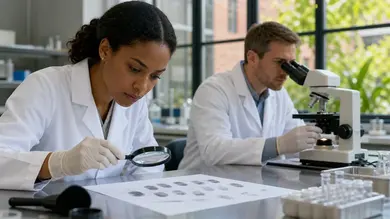
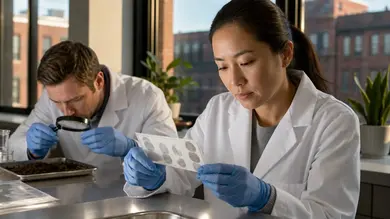
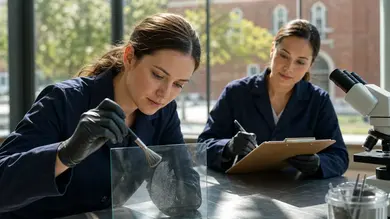
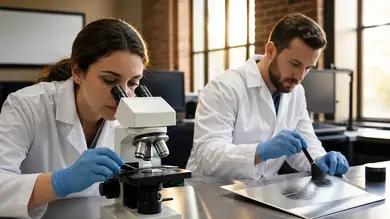
Prerequisites matter because forensic science is not only about crime scene investigation. Students must be prepared for laboratory work, evidence handling, scientific reporting, data analysis, and, in some tracks, legal or law enforcement procedures. Approximately 40% of applicants struggle to meet foundational course expectations, such as chemistry and biology, which can delay admission or limit transfer-credit options.
This guide explains the common prerequisite rules for forensic science degree programs in the U.S., including high school preparation, college-level courses, credit transfer, test-score policies, online technology requirements, international student requirements, and the difference between general university admission and program-specific eligibility. Use it to compare programs more carefully, avoid preventable application delays, and plan the most efficient path into a forensic science curriculum.
Key Things to Know About the Prerequisites for a Forensic Science Degree
- Applicants typically need foundational courses in biology, chemistry, and mathematics, with some programs requiring introductory forensic science or criminal justice classes.
- A minimum GPA of 2.5 to 3.0 is commonly expected, reflecting a candidate's academic readiness and commitment to scientific rigor.
- Programs often require 60+ transferable college credits and emphasize skills in analytical thinking, lab techniques, and attention to detail for eligibility.
Do Forensic Science Programs Require Specific High School Prerequisites?
Most forensic science programs do not impose a long list of mandatory high school prerequisites, but strong preparation in science and math can make a major difference. Some colleges admit students to the university first and then require them to complete specific courses before entering the forensic science major. Others review high school coursework as part of direct admission to the program.
Students should treat the following subjects as the most useful high school preparation for forensic science:
- Biology: Biology supports later coursework in genetics, human anatomy, microbiology, serology, and biological evidence analysis.
- Chemistry: Chemistry is one of the most important preparation areas because forensic laboratories often analyze drugs, toxic substances, trace materials, and chemical reactions.
- Physics: Physics can help with topics such as ballistics, bloodstain pattern interpretation, accident reconstruction, and the movement of objects at a scene.
- Mathematics: Algebra and statistics help students interpret measurements, laboratory results, probabilities, and research data.
- Computer Science/Information Technology: Digital tools are increasingly common in forensic work, especially for data management, imaging, digital evidence, and cybersecurity-related tracks.
- English or writing: Forensic work depends on clear reports, careful documentation, and the ability to explain technical findings to non-scientists.
If your high school record is light in biology or chemistry, you may still be eligible for admission, but you may need placement courses, summer classes, or first-year prerequisites before progressing into major coursework. Students who want a shorter entry route may also compare programs that begin at the associate level, including options such as a fast-track associate's degree online, before transferring into a bachelor's program.
For high school prerequisites for forensic science degree 2026 applicants, the practical rule is simple: prioritize lab-based biology and chemistry whenever possible, keep math skills current, and confirm whether the program admits freshmen directly into forensic science or requires a later internal application.
What College-Level Prerequisites Are Required Before Starting a Forensic Science Degree?
College-level prerequisites are more important than high school prerequisites because they determine whether you can begin major coursework, transfer credits, or move into upper-division forensic science classes. Requirements vary, but most programs expect students to complete a core set of science, math, and communication courses before advancing.
Common college prerequisites for forensic science degree 2026 applicants include:
- Biology: Introductory biology builds the foundation for genetics, human biology, DNA analysis, and other biological evidence topics.
- Chemistry: General chemistry, often with a laboratory component, prepares students for analytical chemistry, toxicology, and controlled-substance analysis.
- Physics: Basic physics may be required or recommended for students studying physical evidence, ballistics, tool marks, or scene reconstruction.
- Statistics: Statistics helps students interpret scientific findings, understand error rates, and evaluate evidence-based conclusions.
- English Composition or Technical Writing: Writing courses prepare students to produce accurate reports, explain methods, and communicate findings in legal or professional settings.
Many accredited programs place the greatest emphasis on chemistry and biology; about 87% include them, which reflects how central laboratory science is to forensic education. When reviewing required college courses for forensic science admission, pay close attention to whether the course must include a lab, whether online labs are accepted, and whether a minimum grade is required.
If you are missing prerequisites, consider taking them at an accredited community college or through a flexible institution before applying. Students comparing access-oriented pathways can review the top online colleges with open enrollment, but they should confirm in advance that each course will transfer into the target forensic science program.

How Many Credits Can You Transfer Into a Forensic Science Degree?
Students typically can transfer between 30 and 60 semester credits into a forensic science degree, but the exact number depends on the institution, the degree structure, accreditation rules, and how closely previous coursework matches the curriculum. Many programs cap transfer credits at around 50-60% of the total degree. For a 120-credit degree, that may mean up to 60 credits can be accepted.
The strongest transfer credits are usually general education courses and lower-division science courses that clearly match the receiving program's requirements. Biology, chemistry, statistics, composition, and general electives are often reviewed first. However, forensic-specific courses may be harder to transfer if the new school wants students to complete its own lab sequence, evidence-handling training, or upper-division forensic science requirements.
Common transfer-credit rules include:
- Minimum grade: Many schools require a C or better for a course to transfer into the major.
- Accreditation: Courses generally must come from accredited institutions.
- Course equivalency: The receiving school may compare course descriptions, syllabi, lab hours, textbooks, and learning outcomes.
- Residency requirement: Programs often require students to complete a significant portion of credits, commonly 30 to 40, directly at their school.
- Major alignment: Science and math credits are more likely to apply to the major than unrelated electives.
Before enrolling elsewhere to save money, ask the target program for a written transfer evaluation or prerequisite approval. Keep detailed syllabi, lab descriptions, and transcripts, because these documents can determine whether a course is accepted as a direct equivalent or only as a general elective.
A student in a forensic science degree program described the transfer review as "more thorough than expected." Her biochemistry credits were accepted, but some general elective courses were not. She found the process "challenging but fair" and said that submitting detailed syllabi and staying in contact with academic advisors helped her understand how each transferred course supported her degree plan.
Breakdown of Public Fully Online Title IV Institutions

Do You Need SAT or ACT Scores to Get Into a Forensic Science Degree Program?
Most forensic science degree programs in 2026 do not require SAT or ACT scores because many colleges have adopted test-optional or test-blind admissions policies. Still, applicants should not assume test scores are irrelevant everywhere. Some competitive programs, large public universities, or scholarship committees may still request or consider standardized test results.
When SAT or ACT scores are optional, submitting them may help if they strengthen your profile. If your scores do not reflect your academic ability, it may be better to rely on grades, science coursework, essays, recommendations, and other evidence of readiness. Always check whether the policy applies to admission only or also to merit-based scholarships.
Forensic science admissions committees often place greater weight on:
- High school GPA or college GPA: Strong grades in science and math courses are especially important.
- Course rigor: Biology, chemistry, mathematics, and lab-based courses can show preparation for the major.
- Personal statement: A focused essay can explain your interest in forensic science, your academic goals, and your understanding of the field.
- Recommendation letters: Letters from science teachers, lab instructors, or academic advisors can support your readiness.
- Relevant experience: Lab exposure, research participation, science competitions, internships, or criminal justice coursework may strengthen an application.
The safest approach is to review each program's current admissions page and scholarship requirements separately. A test-optional admissions policy does not always mean test scores are ignored for honors colleges, departmental awards, or competitive aid.
What Essential Skills Do You Need Before Enrolling in a Forensic Science Degree Program?
Before enrolling in a forensic science degree program, students should be ready for a mix of laboratory science, careful documentation, quantitative reasoning, and ethical decision-making. You do not need to arrive as an expert, but weak preparation in science, writing, or attention to detail can make the first year much harder.
The most important readiness skills include:
- Foundational academic knowledge: Biology, chemistry, and mathematics form the base for evidence analysis, laboratory procedures, and scientific interpretation.
- Laboratory awareness: Students should be comfortable following procedures, observing safety rules, recording data accurately, and understanding why chain-of-custody habits matter.
- Technical and software proficiency: Familiarity with spreadsheets, learning platforms, digital files, and basic lab or forensic software can reduce the learning curve.
- Analytical reasoning: Forensic science requires students to evaluate evidence carefully, distinguish observation from assumption, and recognize the limits of a conclusion.
- Communication skills: Clear writing and speaking are essential because forensic findings must be documented for instructors, supervisors, attorneys, investigators, or courts.
- Ethical and professional judgment: Students must understand that accuracy, neutrality, confidentiality, and evidence integrity are central to the field.
- Time management: Lab reports, readings, exams, and technical assignments often overlap, so students need consistent study habits.
A forensic science graduate described his pre-enrollment preparation as both exciting and intimidating. He spent evenings practicing lab simulations and reviewing software tutorials, then realized the goal was not simply memorizing facts. As he put it, "It wasn't just about memorizing facts, but learning to think like an investigator and communicate findings clearly, which was intimidating at first." That mindset is useful: forensic science rewards careful thinking more than dramatic assumptions.

Do You Need Professional Experience to Enter a Forensic Science Degree Program?
Professional experience is usually not required for entry into an undergraduate forensic science degree program. Most bachelor's programs focus first on academic preparation, especially biology, chemistry, math, and writing. Students can often enter directly from high school, community college, or another undergraduate program if they meet the required coursework and GPA standards.
Experience becomes more important for graduate, certificate, or specialized programs. Tracks in forensic toxicology, digital forensics, crime scene investigation, or forensic laboratory management may prefer applicants with relevant work, internships, research, or prior training. Some programs may list experience as recommended rather than mandatory.
Helpful experience can include:
- Internships with crime laboratories, medical examiner offices, law enforcement agencies, or research labs.
- Work as a lab assistant, lab technician, police cadet, evidence aide, or related support role.
- Volunteer or academic research involving chemistry, biology, data analysis, or criminal justice topics.
- Military, public safety, cybersecurity, or investigative experience, depending on the forensic specialization.
If you do not have professional experience, do not assume you are unqualified. A strong academic record, completed prerequisites, persuasive essay, and science faculty recommendations can be enough for many programs. If you do have experience, use your application to explain what you learned, not just where you worked.
What Tech Prerequisites Must You Meet Before Starting an Online Forensic Science Degree?
Online forensic science programs require dependable technology because students may complete virtual labs, video demonstrations, simulations, data analysis assignments, exams, and group work through digital platforms. Meeting the technical requirements before classes begin helps prevent missed labs, late assignments, and software compatibility problems.
Common forensic science degree technical prerequisites 2026 include:
- Hardware Requirements: A computer with sufficient processing power and memory is important. Many programs recommend at least an Intel i5 processor or an equivalent, 8GB of RAM, and a minimum of 256GB of storage to run forensic applications and manage data-heavy assignments.
- Operating System Compatibility: Windows and macOS systems are generally supported, but students should verify program requirements because some specialized forensic tools work better on specific operating systems.
- Reliable Internet Speed: Stable high-speed internet with at least 25 Mbps download helps students stream HD lectures, join live sessions, upload files, and use platforms such as Blackboard or Canvas.
- Software and Learning Platforms: Students may need updated browsers, document software, spreadsheet tools, secure testing applications, plugins, or course-specific forensic software.
- Digital Literacy: Students should know how to manage cloud files, join video meetings, use discussion boards, submit assignments, troubleshoot basic access issues, and communicate professionally online.
Online students should also ask whether any course requires in-person labs, mailed lab kits, proctored exams, synchronous attendance, or specific software licenses. These details can affect cost, schedule flexibility, and whether the program fits your location and work responsibilities.
Students who plan to build toward a forensic science bachelor's degree through an associate program may also compare options such as the fastest way to get an associate's degree. Before enrolling, confirm that the technology standards and course credits align with the next program you intend to enter.
What Prerequisites Do International Students Need for Forensic Science Programs?
International students must meet the same academic expectations as domestic applicants, plus additional documentation requirements related to credentials, English proficiency, immigration status, and sometimes background screening. Because forensic science programs can include laboratory work, sensitive evidence procedures, and internship placements, schools may review eligibility carefully.
Common prerequisites for international forensic science applicants include:
- Academic Credentials: Applicants generally must submit certified transcripts and proof of secondary education equivalent to a U.S. high school diploma. Some schools require evaluation by recognized credential assessment services.
- English Proficiency: Programs commonly require TOEFL or IELTS scores because students must understand technical coursework, write reports, and communicate clearly in academic and professional settings. Minimum score thresholds vary by institution.
- Standardized Tests: Some programs may request SAT or ACT scores, although many place greater emphasis on coursework, grades, and English proficiency.
- Visa Documentation: A valid student visa, such as F-1 or M-1, is required to study in the United States. Schools usually require proof of funding and an acceptance letter as part of the visa process.
- Background Checks: Some programs require criminal background checks because internships, lab placements, or later certification pathways may involve sensitive evidence or restricted facilities.
International applicants should ask admissions offices about transcript evaluation timelines, transfer-credit rules, lab course equivalencies, and whether online coursework completed abroad will be accepted. Admission offices in states such as Georgia, Tennessee, and Florida may apply these criteria while also reviewing each student's previous academic preparation.
Students seeking remote or lower-cost study options can review this list of affordable online universities and then confirm whether any institution offers a forensic science program that is available to international students in their location.
How Do Program-Specific Prerequisites Differ from General University Requirements?
General university requirements determine whether you can enter the institution. Program-specific prerequisites determine whether you can enter or progress in the forensic science major. Confusing the two is a common planning mistake, especially for transfer students and applicants comparing several schools.
General University Admission Requirements
General admission standards are usually broad and apply across many majors. They may include:
- GPA thresholds and academic readiness: Many universities require minimum GPA levels, commonly between 2.5 and 3.0, to show overall academic preparation.
- English language proficiency: International students may need TOEFL or IELTS scores to demonstrate readiness for college-level communication.
- General education coursework: Students may need foundational courses in humanities, social sciences, mathematics, and writing.
- Application materials: Transcripts, essays, recommendations, fees, or residency documents may be required by the university rather than the major.
Forensic science program prerequisites
Forensic science prerequisites are narrower and usually more technical. They may include:
- Targeted STEM coursework: Applicants may need biology, chemistry with labs, mathematics, and sometimes physics before entering advanced courses.
- Laboratory preparation: Some programs expect prior lab coursework or evidence that students can follow safety protocols and document results accurately.
- Technical or forensic coursework: Programs may require introductory criminal justice, forensic science, statistics, or research methods courses.
- Relevant internships or professional experience: Competitive programs may prefer applicants with documented exposure to forensic, laboratory, criminal justice, or investigative settings.
These program-specific prerequisites for forensic science degree 2026 applicants can affect eligibility, course sequencing, and graduation timelines. Students who are admitted to a university but missing required science credits may spend extra semesters completing prerequisites before taking upper-division forensic coursework. The American Academy of Forensic Sciences notes a 15% growth in forensic science program enrollment in recent years, which makes careful planning especially important for competitive programs.
Students comparing a low cost online bachelor's degree in forensic science or a related field should review both the university admissions page and the forensic science department page. If the two sets of requirements conflict or seem unclear, contact an advisor before applying.
- Focused preparation: Forensic science prerequisites usually require a more specialized science pathway than general admission.
- Eligibility refinement: Program prerequisites help schools identify students prepared for laboratory and evidence-based coursework.
- Timeline impact: Missing prerequisites can delay entry into the major and extend time-to-degree completion.
Do You Need to Pay for Prerequisite Courses Before Applying to a Forensic Science Program?
Yes. In most cases, students must pay for prerequisite courses before applying to or formally entering a forensic science program. These courses are often taken at a community college, four-year university, online institution, or the same school that offers the forensic science degree.
Costs vary by institution. Community colleges are often more affordable, with tuition ranging from about $100 to $300 per credit, while four-year universities may charge substantially more. Online courses can be convenient, but students should verify accreditation, lab requirements, and transferability before paying.
Before enrolling in prerequisite courses, take these steps:
- Confirm the exact course requirement: A general biology course may not satisfy a program that requires biology with lab.
- Ask about transfer approval: Get written confirmation whenever possible, especially if taking courses outside the target institution.
- Check minimum grades: A course may only count if completed with the required minimum grade.
- Review financial aid options: Federal grants, scholarships, payment plans, or STEM-related awards may help reduce out-of-pocket costs.
- Look for articulation agreements: Community colleges and state universities may have transfer pathways that make prerequisite planning more predictable.
Planning early can prevent an expensive mistake. A lower-cost course is only useful if the forensic science program accepts it for the intended requirement.
What Graduates Say About the Prerequisites for Their Forensic Science Degree
-
: "Getting into a forensic science degree program was challenging but manageable after completing the required prerequisites like biology and chemistry courses. The overall cost was reasonable compared to other STEM fields, making it a worthwhile investment. This degree has significantly boosted my credentials, opening doors to investigative roles I had only dreamed of before.
Brendan"
-
: "Reflecting on my journey, meeting the prerequisite requirements for my forensic science degree felt like a crucial step that grounded my understanding deeply. Although the cost was higher than I initially anticipated, it was justified by the wealth of knowledge and practical experience I gained. This degree has truly transformed my approach to criminal justice work in a very meaningful way.
June"
-
: "From a professional standpoint, the prerequisite courses ensured I was well-prepared for the demanding curriculum of forensic science. The cost of attendance was a calculated expense, and the return on investment has been evident in my successful career advancements. Earning this degree has positioned me as a credible expert in the field.
Dylan"
Other Things You Should Know About Forensic Science Degrees
Yes. Many forensic science bachelor’s programs ask for a minimum 2.5 GPA, while competitive programs may require 3.0 or higher. Some also require a C or better in biology, chemistry, and algebra before admission or full major status.
Students aiming for a forensic science degree in 2027 should focus on high school courses in biology, chemistry, and mathematics. Advanced classes like AP Chemistry or AP Biology can strengthen applications, providing a solid foundation for the degree's science-heavy curriculum.
In 2027, academic prerequisites for a forensic science degree typically include a high school diploma with coursework in biology, chemistry, and mathematics. Some programs may require completed credits in introductory science courses, maintaining a minimum GPA, and satisfactory performance on entrance exams such as the SAT or ACT.
References
- Crime and Forensic Science MSc https://www.ucl.ac.uk/prospective-students/graduate/taught-degrees/crime-and-forensic-science-msc
- How To Become a Forensic Scientist: Requirements & Steps https://www.forensicscolleges.com/blog/htb/how-to-become-forensic-scientist
- Forensic Science, B.S. https://bulletins.psu.edu/undergraduate/colleges/eberly-science/forensic-science-bs/
- Bachelor of Science in Forensic Science - University of New Haven https://www.newhaven.edu/lee-college/undergraduate-programs/forensic-science/index.php
- B.Sc in Forensic Sciences: Breaking Down the Skills and Knowledge Needed for Success | by Mohitm | Medium https://medium.com/@mohit99m/b-sc-in-forensic-sciences-breaking-down-the-skills-and-knowledge-needed-for-success-336dbfb94ed4
- Admission Requirements https://www.trentu.ca/forensicscience/programs/undergraduate/admission-requirements
- Technology Forensics Degree at University of Advancing Technology https://www.uat.edu/technology-forensics-degree
- Forensic Science Major | Houghton University https://www.houghton.edu/natural-sciences/forensic-science-major/
- 5 Essential Forensic Scientist Skills & Qualities to Consider https://www.alliant.edu/blog/forensic-scientist-skills
- Forensic Science https://www.keele.ac.uk/study/undergraduate/undergraduatecourses/forensicscience/