2027 How to Become a Medical Biller & Coder in Reno, NV: Education Requirements & Certification

Co-Founder and Chief Data Scientist
Medical billing and coding is one of the most practical entry points into Reno’s healthcare workforce for people who want a healthcare career without becoming a clinician. The role sits at the intersection of patient records, insurance reimbursement, compliance, and healthcare technology. That makes it important to hospitals, clinics, specialty practices, insurers, and remote revenue cycle teams.
This guide is for Reno-area students, career changers, and working adults comparing certificate programs, associate degrees, certification exams, salaries, remote work options, and advancement paths. You will learn what training is required, how long it can take, what local programs may cost, which certifications matter, what the job actually involves, and how to decide whether this career is a strong fit for your goals.
Quick answer: How do you become a medical biller and coder in Reno?
To become a medical biller and coder in Reno, NV, you generally need a high school diploma or GED, training in medical terminology and coding systems, and a national certification such as CPC, CBCS, CCS, or a related credential. Nevada does not require a state license for this field, but employers often prefer applicants who complete a certificate or associate degree program and can demonstrate skill with ICD-10, CPT, HCPCS, insurance claims, compliance, and electronic health record systems.
For many students, the fastest route is a short certificate program followed by certification exam preparation. Students who want broader healthcare administration training, transfer options, or long-term advancement may prefer an associate degree.
Key things to know before choosing medical billing and coding in Reno, NV
- Reno’s demand for medical billers and coders is supported by expanding healthcare services, more detailed documentation requirements, and the need for accurate insurance reimbursement.
- Reported salaries in Reno commonly fall around $45,000 to $55,000 as of 2023, with experienced coders and specialized roles earning more.
- National certification from organizations such as AAPC or AHIMA can improve credibility, especially when competing for hospital, specialty practice, remote, or higher-level coding roles.
- This is a non-clinical healthcare career. Medical billers and coders work with records, claims, codes, payer rules, compliance, and reimbursement rather than diagnosing or treating patients.
- Remote work is possible, but many employers still expect strong experience, secure technology practices, productivity discipline, and familiarity with EHR and claims systems.
- What education is needed to become a medical biller and coder in Reno, NV?
- How do I get certified as a medical biller and coder in Reno, NV?
- How much do medical billers and coders make in Reno, NV?
- What medical billing and coding specialties pay the most in Reno, NV?
- Is there a high demand for medical billers and coders in Reno, NV?
- How long does it take to become certified in medical billing and coding in Reno, NV?
- How Can Medical Billers and Coders Unlock Career Advancement Opportunities in Reno, NV?
- Could exploring clinical roles enhance your healthcare career in Reno?
- What challenges do medical billers and coders face in Reno, NV?
- Can a medical billing and coding background lead to alternative healthcare career opportunities in Reno, NV?
- What’s the average cost of a medical billing and coding program in Reno, NV?
- What does a medical biller and coder in Reno, NV do on a daily basis?
- What are the most in-demand tech skills for medical billers and coders in Reno, NV?
- Can medical billers and coders work from home in Reno, NV?
What education is needed to become a medical biller and coder in Reno, NV?
Most Reno students prepare for medical billing and coding through either a postsecondary certificate or an associate degree. Both options usually require a high school diploma or GED and teach the technical language used in healthcare reimbursement, including medical terminology, anatomy, billing procedures, insurance rules, and standardized coding systems.
A certificate is usually the shorter and more career-focused path. It is designed for students who want entry-level job readiness and certification preparation without spending two years in school. Certificate programs commonly cover ICD-10, CPT, HCPCS, claim submission, payer guidelines, privacy rules, and healthcare ethics.
An associate degree takes longer, often about two years, but gives students a broader academic foundation. In addition to billing and coding coursework, students may study general education, anatomy and physiology, healthcare administration, health information technology, and regulatory issues. This route may make sense for learners who want future transfer options, supervisory roles, or a stronger base in healthcare operations.
| Education option | Best for | Typical focus | Trade-off |
| Certificate program | Career changers and students who want faster entry into the workforce | Medical terminology, coding systems, billing procedures, insurance claims, compliance, and exam preparation | Shorter and often less expensive, but narrower than a degree |
| Associate degree | Students who want broader training and possible long-term advancement | Billing and coding plus anatomy, physiology, health information technology, healthcare administration, and general education | More comprehensive, but usually requires more time and money |
| Accelerated or self-paced online training | Working adults who need flexibility or a faster schedule | Core coding and billing competencies aligned with certification topics | Convenient, but students must be disciplined and should verify employer recognition |
Common courses include Medical Terminology, Basic Anatomy and Physiology, Medical Insurance and Billing Procedures, Coding Systems such as ICD-10, CPT, and HCPCS, Health Information Technology, and Legal, Ethical, and Regulatory Issues in Healthcare. These subjects matter because certification exams and daily work both require accuracy, documentation judgment, and familiarity with payer rules.
Reno-area and Nevada options referenced for this field include Western Nevada College, which offers online medical billing and coding training aimed at national certification preparation; Nevada Career Institute, which emphasizes job-focused training and exam readiness; Nevada State University, which offers flexible online certification preparation; and Truckee Meadows Community College, which is commonly considered by local students comparing certificate and associate-level healthcare training.
How do I get certified as a medical biller and coder in Reno, NV?
The certification process in Reno starts with meeting the basic education requirement: a high school diploma or GED. From there, most candidates complete a billing and coding program so they can learn medical language, coding guidelines, insurance workflows, reimbursement rules, and healthcare compliance before taking a national exam.
Nevada does not require medical billers and coders to hold a state license. However, certification can make a major difference in hiring because it gives employers a clearer signal that you understand coding standards and can work with claims accurately. The most recognized credentials mentioned for this field include the Certified Professional Coder (CPC) from the American Academy of Professional Coders, the Certified Billing and Coding Specialist (CBCS) from the National Healthcare Association, and credentials such as Certified Coding Specialist (CCS) for coders pursuing more advanced roles.
| Certification path | Common fit | What to prepare for | Why it matters |
| CPC | Physician offices, outpatient clinics, and professional coding roles | CPT, ICD-10-CM, HCPCS, E/M coding, coding guidelines, and compliance | Frequently recognized by employers seeking outpatient and physician-practice coders |
| CBCS | Entry-level billing and coding support positions | Billing procedures, insurance processing, coding basics, claims, and documentation | Can help new candidates demonstrate job-ready administrative healthcare skills |
| CCS | Coders interested in more complex facility or hospital coding work | Advanced coding, health records, documentation review, and reimbursement rules | Can support advancement into specialized coding roles |
Local students often build exam readiness through programs connected to Western Nevada College, Nevada Career Institute, and Truckee Meadows Community College. These programs generally teach anatomy, medical terminology, healthcare laws, ICD-10, CPT, HCPCS, billing procedures, and documentation standards.
Unlike many clinical healthcare careers, medical billing and coding does not usually require clinical hours. That said, internships, externships, or entry-level administrative healthcare experience can help new candidates compete for jobs. Some programs or exams may expect candidates to have approximately six months of professional experience before testing or before being considered fully job-ready.
Specialization can also shape your certification strategy. A future outpatient coder may focus on CPC-aligned preparation, while someone aiming for inpatient hospital coding may need stronger facility coding knowledge. Professionals interested in specialty billing, such as cardiology or outpatient surgery, should look for training that includes real-world case scenarios and claim-denial practice.
How much do medical billers and coders make in Reno, NV?
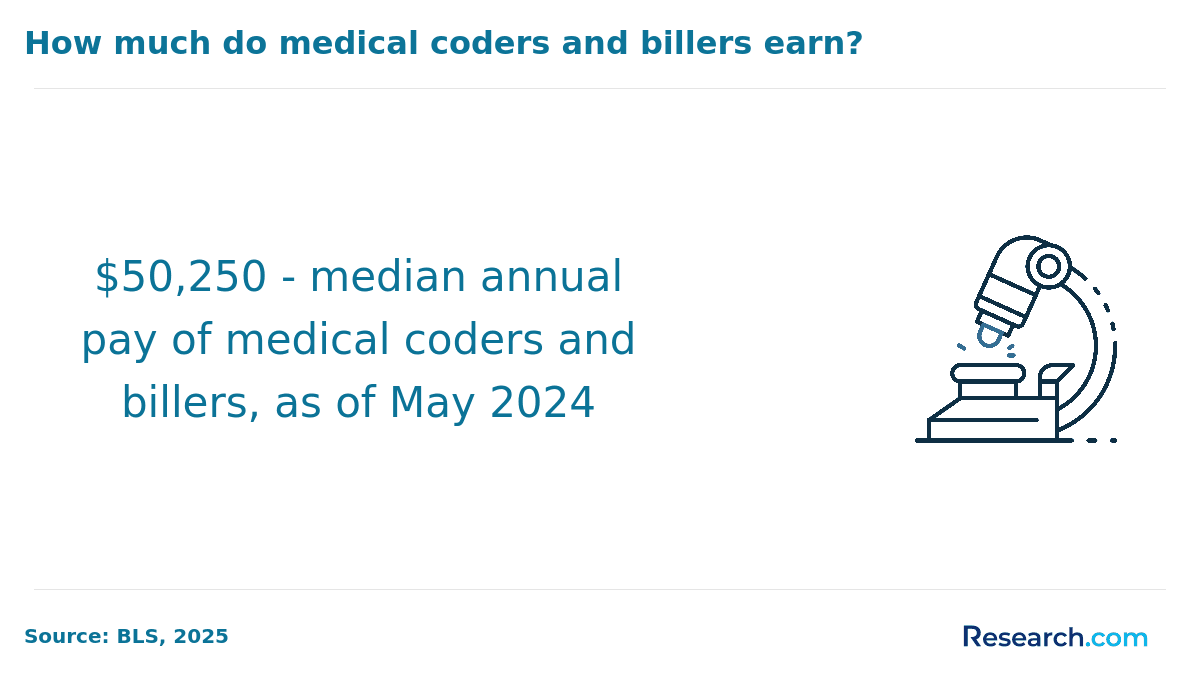
Medical billing and coding pay in Reno varies by role, employer, certification, specialty, and experience. Reported salaries range from about $45,000 to $55,000 as of 2023 for many professionals in the field. Medical coders in Reno have been reported at an average annual salary near $55,942, with an hourly rate around $28.
Entry-level coders at the 10th percentile are reported at about $43,065 per year. More experienced coders, especially those with specialized credentials or advanced coding responsibilities, may reach as much as $71,841 annually. Reno salaries are described as slightly stronger than some nearby Nevada markets, with earnings exceeding those in Sparks, Carson City, and Elko, where annual wages are closer to $34,900. The top 10% of earners in Reno reach approximately $63,420 per year.
| Pay measure | Reported Reno figure | What can influence it |
| Common salary range | $45,000 to $55,000 as of 2023 | Employer type, experience, certification, and coding complexity |
| Average medical coder salary | Near $55,942 annually | Coder-specific duties and technical skill level |
| Average hourly rate | Around $28 | Full-time versus part-time status and employer pay structure |
| Entry-level coder pay | About $43,065 annually at the 10th percentile | Limited experience, no specialization, and entry-level job title |
| Higher experienced salary | As much as $71,841 per year | Advanced certification, specialty coding, auditing, or leadership work |
| Top 10% of earners | Approximately $63,420 annually | Experience, employer size, productivity expectations, and role scope |
The clearest salary levers are experience, certification, specialty knowledge, and employer setting. Professionals often raise their earning potential by pursuing credentials such as CPC or CCS, learning complex inpatient or specialty coding, moving into auditing, or taking on revenue cycle leadership responsibilities. Larger healthcare systems and specialty medical practices may also offer stronger compensation than small offices, although job duties and productivity expectations can be more demanding.
What medical billing and coding specialties pay the most in Reno, NV?
The highest-paying billing and coding opportunities in Reno usually involve more complex documentation, higher compliance risk, or a combination of clinical and coding knowledge. General billing support roles can be a good starting point, but specialized coding, auditing, and analyst roles often provide stronger long-term income potential.
| Specialty or role | Core work | Reported Reno pay | Best preparation |
| Inpatient hospital coding | Codes hospital admissions and complex cases using ICD-10-CM and ICD-10-PCS | $29.71–$41.60 per hour | Strong facility coding knowledge, documentation review, and compliance training |
| Outpatient coding | Codes emergency visits, same-day surgeries, clinic procedures, and outpatient services | $26.28–$33.39 per hour | CPT, HCPCS, ICD-10-CM, payer rules, and denial prevention |
| Certified Professional Coder | Works in physician offices, clinics, and outpatient settings with strong E/M coding knowledge | Average pay in Reno: $31.36 per hour; top annual salary: up to $66,419 | CPC preparation, practice coding cases, and outpatient documentation experience |
| Medical coding analyst | Reviews records, audits coding accuracy, monitors compliance, and analyzes coding trends | Average annual salary in Reno: $69,444 | Advanced coding experience, audit skills, data tools, and compliance knowledge |
| Registered Nurse coder | Uses clinical training and coding expertise to abstract complex medical data for hospitals or insurers | Average pay in Reno: $37.29 per hour; average annual salary: $77,566 | RN background plus coding training and experience with complex documentation |
Students who want to enter a higher-paying specialty should not rely on a short program alone. They should look for training that includes real medical record scenarios, payer rules, denial management, compliance, and specialty-specific coding. Internships or entry-level roles with local employers such as Renown Health can also help new coders build the experience needed to move beyond basic billing support.
Truckee Meadows Community College is one local option students may compare for certificate and associate-level training. Professional networking and continuing education through organizations such as the Nevada Health Information Management Association can also help coders stay current and find advancement opportunities.
Is there a high demand for medical billers and coders in Reno, NV?
Demand for medical billers and coders in Reno appears steady because healthcare organizations need accurate documentation, clean claims, regulatory compliance, and revenue cycle support. The U.S. Bureau of Labor Statistics projects 8% growth for medical records specialists through 2032, which is faster than average occupational growth.
Reno also has a larger and more varied healthcare market than some nearby areas. Compared with Carson City, which has fewer specialized listings, Reno offers opportunities across hospitals, outpatient practices, government-supported settings, insurance-related roles, medical records functions, and education-oriented coding positions. That variety can benefit workers who want to move from billing into coding, from coding into auditing, or from records work into revenue cycle operations.
Demand does not mean every graduate is automatically hired. Employers still look for accuracy, certification, software readiness, professionalism, and the ability to handle productivity expectations. Candidates who want to enter the field quickly may consider a fast online medical billing and coding certification option if it matches their schedule, budget, and exam goals.
How long does it take to become certified in medical billing and coding in Reno, NV?
The timeline depends on the program format, the student’s availability, and whether the goal is a short certificate, exam preparation, or an associate degree. Many Reno-area students can complete career training in four months to one year. Others may take longer if they study part time, work full time, or choose a degree pathway.
| Path | Reported timeframe | Who it fits best |
| Accelerated course | As little as 80 hours through an intensive option such as Truckee Meadows Community College | Students with strong study habits who want a fast start |
| Self-paced certificate | About 12 months for many online certificate formats | Working adults who need flexibility |
| Two-semester program | Roughly 8 to 9 months through a structure such as Great Basin College’s two consecutive semesters | Students who want a defined academic schedule |
| Associate degree | Two to three years for some students, especially part time | Learners seeking broader education and long-term advancement options |
Students with prior healthcare knowledge may move faster if a program allows them to skip introductory content or apply previous coursework. Students balancing work, caregiving, or military responsibilities may prefer self-paced online options even if the calendar timeline is longer.
To shorten the path, compare accelerated programs, ask whether prior credits apply, set a weekly study schedule, and choose a program aligned with the certification exam you plan to take. Flexible options from online medical billing and coding certificate programs may make completion more realistic for students who cannot attend campus on a fixed schedule.
How can medical billers and coders unlock career advancement opportunities in Reno, NV?
Career growth in medical billing and coding usually comes from moving beyond basic claim entry into work that requires judgment, auditing, compliance knowledge, specialty coding, training, or leadership. In Reno, experienced professionals may advance into roles such as coding auditor, revenue cycle specialist, compliance analyst, medical records technician, coding educator, project coordinator, or billing team supervisor.
The strongest advancement strategy is to combine experience with a targeted credential. For example, a coder who starts in outpatient billing may pursue CPC preparation, then specialize in E/M coding, surgical coding, or denial management. A hospital coder may build toward inpatient coding, facility coding, or audit work. A biller with strong communication skills may move into payer follow-up, patient financial services, or revenue cycle management.
| If your current role is... | Possible next step | Skills to build |
| Entry-level billing assistant | Claims specialist or billing representative | Insurance verification, claim submission, denial tracking, and payer communication |
| Medical coder | Specialty coder or coding auditor | Advanced ICD-10, CPT, HCPCS, documentation review, and compliance |
| Experienced biller or coder | Revenue cycle supervisor | Team leadership, reporting, productivity management, and process improvement |
| Healthcare administrative worker | Compliance or health information role | HIPAA, audit procedures, data integrity, and regulatory documentation |
Some professionals eventually compare administrative healthcare advancement with clinical pathways. If you are considering a much longer clinical route, learning how to become a pharmacist in Reno can help you understand the education, credentialing, and responsibility differences before making a major career change.
Could exploring clinical roles enhance your healthcare career in Reno?
A billing and coding background can be useful for understanding healthcare documentation, insurance, compliance, and patient billing challenges. However, clinical roles require a different commitment. They involve direct patient care, additional education, supervised clinical training, licensure, and often a longer path to employment.
Exploring clinical careers may make sense if you want patient interaction, diagnostic responsibility, or expanded clinical authority. It may not be the right move if your main priorities are remote work, a shorter training timeline, or a non-clinical role. If you are comparing advanced clinical options, reviewing how to become a nurse practitioner in Reno can help clarify the education and licensing expectations.
What challenges do medical billers and coders face in Reno, NV?
Medical billing and coding can be stable, but it is not a low-effort administrative job. Accuracy standards are high, mistakes can delay reimbursement, and coding rules change. Professionals must stay current with payer requirements, documentation rules, compliance expectations, and technology updates while meeting productivity goals.
- Changing coding standards: Coders must keep up with ICD-10, CPT, HCPCS, payer edits, and documentation changes.
- Claim denials: Rejected claims require investigation, correction, appeals, and communication with payers or providers.
- Compliance pressure: Incorrect coding can create audit risk, reimbursement problems, or privacy concerns.
- Automation and AI tools: Software can assist with coding and claims, but workers still need judgment to review exceptions and complex cases.
- Remote work security: Home-based workers must protect patient information and follow HIPAA-compliant procedures.
- Productivity expectations: Employers may track charts coded, claims processed, denial rates, and accuracy.
If you want a healthcare role that blends technical knowledge with more direct community or patient-facing work, you may also compare this path with mental health counselor certification in Reno. That route requires different education and credentialing, so it should be evaluated separately from billing and coding.
Can a medical billing and coding background lead to alternative healthcare career opportunities in Reno, NV?
Yes. Billing and coding experience can support several non-clinical healthcare paths because it builds familiarity with records, compliance, payer systems, terminology, patient accounts, and healthcare operations. Common pivots include patient access, medical records, health information management, utilization support, revenue cycle operations, coding education, compliance auditing, and patient financial advocacy.
Some workers use the field as a stepping stone into roles that combine administrative knowledge with patient or community support. For example, someone interested in behavioral health may research how to become a substance abuse counselor in Reno. That transition requires additional credentials and a different skill set, but prior healthcare administration experience can help with documentation, confidentiality, and system navigation.
What’s the average cost of a medical billing and coding program in Reno, NV?
Program cost in Reno varies widely based on credential type, length, school format, included materials, and whether the program offers externships, exam preparation, or job support. Short certificate options can be much less expensive than diploma or associate degree programs, but students should compare total cost rather than tuition alone.
Certificate programs through institutions such as Truckee Meadows Community College are reported in the $1,799 to $1,899 range. More extensive diploma or associate degree options may range from $10,185 to $15,000, especially when they include longer classroom hours, externships, additional resources, exam preparation, or career services.
| Cost category | Reported amount or consideration | What to ask before enrolling |
| Short certificate program | $1,799 to $1,899 | Does the price include textbooks, coding manuals, exam preparation, and certification fees? |
| Diploma or associate degree option | $10,185 to $15,000 | Does the longer program improve your career options enough to justify the cost? |
| Online payment plan | Programs starting at $99 per month may be available | What is the total cost after all payments, fees, and materials? |
| Additional expenses | Textbooks, certification exams, technology fees, and possible externship costs | Are these included in tuition or billed separately? |
The cheapest option is not always the best option, and the most expensive program is not automatically better. Compare certification alignment, instructor support, employer recognition, student completion support, technology requirements, and whether the program teaches current coding systems. If you want broader academic preparation, a medical billing and coding associate degree may be worth comparing with shorter certificate options.
How to choose the right medical billing and coding program in Reno
Before enrolling, evaluate the program like an investment. The goal is not just to finish classes; it is to become employable, pass a certification exam, and avoid paying for training that does not match local hiring expectations.
- Check certification alignment. Ask whether the curriculum prepares students for CPC, CBCS, CCS, or another specific credential.
- Review hands-on practice. Strong programs include coding cases, claim forms, denial scenarios, and documentation exercises.
- Ask about total cost. Include tuition, books, coding manuals, exam fees, technology fees, and payment plan charges.
- Confirm format and schedule. Online, hybrid, self-paced, and accelerated formats require different levels of independence.
- Look for career support. Ask about externships, resume help, employer connections, and job placement assistance.
- Verify legitimacy. Confirm the school’s status, program expectations, refund policies, and whether employers recognize the training.
- Compare outcomes carefully. Do not rely only on rankings, testimonials, or marketing language.
Common mistakes to avoid
| Mistake | Why it can hurt you | Better approach |
| Choosing a program based only on speed | Fast training may not provide enough coding practice for certification or employment | Balance timeline with exam preparation, hands-on exercises, and support |
| Looking only at tuition | Books, exam fees, software, and payment plans can increase the real cost | Ask for a full cost breakdown before enrolling |
| Assuming certification is optional | Some entry-level jobs may not require it, but many competitive roles prefer it | Choose a program that prepares you for a recognized credential |
| Ignoring software skills | Employers expect comfort with EHR, claims, spreadsheets, and secure communication tools | Practice with healthcare technology and build basic data skills |
| Expecting remote work immediately | Remote roles often require experience, productivity discipline, and proven accuracy | Be open to on-site or hybrid roles while building experience |
| Relying on salary averages as guarantees | Pay depends on employer, certification, specialty, and experience | Research local job postings and compare requirements with your training |
What does a medical biller and coder in Reno, NV do on a daily basis?
Medical billers and coders help healthcare providers turn patient encounters into accurate records and reimbursable claims. Their work supports the financial side of care, but it also affects compliance, patient billing accuracy, and provider documentation quality.
| Daily responsibility | What it involves | Why it matters |
| Reviewing medical records | Reading provider notes, charts, diagnoses, procedures, and supporting documentation | Accurate coding starts with understanding what was documented |
| Assigning codes | Using ICD-10, CPT, and HCPCS to translate services and diagnoses into standardized codes | Correct codes support reimbursement and compliance |
| Preparing claims | Submitting insurance claims with required patient, provider, payer, and service information | Clean claims help providers receive payment more quickly |
| Handling denials and appeals | Researching rejected claims, correcting errors, and submitting appeals when appropriate | Denial management helps recover revenue and identify process problems |
| Verifying insurance | Checking coverage, eligibility, authorizations, and payer requirements before or after service | Verification reduces billing surprises and claim rejections |
| Posting payments | Recording payer and patient payments and reconciling account balances | Accurate posting keeps financial records audit-ready |
| Answering billing questions | Explaining charges, balances, insurance responses, or account status to patients | Clear communication can reduce confusion and improve patient trust |
The role has clear limits. Medical billers and coders do not diagnose patients, choose treatments, prescribe medication, or perform clinical care. Their responsibility is to interpret documentation, apply rules correctly, protect patient information, and support accurate reimbursement.
Reno employers may include hospitals, physician offices, specialty clinics, insurance companies, government agencies, and remote revenue cycle organizations. Remote work has become more common, with up to 63% of professionals working from home as of 2023, but home-based roles still require strong security practices and reliable productivity.
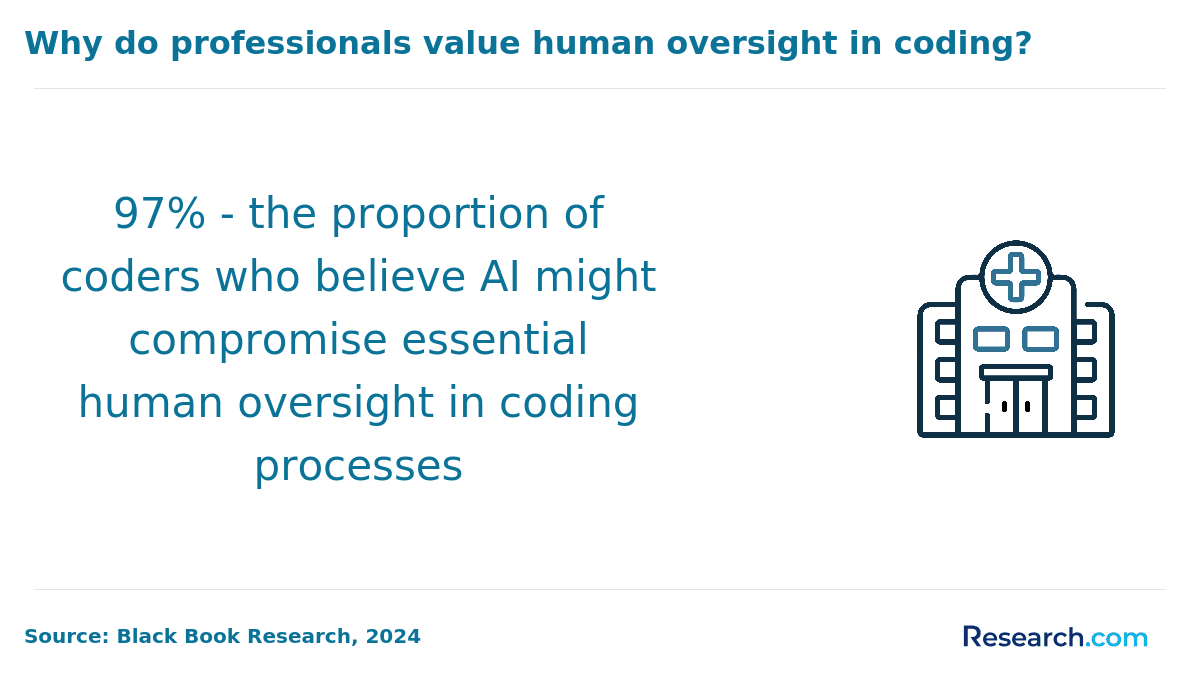
Automation and artificial intelligence may streamline parts of coding and claims processing, but human review remains important for complex cases, documentation gaps, payer exceptions, compliance issues, and appeals. Students preparing for this field should look for training that combines coding fundamentals with real-world workflow practice and should explore financial aid options for medical billing and coding schools if cost is a barrier.
What are the most in-demand tech skills for medical billers and coders in Reno, NV?
Technology skills are now central to billing and coding work. Reno employers increasingly expect candidates to be comfortable with digital records, claims systems, privacy safeguards, spreadsheets, and communication tools used in on-site, hybrid, and remote healthcare teams.
- Electronic health record system skills for locating patient documentation, reviewing charts, and maintaining accurate health information
- ICD-10, CPT, and HCPCS coding system knowledge for classifying diagnoses, procedures, supplies, and services correctly
- HIPAA-aware data protection habits, including secure logins, appropriate access, privacy procedures, and careful handling of patient information
- Claims management and revenue cycle software experience for submitting claims, tracking payer responses, managing denials, and posting payments
- Microsoft Excel and basic data analysis skills for reviewing billing trends, productivity, denial patterns, and reimbursement issues
- Digital communication and collaboration skills for working with providers, supervisors, payers, and remote teams through email, chat, and video meetings
Students who want a deeper academic route can compare options such as an online medical coding training program, especially if they want structured preparation in coding systems, healthcare data, and digital workflow tools. Whatever the format, the most useful programs teach both code selection and the technology used to submit, correct, and monitor claims.
Can medical billers and coders work from home in Reno, NV?
Yes, medical billers and coders in Reno can work from home, but remote jobs are not equally accessible to every beginner. Employers such as the Veterans Health Administration and private healthcare organizations have listed remote or hybrid roles, and job postings show that flexible work has become a real part of the field rather than a rare exception.
As of mid-2025, more than 40 open positions in Reno specified remote or hybrid flexibility. That suggests meaningful opportunity, but candidates should read postings carefully. Some roles are fully remote, some are hybrid, and others may require employees to live in Nevada or attend occasional on-site meetings.
Successful remote billers and coders need a secure setup. Typical requirements include high-speed internet, a dedicated computer or laptop, updated antivirus protection, secure access to employer systems, and often dual monitors for productivity. HIPAA-compliant platforms such as Epic, Cerner, or Medisoft may be used depending on the employer, and a VPN may be required to protect patient information.
Remote work also requires habits that are easy to underestimate: time management, quiet workspace discipline, fast written communication, secure document handling, and the ability to meet productivity targets without direct supervision. New graduates may improve their odds by first building experience in an on-site or hybrid role, then applying for remote coding or billing positions after they can prove accuracy and independence.
How to evaluate whether this career is right for you
Medical billing and coding is a strong fit for people who like detail-oriented work, rules, healthcare documentation, problem-solving, and computer-based tasks. It is less suitable for people who want hands-on patient care, highly social workdays, or a job with little repetition.
| This path may fit you if... | You may want another path if... |
| You enjoy accuracy, organization, and working with detailed records | You want to provide direct clinical care to patients |
| You are comfortable learning rules, codes, payer requirements, and compliance procedures | You dislike frequent updates, audits, or technical guidelines |
| You want a healthcare career with possible remote or hybrid options | You need guaranteed remote work immediately after training |
| You can stay focused while working independently at a computer | You prefer highly physical or constantly changing work environments |
| You are willing to earn certification and keep learning | You want a short course with no ongoing professional development |
Before committing, speak with program advisors, review local job postings, compare certification requirements, and ask whether the daily work matches your personality. A good decision is based on fit, cost, timeline, and realistic job expectations—not just the promise of a stable healthcare career.
Related Articles for Nearby Cities
- 2027 How to Become a Medical Biller & Coder in Sacramento, CA: Education Requirements & Certification
- 2027 How to Become a Medical Biller & Coder in Stockton, CA: Education Requirements & Certification
- 2027 How to Become a Medical Biller & Coder in Oakland, CA: Education Requirements & Certification
- 2027 How to Become a Medical Biller & Coder in Fremont, CA: Education Requirements & Certification
- 2027 How to Become a Medical Biller & Coder in San Francisco, CA: Education Requirements & Certification
- 2027 How to Become a Medical Biller & Coder in San Jose, CA: Education Requirements & Certification
- 2027 How to Become a Medical Biller & Coder in Fresno, CA: Education Requirements & Certification
- 2027 How to Become a Medical Biller & Coder in Bakersfield, CA: Education Requirements & Certification
- 2027 How to Become a Medical Biller & Coder in Boise, ID: Education Requirements & Certification
- 2027 How to Become a Medical Biller & Coder in North Las Vegas, NV: Education Requirements & Certification
References:
- Primary Care Billing Services in Nevada, NV https://www.medicalbillersandcoders.com/0-nevada-primarycare-medical-billing.html
- Coding Specialist-Inpt | Renown Health https://www.renown.org/careers/181853-coding-specialist-inpt
- Online Medical Billing and Coding Training https://wnc.edu/continuing-education/career-training/certification-programs/online-medical-billing-and-coding-training.php
- Working From Home As A Medical Biller And Coder | NCC https://www.northwestcareercollege.edu/blog/working-from-home-as-a-medical-biller-and-coder/
- Nevada Online Medical Billing & Coding Schools: See Top Programs https://www.edumed.org/online-schools/medical-billing-coding/nevada-nv/
- Medical Insurance Biller & Coder – Health Care Career Training | Nevada Career Institute https://nevadacareerinstitute.com/programs/medical-insurance-biller-and-coder
- Entry-Level Medical Billing/Coding Assistant job in Reno, NV https://nevadaprofessionalgroup.net/careers/entry-level-medical-billing-coding-assistant-reno/
- Medical Billing and Coding - TMCC https://truckee.augusoft.net/index.cfm
- How to Become a Medical Biller and Coder in Nevada https://www.healthjob.org/guide/how-to-become-a-medical-biller-and-coder-in-nevada
- Great Basin College https://www.gbcnv.edu/programs/show.cgi
Key Insights
- Medical billing and coding is a non-clinical healthcare path that can lead to work in hospitals, clinics, insurers, government settings, specialty practices, and remote revenue cycle teams.
- Reno students typically choose between a faster certificate and a broader associate degree. The better choice depends on budget, timeline, certification goals, and long-term advancement plans.
- Nevada does not require a state license, but national certification such as CPC, CBCS, or CCS can improve hiring prospects and support movement into specialized roles.
- Reported Reno pay ranges from about $45,000 to $55,000 as of 2023 for many professionals, with higher earnings possible in inpatient coding, analyst roles, and RN coder positions.
- Program costs vary sharply, from $1,799 to $1,899 for some certificate options to $10,185 to $15,000 for more comprehensive diploma or associate degree pathways.
- Remote work is realistic but not automatic. Employers often prefer candidates who have proven accuracy, certification, secure technology habits, and experience with EHR and claims systems.
- The smartest next step is to compare local job postings, choose a program aligned with a recognized certification exam, calculate total cost, and confirm that the daily work fits your strengths.
Other Things You Should Know About Becoming a Medical Biller or Coder
In 2027, obtaining certification as a medical biller and coder in Reno, NV typically requires passing an exam from a recognized body, such as the AAPC or AHIMA. These certifications validate your skills and could increase job opportunities and earning potential in this competitive field.
Many Reno employers accept either credential, but coding jobs often favor the AAPC’s CPC and billing-related roles may also value AHIMA’s CCA. Both are nationally recognized. Check each job posting for required certification, since some employers specify one credential or prefer experience with ICD-10-CM, CPT, and HCPCS coding.