2027 Best Pharmacy Schools & Pharmacist Programs Requirements in Florida: Online & Campus

Co-Founder and Chief Data Scientist
Choosing a pharmacy school in Florida is not just about finding a recognizable name. You are comparing program formats, tuition, prerequisites, clinical rotation access, licensure preparation, and the amount of debt you may take on before earning a pharmacist salary. The decision matters because pharmacy school is competitive, expensive, and highly regulated, and graduates must meet Florida Board of Pharmacy requirements before practicing.
This guide is for students comparing pharmacy schools and PharmD pathways in Florida, including online, hybrid, and campus-based options. It explains what degree routes exist, how admissions work, what courses and clinical training include, how long programs take, what exams are required, what costs to expect, and which career paths may follow. The goal is to help you evaluate programs more carefully instead of relying only on rankings or marketing language.
Quick Answer: Are pharmacy schools in Florida worth considering?
Yes, Florida can be a strong state for pharmacy education if you choose an accredited PharmD program that fits your budget, learning style, and licensure goals. Applicants should expect a demanding admissions process, significant tuition costs, required in-person clinical experiences, and post-graduation exams such as the NAPLEX and MPJE. The best choice is usually the program that combines ACPE-aligned professional preparation, reliable experiential placements, transparent costs, strong student support, and a realistic path to Florida pharmacist licensure.
- Florida offers several pharmacy education pathways. Students may begin with pre-pharmacy coursework, enter a PharmD program, pursue dual-degree options, complete residencies, or add certificates and continuing education after licensure.
- Clinical training is a major differentiator. Pharmacy students need real patient-care experience through hospitals, community pharmacies, clinics, and other healthcare sites, so rotation quality should be part of your school comparison.
- Program format affects your daily life but not the need for hands-on training. Online and hybrid coursework may improve flexibility, but PharmD students still need in-person labs, assessments, and experiential learning for licensure readiness.
- Pharmacy degree options available in Florida
- Online vs. campus pharmacy programs in Florida
- Florida pharmacy school application requirements
- Common courses in Florida pharmacist programs
- Typical pharmacy school timeline in Florida
- Licensure exams for Florida pharmacy graduates
- Pharmacy school cost in Florida
- Financial aid for Florida pharmacy students
- Jobs available with a pharmacy degree in Florida
- Pharmacist salary expectations in Florida
What pharmacy degree programs are offered in Florida?
Florida pharmacy education includes more than one route, but the Doctor of Pharmacy, or PharmD, is the professional degree required for pharmacist licensure. Students may complete prerequisite college coursework first, enter a PharmD program, and later choose residencies or specialty training depending on their career goals.
Nationally, pharmacy education has shifted toward more flexible delivery models. Around 75% of pharmacy schools now include hybrid or fully online PharmD elements, although professional pharmacy training still requires in-person clinical experiences. For Florida students, this means flexibility may be available for some coursework, but licensure preparation still depends on labs, rotations, and supervised practice.
| Pathway | Best for | What to verify before enrolling |
| Pre-pharmacy coursework | Students who have not yet completed the science and general education prerequisites needed for PharmD admission. | Confirm that courses in biology, chemistry, physics, mathematics, and related areas match the prerequisite list for your target pharmacy schools. |
| Doctor of Pharmacy (PharmD) | Students who want to become licensed pharmacists in Florida or another state. | Check accreditation status, experiential rotation structure, licensure exam preparation, total cost, and student support services. |
| Dual-degree options | Students interested in leadership, business, public health, policy, or research roles in addition to pharmacy practice. | Ask whether the additional degree changes tuition, workload, graduation timeline, and career outcomes. |
| PGY1 and PGY2 residency training | PharmD graduates seeking advanced clinical practice in areas such as ambulatory care, critical care, or oncology. | Review match competitiveness, required rotations, stipend structure, and specialty alignment. |
| Certificates and continuing education | Licensed pharmacists who need to update skills in areas such as pharmacogenomics, medication therapy management, or test-and-treat services. | Confirm whether the credential is recognized by employers, licensing bodies, or professional organizations. |
If you are still deciding what academic credential is required, start with a clear explanation of what degree is needed to become a pharmacist. That can help you separate pharmacist preparation from related pharmacy technician or healthcare certificate options.
Who should choose a PharmD program in Florida?
- Students who want to diagnose medication-related problems, manage prescriptions, counsel patients, and work as licensed pharmacists.
- Applicants who are prepared for several years of science-heavy coursework, supervised practice, and licensure exams.
- People who can handle a structured professional program with clinical responsibilities and strict ethical standards.
Who may want a different pharmacy-related path?
- Students who want to enter the workforce faster may prefer pharmacy technician training instead of a PharmD.
- Applicants who do not want patient-care responsibilities may be better suited for pharmaceutical sales, laboratory research, health administration, or public health roles.
- Students who need a fully remote degree should understand that pharmacist licensure requires hands-on experiential components.
How do you compare online vs. campus pharmacy programs in Florida?
The best format depends on how you learn, where you live, how much flexibility you need, and how the school arranges clinical training. Digital learning has grown quickly in health-related fields, with enrollments increasing by over 30% between 2019 and 2023. Even so, pharmacy is not a purely online profession. Students must still demonstrate practical skills and complete supervised patient-care experiences.
| Factor | Online or hybrid PharmD format | Campus PharmD format |
| Schedule flexibility | Often better for students balancing work, caregiving, or relocation limits. | Usually more structured, with fixed class, lab, and campus expectations. |
| Clinical training | Still requires in-person rotations through approved healthcare or pharmacy sites. | Often easier to coordinate through established local clinical partners. |
| Learning environment | Works best for disciplined students who can manage deadlines independently. | Better for students who want face-to-face instruction and routine interaction. |
| Technology requirements | Requires reliable internet, a suitable device, and comfort with digital platforms. | Uses technology too, but students rely more on campus facilities and labs. |
| Peer and faculty access | May depend on scheduled virtual meetings, discussion boards, and remote advising. | Allows more spontaneous access to instructors, classmates, labs, and student services. |
Online Pharmacy Programs
- Flexibility: Online and hybrid options may make pharmacy education more manageable for students who cannot relocate or attend every class on campus.
- Clinical expectations: Remote lectures do not remove the need for in-person experiential learning, so students should ask where rotations occur and who secures placements.
- Technology readiness: A weak internet connection, outdated computer, or poor study environment can make online pharmacy coursework much harder than expected.
- Interaction style: Students may need to be more intentional about asking questions, forming study groups, and staying connected with faculty.
- Best fit: This format generally suits self-directed learners who can follow a demanding schedule without daily campus structure.
Campus Pharmacy Programs
- Hands-on access: Campus programs typically provide direct access to labs, simulation spaces, faculty demonstrations, and supervised skills practice.
- Structured learning: Fixed schedules and in-person expectations can help students who perform best with routine and immediate feedback.
- Support services: Academic advising, tutoring, career services, and student organizations may be easier to use when available on site.
- Flexibility limits: Campus programs can be difficult for students with full-time work, long commutes, or family obligations.
- Best fit: This format is often strongest for students who want frequent in-person collaboration and close supervision.
Questions to ask before choosing an online or campus pharmacy program
- Is the PharmD program accredited and accepted for Florida licensure?
- How are clinical rotations assigned, and can students complete them near home?
- Are labs, assessments, or orientation sessions required on campus?
- What technology, travel, housing, and rotation expenses are not included in tuition?
- How does the school support students preparing for the NAPLEX and MPJE?
What are the requirements for a pharmacy school application in Florida?
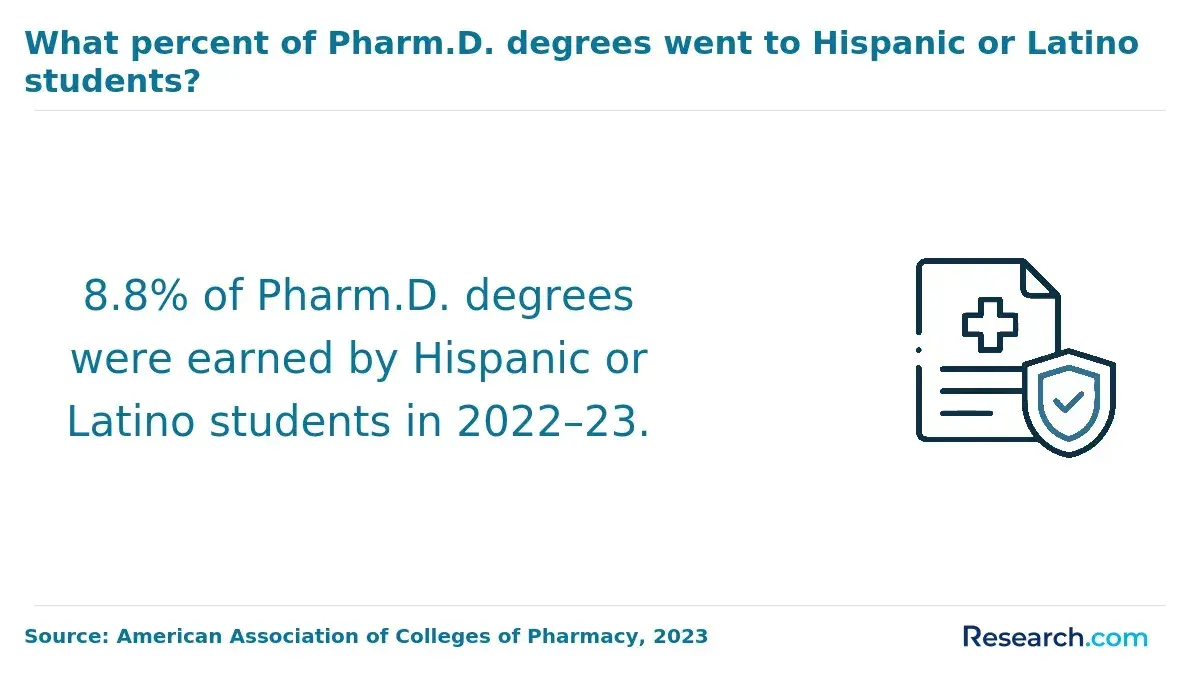
Florida pharmacy school admissions are competitive because programs must select students who can handle advanced science, patient communication, ethical responsibilities, and a demanding professional curriculum. Nationally, over 60% of applicants face rejection, and some programs receive over 5,000 applications annually while maintaining acceptance rates below 50%.
| Application component | What schools usually evaluate | How to strengthen your application |
| Prerequisite coursework | Completion of required sciences and general education courses, commonly including biology, chemistry, physics, and mathematics. | Map every prerequisite to each school’s list early so you do not apply with missing or nontransferable credits. |
| GPA | Academic readiness for a rigorous professional program. A minimum overall GPA of around 3.0 is typical. | Prioritize strong grades in science courses, not only the overall GPA. |
| Standardized testing | Some schools consider the Pharmacy College Admission Test, while others have made it optional or removed it. | Check each school’s current policy before spending time or money preparing for an exam that may not be required. |
| Recommendations | Evidence of academic ability, professionalism, reliability, and communication skills. | Ask faculty, supervisors, or healthcare professionals who can give specific examples rather than generic praise. |
| Personal statement | Your motivation for pharmacy, understanding of the profession, and fit with the program. | Explain why pharmacy is the right path for you using concrete experiences, not vague interest in healthcare. |
| Interview | Communication, judgment, professionalism, teamwork, and ethical awareness. | Practice answering scenario-based questions and explaining how you respond to patient-care challenges. |
| Background checks and drug screenings | Eligibility to participate in clinical sites and work in patient-care environments. | Review program policies early if you have concerns that may affect clinical placement eligibility. |
Common pharmacy school application mistakes
- Applying before prerequisites are clear. Requirements can differ by school, so one missing lab or science course can delay admission.
- Focusing only on GPA. Pharmacy schools also evaluate service, healthcare exposure, communication, maturity, and professionalism.
- Submitting a generic personal statement. A strong essay connects your experiences to the actual work pharmacists do.
- Ignoring interview preparation. Pharmacy interviews often test judgment and interpersonal skills, not memorized facts.
- Assuming every program has the same test policy. PCAT requirements vary, so verify current admissions instructions directly with each school.
What courses do you take in pharmacist programs in Florida?
PharmD curricula are designed to move students from scientific foundations into patient-care decision-making. Students typically complete around 70-80 semester credit hours of didactic coursework in their first three years, with about half focused on pharmaceutical sciences and therapeutics nationally. The rest usually combines clinical practice skills, law, ethics, public health, interprofessional learning, and experiential preparation.
| Course area | What you study | Why it matters in practice |
| Foundational sciences | Biology, chemistry, anatomy, physiology, microbiology, and related biomedical topics. | These courses explain how the body works and how disease affects medication decisions. |
| Pharmacology and therapeutics | Drug mechanisms, therapeutic uses, side effects, interactions, dosing, and monitoring. | Pharmacists use this knowledge to recommend safe and effective medication plans. |
| Clinical practice experiences | Rotations, internships, patient counseling, medication reviews, and practice-site learning. | Experiential training connects classroom knowledge to real patients and healthcare teams. |
| Pharmacy law and ethics | Professional responsibilities, patient privacy, prescription rules, controlled substances, and Florida practice requirements. | Pharmacists must make legally compliant and ethically sound decisions every day. |
| Interprofessional education | Team-based learning with other healthcare disciplines such as medicine, nursing, or public health. | Modern medication management often requires collaboration across care teams. |
| Electives and special topics | Areas such as oncology, geriatrics, pediatrics, pharmacoeconomics, informatics, or pharmacogenomics. | Electives can help students explore career niches before residency or employment. |
Students who want a shorter route into pharmacy-related work can also compare online pharmacy technician associate programs. These programs do not replace a PharmD, but they may help some learners enter the field sooner or gain healthcare experience before applying to pharmacy school.
Current trends shaping pharmacy coursework
- More technology in medication management: Students increasingly need comfort with electronic health records, data tools, remote patient communication, and digital dispensing systems.
- Greater attention to personalized medicine: Areas such as pharmacogenomics are becoming more relevant as clinicians use patient-specific information to guide therapy.
- Expanded patient-care expectations: Pharmacists are often involved in medication therapy management, immunization services, chronic disease support, and care coordination.
- Interprofessional practice: Pharmacy students are expected to communicate clearly with physicians, nurses, patients, caregivers, and insurers.
How long does it take to complete pharmacist programs in Florida?
The full timeline depends on how many prerequisites you have completed, whether the professional program is traditional or accelerated, and whether you study full time. The American Association of Colleges of Pharmacy reports that the average time to complete a PharmD degree in the U.S. ranges from six to eight years, including prerequisites.
| Stage | Typical time involved | What can delay completion |
| Prerequisite coursework | Often two to four years before entering the professional PharmD phase. | Changing majors, missing lab sciences, retaking courses, or completing transfer requirements late. |
| Traditional PharmD program | Commonly a four-year professional program after prerequisites. | Academic probation, failed courses, clinical placement delays, or personal scheduling conflicts. |
| Accelerated professional option | Some programs compress the professional phase to three years through intensive year-round study. | The pace can be difficult for students who need to work many hours or manage major outside responsibilities. |
| Residency training | Optional postgraduate training for students pursuing advanced clinical roles. | Residency matching is competitive and may require relocation or additional preparation. |
- Standard PharmD pathway: A common route includes prerequisite coursework followed by a full professional PharmD curriculum with classroom, lab, and experiential requirements.
- Accelerated and part-time options: Accelerated formats can shorten the professional phase, while part-time enrollment may extend the total timeline but improve flexibility.
- Online versus campus timing: Online coursework may reduce commuting, but it does not eliminate required in-person clinical experiences.
- Clinical placement impact: Delayed rotations, incomplete health documentation, or site availability problems can extend a student’s graduation timeline.
Because pharmacy school requires years of preparation and significant cost, compare the timeline with your long-term income goals and other healthcare careers, including high-paying medical jobs.
What exams do pharmacy graduates in Florida need to pass?
Graduating from pharmacy school is not the final step. To practice as a pharmacist in Florida, graduates must meet licensure requirements that include national competency testing, pharmacy law knowledge, and approved practical experience. Requirements can change, so students should always verify details with the Florida Board of Pharmacy before applying for licensure.
| Requirement | Purpose | Required for Florida pharmacist licensure? |
| NAPLEX | Assesses whether a graduate can apply pharmacy knowledge to patient care, medication dispensing, and therapeutic decision-making. | Yes. |
| MPJE | Tests knowledge of federal and Florida pharmacy laws, including prescription rules and controlled substance regulations. | Yes. |
| Approved internship hours | Documents supervised practical experience in pharmacy settings. | Florida requires at least 1,500 internship hours approved by the Florida Board of Pharmacy. |
| Board specialty certifications | Demonstrates advanced expertise in areas such as oncology or critical care. | No, but they may support career advancement. |
| Residency-related assessments | May be used by competitive postgraduate programs to evaluate readiness for advanced training. | No for general licensure, but relevant for some clinical career paths. |
- North American Pharmacist Licensure Examination (NAPLEX): This national exam is administered by the National Association of Boards of Pharmacy and measures readiness for pharmacist practice.
- Multistate Pharmacy Jurisprudence Exam (MPJE): Florida uses this exam to confirm that candidates understand federal and state-specific pharmacy law.
- Florida internship requirement: Candidates must complete at least 1,500 internship hours approved by the Florida Board of Pharmacy.
- Optional board certifications: Credentials from the Board of Pharmacy Specialties can help pharmacists pursue advanced or specialized roles.
- Residency preparation: Students targeting PGY1 or PGY2 programs should plan early because clinical experience, references, grades, and interviews can affect competitiveness.
How to prepare for licensure while still in school
- Track internship hours carefully and keep documentation current.
- Take pharmacy law coursework seriously instead of treating it as a final licensure hurdle.
- Use practice questions and review plans well before graduation.
- Ask each program for recent NAPLEX and MPJE support resources rather than assuming all schools prepare students the same way.
- Confirm whether your desired practice state has additional requirements if you plan to move after graduation.
How much do pharmacist programs cost in Florida?
Pharmacy school in Florida can require a major financial commitment, and tuition is only one part of the cost. Students should compare the full cost of attendance, including fees, books, supplies, transportation, housing, insurance, clinical rotation expenses, and the income they may give up while studying full time.
| Cost category | Typical amount stated for Florida or national pharmacy education | Decision tip |
| Public in-state tuition | Public pharmacy colleges in Florida tend to charge around $11,000 to $13,000 per year for in-state PharmD students. | Confirm whether you qualify for in-state tuition and whether rates change by year. |
| Public out-of-state tuition | Out-of-state students at public schools may pay closer to $30,000 per year. | Ask about residency reclassification rules before assuming your tuition will drop later. |
| Private institution tuition | Private programs often charge upwards of $40,000 annually. | Compare scholarship availability and total debt, not just advertised program length. |
| Mandatory fees | Lab, technology, student services, and health insurance fees generally range from $1,500 to $3,000 yearly. | Request a fee breakdown because these expenses can meaningfully change the annual cost. |
| Books and supplies | Students should budget $1,200 to $1,800 annually for specialized materials. | Ask current students whether used books, digital resources, or school-provided materials reduce costs. |
| Clinical rotation expenses | Off-site rotations can add travel, parking, housing, or relocation costs during the program. | Ask where rotations are located and whether students must travel outside their region. |
- Public versus private pricing: In-state public tuition can be much lower, but admission may be competitive and space may be limited.
- Fees beyond tuition: Lab, technology, health insurance, and student service fees should be included in every cost comparison.
- Online and hybrid costs: Online coursework may reduce commuting or relocation expenses, but technology fees and in-person rotation costs can offset savings.
- Alternative healthcare credentials: Students unsure about committing to a PharmD may first compare shorter options such as quick healthcare certification courses.
How to evaluate pharmacy school ROI
- Calculate total program cost across all years, not just first-year tuition.
- Estimate likely borrowing after scholarships, grants, savings, and family support.
- Compare monthly loan repayment scenarios with realistic pharmacist salary expectations.
- Ask schools for licensure exam support, placement resources, and residency advising.
- Consider whether you want retail, hospital, clinical, research, consulting, or specialized pharmacy work because some paths may require residency or additional training.
What financial aid options are available for pharmacy students in Florida?
Financial aid planning should begin before you apply, not after you receive an admission offer. Pharmacy students nationwide borrow an average of around $180,000 by graduation, so the way you combine scholarships, grants, work options, employer support, and loans can affect your financial life for years.
| Aid type | How it helps | What to watch for |
| Federal grants | Pell Grants and the Federal Supplemental Educational Opportunity Grant can reduce undergraduate costs without repayment. | Eligibility is need-based, and professional-phase PharmD students may have different aid options than undergraduates. |
| Florida state aid | State grants and scholarships may support health profession students or students serving underserved communities. | Some awards require academic progress, service commitments, or Florida residency. |
| Scholarships | Professional associations, schools, foundations, and community organizations may offer merit-based or need-based awards. | Deadlines can be early, and renewal rules may require a minimum GPA or enrollment status. |
| Work-study | Federal Work-Study can provide part-time earnings while students are enrolled. | Work hours must be balanced carefully with a demanding pharmacy curriculum. |
| Federal student loans | Federal Direct Loans can provide fixed-rate borrowing and repayment protections. | Borrow only what you need and understand interest accrual before accepting the full amount. |
| Private loans | Private lenders may fill gaps after other aid is exhausted. | Terms are often less flexible than federal loans, and rates may depend on credit or a cosigner. |
| Employer tuition assistance | Pharmacies, hospitals, and healthcare employers may reimburse some education costs for eligible employees. | Programs may require continued employment or limit eligible schools and courses. |
Students comparing traditional and accelerated pharmacy programs should ask whether a faster timeline increases annual borrowing, limits work opportunities, or changes scholarship eligibility.
Financial aid questions to ask every pharmacy school
- What is the total estimated cost of attendance for the full PharmD program?
- How much institutional scholarship aid does the average admitted student receive?
- Are scholarships renewable, and what GPA is required to keep them?
- Do clinical rotations create extra travel or housing expenses?
- What loan counseling does the school provide before students borrow?
- Are paid internships, assistantships, or employer partnerships available?
What jobs can you get with a pharmacy degree in Florida?
A PharmD can lead to several practice settings in Florida, from community pharmacies to hospitals, clinics, research organizations, managed care, consulting, and emerging technology-enabled roles. Employment for pharmacists in Florida is expected to increase by around 7% from 2020 to 2030, reflecting continued need for medication expertise in an aging and medically complex population.
| Role | Typical work setting | What the pharmacist does |
| Retail pharmacist | Community pharmacies, drugstores, supermarkets, and outpatient pharmacy locations. | Dispenses prescriptions, counsels patients, checks interactions, manages refills, and supports accessible community care. |
| Hospital pharmacist | Hospitals and health systems. | Reviews medication orders, supports inpatient therapy, works with physicians and nurses, and helps prevent medication errors. |
| Clinical pharmacist | Clinics, hospitals, ambulatory care settings, specialty practices, and care teams. | Manages complex medication therapy, monitors outcomes, and supports patients with chronic or high-risk conditions. |
| Pharmaceutical researcher | Laboratories, pharmaceutical companies, universities, or research organizations. | Studies drug development, safety, effectiveness, and therapeutic applications. |
| Consultant pharmacist | Nursing homes, healthcare facilities, outpatient clinics, and advisory roles. | Reviews medication use, supports compliance, evaluates therapy protocols, and advises care teams. |
| Specialized or emerging pharmacy roles | Telepharmacy, informatics, pharmacogenomics, medication therapy management, and health technology settings. | Uses data, remote care tools, and specialized medication knowledge to improve access and personalize treatment. |
How to prepare for stronger pharmacy career options
- Choose rotations that match your target setting, such as hospital, ambulatory care, community pharmacy, or managed care.
- Build relationships with preceptors because they can become references, mentors, or residency contacts.
- Join student pharmacy organizations to learn about specialties and leadership roles.
- Consider residency training if you want competitive clinical roles after graduation.
- Develop technology and data skills because informatics, telepharmacy, and medication management tools are increasingly important.
What is the average pharmacist salary in Florida?
Pharmacist pay varies by setting, experience, location, employer, and specialization. As of 2023, the median annual wage for pharmacists in the U.S. was about $136,000. That national figure is a useful benchmark, but it should not be treated as a guaranteed starting salary for every Florida graduate.
| Salary factor | How it can affect earnings | What students should consider |
| Practice setting | Retail, hospital, clinical, research, and consulting roles may have different pay structures and schedules. | Compare salary with work hours, weekend expectations, advancement opportunities, and job stability. |
| Experience level | New graduates may start below more experienced pharmacists, while managers and specialists may earn more. | Look at long-term career progression, not only the first offer after graduation. |
| Geographic location | Urban areas such as Miami and Tampa may differ from rural areas because of cost of living and local demand. | Higher pay does not always mean higher purchasing power if living costs are also higher. |
| Specialization | Fields such as nuclear pharmacy, pharmacogenomics, oncology, or critical care may command different compensation. | Some specialized roles require residency, board certification, or additional experience. |
| Debt level | Loan repayment can significantly affect take-home income after graduation. | Estimate monthly repayment before committing to a high-cost program. |
- Retail pharmacy: Community pharmacy roles may offer accessible entry points but can involve evening, weekend, or high-volume patient service work.
- Hospital and clinical practice: These roles may offer more direct team-based care and sometimes require residency or specialized experience.
- Specialized practice: Advanced areas can improve career mobility, but students should weigh the added training time and competitiveness.
- Location choice: Salary should be compared with rent, commuting, taxes, and local job availability.
How to use graduate feedback when comparing Florida pharmacy schools
Graduate opinions can help you understand program culture, workload, advising quality, and clinical placement experiences, but they should not replace objective checks such as accreditation, licensure preparation, cost, and rotation access. Treat testimonials as one input, not proof that a program is right for every student.
- Ask about support during difficult coursework. Strong programs should be able to explain how they help students who struggle academically before problems become severe.
- Ask graduates where they completed rotations. Rotation variety can influence confidence, networking, residency competitiveness, and job readiness.
- Ask whether online or hybrid students felt connected. Flexibility is valuable only if advising, faculty access, and peer collaboration remain strong.
- Ask how well the program prepared them for licensure exams. Look for specific comments about NAPLEX and MPJE preparation rather than general satisfaction.
- Ask whether the cost felt manageable after graduation. Alumni can often provide practical insight into borrowing, repayment, and early-career budgeting.
Common mistakes to avoid when choosing a pharmacy school in Florida
| Mistake | Why it can hurt you | Better approach |
| Choosing by reputation alone | A well-known name may not be the best fit for your budget, location, learning style, or career goal. | Compare accreditation, rotations, costs, licensure preparation, and student outcomes together. |
| Looking only at tuition | Fees, supplies, travel, housing, and lost income can change the real cost substantially. | Request the full cost of attendance for every year of the program. |
| Assuming online means fully remote | PharmD programs still require hands-on clinical and experiential components. | Ask exactly which activities require campus visits or in-person placements. |
| Ignoring licensure requirements | Graduation alone does not authorize you to practice as a pharmacist. | Confirm NAPLEX, MPJE, internship hours, and Florida Board of Pharmacy requirements early. |
| Underestimating admissions competitiveness | Strong grades alone may not overcome weak recommendations, limited experience, or a poor interview. | Build a complete application with healthcare exposure, service, communication skills, and clear motivation. |
| Borrowing without a repayment plan | Large debt can limit career and lifestyle flexibility after graduation. | Estimate repayment before enrolling and pursue scholarships, grants, and employer support aggressively. |
Key Insights
- The PharmD is the central degree for becoming a pharmacist. Pre-pharmacy coursework, certificates, and technician programs can support a pharmacy career, but they do not replace the professional PharmD for pharmacist licensure.
- Florida students should compare programs by licensure readiness, not just convenience. Online and hybrid options can be helpful, but clinical rotations, labs, internship hours, and exam preparation remain essential.
- Admissions are demanding. A competitive application usually combines prerequisite completion, strong science performance, recommendations, a focused personal statement, and interview readiness.
- Cost planning is critical. Public in-state tuition may be lower, while private and out-of-state options can cost much more; fees, supplies, rotations, and living expenses must be included in your calculation.
- Career outcomes vary by setting. Retail, hospital, clinical, research, consulting, informatics, telepharmacy, and specialized roles each require different preparation and may offer different work conditions.
- The best pharmacy school is the one that fits your goals and constraints. Prioritize accreditation, Florida licensure alignment, clinical placement quality, total cost, student support, and realistic career planning.
Related Articles for Nearby States
- 2027 Best Pharmacy Schools & Pharmacist Programs Requirements in Georgia: Online & Campus
- 2027 Best Pharmacy Schools & Pharmacist Programs Requirements in Alabama: Online & Campus
- 2027 Best Pharmacy Schools & Pharmacist Programs Requirements in South Carolina: Online & Campus
- 2027 Best Pharmacy Schools & Pharmacist Programs Requirements in Mississippi: Online & Campus
- 2027 Best Pharmacy Schools & Pharmacist Programs Requirements in Tennessee: Online & Campus
- 2027 Best Pharmacy Schools & Pharmacist Programs Requirements in North Carolina: Online & Campus
- 2027 Best Pharmacy Schools & Pharmacist Programs Requirements in Louisiana: Online & Campus
- 2027 Best Pharmacy Schools & Pharmacist Programs Requirements in Kentucky: Online & Campus
- 2027 Best Pharmacy Schools & Pharmacist Programs Requirements in Arkansas: Online & Campus
- 2027 Best Pharmacy Schools & Pharmacist Programs Requirements in Virginia: Online & Campus
References:
- UWorld Pharmacy: Pharmacy school costs in 2025 https://pharmacy.uworld.com/blog/how-much-does-pharmacy-school-cost/
- University of Florida College of Pharmacy https://pharmacy.ufl.edu/ Florida A&M University pharmacy admissions https://pharmacy.famu.edu/admissions2/index.php
- University of Florida College of Pharmacy: PharmD anticipated expenses https://admissions.pharmacy.ufl.edu/financial-aid/anticipated-expenses/
- Upwardly Global: Florida licensing guide for immigrant pharmacists https://www.upwardlyglobal.org/career-coaching/professional-licensing-guides/florida/pharmacist/
- University of Florida College of Pharmacy: Pharmacy careers https://careers.pharmacy.ufl.edu/
- American Pharmacists Association: Pharmacy-based test and treat training https://www.pharmacist.com/Education/Certificate-Training-Programs/Pharmacy-based-8-hour-Test-and-Treat
- U.S. Bureau of Labor Statistics: Occupational Employment and Wages, May 2023 https://www.bls.gov/oes/2023/may/oes291051.htm
- University of Florida College of Pharmacy: PharmD curriculum courses https://curriculum.pharmacy.ufl.edu/curriculum-courses/
- Lake Erie College of Osteopathic Medicine: Tuition and fees https://lecom.edu/pharmacy/sop-tuition-fees/
Other Things You Should Know About The Best Pharmacy Schools & Pharmacist Programs Requirements in Florida
A Florida Pharm.D. program should hold accreditation from the Accreditation Council for Pharmacy Education (ACPE). ACPE-accredited programs are the standard path to licensure, and Florida pharmacists are licensed through the Florida Board of Pharmacy after meeting education, exam, and internship requirements.
Most pharmacy programs in Florida require the Pharmacy College Admission Test (PCAT) or MCAT for 2027 admissions. Check specific program requirements as some schools may waive the test based on prior academic performance or other criteria.
Pharmacy students in Florida can access several financial aid options in 2027, including federal and state grants, scholarships, and student loans. The Free Application for Federal Student Aid (FAFSA) is essential for determining eligibility, and many schools offer their own scholarships and assistantships.