2027 Special Education Degree Completion Rates by Format: Online, Hybrid, and Campus Programs Compared

Co-Founder and Chief Data Scientist
Choosing how to complete a special education degree presents a critical decision for many students balancing life commitments, financial constraints, and career ambitions. A prospective student may face the dilemma of whether to enroll in an online program that offers flexibility, a hybrid format that blends in-person and digital learning, or a traditional campus program that provides immersive, face-to-face experiences. Each path carries distinct demands on time management, access to resources, and interaction with instructors and peers, all of which influence a student's ability to persist through to graduation.
Completion rates vary notably across these formats, reflecting differences in support structures, engagement, and course rigor. Understanding these outcomes is essential for students aiming to maximize their success and align educational choices with long-term career goals in special education. This article compares online, hybrid, and campus degree completion rates, examines factors driving student success, and offers insights to help prospective students select the format that best supports their educational journey.
Key Things to Know About Special Education Degree Completion Rates by Format
- Completion rates for special education degrees show campus formats outperform online by approximately 12% according to a 2024 NCES report, reflecting stronger peer engagement and on-site support systems.
- The hybrid format's staggered increase in completion rates signals that blending in-person and digital learning mitigates online program isolation but requires disciplined time management to sustain progress.
- Program structure and cohort cohesion notably influence completion more than modality alone, emphasizing that prospective students must assess institutional support tailored to special education demands rather than format conveniences.
- Key Things to Know About Special Education Degree Completion Rates by Format Key Things to Know About Special Education Degree Completion Rates by Format
- How Do Completion Rates Compare Across Online, Hybrid, and Campus Special Education Programs? Completion Rate Comparison
- What Factors Have the Greatest Impact on Special Education Degree Completion? Degree Completion Factors
- Which Special Education Degree Format Is Hardest to Complete? Completion Difficulty
- How Does Each Special Education Learning Format Affect Student Success? How Does Each Special Education Learning Format Affect Student Success?
- How Does Enrollment Status Affect Special Education Completion Rates? How Does Enrollment Status Affect Special Education Completion Rates?
- Can Transfer Credits Improve Special Education Degree Completion? Transfer Credits
- What Student Support Services Improve Special Education Completion Rates? Student Support Services
- How Do Special Education Completion Rates Affect Career Outcomes? Impact on Career Outcomes
- How Should Students Choose the Best Special Education Learning Format? Choosing the Best Format
- What Are the Long-Term Pros and Cons of Each Special Education Learning Format? Learning Format Pros & Cons
How Do Completion Rates Compare Across Online, Hybrid, and Campus Special Education Programs?
Completion rates across online, hybrid, and campus special education programs offer insight into student outcomes, but they should not be interpreted solely as measures of program quality. Variations often stem from the differing backgrounds and circumstances of students choosing each format. For instance, those enrolled in online formats typically juggle more external obligations, which can impact persistence and completion more than the program's content or delivery alone. Recognizing this distinction helps prospective students understand that graduation rates reflect both institutional factors and student circumstances.
Differences in completion rates relate closely to factors such as work commitments, enrollment intensity, and access to support services. Online programs tend to attract students who require greater scheduling flexibility but may also face challenges like limited peer interaction and less direct faculty engagement. Hybrid formats, combining in-person and online elements, strike a balance by maintaining some face-to-face collaboration, which can boost retention. Campus programs often provide a more immersive and structured environment, which supports students who can commit to scheduled classes. Ultimately, success depends as much on individual discipline and resource utilization as on the learning format itself, highlighting that no single pathway guarantees completion.
When comparing special education degree completion rates by program format, prospective students should weigh these statistics against their personal learning preferences, available study time, and external responsibilities. For example, someone working full-time with family obligations might find a hybrid program's blend of flexibility and on-site engagement more manageable than a fully campus-based route. Conversely, students seeking a traditional collegiate experience with immediate access to resources might prefer campus programs. Moreover, understanding costs and return on investment is critical; resources like how much does it cost to become a medical billing and coding can provide additional context for financial planning alongside program selection.
What Factors Have the Greatest Impact on Special Education Degree Completion?
Degree completion in special education programs hinges on more than just student motivation. It involves a complex interplay of personal readiness, academic preparation, and the quality of institutional supports that extend across online, hybrid, and campus delivery formats. Recognizing these multifaceted influences is crucial for prospective students aiming to align their circumstances with the realities of program demands. Below are key factors that most consistently affect special education degree completion outcomes.
- Student Engagement and Interaction: Programs that foster regular, meaningful contact between students and faculty promote sustained motivation and persistence. Campus settings traditionally provide richer face-to-face opportunities, but hybrid programs that successfully blend in-person and online engagement can build support networks critical for retention. Students who seek out active communication channels and peer collaboration improve their chances of completion.
- Academic Preparation and Foundational Skills: Completion rates rise markedly for students entering with a strong grounding in educational theory and prior coursework relevant to special education. Since this field requires both content mastery and applied instructional strategies, gaps in academic readiness can hinder progress. Prospective students can boost success by pursuing prerequisite studies or remedial support before or during their program.
- Financial Stability and Support Systems: Financial barriers are a significant obstacle, especially for online and hybrid learners who often juggle work and family alongside studies. Access to scholarships, flexible scheduling, and institutional aid reduces attrition risks. Planning finances carefully and seeking available support resources can enhance persistence significantly.
- Program Design and Institutional Resources: The structure and quality of a program-including curriculum alignment, advising, and accessibility of academic assistance-directly influence degree completion. Those programs that integrate scaffolded learning, timely feedback, and tailored supports enable students to navigate challenges effectively. Evaluating these elements before enrollment helps students choose programs with higher completion potential.
- Time Management and Life Demands: Students balancing employment, caregiving, or other responsibilities require flexible pacing and self-regulation strategies. Completion correlates with a student's ability to organize time, maintain consistent study habits, and prioritize academic commitments. Time management skills training and proactive communication with program staff can support these learners.
- Technological Access and Digital Literacy: Particularly relevant for online special education degree completion factors, reliable internet, adequate devices, and comfort with educational technologies affect engagement and access to learning materials. Students who invest in these technical competencies and troubleshoot issues promptly are better positioned to persist.
- Motivation Aligned with Career Goals: While motivation alone is insufficient, having clear professional objectives linked to the degree, such as specific roles in educational settings or understanding the medical coder salary market for related career transitions, reinforces persistence. Connecting coursework with tangible career outcomes strengthens commitment through inevitable program challenges.
Which Special Education Degree Format Is Hardest to Complete?
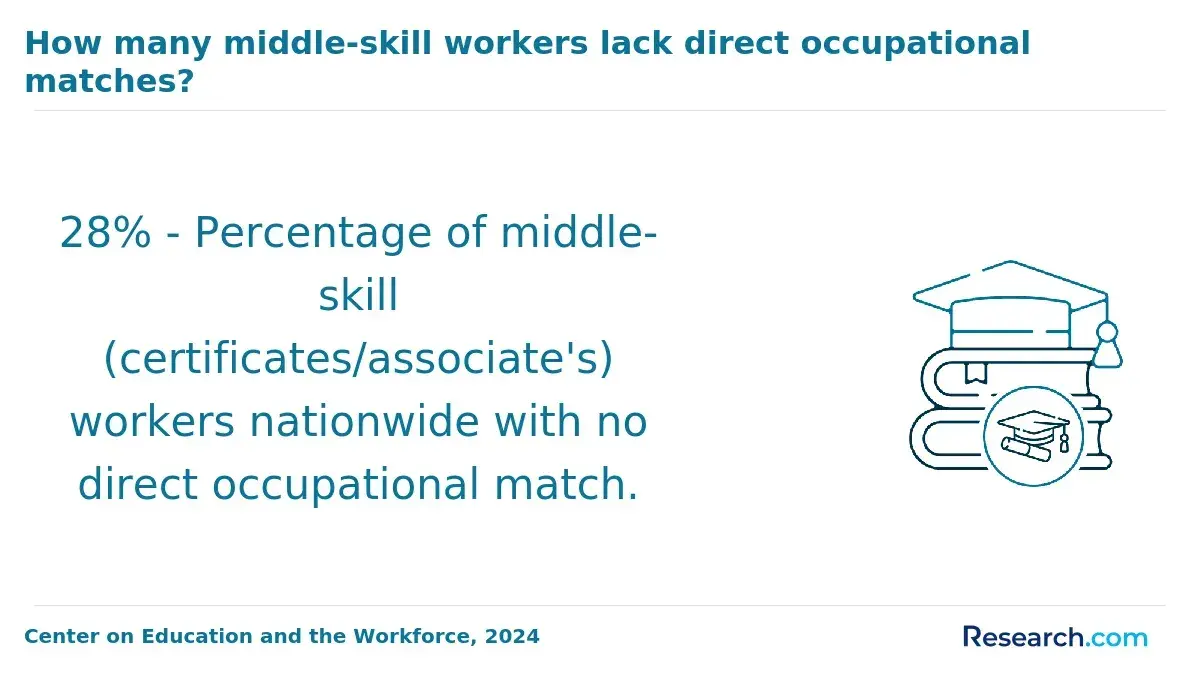
Completion rates for special education degree formats reveal significant differences influenced by the learning environment's structure and support mechanisms. According to 2024 data from the National Center for Education Statistics, fully online programs report completion rates between 40% and 60%, reflecting challenges like limited peer engagement and the high demand for self-management. Hybrid formats, blending online and in-person learning, improve persistence to roughly 60%-75%, as they enable periodic face-to-face interaction that reinforces accountability and practical skills. Campus-based programs maintain the strongest outcomes, often exceeding 75% completion, credited to immersive learning, direct faculty access, and fieldwork essential for mastering special education competencies.
While online programs offer unmatched flexibility, they depend heavily on a student's capacity for self-discipline amidst competing life commitments such as work or caregiving, which can undermine consistent progress. Conversely, hybrid and campus models provide structured environments that foster sustained engagement, yet each demands different time investments and logistical considerations from students. This variation means that the hardest format to complete is highly individual, based on personal circumstances and the student's learning preferences, rather than a simple ranking of program types.
One graduate who pursued a special education degree online shared that balancing full-time employment and family care became overwhelming during critical coursework phases. She recalled moments of hesitation, questioning whether the distance-learning format could support her goals given the lack of immediate interaction. However, after adjusting her schedule and leveraging online forums for peer support, she found a rhythm that eventually led to graduation. Her experience underscores that online programs are not inherently insurmountable but require tailored strategies to navigate the unique hurdles they present.
How Does Each Special Education Learning Format Affect Student Success?
Success in completing a special education degree is significantly shaped by how a learning format matches an individual's study habits, time availability, and life demands-not solely by whether it is online, hybrid, or campus-based. A format that suits one student's need for structure and social interaction might hinder another who requires scheduling flexibility. Understanding these tradeoffs helps students realistically assess which setting will best support sustained engagement and timely degree completion. Key factors influencing success across formats include the following.
- Direct interaction and immediate feedback: Campus programs typically offer the most frequent face-to-face engagement with instructors and peers, fostering richer dialogue and timely responses. Students who thrive on hands-on learning and real-time support often achieve higher persistence rates in this setting, particularly important in special education where practical skills and nuanced feedback are crucial.
- Flexibility versus self-discipline demands: Online programs provide unmatched schedule flexibility, appealing to working adults or caregivers. However, this advantage requires learners to exercise strong self-motivation and organizational skills, as reduced social accountability and less immediate instructor interaction can challenge retention and completion.
- Balance of convenience and support: Hybrid formats blend online coursework with regular in-person sessions, offering a middle ground. This structure benefits students who need flexibility but also desire periodic direct contact to clarify concepts and maintain motivation, contributing to completion rates that often rival fully campus-based programs, as highlighted in 2024 NCES findings.
- Access to academic advising and technological resources: Robust support services significantly improve outcomes across all formats. Campus and well-resourced hybrid programs tend to provide easier access to advising and technical help, which online learners may struggle to find unless specifically built into the program design.
- Impact of peer community and collaborative learning: The social environment aids persistence by fostering accountability and shared problem-solving. Campus settings naturally cultivate this, while online formats must intentionally create virtual communities to replicate these benefits, a factor linked to higher success rates when effectively implemented.
- Challenges with engagement and self-regulation: Evidence from the National Student Clearinghouse Research Center shows online special education students experience higher dropout rates due to engagement hurdles. Programs integrating synchronous classes and interactive assignments help mitigate these challenges, leveling the playing field with more traditional formats.
- Alignment with personal and professional responsibilities: Students balancing employment or family care often prefer online or hybrid programs to better integrate studies into daily life. However, those without strong time-management skills may find campus programs' structured schedules provide necessary external discipline for completion.
How Does Enrollment Status Affect Special Education Completion Rates?
Enrollment status-whether a student pursues a special education degree full-time or part-time-is one of the most significant factors influencing degree completion rates. However, its impact depends largely on individual circumstances rather than just the number of courses taken each term. For prospective students, understanding how enrollment pace interacts with life responsibilities, program structure, and access to support services is critical to realistically planning for success. The following points highlight the primary ways enrollment status shapes special education program completion.
- Time Commitment and Immersion: Full-time enrollment typically allows students to immerse themselves more deeply in coursework, maintaining continuity that supports higher completion rates. According to the National Center for Education Statistics, full-time students generally achieve completion rates between 60% and 70% within standard timeframes, while part-time students often fall below 50%. Those balancing multiple responsibilities may find sustained full-time pacing challenging but beneficial if they can manage it.
- External Obligations Impact: Part-time students often juggle employment, family care, or other obligations that extend their degree timelines. These external pressures reduce academic interaction and increase the risk of delays or attrition. Students should assess their ability to balance these demands before choosing a part-time schedule.
- Program Format Differences: Part-time enrollment is more prevalent in online and hybrid special education programs, where scheduling flexibility is a key advantage. However, this flexibility can stretch program completion-students unable to devote consistent blocks of time might extend their studies longer than anticipated. Campus-based full-time students benefit from more structured environments that may enhance progression.
- Support Services Availability: Some institutions offer targeted advising, cohort models, and mentorship that help part-time students maintain momentum. Availability of these services can reduce disparities in completion rates between enrollment statuses, so prospective students should research program supports carefully.
- Career and Employability Outcomes: Full-time students on campus often gain ongoing access to faculty mentorship and peer collaboration, facilitating skill acquisition and readiness for employment. In contrast, part-time online students must actively seek out these opportunities, which may impact long-term workforce integration. Planning enrollment status with career goals in mind is crucial.
- Flexibility vs. Acceleration Trade-Off: Full-time study accelerates degree completion but demands substantial time investment and consistent academic engagement. Part-time study offers flexibility but typically extends the time needed to graduate, which can delay entry into the workforce. Students should weigh these trade-offs according to their individual life circumstances and priorities.
- Individual Learning Styles and Discipline: Students with strong self-motivation and effective time management skills may thrive part-time, especially in online environments. Those needing more external structure may benefit from full-time enrollment to maintain steady progress. Understanding personal learning habits helps inform enrollment decisions.
For example, a working parent enrolled part-time in a hybrid special education program might accept the longer degree timeline as a reasonable trade-off for balancing family and school demands. Alternatively, a recent graduate with fewer external commitments may accelerate completion by enrolling full-time on a campus program. Such decisions impact not only how quickly a student graduates but also their ability to meet the demands of their educational and career goals effectively. Prospective students navigating special education program completion rates by enrollment status should therefore consider these nuanced factors rather than assuming full-time is universally superior.
For those exploring flexible options, reviewing data on the fastest PMHNP programs can provide insight into how program structure influences completion and career outcomes. More information is available at fastest PMHNP programs.
Can Transfer Credits Improve Special Education Degree Completion?
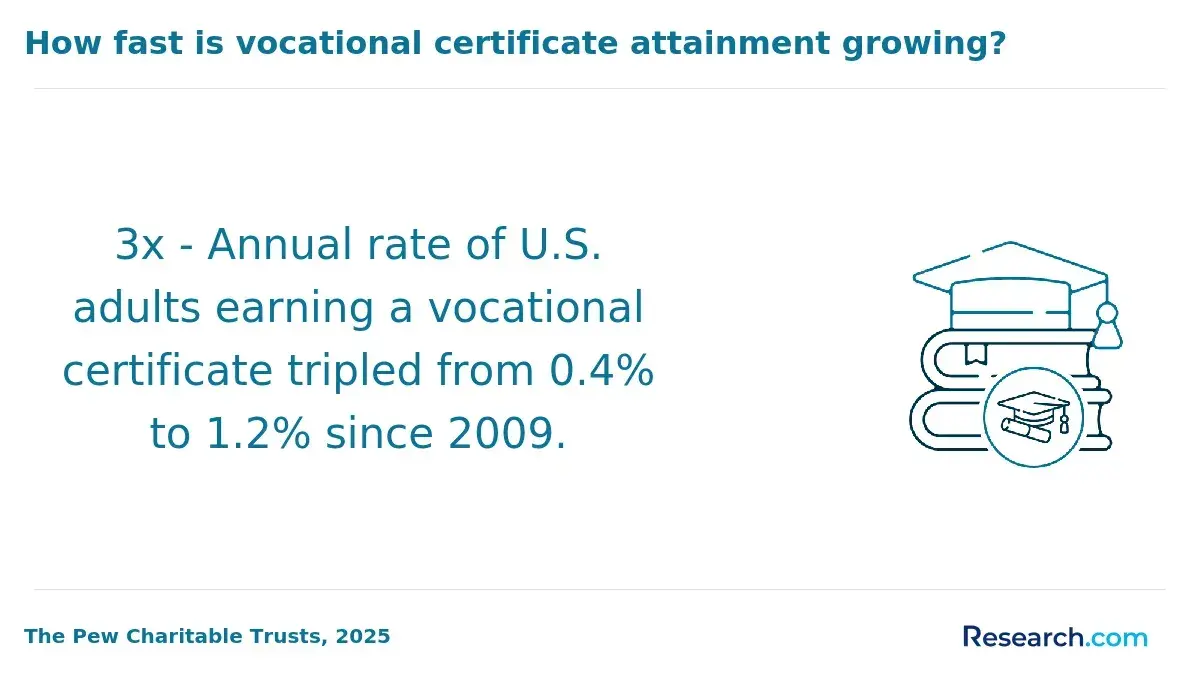
Transfer credits can play a significant role in accelerating special education degree completion by reducing redundant coursework and shortening time to graduation. According to a 2024 report from the National Center for Education Statistics, students entering programs with accepted transfer credits graduate at rates roughly 20% higher within six years compared to those without transfer credits. This underscores how prior learning recognition can provide a tangible advantage.
For individuals juggling professional and family commitments, such as many special education candidates, the ability to transfer relevant credits from previous colleges, military training, or professional coursework can minimize repetitive study and maintain engagement. For example, a student with an associate degree who transfers core education courses into a hybrid special education program can focus more quickly on advanced, specialized topics. However, the degree to which transfer credits shorten completion time is heavily influenced by institutional policies, program type, and how closely transferred coursework aligns with degree requirements.
Not all transfer credits apply equally. Differences in course content, accreditation standards, or state regulations often limit transferability and may require additional classes, sometimes extending rather than shortening degree timelines. Campus-based programs tend to have more rigid curricula, restricting credit acceptance compared to hybrid and online formats, which often offer greater flexibility. Thus, the practical benefit of transfer credits varies considerably based on the program's structure and the student's academic background.
Prospective students should obtain an official credit evaluation early to understand which credits will count toward their special education degree. Comparing remaining required credits with their enrollment plans can help gauge the realistic impact on graduation speed. Ultimately, while transfer credits can be a valuable tool to reduce time and costs, they represent only one factor in degree completion outcomes alongside tuition affordability, support services, and student circumstances.
What Student Support Services Improve Special Education Completion Rates?
Student support services have a measurable impact on degree completion rates for special education candidates across online, hybrid, and campus-based programs. Tailored resources that address academic, emotional, and career challenges can make the difference between persisting and dropping out. A 2024 report from the National Center for Education Statistics found that students engaging consistently with online support systems were 15% more likely to graduate within six years, highlighting the tangible value of well-designed assistance. Below are key support services linked most closely to improved completion outcomes.
- Comprehensive Academic Advising: Advising that anticipates course planning challenges and adjusts to student progress encourages persistence. Advisors familiar with special education frameworks help students navigate credentialing requirements efficiently while balancing workload complexities.
- Early Risk Identification Systems: Tools that detect early signs of academic or emotional difficulty allow timely interventions. Personalized outreach based on alerts can prevent small struggles from snowballing into withdrawal.
- Accessible Virtual Tutoring: For fully online learners, flexible tutoring accessible at various times reduces isolation and clarifies difficult material, fostering confidence and skill mastery critical to degree progress.
- Integrated Mental Health Counseling: Emotional stress is a pervasive barrier, especially in remote settings. Counseling services attuned to the pressures unique to special education candidates help maintain motivation and wellbeing.
- Peer Networking Events: Hybrid programs often benefit from both digital and face-to-face peer interactions. These create accountability networks and a sense of professional community that bolster commitment and reduce attrition.
- Hands-on Practicums and On-site Services: Campus learners gain from direct experiential learning and immediate feedback, which are crucial for mastering applied skills and building professional readiness within real-world classrooms.
- Career Navigation Support: Assistance linking academic milestones to employment pathways improves retention by clarifying post-graduation opportunities and strategies.
A graduate of an online special education program shared how initial hesitation about enrolling online shifted after experiencing proactive academic advising coupled with prompt technical support. When she struggled with a demanding course mid-semester, the early alert system flagged concerns and academic coaching sessions were arranged quickly. This support alleviated her anxiety and gave her concrete strategies to manage workload and family responsibilities. Reflecting later, she credited these interventions with sustaining her through moments when self-doubt could have ended her studies prematurely.
How Do Special Education Completion Rates Affect Career Outcomes?
Completion rates in special education degree programs significantly affect long-term career success, particularly in roles demanding certification and specialized skills. Data from leading educational research highlights that bachelor's degree completion strongly predicts employment stability, earnings potential, and further educational opportunities. When analyzing career outcomes of online hybrid and campus special education programs, it becomes clear that the format impacts not only completion likelihood but also how graduates engage with the job market. Here are primary ways completing a special education program influences career trajectories.
- Certification and Licensing Eligibility: Completing the degree ensures candidates meet the minimum qualifications for hiring and legal compliance, benefiting those aiming to enter K-12 special education roles, where credentials are non-negotiable.
- Preparedness for Complex Educational Roles: Consistent academic progress develops skills valued by employers, improving retention and promotion chances, especially for those pursuing classroom-based careers in either online or hybrid settings.
- Access to Graduate Education and Advanced Positions: Students completing their special education degree are more likely to pursue advanced studies, opening doors to leadership roles beyond teaching, a consideration crucial for those balancing family and work commitments.
- Employment Outcomes Vary by Delivery Format: Students enrolled in online special education degree programs often encounter self-paced challenges that can delay workforce entry and affect earnings, making support services essential to improve outcomes.
- Career Sustainability and Salary Growth: For example, a graduate completing a hybrid program may leverage both flexibility and in-person experiences to enhance employability, but must still navigate local labor demands and professional networking opportunities.
Not every graduate achieves identical outcomes; factors such as practical experience, skill application, and economic conditions shape career trajectories alongside degree completion. Prospective students should consider these real-world tradeoffs when choosing their program format and plan accordingly to maximize their return on investment in a special education degree.
For those interested in further exploring specialized nursing roles intersecting with education and health, resources exist for becoming a functional medicine nurse, providing an adjacent career pathway.
How Should Students Choose the Best Special Education Learning Format?
Choosing the best special education learning format requires an evaluation beyond convenience, factoring in how each environment supports degree completion and aligns with individual realities. For instance, a working parent balancing evening shifts might benefit more from flexible scheduling, while a recent high school graduate could thrive with direct faculty interaction on campus. Understanding these dynamics helps improve the odds of success by realistically matching format to student circumstances. Key considerations include:
- Self-Discipline and Motivation Levels: Online programs demand strong internal drive and effective time management since students often study independently. Without these traits, learners may struggle with course completion, making hybrid or campus formats more suitable for those who benefit from structured schedules and face-to-face engagement.
- Work and Family Commitments: Hybrid and online options typically offer flexibility that accommodates employment and caregiving responsibilities, which greatly affect special education degree completion rates by format. Students should realistically assess their daily schedules to determine if asynchronous learning fits their lifestyle.
- Need for Faculty and Peer Interaction: Those prioritizing networking and immediate support often succeed better in campus programs, where immersive learning environments foster stronger motivation and resource sharing, a key factor in persistence and job readiness.
- Access to Support Services: Programs with robust academic advising and tutoring-more accessible in campus or some hybrid settings-can improve persistence for students less confident in independent learning.
- Long-Term Career Goals and Licensing Requirements: Some special education career paths necessitate in-person practicums or observed teaching experiences best coordinated through campus or hybrid formats. Assessing program offerings against professional requirements is critical.
- Technology Comfort and Resources: Reliable internet access and digital literacy are prerequisites for online learning success. Students lacking these may find blended or campus options more manageable.
- Program Reputation and Completion Data: Recent 2024 research by the National Center for Education Statistics shows campus-based formats have the highest completion rates, followed by hybrid, then online programs. Prospective students can also review lists like the easiest SLP programs to get into for informed choices aligned with their study preferences.
What Are the Long-Term Pros and Cons of Each Special Education Learning Format?
Choosing between online, hybrid, and campus formats for special education degree completion involves weighing distinct long-term impacts. Each format shapes student engagement, skill development, and career readiness differently, with outcomes influenced by personal circumstances and learning preferences. Recent 2024 data from the National Center for Education Statistics highlights meaningful differences in completion rates and post-graduation success tied to these formats. Consider the following key factors when evaluating your options.
- Social Integration and Networking Opportunities: Campus programs excel at fostering peer connections and mentorship through face-to-face interaction, benefiting students who thrive in immersive settings. Online students may miss out on these but gain access to broader, flexible communities. Hybrid options provide some in-person networking while retaining flexibility.
- Flexibility Versus Structure: Online formats offer unmatched scheduling freedom, ideal for working adults or caregivers, but require strong self-discipline. Campus learning provides routine and immediate support, better for those needing structured environments. Hybrid balances both, though inconsistent delivery can pose challenges.
- Completion and Persistence Rates: Campus programs generally report slightly higher completion rates, particularly among students needing in-person accountability. Online completion gaps have narrowed due to advanced virtual support, while hybrid outcomes depend on program design quality.
- Hands-On Skills and Practical Experience: Campus settings allow direct, supervised practice critical to special education. Online platforms increasingly incorporate simulations but might lack equivalency. Hybrid models offer some hands-on exposure combined with remote learning.
- Financial and Logistical Considerations: Campus programs often entail commuting costs and fixed schedules, impacting retention for non-traditional students. Online options reduce these burdens but may have technology requirements. Hybrid formats offer compromise but may require occasional travel.
- Long-Term Employability Outcomes: Graduates from all formats report positive employment when programs align with certification standards. Career advancement may depend more on individual performance and credentials than delivery mode.
- Adaptability to Career and Life Changes: Online and hybrid formats better support students navigating evolving personal commitments or job roles, enabling continued education without interruption. Campus programs, while more immersive, can be less accommodating to changing schedules.
References
- Special Education – Digital Promise https://digitalpromise.org/research-map/topics/special-education-practices/
- What Matters Most in Order to Realize Positive Outcomes for Students With Disabilities? https://www.wested.org/blog/insights-impact/realizing-positive-outcomes-for-students-with-disabilities/
- The Effects of Special Education on the Academic Performance of Students with Learning Disabilities https://edworkingpapers.com/ai19-86
- Special needs schools pros and cons | Our Kids https://www.ourkids.net/school/special-needs-school-benefits
- Five Strategies for Raising Graduation Rates for Students with Disabilities https://enablingdevices.com/blog/five-strategies-for-raising-graduation-rates-for-students-with-disabilities/
- Almost all students with disabilities are capable of graduating on time. Here's why they're not. http://hechingerreport.org/high-schools-fail-provide-legally-required-education-students-disabilities/
- Special Education—Teacher of Students With Disabilities in Childhood Education, (All Grades) M.S.Ed. - Brooklyn College https://www.brooklyn.edu/academics/programs/special-education-childhood-msed/
- Special education graduation, dropout rates reported for NC - EdNC https://www.ednc.org/09-09-2024-new-report-outlines-improvement-plans-for-special-education-in-north-carolina/
- The Hardships Faced by Students in Special Education | UT Permian Basin Online https://online.utpb.edu/about-us/articles/education/the-hardships-faced-by-students-in-special-education
- Special Education Classrooms: The Pros and Cons of Each Learning Environment - Frenalytics https://www.frenalytics.com/blog/special-education-classrooms-the-pros-and-cons-of-each-learning-environment/
Other Things You Should Know About Special Education
While online special education programs offer unmatched flexibility, this convenience can sometimes backfire. The reduced structure may challenge students' time management and self-motivation, leading to higher dropout rates compared to campus or hybrid formats. Prospective students should weigh whether their personal discipline and external commitments align with a self-directed learning environment, as flexibility alone doesn't guarantee completion.
Practicum and fieldwork are critical for special education degrees but tend to complicate online and hybrid formats more than campus programs. Students in online programs might face geographic and logistical barriers securing high-quality placements, which can delay or impede timely completion. Campus-based learners often have smoother access to supervised practicum experiences, suggesting that those prioritizing uninterrupted fieldwork should consider formats with integrated local resources.
Hybrid programs blend online flexibility with on-campus requirements, theoretically offering balance. However, juggling both modalities can exacerbate workload and scheduling conflicts, which some students find more demanding than a fully online or fully in-person program. For learners with stable schedules seeking consistent peer and faculty interaction, campus programs might offer more straightforward progression. Hybrid formats require strong organizational skills and can be less forgiving for those with unpredictable personal or work commitments.
Employers in educational settings increasingly accept online and hybrid formats, yet some still prioritize campus degrees, especially for roles involving direct student interaction and leadership. This can affect the strategic value of completing a program in a given format, particularly for individuals targeting certain school districts or specialized roles. Students who anticipate competitive job markets or advancement into leadership positions should verify local employer preferences, as this may influence the return on investment tied to program completion.