2027 Special Education Transfer Credit Trends: How Schools Are Adapting for Adult Learners

Co-Founder and Chief Data Scientist
Maria, a military spouse and working professional, expected her 30 previously earned college credits to transfer smoothly into a special education degree program. Instead, she learned nearly half of them weren't accepted, adding unexpected tuition costs and two extra semesters of study. This scenario reflects a growing challenge: a 2024 national survey found only 55% of transfer credits in education-related fields meet direct equivalency at receiving institutions. The gap highlights institutional variability and shifting accreditation standards that complicate credit mobility for adult learners aiming to finish special education degrees quickly and affordably. Understanding these evolving credit acceptance practices is vital for informed decision-making.
Key Things to Know About Special Education Transfer Credit Trends for Adult Learners
- Many institutions now accept broader prior learning assessments, including workforce certifications, expanding credit but often requiring tradeoffs in rigorous transcript evaluation, which can delay credit finalization and affect enrollment timing.
- Recognition of military and professional training credits reflects employer valuation of practical skills, but uneven credit equivalencies can create gaps requiring supplemental coursework impacting overall degree relevance for special education roles.
- Technology-enabled transcript review accelerates transfer decisions, reducing administrative barriers and lowering indirect costs, yet the variability in policy transparency means adult learners must proactively navigate complex credit-transfer rules to optimize pathways.
- Key Things to Know About Special Education Transfer Credit Trends for Adult Learners Key Things to Know About Special Education Transfer Credit Trends for Adult Learners
- How Are Special Education Programs Changing Transfer Credit Policies for Adult Learners? Evolving Adult Transfer Policies
- Why Are More Special Education Schools Accepting Credit for Prior Learning and Work Experience? Prior Learning Credit Benefits
- How Do Special Education Colleges Evaluate and Award Transfer Credits Today? Transfer Credit Evaluation Process
- Which Alternative Credits Are Most Commonly Accepted by Special Education Programs? Accepted Alternative Credits
- How Are Special Education Schools Improving Transfer Pathways for Community College Students? Improved Community College Pathways
- How Can Transfer Credits Help Special Education Students Graduate Faster? Accelerating Degree Completion
- How Much Money Can Students Save Through Special Education Transfer Credit Opportunities? Cost Saving Through Transfers
- How Are Special Education Programs Supporting Military Students and Workforce Learners Through Transfer Credits? How Are Special Education Programs Supporting Military Students and Workforce Learners Through Transfer Credits?
- What Transfer Credit Innovations Are Shaping the Future of Special Education Education? What Transfer Credit Innovations Are Shaping the Future of Special Education Education?
- How Can Adult Learners Maximize Transfer Credits in a Special Education Program? Maximizing Your Transfer Credits
How Are Special Education Programs Changing Transfer Credit Policies for Adult Learners?
Recent shifts in transfer credit policies for special education programs reflect a broader institutional effort to accommodate the complex educational backgrounds of adult learners, including working professionals and military-affiliated students. Instead of rigid credit acceptance frameworks, colleges are increasingly recognizing prior learning assessments and military training as viable credit sources, responding to transfer credit acceptance trends in special education programs for working professionals. This evolution enhances credit mobility and reduces time-to-degree, but students must carefully navigate institutional differences in how these non-traditional credits align with state licensure and course sequencing requirements, which can affect affordability and academic planning.
Community colleges and universities are establishing more formal transfer articulation agreements tailored to special education credentials, offering students clearer pathways from associate degrees or alternative certifications. However, variability in state regulations and institutional autonomy means a student transferring credits from a community college may still face supplemental coursework if those credits do not meet specialized practicum or clinical requirements. Technological tools that automate transcript evaluations are increasingly common, speeding evaluations and enabling earlier intervention to optimize degree progression. Adult learners comparing programs should also explore flexible degree-completion strategies, such as those highlighted by the growing prominence of best DNP programs online, which reflect evolving policy adaptations designed to minimize credit loss and improve accessibility while maintaining academic rigor.
Why Are More Special Education Schools Accepting Credit for Prior Learning and Work Experience?
The increasing acceptance of credit for prior learning and work experience in special education programs reflects broader institutional shifts aimed at addressing complex student demographics and operational pressures rather than simply relaxed transfer rules. Programs now assess military training, industry certifications, and competency-based evaluations to validate workplace and experiential learning that align closely with professional standards, ensuring academic integrity while accommodating diverse educational histories. This approach helps institutions manage enrollment and graduation timelines more effectively, recognizing that adult learners, veterans, and transfer students often face competing demands that make traditional credit pathways inefficient or inaccessible. Data from the Council for Adult and Experiential Learning in 2024 shows students receiving prior learning credits complete degrees approximately 1.5 semesters earlier, which has clear implications for reducing student expenses and institutional costs but also raises questions about maintaining rigorous learning outcomes across accelerated pathways.
Special education programs must balance the practical need to award credit for relevant experience with maintaining curriculum coherence and academic rigor, especially given the specialized knowledge required in the field. While credit for prior learning can shorten time-to-degree and improve persistence, variability in how programs apply these policies can create uncertainty for students deciding when and where to transfer or how to document nontraditional learning effectively. Employer expectations further complicate the picture; beyond formal degrees, many look for evidence of hands-on skills verified through military or certification pathways, yet inconsistencies in credit transferability mean graduates' portability in the workforce can differ significantly by institution. This dynamic forces students to weigh tradeoffs between accelerating education and ensuring credentials meet both academic and employment standards within special education's demanding scope.
One veteran pursuing a special education degree discovered her military training initially qualified for minimal credit due to strict institutional policies but was able to supplement this with professional certifications and a detailed portfolio review. Although the process involved repeated consultations with advisors and delays in credit evaluation, the eventual recognition of her prior learning reduced her remaining coursework notably. She described the experience as cautiously optimistic-appreciative of the flexibility but frustrated by uneven policies and the extensive documentation required. Her case illustrates how evolving practices in credit acceptance can meaningfully impact educational pathways, yet still demand careful navigation and persistence from adult learners balancing academic ambitions with real-world constraints.
How Do Special Education Colleges Evaluate and Award Transfer Credits Today?
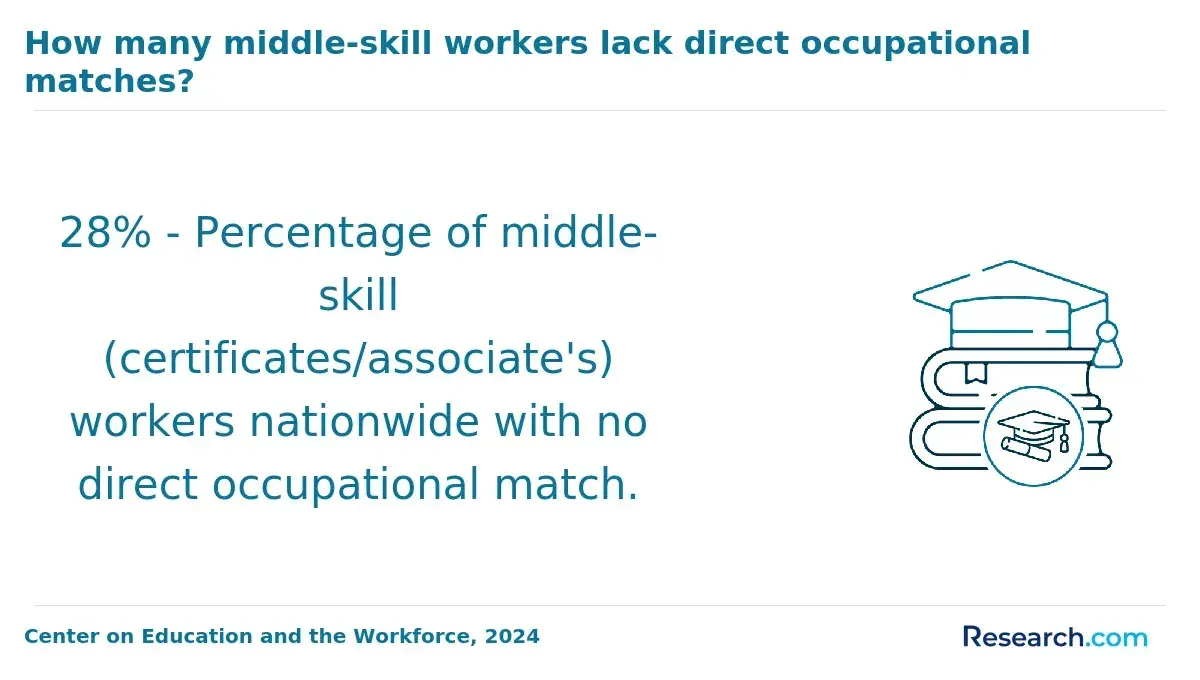
Transfer credit evaluation in special education colleges has shifted from a routine administrative task to a strategic function that directly shapes enrollment and student success. Institutions no longer simply verify transcripts but critically assess the alignment of prior coursework, military training, and professional credentials with program-specific learning outcomes, accreditation standards, and upper-division credit requirements. For example, a military-affiliated student with technical certifications may gain credit through prior learning assessments, but must still navigate residency rules or limits on how much alternative credit can count toward licensure pathways, affecting time to degree and financial planning.
Course equivalency agreements and automated transcript analysis now streamline credit review between community colleges and four-year special education programs, yet adult learners must remain cognizant of how accepted credits apply to degree requirements. According to a 2024 report from the National Center for Education Statistics, over 60% of postsecondary institutions incorporate credit for prior learning, reflecting a wider recognition of non-traditional experiences. However, not all transferred credits reduce tuition or shorten completion timelines equivalently, especially where institutional discretion limits application of military or micro-credential credits toward core or upper-division courses. Navigating this complexity requires students to carefully evaluate how transfer policies intersect with professional accreditation standards and long-term career goals in special education.
Which Alternative Credits Are Most Commonly Accepted by Special Education Programs?
Alternative credit acceptance has evolved into a strategic lever for enhancing degree accessibility and reducing time-to-completion in special education programs, particularly for adult learners navigating transfer credit options for adult learners in Special Education. Credit for prior learning (CPL) is frequently leveraged to translate professional experience into academic credit, yet institutions often impose limits based on accreditation rules or residency requirements. Military training credits are another commonly recognized pathway, especially valued in programs serving veterans, though their transferability depends heavily on course equivalency reviews and alignment with licensure standards. Examination-based credits like CLEP provide cost-effective acceleration, but many special education tracks restrict these credits from fulfilling core specialization courses, affecting how students plan their course sequence.
Workforce certifications and competency-based assessments increasingly supplement traditional credits, yet acceptance for special education licensure pathways varies, challenging students to verify institutional policies in advance. Digital learning platforms expand elective credit opportunities but seldom substitute core requirements, influencing affordability and flexibility. According to a 2024 report from the Council for Adult and Experiential Learning, nearly 75% of special education institutions formally acknowledge CPL in some capacity, reflecting growing but cautious acceptance of nontraditional credits. For adult learners aiming to optimize previously earned credits, understanding these nuances is vital when mapping academic plans that align with professional and employer expectations. Those weighing options alongside conventional tracks may also explore pathways such as online PhD nursing programs for insights into strategic credit transfer practices within broader educational contexts.
How Are Special Education Schools Improving Transfer Pathways for Community College Students?
Special education programs increasingly prioritize refining transfer pathways to accommodate the complex needs of adult learners juggling work, family, and education. By expanding articulation agreements and developing dual-admission partnerships with community colleges, schools aim to reduce credit loss and clarify degree requirements, which is critical since even slight variations in clinical hour recognition or specialized coursework can extend time to graduation. These adaptations, coupled with tailored transfer advising and prior learning assessments, help maintain academic momentum while improving credit applicability, though students must still navigate inconsistencies across institutions that may impact how smoothly their credits convert. According to the National Center for Education Statistics, clear articulation policies correlate with a 15% higher retention rate for transfers in education-related majors, underscoring the tangible effect of such alignment efforts on student persistence and progress.
For students evaluating their transfer options, understanding the nuances of course equivalency, degree maps, and credit evaluations is key to avoiding unforeseen delays in program completion. Integrated 2+2 models are gaining traction as they provide structured pathways, yet these require careful upfront planning to meet both associate and bachelor-level expectations without redundant coursework. Transfer-focused advising plays a pivotal role in helping students balance prior learning credits, professional experience, and institution-specific requirements-though uneven acceptance of clinical hours means students may still face extended timelines despite these reforms.
One community college transfer student recounted a protracted credit evaluation process when applying to a Special Education bachelor's program. Initially, the student was uncertain if coursework, particularly specialized electives and practicum hours, would be accepted, as advisors at the two institutions provided conflicting guidance. After a detailed transcript review and multiple consultations with a dedicated transfer advisor, the student learned that most general education credits transferred but some key clinical credits did not, necessitating a modest adjustment to their degree plan. This cautious but ultimately transparent evaluation process, while frustrating, allowed the student to map out a realistic timeline and avoid unexpected setbacks later in the program.
How Can Transfer Credits Help Special Education Students Graduate Faster?
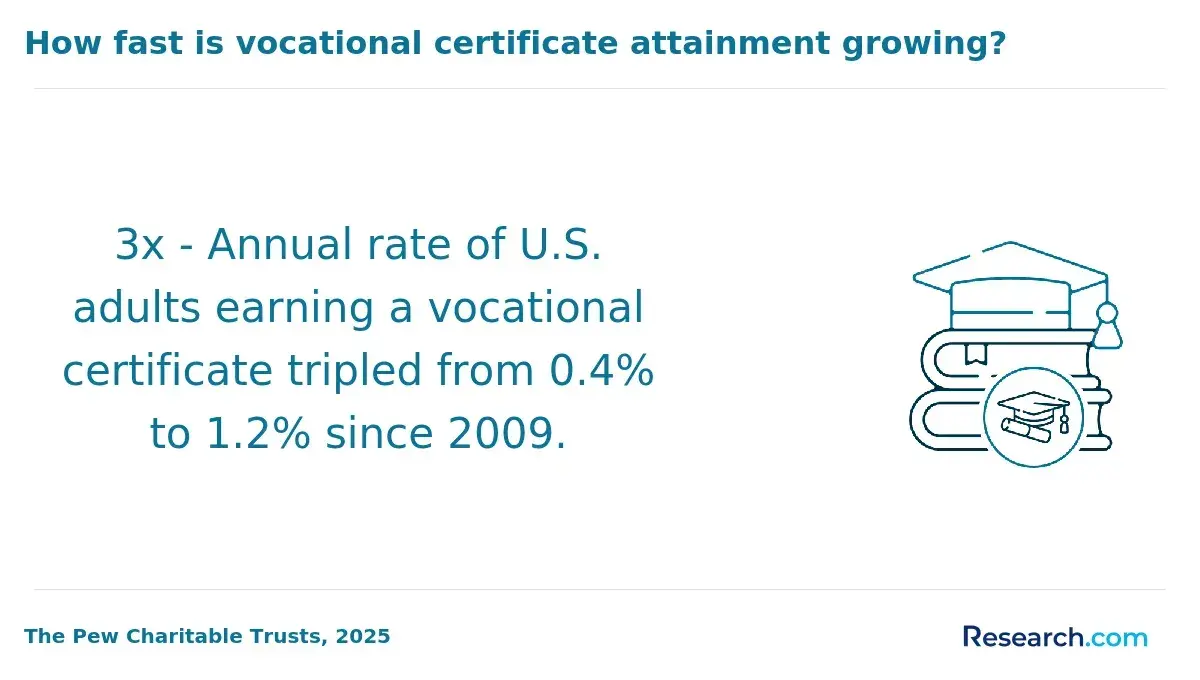
Transfer credit policies for special education adult learners significantly influence degree timelines, yet acceptance is seldom straightforward. Institutions often require core, upper-division, and field-specific courses to be completed in-house, with residency rules limiting how many credits apply toward licensure pathways. For working professionals and transfer students, this means that even when prior credits from community colleges or workforce training apply, gaps in course sequencing or accreditation inconsistencies can extend program durations beyond initial projections.
Accelerated graduation through transfer credits in special education programs depends not only on the quantity but also the relevance and accreditation of transferred courses. Military-affiliated students and those leveraging prior learning assessments may face additional scrutiny regarding credit applicability, as demonstrated by recent studies highlighting that only about 30% of PLA credits translate into accepted special education coursework. Such nuances affect enrollment planning and affordability, prompting students to strategically select programs with articulation agreements or flexible credit policies. Those evaluating how to maximize previously earned credits might explore options such as the best MHA programs, which exemplify evolving transfer-friendly frameworks in related fields.
How Much Money Can Students Save Through Special Education Transfer Credit Opportunities?
Transfer credit policies in special education programs offer tangible reductions in educational costs primarily by decreasing the number of courses students must complete at higher tuition rates. For working professionals or military-affiliated learners, successfully applying prior coursework or experiential credits can lead to significant savings through shortened degree timelines, sometimes cutting tuition expenses by 20% to 35%, as indicated by recent data from the National Center for Education Statistics. However, these financial benefits hinge on navigating institutional constraints such as transfer credit limits-which commonly cap accepted credits at 60 to 90 semester hours-and residency requirements mandating that a substantial portion of credits be earned directly from the awarding institution.
Recognizing military training as equivalent academic credit is a crucial pathway that can translate occupational experience into direct tuition reductions, with some programs reporting credit awards valued at $5,000 or more. Yet, transfer credit acceptance often encounters roadblocks when prior coursework lacks direct equivalency with specialized special education content, occasionally forcing students to retake courses and offsetting anticipated savings. While prior learning assessments present additional cost-saving potential, their uneven application and differing institutional rigor mean savings of $1,800 to $3,000 are variable and not guaranteed.
This complex credit transfer landscape demands that adult learners, particularly transfer students and degree completers, critically evaluate program-specific articulation agreements and institutional policies. Strategically leveraging community college pathways to complete lower-division requirements at reduced per-credit costs can also affect overall investment and time to graduation. Ultimately, deliberate planning around credit transfer opportunities can materially ease financial burdens, but relying on transfer credits without thorough vetting risks prolonged enrollment and higher cumulative expenses within special education degree paths.
How Are Special Education Programs Supporting Military Students and Workforce Learners Through Transfer Credits?
Special education programs increasingly leverage military training and workforce credentials to expedite degree completion, but recognition of prior learning remains uneven, particularly for specialized coursework. While nearly 70% of institutions have expanded credit acceptance for military transcripts and professional certifications, these are primarily applied to general education requirements rather than specialized special education courses. For example, a service member with leadership training may receive credit toward foundational classes, yet must still complete extensive specialized pedagogy and practice components, reflecting institutional caution in equating military experience with complex academic content. This gap influences academic planning, often requiring students to weigh whether their prior learning meaningfully shortens their time to degree or mostly reduces elective credits.
Workforce learners benefit from prior learning assessments and credit evaluations for apprenticeships, certifications, and on-the-job training; however, the variability in institutional criteria can complicate credit transfer strategies. Many programs offer streamlined credit recommendations via standardized portfolios, but others demand comprehensive documentation or exams, adding administrative burden and potential delays. According to the National Center for Education Statistics, fewer than half of schools consistently award credit for specialized education training, underscoring a significant barrier that complicates degree accessibility for adult learners aiming to translate workforce experience into academic progress. Consequently, military-affiliated and workforce students must navigate significant institutional variation and develop clear credit articulation plans to optimize educational pathways and avoid redundant coursework.
What Transfer Credit Innovations Are Shaping the Future of Special Education Education?
Transfer credit innovations are reshaping accessibility and degree mobility for adult learners in special education programs by accelerating credit evaluation and integrating diverse credential sources. The expanded use of AI for transcript assessment, which reduces processing time by around 40%, offers more consistent credit recognition but also requires institutions to balance automation with academic rigor and context-specific review. For example, military-affiliated students often benefit from streamlined transfer agreements linking military education to special education credentials, yet inconsistent policies across institutions can complicate adult learners' long-term planning and credit portability.
Growth in credit for prior learning (CPL) recognizes workplace training, military experience, and digital badges, providing practical pathways to shorten degree timelines by up to a year, according to recent data. However, variability in CPL's application, due to absent standard assessments, creates unpredictability in credit acceptance, affecting degree completion for working professionals navigating these pathways. Additionally, competency-based education models emphasize skill mastery over seat time, relevant for transfer students with prior skills, but these credits often face barriers in traditional transfer systems lacking standard equivalencies. Digital credentialing and blockchain verification increasingly support credit portability and fraud prevention, offering promising solutions for managing complex credit evaluations in special education.
Such technology-driven credit assessment for adult learners in special education demands realistic attention to institutional capacity, regulatory fragmentation, and employer expectations to ensure credits meaningfully advance degree progress without redundancy or diminished academic quality. Navigating these evolving models also intersects with workforce needs, as seen in fields like pharmaceutical sales, where understanding how to get into pharmaceutical sales illustrates the importance of clear credentials and credit pathways aligned with employment requirements and market relevance.
How Can Adult Learners Maximize Transfer Credits in a Special Education Program?
Maximizing transfer credits in a special education program requires strategic navigation of institutional policies, especially as many schools impose strict residency and core competency requirements that limit credit acceptance. For example, an adult learner transferring credits from a community college might find that while general education courses transfer smoothly, specialized special education credits often require validation through a detailed transcript evaluation or must be retaken to meet licensure standards. This tradeoff influences time-to-degree and overall educational costs, underscoring the importance of early and thorough planning tailored to each institution's articulation agreements and transfer credit limits. A practical approach includes assessing the balance between credits earned through prior coursework, military training, or professional certifications against the program's specific accreditation criteria.
Transfer credit strategies for adult learners in special education programs increasingly involve leveraging credit for prior learning (CPL) opportunities, which many institutions are adopting to acknowledge relevant workforce experience and certifications. However, this flexibility varies significantly by school, and students must weigh potential benefits against the risk of non-transferable credits that could extend program duration. Atlantic educational data highlights that about 65% of transfer students face challenges in full credit recognition, a critical factor in decision-making. Working professionals should also consider alternative pathways such as competency-based education or hybrid models, which can complement traditional courses and reduce redundancy. For those exploring flexible options, programs like accredited online MPH programs easy to get into demonstrate how institutions adapt delivery modes to accommodate adult learners balancing education with professional commitments.
References
- Updated Credit Mobility Policies to Strengthen Transfer Student Outcomes - WSCUC https://www.wscuc.org/post/updated-credit-mobility-policies-to-strengthen-transfer-student-outcomes/
- www.degreesight.com: Verifying that you are not a robot... https://www.degreesight.com/news/transfer-credit-evaluation-the-key-to-unlocking-enrollment-growth/
- Data for Supporting Military-Connected Students and Families | DQC https://dataqualitycampaign.org/data-supporting-military-connected-students-and-families/
- Glossary: Special Education - ewa.org https://ewa.org/issues/early-learning/glossary-special-education
- Mobility Isn’t a Choice: How Higher Education Can Better Serve Military Learners https://www.higheredtoday.org/2025/05/27/mobility-isnt-a-choice/
- How to Transfer College Credits and Finish Your Degree Faster https://www.park.edu/blog/transfer-college-credits-finish-degree-faster/
- The Future of Special Education in the United States - Acacia https://acacia.edu/blog/the-future-of-special-education-in-the-united-states/
- Hard up for students, more colleges are offering college credit for life experience, or ‘prior learning’ https://hechingerreport.org/to-fill-seats-more-colleges-offer-credit-for-life-experience/
- How one community college helps adult students get prior learning credit https://www.highereddive.com/news/how-one-community-college-helps-adult-students-get-prior-learning-credit/745376/
- Supporting Academic Success for Military-Connected Students https://www.ecs.org/supporting-academic-success-for-military-connected-students/
Other Things You Should Know About Special Education
Transfer credit policies often prioritize coursework completed at accredited institutions with content closely aligned to the receiving program. For adult learners in special education, this can mean that deeply specialized or advanced topics may not transfer if previous courses were generalized or from different pedagogical frameworks. As a result, learners might face gaps in critical knowledge areas or need to retake courses, potentially extending degree timelines but ensuring competency is met to satisfy employer expectations and certification standards.
While using transfer credits can reduce the time and financial burden of degree completion, shortened programs may compromise immersive practicum experiences or limit exposure to emerging special education methodologies. Adult learners must weigh the immediate benefit of faster graduation against the potential loss of hands-on training critical for employment readiness. Prioritizing programs that balance credit acceptance with robust fieldwork integration offers a better long-term outcome, especially in roles demanding direct interaction with diverse learner needs.
Certification boards in special education often require specific coursework and supervised practical hours, which may not transfer seamlessly across institutions. As a result, adult learners who rely heavily on transfer credits must verify that their courses meet state or national certification requirements. Failure to do so could delay licensure despite having a degree, underscoring the importance of selecting programs that align both academically and with professional credentialing standards.
For working professionals, program flexibility-offering night classes, asynchronous learning, or modular course designs-can be more beneficial than maximizing transfer credits alone. While transfer credits shorten time in school, insufficient scheduling flexibility can increase stress and reduce overall program success. Prioritizing flexible delivery alongside strategic credit transfer supports sustained progress and better balances work, life, and study commitments in this demanding field.