2027 Special Education Skills Gap Analysis: What Employers Want vs What Degree Programs Teach

Co-Founder and Chief Data Scientist
Many students entering special education programs anticipate that their degrees will fully prepare them for the classroom and related roles. However, recent graduates often find gaps between academic training and the practical skills employers demand. This disconnect can create significant challenges when seeking employment or stepping into new responsibilities within diverse educational settings. The resulting uncertainty undermines confidence and readiness to meet real-world needs.
Employers increasingly prioritize hands-on experience, adaptive communication, and data-driven intervention strategies that some degree plans may only superficially cover. As workforce demands evolve, understanding where special education curricula fall short is essential for students and career changers aiming to succeed. This article analyzes the skills gap between employer expectations and current special education programs, offering insights to strengthen workforce preparation and long-term career prospects.
Key Things to Know About Special Education Skills Gap
- Employer surveys in 2024 reveal a 40% gap between special education curriculum and required adaptive communication skills, indicating that graduates often face initial challenges applying theory to diverse classroom needs.
- Graduates are expected to develop advanced data analysis and individualized intervention planning skills beyond degree programs; lacking these can delay readiness for roles demanding tailored student assessment.
- Engaging in interdisciplinary practicums and technology-focused training before graduation markedly improves employment outcomes by aligning hands-on experience with evolving special education tools and employer expectations.
- Key Things to Know About Special Education Skills Gap Key Things to Know About Special Education Skills Gap
- What Skills Do Employers Expect From Special Education Graduates? Employer Expectations
- What Do Special Education Degree Programs Typically Teach? Program Curriculum
- Where Is the Biggest Skills Gap Between Special Education Programs and Employers? Biggest Skills Gap
- Which Technical Skills Are Most Important for Special Education Careers? Technical Skills
- Which Workplace Skills Matter Beyond Technical Knowledge? Workplace Skills
- How Do Internships and Real-World Experience Improve Career Readiness? Career Experience
- How Can Students Close the Special Education Skills Gap Before Graduating? Closing Skills Gap
- How Is the Special Education Job Market Changing Employer Skill Requirements? How Is the Special Education Job Market Changing Employer Skill Requirements?
- How Do Different Special Education Programs Compare in Career Preparation? How Do Different Special Education Programs Compare in Career Preparation?
- How Should Students Choose a Special Education Program That Builds Career-Ready Skills? Choosing a Program
What Skills Do Employers Expect From Special Education Graduates?
Employers today expect special education graduates to possess a nuanced combination of specialized knowledge, technical skills, and interpersonal abilities that align with evolving educational demands. A 2024 analysis from LinkedIn and Lightcast highlights that over 70% of hiring managers prioritize candidates with both core teaching competencies and adaptive technological expertise. This blend is essential for addressing diverse student needs and shifting classroom environments.
Understanding how these skills translate into practical settings, such as managing individualized education plans (IEPs) while integrating assistive technology, is crucial for graduate employability. Below are key competencies employers consistently seek in special education graduates.
- Individualized Instruction Expertise: Tailoring learning strategies to meet the unique needs of students is fundamental. Graduates who demonstrate hands-on experience designing and adjusting IEPs tend to perform better in real classrooms, where flexibility and ongoing assessment are vital.
- Behavior Management Skills: Effective discipline techniques and positive behavior support systems are highly valued. Practical training that involves direct interaction with students helps graduates develop strategies that maintain classroom engagement and reduce disruptions.
- Assistive Technology Proficiency: Employers increasingly require familiarity with tools that promote accessibility, such as communication aids and adaptive software. This skill bridges learning gaps for students with disabilities and reflects a graduate's readiness for inclusive education settings.
- Collaborative Communication: Clear, empathetic communication with multidisciplinary teams-including therapists, counselors, and families-is essential for coordinated student support. Practical roles that involve collaboration tend to build this competency.
- Cultural Competency and Adaptability: Graduates must navigate diverse student backgrounds and shifting regulatory policies. Experience working in heterogeneous educational environments helps develop flexibility and cultural sensitivity.
- Data-Driven Decision Making: Using student progress data to inform instructional changes is a growing expectation. Candidates who can interpret and apply data often help improve individual and class-wide outcomes.
- Practical Experience Gap Awareness: Employers often note that theoretical knowledge alone is insufficient. Graduates who pursue internships, practicum placements, or specialized workshops-such as those offered by programs known as the easiest RN program to get into for practical skill-building-usually enter the workforce more prepared and confident.
What Do Special Education Degree Programs Typically Teach?
Special education degree programs focus on equipping students with a multifaceted knowledge base and skill set necessary to navigate diverse and often complex classroom realities. While foundational legal, instructional, and evaluative competencies are a core part of the curriculum, effective programs also challenge students to integrate these concepts into dynamic, real-world settings.
For example, educators may need to rapidly adjust behavior intervention plans during unexpected classroom disruptions, requiring more than procedural knowledge. This blend of theory and adaptability underscores the value of understanding typical curriculum outcomes in special education degree programs.
Below are the primary areas where most curricula place significant instructional emphasis.
- Assessment and Evaluation: Students learn to administer and interpret a range of assessments to identify students' unique learning needs and monitor progress. This competency is essential for developing legally compliant and educationally sound Individualized Education Programs (IEPs), forming the backbone of instructional planning throughout an educator's career.
- Legal and Ethical Frameworks: Grounding in laws such as the Individuals with Disabilities Education Act (IDEA) ensures awareness of compliance responsibilities and advocacy rights. A strong grasp of these frameworks supports educators in promoting equitable access and shielding against legal pitfalls that can arise in diverse school environments.
- Instructional Strategies: Curriculum covers differentiated instruction and inclusive teaching approaches designed to meet varied learning profiles in mainstream and blended classrooms. Given that over 80% of programs emphasize assistive technology and tailored strategies, graduates are prepared to apply adaptable methods that enhance engagement and achievement.
- Behavior Intervention and Classroom Management: Programs teach proactive and reactive techniques for managing challenging behaviors, emphasizing both theory and situational judgment. This area addresses everyday pressures educators face, such as implementing positive behavioral supports amid rapidly changing classroom dynamics.
- Collaborative Practices: Instruction includes methods for working effectively with families, multidisciplinary teams, and community resources. Because student success in special education often depends on coordinated efforts, this competency facilitates sustainable, school-wide supports and inclusive culture development.
- Social-Emotional and Trauma-Informed Learning: Emerging curricula increasingly integrate awareness of social-emotional learning and trauma-related challenges. Preparing educators to recognize and respond sensitively to these factors enhances their capacity to foster resilience and engagement, critical for long-term student well-being and educational attainment.
- Adaptive Problem-Solving: This implicit but vital competency involves real-time decision-making and culturally responsive pedagogy that go beyond standard frameworks. It supports educators' ability to navigate diverse demographics and unexpected classroom situations, including those encountered through online colleges, bridging the gap between formal training and practical effectiveness.
Where Is the Biggest Skills Gap Between Special Education Programs and Employers?
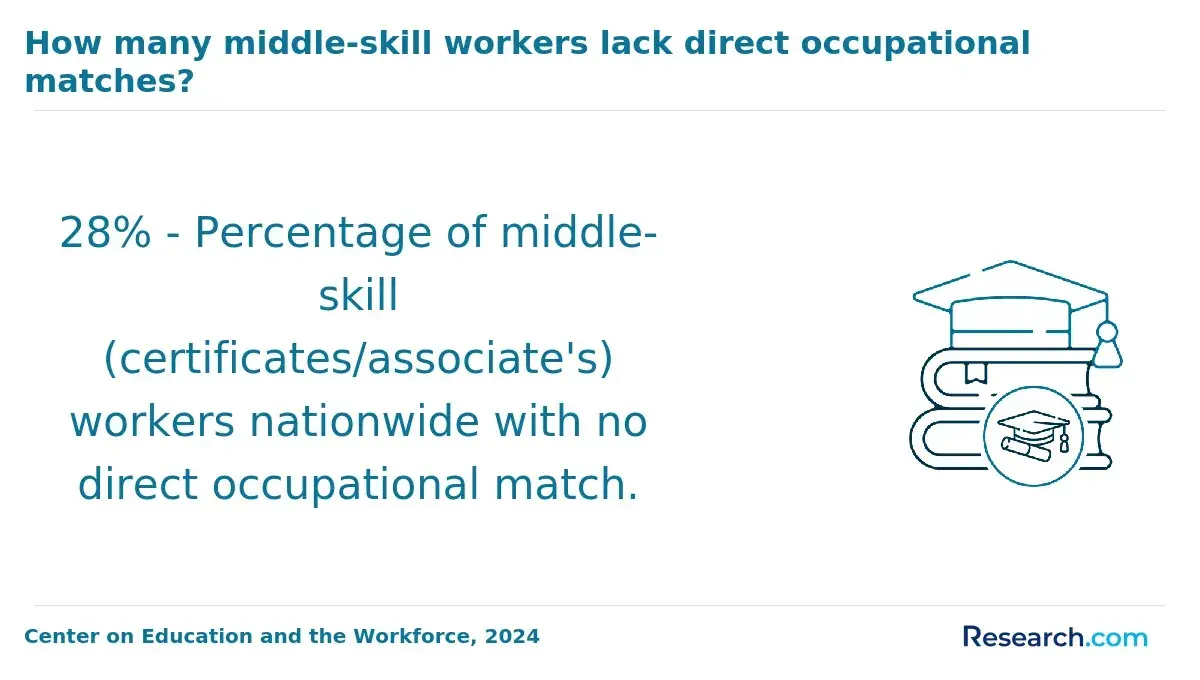
Recent data from the U.S. Department of Education highlights a significant skills gap where new special education graduates often fall short of employer expectations. Around 60% of surveyed employers report that fresh hires demonstrate strong foundational knowledge but lack the practical expertise required for today's classrooms.
This disparity is especially notable in areas demanding real-time application, adaptive problem-solving, and cross-disciplinary collaboration. Recognizing these challenges early enables students to pursue targeted experiences that bridge learning to practice.
Key areas where gaps persist include:
- Classroom Management Challenges:Theoretical familiarity with student behavior contrasts sharply with hands-on skills managing complex, diverse classrooms. Graduates frequently struggle to respond effectively to behavioral incidents or regulate multi-need settings. Internships focused on behavioral assessment and intervention planning offer critical exposure missing from most programs.
- Individualized Intervention Implementation:While programs teach intervention frameworks, limited practical opportunities impede confident application for diverse learner profiles. This gap can delay educators' ability to customize supports quickly and effectively. Supplementing coursework with intensive practicum placements or certifications in evidence-based tools helps narrow this divide.
- Data-Driven Instructional Adjustments:Employers emphasize the need for fluency in analyzing ongoing student data to tailor instruction dynamically. Many graduates report discomfort synthesizing objective metrics into actionable strategies due to insufficient practicum experience with progress monitoring. Hands-on projects involving real data collection and reporting sharpen this essential capability.
- Collaborative Communication Skills:Successful special education relies on teamwork with parents, therapists, and school staff. Though individual competencies receive focus in curricula, graduates often lack practice in negotiation and advocacy within multidisciplinary teams. Participating in collaborative workshops or co-led case studies cultivates these nuanced interpersonal skills.
Which Technical Skills Are Most Important for Special Education Careers?
Technical skills serve as the bridge between academic knowledge and effective practice in special education roles. As educational technologies and pedagogical approaches evolve, so do employer expectations for professionals who can adapt and apply these tools strategically. The relevance of specific skills shifts alongside legislative changes, student needs, and technological advancements, making continuous learning essential.
For instance, an educator managing individualized education plans (IEPs) must proficiently interpret data and technology to tailor interventions that produce measurable student outcomes. Below are several technical skills that remain critical for those pursuing special education careers.
- Assistive Technology Proficiency: Employers value the ability to use software and devices that enhance student accessibility, such as speech-to-text tools and adaptive learning programs. These skills are often cultivated through hands-on training and directly support inclusive learning environments by enabling customized curriculum access.
- Data-Driven Instructional Strategies: This involves collecting, analyzing, and applying student performance data to design and adjust IEPs. Coursework combined with practical application helps educators develop these competencies, which are key for demonstrating student progress and justifying instructional decisions.
- Behavior Intervention Techniques: Special education professionals must implement effective behavior management plans and crisis interventions. Mastery here often comes from both academic study and field experience, offering educators tools to improve classroom dynamics and maintain safe learning settings.
- Legal and Compliance Knowledge: Understanding laws like the Individuals with Disabilities Education Act (IDEA) is critical for aligning practice with legal standards. This knowledge aids educators in navigating IEP requirements and ensures adherence to federal and state regulations, safeguarding both students and schools.
- Remote and Hybrid Instructional Skills: With increasing shifts toward virtual learning environments, competence in facilitating online classrooms and engaging diverse learners remotely is highly sought after. Exposure to virtual platforms during training prepares educators to meet these evolving delivery models.
- Collaborative Technology Use: Familiarity with communication and documentation tools that support teamwork among educators, therapists, and families enhances coordinated care. Such collaboration improves intervention consistency and overall student support.
- Continuous Technology Adaptation: The field requires ongoing upskilling to keep pace with emerging devices and software. Successful educators demonstrate flexibility and a commitment to learning, which bolsters long-term employability and efficacy.
Recent workforce analysis by the U.S. Department of Education highlights that over 70% of special education employers in 2024 prioritize candidates with demonstrated proficiency in assistive technologies and data management, underscoring the growing emphasis on technical fluency within this profession.
Which Workplace Skills Matter Beyond Technical Knowledge?
Success in special education careers increasingly depends on more than just technical expertise. Employers now emphasize a range of professional competencies essential for navigating diverse classrooms, collaborating with multidisciplinary teams, and responding effectively to evolving student needs.
Data from the U.S. Department of Education and the American Association of Colleges for Teacher Education (AACTE) in 2024 reveal that over 60% of employers identify gaps in critical interpersonal and adaptability skills among recent graduates.
These durable skills often determine whether a new teacher can translate theory into meaningful, real-world impact. Below are key workplace skills that extend beyond subject knowledge and bolster long-term career viability.
- Effective Communication: Special education professionals must clearly convey complex concepts to students, families, and colleagues. Programs can foster this skill through practicum experiences and role-playing sensitive interactions, preparing graduates to advocate convincingly and build trust in varied educational settings.
- Collaborative Teamwork: Coordinating with general educators, therapists, and counselors requires the ability to engage in constructive professional dialogue. Coursework emphasizing interdisciplinary projects strengthens this capacity, essential for developing comprehensive individualized education programs (IEPs).
- Adaptability and Problem-Solving: Given the dynamic nature of educational policies and technologies, teachers must tailor interventions flexibly. Exposure to real classroom challenges during training encourages the mindset and skills needed to adjust strategies proactively.
- Emotional Intelligence: Self-awareness and stress management are critical to sustaining performance in emotionally demanding environments. Integrating reflective practices and resilience-building exercises into curricula helps prepare candidates for the field's psychological demands.
- Cultural Competence: Understanding diverse student backgrounds enhances responsiveness and inclusivity. Learning modules on equity and community engagement provide the foundation for respectful, individualized instruction.
- Analytical Thinking: The ability to assess student data and evaluate intervention outcomes is vital. Training that combines theory with applied data analysis hones decision-making that supports measurable student progress.
- Technological Literacy: Mastery of assistive technologies and educational software is increasingly non-negotiable. Hands-on use in coursework ensures candidates are ready to integrate tools that facilitate learning and access.
For prospective students weighing their options, developing these skills alongside technical training is paramount. Programs that embed experiential learning and emphasize non-technical skills will better prepare graduates for the complex realities of special education careers.
For example, those considering ancillary certifications or supplemental credentials can explore radiology tech online programs as a model for integrating practical, career-aligned competencies.
How Do Internships and Real-World Experience Improve Career Readiness?
Relying solely on classroom instruction often leaves gaps in a special education student's readiness to enter professional roles. Academic programs build foundational knowledge, but they rarely replicate the dynamic challenges faced in real-world settings, such as managing diverse behavioral needs or adapting individualized learning plans under pressure. Through internships or practicum experiences, students translate theory into practice, enhancing their confidence and judgment while cultivating employer-valued skills like problem-solving and adaptability.
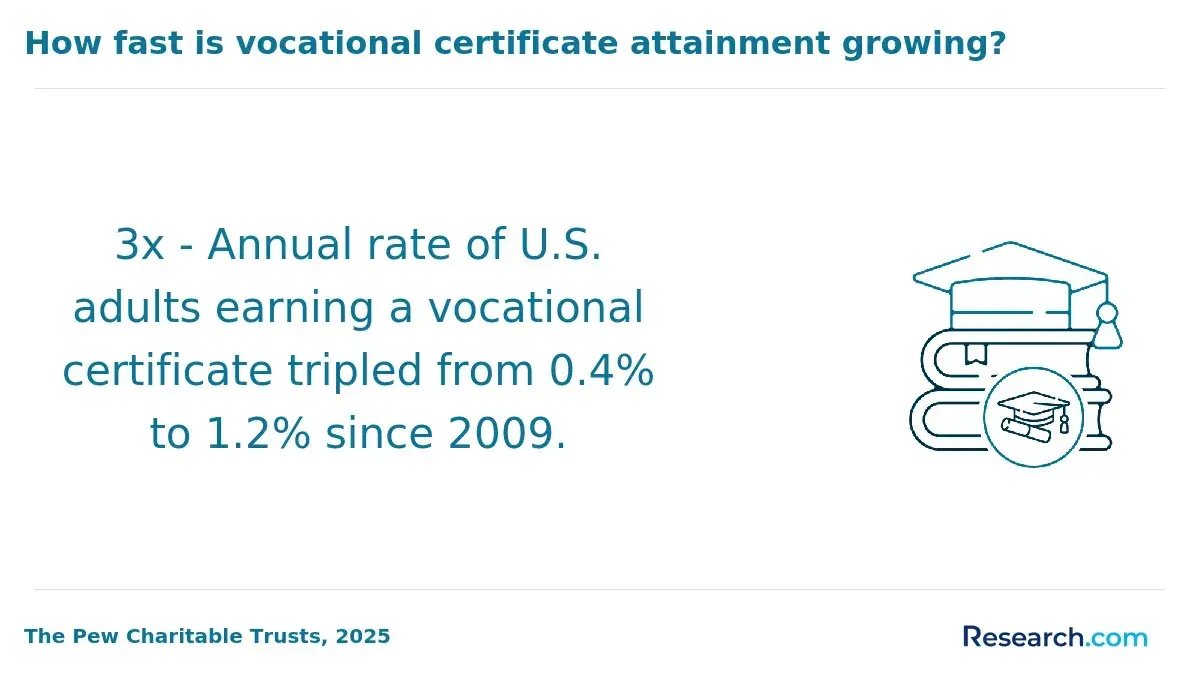
Recent data from the National Center for Education Statistics indicates that graduates with hands-on experience are 35% more likely to find relevant employment within a year of finishing their degree, highlighting how experiential learning directly impacts career outcomes.
Internships and similar placements provide critical opportunities to refine technical abilities and professional communication within authentic work environments. These experiences expose students to workplace norms, collaborative teamwork, and the nuanced expectations that cannot be fully captured in textbooks. They also facilitate networking with mentors and potential employers, which can influence career direction and job market navigation.
However, access to quality internships varies widely across institutions and regions, affecting equitable workforce preparation. For example, a student in a rural program might face fewer placement options than one in an urban center with established school partnerships, underscoring the need to actively seek and leverage available opportunities.
To optimize the benefits of experiential learning, students should pursue internships early and engage in applied projects that challenge their decision-making and adaptability. Building sustained relationships with supervisors and reflecting critically on daily experiences help connect practical skills with long-term goals.
While internships significantly enhance career readiness, they are most effective when combined with rigorous academic work, ongoing skill refinement, and proactive career planning. This integrated approach ensures graduates are not only competent but also resilient and well-prepared to meet the evolving demands of special education employment.
How Can Students Close the Special Education Skills Gap Before Graduating?
Students pursuing a special education degree shouldn't wait until after graduation to build the skills that employers demand. Integrating workplace competencies with academic learning during studies can significantly enhance job prospects and professional confidence. Hands-on experience, targeted certifications, and applied projects expose students to the realities of special education settings earlier, which is crucial given shifting workforce expectations.
Drawing on recent findings, such as a 2024 National Center for Education Statistics study showing a 40% employment advantage for students who complete internships, these approaches directly boost career readiness.
Below are key strategies to proactively close the skills gap before finishing a degree.
- Targeted Internships: Securing internships within special education environments immerses students in real-world scenarios involving IEPs, behavioral supports, and team collaboration. This practical exposure develops nuanced skills that traditional coursework alone rarely provides and strongly correlates with higher employment rates shortly after graduation.
- Undergraduate Research: Engaging in research projects centered on evidence-based interventions cultivates critical thinking and data analysis abilities. Applying theory to practice in research settings deepens conceptual understanding and helps students articulate findings-a skill valued in multidisciplinary educational roles.
- Project-Based Learning: Participating in simulated classroom planning and behavioral case studies increases self-efficacy and problem-solving confidence. A 2024 report from the Education Workforce Readiness Council notes that such hands-on projects boost students' ability to handle complex classroom dynamics immediately upon entering the workforce.
- Professional Certifications: Obtaining credentials in areas like Positive Behavioral Interventions and Supports (PBIS) or assistive technology signals current expertise and dedication. While these require extra time and fees, certifications often fill gaps left by general degree programs, making candidates more attractive to employers.
- Time and Financial Management: Balancing unpaid internships or certification costs with academic demands is challenging but vital. Early planning around finances and schedules helps students sustain involvement in experiences that build versatile, practice-ready skill sets.
How Is the Special Education Job Market Changing Employer Skill Requirements?
Technological innovation and evolving industry priorities are reshaping the special education job market trends, compelling educators to master skills beyond traditional teaching. Automation and assistive technologies, combined with increasingly inclusive classrooms, demand proficiency in digital tools and data-driven decision-making. According to the U.S. Bureau of Labor Statistics, demand for special education teachers is projected to grow about 8% over the next decade, underscoring steady but shifting workforce needs that emphasize adaptability in diverse learning environments.
Employers now seek candidates who not only understand legislation and pedagogy but who excel in behavioral analysis, cultural competence, and collaborative problem solving as highlighted in LinkedIn's 2024 Workforce Report and the World Economic Forum. This evolution means technical skills like adaptive technology use must complement essential soft skills such as empathy and resilience.
Regional differences also play a role; urban districts often prioritize cultural awareness and remote learning abilities, while rural areas value flexibility and resourcefulness. Navigating these complexities requires continuous learning and real-world experience, making internships, applied projects, and certifications vital.
Prospective and current students can strengthen their workforce readiness by integrating foundational coursework with practical exposure and ongoing professional development. Engaging in internships or cooperative placements that emphasize interdisciplinary teamwork and technology use better prepares graduates for these demands.
Additionally, expanding networks and pursuing relevant credentials improve employability over time. For those interested in supplementary healthcare roles, exploring options like the cheapest online PMHNP programs may also diversify skill sets and career pathways within education and related fields.
How Do Different Special Education Programs Compare in Career Preparation?
Career preparation in special education depends on more than just the degree title; it hinges on how programs integrate theory with practical experience, respond to employer demands, and align with evolving educational policies. A graduate with a research-heavy degree but limited hands-on training may struggle to meet classroom challenges effectively.
For example, a candidate entering a high-need school district might find that programs emphasizing clinical experience and intervention strategies provide a stronger foundation for real-world demands than purely academic tracks.
Recent data from the National Center for Education Statistics in 2024 show that programs blending rigorous coursework with field placements report higher employer satisfaction, underscoring the importance of program content and structure.
When evaluating degree options, prospective students should compare several critical factors as follows:
- Practical Experience Integration: Programs that include internships, practicum placements, or clinical components prepare students for actual classroom environments. These practice-oriented models help develop competencies in behavior management and individualized interventions better than traditional academic pathways which may lack such immersion.
- Curriculum Breadth: Career readiness in special education increasingly requires skills beyond disability theory, such as technological integration, family engagement, and multidisciplinary collaboration. Students should examine whether programs cover these essential areas comprehensively to meet employer expectations.
- Certification Alignment: Graduates from programs closely aligned with current state certification requirements and ongoing professional development are more likely to find employment and retain positions. Understanding a program's responsiveness to state mandates supports long-term career viability.
- Balance of Theory and Application: A well-rounded special education program balances research knowledge with applied skills. Purely research-focused degrees, while valuable academically, may not equip graduates with immediate communication or classroom management skills demanded by employers.
In addition to these factors, students interested in advancing their credentials might explore options like an online PhD counselor education and supervision program to deepen specialization after initial workforce entry. Ultimately, assessing special education career readiness skills requires careful consideration of how well a program's structure and content prepare graduates for the real-world demands they will face.
How Should Students Choose a Special Education Program That Builds Career-Ready Skills?
Choosing between online, hybrid, or campus special education programs shapes long-term career readiness and adaptability in distinct ways. Each format fosters unique skills and offers trade-offs that impact graduates' workforce transitions, particularly in meeting employer demands for applied competencies and practical experience. A recent scenario demonstrates how a graduate from a hybrid program secured a specialized autism spectrum disorder role faster than peers from purely online tracks, largely due to enhanced practicum access.
Consider these key long-term factors when evaluating learning formats.
- Hands-On Experience: Campus programs typically offer more direct practicum and internship opportunities, building classroom management skills valued in the workforce. Hybrid formats blend online theory with some in-person training, while fully online learners may need additional effort to secure practical experience, affecting early job performance.
- Flexibility vs. Structure: Online programs provide maximum scheduling flexibility, benefiting working adults or caregivers but may reduce peer collaboration. Campus formats impose structured schedules promoting networking and mentorships. Hybrid models balance both, supporting diverse learner needs.
- Employer Perceptions: Surveys from the Council for Exceptional Children show employers favor graduates demonstrating adaptive technology use and behavior intervention planning-skills more easily practiced through hybrid or campus formats with real-time feedback.
- Graduate Outcomes: Data from the U.S. Department of Education indicate programs emphasizing applied skills and supervised fieldwork correlate with higher job placement rates within one year, favoring hybrid and campus pathways.
- Customization Opportunities: Campuses allow tailored coursework toward emerging special education fields like behavior analysis, while online programs are expanding adaptive technologies to improve this. Students must weigh the importance of curriculum flexibility against access to specialized faculty.
- Long-Term Career Adaptability: Blending academic depth and experiential learning found in hybrid or campus formats better equips graduates for evolving policies and classroom technologies, whereas online formats may require proactive supplemental training.
References:
- Job Readiness Skills for Special Education https://www.teacherspayteachers.com/browse
- Gap Analysis for Special Education | EZducate https://www.ezducate.ai/features/gap-analysis
- Key Job Skills for Special Needs Adults in the Workforce https://www.brightonlaunch.ca/important-job-skills-for-adults-with-special-needs/
- Teaching Strategies for Students With Special Needs https://www.positiveaction.net/blog/teaching-special-education-strategies
- Soft Skills in the Employment Environment | Special Ed NJ https://thegatewayschool.com/soft-skills-in-the-employment-environment-special-education-needs/amp/
- Top Skills for Special Education Teachers (and Why They Matter) | ACE Blog https://ace.edu/blog/top-skills-for-special-education-teachers/
- Special Education Curriculum | K-12 Special Education Programs | HMH https://www.hmhco.com/classroom-solutions/special-education
- The Demand for Special Education Faculty: An Analysis of Paired Open Data https://riseopenjournal.org/article/id/2547/
- Education and Skills Gap Statistics in Europe [100% Updated] https://zoetalentsolutions.com/education-and-skills-gap-statistics-in-europe/
- Soft Skills for Students With Disabilities | Unboxed https://unboxedtechnology.com/blog/soft-skills-for-students-with-disabilities/
Other Things You Should Know About Special Education
Many special education degree programs focus extensively on legal compliance, paperwork, and Individualized Education Program (IEP) protocols. While these elements are essential, an overemphasis can reduce time spent on instructional strategies or behavior management techniques that employers prioritize. Students should evaluate programs for balanced curricula that integrate compliance knowledge with hands-on teaching methods to avoid being underprepared for classroom realities.
Shorter certificate or associate programs may streamline entry into the workforce but often omit deeper exposure to classroom diversity or complex student needs. Conversely, longer bachelor's or master's programs typically offer broader content but can delay workforce entry and increase costs. Choosing a program requires weighing faster credentialing against comprehensive preparation-those targeting leadership or specialized roles should prioritize extensive coursework despite longer durations.
Programs with substantial practicum components expose students to real classroom challenges under supervision and help bridge the theory-practice divide. Employers consistently report that graduates with robust, supervised field experience require less onboarding and adapt faster. Prospective students are advised to select programs offering well-structured practicum or student-teaching opportunities, even if it increases program length or workload.
Yes-many programs struggle to keep pace with rapidly advancing assistive technologies and digital tools now integrated into special education classrooms. Students graduating without up-to-date tech competencies risk gaps in practical adaptability. To mitigate this, students should seek programs with dynamic curricula that include current educational technologies and consider supplemental training in assistive software beyond formal coursework.