
2027 Best Online Health Psychology Degree Master's Programs for Career Changers

Co-Founder and Chief Data Scientist
Switching into health psychology is not the same as choosing a general psychology master’s program. Career changers need a degree that can bridge gaps in psychology, health science, research methods, and applied practice without requiring them to leave work or relocate. The best online options make that transition realistic by combining accredited coursework, flexible pacing, and practical assignments that connect behavioral science to health outcomes.
The field matters because healthcare organizations increasingly need professionals who understand how stress, behavior, motivation, culture, chronic illness, and prevention affect patient and population health. According to the U.S. Bureau of Labor Statistics, employment of psychologists, including those specializing in health psychology, is projected to grow 8% through 2032, reflecting increasing demand.
This guide explains what career changers should look for in online health psychology master’s programs, how admissions work for non-majors, what the curriculum typically covers, how employers view online degrees, what the degree may cost, and which industries may hire graduates entering the field from another profession.
Key Benefits of Online Health Psychology Degree Master's Programs for Career Changers
- Online health psychology master's programs offer flexible scheduling, allowing working professionals to balance coursework with full-time employment and family responsibilities effectively.
- Accelerated program formats enable students to gain specialized skills in approximately two years, supporting faster career transitions into the growing health psychology field.
- Virtual learning environments provide access to a diverse global network of peers and faculty, fostering valuable professional connections across regions and specializations.
What Are the Best Online Health Psychology Master's Programs for Career Changers?
The best online health psychology master’s programs for career changers are accredited, flexible, and structured to help students without a psychology-heavy background build competence quickly. For a professional pivot, the “best” program is not always the most famous one. It is the program that matches your target role, offers enough foundational support, and provides applied training you can show to employers.
Focusing on a specialization can make the degree more practical. The U.S. Bureau of Labor Statistics projects an 8% growth in employment for psychologists specializing in health-related areas from 2022 to 2032, and students who choose a defined pathway may find it easier to explain their new direction to admissions committees and employers.
Common health psychology specializations for career changers
- Behavioral Health: This path examines how habits, stress, coping, sleep, substance use, and adherence behaviors affect physical health. It can be a strong fit for people coming from counseling, social services, coaching, education, or patient support roles.
- Clinical Health Psychology: This concentration emphasizes assessment, intervention, and the psychological dimensions of illness and treatment. Students interested in therapy-oriented careers should verify whether the program meets any future doctoral, supervised practice, or licensure prerequisites, because a master’s degree alone may not qualify someone for independent clinical practice.
- Health Promotion: This option focuses on prevention, behavior change, and program design. It often fits professionals from education, community outreach, wellness, nonprofit work, or communications who want to design evidence-informed health initiatives.
- Neuropsychology: This area explores brain-behavior relationships and may appeal to students with analytical, scientific, healthcare, or research interests. Career changers should note that many advanced neuropsychology roles require doctoral training and supervised clinical experience.
- Public Health Psychology: This specialization blends psychology with population health, prevention, policy, and community-level interventions. It can work well for applicants from administration, policy, public service, analytics, or healthcare operations.
When comparing top accredited online health psychology master’s degrees for professionals switching careers, prioritize the curriculum fit over the label alone. Review course descriptions, faculty expertise, practicum or capstone options, student support, and whether the program prepares you for employment, doctoral study, or both. For readers comparing adjacent healthcare entry routes, a medical assistant degree online 6 weeks may point to faster clinical support pathways, but it serves a different purpose than a graduate degree in health psychology.
What Are the Admission Requirements for Online Health Psychology Master's Programs for Non-Majors?
Online health psychology master’s programs often admit students who did not major in psychology, but they still need evidence that applicants can handle graduate-level behavioral science, research, and writing. Many programs now evaluate professional maturity, academic readiness, and transferable experience rather than requiring a single undergraduate major. Recent trends show that over 60% of health-related graduate programs actively admit students from diverse academic backgrounds, providing clear opportunities to pivot into the field.
Typical admission requirements
- Accredited bachelor’s degree: Applicants typically need a bachelor’s degree from any discipline. If your transcript has limited psychology, biology, statistics, or research coursework, the program may recommend or require bridge courses before or during the master’s curriculum.
- Prerequisite or bridge coursework: Career changers may strengthen an application by completing introductory psychology, abnormal psychology, statistics, research methods, or health science courses. These courses can reduce the learning curve once graduate work begins.
- Relevant professional experience: Experience in healthcare, education, human services, wellness, community programs, data analysis, coaching, management, or volunteer work can help show that your interest is grounded in real exposure to people, systems, or health-related problems.
- Purpose-driven personal statement: A strong statement explains why you are changing careers, why health psychology is the right field, and how the specific program supports your goals. Avoid vague claims about wanting to “help people.” Connect your past work to the population, setting, or problem you want to address.
- Letters of recommendation: Programs usually prefer recommenders who can speak to your writing, judgment, discipline, ethical behavior, and ability to learn complex material. Professional recommenders are often appropriate for applicants who have been out of school for several years.
- Standardized tests: Some programs require satisfactory test scores, while many waive this requirement for experienced professionals. If a test is optional, submit scores only if they strengthen your profile.
How non-majors can make an application stronger
- Explain your career switch clearly and realistically.
- Show recent academic readiness through coursework, certificates, or strong writing samples.
- Highlight transferable skills such as interviewing, data interpretation, patient communication, program evaluation, case documentation, or team leadership.
- Confirm whether the program is designed for licensure preparation, doctoral preparation, research roles, or applied non-licensed roles.
These admission criteria for non-traditional health psychology master’s applicants emphasize readiness, not just prior major. Students who are more interested in healthcare leadership than behavioral science may also compare online healthcare administration degrees, which typically lead toward operations, management, and policy roles rather than psychology-focused work.
How Is the Curriculum Structured for Career Changers in Online Health Psychology Master's Programs?
For career changers, an online health psychology master’s curriculum usually works best when it moves from foundations to applied practice. Students need enough psychology and research training to understand the field, but they also need assignments that translate theory into workplace-ready skills. Research shows that over 60% of career changers in these programs feel well-prepared to enter the field, demonstrating the value of a structured academic pathway.
Typical curriculum sequence
- Foundational bridge modules: Early coursework may cover lifespan development, social and cognitive psychology, abnormal psychology, health systems, statistics, and research literacy. These courses are especially important for students coming from business, communications, education, technology, or other non-psychology backgrounds.
- Core industry competencies: The middle of the program often focuses on behavioral medicine, stress and coping, chronic illness, health behavior change, assessment concepts, intervention planning, ethics, cultural factors, and research methods. This is where students begin connecting psychological science to patient behavior, public health, and healthcare delivery.
- Applied capstone projects: Many programs end with a capstone, practicum, research project, or program evaluation. These experiences can help career changers build a portfolio that demonstrates practical ability, especially if they do not yet have direct health psychology work experience.
What to look for in the course design
- Clear support for non-majors: Look for programs that explain how students without psychology degrees are brought up to speed.
- Applied assignments: Case analyses, intervention plans, literature reviews, needs assessments, and program evaluations are more useful than discussion-only formats.
- Research training: Even applied health psychology roles require the ability to read evidence, interpret outcomes, and distinguish strong research from weak claims.
- Ethics and scope of practice: The curriculum should clarify what graduates can and cannot do, particularly in clinical or counseling-adjacent settings.
One professional who enrolled in an online health psychology master’s degree to pursue a career shift described the experience as demanding but useful: “Adapting to new scientific concepts while balancing work was tough, especially learning how to apply them practically.” He added that hands-on projects “bridged theoretical knowledge with the realities of health psychology practice,” which helped him gain confidence. For students leaving another field, that applied bridge is often the difference between earning credits and becoming employable.
Is an Online Health Psychology Master's as Respected as an On-Campus Degree?
An online health psychology master’s can be as respected as an on-campus degree when it comes from an accredited institution, has a rigorous curriculum, and aligns with the graduate’s career goals. Employers usually care less about the delivery format and more about the school’s credibility, the student’s skills, and whether the degree is appropriate for the role.
Employer attitudes toward online education have changed significantly. According to a 2023 National Association of Colleges and Employers survey, 76% of employers now regard online degrees from accredited institutions as equal in value to those earned on campus. For career changers, that means the main question is not “online or campus?” but “Is this program recognized, relevant, and strong enough for the work I want?”
What makes an online degree credible?
- Institutional accreditation: Verify that the university is accredited by a recognized accrediting body. This affects credibility, transferability, financial aid eligibility, and employer trust.
- Program fit: A respected degree should offer coursework and applied training connected to your intended role, whether that is wellness programming, public health, research support, behavioral health coordination, or doctoral preparation.
- Faculty qualifications: Review faculty backgrounds in health psychology, behavioral medicine, public health, clinical psychology, or related research areas.
- Practicum or capstone quality: Employers often value concrete evidence of applied work, especially for students changing fields.
- Diploma and transcript practices: Many leading universities issue diplomas identical to their on-campus counterparts, with no distinction indicating the mode of study.
Completing an online graduate program while working can also signal useful professional strengths: time management, digital collaboration, self-direction, and persistence. Still, students should be cautious with unaccredited programs or degrees that imply clinical authority without providing the required licensure pathway. Working professionals comparing flexible healthcare education options may also encounter affordable RN to BSN programs, but nursing advancement and health psychology training prepare students for different professional tracks.
How Long Does It Take to Complete an Online Health Psychology Master's Degree for Career Changers?
Most online health psychology master’s programs give students several pacing options. Career changers should choose based on workload, family responsibilities, finances, and how quickly they need to move into a new role. Recent data from the National Center for Education Statistics in 2023 indicates that about 70% of online master’s students complete their degrees within six years, showing that online formats can support completion when students have enough flexibility and planning.
Common completion timelines
- Accelerated tracks: Some students can finish in as little as 12 to 18 months by taking heavier course loads, enrolling year-round, or transferring eligible credits. This option can shorten the career transition but may be difficult for students working full time or building foundational psychology knowledge from scratch.
- Standard duration: Many programs take between 18 months and 3 years. This pace often works best for career changers because it allows steady academic progress without making the program unmanageable.
- Part-time enrollment: Students who need a lighter course load may extend the program beyond three years if needed. This can reduce burnout, though it may increase the time before career benefits appear.
Factors that can change your timeline
- Prerequisite or bridge courses required for non-majors.
- Whether courses are offered every term or only once per year.
- Capstone, practicum, or internship requirements.
- Transfer credit policies.
- Work schedule, caregiving responsibilities, and financial limits.
One graduate who transitioned into health psychology while working full time said the biggest challenge was not a single course, but sustained time management. She noted, “The ability to pace myself prevented burnout and kept my motivation high. It wasn’t always easy, but knowing I could adjust my schedule made all the difference in reaching my degree.” For career changers, an adaptable timeline can be just as important as tuition or course content.
How Much Does an Online Health Psychology Master's Degree Cost for Career Changers?
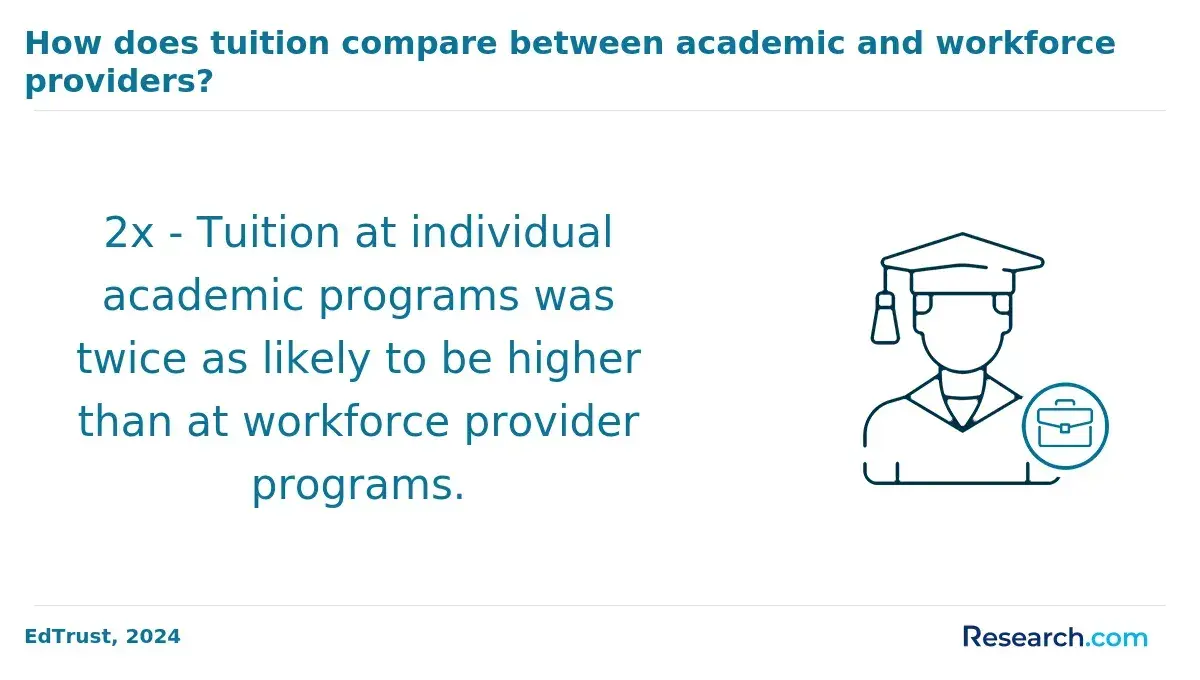
The total cost of an online health psychology master’s degree generally falls between $15,000 and $40,000. Online programs may reduce relocation, commuting, parking, and campus housing costs, and many students keep working while enrolled. However, tuition is only one part of the full investment. Career changers should calculate direct costs, lost time, financing, and the likely usefulness of the credential for their target role.
Major cost factors
- Institution reputation: Tuition can vary by school type, brand recognition, and program resources. A higher-cost program is not automatically better, but a very low-cost program still needs proper accreditation and credible outcomes.
- Program length and credits: Master’s degrees usually require between 30 to 45 credits. More credits generally mean higher tuition and more time in school.
- Residency and tuition rates: Public universities may charge different rates for in-state and out-of-state students. Some online programs offer one flat rate, while others do not.
- Additional fees: Budget for textbooks, technology fees, assessment tools, graduation fees, and possible travel for residencies, intensives, practicums, or presentations.
- Financial support opportunities: Scholarships, employer tuition assistance, military or veteran benefits, payment plans, and federal aid can reduce out-of-pocket costs. Students should confirm aid eligibility before enrolling.
Cost questions to ask before applying
- What is the total program cost, not just the per-credit tuition?
- Are there required campus visits or supervised placements that create travel costs?
- Can I maintain full-time or part-time employment while enrolled?
- Does the program prepare me for roles that justify the investment?
- Are there additional costs for prerequisite courses?
A lower-cost degree can be a strong choice if it is accredited, well structured, and aligned with your career plan. A higher-cost program may be worth considering if it offers better applied training, stronger advising, relevant faculty expertise, or access to practicum and research opportunities that directly support your transition.
What Skills Do Career Changers Gain in an Online Health Psychology Master's Program?
An online health psychology master’s program helps career changers convert existing professional strengths into health-focused behavioral science skills. A former teacher may bring communication and learning design experience. A business professional may bring project management and analytics. A healthcare worker may bring patient-facing experience. The degree adds the psychology, research, and intervention framework needed to apply those strengths in health-related settings.
The U.S. Bureau of Labor Statistics projects an 8% growth in psychology-related employment from 2022 to 2032, reflecting demand for professionals who can connect behavior, health, and evidence-based practice.
Core skills students commonly develop
- Behavioral health assessment: Students learn to evaluate how stress, habits, motivation, social context, and psychological factors influence health behaviors and treatment adherence. In non-licensed roles, this may involve screening, needs assessment, or program planning rather than diagnosis.
- Intervention strategies: Coursework often covers behavior change models, motivational strategies, psychoeducation, prevention planning, and support for chronic disease management. Students learn to design interventions that are evidence-informed and realistic for specific populations.
- Research methodology: Students build skills in reading scholarly literature, evaluating evidence, understanding study design, and using qualitative or quantitative methods to assess health outcomes.
- Communication skills: Programs strengthen writing, interviewing, presentation, and interdisciplinary communication. These skills are essential when working with patients, community groups, researchers, clinicians, or healthcare administrators.
- Ethical and cultural competence: Students study confidentiality, informed consent, boundaries, health disparities, cultural beliefs, and ethical decision-making in healthcare environments.
How these skills support a career switch
- They help graduates explain their value beyond simply “having a master’s degree.”
- They create portfolio evidence through projects, literature reviews, intervention plans, or program evaluations.
- They prepare students for roles that require behavioral insight but may not require independent clinical licensure.
- They can support future doctoral study if the student chooses a clinical, counseling, or research-intensive path later.
Students should match skills to job postings early. If target roles ask for data analysis, choose research-heavy electives. If they emphasize community education, focus on health promotion and program development. If they involve patient-facing work, confirm supervision, licensure boundaries, and required credentials.
What Industries Hire Health Psychology Master's Graduates with No Prior Experience?
Health psychology master’s graduates who are new to the field may find opportunities in industries that use behavioral science to improve health outcomes, prevention, adherence, wellness, and program effectiveness. Employment in healthcare-related fields is projected to grow 16% from 2021 to 2031, according to the Bureau of Labor Statistics, which supports demand for professionals with health-focused training.
However, “no prior experience” does not mean employers ignore experience altogether. Career changers should present transferable skills from previous work, internships, volunteer roles, capstone projects, or research assignments. A graduate degree can open doors, but applied evidence helps employers see how the candidate will perform.
Industries that may hire graduates entering the field
- Healthcare organizations: Hospitals, clinics, rehabilitation centers, and integrated care settings may use health psychology knowledge in patient education, care coordination, adherence support, behavioral health programming, or quality improvement. Clinical titles may require additional credentials or supervision.
- Public health agencies: Government and nonprofit organizations use behavioral insights for prevention, community outreach, health campaigns, disease management, and program evaluation.
- Corporate wellness programs: Employers and wellness vendors may hire graduates to support employee well-being, stress reduction, health coaching initiatives, program design, and outcomes tracking.
- Research institutions: Universities, medical centers, and private research organizations may need support with literature reviews, participant coordination, data collection, data analysis, and behavioral health studies.
- Insurance companies: Insurers may use health psychology expertise in member education, risk behavior analysis, wellness engagement, care management support, and claims-related program improvement.
How to improve your chances without direct experience
- Choose a capstone or practicum aligned with your target industry.
- Build a portfolio with intervention plans, evaluation reports, research summaries, or health promotion materials.
- Use your prior career as an advantage rather than treating it as unrelated.
- Be clear about scope of practice and avoid applying for licensed clinical roles unless you meet the requirements.
Prospective students who want a faster clinical support route may also compare options such as fast-track medical programs, but those pathways differ from graduate health psychology training in scope, credential type, and career outcomes.
Can a Health Psychology Master's Increase Earning Potential After a Career Switch?
A health psychology master’s can increase earning potential after a career switch, but the outcome depends on the role, industry, location, prior experience, and whether the job requires additional licensure or doctoral training. The degree may help career changers qualify for specialized roles that are not available with only a bachelor’s degree, particularly in program management, research support, wellness, public health, behavioral health coordination, and health education-related work.
Recent projections indicate that master’s degree holders in the health psychology field earn significantly higher salaries than those with only a bachelor’s degree, providing financial motivation for pursuing advanced study. Still, students should evaluate return on investment carefully and avoid assuming that the degree guarantees a specific salary.
- Immediate post-graduation salary bump: Career changers transitioning from unrelated fields often experience a 20-30% salary increase when moving into specialized health psychology roles. This increase is most realistic when the graduate moves into a role that directly values graduate-level behavioral health, research, or program skills.
- Long-term career trajectory: Holding a master’s degree can accelerate advancement to executive or managerial positions, enabling graduates to reach these leadership pay scales 2-3 years ahead of peers without advanced credentials. This advantage is strongest when paired with strong work experience and measurable results.
- Regional and remote premiums: Graduates of online health psychology programs may benefit from remote or hybrid roles, especially in research, wellness programming, program evaluation, coaching-adjacent work, or healthcare administration. Pay can vary widely by market and employer.
How to judge earning potential before enrolling
- Search current job postings for the exact titles you want and note required credentials.
- Check whether roles require licensure, certification, supervised hours, or a doctoral degree.
- Compare total program cost with expected salary range and time to promotion.
- Ask admissions teams for outcome data, but also verify claims independently when possible.
For professionals seeking flexible, accredited ways to change careers, accelerated career programs may also be worth comparing. The best financial decision is the one that aligns program cost, completion time, credential value, and realistic job opportunities.
What Should Career Changers Look for in a Health Psychology Master's Program?
Career changers should look for an online health psychology master’s program that is credible, flexible, applied, and honest about outcomes. The right program should help you move from your current field into a realistic next role, not simply offer interesting courses. Studies indicate nearly 60% of graduate students change career paths, emphasizing the need for programs that support transition as well as academic learning.
- Accreditation and credibility: Choose a properly accredited institution. Accreditation affects employer recognition, financial aid eligibility, transfer options, and future educational pathways. If your goal involves licensure, confirm requirements with the relevant state board or licensing authority before enrolling.
- Flexible learning options: Look for asynchronous coursework, part-time enrollment, multiple start dates, and predictable course schedules if you plan to keep working. Flexibility should not mean lack of support.
- Practical experience opportunities: Programs with mentorship, internships, practicum placements, research projects, or capstones can help you build field-specific experience. Ask whether online students receive placement support or must secure sites independently.
- Foundational coursework: If you do not have a psychology background, make sure the program offers introductory or bridge coursework in psychology, statistics, research methods, and health behavior.
- Interdisciplinary curriculum: Strong programs connect health sciences, behavioral research, analytics, ethics, and cultural competence. This helps students from varied backgrounds apply prior experience in a health psychology framework.
Questions to ask before applying
- What kinds of jobs do graduates pursue after completing the program?
- Does the degree prepare students for doctoral study, employment, licensure preparation, or non-licensed applied roles?
- Are there required synchronous sessions, residencies, or campus visits?
- How does the program support students without a psychology major?
- What career services are available to online students?
- Can the school provide clear total cost information before enrollment?
A strong program should be transparent about what it can and cannot do. If a program implies that a master’s degree alone will make you a licensed psychologist, ask for clarification immediately. Health psychology is a valuable field, but the credential must match the role you want.
What Graduates Say About Online Health Psychology Degree Master's Programs for Career Changers
- : "Choosing an online health psychology master's degree was a strategic move for me to shift careers without uprooting my family. The program's flexibility allowed me to balance work and study, and the reasonable cost made it accessible compared to traditional degrees. Completing the program gave me the confidence and credentials I needed to successfully enter the healthcare field. — Nina"
- : "Reflecting on my decision, pursuing an online health psychology master's degree was the perfect way to pivot from my previous career in business. The affordability was a major factor since I needed a cost-effective option, and the online format meant I could apply what I learned immediately in my volunteer work. Ultimately, the degree expanded my professional network and opened doors I hadn't expected. — Eliza"
- : "From a professional standpoint, the online health psychology master's degree provided me with specialized knowledge essential for my career change into clinical services. The program's comprehensive curriculum justified the financial investment, and I appreciated how the digital learning environment simulated real-world scenarios. This degree has truly been a catalyst for growth in my new path. — Sophie"
Other Things You Should Know About Health Psychology Degrees
Yes, scholarships are available for career changers in 2027 online health psychology master's programs. Various institutions offer financial aid options tailored for those making a professional shift, easing the financial burden associated with further education. Check individual program websites for specific scholarships.
For 2027 online health psychology master's programs, career changers may need to submit GRE scores as part of the application process. However, some programs waive this requirement if applicants meet specific prerequisites or have relevant professional experience.
Many top online health psychology master's programs, such as those at the University of Florida and Southern New Hampshire University, require practicum or internship experiences. These hands-on opportunities are crucial for career changers to gain practical skills and real-world experience, enhancing their expertise in the field.
References
- Jobs With A Master's Degree In Psychology | Psychology.org https://www.psychology.org/resources/jobs-with-a-masters-in-psychology/
- Masters in Psychology at William James College in Boston, MA https://www.williamjames.edu/academics/counseling/psychology-ma/overview.html
- What can you do with an online master's in clinical psychology? | edX https://www.edx.org/resources/what-can-you-do-with-a-masters-in-clinical-psychology
- Why Pursue an Online Counseling Degree? | University of Bridgeport https://www.bridgeport.edu/news/pursue-an-online-counseling-degree-now/
- MS in Psychology | Palo Alto University https://paloaltou.edu/academic-programs/ms-psychology
- What is the Masters In Health Psychology Salary Outlook? https://mastersinpsychologyguide.com/articles/what-masters-health-psychology-salary-outlook/
- Online Master’s in Psychology: Job Roles and Career Opportunities - SNHU https://in.snhu.edu/blogs/online-master-in-psychology-degree-job-roles-and-career-scope
- MSc in Applied Positive Psychology Well-being and Health https://www.rcsi.com/online/find-a-course/masters/a/p/applied-positive-psychology-wellbeing-and-health


