2027 Is Demand for Forensic Psychology Degree Graduates Growing or Declining?

Co-Founder and Chief Data Scientist
A forensic psychology degree can lead to meaningful work at the intersection of psychology, law, public safety, and mental health. It can also be a difficult market to navigate because “forensic psychology” is not one single job title. Graduates may compete for roles in courts, correctional systems, law enforcement, forensic hospitals, victim services, research, consulting, and community mental health programs.
Demand is shaped by several forces: the need for psychological assessment in legal cases, expanded mental health services in justice settings, correctional rehabilitation efforts, and new technology used in investigations and case review. The Bureau of Labor Statistics projects a 14% growth in employment for psychologists, including forensic specialists, from 2022 to 2032, but actual opportunity depends heavily on degree level, licensure, location, supervised experience, and the type of employer.
This guide explains where demand is strongest, which occupations and industries are hiring, how education level affects employability, what skills employers value, and how AI may change the field. It is written for prospective students, current forensic psychology majors, and graduates deciding whether more education, licensure, relocation, or specialization will improve their career prospects.
Key Things to Know About the Demand for Forensic Psychology Degree Graduates
- Employment for forensic psychology degree graduates is steadily increasing as criminal justice systems expand mental health services and assessment roles.
- The U.S. Bureau of Labor Statistics projects a 14% growth in related psychology jobs through 2030, indicating rising demand.
- Specializations in neuropsychology or juvenile justice significantly enhance career prospects due to evolving legal standards and mental health policies.
What Factors Are Driving Demand for Forensic Psychology Degree Professionals?
Demand for forensic psychology professionals is driven by the growing overlap between mental health services and the legal system. Employers need people who understand behavior, assessment, risk, trauma, ethics, and legal procedures. However, demand is not evenly distributed across all roles. Clinical and evaluation-focused positions usually require graduate education and, in many cases, state licensure.
- Growth in criminal justice and behavioral health services: Courts, correctional facilities, forensic hospitals, community supervision programs, and victim services increasingly rely on psychological expertise for assessment, treatment planning, rehabilitation, and risk management.
- Greater attention to competency, responsibility, and risk assessment: Legal systems often require evaluations related to competency to stand trial, criminal responsibility, sentencing, custody, violence risk, and reentry planning. These needs support demand for advanced-trained professionals.
- Mental health needs in correctional and court-involved populations: Many justice-involved individuals have complex mental health, substance use, trauma, or developmental concerns. Employers need professionals who can work within legal constraints while applying evidence-based psychological principles.
- Technology and data-driven investigation: Digital records, behavioral data, forensic databases, and analytic tools are changing how cases are reviewed. Professionals who can interpret psychological evidence while understanding technology-related limitations may be more competitive.
- Policy and regulatory changes: Shifts in mental health diversion, juvenile justice, victim support, criminal responsibility, and correctional rehabilitation can create new roles or change qualifications for existing ones.
- Employer expectations for interdisciplinary skills: Hiring managers often favor candidates who can communicate with attorneys, judges, clinicians, law enforcement, social workers, and correctional staff. Cultural competence, ethical judgment, and strong report writing matter as much as academic knowledge.
Students comparing adjacent fields may also consider technical programs, such as an ai degree online, if they want complementary skills in data analysis, automation, or digital evidence review. For forensic psychology specifically, accreditation, supervised field experience, and licensure alignment are often more important than the program title alone.
Which Forensic Psychology Occupations Are Seeing the Highest Growth Rates?
The strongest growth opportunities are generally found in roles that combine behavioral health expertise with legal, correctional, or investigative needs. The U.S. Bureau of Labor Statistics reports a projected average employment growth of 5% across all occupations between 2022 and 2032, so occupations growing faster than that may offer better long-term prospects. Still, students should evaluate credential requirements carefully because some “forensic psychology” careers require licensure while others are support, research, or justice-system roles.
- Forensic Psychologists: Projected growth of around 14% reflects demand in courts, correctional facilities, law enforcement agencies, forensic hospitals, and private evaluation practices. These roles typically require a master's or doctoral degree, and independent clinical practice generally requires state licensure.
- Forensic Social Workers: Expected to grow by approximately 12%, this path is supported by demand for case management, rehabilitation, reentry services, victim advocacy, and mental health support within legal settings. Advanced social work training, including 1 year msw programs online no bsw, may improve access to specialized positions.
- Forensic Mental Health Counselors: These professionals support people involved in criminal, civil, family, or correctional systems. Demand is tied to treatment programs, diversion initiatives, trauma-informed services, and community-based supervision. A master's degree in counseling or a related specialty is usually required.
- Forensic Psychiatric Technicians: Growth is linked to the need for support staff in psychiatric, correctional, and forensic treatment settings. These positions may be accessible with an associate degree, certification, or related healthcare experience, depending on the employer.
- Criminal Justice Psychologists: These roles may focus on research, behavioral analysis, program evaluation, assessment, or consultation. Advanced degrees in psychology or criminal justice are common prerequisites, especially for positions involving independent judgment or expert analysis.
The best occupation for a student depends on the level of education they are willing to complete. A bachelor's degree may open doors to probation, case aide, research assistant, or correctional support work, but clinical assessment and expert witness work usually require graduate education and licensure.
Which Industries Hire the Most Forensic Psychology Degree Graduates?
Forensic psychology graduates are hired by employers that need behavioral expertise in legal, correctional, investigative, clinical, or policy settings. Some roles are clearly psychological in nature, while others use forensic psychology training as an advantage within broader criminal justice, social service, or research jobs.
- Criminal Justice System: Courts, probation departments, parole agencies, and legal service organizations may hire graduates for assessment support, case review, diversion programs, reentry planning, and expert consultation. Advanced roles may involve competency evaluations, sentencing recommendations, or testimony.
- Healthcare and Forensic Mental Health: Forensic hospitals, psychiatric units, community mental health centers, and treatment programs employ professionals who can work with legally involved patients, crime victims, and individuals with complex behavioral health needs. These roles often require strong clinical documentation and knowledge of confidentiality rules.
- Law Enforcement Agencies: Federal, state, and local agencies may use forensic psychology expertise in behavioral analysis, crisis negotiation support, threat assessment, investigative interviewing, training, and wellness programs. These positions can be competitive and may require prior investigative, military, research, or clinical experience.
- Correctional Facilities: Jails, prisons, juvenile facilities, and community corrections programs employ professionals for mental health screening, suicide risk assessment, treatment planning, rehabilitation programming, and recidivism reduction. The work can be demanding but offers direct exposure to forensic populations.
- Consulting and Academic Research: Some graduates work in research centers, universities, policy institutes, private consulting firms, or expert witness practices. These roles may involve program evaluation, jury research, training, literature reviews, grant-funded studies, or development of evidence-based interventions.
Students should look beyond job titles and read qualifications closely. Employers may list roles under psychology, counseling, social work, criminal justice, behavioral health, victim services, research, or corrections. The most competitive applicants can show applied experience with forensic populations, not just coursework.
How Do Forensic Psychology Job Opportunities Vary by State or Region?
Location can strongly affect forensic psychology job prospects. States and regions differ in population size, court volume, correctional infrastructure, mental health funding, licensure rules, and the number of universities producing graduates. A market with many openings can still be competitive if it also has many qualified applicants.
- High-Demand States: California, New York, and Texas often have more openings because they have large populations, extensive court systems, correctional facilities, hospitals, and public agencies. These states may also have more specialized roles, but competition and licensure requirements can be significant.
- Regional Industry Concentration: Some regions emphasize criminal justice reform, behavioral health diversion, juvenile justice, public defense, or correctional rehabilitation. These priorities can shape the types of forensic psychology roles available.
- Urban vs. Rural Markets: Urban areas usually offer a wider range of employers, including courts, hospitals, law enforcement agencies, universities, and consulting firms. Rural areas may have fewer openings but less applicant saturation and greater need for professionals willing to serve underserved populations.
- Cost of Living: A higher salary in a major metropolitan area may not translate into better financial outcomes if housing, transportation, and taxes are substantially higher. Graduates should compare total compensation, benefits, relocation costs, and licensure portability.
- Remote and Hybrid Work: Some research, consulting, teaching, report review, and policy roles may allow remote or hybrid work. However, clinical evaluations, correctional work, court appearances, and supervised practice often require in-person availability.
- Licensure and Scope of Practice: Requirements vary by state. A degree that prepares a graduate for one type of role may not satisfy clinical licensure requirements in another state. Students should check state licensing boards before enrolling or relocating.
A practical job search should include both broad and narrow terms: forensic psychology, psychology associate, correctional mental health, victim advocate, competency evaluation, behavioral health court, probation treatment, research assistant, and forensic case manager.
How Does Degree Level Affect Employability in Forensic Psychology Fields?
Degree level is one of the biggest factors affecting employability in forensic psychology. A lower-cost or shorter program may be enough for support roles, but advanced assessment, diagnosis, treatment, and expert testimony usually require graduate training and licensure. Students should choose a degree based on the roles they actually want, not only on the appeal of the field.
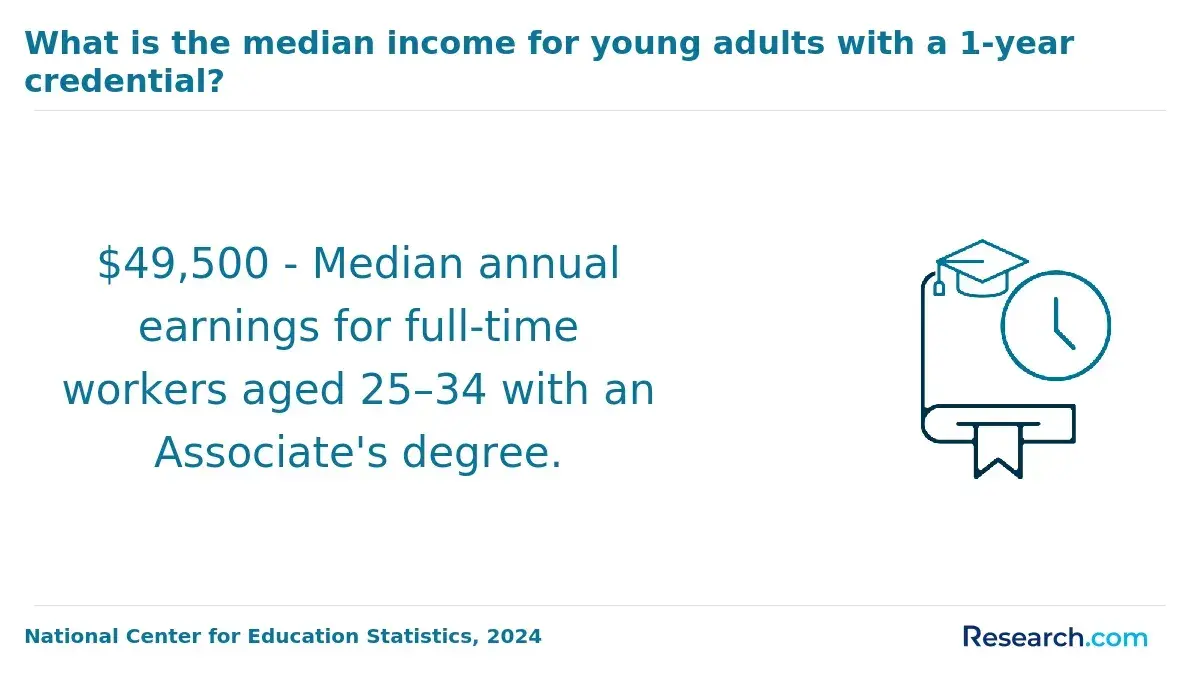
- Associate Degree: An associate degree can support entry-level work as a psychiatric technician, correctional support worker, behavioral health aide, or case aide. It is usually not enough for forensic psychology positions that involve independent assessment or clinical decision-making.
- Bachelor's Degree: A bachelor's degree can help graduates qualify for roles such as research assistant, probation officer, correctional treatment specialist, case manager, victim services advocate, or law enforcement support staff. It may also prepare students for graduate school, which is often necessary for specialized forensic psychology careers.
- Master's Degree: A master's degree can expand access to forensic counseling, psychological assistant, victim advocacy, program coordination, and applied research roles. Depending on the program and state, it may also support licensure in counseling, marriage and family therapy, psychology-related practice, or social work.
- Doctorate Degree (PhD or PsyD): A doctoral degree is often necessary for clinical psychologist licensure, independent forensic evaluation, expert witness work, and higher-level academic or consulting positions. Doctoral graduates generally have access to the broadest range of forensic psychology roles, especially when they complete forensic practica, internships, or postdoctoral training.
Students interested in leadership, administration, or organizational management may also compare options such as an online executive mba. That type of credential is not a substitute for psychology licensure, but it may complement forensic expertise for management, consulting, or program leadership roles.
What Skills Are Employers Seeking in Forensic Psychology Graduates?
Employers want forensic psychology graduates who can apply psychological knowledge in high-stakes, legally sensitive settings. Technical knowledge matters, but so do judgment, documentation, ethics, and the ability to work with people in crisis. The most employable candidates can show evidence of these skills through internships, practica, research, supervised fieldwork, or related employment.
- Analytical Thinking: Forensic work requires careful interpretation of behavior, records, interviews, test results, collateral information, and case facts. Employers value candidates who can distinguish evidence from assumption and explain the limits of their conclusions.
- Clear Written and Oral Communication: Reports, case notes, court summaries, testimony, and interdisciplinary meetings require precision. Strong writing is especially important because forensic documents may be reviewed by attorneys, judges, clinicians, and agencies.
- Legal and Ethical Acumen: Graduates need to understand confidentiality, informed consent, mandated reporting, bias, conflicts of interest, assessment boundaries, and the difference between clinical and forensic roles.
- Research and Evidence Evaluation: Employers value candidates who can read studies, evaluate methods, analyze findings, and apply evidence-based practices without overstating what the data proves.
- Interpersonal Skill and Emotional Control: Forensic professionals may work with victims, defendants, incarcerated individuals, families, attorneys, and law enforcement. They must be respectful, culturally responsive, and steady during emotionally charged interactions.
- Professional Documentation: Accurate records, defensible notes, and organized case files protect clients, employers, and professionals. Poor documentation can damage credibility in legal settings.
- Resilience and Boundaries: Exposure to trauma, violence, conflict, and adversarial legal processes can be stressful. Employers look for maturity, supervision readiness, and the ability to maintain professional boundaries.
One forensic psychology graduate described the transition from coursework to practice this way: “The theory helped, but the real test was learning how to stay calm, listen carefully, and document accurately when a case was emotionally intense.” That experience reflects a common hiring reality: employers want graduates who can combine academic preparation with sound judgment under pressure.
How Does Job Demand Affect Forensic Psychology Graduate Salaries?
Job demand can improve salaries, but it does not affect all graduates equally. Pay depends on degree level, licensure, employer type, location, specialization, experience, and whether the role involves clinical responsibility, expert evaluation, supervision, or testimony. The U.S. Bureau of Labor Statistics projects a 14% employment growth for forensic psychology between 2022 and 2032, and stronger demand can support better compensation where qualified professionals are in short supply.
- Starting Salaries: Entry-level pay is usually higher when employers struggle to find qualified candidates with the required degree, supervised experience, and licensure pathway. Bachelor's-level support roles typically have less salary leverage than licensed or graduate-level positions.
- Wage Growth: Demand can create faster advancement for professionals who gain specialized experience in assessment, correctional mental health, court work, crisis response, or forensic treatment programs.
- Bargaining Power: Graduates in high-need regions or hard-to-staff settings may have more room to negotiate pay, benefits, supervision support, relocation assistance, or schedule flexibility.
- Long-Term Potential: Sustained demand can improve career stability, especially for professionals who earn licensure, build courtroom credibility, publish research, supervise others, or develop a recognized specialty.
- Employer Differences: Government agencies, hospitals, universities, private practices, nonprofits, and consulting firms may structure compensation differently. Benefits, pension eligibility, loan repayment access, and supervision can be as important as base pay.
Students should avoid assuming that any forensic psychology degree automatically leads to high earnings. The strongest salary outcomes usually come from aligning education with licensure requirements, gaining supervised forensic experience, and targeting roles where employers need specialized expertise.
How Is AI Changing Demand for Forensic Psychology Professionals?
AI is changing forensic psychology by automating some routine work and increasing the value of professionals who can interpret technology-assisted findings responsibly. AI adoption in legal and forensic fields is expected to grow by more than 40% over the next five years, but AI does not replace the need for clinical judgment, ethical reasoning, contextual analysis, and legally defensible conclusions.
- Automation of Routine Tasks: AI tools may assist with document review, pattern detection, transcription, data organization, and preliminary analysis. This can reduce administrative burden, but professionals still need to verify accuracy and relevance.
- New Specializations: Employers may need experts who understand algorithmic bias, digital evidence, cyberbehavior, online threats, misinformation, and the ethical use of AI-generated insights in legal contexts.
- Higher Expectations for Technology Literacy: Forensic psychology professionals may need to understand how AI tools are used, what data they rely on, where errors can occur, and how to explain limitations to nontechnical audiences.
- More Interdisciplinary Hiring: Candidates who can collaborate with data scientists, cybersecurity teams, attorneys, investigators, and clinicians may be more competitive for emerging roles.
- Ethical and Legal Risk: AI outputs can be biased, incomplete, or misleading. Forensic psychology professionals must avoid treating automated results as objective truth without validation, context, and professional review.
A forensic psychology graduate described the shift as initially difficult but useful: “Learning AI basics was not what I expected when I entered the field, but it helped me understand digital evidence and ask better questions.” For students, the lesson is clear: AI literacy can strengthen employability, but it should complement—not replace—training in assessment, ethics, law, and human behavior.
Is Forensic Psychology Considered a Stable Long-Term Career?
Forensic psychology can be a stable long-term career for professionals who choose the right education path, meet licensure requirements when needed, and build practical experience in legal or correctional settings. The field benefits from ongoing demand in courts, correctional systems, law enforcement, mental health services, and rehabilitation programs. Stability is strongest for graduates with advanced credentials and transferable skills.
- Long-Term Employment Need: Courts and justice systems continue to need expertise in assessment, competency, risk, trauma, treatment, rehabilitation, and expert testimony. These functions are difficult to eliminate because they support legal decision-making and public safety.
- Multiple Employer Types: Forensic psychology skills are used by government agencies, hospitals, correctional institutions, nonprofits, universities, private practices, and consulting firms. This range gives professionals more than one route to employment.
- Adaptability to Technology: Digital forensics, behavioral data, telehealth, electronic records, and AI-assisted review are creating new tasks and specialties. Professionals who adapt can stay relevant as tools and case materials change.
- Career Advancement Through Specialization: Areas such as juvenile justice, correctional treatment, threat assessment, competency evaluation, trauma, substance use, and victim services can improve long-term competitiveness.
- Potential Constraints: Job availability can be affected by government budgets, grant funding, state hiring freezes, changes in legal standards, and local demand. Stability improves when graduates develop skills that transfer across clinical, legal, research, and administrative settings.
Students who want to reduce educational risk should compare tuition, accreditation, field placement support, and licensure alignment before enrolling. Exploring options at the most affordable online colleges may help lower upfront cost while preparing for later graduate study or entry-level roles.
Is a Forensic Psychology Degree Worth It Given the Current Job Demand?
A forensic psychology degree can be worth it if the student understands the credential requirements and chooses a program that matches their target career. It is less likely to pay off for students who assume a bachelor's degree alone will qualify them for clinical forensic psychologist roles. The field has steady demand, but it is specialized and often competitive.
The forensic psychology graduate job outlook in the United States reflects generally stable demand with a moderate growth rate, aligned with broader trends in psychology and criminal justice. Employment for psychologists is projected to increase by about 6% over the next decade, driven by ongoing needs within the legal system and growing mental health awareness. While opportunities remain consistent, the field's niche nature means hiring activity is steady rather than rapidly expanding.
The degree is most worthwhile for students who are prepared to do at least one of the following:
- pursue a master's or doctoral degree for advanced practice, assessment, counseling, research, or licensure-based roles;
- complete internships, practica, or supervised experience with forensic, correctional, legal, or clinical populations;
- develop strong writing, research, ethics, and courtroom communication skills;
- relocate or apply broadly across courts, corrections, hospitals, community agencies, research organizations, and law enforcement support roles;
- choose an affordable program that does not create debt disproportionate to likely career outcomes.
Prospective students should compare program cost, accreditation, faculty expertise, placement support, and licensure preparation. Those prioritizing affordability may consider cheapest online college options while confirming that the program supports their intended career path.
What Graduates Say About the Demand for Their Forensic Psychology Degree
- : "Choosing to pursue a forensic psychology degree was one of the best decisions I ever made. The investment paid off quickly, not just financially but in the depth of knowledge I gained. It opened doors to specialized roles in criminal profiling that I never thought possible. Lennon"
- : "Reflecting on my journey, the forensic psychology degree truly transformed my understanding of human behavior within the legal system. The return on investment was evident as I advanced into leadership positions in correctional services, where my analytical skills are now highly valued. It was a challenging path but deeply rewarding. Forest"
- : "From a professional standpoint, obtaining a forensic psychology degree enhanced both my credibility and expertise. The decision to specialize in this field allowed me to work on high-profile cases with confidence, bridging the gap between psychology and law enforcement seamlessly. The career impact has been significant and gratifying. Leo"
Other Things You Should Know About Forensic Psychology Degrees
In 2027, the demand for forensic psychology graduates is driven by an increased emphasis on mental health within the legal system, rising crime rates requiring specialized expertise for criminal evaluations, and the growing need for expert witnesses in court cases involving psychological assessments.
In 2027, employers seek forensic psychology graduates with strong analytical skills, understanding of criminal behavior, and expertise in psychological assessment. Familiarity with legal processes and advanced statistical methods are also highly valued in the field.
Recent advancements in digital forensic analysis and increased focus on mental health in criminal justice systems are expanding job opportunities for forensic psychology graduates in 2027. These developments are creating positions in areas like cybercrime and therapeutic jurisprudence, influencing employment prospects significantly.
References
- What Can I Do With a Degree in Forensic Psychology? https://www.forensicscolleges.com/blog/resources/what-can-I-do-with-a-forensic-psychology-degree
- Implications for Artificial Intelligence in Forensic Psychological Practice and Board Certification https://abpp.org/newsletter-post/implications-for-artificial-intelligence-in-forensic-psychological-practice-and-board-certification/
- 10 Awesome Masters in Forensic Psychology Careers & Jobs https://mastersinpsychologyguide.com/articles/10-awesome-masters-in-forensic-psychology-jobs/
- Forensic Psychology: Is It the Career for Me? https://www.psychologytoday.com/us/blog/witness/201409/forensic-psychology-is-it-the-career-for-me
- 5 Traits for Success in Your Forensic Psychology Career | The Chicago School https://www.thechicagoschool.edu/insight/career-development/tips-for-forensic-psychology-career-success/
- A Look at the Forensic Psychology Career Field – Faulkner University https://www.faulkner.edu/news/what-is-forensic-psychology-what-you-need-to-know-about-this-career-field__trashed/
- Forensic Psychologist Jobs & Forensic Psychology Career Guide 2026 - PsychologyJobs.com https://psychologyjobs.com/career-advice/forensic-psychology-careers/
- Emerging Forensic Implications of the Artificial Intelligence Revolution https://paloaltou.edu/resources/translating-research-into-practice-blog/emerging-forensic-implications-of-the-artificial-intelligence-revolution
- Why Artificial Intelligence Will Not Replace Human Psychologists: Legal, Ethical, and Clinical Limitations - Society for the Advancement of Psychotherapy https://societyforpsychotherapy.org/why-artificial-intelligence-will-not-replace-human-psychologists-legal-ethical-and-clinical-limitations/
- Essential Skills Needed for a Forensic Psychologist | National University https://www.nu.edu/blog/essential-skills-needed-for-a-forensic-psychologist/