2027 AI, Automation, and the Future of Forensic Psychology Degree Careers

Co-Founder and Chief Data Scientist
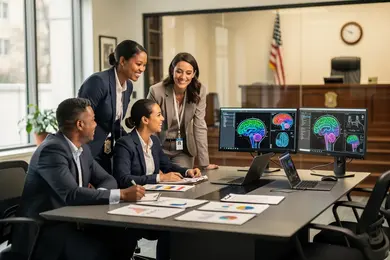
Imagine a forensic psychology graduate facing increased reliance on AI tools to analyze criminal behavior and improve case outcomes. As automation streamlines data processing, many worry about job displacement or needing to learn new tech skills. Recent studies show that 45% of forensic psychology employers expect significant AI integration within the next five years, changing traditional roles and workflows. This shift challenges graduates to balance clinical expertise with technological proficiency.
This article explores how AI and automation will transform forensic psychology degree careers, outlining strategies for adapting skills and securing opportunities in a rapidly evolving job market.
Key Things to Know About AI, Automation, and the Future of Forensic Psychology Degree Careers
- AI-driven data analysis is transforming forensic psychology roles by automating routine case evaluations, requiring professionals to develop advanced interpretive and ethical decision-making skills.
- Employers increasingly prioritize competencies in technology integration and digital literacy alongside traditional psychological assessment expertise.
- Automation may reduce demand for generalized tasks but boosts specialization and advancement opportunities in areas like cyberpsychology and AI ethics within the forensic psychology field.
What Forensic Psychology Industries Are Adopting AI Fastest?
Assessing which industries adopt AI fastest is key to predicting how forensic psychology degree careers will change. The pace of AI integration shapes demand for professionals skilled in psychology and technology alike. The following industries lead in AI adoption relevant to forensic psychology roles.
- Criminal Justice: AI analyzes large datasets, enhances investigation accuracy, and supports forensic assessments. This rapid automation trend in criminal justice signals a need for experts who understand AI's impact on psychological evaluation methods.
- Mental Health Services: AI tools increasingly assist in screening and diagnosing patients by interpreting behavioral and psychological data patterns. Forensic psychology professionals will need to combine clinical expertise with AI literacy to remain effective in this evolving field.
- Legal Consulting: AI aids in evaluating case details and evidence analysis. This ultraperformance forensic psychology AI adoption shows a growing demand for collaboration between forensic psychology experts and AI systems to integrate psychological insights with technology.
The swift AI adoption across these sectors highlights growing interdisciplinary demands. Students considering forensic psychology degrees should explore educational pathways that include technology skills, such as those found in cheapest online mba programs, to prepare for this evolving landscape.
Which Forensic Psychology Roles Are Most Likely to Be Automated?
For students and professionals planning careers in forensic psychology, understanding the impact of AI and automation on job functions is essential to adapt skillsets and remain competitive. A 2023 World Economic Forum report estimates that nearly 50% of tasks in psychology-related fields face a high risk of automation within the next decade, highlighting significant workforce changes ahead. The following roles in forensic psychology show notable vulnerability to automation:
- Psychological Testing and Assessment: Automated platforms increasingly administer and score standardized tests, reducing reliance on manual input and interpretation in routine cases. This shift threatens roles focused on low-complexity assessments but may free professionals to handle more complex evaluations.
- Case Documentation and Report Generation: AI tools can streamline the drafting of reports by compiling data and prior case notes, cutting down time spent on repetitive documentation tasks often associated with forensic psychology job functions and automation risk.
- Data Analysis and Pattern Recognition: Machine learning excels at identifying behavioral patterns and anomalies in large datasets, a function historically requiring extensive human analysis. Automation here can significantly alter traditional analyst roles within forensic psychology.
Tasks reliant on repetitive or structured processes are more susceptible to automation, while professionals focusing on nuanced clinical judgment and complex interpersonal evaluations remain indispensable. Prospective students should consider these trends when exploring online psychology programs to prepare for future job markets shaped by AI and automation.
What Parts of Forensic Psychology Work Cannot Be Replaced by AI?
Recognizing which areas of forensic psychology work remain resistant to AI and automation is essential for students and professionals planning their careers. According to a 2023 World Economic Forum report, roles demanding strong interpersonal skills and critical thinking are 70% less likely to be automated in the coming decade. The following points highlight key work elements relying on human expertise.
- Clinical Assessments: These require human judgment in forensic psychology cases, particularly empathy and the ability to interpret subtle emotional nuances that AI cannot adequately perceive or evaluate.
- Expert Testimony: Delivering testimony involves spontaneous ethical decision making in forensic psychology careers and adapting to courtroom dynamics where human discretion and moral reasoning are vital.
- Customized Treatment Plans: Creating individualized interventions demands an understanding of a person's unique experiences and sociocultural context, which AI tools lack the depth to fully grasp.
- Building Rapport: Establishing trust with clients or witnesses hinges on interpersonal skills and emotional intelligence that machines cannot replicate.
- Ethical Decision Making: Complex ethical dilemmas require creativity and professional discretion, underscoring the indispensable role of human insight in forensic psychology.
Those pursuing an online masters in marriage and family therapy or related fields should emphasize these resilient skills to remain competitive as technology advances.
The rise of AI technologies is creating new roles and expanding career possibilities for forensic psychology professionals, with the demand for data analysis skills in related fields projected to increase by 15% by 2030. This shift highlights how AI integration is reshaping traditional positions and adding new dimensions to forensic psychology work. Below are several emerging career paths driven by AI advances.
- AI-Assisted Behavioral Analysts: These experts leverage machine learning to examine large datasets from social media and online behavior, revealing criminal or antisocial trends that complement conventional investigative techniques.
- Cyber Forensic Psychologists: Focusing on the psychological factors behind cybercrime, these professionals combine insights into human behavior with cybersecurity knowledge to understand and prevent digital offenses.
- Algorithm Ethics Consultants: Responsible for evaluating AI systems used in justice, they ensure fairness and transparency by addressing bias and ethical concerns from a forensic psychology perspective.
- Virtual Reality Therapy Developers: Specialists in this role design immersive, AI-driven rehabilitation programs that merge psychological treatment strategies with cutting-edge technology to support offender rehabilitation.
These new roles emphasize a blend of technical proficiency and psychological expertise, requiring skills in data science, programming fundamentals, and a nuanced understanding of AI's strengths and limitations. As a result, interdisciplinary education is becoming increasingly vital for success in modern forensic psychology careers.
As AI rapidly transforms criminal justice, forensic psychology graduates must develop relevant technical skills to stay competitive. Industry data from 2023 shows that nearly 60% of employers in this field anticipate AI proficiency as a critical requirement within five years. The following core competencies are essential for effectively integrating AI in forensic psychology roles.
- Data Analysis: The ability to interpret AI-driven data enhances case evaluations and risk prediction. Mastering this skill allows professionals to leverage automated insights without losing the human judgment crucial in forensic contexts.
- Programming Basics: Knowledge of coding languages such as Python enables forensic psychologists to better communicate with developers and tailor AI tools to case-specific needs, fostering interdisciplinary collaboration.
- Ethical Judgment: Since AI algorithms can embed biases, graduates must rigorously assess fairness and legal compliance to prevent ethical pitfalls and maintain professional integrity.
- Critical Thinking: Questioning AI outcomes remains vital to ensure that automated findings align with established psychological principles and empirical evidence, avoiding blind reliance on technology.
- Interdisciplinary Communication: Clear interaction with data scientists, legal professionals, and other stakeholders ensures AI-generated information is accurately understood and applied within forensic processes.
A forensic psychology professional I spoke with described their early experiences adapting to AI integration as both exciting and daunting. "Initially, I felt overwhelmed trying to make sense of complex data outputs, but I quickly realized that asking the right questions and consulting with tech experts made all the difference," they explained. Navigating ethical dilemmas around AI bias also weighed heavily; "It's a constant balancing act between trusting the technology and applying my psychological training to challenge results when needed." This ongoing process of learning and collaboration, they noted, has become a key factor in advancing their career and contributing meaningfully to justice outcomes.
Prospective students should verify whether forensic psychology programs teach AI-related skills, as fewer than one-third of programs currently include AI or data analytics tailored to forensic contexts. This reflects a rising demand from employers for graduates adept at utilizing AI in evidence assessment and behavioral prediction. The following highlights how these programs are evolving to meet such needs.
- Foundational AI Instruction: Many programs have integrated introductory coursework on AI, machine learning, and interpreting digital data. These foundational classes help students grasp essential concepts that support later application in forensic analysis.
- Practical Software Experience: Hands-on training with behavioral data analysis tools is becoming more common, offering students a chance to apply theoretical knowledge through technology widely used in forensic investigations.
- Interdisciplinary Training: Curricula often combine psychology, computer science, and criminal justice to foster a comprehensive understanding of how AI intersects with human behavior and legal processes, preparing students for collaborative work environments.
- Ethical Considerations: Programs increasingly include discussions on the ethical challenges AI presents in forensic decision-making, emphasizing responsible use of automated tools within justice settings.
- Advanced Skill Gaps: Despite progress, advanced programming and AI modeling specific to forensic applications remain underrepresented, limiting graduates' ability to deeply develop or customize AI systems used in their field.
While theoretical AI knowledge is widespread, practical programming proficiency is less emphasized. Cultivating AI literacy alongside core forensic psychology content better positions graduates to handle emerging technologies and meet the evolving expectations of employers in forensic professions.
Pursuing AI-focused certifications and targeted training is crucial for forensic psychology graduates to maintain a competitive edge in an increasingly technology-driven job market. These credentials provide essential skills to interpret AI-assisted tools and handle complex data in forensic contexts. Below are several valuable options for enhancing expertise:
- Certified Forensic Analyst Program: This certification merges forensic psychology principles with AI data analysis techniques. Graduates learn to apply machine learning algorithms to behavioral data, improving their capability to identify patterns linked to criminal behavior and enhancing their investigative impact.
- Data Science and Machine Learning: Offered by platforms like Coursera and edX, these courses teach programming languages such as Python, statistical modeling, and AI ethics. Such training is vital for forensic psychology professionals working with digital evidence and predictive analytics tools.
- Neuro-Linguistic Programming (NLP) Certification: By focusing on verbal and written communication analysis, this certification leverages AI-based text mining tools, which are increasingly used in forensic investigations to decode subtle language cues and enhance profiling accuracy.
- Ethics and AI in Criminal Justice Training: This program addresses the legal and moral challenges posed by AI in the justice system. It equips forensic psychology graduates with frameworks to align their technical skills with ethical standards, boosting credibility and employability.
When I asked a graduate of a forensic psychology degree program about her experience, she shared that deciding which certification to pursue was initially overwhelming due to the fast pace of AI advancements. "I felt a steep learning curve," she explained, "especially balancing technical courses with my psychology background." However, once she completed training in data science and ethics, she noticed a marked improvement in her ability to collaborate on interdisciplinary teams and interpret AI-generated reports. She reflected, "It wasn't just about gaining new skills, but adapting my mindset to integrate technology confidently with traditional forensic methods." This transformation helped her secure a position where AI tools are central to case assessments, highlighting how essential such certifications are for those entering this evolving field.
The integration of AI in forensic psychology is shifting salary trends as employers prioritize technical expertise and efficiency. Professionals skilled in AI technologies see wage increases averaging 8-12% over those without such capabilities, reflecting the growing value of AI proficiency. This evolution influences compensation in multiple ways, including:
- Increased Demand for AI Literacy: Specialists who can analyze and interpret AI-generated data are highly sought after, driving up salaries due to their ability to enhance case evaluations and evidence review.
- Automation of Routine Work: AI reduces time spent on repetitive tasks, enabling experts to concentrate on complex analyses that command higher pay.
- Creation of Specialized Roles: New positions such as AI ethics consultants and forensic data analysts emerge, offering competitive remuneration given their niche skill sets.
- Enhanced Productivity: AI tools boost overall output, allowing organizations to restructure compensation favoring strategic and analytical job functions.
For students and professionals, developing AI-related skills is increasingly important for career advancement and accessing higher salary brackets within forensic psychology.
Recognizing where AI creates the most demand in forensic psychology helps students and professionals make informed decisions about their education and career paths. Workforce trends indicate that careers combining AI with forensic mental health evaluations are expected to grow by over 20% through 2030. The following highlights key sectors driving this AI-driven demand.
- Criminal Justice Analytics: AI-powered tools analyze complex data sets related to criminal behavior and case profiling. Forensic psychology graduates with expertise in understanding psychological patterns are essential to interpret these insights, enhancing career opportunities in this rapidly evolving field. This area exemplifies AI-driven forensic psychology career opportunities in criminal justice.
- Cybersecurity and Threat Assessment: AI identifies potential online risks and behavioral threats, but human judgment remains critical. Professionals in forensic psychology refine AI algorithms to better predict and mitigate cybercrime and radicalization risks, highlighting the automation impact on forensic psychology roles in law enforcement.
- Correctional Facilities and Rehabilitation: AI technologies monitor inmate behavior and tailor rehabilitation programs. Experts with forensic psychology knowledge ensure these technologies are applied ethically and effectively, improving outcomes and expanding career prospects in corrections and rehabilitation services.
- Forensic Interviewing and Lie Detection: AI-enhanced tools for interviewing and deception detection require validation and contextual interpretation by forensic psychologists. This synergy fosters career growth in legal contexts where technology intersects with expert psychological judgment.
Focusing education and skills development on where AI complements forensic psychology roles can open dynamic, tech-informed career pathways. Prospective students interested in advancing their expertise might also explore options such as the cheapest online doctorate in educational leadership to expand their leadership skills within interdisciplinary fields.
Proactive planning is essential for students pursuing a forensic psychology career where AI and automation play an increasing role. Early adaptation helps students develop the skills necessary for future job prospects in forensic psychology and automation. Consider the following strategies to stay competitive and relevant in this evolving field:
- Technical Literacy: Learn about AI tools and data analytics relevant to forensic psychology. This knowledge enhances your ability to collaborate effectively with automated systems and leverage technology in case assessments.
- Critical Thinking and Interpersonal Skills: Develop robust analytical abilities and strong communication skills that AI cannot replicate. These human elements remain crucial for evaluations, expert testimony, and ethical decision-making.
- Interdisciplinary Collaboration: Gain experience working alongside professionals in computer science, cybersecurity, and law enforcement technology. Such collaboration broadens your perspective and improves problem-solving in complex forensic contexts.
- Ethical Awareness: Stay informed about legal standards and ethical considerations concerning AI use in forensic settings. Responsible practice ensures transparency and upholds trust in forensic evaluations influenced by automation.
- Continuous Education: Commit to ongoing learning and professional development to keep pace with rapid AI advancements. This adaptability is key to maintaining versatility and long-term career success in forensic psychology career planning with AI integration.
By balancing technical expertise with traditional forensic psychology skills, students and professionals can offer unique insights that AI alone cannot provide. Those interested in an easiest online degree options might find flexible learning paths helpful for integrating these competencies into their career plans.
What Graduates Say About AI, Automation, and the Future of Forensic Psychology Degree Careers
- Lennox: "Graduating with a degree in forensic psychology gave me a solid foundation to understand the ethical considerations behind AI tools we now use daily. Automation has transformed my job by handling routine assessments, allowing me to focus on complex behavioral analyses-skills I honed throughout my studies. I'm genuinely excited about the expanding career pathways that blend psychology with AI advancements, offering stability and innovation for years to come."
- Ronan: "Working in an AI-driven forensic psychology environment has been an eye-opening experience that required me to continuously update my technical knowledge alongside my psychological expertise. My degree equipped me with a critical understanding of human behavior patterns, which remains key despite automation's rise. Reflecting on this, I see a promising long-term growth horizon, provided professionals embrace lifelong learning to keep pace with technology. "
- Leon: "My forensic psychology degree was crucial in adapting to an evolving job market where AI now assists with data processing and prediction modeling. The analytical and empathetic skills I developed helped me supervise AI tools more effectively, ensuring meaningful human oversight. From a career perspective, the integration of AI offers increased efficiency and new challenges, reinforcing the importance of a hybrid skill set for sustained success."
Other Things You Should Know About Forensic Psychology Degrees
Trial judges apply the rules of evidence, while state licensing boards and the APA Ethics Code guide professional conduct. In criminal cases, AI output must still satisfy admissibility standards such as relevance and reliability, and expert testimony is often tested under Daubert or Frye rules, depending on the jurisdiction.
In 2027, ethical considerations include ensuring AI tools are free from bias, maintaining client confidentiality, and securing informed consent. Forensic psychologists must also ensure AI's transparency and accountability, as well as the adherence to legal and professional guidelines to safeguard the integrity of their assessments and decisions.
- Innovating at the Intersection of Psychology and Technology | Palo Alto University https://paloaltou.edu/resources/blog/psychology-and-technology-careers
- AI, Mental Health, and Forensics: Is This the Future? https://abpp.org/newsletter-post/ai-mental-health-and-forensics-is-this-the-future/
- Career Guidance https://skillspassportsa.co.za/the-impact-of-ai-and-automation-on-the-future-of-jobs-top-20-roles-at-risk-and-how-to-stay-relevant/
- A Psychologist's Guide to Using AI for Clinical Documentation - BastionGPT https://bastiongpt.com/post/psychologists-guide-to-using-ai-for-clinical-documentation
- The Impact of AI on the Labour Market https://institute.global/insights/economic-prosperity/the-impact-of-ai-on-the-labour-market
- Forensic vibers wanted - and 10 other new job roles AI could create https://www.zdnet.com/article/forensic-vibers-wanted-and-10-other-new-job-roles-ai-could-create/
- AI, automation, and the future of work: Ten things to solve for https://www.mckinsey.com/featured-insights/future-of-work/ai-automation-and-the-future-of-work-ten-things-to-solve-for
- ‘The future of forensic psychology depends on research that is both reliable and relevant’ | BPS https://www.bps.org.uk/psychologist/future-forensic-psychology-depends-research-both-reliable-and-relevant
- Criminal Profiling in the Age of AI: Enhancing Law Enforcement with Advanced Data Analytics - Innefu Labs https://innefu.com/criminal-profiling-in-the-age-of-ai-enhancing-law-enforcement-with-advanced-data-analytics/
- Will “Forensic Psychologist” Be Automated or Replaced By Robots? https://www.replacedbyrobot.info/9745/forensic-psychologist