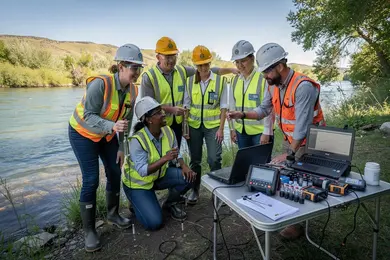
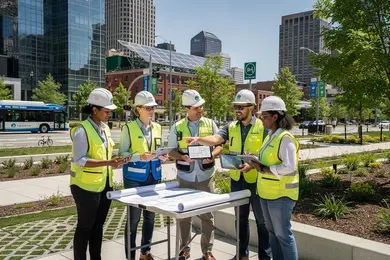
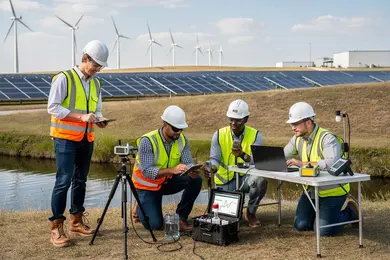
2027 Online Environmental Engineering Bachelor's Degree Programs With No Application Fee

Co-Founder and Chief Data Scientist
Career changers often face high financial barriers when applying to online environmental engineering bachelor's degree programs. Application fees can accumulate, creating hesitation for those seeking affordable transitions into this growing field. Notably, 46% of online environmental engineering students reported that application costs influenced their decision to apply, underscoring the impact on access and diversity within the discipline. For professionals determined to enter environmental engineering without upfront costs, no-application-fee programs offer a strategic advantage. This article explores accredited online environmental engineering bachelor's programs that waive application fees, providing guidance to prospective students aiming for cost-effective pathways into this vital industry.
Key Benefits of Online Environmental Engineering Bachelor's Degree Programs With No Application Fee
- Evaluate program accreditation and tuition costs comprehensively, as no application fee does not guarantee overall affordability or quality education for environmental engineering degrees.
- Assess transfer credit policies and financial aid options early to determine alignment with your academic timeline, reducing time to completion and out-of-pocket expenses.
- Consider current industry demand-environmental engineering jobs are growing 8% annually-ensuring the program supports your career goals through relevant coursework and state-specific licensure preparation.
What Does 'No Application Fee' Really Mean for an Online Environmental Engineering Bachelor's Program?
A waived application fee in online environmental engineering bachelor's degree programs can either mean a permanent exemption-no charge ever for submitting an application-or a temporary waiver limited to specific admissions cycles or requiring a promotion code. According to National Center for Education Statistics (NCES) data, roughly 60% of accredited institutions charge application fees ranging from $25 to $75, while about 40% permanently waive this fee. Recognizing this distinction is crucial for students seeking affordable pathways without unexpected costs. Three accredited examples of programs with no-application-fee policies include Montana State University's college of engineering, which permanently waives fees for all online undergraduate applicants; University of Florida Online, eliminating fees for select online programs including environmental engineering; and Colorado State University Global, which charges no application fee across all online undergraduate offerings. These policies provide significant upfront savings for cost-conscious adult learners, first-generation students, and career changers exploring online environmental engineering bachelor's degree no application fee benefits.
- Permanent Waiver vs. Temporary: Permanent waivers ensure consistent savings and avoid surprise charges, unlike temporary promotions that may require timing or eligibility.
- Upfront Cost Savings: Eliminating application fees reduces initial expenses, easing financial barriers for students managing tight budgets.
- Transparency Matters: Clear fee policies help identify genuine no-fee programs versus those using sporadic marketing tactics.
- Financial Planning: Factoring in application fees aids comprehensive affordability comparisons before applying, vital for adult learners balancing many costs.
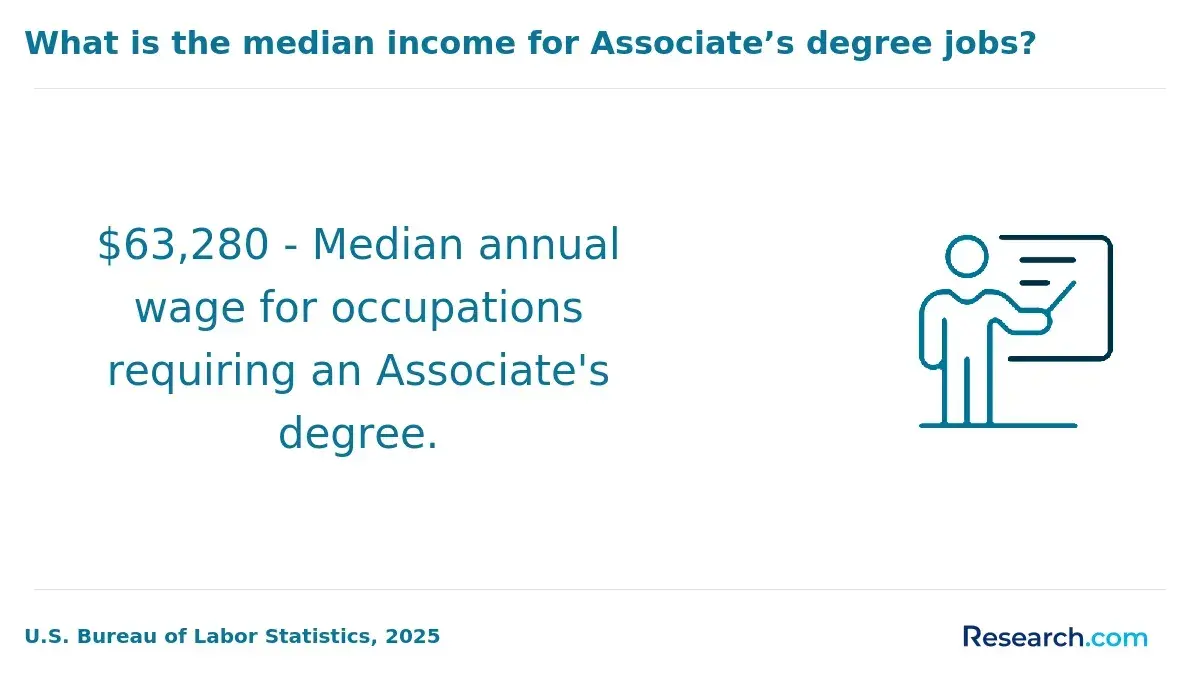
For students interested in exploring affordable credentials beyond bachelor's degrees, reputable resources exist for online associate degrees that align with career advancement and cost efficiency.
Which Nationally and Regionally Accredited Schools Offer Online Environmental Engineering Bachelor's Degrees With No Application Fee?
Students exploring online nationally accredited environmental engineering bachelor's programs with no application fee have several credible options to consider. Accreditation status is a key factor affecting credit transferability and employer recognition. Regional accreditation, granted by agencies overseeing institutions in specific geographic areas, is typically seen as more prestigious. It generally ensures smoother credit transfers and greater acceptance by employers and graduate schools. National accreditation often applies to career-focused institutions and is valuable but may limit credit transfer opportunities, which is crucial for career changers or those planning graduate study.
Below are representative institutions offering online environmental engineering or related programs with no application fee:
- Arizona State University: Regionally accredited by the Higher Learning Commission (HLC). Offers a Bachelor of Science in Environmental Engineering with an estimated total tuition of approximately $60,000.
- Southern New Hampshire University: Regionally accredited by the New England Commission of Higher Education (NECHE). Provides an online Environmental Science degree incorporating engineering fundamentals. Estimated total tuition is about $36,000.
- Columbia Southern University: Nationally accredited by the Distance Education Accrediting Commission (DEAC). Offers a Bachelor of Science in Environmental Engineering Technology with tuition estimated near $30,000.
- Treasure Valley Community College: Regionally accredited by the Northwest Commission on Colleges and Universities (NWCCU). Provides an online environmental engineering transfer degree with pathways to four-year institutions. Tuition varies by residency, approximately $12,000 for residents.
Applicants should confirm current application fee policies directly with admissions offices as waivers can change between enrollment cycles. Selecting a program with appropriate accreditation supports long-term academic and professional success in environmental engineering. For a broader understanding of cost-effective degree options, also consider resources on how much does it cost to get a masters in psychology as an example of evaluating tuition and fees carefully.
Regionally accredited schools offering free application environmental engineering degrees online may provide the best balance of affordability and transfer flexibility, especially for first-generation students and adult learners navigating career transitions.
2026 Update: Fieldwork and Lab Requirements to Confirm Before Applying
For this 2026 refresh, we added guidance on the hands-on components students should review before choosing a no-application-fee online environmental engineering bachelor’s program.
- Whether any labs must be completed on campus, through mailed lab kits, or at approved local facilities
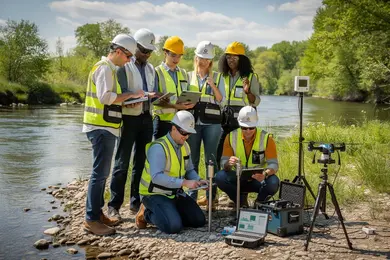
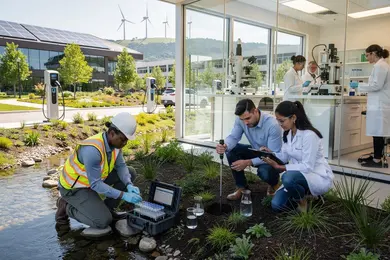
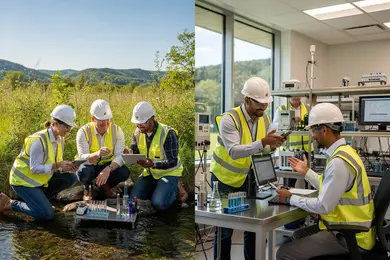
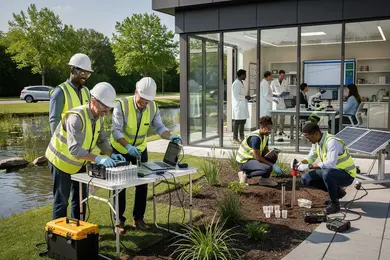
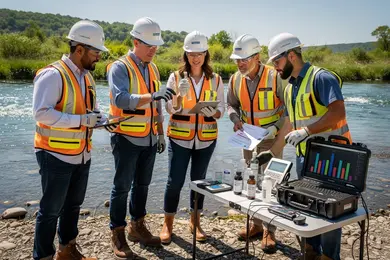
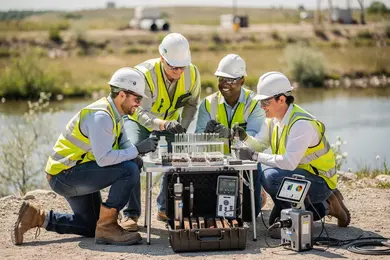
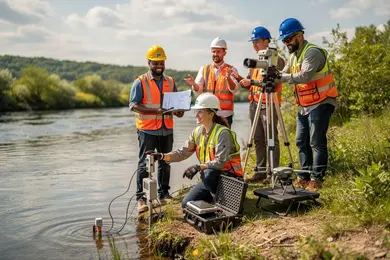
- How the program handles fieldwork tied to water quality, soil testing, air monitoring, or environmental sampling
- Whether students must arrange local site access, supervisors, or internship placements on their own
- Any travel, equipment, safety gear, or lab material costs not covered by tuition
- How online students document and submit lab results, field notes, and engineering design work
- Whether required hands-on experiences fit working adults’ schedules and locations
Checking these details helps students avoid surprise costs or scheduling conflicts after admission, making it easier to compare no-fee programs based on real completion requirements.
How Much Money Can Students Save by Choosing an Online Environmental Engineering Bachelor's Program With No Application Fee?
Applying to multiple online environmental engineering bachelor's programs can quickly add up due to application fees, which usually range from $25 to $75 per school according to College Board data. For students submitting eight to ten applications, total costs might reach $200 to $750 before tuition or other expenses begin. The Georgetown Center on Education and the Workforce highlights that total bachelor's degree costs often surpass $100,000, making these upfront fees a significant early financial barrier for many.
Waiving application fees is especially impactful for low-income and first-generation college applicants who may hesitate to pay multiple fees during the initial exploration of programs. Removing this early cost allows a broader and more informed selection of schools without immediate financial strain. However, no-fee applications represent just one factor in affordability.
Prospective students should also evaluate other cost components such as per-credit tuition rates, financial aid opportunities, transfer credit policies, and total program expenses before making enrollment decisions. Considering these elements together ensures a practical and budget-conscious approach to earning an environmental engineering degree.
- Upfront Cost Relief: Eliminating application fees can save $200-$750 across eight to ten schools, reducing initial financial hurdles during the application phase.
- Enhanced Access: Fee waivers remove a key barrier that often deters low-income and first-generation students from applying to multiple programs, expanding educational possibilities.
- Proportion of Total Costs: Though helpful, application fee savings are small compared to overall degree expenses, which include tuition, fees, and living costs.
- Comprehensive Affordability: Evaluating tuition pricing, financial assistance, and credit transfer policies alongside fee waivers leads to a more informed and cost-effective degree pathway.
A professional who enrolled in an online environmental engineering bachelor's program without an application fee shared that the absence of upfront costs made a significant difference during his search. "Applying to several schools would have been overwhelming financially," he explained. He also noted the ease of submission encouraged him to explore options he might have otherwise skipped. Despite some initial anxiety about balancing work and study, the no-fee policy relieved one layer of stress, allowing him to focus more on finding the right program fit and less on financial gatekeeping.
Are Online Environmental Engineering Bachelor's Programs That Charge No Application Fee Accredited and Legitimate?
Numerous reputable schools offering accredited online environmental engineering bachelor's degree programs waive application fees without compromising quality. Both the Council for Higher Education Accreditation (CHEA) and the U.S. Department of Education recognize many institutions that provide legitimate no application fee environmental engineering degrees, proving that free applications don't equal lesser standards.
- Regional Accreditation: Check that the college holds accreditation from recognized regional bodies like the Higher Learning Commission (HLC) or Middle States Commission, which confirm overall institutional quality.
- Programmatic Accreditation: Focus on ABET accreditation, the definitive seal for engineering programs, ensuring the environmental engineering curriculum meets industry expectations. ACBSP, CAEP, and CSWE apply to business, education, and social work, making ABET the key for engineering legitimacy.
- Verification Tools: Use the CHEA database at chea.org and the U.S. Department of Education's institutional lookup to confirm accreditation and eligibility for federal aid.
Beware of Degrees Mills: Institutions offering no application fees but lacking recognized accreditation may be diploma mills. Confirming accreditation protects degree value and career prospects.
Cost-conscious learners should also explore related affordable options like online accounting degrees for a broader understanding of cost-effective accredited programs.
What Are the Admission Requirements for Online Environmental Engineering Bachelor's Programs That Waive the Application Fee?
- Academic Credentials: Most programs require applicants to have a high school diploma or GED. Selective institutions might insist on completion of certain high school courses in math and science to demonstrate readiness for engineering curricula.
- GPA Requirements: Generally, applicants need a minimum GPA between 2.5 and 3.0 on a 4.0 scale. More competitive programs often have higher GPA thresholds, showing that waived application fees don't equate to lowered academic expectations.
- Test Score Policies: Many online environmental engineering programs have adopted test-optional policies, so submitting SAT or ACT scores isn't always mandatory. However, some schools still encourage or require these scores to support admissions decisions at more selective institutions.
- Prerequisite Knowledge: Foundational understanding of chemistry, physics, and mathematics is essential. Candidates might need to pass placement exams or show prior coursework demonstrating readiness for specialized engineering studies.
- Admissions Selectivity: Fee-waived programs vary widely, from open enrollment schools to selective universities. Acceptance rates differ considerably, but removing application fees often helps reduce obstacles for adult learners and first-generation college students.
Enrollment Flexibility: Rolling admissions and multiple annual start dates are common features in these programs. Such flexibility complements fee waivers by allowing applicants to apply without financial strain and begin their degrees at convenient times.
One professional who graduated from a no-fee application online environmental engineering program shared that balancing work and studies was challenging at first but the flexible admissions timelines made a huge difference. She recalled feeling reassured by the clear prerequisite requirements, which helped her prepare thoroughly before enrolling. According to her, the waived application fee removed a key barrier, allowing her to focus resources on succeeding academically and advancing her career without unnecessary stress.
How Does Per-Credit-Hour Tuition at Online Environmental Engineering Bachelor's Programs Compare When the Application Fee Is Already Waived?
Online environmental engineering bachelor's programs without application fees show a wide range in tuition per credit hour, typically falling between $200 and $600. This span is notable when compared to the national average of about $350 per credit hour for online bachelor's degrees across all fields. Such variation indicates that waiving application fees does not always equate to lower overall costs.
Several institutions offer flat-rate tuition, charging a fixed semester fee regardless of residency, which simplifies budgeting and eliminates out-of-state premiums. For example, State U E applies a uniform flat rate for all online students enrolled in environmental engineering, making costs more predictable.
- Application Fee Waivers: Removing application fees reduces upfront expenses but doesn't guarantee the lowest tuition. Students should evaluate per-credit tuition to estimate true affordability.
- Tuition Range: The per-credit cost varies significantly, influencing total degree expenses by tens of thousands of dollars depending on the school.
- Flat-Rate Tuition Benefits: Programs with flat fees support financial planning and often disregard residency, benefiting online learners who live out of state.
- Credit Load Impact: Most environmental engineering bachelor's degrees require between 120 and 128 credits, so even small differences in per-credit cost affect the final tuition greatly.
- Recent Trends: Nearly 40% of online bachelor's programs have eliminated application fees recently, reflecting growing demand for accessible and affordable enrollment options.
What Financial Aid and Scholarships Are Available for Online Environmental Engineering Bachelor's Students at No-Fee Programs?
Federal financial aid through FAFSA is accessible to students enrolled in accredited online Environmental Engineering bachelor's programs regardless of whether schools charge an application fee. Completing the Free Application for Federal Student Aid opens eligibility for Pell Grants, work-study options, and subsidized or unsubsidized federal loans, as outlined by Federal Student Aid guidelines.
Numerous scholarships specifically support online Environmental Engineering students. These include discipline-specific awards from professional organizations and foundations, institutional grants that may not be widely advertised, and third-party scholarship databases where targeted keyword searches help uncover relevant opportunities suited to this field.
Working adults pursuing an online Environmental Engineering degree benefit from employer tuition assistance programs, which can be layered with institutional grants to significantly lower education costs. Coordinating between employer funding and school-based aid maximizes affordability without exceeding federal award limits.
Submitting the FAFSA early is critical to accessing limited financial aid resources, as many schools allocate funds on a first-come, first-served basis. Prospective students should also contact financial aid offices at application fee-free Environmental Engineering programs to inquire about exclusive scholarships and grants designed for online learners.
According to the National Center for Education Statistics, nearly 45% of undergraduate students received some form of federal financial aid during the 2022-2023 academic year, reflecting the importance of federal support for online learners.
- FAFSA Eligibility: Federal aid options remain open to students at accredited no-fee programs, ensuring access to Pell Grants and loans.
- Discipline-Specific Scholarships: Targeted scholarships from industry and foundations support online Environmental Engineering students.
- Institutional Grants: Direct inquiries at schools uncover exclusive aid opportunities beyond advertised scholarships.
- Employer Tuition Assistance: Working students can layer employer benefits with grants for reduced costs.
- Early FAFSA Submission: Applying early maximizes financial aid options and availability.
- Recent Trend: Nearly half of undergraduates now receive federal aid, reflecting increased support for online learners.
How Long Does It Take to Complete an Online Environmental Engineering Bachelor's Degree at a No-Application-Fee School?
Completion time for an online environmental engineering bachelor's degree at a no-application-fee school generally depends on multiple factors including the student's pace and course structure. Most programs require around 120 credit hours to graduate. At a traditional full-time pace, students typically finish within four years, comparable to on-campus options. The average time to finish online environmental engineering degree programs often varies due to enrollment choices and delivery methods.
- Accelerated Options: Some schools provide accelerated tracks with shorter terms and year-round enrollment, allowing motivated students to complete their degree in about three years by taking courses continuously.
- Part-Time Enrollment: Many adult learners balance study with work or family commitments, taking a part-time path that can stretch completion time to five or six years depending on credit loads and term schedules.
- Asynchronous Delivery: Online programs often use asynchronous courses, enabling students to study flexibly on their own schedules without being bound to fixed class times or semesters.
- Competency-Based Models: Some no-application-fee programs implement competency-based education, where students advance by demonstrating mastery, which can shorten time to degree for learners with prior knowledge or strong discipline.
- Transfer Credits: Applying credits from previous college work, such as community colleges or other universities, can significantly reduce remaining credits and overall time to graduation.
- Prior Learning Assessments: Evaluations of professional certifications, military training, or work experience may count toward degree requirements, further reducing study time.
- Credit-by-Examination: Exams like CLEP allow students to earn credits for general education or prerequisite courses, accelerating degree completion.
- Credit Load and Term Length: Students should realistically plan how many credits to take each term considering personal responsibilities and program formats, which can include semesters, trimesters, or eight-week modules that influence pacing.
Building a realistic timeline for finishing an environmental engineering degree means balancing personal and academic demands while exploring options to shorten duration. Transfer credits and prior learning assessments play a crucial role in this process. Adult learners and career changers seeking affordable, flexible pathways may also find value in competency-based programs or asynchronous coursework.
For related fields like therapy, researching best art therapy master's programs can offer additional insight into online degree structures and timelines.
Can Transfer Students Apply for Online Environmental Engineering Bachelor's Degrees With No Application Fee?
Many online environmental engineering bachelor's degree programs that waive application fees also accept transfer students, making these programs accessible for adult learners and career changers. According to data from NCES and NC-SARA, most of these no-fee programs have flexible transfer credit policies to reduce time and costs for degree completion. Transfer credit evaluations are typically conducted by academic advisors or registrars who review official transcripts to determine which prior credits fulfill environmental engineering program requirements.
The evaluation process tends to prioritize credits from regionally accredited community colleges, previously completed bachelor's degree coursework, and relevant military training. Such credits are usually accepted if they match core environmental engineering courses or general education requirements. However, credits from proprietary certificates, non-accredited coursework, or unrelated vocational training often do not transfer. This distinction is important for prospective students considering transfer options.
Articulation agreements between community colleges and four-year universities offering online environmental engineering degrees form formal partnerships that guarantee credit acceptance for certain courses. These agreements clarify transferable coursework, providing smoother transitions and clearer pathways for transfer students. Prospective students applying for online environmental engineering bachelor's degrees with no application fee are advised to request a transfer credit evaluation as early as possible to better estimate remaining coursework and total costs, enabling more accurate budgeting.
- Transfer Acceptance Rates: Most no-fee online programs accept transfer credits from regionally accredited institutions, increasing pathways for adult and transfer learners.
- Credit Types Accepted: Community college, prior bachelor's, and military training credits are commonly accepted if relevant to environmental engineering studies.
- Articulation Agreements: Formal partnerships guarantee credit acceptance for certain courses, smoothing transfer processes.
- Early Evaluation: Requesting a credit review early helps students plan remaining coursework and budget accurately.
For adult learners weighing their options, considering a program's transfer policies alongside cost-saving moves like application fee waivers is essential. Those seeking accelerated pathways might also explore options for the quickest masters degree online to build on their environmental engineering bachelor's degree efficiently.
Are Online Environmental Engineering Bachelor's Degrees With No Application Fee Recognized by Employers?
Employers show greater acceptance of online environmental engineering bachelor's degrees, particularly when the degree is from a regionally accredited institution. Data from the Society for Human Resource Management (SHRM) reveals that hiring managers now prioritize accreditation over whether the degree was earned online or on campus. This suggests that proven skills and credentials hold more weight than the delivery method in this STEM field.
- Accreditation Importance: Degrees from regionally accredited schools are favored, while those from unaccredited or nationally accredited institutions often face doubts. Prospective students should confirm their school's accreditation status through recognized organizations to avoid hiring concerns.
- Program-Specific Accreditation: For environmental engineering, ABET accreditation carries significant value. Employers and licensing bodies often require or prefer degrees from ABET-accredited programs to ensure the curriculum meets professional standards.
- Licensing Requirements: Entities like the National Society of Professional Engineers (NSPE) and state licensing boards mandate verified degrees for licensure, essential for career progression in many job roles.
- Presenting Credentials: Job applicants should clearly highlight their degree's accreditation and learning format on applications, emphasizing relevant skills, projects, and any practical experience to address potential employer biases regarding online education.
What Technology Requirements and Online Learning Tools Are Used in No-Fee Online Environmental Engineering Bachelor's Programs?
- Reliable Internet: A stable broadband connection is critical for participating in live lectures, accessing materials, and submitting assignments without interruption, with recommended speeds supporting seamless video conferencing.
- Modern Hardware: Students should have a current laptop or desktop capable of running specialized software. A webcam and microphone are necessary for live discussions and virtual labs to ensure effective communication.
- LMS Platforms: Programs often utilize Canvas, Blackboard, or D2L, which offer intuitive interfaces for submitting assignments, tracking grades, engaging in discussions, and messaging faculty directly.
- Specialized Software: Environmental Engineering courses commonly require tools for data analysis and simulation, such as GIS or water quality modeling software. Some programs include cloud-based licenses, while others charge extra.
- Virtual Labs: To simulate practical experience, many programs provide lab simulations accessible via LMS or third-party platforms, allowing interactive practice without physical attendance.
- Technology Budgeting: Beyond tuition, students should plan for potential costs like hardware upgrades, dependable internet service, and additional software licenses, which can impact the overall affordability of no-application-fee programs.
What Graduates Say About Their Online Environmental Engineering Bachelor's Degree Programs With No Application Fee
- Taylor: "Choosing an online environmental engineering bachelor's degree with no application fee made the decision significantly easier for me, as I was exploring a career change without the upfront financial commitment. The affordability of the program allowed me to focus entirely on my studies without stressing about accumulating debt. Since graduating, I've seen a remarkable boost in my job opportunities and feel confident pursuing roles that align with my passion for sustainability."
- Cruz: "I decided to pursue an online environmental engineering bachelor's degree primarily because there was no application fee-it really reduced the barrier to entering this new field. The cost savings helped me manage my finances while balancing part-time work. Reflecting back, this program was transformative, providing the technical foundation I needed to successfully transition into a rewarding career in environmental consulting."
- Luka: "What appealed to me most about the online environmental engineering bachelor's degree was the combination of quality education with no application fee, which ensured an accessible start to my new professional journey. The reasonable tuition fees made it possible to complete the program without overwhelming financial strain. Professionally, completing this degree opened doors to leadership roles in sustainable development, and I feel more equipped than ever to tackle environmental challenges."
Other Things You Should Know About Environmental Engineering Degrees
Financial aid options for 2027 online environmental engineering programs may include federal grants and loans, scholarships, and work-study opportunities. Programs often guide students through FAFSA submission, and some offer institution-specific scholarships and grants. Check individual program websites for detailed eligibility requirements.
Yes. Most programs require one year of high school calculus or a college calculus course before admission, plus algebra, chemistry, and physics. Some schools allow conditional admission, but you must usually complete these prerequisites before taking upper-division engineering courses.
Some state universities offer no-application-fee online environmental engineering degrees tailored to residents, often with lower tuition for in-state students. These programs may provide advantages such as local industry partnerships and easier access to site-based internships. Prospective students should verify residency requirements and evaluate these programs' regional relevancy and accreditation before applying.
References
- World's Largest platform as University Common Application https://www.planstudyabroad.uniagents.com/course-details.php
- Top 7 Online Environmental Engineering Degrees | NEWENGINEER https://newengineer.com/advice/top-7-online-environmental-engineering-degrees-1415753
- Bachelor Degree Environmental Engineering scholarships for Indian Students https://www.hotcoursesabroad.com/india/international-scholarships/all/Postgraduate/environmental-engineering/cid/124/g16/scholarship46.html
- 1324 Fully Funded Environmental Engineering scholarships https://www.scholarshipsads.com/search/subject/environmental-engineering/funding/fully-funded
- 10 Cheapest Online Bachelor’s Degrees in 2026 | UoPeople https://www.uopeople.edu/blog/10-cheap-online-bachelors-degrees/
- Does It Cost Money To Apply To College? https://www.affordablecollegesonline.org/college-resource-center/online-colleges-no-application-fees/
- Free Online Environmental Engineering Courses from Top Universities https://learningpath.org/articles/Free_Online_Environmental_Engineering_Courses_from_Top_Universities.html
- 2025 Most Affordable Online Environmental Science Degrees https://www.onlineu.com/most-affordable-colleges/environmental-science-degrees
- 1 Mature students Applied (Bachelor's) Degree Environmental Engineering Scholarship available in Canada https://www.hotcourses.ru/study/international-scholarships/canada/applied-bachelors-degree/environmental-engineering/mature-students/all/32/122/g16/1175/nty/scholarship.html
- Environmental Engineering (B.Eng.) https://www.hof-university.com/studying-at-hof-university/our-degree-programs/environmental-engineering-beng.html