2027 Return on Investment of an Online Environmental Engineering Bachelor's Degree: Salary vs Cost

Co-Founder and Chief Data Scientist
Mid-career professionals aiming to transition into the environmental engineering field often face a dilemma-whether investing time and money into an online bachelor's degree justifies the return in salary and career growth. With the average annual wage for environmental engineers in the U. S. reaching $96,000, the cost of a degree can appear daunting.
However, demand for skilled environmental engineers grows steadily due to stricter regulations and sustainability initiatives. This article examines how the balance of tuition costs, time investment, and salary potential impacts the return on investment of an online environmental engineering bachelor's degree, guiding readers toward informed decisions.
Key Things to Know About the Return on Investment of an Online Environmental Engineering Bachelor's Degree
- Online environmental engineering bachelor's degrees typically cost between $15,000 and $40,000-significantly less than traditional programs-allowing cost-conscious students to minimize debt.
- Graduates report median salaries around $70,000 annually, aligning closely with Bureau of Labor Statistics data for environmental engineers and reflecting strong earning potential.
- Non-financial returns include enhanced job security, access to leadership roles, and ongoing professional development crucial for adapting to evolving environmental regulations.
What Is the True Cost of Earning an Online Environmental Engineering Bachelor's Degree From Enrollment to Graduation?
Students pursuing an online environmental engineering bachelor's degree face several direct and indirect expenses beyond just tuition, which is vital for a thorough cost analysis of online environmental engineering bachelor's programs.
Many institutions publish tuition rates between $15,000 and $45,000 for the entire degree. However, after accounting for financial aid, grants, and scholarships, the net price often drops significantly for many students.
- Tuition Fees: Published prices vary widely based on the institution's status, but net prices after aid frequently reduce the sticker price by thousands of dollars.
- Technology and Course Fees: Online learners usually pay mandatory technology fees ranging from $300 to $1,200 annually, supporting learning platforms and essential course software, with some schools charging extra for specific materials.
- Textbooks and Materials: Specialized textbooks and software for environmental engineering can add $1,000 to $2,500 to the total cost, a substantial expense relative to other degrees.
- Proctoring and Exam Costs: Remote exams may require proctoring fees of $30 to $100 each, or subscriptions to testing platforms, which accumulate depending on exam frequency.
- Indirect Costs: Though online students save on housing and commuting, expenses such as reliable internet access, computer hardware, and occasional campus visits still can total several hundred to over a thousand dollars annually.
Considering all these components, the realistic total cost-including tuition, fees, and materials-ranges from roughly $20,000 to $55,000 after financial aid.
This baseline cost is essential for first-generation college students, working professionals, or career changers to evaluate the return on investment for an online environmental engineering bachelor's degree properly. Salary and career growth projections sourced from the Bureau of Labor Statistics and IPEDS complement this cost data, ensuring informed decisions.
For those seeking additional advancement opportunities, pursuing easy licenses and certifications to get online can enhance professional development and job security alongside the degree costs and benefits.
How Does the Starting Salary for Environmental Engineering Bachelor's Degree Graduates Compare to the Total Cost of the Degree?
The median annual starting salary for bachelor's degree graduates in environmental engineering in the United States typically hovers around $68,000, according to the Bureau of Labor Statistics (BLS) Occupational Outlook Handbook.
This figure represents common entry-level roles such as environmental engineering technicians and junior environmental engineers. When weighing cost versus salary outcomes of online environmental engineering degrees, tuition expenses range from about $20,000 in programs with substantial financial aid to upwards of $70,000 in less affordable cases.
Considering the starting salary of $68,000, the best-case scenario-where total degree cost is near $20,000-means graduates can offset their tuition within approximately 3.5 to 4 months of gross income.
However, in a worst-case scenario with total costs around $70,000, it could take nearly 12 months of starting salary to break even. This emphasizes the critical role that careful program selection and financial aid play in managing the return on investment.
Starting salary is only the initial benchmark; environmental engineering offers promising salary growth, with BLS projecting annual increases of 3 to 5 percent due to experience, skill development, and certifications.
Over a decade, total earnings can substantially exceed the initial investment, reinforcing the long-term value of the degree. For those comparing programs or looking for online mft programs accredited, understanding these financial dynamics is essential.
- Median Starting Salary: Entry-level graduates in environmental engineering can expect a median salary near $68,000, laying a strong financial foundation for investment recovery.
- Degree Cost Variation: Program expenses vary widely from $20,000 with aid to $70,000 without, influencing how quickly tuition can be recouped through earnings.
- Payback Timeline: Depending on total cost, it takes from 3 to 12 months of starting salary to offset tuition, highlighting the impact of cost-conscious decision-making.
- Salary Growth Potential: Annual pay increases of 3-5 percent can significantly boost lifetime earnings, enhancing return on investment.
- Beyond Finances: Benefits like career advancement, job security, and skill development complement financial returns and should factor into program choice.
What Is the Average Return on Investment (ROI) for an Online Environmental Engineering Bachelor's Degree Over a 10-Year Career?
Return on investment (ROI) in higher education compares the total cost of earning a degree with the additional income generated over a 10-year period, relative to someone holding only a high school diploma or an associate degree in the same field.
Data from the Georgetown University Center on Education and the Workforce calculates ROI by subtracting the total expenses-including tuition and fees-from the cumulative earnings premium amassed over a decade. PayScale's College ROI Report confirms these benchmarks, highlighting degrees that deliver strong financial returns.
Using the Bureau of Labor Statistics median annual wage of about $79,100 for environmental engineers in 2023, with a steady 3% raise each year, total earnings over 10 years can reach nearly $876,000.
In comparison, workers with a high school diploma earn around $41,000 annually, accumulating roughly $451,000 over the same span. This difference represents an earnings premium of approximately $425,000 for those with a bachelor's degree.
The typical cost of an online environmental engineering bachelor's program ranges from $30,000 to $60,000. Factoring this in, the net financial gain remains significant, underlining a compelling ROI for degree seekers in this field.
Compared to the national average 10-year ROI for all bachelor's degrees, which is generally closer to $300,000 according to PayScale, environmental engineering stands out for its stronger earning potential.
- Earnings Premium: Environmental engineering graduates earn an estimated $425,000 more over 10 years than peers with lesser education, solidifying the degree's economic value.
- Degree Cost: With program costs between $30,000 and $60,000, most students recoup their investment within a few years after graduation.
- Salary Growth: A consistent 3% annual raise boosts cumulative earnings, reflecting career progression and increased market demand.
- Above Average ROI: This degree's return outpaces the national average for bachelor's degrees, showing notable financial advantages.
A professional who enrolled in an online environmental engineering bachelor's degree program after carefully evaluating its cost against expected ROI shared his experience: "I weighed the upfront expenses, worried about managing work and study simultaneously.
The process demanded discipline-late nights and weekend classes-but knowing the financial outlook helped me stay focused. I appreciated that the program's flexibility let me maintain my job while advancing my education.
Now, with a boost in both salary and job stability, I see the decision as a calculated risk that paid off." This perspective highlights how thorough cost-benefit analysis can guide working adults and career changers toward informed education investments.
How Do Online Environmental Engineering Program Tuition Rates Compare Across Public, Private, and For-Profit Institutions?
Assessing cost differences for public private and for-profit environmental engineering degrees requires looking beyond tuition alone. Although for-profit programs may appeal to those seeking the lowest sticker price, their career risks often outweigh upfront savings.
- Public Universities: These institutions typically provide the most budget-friendly option for online environmental engineering program tuition comparison, especially for residents paying in-state rates. Many public schools use flat-rate online tuition, allowing all students-regardless of residency-to benefit from consistent per-credit pricing.
- Private Nonprofit Colleges: Tuition costs here are noticeably higher, generally falling between $500 and $800 per credit. Despite steeper prices, these colleges often offer more substantial financial aid and scholarships.
- For-Profit Institutions: These schools sometimes charge less than $300 per credit, making them seemingly affordable. However, their lower graduation rates-commonly under 40%-and employer distrust can hinder job placement and limit earning potential.
For those comparing online environmental engineering programs, exploring related fields may help broaden options; for instance, this construction management masters degree online resource offers insight into comparable cost and career considerations.
What Long-Term Salary Growth Can Environmental Engineering Bachelor's Degree Holders Expect Over a 20- to 30-Year Career?
An environmental engineering bachelor’s degree can lead to strong long-term salary growth, with earnings rising as professionals gain experience, specialize in sustainable solutions, and advance into senior engineering or management roles.
- Early Career Growth: Environmental engineering graduates often experience a 25% to 35% salary increase within their first five years as they develop skills and earn certifications. This period typically includes advancement from entry-level to mid-tier engineering roles.
- Mid-Career Acceleration: Professionals with around a decade of experience generally see a significant jump in earnings-up to 50% above starting salaries-driven by added responsibilities like project leadership or specialized knowledge.
- Senior-Level Advancement: After 15 years, many environmental engineers move into senior or supervisory positions, with salaries reaching from $100,000 to $120,000 depending on geographic location and sector.
- Cumulative Earnings Premium: Over a 30-year career span, bachelor's degree holders in environmental engineering typically earn between $2.5 million and $3.2 million in total wages. This represents a 30% to 40% increase compared to similar workers without a degree.
One professional who completed an online environmental engineering bachelor's degree described the path as challenging yet rewarding. She recalled managing coursework while working full-time and mastering complex subjects remotely. Her dedication paid off as she gradually moved into leadership roles, emphasizing that the degree not only boosted her paycheck but also opened doors to meaningful, impactful projects she felt proud to lead.
How Does the ROI of an Online Environmental Engineering Bachelor's Degree Compare to an Associate Degree or a Professional Certificate?
Comparing the ROI of an online environmental engineering bachelor’s degree with an associate degree or professional certificate highlights differences in educational investment, career opportunities, and long-term earning potential in the engineering field.
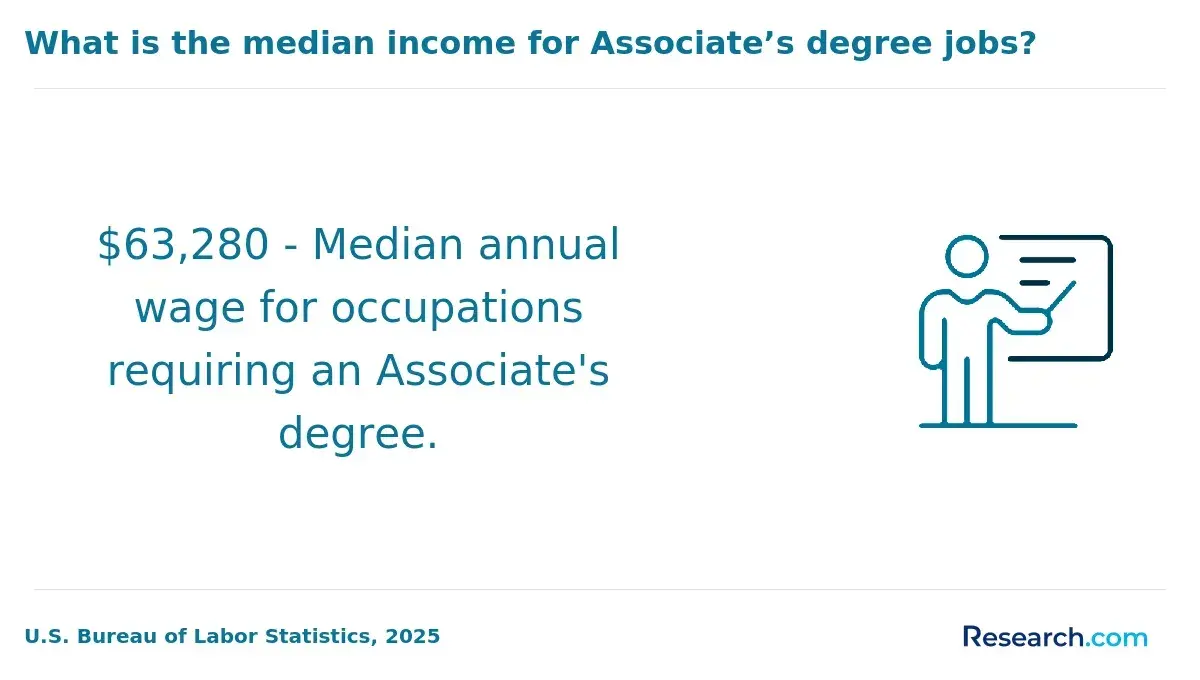
- Cost of Education: Earning an online bachelor's degree in environmental engineering usually involves tuition fees between $40,000 and $70,000. By comparison, associate degrees generally cost $10,000 to $20,000 for about two years of coursework, while professional certificates are more affordable, often under $5,000 and completed within several months.
- Median Salary: Those with a bachelor's degree in environmental engineering make a median annual income near $88,000. Individuals holding associate degrees in related technical areas can expect approximately $50,000, whereas certificate holders typically earn starting salaries close to $40,000.
- Short-Term ROI: Certificates and associate degrees offer lower upfront costs and rapidly enable entry into the workforce, making them suitable for individuals needing quicker income or those minimizing educational debt. This option works well for career changers or adults managing employment alongside coursework.
- Long-Term ROI: Over an entire career, a bachelor's degree in environmental engineering tends to provide greater financial benefits-higher median earnings, enhanced job stability, and increased advancement prospects to senior or managerial roles-resulting in superior lifetime earning potential.
- Career Advancement and Job Security: Environmental engineering roles often prioritize candidates with bachelor's degrees for leadership, regulatory work, and design responsibilities. Higher education credentials strengthen professional networks, increase opportunities, and improve resilience in a competitive job market.
- Decision Framework: Prospective students balancing financial limitations or needing swift workforce access may find certificates or associate degrees offer returns with less financial exposure. Those aiming for professional growth, leadership positions, or specialized expertise achieve success with an online bachelor's degree.
Which Online Environmental Engineering Specializations or Concentrations Yield the Highest Earning Potential After Graduation?
Students pursuing an online environmental engineering bachelor's degree often consider which specializations deliver the best salary potential relative to educational costs.
According to data from the Bureau of Labor Statistics and related occupational studies, certain tracks within environmental engineering offer distinct advantages in earnings, though they may also require additional investment in certifications or licensure.
- Water Resources Engineering: Focused on water quality, treatment, and distribution, this specialization aligns with municipal water supply and environmental consulting jobs. Median annual salaries typically reach about $92,000, roughly 10-15% higher than the general environmental engineering median.
- Air Quality and Pollution Control: Graduates in this field work on emissions regulation and atmospheric pollutant control with agencies and firms. Salaries can approach $95,000, especially in states with stringent environmental laws. This path often requires additional licensure in air quality management, increasing upfront costs.
- Sustainable Design and Renewable Energy: A rapidly growing area, this track involves green infrastructure and energy technologies. Median salaries can exceed $90,000, particularly when combined with professional engineer (PE) licensure. Continuing education and certifications in renewables also affect the investment and return.
- Hazardous Waste Management: Careers in compliance and remediation usually earn near $88,000, with certifications like the Certified Hazardous Materials Manager (CHMM) often necessary. These certifications add to initial costs but improve job security and salary growth.
By comparison, general environmental engineering graduates typically start near a median salary of $80,000. Specializing can yield a 10-20% salary premium depending on the sector and geographic location. Professionals with relevant experience or certifications may shorten their time-to-ROI by targeting in-demand tracks.
However, carefully weighing certification costs and continuing education requirements is essential for an accurate assessment of the total financial commitment.
How Do Employer Tuition Reimbursement and Financial Aid Reduce the Net Cost of an Online Environmental Engineering Bachelor's Degree?
Employer tuition reimbursement programs can significantly lower the net cost of earning an online environmental engineering bachelor's degree by covering much of the tuition expenses. Under IRS Section 127, employers may provide up to $5,250 annually in tax-free tuition assistance to employees.
According to the Society for Human Resource Management (SHRM), about 60% of U.S. employers offer some form of tuition assistance, especially in STEM fields like environmental engineering. This benefit often covers partial or full tuition costs, reducing reliance on personal funds or student loans.
Financial aid options further reduce expenses for online environmental engineering bachelor's degree students. Federal and institutional grants, scholarships, and subsidized loans decrease out-of-pocket costs and often do not require repayment.
Students can combine these aids with employer tuition assistance to reduce the effective tuition to a fraction of the sticker price, making education more affordable for working adults and career changers.
For example, if an online environmental engineering program costs $20,000 annually, an employer reimbursing $5,250 under IRS guidelines and $7,000 in federal grants and scholarships lowers the remaining balance to $7,750. The student can cover this amount through subsidized loans or savings.
Over four years, this strategy can save tens of thousands of dollars compared to full tuition, greatly enhancing the return on investment. Students may also consider pursuing a master's degree in 6 months online to accelerate career advancement once the bachelor's is completed.
- Employer Reimbursement: Many employers offer up to $5,250 in tax-free tuition assistance annually, substantially lowering direct costs for students earning degrees related to their jobs.
- Financial Aid Availability: Federal and institutional grants, scholarships, and subsidized loans reduce net tuition expenses and minimize debt burdens.
- Prevalence of Benefits: Approximately 60% of U.S. employers provide tuition assistance, especially in STEM fields such as environmental engineering.
- IRS Section 127 Limits: This regulation allows tax-free tuition benefits up to $5,250 per year, encouraging employers to invest in workforce education.
- Real-World Savings: Combining employer aid with financial assistance can reduce a $20,000 annual tuition cost to less than $8,000, optimizing affordability for students balancing work and study.
What Hidden Costs Should Students Factor Into the Total Investment of an Online Environmental Engineering Bachelor's Degree?
When considering the total investment factors for online environmental engineering bachelor's programs, students often overlook several hidden costs that extend beyond tuition.
These include fees that collectively can add 10% to 20% more to the overall program expense, thereby delaying the break-even timeline when graduates begin to see financial returns from increased salaries.
Technology fees, typically ranging from $100 to $500 per semester, cover essential online platforms and tech support but are frequently excluded from published tuition figures.
Similarly, exam proctoring services-costing $25 to $50 per exam-can accumulate across multiple courses, significantly raising expenses. Graduation fees, often between $100 and $300, cover diploma processing and commencement activities and are sometimes missed in early budgeting.
Specialized software licenses, such as those for GIS or CAD required in environmental engineering coursework, add an additional $200 to $600 annually. These are vital for course completion but rarely included in tuition.
Professional organization memberships, while optional, are recommended for networking and career growth; annual dues typically range from $50 to $150 and represent another ongoing cost students should consider. Such undisclosed costs make it essential to request a full cost-of-attendance breakdown before enrolling in any program.
Understanding these hidden costs is crucial, especially for first-generation college students or working professionals on tight budgets who want to weigh the full costs with future earnings potential.
For comprehensive comparisons and further insights into valuable degrees in related fields, consider reviewing data on most valuable masters degrees.
- Technology Fees: These range from $100 to $500 per semester, covering online course platforms and technical support essential for completing courses but often not included in tuition estimates.
- Exam Proctoring Costs: Proctored exams typically cost $25 to $50 each, and multiple exams can drive up total program expenses beyond initial expectations.
- Specialized Software Licenses: Required GIS or CAD licenses cost $200 to $600 annually, significantly affecting the hidden costs of an online environmental engineering degree.
- Graduation Fees: One-time fees between $100 and $300 cover diploma processing and ceremonies, which can be unexpected if omitted from early financial planning.
- Professional Memberships: Optional memberships for career development range from $50 to $150 annually, adding ongoing costs not reflected in tuition alone.
How Does the Accreditation Status of an Online Environmental Engineering Program Affect Graduate Salary and Employability?
Regional accreditation evaluates the overall quality and credibility of an institution, while programmatic accreditation focuses on specific environmental engineering programs. Both forms of accreditation are crucial for employer confidence and industry recognition, directly influencing graduate employability and compensation.
Employers associate accredited degrees with rigorous coursework and current professional standards, often leading to higher starting salaries and improved career prospects.
Surveys by the National Association of Colleges and Employers (NACE) reveal that over 70% of hiring managers prefer candidates from regionally or ABET-accredited programs.
Degrees from nationally accredited or non-accredited schools commonly face skepticism, limiting opportunities in competitive job markets and affecting long-term growth.
Without proper accreditation, graduates might be ineligible for licensure exams essential for many environmental engineering careers.
Furthermore, admission to graduate programs and employment in government or healthcare sectors often require accredited credentials, making accreditation verification a critical step before enrollment.
Prospective students should consult the U.S. Department of Education's accreditation database and the Council for Higher Education Accreditation (CHEA) to confirm program legitimacy and avoid investing time and money in substandard programs.
- Institutional vs. Program Quality: Regional accreditation confirms overall institutional standards, while programmatic accreditation attests to the specialized quality of environmental engineering curricula.
- Employer Preferences: Hiring managers prioritize graduates from accredited programs, considering these degrees indicative of well-prepared candidates.
- Licensure Eligibility: Accreditation is often a prerequisite for sitting state engineering licensure exams required for professional practice.
- Graduate and Government Job Restrictions: Non-accredited degrees may disqualify candidates from advanced education and positions in public and healthcare fields.
- Verification Resources: Utilizing official databases ensures students enroll only in accredited, reputable programs that offer real career value.
What Entry-Level Job Titles and Salary Ranges Are Available to Graduates of Online Environmental Engineering Bachelor's Programs?
Graduates with an online environmental engineering bachelor's degree often enter roles with varying salary ranges that influence the speed of recouping educational investments. Common entry-level positions provide a broad spectrum of starting pay and industry settings.
- Environmental Engineer: Median starting salaries range from $60,000 to $70,000, with government agencies and tech-focused environmental firms offering higher wages.
- Water Resource Engineer: Typically begins between $58,000 and $68,000; top-paying employers include municipal water utilities and environmental service companies.
- Environmental Consultant: Starting salaries fall between $55,000 and $65,000, commonly in private consultancy firms serving construction and energy sectors.
- Health and Safety Specialist: Entry pay lies mostly between $52,000 and $62,000, with healthcare and manufacturing sectors driving higher compensation.
- Environmental Scientist: Median salaries of $53,000 to $63,000 are frequent, especially within research institutions and government environmental agencies.
- Compliance Analyst: Typically earns $50,000 to $60,000, mainly found in finance, government, and energy companies focused on regulations.
- Project Engineer: Offers a broader salary range of $56,000 to $70,000, with construction and infrastructure employers leading pay scales.
- Waste Management Engineer: Starting salaries from $54,000 to $64,000 are common, primarily in municipal and private waste treatment sectors.
Internships, certifications such as EIT, and specialized study areas like sustainable design can increase starting salaries by 5% to 15%. These enhancements accelerate earnings growth, allowing faster return on investment.
Industries emphasizing innovation and compliance generally pay most competitively, underscoring the importance of strategic credentials and experience in maximizing the benefits of an online environmental engineering degree.
What Graduates Say About the Return on Investment of Their Online Environmental Engineering Bachelor's Degree
- Taylor: "Choosing the online environmental engineering bachelor's degree program was a decision heavily influenced by its clear financial ROI. I compared the tuition costs with expected salary growth and realized this program offered the best balance between affordability and future earnings potential. Beyond money, the flexibility allowed me to keep working while studying, which added immediate value and minimized debt-something I consider a huge win."
- Cruz: "From a career perspective, earning my degree online in environmental engineering opened doors I hadn't anticipated. The non-financial return-like increased job security and access to leadership roles-has been invaluable to me. This program equipped me with up-to-date industry knowledge, and I've found that employers recognize the rigor, which has boosted my confidence and professional standing."
- Luka: "Pursuing the online environmental engineering bachelor's was a game-changer for my professional trajectory. The degree significantly increased my marketability and allowed me to transition into higher-paying roles with more responsibility. Reflecting on the overall ROI, I see that the program not only enhanced my income but also enriched my problem-solving skills and expanded my network within the industry."
Other Things You Should Know About Environmental Engineering Degrees
On average, graduates of online environmental engineering programs can expect to recoup their tuition costs within six to ten years, depending on the total cost of the program and their starting salary. Early-career salaries for environmental engineers typically range from $60,000 to $70,000 annually, which tends to increase with experience and specialization.
Earning potential grows faster in industries such as energy, consulting, and government agencies, accelerating the payback period compared to graduates who enter lower-paying sectors.
Salary outcomes for environmental engineering graduates vary widely by geographic location and sector. Graduates working in metropolitan areas or regions with strong environmental regulations, such as California or the Pacific Northwest, often earn higher wages than those in rural or less regulated regions.
Industry sectors like oil and gas, renewable energy, and environmental consulting generally offer above-average salaries, whereas salaries in education or non-profit environmental organizations tend to be lower but may offer other benefits.
Employer surveys consistently rank an environmental engineering bachelor's degree as a valuable credential due to the increasing demand for sustainable solutions and regulatory compliance.
Labor market data from the Bureau of Labor Statistics projects steady job growth for environmental engineers at about 8 percent through 2032, a rate faster than the average for all occupations. This demand signals strong job security and a positive outlook for degree holders.
References
- Everything you need to know about the job of Environmental Engineer: studies, salary... - ECE https://www.ece.fr/en/everything-you-need-to-know-about-the-job-of-environmental-engineer-studies-salary/
- Environmental Engineers: Salary, career path, job outlook, education and more - RaiseMe https://www.raise.me/careers/architecture-and-engineering/environmental-engineers/
- Is College Worth it? | Return on Investment Analysis of College Degree https://educationdata.org/college-degree-roi
- How We Calculated the Return on Investment of Associate Degrees and Certificates - Freopp https://freopp.org/whitepapers/how-we-calculated-the-return-on-investment-of-associate-degrees-and-certificates/
- 2025 Most Affordable Online Environmental Science Master's Degrees https://www.onlineu.com/most-affordable-colleges/environmental-science-masters-degrees
- Environmental Engineering Degree - Online Guide https://typesofengineeringdegrees.org/environmental-engineering/
- Make a Difference as an Environmental Engineer | All Engineering Schools https://www.allengineeringschools.com/engineering-careers/career/environmental-engineering/
- 500+ Water Jobs (Updated Today) â Free to Apply https://jobs.watertechintel.com/blog/entry-level-jobs-with-environmental-science-degree
- Bachelor of Applied Science in Environmental Engineering University of Windsor https://www.hotcoursesabroad.com/india/course/canada/bachelor-of-applied-science-environmental-engineering/55971106/program.html
- 10 college degrees with the best return on investment https://qz.com/college-degrees-highest-best-return-on-investment