
2027 Best Online Bachelor’s Degrees in Theology Programs

Co-Founder and Chief Data Scientist
Choosing an online bachelor’s degree in theology is not only a question of convenience. It is a decision about formation, academic credibility, ministry preparation, cost, and whether the program will support the kind of work you hope to do after graduation. For students balancing church service, employment, family responsibilities, or geographic limits, an online program can make theological education possible without relocating or stepping away from current commitments.
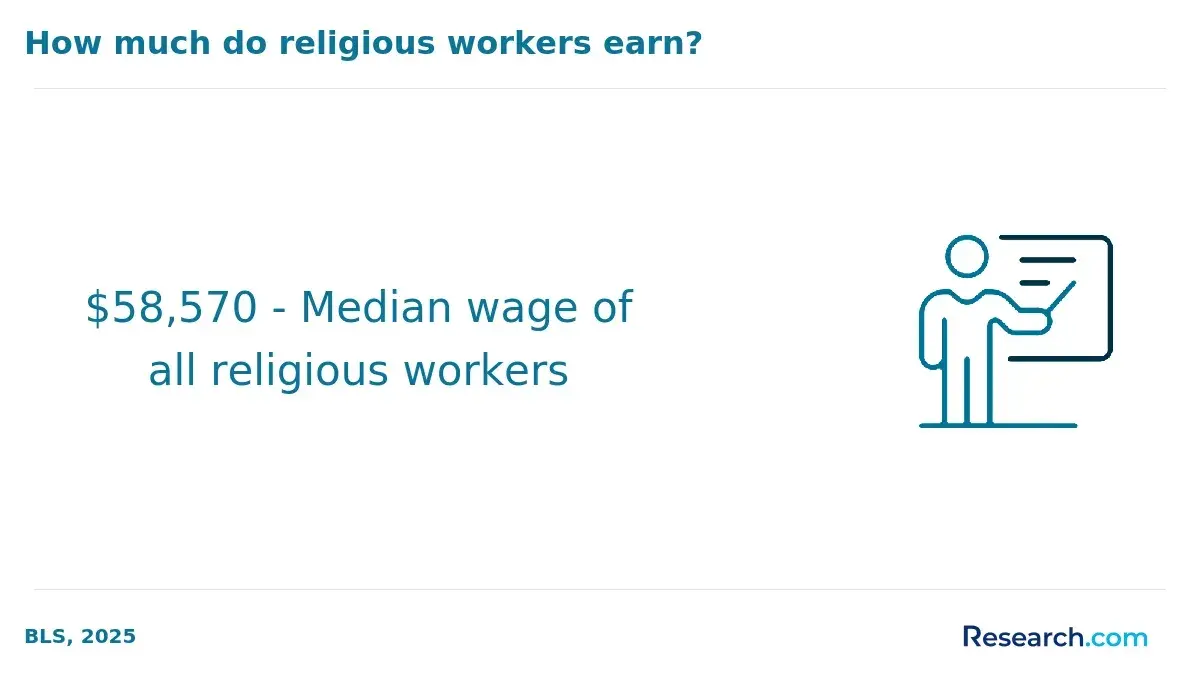
A bachelor’s degree in theology is typically a 120-credit undergraduate program that can be completed in about four years. Students study Scripture, doctrine, church history, ethics, pastoral leadership, and religious traditions while also building practical skills in communication, interpretation, counseling, leadership, and community service. According to the U.S. Bureau of Labor Statistics (BLS), employment for this degree reached 4089,400 jobs, and the median annual wage was $58,570. Graduates may pursue roles such as pastor, minister, chaplain, nonprofit leader, religious educator, ministry coordinator, or continue into graduate study.
This guide explains how online theology degrees work, how they compare with campus-based programs, what they cost, what admissions requirements to expect, and how to judge whether a program is credible. It also covers career options, ministry trends, financial aid, internships, accreditation, and practical questions to ask before enrolling. If you are comparing the best online degrees, use this article to decide whether theology is the right academic and vocational path for you.
Online Bachelor’s Degree in Theology Table of Contents
- Can you complete a theology degree fully online?
- Do employers respect online theology degrees?
- Are online theology degrees recognized internationally?
- Online vs. campus theology degrees: what changes?
- How much does an online bachelor’s degree in theology cost?
- What are the requirements for an online theology bachelor’s degree?
- Common courses in an online bachelor’s degree in theology
- How to choose an online theology program
- How can an online bachelor’s degree in theology prepare you for modern ministry roles?
- How do online theology programs incorporate practical experience or internships?
- Leveraging interdisciplinary pathways in theology and business
- Exploring career pathways beyond ministry
- Can interdisciplinary studies complement your theology degree?
- Can a doctoral degree amplify your leadership in theology and academia?
- How can advanced studies enhance your career outcomes?
- Can an online theology degree facilitate diverse career transitions?
- What financial support options are available for online theology students?
- What factors should I consider when evaluating an online theology program?
- How do online theology programs support mentorship and professional networking?
Quick Answer: Is an Online Bachelor’s Degree in Theology a Good Option?
An online bachelor’s degree in theology can be a strong choice if you want flexible theological training from an accredited institution and plan to use the degree in ministry, church leadership, religious education, nonprofit work, chaplaincy preparation, or graduate study. The degree is most valuable when the school is properly accredited, the curriculum matches your faith tradition or academic goals, and the program includes practical ministry experience, advising, and career support.
It may not be the best fit if you need extensive in-person formation, a denomination-specific ordination path that requires campus residency, or a program that directly satisfies licensure or credentialing rules in your state or religious body. Before enrolling, confirm accreditation, transfer credit policies, total cost, internship requirements, and whether the program aligns with your intended ministry or career path.
Can you get a degree completely online?
Yes. Many institutions now offer theology bachelor’s degrees that can be completed online, although some programs may still require supervised fieldwork, ministry practicums, intensives, chapel participation, or local church involvement. In 2025, the U.S. had a total of 729 Association of Theological Schools-accredited schools offering master's and doctoral degrees in theology, and many of these institutions provide remote learning options.
Online and hybrid study are especially relevant for adult learners, working students, parents, active ministry workers, and students who do not live near a theological college. A survey by Education Dynamics found that traditional-aged undergraduate students generally preferred campus-based programs, while non-traditional undergraduate and graduate students continued to prefer online or hybrid formats.
Will employers take my online degree seriously?
Employers are more familiar with online education than they were before the large-scale expansion of remote instruction. Today, 55% of global employers value graduates of online and on-campus programs equally (GMAC, 2025). For theology graduates, the more important questions are usually whether the institution is accredited, whether the program has a clear academic and ministry focus, and whether the student gained relevant experience through service, internships, leadership, or church-based work.
In ministry and faith-based organizations, an online degree may be viewed positively when it demonstrates discipline, digital communication ability, and the capacity to serve in hybrid or remote environments. However, some denominations, seminaries, schools, or chaplaincy pathways may have their own requirements. Always verify those rules before choosing a program.
Are online degrees recognized all over the world?
Recognition depends on the institution, accreditation, country, employer, denomination, and intended use of the degree. An online bachelor’s degree in theology from a reputable and accredited school is more likely to be accepted by employers, graduate schools, and ministry organizations than a degree from an unaccredited provider.
If you plan to work internationally, continue to graduate school abroad, or serve in a denomination with global credentialing standards, ask the school how its degree is evaluated outside the United States. Accreditation matters, but international recognition is not automatic.
Online vs. Traditional Bachelor’s Degrees in Theology
Both online and campus-based theology programs study religious texts, doctrine, church history, ministry practice, ethics, and theological interpretation. The difference is not usually the subject matter. The bigger differences are scheduling, interaction style, community experience, fieldwork structure, and how students build relationships with faculty and peers.
| Factor | Online Bachelor’s in Theology | Campus-Based Bachelor’s in Theology |
| Best for | Working adults, ministry volunteers, parents, military students, and students who need location flexibility | Students who want daily campus life, in-person chapel, face-to-face mentoring, and residential community |
| Schedule | May use asynchronous courses, synchronous meetings, or hybrid formats | Usually follows a fixed weekly class schedule during standard academic terms |
| Community | Built through online discussions, video meetings, virtual chapel, cohorts, and local ministry placements | Built through classroom interaction, campus worship, student ministries, and residential activities |
| Practical experience | Often completed through a student’s local church, nonprofit, or ministry site | Often arranged through campus partners, local congregations, or supervised ministry programs |
| Flexibility | Generally higher, especially when courses use asynchronous learning | Usually lower because attendance and activities occur at set times and locations |
| Potential trade-off | Students must be proactive about mentorship, networking, and spiritual formation | Students may pay more for housing, transportation, meals, and campus-related expenses |
Schedule and pacing
Traditional programs often admit students in spring, summer, or fall terms and require attendance at scheduled class sessions. Online programs may follow the same academic calendar, but some offer more frequent start dates or year-round admissions. In asynchronous programs, students review lectures, readings, and assignments on their own schedule, although deadlines still apply. Synchronous courses require students to log in at specific times for live class meetings.
Most bachelor’s programs in theology require at least 120 credit hours and can take four years of full-time study. Part-time enrollment is common for working adults. Some schools also offer accelerated bachelor’s-to-master’s options that allow eligible students to complete graduate-level coursework while finishing the undergraduate degree.
Learning experience
On-campus students usually learn through lectures, seminars, chapel, peer discussion, ministry groups, and supervised experiences. Online students use learning platforms, digital libraries, recorded lectures, discussion boards, video meetings, collaborative documents, and local field placements. The strongest online programs do not simply upload lectures; they create structured interaction with faculty, classmates, advisors, and ministry supervisors.
Adams et al. (2018), in “Transforming higher education with blended learning: experiences from a BA program in theology targeting part-time students,” found that part-time theology students need strong support during online phases and that motivation improves when faculty use varied forms of e-teaching. The study also emphasized student satisfaction, engagement, retention, and instructor support in virtual learning environments.
Teaching methods
Campus theology courses may use lectures, recitation, storytelling, discussion, student presentations, and demonstrations. Online courses can use many of the same methods through video lectures, discussion threads, podcasts, live sessions, group projects, peer review, instant messaging, and case-based assignments. Strong online teaching is intentional: it gives students meaningful interaction, feedback, and guided theological reflection rather than leaving them to study alone.
Is an online degree cheaper?
An online theology degree can cost less than a campus program, but that is not guaranteed. Tuition, fees, technology costs, transfer credits, textbooks, residency requirements, and financial aid all affect the final price. Online students may save money on housing, commuting, and campus meal plans, while still paying technology fees or course materials.
Is an online degree as good as a regular degree?
An accredited online theology degree from a reputable school can offer academic quality comparable to a campus-based program. The key is not the delivery format alone; it is accreditation, faculty expertise, curriculum design, student support, and practical experience. Education Dynamics reported that 11% of traditional undergraduate students would not apply to a school if it did not offer their preferred modality or learning format. The share was higher for nontraditional undergraduate students (22%) and graduate students (23%) (Education Dynamics, 2026).
How much does an online bachelor’s degree in theology cost?
Among the most affordable schools offering an online bachelor’s degree in theology, the average per-credit rate is $460 per credit hour. The average tuition for this degree is $26,300. Annual tuition can be as low as $7,860 or as high as $17,980.
Affordable campus-based bachelor’s programs in Christian ministry, Biblical studies, and theology cost $28,300. That figure covers tuition only and does not include housing, meals, transportation, books, technology, or other living expenses.
| Cost factor | Why it matters | What to ask before enrolling |
| Tuition rate | Schools may charge by credit, semester, or program | Is the posted tuition the full program cost or only the per-credit rate? |
| Fees | Online programs may include technology, graduation, library, or student service fees | What mandatory fees are charged each term? |
| Transfer credits | Accepted credits can reduce time and total tuition | How many previous credits can I transfer into the program? |
| Books and course materials | Theology courses may require commentaries, primary texts, language tools, or digital resources | Are materials included, rented, open-access, or purchased separately? |
| Residency or fieldwork | Some programs require travel, local supervision, or unpaid ministry hours | Will I need to travel or complete supervised hours at an approved site? |
| Financial aid | Federal aid, institutional aid, military benefits, and discounts may lower net cost | What is the estimated net price after grants, scholarships, and discounts? |
Several factors influence college fees and the final cost of an online theology degree:
- Federal financial aid. Undergraduate students may qualify for federal aid such as the Pell Grant, Direct Subsidized Loans, Direct Unsubsidized Loans, and Federal Work-Study. Direct Subsidized Loans and Direct Unsubsidized Loans range from $5,500 to $12,500 per year, depending on eligibility and status.
- Military tuition assistance. Eligible members of the Army, Marines, Navy, Air Force, Coast Guard, National Guard, and most Ready Reserves may use Armed Forces Tuition Assistance (TA) Programs. Qualified service members can use TA to cover up to 100% of tuition expenses for semester hours that cost $250 or less.
- Institutional and faith-based discounts. Some Christian colleges reduce tuition for students from ministry families. For example, the University of Northwestern St. Paul gives a $1,500 Christian worker discount to eligible students with a parent employed as a pastor or missionary.
Is an online bachelor’s degree in theology worth it?
An online theology degree can be worth it when it supports a clear goal: ministry preparation, church leadership, religious education, nonprofit service, chaplaincy preparation, graduate study, or personal theological development. It is less likely to provide strong value if the school is unaccredited, the curriculum does not align with your denomination or career plan, or you borrow heavily without a realistic repayment strategy.
The degree can also serve as a foundation for graduate programs in related areas, including a Master’s Degree in Psychology or a Master’s Degree in History. Students who plan to serve in digital or hybrid ministry settings may also benefit from online learning because they gain experience with the tools and habits used in virtual communication. For example, ministry leaders increasingly need to understand how to build online worship, discipleship, and community structures, including approaches to creating a structure for a digital church. Pew Research Center reported in 2025 that 23% of Americans attend religious services virtually at least monthly.
What are the requirements of an online bachelor’s degree in theology?
Admission requirements vary by school, but applicants commonly submit transcripts, standardized test scores if required, a church endorsement, a pastor’s recommendation, essays, or a statement of faith. Online students also need reliable technology, consistent internet access, and the discipline to manage readings, discussions, assignments, and ministry projects without daily campus structure.
Typical admission requirements
- Official transcripts. Applicants usually submit high school transcripts or a Graduate Equivalency Degree or General Educational Diploma. Transfer students must also provide transcripts from previously attended colleges.
- Standardized test scores. Some schools request ACT, CLT, or SAT scores, while others have test-optional policies. If scores are required, check whether the program sets minimum admission thresholds.
- Church endorsement. Faith-based institutions may ask a church leader to confirm the applicant’s readiness for theological study, spiritual maturity, and potential for ministry or service.
- Pastor’s recommendation. Some programs request a recommendation from a pastor or ministry leader describing the applicant’s character, service experience, and preparation for theological education.
Skills students are expected to build
- Leadership. Theology students often prepare for roles that require guiding congregations, teams, volunteers, or nonprofit programs. Leadership training helps students connect religious mission with practical decision-making and community needs.
- Reading comprehension. Theology involves careful interpretation of Scripture, historical documents, theological arguments, and religious writings. Students learn to read texts in context and evaluate meaning with care.
- Oral communication. Ministry, teaching, and religious leadership require clear speech. Students learn to prepare sermons, lessons, presentations, and pastoral conversations. Those preparing for preaching can also explore guidance on how to effectively preach Bible teachings.
- Written communication. Theology students write papers, exegetical studies, reflections, and ministry plans. Strong writing helps graduates communicate doctrine, interpret texts, and present arguments clearly.
- Listening and pastoral care. Students who plan to serve as pastors, ministers, or chaplains need active listening skills, cultural awareness, empathy, and the ability to support people through difficult situations.
What are the technological requirements of students for online learning?
Most online theology programs deliver coursework through a learning management system (LMS). Students generally need a dependable laptop or desktop computer, updated browser, webcam, microphone, word processing software, internet access, and sometimes a mobile device or tablet. Requirements can vary by LMS and course design, so applicants should ask the admissions office or program coordinator for exact technology specifications before enrolling.
Courses to Expect in Online Bachelor’s Degree in Theology
Curricula differ by institution, denomination, and academic emphasis, but most online theology bachelor’s programs combine biblical studies, doctrine, history, practical ministry, ethics, and general education. Common courses include:
- World Religions. Students examine major religious traditions such as Judaism, Christianity, and Islam, including beliefs, practices, historical development, worship, values, and relationships among traditions.
- Biblical Theology. This course develops students’ ability to interpret biblical texts, understand major doctrines, and connect Scripture to ministry, teaching, and spiritual formation.
- Church History. Students study the development of Christianity, major movements, doctrinal debates, church structures, and the role of the church in society across different eras.
- Pastoral Ministry. This course introduces the practical responsibilities of ministry, including preaching, discipleship, care, administration, leadership, and the theological foundations of pastoral work.
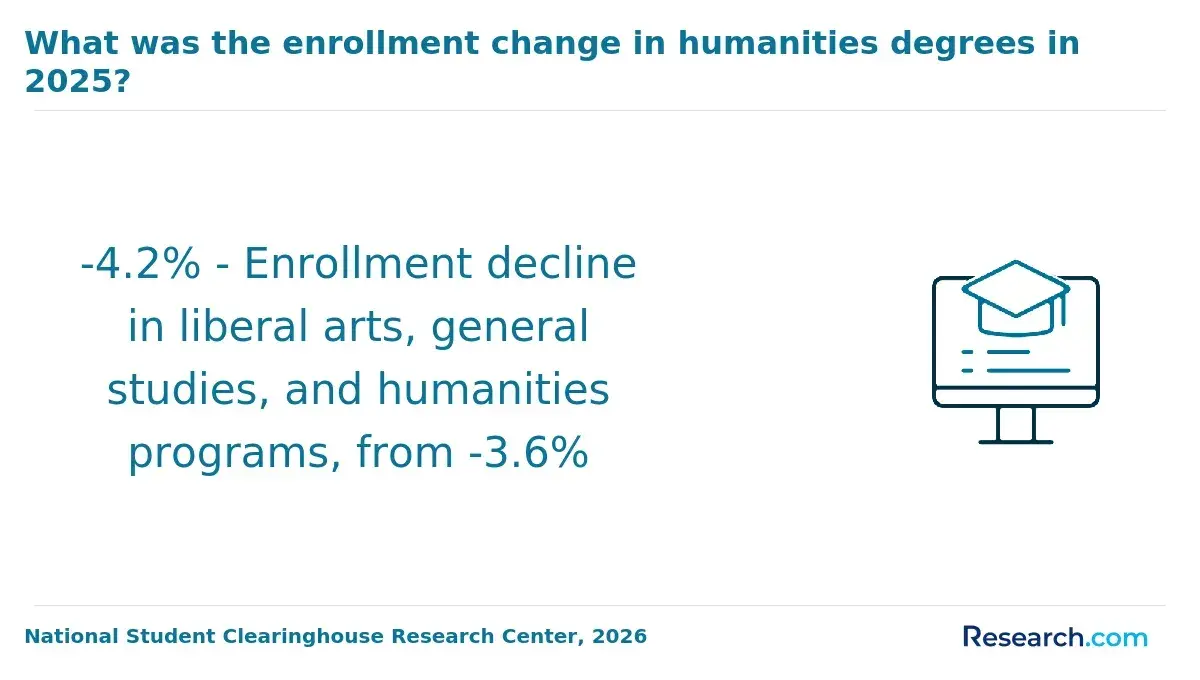
- Christian Apologetics. Students learn how Christians have historically defended and explained the faith through philosophical, historical, scientific, and theological reasoning. The topic is especially relevant as 24% of Americans said that they do not have a religious preference (Gallup, 2025).
Things to Look for in an Online Bachelor’s Degree in Theology
The best online theology program for you is not automatically the cheapest, fastest, or most well-known. It is the program that matches your theological tradition, academic goals, ministry pathway, learning style, budget, and need for support. Use the following criteria when comparing schools.
Accreditation
Accreditation is one of the most important checks. National accreditation is often associated with specialized, vocational, religious, or distance education institutions. Examples include the Association for Biblical Higher Education and the Distance Education Accrediting Commission (DEAC).
The Commission of Accrediting of the Association of Theological Schools accredits theological schools in the U.S. and Canada. In 2025, there were a total of 729 ATS-accredited schools in the U.S., with 214 offering MDiv programs, 220 offering MA in theology, 75 providing Master of Theology (ThM) and Master of Sacred Theology (STM) programs, 152 offering Doctor of Ministry (DMin), and 68 offering PhD or Doctor of Theology (ThD) programs.
Regional accreditation is also important because it is widely used to evaluate academic quality and can make credit transfer and graduate school admission easier. Examples include the Higher Learning Commission, the Middle States Commission on Higher Education, and the Northwest Commission on Colleges and Universities.
Recognition of earned credits
Transfer credits can reduce both time to completion and total tuition. Some schools accept early college credits earned in high school. Others may grant credit for prior learning or life experience, up to a set limit. Ask how many credits can transfer, whether theology courses from another institution will count toward major requirements, and how many credits must be completed at the school awarding the degree.
Support services
Online theology students should receive more than access to course files. Look for online library services, academic advising, financial aid support, technology help, writing assistance, career coaching, spiritual formation opportunities, chapel access, and ministry mentoring. Students in online programs can feel isolated if the school does not create regular points of connection.
| Question to ask | Why it matters |
| Is the school accredited by a recognized accreditor? | Accreditation affects credibility, transfer options, aid eligibility, and graduate school pathways. |
| Does the curriculum align with my denomination or ministry goals? | Theology programs can differ significantly in doctrine, tradition, and practical ministry expectations. |
| Are internships or practicums required? | Practical experience can strengthen ministry readiness and employment prospects. |
| What is the total cost after fees and aid? | Tuition alone does not show the full financial commitment. |
| Can I study part time or accelerate? | Flexible pacing matters for students with work, family, or ministry obligations. |
| What support is available online? | Advising, mentoring, library access, and technical support can affect completion. |
How can an online bachelor’s degree in theology prepare you for modern ministry roles?
Ministry now often happens across physical and digital spaces. Churches, nonprofits, schools, and faith-based organizations need leaders who can teach, counsel, communicate, organize volunteers, and serve communities in person and online. An online theology degree can help students build those skills when the program intentionally connects theology with contemporary ministry practice.
- Digital communication. Students use video conferencing, discussion boards, online presentations, and collaborative tools, which can translate into livestream teaching, virtual small groups, online discipleship, and digital outreach.
- Remote worship and pastoral care. Online learning can prepare students to communicate ethically and compassionately in virtual settings, including online prayer meetings, Bible studies, counseling conversations, and pastoral check-ins.
- Hybrid ministry leadership. Many congregations combine in-person and virtual services. Students who understand both formats can help design worship, teaching, and community engagement that reaches different audiences.
- Global and interfaith awareness. Online programs may connect students with classmates and instructors from different regions, traditions, and cultural contexts, helping them serve more diverse communities.
- Community outreach and social engagement. Theology programs often develop ethical reasoning, service leadership, and community engagement skills useful in mental health support initiatives, outreach programs, justice work, and nonprofit leadership.
How do online theology programs incorporate practical experience or internships?
Strong online theology programs do not treat ministry practice as optional. Many accredited online colleges use internships, field education, supervised ministry, service projects, and mentoring to connect coursework with real-life leadership.
- Local field placements. Students may complete ministry hours at a church, nonprofit, school, hospital, campus ministry, or community organization near where they live.
- Church and community service. Some programs allow approved volunteer work or ministry involvement to satisfy practical learning requirements.
- Supervised ministry and mentorship. Faculty members, pastors, chaplains, or ministry leaders may guide students through reflection, leadership development, preaching practice, or pastoral care scenarios.
- Case studies and simulations. Online courses may use realistic ministry problems, counseling scenarios, ethical dilemmas, and leadership exercises to help students practice decision-making.
Is an Online Theology Degree Right for You?
An online theology degree can be a good match if you want serious religious study but cannot attend a residential program. It is especially practical for students already serving in a congregation, working full time, caring for family, or living far from a theological college. It can also help students develop the digital habits needed for modern ministry and online community leadership.
It may not be ideal if you learn best through daily face-to-face discussion, want a highly immersive residential spiritual formation experience, or need a program approved by a specific ordaining body that does not accept fully online coursework. Students considering a broader theology degree should compare online, hybrid, and campus options before committing.
| Choose an online theology degree if... | Consider another format if... |
| You need flexibility because of work, family, ministry, or location | You want daily in-person chapel, campus community, and residential formation |
| You are comfortable learning through digital platforms | You struggle to stay organized without scheduled classroom meetings |
| You can complete fieldwork locally | Your denomination requires specific campus-based coursework or residency |
| You want to serve in digital, hybrid, or community-based ministry | You need extensive in-person mentoring that the online program does not provide |
Common Mistakes to Avoid When Choosing an Online Theology Program
- Ignoring accreditation. A low-cost program can become expensive if credits do not transfer or employers and graduate schools do not recognize the degree.
- Looking only at tuition. Fees, books, technology, travel, and lost transfer credits can change the real price.
- Assuming every program fits every denomination. Theology programs differ in doctrine, worship tradition, ordination preparation, and ministry philosophy.
- Skipping the fieldwork details. Ask whether internships are required, how sites are approved, and who supervises the experience.
- Overlooking student support. Online students need advising, mentoring, library access, writing help, and technical support to stay on track.
- Assuming salary outcomes are guaranteed. Theology careers vary widely by role, denomination, location, employer, and graduate education.
- Choosing speed over fit. Accelerated programs can be useful, but compressed coursework is demanding and may not suit every learner.
Leveraging Interdisciplinary Pathways in Theology and Business
Theology graduates often serve in settings that require more than biblical knowledge. Churches, ministries, schools, and nonprofits also need budgeting, fundraising, operations, staff management, strategic planning, communication, and governance. For students who expect to lead organizations, business training can strengthen the practical side of ministry leadership.
Some students begin with theology and later pursue graduate business education. Others combine ministry work with management responsibilities and may explore options such as the quickest online MBA programs. Business training can be useful for leaders managing church operations, nonprofit programs, outreach initiatives, or faith-based organizations.
The value of this interdisciplinary path depends on your goals. If you expect to preach, teach, counsel, and lead volunteers, theology remains central. If you also expect to supervise staff, manage budgets, or build sustainable programs, business knowledge can make your ministry more effective.
Exploring Career Pathways Beyond Ministry
Many students enter theology programs with pastoral ministry in mind, but the degree can also support work in education, nonprofit leadership, chaplaincy preparation, communications, publishing, advocacy, missions, community outreach, and faith-based administration. The transferable skills include interpretation, writing, public speaking, ethical reasoning, leadership, and cultural understanding.
Students interested in education may use theology training to teach religious studies in private schools, develop curriculum, or support faith-based academic programs. Those drawn to community service may work with nonprofits, advocacy groups, ministries, or organizations serving vulnerable populations. Graduates with strong writing and digital communication skills may create religious content, manage online communities, edit faith-based publications, or support church communications.
Some students start with a lower-cost credential before transferring into a bachelor’s program. For a cost-conscious pathway, an associate degree may be worth comparing with the cheapest online AA degree options before committing to a full bachelor’s program.
What are the benefits of an accelerated online theology degree?
An accelerated online theology program may help motivated students finish faster by using shorter terms, condensed courses, transfer credits, or year-round enrollment. This format can be helpful for adults who already have ministry experience, prior college credits, or a clear plan for graduate school or career advancement. Students comparing fast completion routes can review an accelerated bachelor's degree track to understand how condensed online study works.
The trade-off is workload. Accelerated programs move quickly and may require heavy reading, writing, discussion, and ministry reflection each week. Students should confirm whether the faster schedule still includes meaningful faculty interaction, practical experience, and theological depth.
Can interdisciplinary studies complement your theology degree?
Yes. Interdisciplinary study can expand what you can do with theology. Library science, digital humanities, psychology, education, business, communication, and nonprofit management can all strengthen different career pathways. For example, students interested in archives, research collections, theological libraries, or digital religious resources may compare options such as the cheapest online MLIS degree after completing undergraduate study.
Can a doctoral degree amplify your leadership in theology and academia?
A doctoral degree can deepen research ability, teaching preparation, and leadership capacity for students who want to work in higher education, advanced ministry leadership, scholarship, or institutional administration. Doctoral study is a major commitment, so it should be tied to a clear professional goal. Students interested in academic leadership can compare online PhD programs in higher education with theology-specific doctoral routes before deciding.
How can advanced studies enhance your career outcomes?
Graduate and professional study can help theology graduates specialize. Depending on the role, advanced education may support chaplaincy, counseling-adjacent work, education, nonprofit leadership, pastoral leadership, research, or organizational development. Students who want to broaden their skill set can also explore adjacent fields. For example, Research.com’s guide, What can you do with a masters in behavior analysis?, explains another graduate pathway focused on behavior, intervention, and applied support roles.
Can an online theology degree facilitate diverse career transitions?
An online theology degree can support career transitions because it develops communication, ethics, interpretation, leadership, and cultural understanding. These skills can apply to teaching, community outreach, nonprofit work, ministry administration, publishing, and faith-based communications. Students who want to move toward teaching may consider complementary credentials such as the fastest alternative teaching certification, depending on state and employer requirements.
What financial support options are available for online theology students?
Online theology students may reduce costs through federal aid, institutional scholarships, church or denominational scholarships, military benefits, employer tuition assistance, payment plans, and transfer credits. Start by completing required financial aid steps, then ask the school about theology-specific scholarships, ministry discounts, and grants for online students.
Students planning long-term academic advancement should also consider how each degree fits financially with future graduate study. For example, those comparing doctoral education may research options such as cheap online EdD programs, but only after confirming that doctoral study supports a realistic leadership, teaching, or administrative goal.
What factors should I consider when evaluating an online theology program?
Evaluate an online theology program by looking at accreditation, theological fit, faculty credentials, curriculum, course delivery, fieldwork, student support, cost, transfer policy, graduation requirements, and career or ministry outcomes. Do not rely only on rankings or marketing language. Ask for the program handbook, degree plan, sample course sequence, internship requirements, and total cost estimate.
If your long-term goal includes organizational leadership, higher education, or executive administration, you may also compare doctoral leadership options such as a cheap doctorate degree online. However, advanced credentials should complement—not replace—a strong undergraduate foundation.
How do online theology programs support mentorship and professional networking?
Quality online theology programs create structured relationships rather than leaving students disconnected. Mentorship may come through faculty advising, pastoral supervision, cohort discussions, virtual office hours, alumni groups, ministry partnerships, research projects, and online events. These connections can help students clarify calling, prepare for leadership, find field placements, and learn from experienced practitioners.
Some students continue into educational leadership, ministry administration, or faith-based institutional roles and may later explore programs such as cheap online educational leadership programs. The strongest networking begins earlier, through consistent participation in class discussions, local service, faculty conversations, and professional ministry communities.
Practical Steps Before You Enroll
- Define your goal. Decide whether you want ministry preparation, personal theological study, graduate school preparation, nonprofit leadership, education, or career transition.
- Check accreditation first. Confirm the school’s accreditation status and whether the accreditor is recognized by the appropriate authorities.
- Ask about denominational alignment. If ordination or church credentialing matters, confirm that the program meets your tradition’s expectations.
- Calculate the full cost. Include tuition, fees, books, technology, residency travel, fieldwork expenses, and expected aid.
- Review transfer policies. Send unofficial transcripts early and ask for a written estimate of accepted credits.
- Evaluate online support. Look for advising, library access, writing help, technology support, chapel, mentoring, and career services.
- Confirm field experience requirements. Ask where you can complete internships, who approves sites, and how supervision works.
- Talk to current students or alumni. Ask about workload, faculty responsiveness, community, and whether the program delivered what it promised.
Key Insights
- An online bachelor’s degree in theology can be credible and useful when it is accredited. Accreditation, curriculum quality, faculty support, and practical ministry experience matter more than whether the classes are online or on campus.
- The degree usually requires about 120 credits and can take four years. Part-time and accelerated options exist, but faster programs require strong time management.
- Cost varies, and tuition is only part of the total price. The average tuition for this degree is $26,300, with annual tuition ranging from $7,860 to $17,980 among the schools described above. Fees, materials, transfer credits, and aid can significantly change the net cost.
- Online study fits students who need flexibility. It is especially practical for working adults, ministry volunteers, parents, military students, and students who cannot relocate.
- Ministry preparation increasingly includes digital skills. Online theology students can gain experience with virtual communication, remote worship, online discipleship, and hybrid ministry models.
- Career paths extend beyond the pulpit. Graduates may pursue ministry, chaplaincy preparation, nonprofit work, education, communications, missions, publishing, or further study.
- Do not enroll without asking hard questions. Confirm accreditation, doctrinal fit, internship requirements, transfer credits, total cost, support services, and whether the degree supports your intended career or ministry pathway.
References:
- Adams, S., Scheer, L., and Kopp, M. (2018). Transforming Higher Education with Blended Learning: Experiences from a BA Program in Theology Targeting Part-Time Students. Conference Proceedings: The Online, Open and Flexible Higher Education Conference. https://findresearcher.sdu.dk:8443/ws/files/144982567/Proceedings_OOFHEC2018.pdf#page=303
- Association of Theological Schools. (2025). 2025 - 2026 Annual Data Tables. https://www.ats.edu/files/galleries/2025-26-annual-data-tables.pdf
- Education Dynamics. (2026). Modern Learner 2.0 The New Enrollment Model. https://insights.educationdynamics.com/rs/183-YME-928/images/EDDY-Modern-Learner-Report-2026.pdf
- Federal Student Aid. (n.d.). Federal Pell Grant program. https://studentaid.gov/help-center/answers/article/federal-pell-grant-program
- Federal Student Aid. (n.d.). Federal student loans for college or career school are an investment in your future. https://studentaid.gov/understand-aid/types/loans
- Federal Student Aid. (n.d.). Federal Work-Study jobs help students earn money to pay for college or career school. https://studentaid.gov/understand-aid/types/work-study
- Gallup. (2025). What is your religious preference — are you Protestant, Roman Catholic, Mormon, Jewish, Muslim, another religion or no religion? Religion charts. https://news.gallup.com/poll/1690/religion.aspx
- Ma, J., Pender, M., & Hu, X. (2025). Trends in College Pricing and Student Aid 2025. College Board. https://research.collegeboard.org/media/pdf/Trends-in-College-Pricing-and-Student-Aid-2025-final_1.pdf
- National Student Clearinghouse Research Center. (2026, January 15). Final Fall Enrollment Trends. https://nscresearchcenter.org/final-fall-enrollment-trends
- Resume Genius. (2025). 2025 Gen Z Career Prospects Report: What They Really Think About Their Future. https://resumegenius.com/blog/career-advice/gen-z-career-prospects
- Smith, G. A., Cooperman, A., Alper, B. A., Mohamed, B., Rotolo, C., Tevington, P., Nortey, J., Kallo, A., Diamant, J., & Fahmy, D. (2025, February 26). Decline of Christianity in the U.S. Has Slowed, May Have Leveled Off. Pew Research Center. https://www.pewresearch.org/religion/2025/02/26/decline-of-christianity-in-the-us-has-slowed-may-have-leveled-off
- U.S. Bureau of Labor Statistics. (2025, August 28). Occupational projections, 2024–2034, and worker characteristics. Retrieved March 2026, from https://www.bls.gov/emp/tables/occupational-projections-and-characteristics.htm
- Additional source links preserved from the original article: apologetics and evangelism resource; BLS theology field-of-degree resource; teaching methods resource; online learning statistics resource; church membership resource; online learning and work resource; military tuition assistance resource; listening in ministry resource; ATS annual data tables archive; ATS about page; UNESCO school closure resource.
Other Things You Should Know About Online Bachelor’s Degrees in Theology Programs
Yes. A reputable online theology bachelor’s program should hold institutional accreditation from a U.S. Department of Education–recognized accreditor, such as one recognized by CHEA. For faith-based programs, denominational or programmatic approval may also matter for transferability and graduate school admission.
Students in top online theology programs in 2027 can explore various financial aid options, including federal student aid, scholarships from religious or educational organizations, and need-based grants from universities. It's crucial to check specific programs for available aid packages and apply early to maximize financial assistance.


