
2027 Fastest Online Theology Degree Programs

Co-Founder and Chief Data Scientist
Earning a theology degree is a meaningful step for those called to ministry, counseling, or faith-based leadership, but traditional programs can take years and demand rigid schedules. For busy adults, working professionals, or career changers, this time commitment can be a barrier. That is where the fastest online theology degree programs come in, designed to deliver quality education at an accelerated pace with the flexibility to fit your life.
In this article, you will discover how these programs work, what they cost, what you can expect in terms of curriculum and career paths, and how to choose the best one for your goals. Whether you're seeking personal growth or professional ministry training, this guide will help you make an informed decision.
What are the benefits of getting the fastest online theology degree program?
- Opens Doors to Faith-Based Careers: An accelerated theology degree can prepare you for roles such as pastor, chaplain, missionary, religious educator, or nonprofit leader in faith-centered organizations.
- Competitive Earning Potential: According to the U.S. Bureau of Labor Statistics, clergy earn a median annual salary of around $57,230, with higher salaries possible in leadership or counseling roles.
- Flexible and Accessible Learning: Earning your theology degree online lets you study from anywhere, balance work or ministry responsibilities, and complete your education faster than traditional on-campus programs.
What can I expect from the fastest online theology degree program?
A theology degree focuses on the academic study of religion, faith, and spiritual beliefs, often rooted in Christian traditions but also exploring a range of world religions and philosophical thought. Students learn to analyze sacred texts, understand historical and cultural contexts of faith, and engage with ethical and moral questions. The degree often combines biblical studies, church history, systematic theology, and practical ministry training.
Whether at the undergraduate or graduate level, theology programs aim to deepen students’ spiritual understanding and prepare them for roles in ministry, counseling, education, or nonprofit work. Many programs also offer specializations such as pastoral care, religious education, or interfaith dialogue. With online and accelerated formats now widely available, earning a theology degree has become more accessible to working adults and those seeking to enter ministry or expand their theological knowledge in a flexible, timely way.
Where can I work with the fastest online theology degree program?
Graduates with a theology degree often find meaningful careers in a variety of settings where spiritual insight, ethical leadership, and strong communication skills are valued. Many work directly in faith-based roles such as pastors, ministers, youth leaders, chaplains, or missionaries within churches, religious organizations, or denominational institutions. Others take on teaching roles in private religious schools or theological seminaries. Those with a passion for service and outreach may work with nonprofit organizations that focus on humanitarian aid, community development, or faith-based counseling.
In addition to traditional ministry paths, theology graduates can also work in more diverse sectors that value critical thinking and ethical grounding. These include:
- Hospitals and healthcare facilities (as chaplains or spiritual care advisors)
- Correctional facilities (as prison chaplains or counselors)
- Social service agencies (offering faith-based support or leadership)
- Publishing and media (creating content for religious publications or networks)
- Academic institutions (engaging in research or teaching in religious studies)
How much can I make with the fastest online theology degree program?
Graduates holding an accelerated theology degree commonly enter roles that blend spiritual leadership with service and care. Many become clergy, serving as pastors, ministers, or spiritual leaders in churches and denominations. According to national data, the median annual salary for clergy is approximately $55,550, with the top 10% earning up to about $93,530. Those working as healthcare chaplains earn an average of $68,226 per year, roughly $33 per hour, with senior professionals reaching over $71,500 annually.
Beyond traditional ministry, theology graduates may work in roles such as religious educators, mission coordinators, nonprofit administrators, or authors/content creators, where earnings vary by sector and experience. For instance, theology professors earn an average around $75,900 per year, while lay counselors may see $40,000–$70,000 depending on credentials and location. Though income can vary widely, these careers often offer lasting personal and vocational fulfillment grounded in faith-driven service.
- Fastest Online Theology Degree Programs for 2027 List of Programs
- How long does it take to complete the fastest online theology degree program? Completion Time
- How does the fastest online theology degree program compare to an on-campus program? How does the fastest online theology degree program compare to an on-campus program?
- What is the average cost of the fastest online theology degree program? Program Cost
- What are the financial aid options for students enrolling in the fastest online theology degree program? Financial Aid
- What are the prerequisites for enrolling in the fastest online theology degree program? Program Requirements
- What courses are typically in the fastest online theology degree program? What courses are typically in the fastest online theology degree program?
- What types of specializations are available in the fastest online theology degree programs? What types of specializations are available in the fastest online theology degree programs?
- How to choose the best and fastest online theology degree program? How to choose the best and fastest online theology degree program?
- Is an Accelerated Online Theology Degree Worth the Investment? Is an Accelerated Online Theology Degree Worth the Investment?
- What career paths are available for graduates of the fastest online theology degree programs? Career Paths
- Can supplemental certifications enhance the value of your online theology degree? Can supplemental certifications enhance the value of your online theology degree?
- What is the job market for graduates with the fastest online theology degree program? Career Outlook
- Can interdisciplinary studies boost the value of an accelerated online theology degree? Can interdisciplinary studies boost the value of an accelerated online theology degree?
Fastest Online Theology Degree Programs for 2027
Choosing an accelerated online theology degree is a practical decision for students who want serious biblical, theological, and ministry training without spending longer than necessary in school. The right program can help adult learners, church staff, lay leaders, ministry volunteers, and future seminary students build stronger theological foundations while continuing to work, serve, and manage family responsibilities.
This guide explains which fast online theology programs stand out, how accelerated formats work, what they cost, how long they take, and how to decide whether theology is the right academic path for your ministry, career, or personal calling. It also compares online and campus-based options, reviews admissions requirements, outlines common courses and concentrations, and explains career paths after graduation. Students comparing similar faith-based programs may also want to review accelerated online Christian studies degree options.
Quick Answer: What Is the Fastest Online Theology Degree?
The fastest online theology degree depends on the degree level and how many credits a student already has. Some bachelor’s programs can be completed in as little as two or three years, especially for transfer students. Some master’s programs can be completed in 18 months, while accelerated bachelor’s-to-master’s pathways may take about five years total. The fastest option is usually not the best choice for every student; accreditation, doctrinal fit, cost, transfer policy, and career goals matter just as much as speed.
How do we rank schools?
This ranking follows a transparent methodology that weighs program structure, institutional credibility, affordability indicators, academic quality, and student-focused factors. Research.com uses information from sources such as the Integrated Postsecondary Education Data System (IPEDS), Peterson's databases including their Distance Learning Licensed Data Set, and the College Scorecard database from the National Center for Education Statistics. These sources help students compare online theology programs using consistent and verifiable information rather than marketing claims alone.
| School | Fastest Listed Timeline | Degree or Pathway | Cost per Credit | Accreditation Listed |
| DeSales University | 3 to 4 years | Bachelor of Arts in Theology | $875 | Middle States Commission on Higher Education (MSCHE) |
| Holy Apostles College and Seminary | 3 years | Bachelor of Arts in Theology | $395 per credit hour | New England Commission of Higher Education (NECHE) and the Association of Theological Schools (ATS) |
| Brescia University | 2 years | Bachelor of Arts in Theology with Pastoral Studies | $685 | Southern Association of Colleges and Schools Commission on Colleges (SACSCOC) |
| Dallas Baptist University | 7-week format | Biblical Studies and Christian Ministries | $495 to $795 per credit | Southern Association of Colleges and Schools Commission on Colleges (SACSCOC) |
| Gardner-Webb University | 5 years (bachelor’s to master’s) | Accelerated Pastoral Ministries Program | $555 | Southern Association of Colleges and Schools Commission on Colleges (SACSCOC) |
| Grace Theological Seminary | 5 years (bachelor's to master's program) | Master of Arts pathways | $300 per credit hour | Higher Learning Commission (HLC) |
| Lincoln Christian University | 18 months | Master of Arts in Theology | $466 | Higher Learning Commission (HLC) |
| Liberty University | 18 months | Master of Theology | $410 per credit hour | Commission on Accrediting of the Association of Theological Schools (ATS) |
| Regent University | 2 years | Master of Theology | $670 per credit hour | Commission on Accrediting of the Association of Theological Schools (ATS) |
| Biola University | 5 years | Accelerated master’s pathways through Talbot School of Theology | $730 | Commission on Accrediting of the Association of Theological Schools (ATS) |
1. DeSales University
DeSales University offers an online Bachelor of Arts in Theology structured for adult students who want a Catholic theological education with flexible scheduling. The program can be completed in as little as three years and emphasizes scripture, doctrine, moral theology, church history, and the Catholic Christian humanist tradition.
- Program Length: 3 to 4 years
- Tracks/concentrations: Bachelor of Arts in Theology
- Cost per Credit: $875
- Required Credits to Graduate: 120 credit hours
- Accreditation: Middle States Commission on Higher Education (MSCHE).
2. Holy Apostles College and Seminary
Holy Apostles College and Seminary provides a fully online Bachelor of Arts in Theology that can suit students seeking a Catholic liberal arts education. Its year-round online structure supports faster progress for adults, ministry workers, and students who need a flexible academic calendar.
- Program Length: 3 years
- Tracks/concentrations: Bachelor of Arts in Theology
- Cost per Credit: $395 per credit hour
- Required Credits to Graduate: 120 credit hours
- Accreditation: New England Commission of Higher Education (NECHE) and the Association of Theological Schools (ATS).
3. Brescia University
Brescia University offers an online Bachelor of Arts in Theology with an emphasis in Pastoral Studies. The degree is designed for students serving in parishes, churches, or ministry settings who want academic preparation in Catholic theology and practical pastoral work. Qualified students may be able to finish in as little as two years.
- Program Length: 2 years
- Tracks/concentrations: Pastoral Studies.
- Cost per Credit: $685
- Required Credits to Graduate: 120 credits
- Accreditation: Southern Association of Colleges and Schools Commission on Colleges (SACSCOC).
4. Dallas Baptist University
Dallas Baptist University offers online bachelor’s programs connected to theology, including Biblical Studies and Christian Ministries. The seven-week course model can help motivated students move through classes more quickly while studying Christian doctrine, scripture, ministry leadership, and practical service.
- Program Length: 7-week format
- Tracks/concentrations: Biblical Studies and Christian Ministries
- Cost per Credit: $495 to $795 per credit
- Required Credits to Graduate: 120 credits for bachelor’s
- Accreditation: Southern Association of Colleges and Schools Commission on Colleges (SACSCOC).
5. Gardner-Webb University
Gardner-Webb University offers an accelerated Pastoral Ministries pathway for students preparing for church leadership and ministry service. The program combines undergraduate discipleship studies with a Master of Divinity sequence, making it a strong fit for students who already know they want graduate-level ministry preparation.
- Program Length: 5 years (bachelor’s to master’s)
- Tracks/concentrations: Accelerated Pastoral Ministries Program
- Cost per Credit: $555
- Required Credits to Graduate: 129 semester hours for the Bachelor of Arts in Discipleship Studies, additional 69 credit hours for the Master of Divinity.
- Accreditation: Southern Association of Colleges and Schools Commission on Colleges (SACSCOC).
6. Grace Theological Seminary
Grace Theological Seminary offers an accelerated route for students who want to combine bachelor’s and master’s study in a shorter overall timeline. Students can pursue leadership-oriented graduate options online while preparing for ministry, organizational leadership, or higher education roles.
- Program Length: 5 years (bachelor's to master's program)
- Tracks/concentrations: Master of Arts in Ministry, Organizational Leadership, and Higher Education Leadership
- Cost per Credit: $300 per credit hour
- Required Credits to Graduate: 36 credit hours
- Accreditation: Higher Learning Commission (HLC).
7. Lincoln Christian University
Lincoln Christian University offers an online Master of Arts in Theology that can be completed in as little as 18 months. The self-paced structure can appeal to Christian leaders, ministry professionals, and students who want graduate theological study without relocating for seminary.
- Program Length: 18 months
- Tracks/concentrations: Master of Arts in Theology
- Cost per Credit: $466
- Required Credits to Graduate: 36 credits for the master's degree
- Accreditation: Higher Learning Commission (HLC)
8. Liberty University
Liberty University offers an online Master of Theology designed for students who have already completed a Master of Divinity or a comparable graduate theology credential. Full-time students may complete the program in 18 months, making it a fast option for doctoral preparation, advanced biblical study, or specialized ministry training.
- Program Length: 18 months.
- Tracks/concentrations: Master of Theology (Th.M.) concentrations include Biblical Studies, Christian Apologetics, Church History, Global and Intercultural Leadership, Homiletics, and Theology.
- Cost per Credit: $410 per credit hour
- Required Credits to Graduate: 24 credit hours
- Accreditation: Commission on Accrediting of the Association of Theological Schools (ATS).
9. Regent University
Regent University offers a fully online Master of Theology for students who already hold a master’s degree in divinity and want additional preparation for doctoral study or advanced theological work. The program uses flexible eight-week courses that can work well for employed students and ministry professionals.
- Program Length: 2 years
- Tracks/concentrations: Master of Theology, specializations include Biblical Studies, Christian Theology, Church History, and Practical Theology.
- Cost per Credit: $670 per credit hour
- Required Credits to Graduate: 24 credit hours
- Accreditation: Commission on Accrediting of the Association of Theological Schools (ATS)
10. Biola University (Talbot School of Theology)
Biola University, through Talbot School of Theology, offers accelerated master’s pathways for undergraduates in the B.A. in Bible, Theology, and Ministry program. Students can begin graduate-level coursework during the senior year and complete the remaining requirements in one additional year, creating a five-year bachelor’s-to-master’s route.
- Program Length: 5 years
- Tracks/concentrations: The accelerated master's pathways include M.A. in Bible Exposition, M.A. in Theology, M.A. in Christian Ministry and Leadership, M.A. in New Testament, M.A. in Old Testament, and Master of Divinity (M.Div.).
- Cost per Credit: $730
- Required Credits to Graduate: 49 credit hours
- Accreditation: Commission on Accrediting of the Association of Theological Schools (ATS).
How Long Does It Take to Complete the Fastest Online Theology Degree Program?
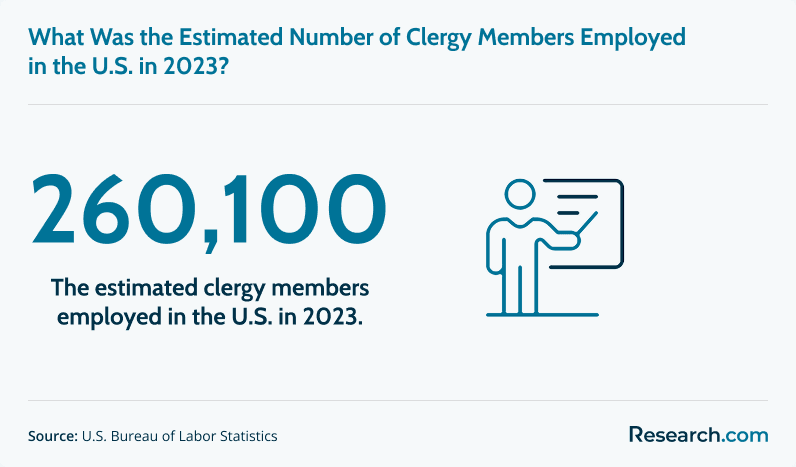
Completion time depends on the credential, transfer credits, course load, and whether the school uses accelerated terms. In 2023, the U.S. employed approximately 260,100 clergy members, which shows that theology-related training continues to connect with a large professional religious workforce.
| Degree Level | Typical Timeline | Fastest Online Timeline Mentioned | Best Fit |
| Associate degree | Two years | 12 to 18 months | Students seeking introductory biblical and ministry training or transfer preparation |
| Bachelor’s degree | Four years | 18 to 36 months | Transfer students, adult learners, ministry volunteers, and future seminary students |
| Master’s degree | Two to three years | 12 to 18 months | Pastoral leaders, chaplaincy candidates, theological educators, and students preparing for doctoral work |
| Doctoral degree | Three to five years | Two to three years | Experienced ministry leaders, researchers, and advanced theological professionals |
Associate Degree
An associate degree in theology usually requires two years, but accelerated online formats may shorten that schedule to 12 to 18 months. Schools often do this through 5- or 8-week classes, multiple start dates, and year-round enrollment. Students with prior credits may finish faster if the school accepts transfer coursework.
Bachelor's Degree
A bachelor’s in theology normally takes four years. Fast online programs can reduce that timeline to 18 to 36 months when students transfer prior college credits, Bible college coursework, or other eligible learning. Some schools may also review ministry experience, military service, or professional training for prior learning credit.
Master's Degree
Graduate theology programs such as an MA, MATS, or MDiv often take two to three years. Accelerated online master’s programs may take 12 to 18 months, especially when they require fewer than 40 credit hours. Some programs also allow transfer graduate credits from previous seminary or theological study.
For students interested in pastoral care, counseling, or ministry-based helping roles, a theology degree can also support later preparation for areas such as Christian counseling certification, though counseling careers may require additional training or licensure depending on the role and state.
Doctoral Degree
Doctoral theology programs, including the DMin, ThD, and PhD, generally require three to five years. A small number of accelerated or low-residency online options may allow completion in two to three years. These programs often combine online coursework, research milestones, ministry projects, residencies, or dissertation work.
The quickest students are usually those who enter with transferable credits, choose year-round study, maintain a heavy but manageable course load, and select a program designed for accelerated completion.
Fast Online Theology Degree vs. On-Campus Theology Program
Accelerated online theology programs and campus-based theology programs may cover similar academic content, but the experience can be very different. Online programs often prioritize convenience and speed, while campus programs may offer stronger in-person community, chapel life, and face-to-face mentoring.
| Factor | Fast Online Theology Degree | On-Campus Theology Program |
| Completion pace | May use 5- to 8-week courses, year-round enrollment, and transfer-friendly policies | Often follows semester calendars and traditional academic pacing |
| Flexibility | Best for working adults, ministry staff, parents, and students who cannot relocate | Best for students who want scheduled classes, campus structure, and in-person accountability |
| Community | Built through discussion boards, video meetings, online chapels, and virtual cohorts | Built through classroom discussion, chapel, residence life, mentoring, and campus events |
| Cost factors | May reduce housing, transportation, and relocation expenses | May include campus fees, room and board, and commuting or relocation costs |
| Learning style | Requires self-discipline, time management, and comfort with online platforms | Provides more direct interaction and routine, which some students prefer |
Completion Time
Online programs can be faster because they often use compressed course terms and multiple annual start dates. A traditional theology bachelor’s program may take about four years, while accelerated online bachelor’s options can take 18 to 36 months for eligible students.
Flexibility
Online theology programs are often built for students who already have jobs, church responsibilities, or family obligations. Asynchronous classes are especially useful because students can study at the times that work best for them. Students considering counseling-oriented ministry may also compare theology options with an accredited online Christian counseling degree.
Learning Environment
Campus programs can provide spontaneous conversations, shared worship, faculty office hours, and a stronger sense of daily community. Online programs rely on video lectures, learning management systems, discussion boards, digital libraries, and sometimes live sessions. Neither format is automatically better; the stronger choice depends on how a student learns and what type of formation they want.
Accessibility and Location
Online theology degrees remove the need to move near a seminary or Christian college. This can make accredited theological education more accessible to students in rural areas, international locations, or active ministry settings.
Cost Considerations
Online study may lower indirect costs by eliminating housing, commuting, and relocation. However, students should compare total program cost, not just tuition. Fees, books, technology requirements, credit transfer limits, and required residencies can change the final price.
This income level is competitive within the nonprofit and education sectors. The next chart breaks down the wage distribution for clergy across income percentiles, with the lower 10% earning $35,400 per year. It offers a snapshot of how earnings vary among religious leaders—from entry-level positions to top earners.
What Is the Average Cost of the Fastest Online Theology Degree Program?
The cost of an accelerated online theology degree depends on the school, degree level, credit requirements, transfer policy, and whether the institution is public, private, or religiously affiliated. Shorter programs can reduce total cost, but only if the tuition, fees, and accepted credits make the overall investment worthwhile.
| Degree Level | Average Cost | Per Credit Hour | Cost-Saving Strategy |
| Associate Degree in Theology | $5,000 to $12,000 total | $100 to $250 | Consider community colleges, faith-based institutions, or transfer-focused programs |
| Bachelor’s Degree in Theology | $15,000 to $35,000 total | $250 to $400 | Transfer eligible credits, ask about flat-rate tuition, and compare online discounts |
| Master’s Degree in Theology | $9,000 to $22,000 total | $300 to $500 | Look for 30–36 credit options, ministry grants, and denominational discounts |
| Doctoral Degree in Theology | $15,000 to $35,000 total | $400 to $600 | Compare low-residency formats, ministry-based project options, and tuition assistance |
Associate Degree in Theology
- Average Cost: $5,000 to $12,000 total
- Per Credit Hour: $100 to $250
- Ways to Save: Look for community colleges, faith-based institutions, or programs with low-cost transfer pathways.
Bachelor’s Degree in Theology
- Average Cost: $15,000 to $35,000 total
- Per Credit Hour: $250 to $400
- Ways to Save:
- Transfer previous college credits whenever possible.
- Compare flat-rate tuition, online student discounts, and credit caps.
- Ask about ministry scholarships, church partnerships, and denominational aid.
Master’s Degree in Theology
- Average Cost: $9,000 to $22,000 total
- Per Credit Hour: $300 to $500
- Ways to Save:
- Compare shorter programs with 30–36 credits instead of 60+ credits.
- Apply for grants, church sponsorships, and denominational discounts.
- Consider accelerated one-year options if the pace is realistic for your schedule.
Doctoral Degree in Theology
- Average Cost: $15,000 to $35,000 total
- Per Credit Hour: $400 to $600
- Ways to Save:
- Ask whether ministry professionals qualify for tuition waivers.
- Use accelerated or low-residency formats to limit travel costs.
- Explore stipends or research funding, which are rare but available in some ThD/PhD programs.
Students focused on both speed and cost may compare theology tuition with related options such as an accelerated online degree in Christian leadership.
What Financial Aid Options Are Available for Fast Online Theology Students?
Financial aid can make a fast online theology degree more affordable, but students should verify eligibility before enrolling. Not every religious institution participates in the same aid programs, and some scholarships apply only to specific denominations, ministry roles, or degree levels.
Federal Financial Aid
Students attending Title IV eligible institutions may be able to use federal aid. Common options include Pell Grants, Federal Direct Loans, subsidized and unsubsidized loans, and in some cases Federal Work-Study. The first step is completing the Free Application for Federal Student Aid (FAFSA). Students should confirm that the online theology program itself, not only the institution, is eligible for federal aid.
Some theology students move toward care-focused ministries. For example, students interested in supporting people through bereavement may explore how to become a grief counselor, while keeping in mind that counseling roles can involve separate education, supervision, or licensure requirements.
Institutional Scholarships
Faith-based colleges and seminaries often offer scholarships for online students, adult learners, ministry workers, and students from specific church traditions. Awards may be based on academic record, financial need, ministry calling, denomination, or enrollment status.
Church and Denominational Support
Many churches help members pay for theological education, especially when the student is preparing for pastoral leadership, ministry service, missions, or religious education. Support may take the form of tuition assistance, matching scholarships, stipends, or reimbursement after course completion.
Private Scholarships
Private awards may come from religious foundations, nonprofit organizations, Christian education networks, and faith-based financial institutions. Examples include The Fund for Theological Education (FTE), theological fellowships, and Christian Community Credit Union scholarships. These awards usually range from a few hundred dollars to over $5,000, depending on the organization and eligibility criteria.
Employer or Ministry Reimbursement
Students already working in churches, schools, nonprofits, or ministry organizations should ask whether their employer reimburses theology coursework. Reimbursement is more likely when the degree directly supports the employee’s current responsibilities or prepares them for a needed role.
Students searching for affordable online degrees can often reduce costs by combining scholarships, reimbursement, transfer credits, and a low-cost accredited program.
Military and Veteran Benefits
Eligible service members and veterans may be able to use GI Bill®, Tuition Assistance (TA), and Yellow Ribbon Program benefits. Many Christian colleges also provide dedicated military support services or tuition discounts for qualifying students.
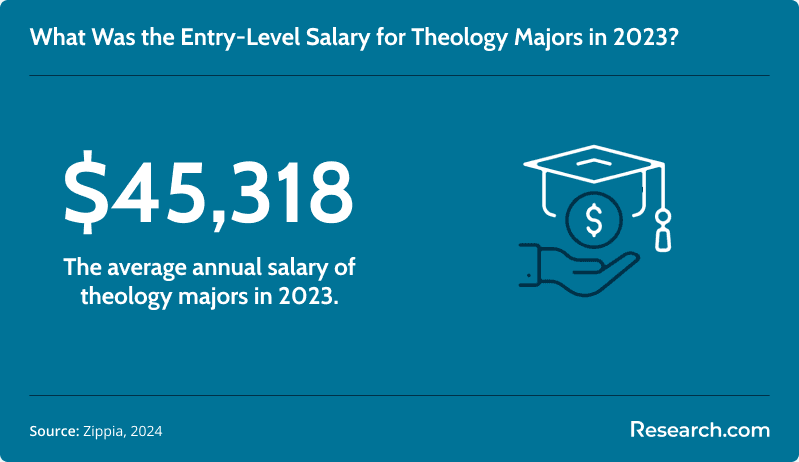
Theology majors earned an average annual salary of $45,318 in 2023. Pay can vary widely by role, denomination, employer, location, education level, and years of experience.
What Are the Prerequisites for Enrolling in the Fastest Online Theology Degree Program?
Admissions requirements vary by degree level and institution. Theology programs are often accessible to adult learners and ministry professionals, but accelerated options may expect students to enter with prior credits, ministry experience, or the ability to handle compressed coursework. Theology remains one of several college majors that attracts students seeking intellectual formation, spiritual depth, and vocational purpose.
| Degree Level | Common Admission Requirements | What May Help You Finish Faster |
| Associate | High school diploma or GED, application, transcripts, possible testimony or church reference | Placement readiness and transfer-oriented course planning |
| Bachelor’s | High school diploma or GED, transcripts, GPA requirement, statement of interest or faith, optional SAT or ACT scores | Prior college credits, associate degree, ministry experience, or credit for prior learning |
| Master’s | Bachelor’s degree, transcripts, GPA requirement, purpose statement, recommendations, résumé or ministry experience | Relevant undergraduate background, transfer graduate credits, and clear ministry or academic goals |
| Doctoral | Master’s degree, GPA requirement, recommendations, writing sample, ministry experience, research or project focus | Defined research agenda, ministry project readiness, language preparation, and prior graduate theology work |
Associate Degree in Theology
- High school diploma or GED
- Minimum GPA, usually 2.0 or higher
- Application form and fee
- Personal statement or testimony at some faith-based schools
- No standardized tests required
Associate programs are commonly designed for first-time college students. Some schools may also request a pastor or church leader recommendation.
Bachelor’s Degree in Theology
- High school diploma or GED
- Official transcripts from high school or previous colleges
- Minimum GPA, often 2.5+, though some schools accept lower GPAs
- SAT or ACT scores, optional for most online programs
- Personal statement of faith or interest in theology
- Application form and fee
Many accelerated bachelor’s programs work best as degree-completion programs. Students with prior credits or an associate degree usually have the strongest chance of finishing quickly.
Master’s Degree in Theology
- Bachelor’s degree, not always in theology but often preferred
- Official college transcripts
- Minimum GPA, usually 2.5 to 3.0
- Statement of purpose or ministry goals
- Letters of recommendation, typically 1–3
- Résumé or ministry experience for some programs
Graduate programs may also ask for a statement of faith, writing sample, or proof of denominational affiliation, especially if the curriculum is tied to a specific tradition.
Doctoral Degree in Theology
- Master’s degree in theology, ministry, or a related field
- Minimum GPA, typically 3.0 or higher
- Ministry experience, often 3–5 years for DMin programs
- Letters of recommendation
- Personal or theological writing sample
- Statement of research interest or ministry focus
- Interview, sometimes required
Doctoral programs are usually more selective. Some may require Greek, Hebrew, a research proposal, or evidence that the applicant can complete advanced independent work.
What Courses Are Typically Included in Fast Online Theology Degree Programs?
Accelerated theology programs usually focus on essential biblical, doctrinal, historical, and ministry courses. Many include biblical studies, Christian theology, interpretation, church history, ethics, and practical ministry. Fast programs may reduce elective choices, but they should not remove the academic foundation students need for ministry or graduate study.
Associate Degree in Theology
- Introduction to the Bible
- Old Testament Survey
- New Testament Survey
- Christian Doctrine or Theology I
- Spiritual Formation or Christian Living
- Church History
- Introduction to Ministry
- Ethics from a Christian Perspective
- General Education courses such as English, History, and Communication
Associate programs are often broad introductions. They may prepare students for entry-level ministry support roles or transfer into a bachelor’s program.
Bachelor’s Degree in Theology
- Biblical Hermeneutics
- Systematic Theology I & II
- Life and Teachings of Jesus
- Pauline Epistles
- History of Christianity
- World Religions or Apologetics
- Christian Leadership or Ministry Practices
- Christian Ethics
- Capstone Project or Ministry Internship
Bachelor’s programs may include concentrations in pastoral ministry, youth ministry, missions, or biblical studies. Accelerated formats commonly use 5–8 week terms and may limit elective flexibility to keep students moving toward graduation.
Master’s Degree in Theology
- Advanced Biblical Interpretation
- Hebrew and/or Greek Language, optional or required depending on the program
- Theology of the Old and New Testaments
- Historical Theology
- Christian Apologetics
- Contemporary Theological Issues
- Homiletics or Preaching
- Practical Ministry or Pastoral Counseling
- Theological Research Methods
- Thesis or Capstone, optional in some programs
Accelerated master’s programs often require 30–36 credits instead of 60+ credits. Students should review whether a shorter curriculum still meets their denominational, ordination, chaplaincy, or doctoral admission goals.
Doctoral Degree in Theology
- Research Methods in Theology
- Advanced Systematic Theology
- Biblical Exegesis in Old and New Testament texts
- Theology and Culture
- Ministry Leadership or Church Renewal
- Dissertation or Doctoral Project
- Specialized seminars in areas such as ethics, doctrine, or biblical languages
Doctoral programs typically move from coursework into a dissertation, thesis, or applied ministry project. Some online doctoral programs include residencies, synchronous seminars, or intensive research milestones.
Theology degrees can support roles beyond congregational ministry. Clergy members, for instance, earned a mean annual wage of $63,700 in 2023—competitive within nonprofit and education sectors. Students comparing ministry preparation may also review accelerated online MDiv programs.
This chart highlights some of the highest paying jobs for theology majors, showing how faith-based education can translate into strong earning potential.
What Specializations Are Available in Fast Online Theology Degree Programs?
Specializations help students tailor theology study toward a specific ministry, academic, or service goal. Some fast-track programs offer fewer concentrations than traditional programs, so students should confirm that the specialization they want is available online and can be completed within the advertised timeline.
| Specialization | Best For | Typical Course Topics |
| Pastoral Ministry | Future pastors, church planters, associate ministers, and ministry leaders | Preaching, pastoral care, church administration, leadership |
| Biblical Studies | Students preparing for seminary, teaching, research, or Bible instruction | Scripture interpretation, Old and New Testament studies, biblical languages |
| Christian Counseling | Lay counselors, family ministry workers, and care-focused ministry leaders | Crisis care, marriage and family support, Christian ethics in counseling |
| Missions and Evangelism | Missionaries, outreach directors, and cross-cultural ministry workers | Missiology, world religions, evangelism, intercultural communication |
| Theology and Apologetics | Teachers, writers, speakers, and students preparing for advanced theological study | Doctrine, philosophy of religion, apologetics, contemporary issues |
| Youth or Children’s Ministry | Youth pastors, children’s directors, and family ministry leaders | Age-specific discipleship, child development, curriculum planning |
| Worship Leadership | Worship leaders, music ministers, and creative arts ministry staff | Theology of worship, music in ministry, worship technology |
| Christian Education | Bible teachers, discipleship directors, curriculum writers, and Christian educators | Instructional methods, curriculum design, educational psychology |
Pastoral Ministry
Pastoral ministry focuses on preaching, shepherding, congregational leadership, and spiritual care. It is best for students preparing for church leadership, associate ministry, or pastoral service.
Biblical Studies
Biblical studies emphasizes close reading of Scripture, interpretation, historical context, and sometimes Hebrew or Greek. This track is useful for students interested in teaching, preaching, seminary preparation, or academic theology.
Christian Counseling
Christian counseling blends theological reflection with introductory helping skills. It can support lay counseling or ministry care roles, but students pursuing licensed counseling should verify state education and licensure rules.
Missions and Evangelism
Missions and evangelism prepares students for outreach, global ministry, and cross-cultural service. Coursework often explores missiology, world religions, and communication across cultures.
Theology and Apologetics
Theology and apologetics develops doctrinal knowledge and the ability to explain and defend Christian belief. It is a strong fit for students interested in teaching, writing, speaking, or advanced theological study.
Youth or Children’s Ministry
This specialization prepares students to lead faith formation for children, teenagers, and families. Common topics include discipleship, curriculum design, age-specific ministry, and child or adolescent development in ministry contexts.
Worship Leadership
Worship leadership combines theological understanding with music, creative arts, and service planning. It can prepare students for worship ministry, music ministry, or church media leadership.
Christian Education
Christian education prepares students to teach biblical and theological content in churches, schools, and discipleship programs. It is useful for Bible teachers, curriculum writers, and directors of religious education.
Students who want a broader comparative approach may also compare these concentrations with accelerated religious studies degree online programs.
How Do You Choose the Best Fast Online Theology Degree Program?
The best fast online theology degree is not always the shortest one. A program should be accredited, affordable, aligned with your beliefs, realistic for your schedule, and useful for your intended career or ministry path. Students comparing graduate options may also review one year master’s programs to understand how accelerated study works across fields.
1. Confirm Accreditation First
Check institutional accreditation before applying. Regional accreditors such as the Southern Association of Colleges and Schools Commission on Colleges (SACSCOC), Higher Learning Commission (HLC), Middle States Commission on Higher Education (MSCHE), and New England Commission of Higher Education (NECHE) help establish academic credibility. Theology-specific accreditation from organizations such as the Association for Biblical Higher Education (ABHE) or the Association of Theological Schools (ATS) can also matter for seminary recognition, denominational approval, and doctoral study.
2. Match the Degree to the Outcome You Need
An associate degree may be enough for foundational study or transfer. A bachelor’s degree can support ministry support roles, religious education, or seminary admission. A Master of Divinity is often important for pastoral ministry or chaplaincy, while a Th.M., DMin, ThD, or PhD may support advanced leadership, teaching, or research.
3. Ask How the Program Becomes “Fast”
Some programs are fast because they accept many transfer credits. Others use short terms, year-round enrollment, overlapping bachelor’s and master’s coursework, or fewer total credits. Ask whether the advertised timeline assumes full-time enrollment, prior credits, summer courses, or a specific course sequence.
4. Compare Total Cost, Not Just Tuition
Tuition per credit is only one part of the cost. Review fees, books, technology charges, graduation fees, travel for residencies, and the cost of retaking courses. Also ask whether transfer credits lower tuition or only shorten the schedule.
5. Review Faculty and Student Support
Accelerated programs require reliable advising, accessible faculty, digital library resources, technical support, and clear degree planning. Students should ask how quickly advisors respond and whether online learners receive the same academic support as campus students.
6. Check Theological Alignment
Read the statement of faith, denominational affiliation, doctrinal commitments, and curriculum requirements. A theology program should challenge and deepen your thinking, but it should also fit the ministry context where you plan to serve.
7. Verify Licensure, Ordination, or Chaplaincy Requirements
A theology degree alone may not qualify you for ordination, chaplaincy, or counseling licensure. Denominations, employers, hospitals, military branches, and state boards may require additional education, supervised experience, clinical pastoral education, or credentials.
8. Examine Outcomes and Alumni Paths
Review graduation rates, retention, student satisfaction, ministry placement data, alumni roles, and doctoral acceptance where available. Do not assume a fast program automatically leads to better career outcomes.
9. Test the Online Learning Platform
Ask whether the program offers a demo course, orientation, mobile access, 24/7 technical support, and clear assignment workflows. A confusing online system can slow progress in an otherwise accelerated program.
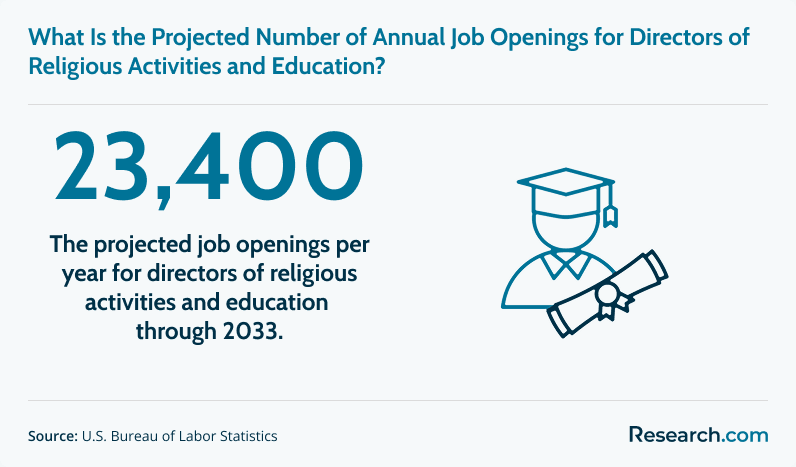
The BLS projects 23,400 job openings annually for directors of religious activities and education. This suggests strong job prospects for graduates with leadership and administrative training in theology.
Is an Accelerated Online Theology Degree Worth the Investment?
An accelerated online theology degree can be worth it when it helps you meet a clear ministry, educational, or career goal at a reasonable cost. It is less likely to be worthwhile if you choose only for speed, ignore accreditation, borrow more than your expected role can support, or enroll in a program that does not match your theological tradition or credentialing needs.
| It May Be Worth It If... | Be Cautious If... |
| You already serve in ministry and need a credential for advancement or ordination. | You are unsure whether theology connects to your career plans. |
| You can transfer credits and reduce both time and tuition. | The school is unclear about accreditation or credit transfer policies. |
| Your church, denomination, employer, or military benefits can help pay. | You must borrow heavily for a role with uncertain compensation. |
| The online format fits your work, ministry, and family schedule. | You need in-person formation, chapel life, or direct mentorship to thrive. |
| The program meets the requirements for your intended ministry or graduate path. | You assume the degree automatically qualifies you for counseling licensure, chaplaincy, or ordination. |
Students should compare the program’s cost, completion time, aid availability, alumni outcomes, and credential value against other accelerated advanced degree options, such as the shortest EdD program, to understand whether the accelerated structure provides genuine value rather than simply a faster schedule.
What Career Paths Are Available for Graduates of Fast Online Theology Degree Programs?
Theology graduates work in churches, schools, hospitals, prisons, nonprofits, missions organizations, publishing, religious education, and digital ministry. Career options depend heavily on degree level, denomination, experience, licensure, and employer requirements.
| Career Path | Common Responsibilities | Typical Preparation Considerations |
| Pastor or Minister | Preaching, worship leadership, pastoral care, discipleship, church administration | May require ordination, denominational approval, or graduate study |
| Youth or Children’s Ministry Leader | Leading programs for children or teens, teaching, mentoring, planning events | Often benefits from education, counseling, and child safety training |
| Chaplain | Providing spiritual and emotional care in hospitals, prisons, military settings, or universities | Often requires graduate theological education and clinical pastoral education |
| Christian Counselor | Offering faith-informed support in churches, nonprofits, or counseling settings | Licensed counseling roles require additional approved education and state licensure |
| Theological Educator or Professor | Teaching Bible, theology, ethics, or ministry courses | Usually requires a master’s or doctoral degree and research preparation |
| Nonprofit or Ministry Administrator | Managing programs, fundraising, strategy, volunteers, and operations | Leadership, budgeting, and organizational skills are important |
| Religious Education Coordinator | Planning classes, developing curriculum, training teachers, and leading discipleship programs | Often benefits from Christian education or curriculum training |
Pastor or Minister
Pastors and ministers preach, lead worship, provide spiritual counsel, oversee ministries, and guide congregational life. Many denominations require ordination or licensing beyond earning a theology degree.
Youth or Children’s Ministry Leader
Youth and children’s ministry leaders focus on discipleship and spiritual formation for younger age groups. Experience with teaching, mentoring, program planning, and family ministry can be valuable.
Chaplain
Chaplains serve in hospitals, prisons, the military, universities, and other institutional settings. Many roles require graduate theological education, clinical pastoral education, and endorsement from a faith body.
Christian Counselor
Theology graduates may work in lay counseling, pastoral care, or church-based support roles. Licensed counseling careers typically require additional counseling degrees, supervised experience, exams, and state approval.
Theological Educator or Professor
Advanced theology graduates may teach at seminaries, Bible colleges, Christian schools, or religious institutions. Academic teaching generally requires graduate study, research ability, and sometimes biblical language training.
Nonprofit or Ministry Administrator
Faith-based nonprofits need leaders who can manage people, programs, budgets, outreach, fundraising, and strategic planning. Theology training can be useful when combined with management skills.
Religious Education Coordinator
Religious education coordinators organize Bible studies, discipleship programs, confirmation classes, Sunday school, or adult education. Curriculum development and teaching skills are important in this path.
Can Supplemental Certifications Increase the Value of an Online Theology Degree?
Additional credentials can make a theology degree more practical when they align with a specific career goal. Useful add-ons may include nonprofit management, digital ministry, chaplaincy training, pastoral care, teaching credentials, biblical languages, project management, or counseling-related certificates. Students interested in church libraries, archives, research support, or theological information work might also compare theology training with options such as the best affordable MLIS online program.
What Is the Job Market Like for Graduates of Fast Online Theology Programs?
The job market for theology graduates is steady but highly varied. Opportunities depend on the role, location, denomination, employer type, degree level, and whether the student has additional credentials. Many theology careers are mission-driven rather than salary-maximizing, so students should evaluate both calling and financial sustainability.
- Ministry demand remains stable: Churches and religious organizations continue to employ pastors, youth ministers, worship leaders, and ministry coordinators. Job stability may be stronger in growing communities and underserved areas.
- Chaplaincy can offer broader institutional opportunities: Healthcare systems, correctional facilities, military organizations, and schools use chaplains for spiritual and emotional support. The U.S. Bureau of Labor Statistics (BLS) categorizes chaplains under healthcare social workers, projecting a 7% growth in employment from 2022 to 2032, faster than the average for all occupations.
- Christian counseling requires careful credential planning: Faith-based counseling opportunities exist in churches, nonprofits, and Christian counseling centers, but licensed roles require additional training and state-specific approval.
- Digital ministry is expanding: Churches and ministries increasingly use online teaching, livestreaming, podcasts, social media, virtual small groups, and digital discipleship tools. Theology graduates with communication and technology skills may find new ways to serve.
- Academic and nonprofit roles are competitive: Seminary teaching and Bible college faculty jobs often require advanced degrees. Faith-based nonprofit leadership roles may require theology plus administration, fundraising, budgeting, and staff management experience.
Can Interdisciplinary Study Make an Accelerated Theology Degree More Useful?
Interdisciplinary study can strengthen a theology degree when it builds skills needed for real ministry or professional work. Pairing theology with counseling, education, communication, nonprofit management, leadership, languages, sociology, or anthropology can help graduates understand communities more deeply and serve across cultural contexts. For example, students who combine theology with an online bachelors in anthropology may gain a stronger comparative understanding of culture, belief, and social structures.
Common Mistakes to Avoid When Choosing a Fast Online Theology Degree
| Mistake | Why It Matters | Better Approach |
| Choosing the shortest program without checking accreditation | An unrecognized degree may limit transfer, graduate admission, employment, or ordination options. | Verify institutional and programmatic accreditation before applying. |
| Looking only at tuition per credit | Fees, books, residencies, and transfer limits can change total cost. | Request a full cost estimate through graduation. |
| Assuming all theology degrees meet ministry requirements | Denominations and employers often set their own standards. | Ask your denomination, church, or target employer what credentials are required. |
| Ignoring online course format | Self-paced, asynchronous, synchronous, and cohort models feel very different. | Choose the structure that matches your schedule and learning style. |
| Overloading courses to finish faster | Accelerated terms can be demanding, especially for working adults. | Start with a manageable load and increase only if your performance stays strong. |
| Assuming salary outcomes are guaranteed | Theology-related pay varies widely by role, location, employer, and experience. | Use salary data as a planning tool, not a promise. |
| Not asking about transfer credits before enrollment | Transfer policy can determine whether a “fast” degree is actually fast for you. | Request an official transfer evaluation early. |
Questions to Ask Before You Enroll
- Is the institution regionally accredited, and does the theology program hold any specialized accreditation?
- Does the program meet requirements for my denomination, ordination body, employer, chaplaincy path, or graduate school goal?
- How many of my credits will transfer, and will they apply to major requirements or only electives?
- Is the advertised timeline based on full-time study, prior credits, summer courses, or continuous enrollment?
- Are courses asynchronous, synchronous, self-paced, cohort-based, or hybrid?
- Are there any required residencies, internships, intensives, or field placements?
- What is the total estimated cost through graduation, including fees and books?
- What scholarships, church discounts, military benefits, or employer reimbursement options are available?
- What student support services are available to online learners?
- What are graduates doing after completing the program?
Current Trends Affecting Online Theology Degrees
- More ministry work is digital: Churches now rely on livestreaming, online small groups, podcasts, social media outreach, and digital discipleship. Theology students with communication and technology skills may be better prepared for modern ministry settings.
- Many students need flexible theological education: Working adults, bivocational ministers, and volunteers often cannot pause work or relocate. Online formats make theology study more accessible to these learners.
- Credential expectations vary by role: Some ministry jobs prioritize calling and experience, while chaplaincy, teaching, counseling, and denominational leadership may require formal credentials.
- Cost pressure is shaping enrollment choices: Students are increasingly comparing total cost, transfer credits, and aid options before committing to religious education programs.
- Interdisciplinary skills matter: Ministry leaders often need training in counseling, administration, communication, education, finance, and cultural understanding, not theology alone.
Here’s What Graduates Have to Say About Their Fastest Online Theology Degree Programs
- Danielle: "Completing my theology degree in just over a year helped me move into ministry earlier than I thought possible. The online courses gave me room to keep serving in my church while still being challenged academically."
- Marcus: "The accelerated format worked with my job and family schedule. I expected online learning to feel distant, but the discussions and faculty feedback were more personal than I anticipated."
- Elena: "Online theology study connected me with classmates from many different ministry contexts. The pace was demanding, but it helped me stay focused and grow in both knowledge and calling."
References
- Barna Group. (n.d.). The state of pastors.
- Bureau of Labor Statistics. (2023). Clergy: Occupational employment and wage statistics.
- Graphs About Religion. (n.d.). What states have a higher concentration of pastors?
- Lifeway Research. (2025). Evangelical pastors more likely than others to be bivocational.
- National Christian Foundation. (n.d.). The state of pastors.
- National Study of Religious Leadership. (2025). Clergy in America: A report on demographics, pay, and work expectations.
- O*NET Online. (n.d.-a). Clergy (21-2011.00). U.S. Department of Labor.
- O*NET Online. (n.d.-b). Directors, religious activities and education (21-2021.00). U.S. Department of Labor.
- Zippia. (n.d.). Theology major salary.
Key Insights
- The fastest online theology programs can shorten completion time through transfer credits, accelerated terms, year-round enrollment, and bachelor’s-to-master’s pathways.
- Speed should not outweigh accreditation, theological alignment, total cost, student support, or career fit.
- Bachelor’s programs may be completed in 18 to 36 months by eligible students, while some master’s programs list 18-month timelines.
- Online theology degrees are especially practical for working adults, ministry staff, church volunteers, and students who cannot relocate for seminary.
- Students pursuing ordination, chaplaincy, counseling, or academic teaching should verify additional requirements before enrolling.
- Costs vary widely by degree level, but transfer credits, scholarships, church support, federal aid, military benefits, and employer reimbursement can reduce the final price.
- The strongest program is the one that helps you finish efficiently while still preparing you for the ministry, academic, or service role you actually want.
Other Things You Should Know About The Fastest Online Theology Degree Programs
Most accelerated online theology degrees accept up to 90 transfer credits from accredited colleges, which can cut a 120-credit bachelor’s program to about 30 new credits. Schools usually require official transcripts and a minimum 2.0 GPA for transfer review.
The fastest online theology degree programs in 2027 typically require around 120 credit hours for completion. Students may finish more quickly by taking accelerated courses or transferring applicable credits from past educational experiences, significantly reducing overall time spent.


