
2027 Fastest Online Christian Leadership Degree Programs

Co-Founder and Chief Data Scientist
Recent surveys show that only 45% of American adults consider religion very important in their lives. This isn't a sign of defeat; it's a call for highly competent leadership. In this environment, faith-based organizations need leaders who can build healthy, sustainable, and engaging communities.
A strong calling is the essential starting point, but lasting impact demands proven skill. An online Christian leadership degree is the bridge that connects your passion to professional competence. It equips you with the practical tools for strategy, finance, and management. This guide, created by career planning experts, will walk you through getting this degree.
What are the benefits of getting a fast online Christian leadership degree program?
- It qualifies you for senior-level leadership positions in churches and faith-based non-profits.
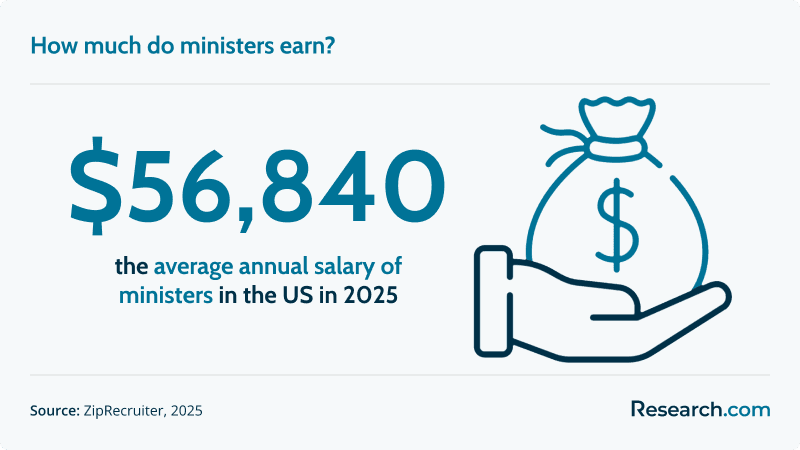
- The program provides skills that can increase your earning potential, as ministers in the U.S. earn an average of $56,840 annually.
- You gain the flexibility to earn your degree online without having to step away from your current work or community.
What can I expect from a fast online Christian leadership degree program?
You can expect a practical curriculum that blends proven management principles with a solid theological framework. Think of it as a highly specialized leadership degree designed for the unique challenges of faith-based organizations.
It’s not just a business degree with some Bible verses added. Unlike a traditional MBA, every management concept—from finance to human resources—is taught through an ethical, ministry-focused lens. The goal is to make decisions that are both strategically sound and theologically grounded.
At the same time, it’s not a traditional Master of Divinity (MDiv), which is primarily designed to prepare pastors for preaching and pastoral care. This degree focuses squarely on organizational leadership: building teams, managing budgets, and executing strategic plans. It’s designed to train executive leaders who run the organization, enabling pastors to focus on their pastoral responsibilities.
Where can I work with a fast online Christian leadership degree program?
This degree prepares you for senior leadership roles across the entire faith-based sector. The opportunities extend far beyond a single position at a local church.
Graduates are equipped to serve in three main areas. In a church context, you're prepared for positions such as Executive Pastor or Church Administrator, where you manage both the operational and strategic aspects of the ministry.
You'll also be qualified to lead para-church organizations, such as mission agencies or campus ministries. Furthermore, these skills are directly applicable to the broader world of faith-based non-profits, opening doors to roles such as CEO, Operations Director, or Development Director. The leadership principles you learn are designed to be effective wherever you're called to serve.
How much can I make with a fast online Christian leadership degree program?
Salaries for graduates typically range from around $50,000 to over $90,000, with the potential for more in larger organizations. Where you fall in that range depends directly on the size of the organization, your level of responsibility, and your geographic location.
While some ministry roles are modestly paid, it's a mistake to assume all are. This degree specifically qualifies you for senior administrative and executive positions. These roles, which involve managing large budgets, leading staff, and driving strategy for complex organizations, often come with professional salaries that reflect that high level of responsibility.
- List of the Fastest Online Christian Leadership Degree Programs for 2027 List of Programs
- How long does it take to complete a fast online Christian leadership degree program? Completion Time
- How does a fast online Christian leadership degreeprogram compare to an on-campus program? How does a fast online Christian leadership degreeprogram compare to an on-campus program?
- What is the average cost of a fast online Christian leadership degree program? Program Cost
- What are the financial aid options for students enrolling in a fast online Christian leadership degree program? Financial Aid
- What are the prerequisites for enrolling in a fast online Christian leadership degree program? What are the prerequisites for enrolling in a fast online Christian leadership degree program?
- What courses are typically in a fast online Christian leadership degree program? What courses are typically in a fast online Christian leadership degree program?
- What types of specializations are available in a fast online Christian leadership degree program? What types of specializations are available in a fast online Christian leadership degree program?
- How to Choose the Best Fast Online Christian Leadership Degree Programs Program How to Choose the Best Fast Online Christian Leadership Degree Programs Program
- What career paths are available for graduates of a fast online Christian leadership degree program? What career paths are available for graduates of a fast online Christian leadership degree program?
- What is the job market for graduates with a fast online Christian leadership degree program? Job Market
- Are There Any Common Pitfalls in Fast Online Christian Leadership Programs? Are There Any Common Pitfalls in Fast Online Christian Leadership Programs?
- How Do Accreditation and Quality Assurance Impact Program Value? How Do Accreditation and Quality Assurance Impact Program Value?
- How Does an Online Christian Leadership Degree Compare to MBA online degrees? How Does an Online Christian Leadership Degree Compare to MBA online degrees?
Fastest Online Christian Leadership Degree Programs for 2027
An online Christian leadership degree is designed for students who want ministry, nonprofit, missions, or church administration training without pausing their current work or service. The fastest programs compress leadership, biblical studies, theology, management, and field-based learning into flexible online formats, making them especially useful for working adults, ministry staff, bivocational leaders, and career changers who already know they want to lead in a faith-based setting.
This guide explains which programs offer accelerated or flexible online routes, how long they take, what they cost, what accreditation means, how online study compares with campus-based study, and which career paths may fit after graduation. It also shows how to evaluate theological fit, financial aid, specialization options, and return on investment before committing to a program.
If you are still comparing ministry-related fields, you may also want to review the fastest online religious studies degree options, which often overlap with Christian leadership but may place more emphasis on religion, history, and scholarship than applied organizational leadership.
Quick Answer: What Is the Fastest Way to Earn an Online Christian Leadership Degree?
The fastest route is usually an accredited online program that accepts transfer credits, offers year-round courses, uses shorter terms, and allows full-time enrollment. Bachelor’s programs in this list range from 2-4 years to 4 years, while master’s options include programs that can be completed in 24 months or 2 years. The best choice depends on whether you need an undergraduate credential, a graduate leadership credential, denominational preparation, or a practical ministry-management degree.
| Decision Point | What to Look For | Why It Matters |
| Speed | Short terms, transfer-friendly policies, full-time course loads, and clear degree maps | These features can shorten time to graduation without reducing required credits. |
| Accreditation | Institutional or biblical higher education accreditation from a recognized accreditor | Accreditation affects credit transfer, graduate school options, financial aid eligibility, and employer trust. |
| Theological alignment | A statement of faith that matches your church tradition and ministry goals | A strong academic program may still be the wrong fit if its doctrine does not align with your intended service context. |
| Cost | Total tuition, fees, books, technology charges, and financial aid options | The lowest cost per credit is not always the lowest total program cost. |
| Career fit | Tracks in pastoral leadership, missions, nonprofit management, business management, or church administration | The right specialization can make the degree more relevant to your calling and employment goals. |
How We Evaluate Fast Online Christian Leadership Programs
Because degree cost, completion time, and school quality vary widely, students need transparent information before enrolling. Research.com evaluates programs using reliable education data sources, including the IPEDS database, Peterson's database, the College Scorecard database, and The National Center for Education Statistics.
These sources help verify institutional data and support comparisons across online Christian leadership programs. To understand how Research.com builds rankings and evaluates education programs, see the methodology page.
List of Fast Online Christian Leadership Degree Programs
1. Christian Leaders Institute - Bachelor of Christian Leadership Degree
Christian Leaders Institute offers a Bachelor of Christian Leadership Degree for students who want to connect biblical study, ministry preparation, and leadership development. The program includes a double major in Bible/Theology and Ministry, with room to add concentrations or a third major such as business or philosophy.
- Program Length: 2-4 years
- Majors: Bible/Theology and Ministry
- Required Credits to Graduate: 124
- Total Tuition: $4,000
- Accreditation: Association for Biblical Higher Education (ABHE)
2. Campbellsville University - B.S. in Leadership and Missions
Campbellsville University provides an online B.S. in Leadership and Missions for students preparing for service in churches, mission organizations, cross-cultural ministries, and faith-based community work. The degree combines leadership, pastoral training, education, and missions-focused coursework.
- Program Length: 4 years
- Required Credits to Graduate: 120
- Cost per Credit: $440
- Accreditation: Southern Association of Colleges and Schools Commission on Colleges (SACSCOC)
3. Bethel University - B.A. in Christian Leadership
Bethel University offers an online B.A. in Christian Leadership for students seeking stronger preparation for church leadership, ministry roles, and faith-based organizational work. Coursework emphasizes ministry practice, biblical foundations, theology, and leadership credibility.
- Program Length: 2-4 years
- Required Credits to Graduate: 120
- Cost per Credit: $485
- Accreditation: Higher Learning Commission (HLC)
4. University of Valley Forge - Master of Arts in Christian Leadership
The University of Valley Forge offers an M.A. in Christian Leadership for graduate students who want deeper theological understanding and practical preparation for leading people, teams, and organizations. The curriculum draws from biblical, sociological, and psychological perspectives.
- Program Length: 24 months
- Required Credits to Graduate: 36
- Cost per Credit: $570
- Accreditation: Middle States Commission on Higher Education (MSCHE)
5. Dallas Theological Seminary - Master of Arts in Christian Leadership
Dallas Theological Seminary lists an M.A. in Christian Leadership for students preparing for leadership across churches, missions, ministry organizations, and professional settings. The program emphasizes personal character, leadership formation, and organizational effectiveness.
- Program Length: 2 years
- Required Credits to Graduate: 66
- Cost per Credit: $735
- Accreditation: Southern Association of Colleges and Schools Commission on Colleges (SACSCOC)
6. Liberty University - B.S. in Christian Leadership and Management
Liberty University offers an online B.S. in Christian Leadership and Management that combines leadership principles, business management, and biblical application. The program is suited for students who want to lead in ministry, nonprofit, or professional environments while grounding decisions in Christian ethics.
- Program Length: 4 years
- Specialization: Business Management
- Required Credits to Graduate: 120
- Cost per Credit: $390
- Accreditation: Southern Association of Colleges and Schools Commission on Colleges (SACSCOC)
7. Manna University - B.A. in Christian Leadership
Manna University offers a B.A. in Christian Leadership focused on biblical formation, values-based leadership, vision, planning, and organizational development. Its “Leadership in Action” requirement adds applied experience to the academic curriculum.
- Program Length: 4 years
- Required Credits to Graduate: 121
- Cost per Credit: $250
- Accreditation: Association for Biblical Higher Education (ABHE)
Program Comparison Table
| School | Degree | Program Length | Credits | Cost Information | Accreditation |
| Christian Leaders Institute | Bachelor of Christian Leadership Degree | 2-4 years | 124 | $4,000 total tuition | Association for Biblical Higher Education (ABHE) |
| Campbellsville University | B.S. in Leadership and Missions | 4 years | 120 | $440 per credit | Southern Association of Colleges and Schools Commission on Colleges (SACSCOC) |
| Bethel University | B.A. in Christian Leadership | 2-4 years | 120 | $485 per credit | Higher Learning Commission (HLC) |
| University of Valley Forge | Master of Arts in Christian Leadership | 24 months | 36 | $570 per credit | Middle States Commission on Higher Education (MSCHE) |
| Dallas Theological Seminary | Master of Arts in Christian Leadership | 2 years | 66 | $735 per credit | Southern Association of Colleges and Schools Commission on Colleges (SACSCOC) |
| Liberty University | B.S. in Christian Leadership and Management | 4 years | 120 | $390 per credit | Southern Association of Colleges and Schools Commission on Colleges (SACSCOC) |
| Manna University | B.A. in Christian Leadership | 4 years | 121 | $250 per credit | Association for Biblical Higher Education (ABHE) |
How Long Does It Take to Finish a Fast Online Christian Leadership Degree?
Completion time depends on degree level, transfer credits, course load, and whether the program runs on traditional semesters or accelerated terms. In this list, bachelor’s options range from 2-4 years to 4 years, while graduate programs include timelines of 24 months and 2 years.
A “fast” online Christian leadership program does not mean the school removes essential training. It usually means the program is structured efficiently, with fewer scheduling gaps, more flexible start dates, condensed courses, transfer credit opportunities, or a curriculum focused on the core competencies ministry and nonprofit leaders need.
What Can Speed Up or Slow Down Graduation?
| Factor | Can Speed You Up | Can Slow You Down |
| Transfer credits | Generous transfer policies can reduce remaining credits. | Strict transfer limits may require more courses at the new school. |
| Enrollment intensity | Full-time study can shorten the calendar timeline. | Part-time study may be necessary for working adults but usually extends completion. |
| Course availability | Year-round scheduling helps students avoid long breaks between required courses. | Required courses offered only once per year can delay graduation. |
| Field requirements | Practicums tied to your current ministry may be easier to complete. | Hard-to-arrange placements may create scheduling problems. |
| Personal obligations | Support from family, work, or church can protect study time. | Ministry demands, travel, or caregiving can reduce course capacity. |
For career planning, a 24-month or 2-year graduate route can be useful for students who already hold a bachelor’s degree and want to move into senior ministry, administration, missions, or nonprofit leadership faster. If you are comparing service-oriented careers with different timelines, Research.com’s guide to the fastest way to become a licensed counselor or therapist can help clarify how Christian leadership differs from licensed counseling preparation.
Online vs. Campus Christian Leadership Programs: Which Is Better?
An accredited online Christian leadership degree can carry the same institutional value as a campus-based degree when the school meets recognized academic standards. The delivery format matters less than accreditation, curriculum quality, faculty experience, theological fit, and whether the program supports your career goals.
Online study is often the better fit for students already serving in churches, schools, nonprofits, missions, or community organizations. It allows learners to apply assignments directly to real leadership problems, such as volunteer development, strategic planning, budgeting, discipleship systems, outreach, or staff management. Campus programs may be better for students who want daily in-person community, chapel life, residential formation, and local ministry placements arranged through the institution.
Students considering adjacent fields may also compare Christian leadership with the fastest online theology degree programs, which may focus more heavily on doctrine, biblical languages, historical theology, or academic preparation for further theological study.
| Format | Best For | Main Trade-Off |
| Online | Working adults, ministry staff, parents, military students, and students outside commuting range | Requires strong self-management and intentional relationship-building. |
| Campus | Students seeking face-to-face formation, residential community, and structured local ministry life | Less flexible and often harder to combine with full-time work or existing ministry obligations. |
| Hybrid | Students who want online convenience with occasional campus intensives | Travel, lodging, and schedule coordination may add cost and complexity. |
What Is the Average Cost of a Fast Online Christian Leadership Degree?
Christian leadership degree costs vary by institution, degree level, credit requirement, and fee structure. In this list, published cost information ranges from $4,000 total tuition to per-credit rates of $250, $390, $440, $485, $570, and $735. For a Christian leadership master's degree, the total cost can range from $15,000 to over $40,000, depending on the school and program design.
Do not compare programs by tuition alone. A school with a lower per-credit rate may require more credits, while a higher per-credit program may have fewer required credits or stronger institutional aid. Students should also ask about technology fees, graduation fees, books, ministry placement costs, travel for residencies, and whether tuition changes during enrollment.
If affordability is your primary concern, compare this field with related options such as the fastest christian studies online degree programs, which may offer a different balance of cost, theology, and leadership coursework.
How to Estimate Your Real Program Cost
| Cost Item | Question to Ask | Why It Matters |
| Tuition | Is tuition charged per credit, per term, or as a flat program cost? | This determines the baseline price of the degree. |
| Required credits | How many credits must I complete after transfer evaluation? | More required credits can raise the final cost even with a lower per-credit rate. |
| Fees | Are there technology, online learning, graduation, or student service fees? | Fees can make the actual cost higher than the advertised tuition. |
| Books and materials | Are textbooks, Bible software, or digital resources included? | Ministry and theology programs may require specialized resources. |
| Residencies or practicums | Will I need to travel or complete supervised fieldwork? | Travel and placement expenses can affect affordability. |
| Financial aid | What scholarships, grants, church sponsorships, or employer support are available? | A higher sticker price may become more manageable after aid. |
Will a Christian Leadership Degree Increase Earning Potential?
A Christian leadership degree can strengthen a candidate’s qualifications for administrative, pastoral, nonprofit, missions, or ministry-management roles, but it does not guarantee a salary increase. Outcomes depend on denomination, location, organizational size, prior experience, fundraising responsibilities, and whether the role is full-time, part-time, or bivocational.
For context, minister compensation data can provide a broad benchmark, but ministry income varies widely. The degree is best understood as an investment in leadership capacity, credibility, and organizational readiness rather than a guaranteed financial return.
What Financial Aid Options Are Available?
Students in online Christian leadership programs may be able to use several funding sources, including federal aid, school-based scholarships, church or denominational support, private scholarships, employer tuition assistance, and payment plans. U.S. students should usually begin with the Free Application for Federal Student Aid (FAFSA) to determine eligibility for federal student aid.
Faith-based students should also ask whether their church, denomination, missions agency, or ministry employer helps pay for leadership training. Some organizations view education as part of staff development, succession planning, or long-term ministry health.
Funding Sources to Check Before Enrolling
- Federal student aid: Complete the FAFSA and confirm that the school participates in eligible aid programs.
- Institutional scholarships: Ask admissions and financial aid offices about ministry, leadership, transfer, adult learner, or graduate scholarships.
- Denominational aid: Some church bodies, foundations, and ministry networks support students preparing for leadership.
- Church sponsorship: If you are already serving, present the degree as a development investment rather than a personal expense only.
- Employer tuition assistance: Students working in education, nonprofit, healthcare, or business roles may have tuition benefits even if their degree is ministry-focused.
- Payment plans: Monthly plans can reduce reliance on loans, but students should compare fees and deadlines.
Students comparing leadership degrees outside ministry can review funding patterns in related professional programs, including the fastest online master’s degree in human resource management, where employer support and professional development funding may also play a role.
What Are the Admission Requirements for Fast Online Christian Leadership Programs?
Admission requirements depend on the degree level. Bachelor’s programs generally require a high school diploma or equivalent, while master’s programs usually require a bachelor’s degree from an accredited institution. For many graduate Christian leadership programs, the undergraduate major does not have to be theology, religion, or ministry.
Applicants from business, education, healthcare, social services, technology, military service, or nonprofit backgrounds may bring valuable leadership experience. Schools often review more than transcripts; they may also request a personal statement, ministry experience, references, pastoral recommendation, or a statement describing faith, calling, and leadership goals.
Why Theological Fit Matters in Admissions
Christian higher education is not one uniform category. Within American Christianity, about 33% of people identify as Protestant, 22% as Catholic, and 11% as another type of Christian. Because beliefs, governance structures, worship practices, and ordination pathways differ, many schools want to understand whether an applicant fits the institution’s faith tradition and mission.
This kind of holistic review is common in fields that involve public trust, service, and personal readiness. For comparison, students exploring civic service may find that the answer to what are the requirements to be a police officer includes character, judgment, and fitness considerations in addition to formal prerequisites.
What Courses Are Typically Included in an Online Christian Leadership Degree?
Online Christian leadership programs usually combine biblical and theological study with practical organizational leadership. The goal is to prepare students to lead people, manage resources, make ethical decisions, and guide faith-based organizations with spiritual and operational maturity.
Common course areas include organizational leadership, nonprofit finance, strategic planning, ministry ethics, human resources, church administration, biblical interpretation, theology of leadership, discipleship, missions, pastoral care foundations, and conflict resolution. Some programs include field-based projects, practicums, capstone courses, or leadership portfolios.
Common Course Categories
| Course Area | Examples | Leadership Skill Developed |
| Biblical and theological foundations | Biblical interpretation, theology, Christian doctrine, biblical models of leadership | Ability to make leadership decisions from a Christian worldview |
| Organizational leadership | Strategic planning, team leadership, change management, governance | Ability to guide churches, ministries, and nonprofits through complexity |
| Administration and management | Nonprofit finance, human resources, budgeting, operations | Ability to manage staff, volunteers, policies, and resources responsibly |
| Ministry practice | Discipleship, pastoral care foundations, worship leadership, outreach | Ability to serve people while leading programs and ministries |
| Mission and culture | Cross-cultural ministry, global leadership, community engagement | Ability to lead across cultures, communities, and ministry contexts |
| Applied learning | Practicum, capstone, leadership portfolio, supervised ministry project | Ability to connect coursework with real organizational challenges |
Why Applied Leadership Training Is Important Now
With only about 21% of adults attending religious services every week, churches and faith-based organizations need leaders who can communicate clearly, build trust, organize volunteers, steward resources, and engage communities with care. Christian leadership programs respond to that need by combining spiritual formation with practical management training.
Ministry leaders often work with individuals, groups, institutions, and communities. The differences between micro mezzo and macro social work provide a useful comparison: Christian leaders may counsel or mentor individuals, develop teams and programs, and influence community-level outreach strategies.
What Specializations Are Available in Fast Online Christian Leadership Programs?
Specializations help students connect the degree to a specific calling. A student preparing to manage church operations may need different coursework than someone preparing for missions leadership, church planting, nonprofit administration, or pastoral team leadership.
| Specialization | Best For | Typical Focus |
| Executive Pastoral Leadership | Students seeking senior church leadership or executive pastor roles | Staff leadership, church systems, governance, budgeting, and strategic planning |
| Nonprofit Management | Students called to faith-based charities, NGOs, or community organizations | Fundraising, compliance, board relations, program management, and finance |
| Church Planting and Revitalization | Students starting new ministries or helping struggling churches rebuild | Community engagement, vision casting, discipleship systems, and sustainable growth |
| Missions and Global Leadership | Students preparing for cross-cultural or international ministry | Culture, logistics, team leadership, global strategy, and partnership development |
| Business Management | Students who want ministry leadership with stronger business preparation | Management, operations, ethics, finance, and organizational decision-making |
Christian Leadership vs. Christian Counseling
Christian leadership and Christian counseling are not interchangeable. Leadership degrees focus on organizations, teams, strategy, ethics, and ministry systems. Counseling degrees focus more directly on helping individuals, couples, families, or groups with emotional, relational, and mental health concerns.
Leaders often provide pastoral care, but students whose main goal is therapeutic support should compare this path with an online Christian counseling degree. The distinction matters because counseling roles may involve different coursework, supervised clinical experience, and licensure considerations.
Global Ministry and Cross-Cultural Leadership
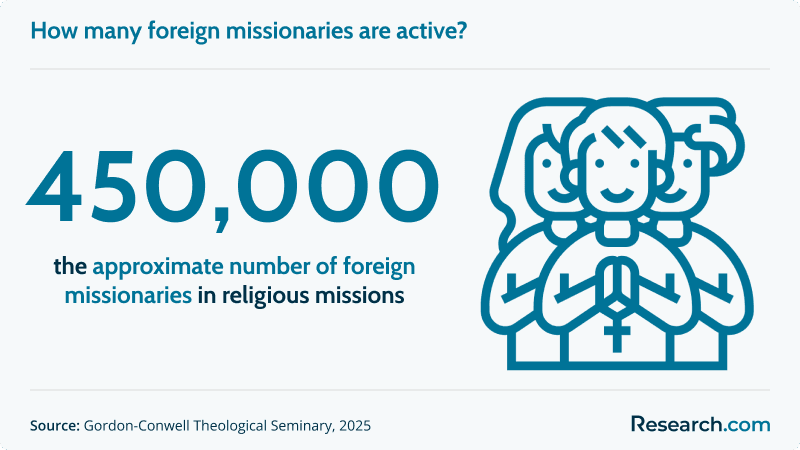
Specialized missions training can be valuable for students preparing to serve internationally or across cultures. With approximately 450,000 missionaries serving worldwide, leaders in this space may need preparation in culture, logistics, partnership development, risk awareness, team care, and sustainable ministry strategy.
How to Choose the Best Fast Online Christian Leadership Degree Program
The best program is not simply the fastest or cheapest one. It is the program that fits your theological commitments, career goals, schedule, budget, and ministry context while holding appropriate accreditation.
Use This Checklist Before Applying
- Verify accreditation: Confirm that the institution is accredited by an appropriate recognized accreditor. Accreditation affects academic credibility, credit transfer, financial aid, and future graduate study.
- Read the statement of faith: Make sure the school’s doctrine aligns with your church tradition and the setting where you intend to serve.
- Compare total cost: Calculate tuition, fees, books, travel, residency costs, and likely aid before choosing.
- Ask about transfer credit: Students with prior college work should request an official transfer review early.
- Review faculty experience: Look for instructors with ministry, nonprofit, missions, or executive leadership experience, not only academic credentials.
- Match the curriculum to your goal: A missions-heavy program may not be ideal for a future church administrator, and a business-focused program may not be enough for pastoral formation.
- Confirm fieldwork requirements: Ask whether practicums can be completed in your current church, ministry, or community setting.
- Evaluate online support: Check advising, library access, tutoring, technology support, spiritual formation opportunities, and career services.
How to Read a School’s Statement of Faith
A statement of faith is one of the most important documents to read before enrolling. It explains the school’s theological commitments and often reveals whether the learning environment will fit your beliefs, church background, and leadership goals.
Read it carefully rather than scanning for familiar language. Ask whether its teaching on Scripture, salvation, church, sacraments or ordinances, ministry, ethics, and leadership matches your convictions and the tradition where you plan to serve. If you strongly disagree with central points, the program may create avoidable tension even if it is academically strong.
Questions to Ask Admissions Advisors
| Question | Why You Should Ask |
| Is the program fully online, or are there required campus visits? | Residencies can affect cost, work schedules, and family responsibilities. |
| How many credits will I need after transfer evaluation? | This determines your real timeline and total cost. |
| What ministry or leadership experience is required? | Some programs may expect current service, references, or field placements. |
| Can I complete practicums where I already serve? | This can make applied requirements easier and more relevant. |
| What scholarships are available for online students? | Some aid is limited by campus, degree level, or enrollment status. |
| What roles do graduates commonly pursue? | Graduate outcomes can show whether the program aligns with your goals. |
| Does this program support ordination, licensing, or denominational requirements? | Academic degrees and church credentialing are often separate processes. |
What Careers Can You Pursue With an Online Christian Leadership Degree?
An online Christian leadership degree can prepare graduates for ministry, church administration, nonprofit, missions, development, and community leadership roles. The most relevant positions depend on degree level, experience, denomination, location, and whether the student also meets ordination or organizational requirements.
| Career Path | Typical Responsibilities | When This Degree Helps |
| Executive Pastor or Pastor of Administration | Oversees staff, systems, budgets, operations, and strategic execution | Useful for leaders moving from ministry participation to organizational oversight |
| Church Administrator or Business Manager | Manages finance, facilities, HR, compliance, and daily operations | Helpful when churches need professional administration and stewardship |
| Faith-Based Nonprofit CEO or Director | Leads mission strategy, fundraising, staff, programs, and board communication | Valuable for students combining service motivation with executive responsibility |
| Missions Agency Director | Coordinates teams, partnerships, logistics, training, and global strategy | Strong fit for students focused on cross-cultural leadership |
| Director of Development or Advancement | Builds donor relationships, campaigns, grants, and fundraising systems | Useful for leaders responsible for organizational sustainability |
| Campus Ministry Director | Leads student discipleship, outreach, staff, volunteers, and campus partnerships | Fits students called to young adult ministry and institutional collaboration |
Career Paths Outside Traditional Church Roles
Christian leadership training can also support roles in community programs, chaplaincy-adjacent settings, education, social services, and faith-based advocacy. However, students should confirm whether additional credentials, licenses, background checks, or agency-specific requirements apply.
For example, someone drawn to restorative community work may compare ministry leadership with public service roles such as how to become a juvenile probation officer. The skills may overlap in communication, ethics, administration, and service, but the credential requirements are different.
Leadership Degrees and Ordination Are Not the Same
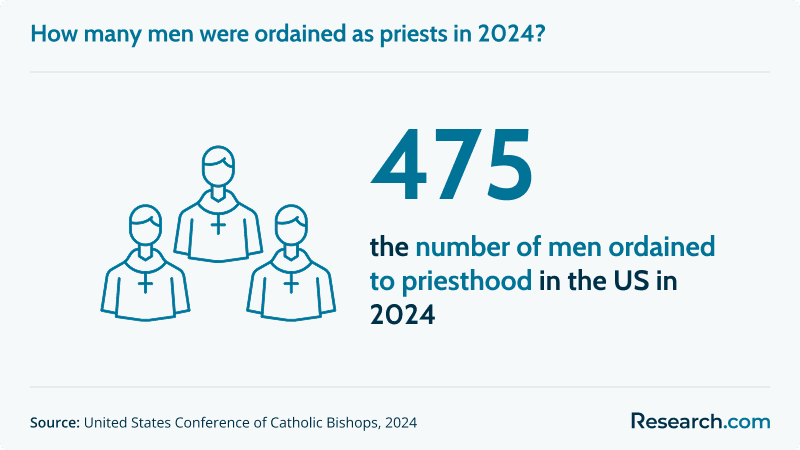
A Christian leadership degree may support ministry preparation, but it does not automatically ordain someone or qualify them for every church office. Denominations set their own requirements for ordination, commissioning, or licensing. For those in the Catholic tradition, formal priestly formation follows a distinct process; in 2024, 475 men were ordained to the priesthood in the U.S.
What Is the Job Market for Christian Leadership Graduates?
The job market for Christian leadership graduates is shaped by two realities: religious participation is changing, and faith-based organizations still need capable leaders. Churches, ministries, schools, and nonprofits increasingly require people who can manage budgets, develop teams, communicate vision, use technology, measure program effectiveness, and lead through change.
Formal leadership training may help candidates show that they have both theological grounding and practical organizational skills. It is most valuable when combined with ministry experience, strong references, emotional maturity, financial literacy, and a clear record of leading people well.
Salary Expectations and Professional Growth
Compensation varies by role, denomination, region, organization size, and funding model. For example, the Presbyterian Church in the U.S. offers a median effective salary of around $70,000 for its ministers in 2025. Students should treat salary data as context rather than a promise, because ministry compensation can differ significantly across churches and nonprofit settings.
Professional networks can also support career growth. The Church Network provides resources, certification, and networking for church administrative leaders, reflecting the professionalization of church operations and ministry administration.
Common Mistakes to Avoid in Fast Online Christian Leadership Programs
Accelerated online study can be a strong option, but students often run into problems when they choose quickly without checking the details. Avoiding these mistakes can save time, money, and frustration.
| Mistake | Why It Creates Problems | Better Approach |
| Choosing only the fastest program | A short timeline is not helpful if the curriculum does not fit your ministry goal. | Compare speed with accreditation, theology, faculty, and career alignment. |
| Ignoring accreditation | Unaccredited study may limit financial aid, transfer, graduate school, and employer recognition. | Verify accreditation before applying or paying deposits. |
| Looking only at tuition | Fees, books, travel, and required credits can change the real cost. | Calculate the full degree cost after aid and transfer credit. |
| Assuming online means easier | Accelerated online courses can be demanding and require consistent weekly effort. | Protect study time and ask about workload expectations before enrolling. |
| Skipping theological review | A doctrinal mismatch can affect class discussions, assignments, and future ministry usefulness. | Read the statement of faith and ask how the program fits your tradition. |
| Forgetting licensure or ordination requirements | Academic degrees do not automatically meet church, counseling, chaplaincy, or government requirements. | Confirm requirements with your denomination, employer, or licensing body. |
| Underusing online community | Students who remain passive may feel isolated and miss networking benefits. | Participate actively in discussions, cohort meetings, mentoring, and faculty office hours. |
Online students in Christian leadership programs face some of the same challenges found in other flexible professional degrees. Comparing student support models in programs such as the most affordable online MBA programs can help you evaluate advising, technology support, scheduling, and career services more carefully.
How Accreditation and Quality Assurance Affect Program Value
Accreditation is one of the clearest signals that a school has been reviewed for academic standards, institutional stability, faculty qualifications, and student support. For Christian leadership students, accreditation can influence financial aid, credit transfer, graduate admission, employer confidence, and whether the credential is accepted by ministry or nonprofit organizations.
Quality assurance also matters because online programs vary in instructional design. A strong program should offer clear course navigation, timely faculty feedback, accessible library resources, reliable technology support, meaningful interaction, and applied assignments that connect to leadership practice.
Students comparing standards across professional fields can also review how accreditation and program quality are discussed in the fastest online construction management degree guide, where credential recognition and practical preparation are also important.
Online Christian Leadership Degree vs. Online MBA: Which Should You Choose?
An online Christian leadership degree and an online MBA both teach leadership and organizational decision-making, but they serve different goals. Christian leadership programs are built around ministry, theology, ethics, nonprofit service, church administration, missions, and faith-based organizational life. MBA programs focus more directly on business strategy, finance, operations, marketing, analytics, and corporate management.
| Option | Best For | Core Emphasis | Potential Limitation |
| Online Christian Leadership Degree | Students pursuing church, ministry, missions, or faith-based nonprofit leadership | Biblical leadership, theology, ethics, ministry systems, nonprofit or church administration | May be less recognized for corporate business roles than an MBA. |
| Online MBA | Students pursuing corporate, entrepreneurial, finance, operations, or broad management roles | Business strategy, finance, marketing, analytics, organizational management | May not provide ministry formation, theological grounding, or church-specific preparation. |
If your long-term goal is senior leadership in a church, ministry, missions agency, or Christian nonprofit, a Christian leadership degree may be the more targeted credential. If you want broader business mobility, compare MBA online degrees before deciding.
What Graduates Say About Fast Online Christian Leadership Programs
- : "I was carrying too many responsibilities without a clear system for leading well. The program helped me think about sustainable leadership, healthier structures, and better ways to guide staff and volunteers. It gave me practical tools, but it also helped restore my sense of purpose. — Tyler"
- : "I had ministry experience, but I needed formal leadership preparation to be considered for senior roles. The degree helped me demonstrate that I could handle administration, planning, and organizational strategy. After finishing, I moved into an Executive Pastor position. — Ramon"
- : "I expected online learning to feel disconnected, but the cohort surprised me. I studied with leaders from different regions, traditions, and ministry settings, and the conversations were serious, honest, and practical. The relationships became one of the strongest parts of the experience. — Olsen"
Practical Steps Before You Enroll
- Define your target role. Decide whether you are preparing for pastoral leadership, church administration, missions, nonprofit management, development, or another path.
- Choose the right degree level. A bachelor’s degree may be the first step for students without an undergraduate credential; a master’s degree may fit experienced leaders seeking advancement.
- Check accreditation first. Do this before comparing tuition or course titles.
- Request a transfer evaluation. Students with prior credits should learn exactly how many credits remain.
- Compare total cost after aid. Include fees, materials, and any travel.
- Read the statement of faith. Confirm theological alignment with your church or ministry context.
- Ask about fieldwork. Make sure you can complete applied requirements in a realistic setting.
- Talk to current students or alumni. Ask about workload, faculty responsiveness, online engagement, and career usefulness.
- Confirm ordination or licensure needs. If your career goal involves denominational credentialing or counseling licensure, verify separate requirements early.
- Plan your weekly schedule. Accelerated online programs reward consistency; they are difficult to complete casually.
Key Insights
- The fastest online Christian leadership programs are not automatically the best; the right choice must balance speed, accreditation, theological fit, cost, and career relevance.
- Bachelor’s programs in this list range from 2-4 years to 4 years, while master’s programs include 24-month and 2-year options.
- Costs vary significantly, from $4,000 total tuition to per-credit rates of $250, $390, $440, $485, $570, and $735.
- Accreditation is non-negotiable because it affects credibility, credit transfer, aid eligibility, and future education options.
- A Christian leadership degree is best for students pursuing ministry, church administration, missions, nonprofit, or faith-based leadership roles; students seeking corporate mobility may want to compare MBA options.
- Theological alignment matters. Always read the school’s statement of faith before applying.
- Leadership degrees and ordination are different. Denominations, churches, and employers may set additional requirements beyond the academic degree.
- Online study can be highly practical for working ministry leaders, but it requires discipline, reliable technology, and active engagement with faculty and peers.
References:
- CareerOneStop. (2025). Occupation profile: Clergy. Retrieved July 24, 2025, from https://www.careeronestop.org/Toolkit/Careers/Occupations/occupation-profile.aspx?keyword=Clergy&onetcode=21-2011.00 CareerOneStop clergy profile
- Data USA. (2025). Christian studies. Retrieved July 24, 2025, from https://datausa.io/profile/cip/christian-studies
- Data USA. (2025). Divinity & ministry. Retrieved July 24, 2025, from https://datausa.io/profile/cip/divinity-ministry
- Data USA. (2025). Religious studies. Retrieved July 24, 2025, from https://datausa.io/profile/cip/religious-studies-380201
- Gallup News. (2024, March 25). Church attendance has declined in most US groups. Retrieved July 24, 2025, from https://news.gallup.com/poll/642548/church-attendance-declined-religious-groups.aspx
- Gordon Conwell Theological Seminary. (2025). Status of Global Christianity, 2025, in the context of 1900–2050. Retrieved July 24, 2025, from https://www.gordonconwell.edu/wp-content/uploads/sites/13/2025/01/Status-of-Global-Christianity-2025.pdf
- Pew Research Center. (2025, June 9). How the global religious landscape changed from 2010 to 2020. Retrieved July 24, 2025, from https://www.pewresearch.org/religion/2025/06/09/how-the-global-religious-landscape-changed-from-2010-to-2020/
- Pew Research Center. (2025, June 10). Video: How much ‘religious switching’ is there in the U.S.? Retrieved July 24, 2025, from https://www.pewresearch.org/religion/2025/06/10/video-how-much-religious-switching-is-there-in-the-us/
- Population Education. (2024, January 12). World population by religion: A global tapestry of faith. Retrieved July 24, 2025, from https://populationeducation.org/world-population-by-religion-a-global-tapestry-of-faith/
- Statista. (2025, April 4). Self-described religious identification of Americans 2023. Retrieved July 24, 2025, from https://www.statista.com/statistics/245478/self-described-religious-identification-of-americans/
- The Board of Pensions of the Presbyterian Church (USA). (2025). Median and effective salary. Retrieved July 24, 2025, from https://www.pensions.org/what-we-offer/employer-guidance/effective-salary
- The Catholic World Report. (2025, February 17). Diocesan priestly vocations in the United States: A look at the numbers. Retrieved July 24, 2025, from https://www.catholicworldreport.com/2025/02/17/diocesan-priestly-vocations-in-the-u-s-a-look-at-the-numbers/
- United States Conference of Catholic Bishops. (2024, April 15). New survey of men being ordained to the priesthood underscores the significant influence of parents on children’s vocational discernment. Retrieved July 24, 2025, from https://www.usccb.org/news/2024/new-survey-men-being-ordained-priesthood-underscores-significant-influence-parents
- United States Conference of Catholic Bishops. (2025). Clergy and religious. Retrieved July 24, 2025, from https://www.usccb.org/offices/public-affairs/clergy-and-religious
- ZipRecruiter. (2025). Salary: Minister (July 2025). Retrieved July 24, 2025, from https://www.ziprecruiter.com/Salaries/Minister-Salary
Other Things You Should Know About the Fastest Online Christian Leadership Degree Programs
Yes. Many Christian leadership programs ask applicants to sign a statement of faith or affirm the school’s doctrinal beliefs before admission. Some also require a pastor’s reference or church membership verification as part of the application, especially at faith-based colleges.
Yes, most 2027 online Christian leadership programs require reliable internet access and a computer with recent operating systems. Specific software like Microsoft Office or learning platforms such as Blackboard or Canvas may be necessary for coursework and communication.
The application process for a 2027 online Christian leadership program typically involves submitting an online application form, transcripts from previous education, and possibly letters of recommendation. Some programs may also require a personal statement or an interview to assess your commitment and goals in Christian leadership.
2027 online Christian leadership degree programs typically include courses such as Biblical studies, church management, ethical leadership, and pastoral counseling. These programs ensure a comprehensive understanding of Christian principles combined with practical leadership skills essential for effective church and community management.


