
2027 Which Industries Offer the Best Career Paths for Reading & Literacy Degree Graduates?

Co-Founder and Chief Data Scientist
Graduates entering the workforce with a reading & literacy degree often face uncertainty-especially when seeking roles that balance compensation, job security, advancement, and workplace culture. For example, education and publishing industries show distinct differences in salary trajectories and stability; over 25% of literacy educators report steady career advancement within five years compared to sectors like nonprofit literacy advocacy, where funding volatility impacts growth opportunities. Navigating these variables is crucial for sustainable career satisfaction. This article analyzes key industries to reveal where reading & literacy graduates can find the strongest combination of financial reward, stability, and professional growth, aiding informed career decisions.
Key Things to Know About the Industries That Offer the Best Career Paths for Reading & Literacy Degree Graduates
- Education sectors-particularly K-12 public schools-offer stable employment and structured advancement, with average salaries rising 3% annually alongside increased demand for literacy specialists.
- Nonprofit literacy organizations provide mission-driven roles with flexible schedules but often lower compensation; however, these positions support continuous professional development and community impact.
- Corporate publishing and educational technology firms present higher starting salaries and remote work options-promoting career growth through innovation-driven cultures that value advanced literacy expertise.
Which Industries Offer the Highest Starting Salaries for Reading & Literacy Degree Graduates?
Graduates with a reading & literacy degree often find higher starting salaries in industries where specialized knowledge aligns with labor market demands and sector profitability. Bureau of Labor Statistics (BLS) Occupational Employment and Wage Statistics reveal that several fields offer a premium on entry-level pay, driven by skill scarcity, funding priorities, or strong economic incentives.
- Educational Services: This sector encompasses public and private schools, tutoring, and curriculum firms. Urban and suburban districts with well-funded literacy initiatives create demand for qualified educators, reflecting regional budget variations that boost starting pay.
- Healthcare and Social Assistance: Literacy professionals working in pediatric or adult literacy programs within healthcare settings receive competitive wages due to the unique blend of educational and health communication expertise they provide, amid a shortage of such specialists.
- Publishing and Educational Materials: Companies producing textbooks, educational software, and digital learning platforms offer strong compensation to graduates who can support content development and literacy assessment, fueled by the profitability of expanding digital education markets.
- Government and Public Administration: Literacy experts employed in community outreach, adult education, and correctional programs often earn premium starting salaries, as government agencies seek skilled professionals able to navigate stringent qualification and program management demands.
- Corporate Training and Professional Development: Businesses in sectors such as finance and technology that invest in workforce literacy and communication skills provide above-average entry-level pay, recognizing the strategic role these competencies play in employee productivity.
- Nonprofit Organizations: While nonprofits often pay less, those focused on literacy advocacy and education outreach backed by targeted grant funding may offer relatively high starting salaries, particularly for innovative programs addressing educational equity.
- Technology and E-Learning: The growing demand for literacy experts with technical fluency in e-learning and app development drives competitive pay in this fast-evolving industry bridging education and technology.
These top-paying career fields for reading & literacy degree holders at entry level represent only part of the picture. Starting salary is one factor among many-including advancement potential, job stability, and alignment with personal mission-that influence where graduates thrive professionally.
For those interested in combining educational credentials with targeted certification pathways, exploring options such as BCBA programs may also expand career trajectories and earning potential.
What Are the Fastest-Growing Industries Actively Hiring Reading & Literacy Graduates Today?
The fastest-growing educational industries hiring reading & literacy graduates today reflect a mix of economic, demographic, technological, and policy-driven changes shaping the US labor market. These sectors reveal both sustainable demand and shorter-term surges tied to cyclical factors, providing diverse pathways for career development.
- Education Services: This sector shows consistent, long-term growth driven by demographic shifts-such as rising K-12 enrollments in expanding regions-and policy initiatives mandating literacy proficiency. Increasing focus on early childhood literacy and remote or hybrid learning models creates demand for educators skilled in technology-enhanced instruction.
- Health Care and Social Assistance: With adult literacy recognized as a social determinant of health, opportunities in patient education, community outreach, and workforce retraining are expanding. Aging populations and chronic disease increase the need for clear communication and literacy interventions, establishing this sector as a structurally steady employer of specialists.
- Professional and Business Services: Reading & Literacy graduates find growing roles designing corporate training and upskilling programs-especially for technical communication and regulatory compliance. While regulatory changes cause short-term hiring boosts, the broader digital transformation sustains demand for literacy expertise in workplace development.
- Government and Public Administration: Federal, state, and local agencies offer roles in adult education, workforce development, and correctional literacy programs. Infrastructure investment and bipartisan support for literacy improvement lend a stable platform, although hiring often fluctuates with policy cycles.
Overall, the top US sectors actively recruiting reading & literacy degree holders include education and health care for lasting growth and professional advancement. Business services and government provide complementary opportunities-sometimes more cyclical-that suit graduates interested in interdisciplinary or policy-oriented careers.
For career changers and working professionals considering sector pivots that combine purpose with compensation, exploring options such as an affordable executive MBA can expand leadership prospects in these advancing fields.
How Does Industry Choice Affect Long-Term Earning Potential for Reading & Literacy Professionals?
The industry a reading & literacy professional enters shapes how their salary evolves over time-some sectors reward experience and skill with rapid income growth, while others keep wage increases modest regardless of tenure. Wage data reveal stark contrasts in compensation patterns across different fields.
- Growth Potential: Industries like publishing, educational technology, and corporate training tend to offer steep salary trajectories-doubling or tripling pay within 10 to 15 years as professionals move into leadership, development, or consulting roles.
- Compressed Earnings: Traditional K-12 education jobs often have tightly controlled salary scales tied to years of service, which limits long-term earnings despite stability and meaningful work.
- Variable Compensation: Total pay can vary beyond base salaries, with private sector roles often including performance bonuses and profit-sharing that increase take-home earnings. Some positions also offer equity in startups or edtech firms, which can lead to long-term financial gains but come with higher risk.
- Industry Benefits: Some sectors invest more heavily in professional development and support for licensing-tools that can accelerate promotion and increased earnings.
- Long-Term View: Evaluating career paths requires looking beyond starting salaries to the 10- to 20-year earning arc, where sectors with faster growth potential can yield considerably higher lifetime income.
During economic downturns such as the 2008 financial crisis and the 2020 COVID-19 disruption, certain industries have maintained resilient demand for reading & literacy graduates-particularly those in healthcare, government, and essential public services. These sectors often exhibit countercyclical patterns, with job security bolstered by continuous funding and urgent societal needs. For instance, healthcare roles specializing in patient education and health literacy remained stable as communication clarity became critical for effective treatment.
Conversely, private-sector positions in publishing, educational technology, or content development faced more exposure to layoffs and hiring freezes, reflecting broader market volatility. Graduates exploring these areas benefit from innovation and sometimes higher salaries but must weigh these against less predictable job stability.
Public education, especially in K-12 systems, historically offered recession-resistant careers due to sustained government funding, plus clear advancement pathways through certifications and professional development programs.
Nonprofit organizations focused on adult education and literacy outreach present moderate stability by leveraging federal and state grants, although funding fluctuations can occur. These roles also attract those seeking alignment with mission-driven work.
Emerging sectors like educational technology provide increased remote work opportunities, with ongoing investments supporting growth despite economic uncertainty.
- Stability: Government and healthcare sectors show consistent employment due to essential services and public funding.
- Volatility: Private-sector literacy roles often align with market trends and can experience cyclical layoffs.
- Trade-offs: Higher pay in volatile industries versus job security in public and nonprofit sectors requires careful risk assessment.
- Licensing: State certifications in education enhance job security but may delay entry.
- Trend: Remote literacy-related roles in educational technology are growing, reflecting shifting work patterns.
Graduates tasked with mapping their futures should consider how their reading & literacy skills align with these industry dynamics, balancing economic resilience with personal risk tolerance and financial needs. For those weighing return-to-school options, consulting resources like cheapest CSWE-accredited online MSW programs can also guide a strategic career pivot alongside literacy expertise.
The private sector offers rich and varied career avenues for reading & literacy graduates, encompassing Fortune 500 firms and innovative startups alike. Employers in this arena recognize their expertise in literacy education, content creation, and communication as valuable assets for enhancing learning engagement and knowledge sharing.
- Publishing Industry: Major publishers like Penguin Random House and HarperCollins employ literacy professionals for editorial roles, educational content strategy, and product development. These firms provide structured career ladders but maintain rigorous performance standards that influence promotional timing.
- Corporate Training and Development: Companies such as IBM and Deloitte engage reading & literacy experts to craft workforce training initiatives that elevate communication skills. These roles often come with competitive salaries, performance bonuses, and remote work options, fostering innovative and collaborative environments.
- Educational Technology (EdTech): Startups like Newsela and Amplify attract literacy graduates for roles in product design, user experience, and content innovation. Growth here is rapid and flexible, with less formal promotion processes but potential for equity stakes, all within cultures that emphasize agility and entrepreneurship.
- Media and Communications: Organizations including CNN and PR agencies seek specialists to ensure content accuracy and maximize audience engagement. Compensation packages combine salaries and bonuses, while working under tight deadlines and shifting priorities.
Compared to public roles, private-sector jobs generally offer higher base pay coupled with incentive-driven rewards, alongside faster-paced demands and a focus on measurable outcomes. Prospective employees should weigh the intensity of performance culture and the level of remote work flexibility against their personal career values and development goals.
Graduates with reading & literacy degrees face different career dynamics depending on whether they enter public or private sectors-each offering paths shaped by distinct organizational structures and priorities.
- Career Structure: Federal, state, and local government roles adhere to civil service systems-jobs classified by standardized grades with defined promotion criteria often linked to tenure and performance. Private employers feature more flexible hierarchies, where advancement is frequently influenced by individual achievements, market demands, and networking.
- Compensation: Private sector salaries commonly surpass those in government at entry and mid-career levels, but public positions provide steady pay raises tied to grade increases and inflation adjustments. Public roles may have earning ceilings absent in private jobs, which often include bonuses or profit-sharing options.
- Advancement Opportunities: Government careers emphasize gradual, well-outlined progressions, promoting job stability, while private organizations-especially in edtech, publishing, and nonprofit literacy programs-may allow faster but less predictable career growth.
- Unique Government Benefits: Public employment offers advantages such as defined-benefit pensions that provide long-term financial security, which are less common in the private sector. It may also include eligibility for student loan forgiveness through federal and state public service programs. In addition, civil service protections generally provide stronger job security and lower layoff risk during economic downturns.
- Key Employers: Government literacy professionals often work for the Department of Education's literacy programs, state-level reading councils, and local education agencies focusing on literacy support and intervention.
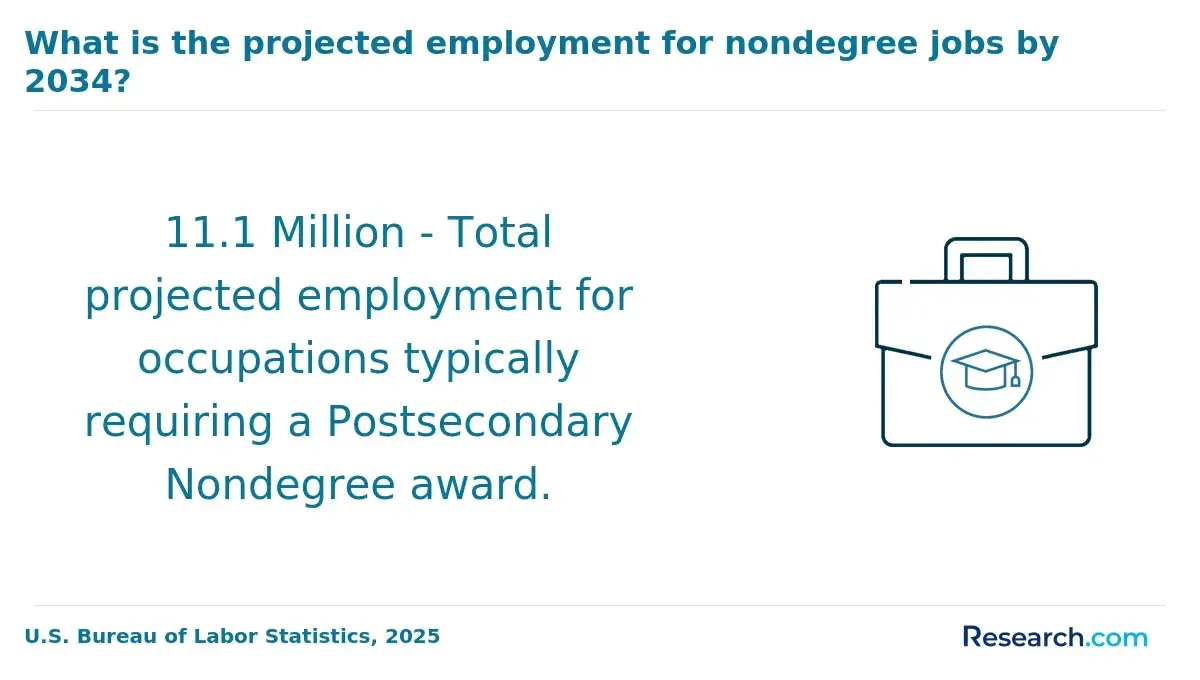
- Labor Market Outlook: The Bureau of Labor Statistics projects employment in education, training, and library roles to grow 5% from 2022 to 2032, highlighting sustained demand with competitive stability in public sector positions.
Leadership trajectories for reading & literacy graduates are most defined within education, higher education, and ed-tech industries-sectors known for meritocratic promotion and clear advancement criteria. In K-12 education, professionals often advance from instructional roles to leadership positions such as literacy coaches, department chairs, assistant principals, and principals within roughly a decade.
Elevation to district-level leadership and superintendent paths typically requires additional credentials, including leadership certifications or a master's degree, which expedite career growth.
Within higher education, graduates may progress to program director or department chair roles, with some ascending to dean or provost posts. Advancement here hinges on demonstrated teaching excellence and scholarly work, making graduate degrees-particularly master's and doctorates-critical for promotion. Universities maintain transparent benchmarks related to pedagogy and research productivity, fostering structured climb opportunities.
The publishing and educational technology sectors also offer significant leadership ceilings. Reading & literacy professionals can rise from content specialists to project managers, directors, and executives, especially when supported by graduate education such as an MBA focusing on education management or digital innovation.
Many ed-tech firms employ leadership development programs that systematize talent acceleration in a sector experiencing over 15% annual growth.
- Transparency: Clear promotion criteria tied to performance and credentials dominate public education and ed-tech, ensuring predictable advancement pathways.
- Graduate Education: Specialized master's degrees and MBAs with relevant focuses quicken access to senior management roles.
- Industry Mobility: Robust growth in ed-tech creates expanding leadership opportunities for literacy professionals.
- Licensing: K-12 leadership typically requires formal teaching and administrative certifications serving as advancement gateways.
- Mission Alignment: While healthcare and nonprofit literacy programs value leadership potential, they often lack the broad, systematic promotion structures found in education and corporate roles.
Evaluating upward mobility means considering not just entry positions but the potential to reach senior management or executive ranks within ten to fifteen years-often helped by combining domain expertise with continuing graduate study and leadership training.
Emerging technology-driven industries are reshaping the career landscape for reading & literacy graduates-demanding new skill sets that blend traditional expertise with cutting-edge knowledge. These sectors increasingly value professionals who can interpret complex information, communicate technical concepts clearly, and support interdisciplinary collaboration.
- Artificial Intelligence: This field requires reading & literacy specialists to produce precise documentation, design intuitive user interfaces, and translate complex algorithms for diverse audiences. Key competencies include technical writing, critical analysis, and data interpretation. Upskilling in coding basics or data literacy increases a graduate's ability to serve as a communication bridge between developers and nontechnical stakeholders.
- Clean Energy: As renewable energy grows, so does the need for literacy professionals fluent in environmental terminology and policy. They create accessible materials on safety protocols, regulatory compliance, and community outreach. Certifications in environmental communication or policy enhance employability in this expanding sector.
- Biotechnology: Detailed translation of scientific research into grant proposals, public education, and regulatory documents is vital. Expertise in science communication, ethics, and audience analysis complements advanced study in life sciences or bioethics-helping graduates thrive in this evolving industry.
- Advanced Manufacturing: With automation and smart factory technologies advancing, literacy experts develop manuals, training guides, and quality assurance documentation. Familiarity with technical terminology and certifications related to manufacturing processes position graduates as crucial liaisons between engineers and production staff.
- Digital Health: The rise of telemedicine and health IT demands professionals who create patient education materials and ensure regulatory compliance. Knowledge of medical language and health informatics, along with credentials in health communication, support career growth in this sector.
Graduates pursuing emerging technology careers for reading and literacy graduates should approach these industries with a balanced perspective-recognizing that higher rewards often accompany uncertainties in role clarity and industry stability.
Developing cross-disciplinary skills through targeted certifications or graduate programs in adjacent technical fields increases adaptability and value to employers. Continuous professional development, including workshops on emerging technologies and specialized communication techniques, helps maintain relevance as industries rapidly transform.
For those pivoting careers or exploring new pathways, options such as an affordable online real estate degree also offer practical alternatives and can be explored through resources like real estate degree programs that align with diverse professional goals.
Nonprofit, social enterprise, and mission-driven organizations represent a compelling and rewarding career path for reading & literacy graduates who seek both purpose and professional growth. Compensation for these roles varies widely-entry-level annual salaries typically range from $35,000 to $50,000, while mid-career positions can reach $60,000 to $75,000 depending on organizational size and funding.
Leadership roles and specialists with advanced credentials earn more, though pay generally remains below private sector levels.
- Compensation: Salaries reflect nonprofit funding constraints but are supplemented by other benefits and incentives.
- Benefits and Financial Incentives: Strong health insurance, retirement plans, and generous paid leave are common. Many graduates qualify for the Public Service Loan Forgiveness (PSLF) program-valuable for reducing student debt after 10 years of qualifying payments in eligible nonprofit roles. Additional loan repayment options and tax incentives may also apply, offsetting lower initial salaries.
- Advancement and Professional Development: Nonprofits may offer less structured advancement compared to for-profit sectors. However, many organizations invest in professional development and encourage cross-functional learning. Growth often depends on grant funding and leadership capacity, making networking and versatility critical.
- Mission Alignment and Workplace Culture: Many reading & literacy professionals are drawn by a clear mission-improving literacy rates or educational equity-which often enhances job satisfaction. Nonprofits foster inclusive, collaborative cultures focused on community impact rather than profit, providing a supportive environment.
- Non-Monetary Rewards: Flexible schedules, remote work options, and direct societal contributions provide intangible value that frequently outweighs financial limitations. Graduates find purpose in influencing literacy outcomes among underserved populations.
Those exploring nonprofit career opportunities for reading & literacy graduates should carefully weigh these factors against financial considerations. For professionals interested in expanding their qualifications, pathways such as clinical mental health counseling may offer complementary certification options that broaden impact and career versatility within mission-driven settings.
Industries embracing remote and hybrid roles for reading & literacy degree holders tend to rely heavily on digital communication and content delivery platforms. Education technology companies, publishing firms, and freelance writing platforms often offer the greatest flexibility-reflecting employer cultures that support location-independent work. Recent workforce studies show that over 60% of education technology positions include options for hybrid or fully remote work.
In contrast, sectors such as traditional public school districts and specialized literacy intervention programs usually require on-site attendance. These roles often demand direct interaction with students and adherence to regulatory mandates, limiting possibilities for flexible work arrangements.
Remote work options allow reading & literacy graduates to decouple their earnings from geographic constraints-enabling professionals to tap into salaries typical of high-cost urban areas while residing in lower-cost regions. This geographic mobility can improve work-life balance by reducing commuting time and living expenses.
When assessing an industry's remote work environment, consider these factors:
- Employer Policies: Analyze job listings for explicit mentions of remote or flexible work and explore company reviews for insights on work-life balance.
- Technology Support: Focus on organizations with robust digital tools that facilitate virtual collaboration and seamless remote workflows.
- Role Compatibility: Evaluate if core responsibilities-like curriculum development or literacy coaching-can be executed efficiently off-site.
- Negotiation Potential: Use interviews as opportunities to discuss and shape flexible or hybrid working arrangements suited to the role's demands.
Recent data reveal that 58% of education professionals prefer hybrid work models-underscoring flexibility as a critical factor for job satisfaction in reading & literacy careers.
Licensing and certification criteria significantly influence how reading & literacy graduates enter and progress in various career paths-often requiring time and resource investment beyond their degrees.
- Education Sector: Securing state teaching licenses is mandatory for public school educators, demanding completion of accredited programs, supervised teaching experiences, and passing state exams. Specialized endorsements in reading may be necessary for roles such as reading specialists or literacy coaches. Ongoing professional development is typically required to sustain licensure.
- Special Education and Intervention: Entry barriers here are higher due to complex knowledge and skill sets, with licensing often involving certifications in special education or targeted reading interventions-both requiring additional coursework and practical training beyond the initial degree.
- Library and Information Science: Although formal state licensing is generally not required for reading-related positions in libraries, recognized credentials like Certified Reading Specialist or International Literacy Association certifications enhance employment opportunities and career growth.
- Private Sector and Nonprofit Roles: These fields typically present fewer regulatory hurdles, making entry more straightforward. However, certifications such as Orton-Gillingham or Wilson Reading System credentials can significantly boost competitiveness.
- Advancement and Differentiation: Obtaining professional credentials above required licenses helps candidates stand out, often speeding hiring and promotion by signaling specialized expertise.
- Trend Insight: Employment of reading specialists and literacy teachers is projected to grow 6% from 2022 to 2032 according to the U.S. Bureau of Labor Statistics-underscoring the rising importance of certifications in recruitment.
- Advisory: Licensure rules vary by state and evolve regularly, so it is essential for graduates to check with relevant education departments or associations for the most current requirements.
What Graduates Say About the Industries That Offer the Best Career Paths for Reading & Literacy Degree Graduates
- Iker: "The literacy field offers a surprisingly stable career path, especially within public education and non-profit organizations focused on community learning. From my experience, the compensation might not always be sky-high-but the meaningful impact and job security more than make up for that. Anyone passionate about fostering growth in others will find this industry deeply rewarding."
- Hayden: "Working in literacy programs opened my eyes to the incredible advancement opportunities available-whether it's moving into curriculum development, educational leadership, or policy advocacy. I've found that organizations focused on adult education often have dynamic workplace cultures that really encourage innovation and collaboration. It's a space where creativity meets purpose, which makes every day fulfilling."
- Caleb: "One of the standout aspects I noticed in literacy-related careers is how workplace culture varies-but when it's right, it truly supports professional and personal growth. The best employers invest in their teams, providing ongoing training and clear promotion paths, which leads to better compensation over time. For graduates ready to commit, this industry is full of potential and long-term rewards."
Other Things You Should Know About Reading & Literacy Degrees
Public school districts most often require a reading specialist endorsement for intervention, coaching, and literacy leadership roles. Many states also ask for a valid teaching license, a master’s degree, and passing scores on a reading-focused licensure exam, such as a state-approved Praxis test.
Geographic location plays a significant role in career availability and salaries for reading & literacy graduates. Urban areas tend to offer more diverse job opportunities-including specialized literacy programs and nonprofit organizations-while rural locations may have fewer openings but can provide greater community engagement. States with strong education funding and literacy initiatives tend to invest more heavily in these roles, boosting demand.
Certifications such as the Reading Specialist Certification or Literacy Coach Certification can enhance career prospects for graduates. These credentials are recognized across various educational institutions and some literacy-focused organizations, boosting employability and potential for advancement in 2027.
- Careers in Literacy Education https://www.iona.edu/blog/careers-in-literacy-education
- Adult Literacy and the Workforce: Building Skills for a Better Future - Literacy Texas https://www.literacytexas.org/workforce-skills-better-future/
- Degrees With the Highest and Lowest Early-Career Salaries, From Chemical Engineering to Education https://www.investopedia.com/degrees-with-the-highest-and-lowest-early-career-salaries-from-chemical-engineering-to-education-11961097
- 10 career fields that are more remote-friendly than most https://qz.com/most-remote-friendly-jobs-flexjobs
- Building digital literacy: Preparing the next-gen tech-driven workforce - ET Edge Insights https://etedge-insights.com/industry/education/building-digital-literacy-preparing-the-next-gen-tech-driven-workforce/
- The Future of L&D: Top Emerging Career Paths - Exemplar Global https://exemplarglobal.org/the-future-of-ld-top-emerging-career-paths/
- Reading Between the Lines: Why Literacy is the Foundation for Workforce Success - The Literacy Council https://literacy-council.org/reading-between-the-lines-workforce-success/
- Financial literacy: What roles does the private sector play? - Intuition https://www.intuition.com/financial-literacy-what-roles-does-the-private-sector-play/
- The Fastest-Growing Jobs Are Speaking. Are We Listening? https://languagemagazine.com/2026/03/25/the-fastest-growing-jobs-are-speaking-are-we-listening/
- 42 Companies With Leadership Development Programs | Built In https://builtin.com/articles/companies-with-leadership-development-programs


