2027 Which Reading & Literacy Degree Careers Offer the Best Return Without Graduate School?

Co-Founder and Chief Data Scientist
With college costs rising over 30% in the last decade, many recent graduates weigh the value of additional degrees against potential earnings. In the field of reading & literacy, nearly 40% of professionals enter the workforce equipped only with a bachelor's degree, seeking career growth without grad school expenses. Some roles offer competitive salaries and advancement opportunities without requiring further education or credentialing. s
Understanding which reading & literacy career paths deliver the best return on investment for bachelor's degree holders is crucial for financially savvy candidates. This article explores these options and guides readers toward informed career decisions without the burden of graduate degrees.
Key Benefits of Reading & Literacy Degree Careers That Offer the Best Return Without Graduate School
- Strong earning potential and early salary growth in reading & literacy careers can lead to a significant long-term return on investment, with median wages rising 15% within five years post-graduation.
- Consistent job demand and career advancement opportunities in the field contribute to financial security, as literacy specialists and educators remain essential across diverse educational settings.
- Accessible entry requirements without graduate education allow faster workforce entry, enabling graduates to begin earning and gaining experience sooner than those needing advanced degrees.
Which Reading & Literacy Careers Offer the Best Return Without Graduate School?
Evaluating return on investment (ROI) is essential for students seeking reading and literacy careers with high salary potential and long-term stability. The U.S. Bureau of Labor Statistics projects about 9% growth in education and training occupations through 2031, reflecting steady demand. Below are key career paths offering balanced ROI without requiring graduate education.
- Elementary and Middle School Teachers: These educators focus on foundational literacy skills in young learners. With a bachelor's degree and certification, they benefit from steady employment in public schools, solid salary potential, and opportunities to shape literacy development over a lasting career.
- Library Technicians and Assistants: Supporting literacy through resource management, these roles require only a bachelor's degree or equivalent experience. Although moderate in salary, they provide strong job security and growth within public and educational library systems.
- Content Editors and Curriculum Developers: Professionals who design reading materials and instructional content often hold bachelor's degrees in English or education. These positions offer career advancement in educational publishing and nonprofit sectors without immediate need for graduate studies.
- Instructional Coordinators (Entry- and Mid-Level): Coordinators who develop literacy programs and assist teachers can start with a bachelor's degree. This role delivers a pathway for career advancement while balancing salary and professional growth without requiring graduate education upfront.
What Are the Highest-Paying Reading & Literacy Jobs Without a Master's Degree?
Evaluating earning potential in reading & literacy careers without pursuing a master's degree is essential for students focused on maximizing their financial return. Data from the U.S. Bureau of Labor Statistics shows that several positions accessible with only a bachelor's degree offer salaries exceeding $60,000 annually. Below are some of the highest-paying jobs in this field that do not require graduate education.
- Instructional Coordinator: Earning between $60,000 and $85,000 annually, instructional coordinators design and implement curriculum focused on literacy skills. Their expertise in curriculum management and data evaluation makes them highly valued in school districts and educational organizations.
- Technical Writer: With salaries typically ranging from $55,000 to $90,000, technical writers utilize strong reading and literacy skills to produce manuals, guides, and instructional content. Their role requires precise communication and literacy knowledge, making them well-compensated in various industries.
- Library and Information Science Specialist: These professionals manage and organize resources that support reading development, with median salaries between $55,000 and $80,000. Many positions require only a bachelor's degree, emphasizing literacy promotion and information management.
- Educational Content Developer: Creating reading and literacy materials for schools and digital platforms, content developers earn approximately $50,000 to $75,000 annually. Their work ensures that diverse learners receive effective literacy instruction through well-designed resources.
Each of these roles blends specialized knowledge of literacy with practical skills that extend beyond the traditional classroom setting, positioning them among the best-paying career options for those holding just a bachelor's degree.
Which Industries Offer High Salaries Without Graduate School?
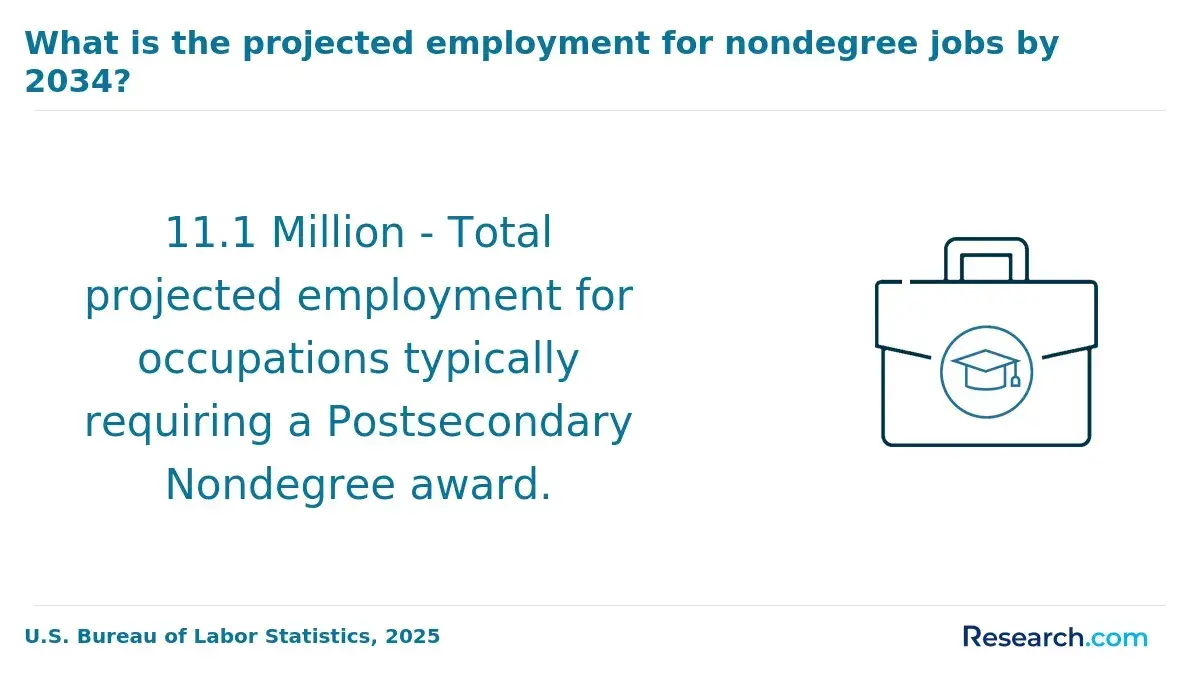
Industry selection significantly affects salary prospects for individuals holding a bachelor's degree in reading & literacy. Data from the U.S. Bureau of Labor Statistics highlights wage disparities between sectors, with some industries offering median salaries nearly 50% higher than others for similar education levels. Below are five industries known for providing strong pay without requiring graduate degrees.
- Publishing Industry: Combining expertise in content creation and commercial publishing, this sector typically offers salaries ranging from $50,000 to $75,000. Demand for quality educational materials and literary content supports steady compensation in this field.
- Corporate Training And Development: Companies invest heavily in employee literacy and communication training, resulting in salaries that often range from $55,000 to over $80,000. This sector values effective workforce development initiatives that enhance productivity and retention.
- Educational Technology (EdTech): Rapid growth and innovation in this industry translate into competitive wages between $60,000 and $85,000. The integration of technology in learning requires skilled professionals to develop engaging literacy products.
- Government And Public Sector: Offering stable earnings generally between $50,000 and $70,000, this sector focuses on community education and literacy programs, emphasizing public service and consistent compensation.
- Nonprofit Organizations: Literacy advocacy and educational outreach roles provide respectable salaries usually from $45,000 to $65,000. Funding through grants and donations helps sustain these positions without mandating advanced degrees.
When discussing which industries offer strong earnings without graduate education, a reading & literacy degree graduate shared his experience navigating career options. He recalled feeling uncertain about how to leverage his degree but found that exploring sectors like corporate training revealed unexpected opportunities. "It was challenging at first to identify roles that matched my skills and paid well," he explained, emphasizing the importance of researching companies investing in communication and workforce development.
He also noted that networking and tailoring applications to industry demands helped him overcome initial barriers. His journey underscored how understanding industry-specific trends can unlock rewarding compensation paths without needing further schooling.
Entry-level roles with strong potential for career growth are vital for building a lasting path in reading & literacy fields. Projections from the U.S. Bureau of Labor Statistics indicate a 6% growth in related education occupations through 2032, highlighting steady opportunities for advancement. The following positions provide clear stepping stones toward higher responsibilities within the reading & literacy sector.
- Literacy Tutor: Engaging directly with students to enhance reading skills, literacy tutors acquire practical instructional methods. This foundation supports progression into leadership roles or curriculum development within educational environments.
- Reading Specialist Assistant: By assisting certified specialists with assessments and interventions, these assistants gain valuable expertise. Such experience is essential for advancing to specialist or instructional coordinator roles that shape literacy initiatives.
- Library Assistant: Working in educational settings, library assistants facilitate literacy programs and outreach efforts. This role often leads to positions like school media specialist or literacy program coordinator.
- Paraprofessional Educator: Supporting classroom teachers with reading instruction allows paraprofessionals to build broad-based teaching skills. This experience provides a pathway toward certified teaching or educational administration roles.
Choosing entry-level jobs that develop both skills and leadership potential encourages long-term advancement. For students exploring educational careers, researching options such as the cheapest online school counseling programs (CACREP-accredited) can complement reading & literacy expertise and expand career opportunities.
Developing relevant skills can lead to notable salary increases for individuals with a reading & literacy degree, even without advanced degrees. Labor market research highlights that applicants with key competencies aligned to employer needs may earn up to 20% more than peers lacking these talents. Below are several essential skill areas that can enhance earning potential in this field.
- Data Literacy: Mastering the use of educational data empowers professionals to create more effective literacy programs and make informed decisions. This ability to analyze and apply data aligns with organizational goals and can lead to greater compensation.
- Instructional Technology Proficiency: Skillful use of digital platforms and educational software enriches reading instruction and keeps educators relevant in a technology-driven environment. Employers reward this expertise as it improves learner engagement and instructional quality.
- Communication and Collaboration: Effective interpersonal skills promote strong teamwork and productive relationships with parents and stakeholders. These talents are often linked to leadership roles that offer higher salaries.
- Curriculum Design and Adaptation: Creating and adjusting instructional materials for varied learner needs signals innovation and adaptability, traits that organizations value and compensate financially.
- Assessment and Evaluation Skills: Proficiency in evaluating literacy levels and interpreting results supports targeted interventions, which can contribute to performance-based pay increases.
When asked about what skills helped boost her salary without pursuing a master's degree, a professional with a reading & literacy degree shared how embracing technology and data analysis transformed her career. "It wasn't easy at first," she admitted, recalling the steep learning curve and initial doubts about tackling new digital tools. However, as she gained confidence, the ability to translate assessment data into customized lesson plans became a game-changer.
"That shift led to new responsibilities and, eventually, better pay," she reflected. She emphasized that persistence mattered as much as skill acquisition, noting, "The most rewarding part was seeing how these skills directly impacted student progress and how that, in turn, made my role more valuable."
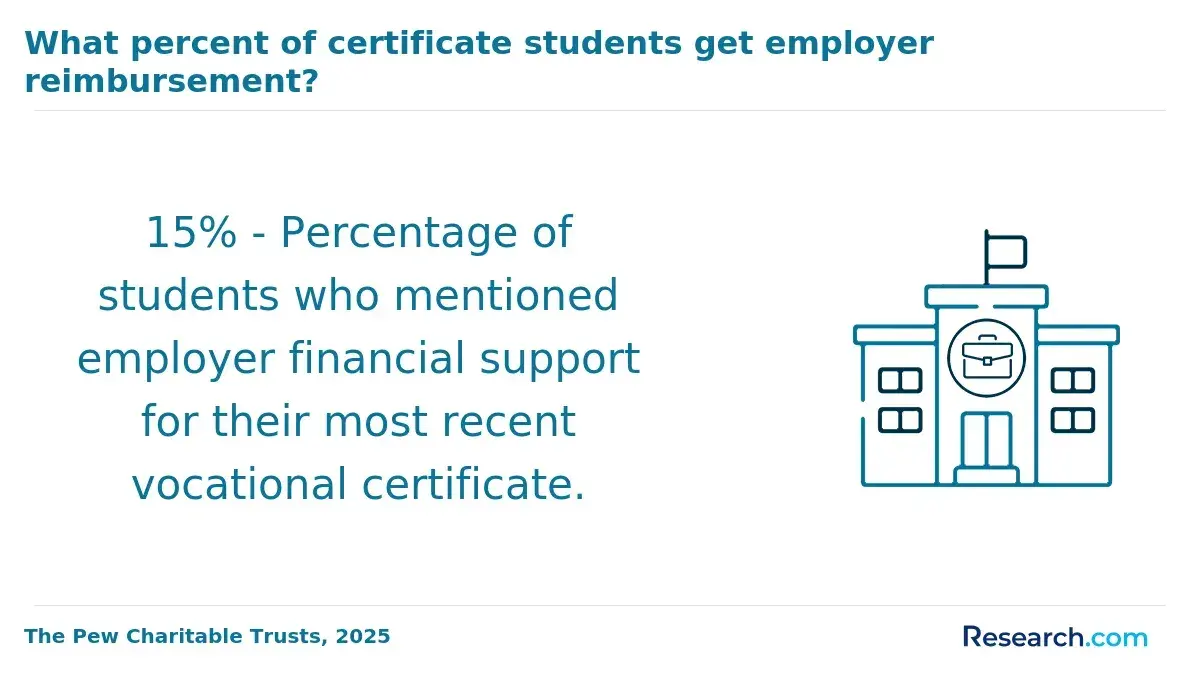
Professional certifications offer a practical way to enhance expertise and boost career opportunities in reading & literacy without the cost and commitment of graduate education. Research shows that individuals holding relevant certifications can earn up to 10% more than peers without these credentials. Below are several respected certifications that effectively serve as alternatives to a master's degree in this field.
- Certified Reading Specialist: This certification validates advanced skills in diagnosing and supporting struggling readers. It is highly valued for educators aiming to implement effective reading interventions in schools and literacy programs.
- Orton-Gillingham Certification: Focused on multisensory, phonics-based instruction, this credential suits professionals working with learners who have dyslexia or other reading challenges, enhancing their qualifications for specialized literacy roles.
- Wilson Reading System Certification: Providing training in explicit and systematic reading methodologies, this certification strengthens a professional's ability to deliver targeted literacy instruction and tutoring support.
- Literacy Leadership Certification: Designed for educators focused on curriculum development and literacy program management, this credential builds leadership capabilities without requiring graduate-level study.
- TESOL/ESL Certification: While centered on language acquisition, this certification complements reading & literacy skills by expanding opportunities in diverse educational environments where literacy intersects with second-language learning.
Professional experience can play a significant role in advancing careers within reading & literacy, with many employers prioritizing demonstrated skills, on-the-job learning, and proven performance over formal credentials. Candidates who have successfully contributed to literacy tutoring or curriculum development may progress without a master's or doctoral degree if they provide measurable results and exhibit a deep understanding of effective teaching strategies.
Roles such as education coordinators or literacy program managers often value practical knowledge, creativity, and leadership gained through real-world experience. Building strong professional networks and pursuing continuous development opportunities can further enhance career growth through experience alone.
Nonetheless, relying solely on experience presents limitations, especially when pursuing higher-level positions like specialized instructional designers or literacy researchers, which often require advanced degrees for their technical and research demands. Credential requirements imposed by educational institutions and school districts can restrict entry into some roles without graduate education.
Career advancement without a graduate degree might also progress more slowly and offer fewer salary increases compared to peers with advanced qualifications. Experience becomes most valuable when combined with certifications, workshops, or leadership training, particularly in environments that prioritize practical competence and relationship-building over formal credentials, although some professionals may still explore fully funded SLP programs online to strengthen their qualifications and advancement potential.
Many professionals in reading and literacy weigh the decision to pursue graduate education, balancing costs and career goals. The National Center for Education Statistics finds teachers with a master's degree earn about 20% more annually than those with only a bachelor's degree. This earnings gap reflects real differences that influence career planning. Below are key limitations for those who stop at a bachelor's degree in reading and literacy.
- Slower Career Advancement: Bachelor's degree holders often qualify only for entry-level or teaching positions, while many leadership roles-such as literacy coaches or curriculum specialists-require graduate credentials. Without a master's, promotion opportunities and increased responsibilities may remain limited.
- Limited Access to Specialized Roles: Graduate programs offer deeper training in assessment techniques, intervention strategies, and educational research. Those without advanced degrees may find it challenging to compete for senior roles in program development or administration that require these skills.
- Competitive Hiring Disadvantages: In districts with many qualified candidates, employers frequently use graduate degrees to differentiate applicants. This can put bachelor's degree holders at a notable disadvantage, especially in competitive job markets.
- Smaller Professional Networks: Graduate school often provides connections with faculty, peers, and educational organizations that facilitate job placements and mentorship. Missing these networks may limit collaborative opportunities and career growth.
- Financial Trade-Offs: While some choose to start with a bachelor's degree to avoid the cost and time of graduate study, this path can result in long-term salary limitations. For professionals seeking strong salary potential without further education, exploring well-regarded top online accounting programs may present alternative career routes with competitive earnings.
Return on investment (ROI) in education balances the cost and time spent earning a degree against the career benefits it produces. For a reading & literacy bachelor's degree, median early-career salaries typically range from $40,000 to $50,000, depending on career choices and skill growth. Here are effective strategies to increase return on investment for reading & literacy graduates.
- Focused Specialization: Concentrate on high-demand areas like literacy intervention, bilingual education, or educational technology. These specializations can lead to higher-paying roles and leadership opportunities that improve long-term earnings.
- Professional Networking: Building connections through internships, mentorships, and ties with local school districts or literacy programs enhances access to job openings and career advancement, boosting the financial payoff of your degree.
- Practical Experience: Volunteering or part-time work across diverse educational settings strengthens your skill set. This hands-on experience complements academic knowledge and makes you more competitive for better-paying jobs.
- Continuous Learning: Staying updated on literacy trends and educational tools within the bachelor's scope keeps you adaptable and valuable, increasing long-term career stability and income.
- Strategic Career Targeting: Aim for roles with potential for growth, such as curriculum development or educational program coordination. These positions often lead to promotions that enhance income without additional graduate study.
Those seeking to further boost career earnings after their reading & literacy degree might explore options like an MBA in entrepreneurship to diversify skill sets and open new professional doors.
Deciding whether to attend graduate school for reading and literacy careers largely hinges on your professional aspirations, industry norms, and whether the investment will yield satisfactory returns. Data from the U.S. Bureau of Labor Statistics indicates that those with master's degrees in education-related fields can earn roughly 20% more than bachelor's degree holders.
Still, this advantage is often tied to specific roles or higher tiers within the profession. Evaluating when graduate school benefits reading and literacy careers requires understanding where advanced credentials make a tangible difference.
Graduate education is particularly valuable for accessing specialized positions such as literacy specialists or reading interventionists, which usually require a master's or certifications. Leadership paths including curriculum coordinators or instructional coaches often demand these credentials, as do regulated roles with licensure prerequisites.
Additionally, research-intensive or academic careers generally necessitate graduate study. For those exploring reading and literacy career advancement without graduate degree requirements, many strong outcomes are possible, but when advanced roles are the goal, the strategic benefits become clear. Exploring options like a cheapest online physics degree can also reflect practical choices in higher education investment.
What Graduates Say About Reading & Literacy Degree Careers That Offer the Best Return Without Graduate School
- Iker: "Choosing not to pursue a graduate degree in reading & literacy was a conscious decision for me, focusing instead on gaining practical classroom experience. I supplemented my undergraduate studies with specialized workshops and certifications that enhanced my teaching skills without the additional graduate school costs. This approach allowed me to quickly enter the workforce and make a real impact with students while still advancing professionally."
- Hayden: "Reflecting on my career, I realize how important it was to maximize every opportunity during my reading & literacy degree. I took extra internships and collaborated with literacy programs in my community, which gave me hands-on experience beyond academics. These steps gave me the confidence and real-world skills that have propelled my career forward, proving that graduate school isn't always the only path to success."
- Caleb: "My reading & literacy degree opened doors to a fulfilling career in education without requiring graduate school. Being able to apply instructional strategies directly in the classroom and engage with diverse learners shaped my professional identity. It's been rewarding to see how this degree alone has created opportunities for leadership roles and meaningful contributions to literacy initiatives."
Other Things You Should Know About Reading & Literacy Degrees
Yes, but only if the degree is paired with a state-approved teacher-preparation program and a passing score on the required licensure exam, such as Praxis Core and a state content test. Some states also require student teaching, background checks, and minimum GPA standards before issuing a license.
Yes, advancement is possible through gaining practical experience, earning additional certifications, and demonstrating successful outcomes in literacy programs. Many professionals move into leadership positions such as lead teacher roles, program coordinators, or instructional coaches without graduate degrees. Continuing professional development and networking within educational communities also contribute significantly to career growth.
Certification, such as state teaching credentials or specialized reading endorsements, often plays a crucial role in employability and salary potential. These certifications validate expertise in literacy instruction and may be required for certain teaching positions. Obtaining certifications can open opportunities for specialized roles and sometimes compensate for the absence of a graduate degree.
- 10 jobs for people who love reading - Study Work Grow https://studyworkgrow.com/10-jobs-for-people-who-love-reading/
- Why and How to Show Students the ROI of Education? https://moderncampus.com/blog/why-and-how-to-show-roi-of-education-to-students.html
- 10 Dream Careers for People Who Love Reading https://www.shortcourses.com.au/ed/best-careers-if-you-love-reading/
- Why You Should Get a Master’s in Literacy - Graduate Programs for Educators https://www.graduateprogram.org/blog/why-you-should-get-a-masters-in-literacy/
- 8 Career Paths for People with Specialized Degrees in Reading https://www.notsalmon.com/2024/08/29/8-career-paths-for-people-with-specialized-degrees-in-reading/
- The Essential Guide to Earning a Literacy Degree https://blog.cuw.edu/essential-guide-earning-literacy-degree-2163-1/
- Future of Work: Building a Stronger Workforce Through Literacy - ProLiteracy https://www.proliteracy.org/news/future-of-work-building-a-stronger-workforce-through-literacy/
- Careers In Literacy Education: Helping Improve The Literacy Rate https://www.learnhowtobecome.org/make-a-difference-careers/literacy/
- 15 High-Income Skills You Can Learn in 2026 (Without a Degree) https://www.curominds.com/blog/high-income-skills/
- Adult Literacy and the Workforce: Building Skills for a Better Future - Literacy Texas https://www.literacytexas.org/workforce-skills-better-future/