
2027 Reading & Literacy Degree Careers Ranked by Salary, Growth, and Work-Life Balance

Co-Founder and Chief Data Scientist
Choosing a career in reading & literacy often involves weighing conflicting priorities-securing a competitive salary, finding roles with robust growth potential, and maintaining a healthy work-life balance. Many graduates and professionals struggle to identify which paths truly deliver on all three. Recent data shows that some top-paying reading & literacy careers grow at rates nearly 15% higher than the national average, but may demand longer hours or irregular schedules. This article ranks reading & literacy degree careers by salary, growth outlook, and lifestyle sustainability-offering a clear, data-driven guide to help readers make informed, balanced career decisions.
Key Things to Know About Reading & Literacy Degree Careers Ranked by Salary, Growth, and Work-Life Balance
- Careers for reading & literacy graduates show median salaries ranging from $44,000 in tutoring roles to over $70,000 for specialized education coordinators-highlighting significant pay variation within the field.
- Job growth projections estimate a 7% increase by 2032, faster than average for all occupations, driven by expanding literacy programs and educational technology adoption.
- Work-life balance varies widely: school-based roles often adhere to academic calendars offering predictable hours, while nonprofit and consulting positions may demand irregular schedules and travel commitments.
How Are Reading & Literacy Degree Careers Evaluated and Ranked Across Salary, Growth, and Work-Life Balance?
Career quality in reading & literacy is best understood through a balanced three-pillar framework-salary, career growth, and work-life balance-which together provide a more complete perspective than compensation alone. These dimensions help evaluate career paths based on financial reward, future opportunity, and daily work experience.
- Salary: Median salary figures are drawn from the U.S. Bureau of Labor Statistics (BLS) Occupational Employment and Wage Statistics, reflecting midpoint earnings for different reading & literacy careers and serving as a reliable benchmark of financial potential.
- Career Growth: Ten-year employment projections from the BLS assess anticipated demand and expansion in specific roles. This measure indicates which careers offer the most promising growth outlook for individuals holding a reading & literacy degree.
- Work-Life Balance: This composite metric incorporates data from the American Time Use Survey, Glassdoor employee reviews, and workforce-specific satisfaction surveys. It evaluates flexibility, stress, and hours worked to highlight the sustainability of each career's day-to-day experience.
Taking all three pillars into account allows prospective professionals-whether high school seniors, undergraduates evaluating a concentration, recent graduates assessing their first job offers, or mid-career professionals considering a strategic change-to make well-informed decisions that align with their unique values and priorities. For example, some may prioritize flexibility and meaningful work over salary.
These rankings are intended as a helpful decision-making tool rather than a rigid hierarchy. The upcoming analysis will examine five key careers in the reading & literacy field: reading specialist, literacy coach, curriculum developer, education consultant, and instructional coordinator. This evidence-based comparative study sheds light on how each role performs regarding salary, growth, and work-life balance.
For those exploring higher education pathways, resources like the cheapest 1 year online MBA programs may offer valuable options for further advancement within or beyond the reading & literacy degree career salary comparisons.
Which Reading & Literacy Degree Career Paths Offer the Highest Starting and Mid-Career Salaries?
Higher-earning career paths in reading and literacy tend to emerge when professionals move into specialized instruction or leadership roles. Positions such as literacy specialists, instructional coaches, and curriculum coordinators often provide stronger compensation and more room for advancement than general classroom teaching. Long-term salary growth in these areas is usually shaped by experience, advanced training, and the ability to influence literacy outcomes across schools or districts.
- Literacy Specialist: Literacy specialists rank among the highest paying reading and literacy degree careers in the US, with starting salaries near $50,000 and mid-career earnings around $75,000. This compensation advantage reflects their advanced certifications, specialized instructional skills, and the increasing need for expertise in reading interventions. The scarcity of professionals with deep knowledge in this area pushes salaries higher-especially in large urban districts and private educational organizations. Regional variation tends to favor states with substantial educational funding.
- Educational Administrator: Transitioning into educational administration offers median starting salaries of about $60,000 and mid-career pay exceeding $90,000. The leadership responsibilities and influence over school-wide literacy initiatives justify this premium. Entry barriers like advanced degrees and management experience limit the candidate pool, thus supporting strong salary growth. Public school districts generally provide steady compensation, while private schools and charter organizations in high-demand metro areas may offer better pay. This role supports solid mid-career salary growth for reading and literacy professionals.
- Curriculum Developer for Literacy Programs: Starting salaries typically hover around $48,000, advancing to $80,000 or more for senior-level developers. These roles blend content expertise with research skills to create effective reading curricula that enhance student success. Employers-particularly in large educational publishing companies and nonprofits-tend to offer better compensation. Geographic hotspots correlate to regions dense with education industry opportunities.
- Reading and Literacy Consultant: Consultants usually start near $55,000 and can earn upwards of $85,000 mid-career. The role demands extensive experience, adaptability, and a robust professional network, which limits supply and drives pay higher. Private consulting firms and specialized service providers typically offer the best compensation, reflecting a market-driven dynamic favoring independent experts.
- Special Education Teacher with Literacy Focus: Starting around $45,000 and growing to $70,000 with experience, these teachers require specific licensure and training to support students with reading disabilities. Public schools dominate this field, and salaries fluctuate regionally due to state funding and union agreements.
Career seekers aiming to understand how location and employer type shape earnings across these paths can find a more detailed geographic analysis in the dedicated section. For those evaluating educational programs, exploring accelerated bachelors degrees may provide a faster route into these promising fields.
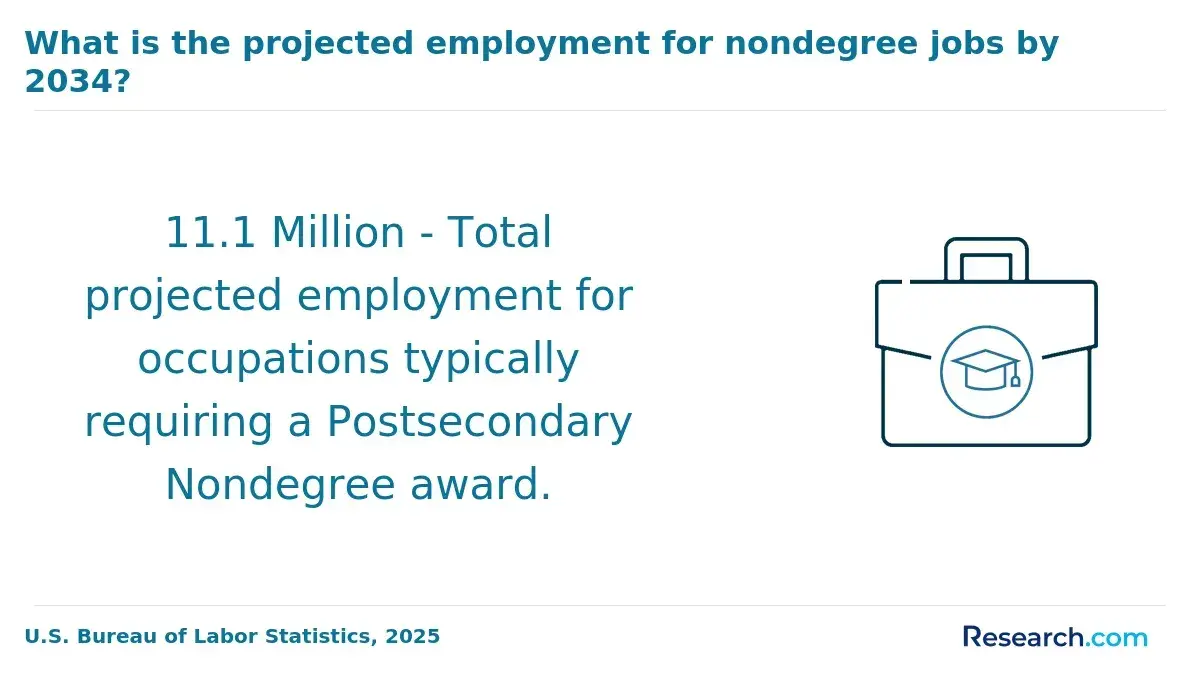
What Do the Bureau of Labor Statistics Job Growth Projections Reveal About the Future of Reading & Literacy Degree Careers?
The Bureau of Labor Statistics projects varied growth across career options for reading & literacy degree holders compared to the national occupational average of about 5%. This highlights which fields are expanding and which remain steady or contract.
- Education and Instruction: Positions like elementary and secondary education teachers with reading skills are expected to grow at or just above the national average, supported by consistent student numbers and policies boosting literacy.
- Special Education: Teachers specializing in special education show growth rates surpassing the norm due to retiring educators and growing recognition of learning disabilities requiring literacy intervention expertise.
- Training and Development Specialists: Increasing workplace technology adoption fuels moderate growth for professionals involved in adult education and workforce literacy programs.
- Speech-Language Pathologists: Though not strictly literacy-focused, these specialists contribute to reading remediation and enjoy strong job growth driven by aging demographics and expanded healthcare access.
- Publishing and Media Specialists: Traditional publishing faces stagnation or decline as digital transformation reshapes the industry; literacy graduates should consider digital content and educational technology to stay competitive.
- Librarians and Archivists: Growth in these roles lags behind average due to automation and funding limitations, but pivoting to digital literacy, IT, or community engagement can help maintain career vitality.
These nationwide projections don't capture regional variations influenced by urbanization, local education budgets, or specific community needs-factors that meaningfully shape job prospects and will be explored in upcoming sections.
Early-career workers often juggle longer hours and less flexibility, especially in demanding educational roles. Differences between public education, nonprofit, and private publishing sectors further shape the experience, with public school employees noting higher stability but variable intensity.
- Work-Life Balance Metrics: Work-life balance in reading & literacy degree careers involves measurable factors such as average weekly hours, schedule reliability, availability of remote or hybrid options, paid time off policies, and subjective employee satisfaction ratings from platforms like Glassdoor, Indeed, and Payscale. These metrics create a fuller picture that extends beyond raw time spent working.
- Average Weekly Hours: Data from the BLS American Time Use Survey and industry reports show professionals generally work 35 to 45 hours weekly, though this fluctuates depending on roles. For instance, literacy interventionists early in their careers often face longer hours during critical periods, while literacy coaches typically enjoy steadier schedules.
- Schedule Predictability and Flexibility: Positions within public school systems usually feature predictable hours aligning with academic calendars. By contrast, nonprofit or publishing roles may offer less consistent schedules. Remote and hybrid work opportunities, increasing among curriculum developers and education researchers, contribute positively to work-life balance.
- Paid Time Off and Benefits: PTO standards vary widely-public school educators often receive substantial leave including summer breaks, whereas contract consultants may have limited paid leave. These differences influence overall satisfaction and retention in reading & literacy professions.
- Employee Satisfaction: Reviews emphasize that work-life balance is critical for career satisfaction. Mid-career professionals generally report better balance than newcomers, who face heavier workloads establishing themselves in the field. Measuring career satisfaction and work-life balance in reading & literacy professions requires combining these quantitative and qualitative indicators.
Work-life balance is dynamic and can improve through strategic choices such as targeting employers with strong PTO policies, negotiating schedules, or shifting to roles with greater autonomy. For those interested in advanced credentials, exploring online MSW programs no GRE required can expand career options supporting sustainable balance.
An equal weighting model was applied to combine salary, career growth, and work-life balance-each contributing one-third to the overall ranking. This method mirrors the priorities of many early professionals who seek not only good pay but also steady opportunities and sustainable work rhythms. Among the top careers, different strengths emerge, showing that highest salary isn't always the strongest factor when considering all three pillars collectively.
- Literacy Specialist: Leads the ranking with excellent career growth fueled by rising demand for literacy support, a competitive mid-to-high salary, and strong balance due to generally predictable school hours.
- Curriculum Developer: Matches specialists in salary, enjoys steady growth, and benefits from flexible work settings common in educational publishing and nonprofit sectors, supporting a healthy work-life balance.
- Reading Interventionist: Excels with outstanding growth potential and work-life quality, though salaries are moderate; ideal for those prioritizing long-term sustainability and meaningful impact.
- Education Program Coordinator: Combines solid earnings and growth with manageable hours while overseeing literacy initiatives-balancing administrative duties with reasonable scheduling.
- Literacy Coach: Offers strong career advancement and favorable balance, even if salaries are somewhat lower; their role in shaping teaching strategies enhances job satisfaction.
- Technical Writer: Outside traditional education roles, this career delivers competitive pay, robust growth, and flexible hours, attractive to graduates valuing both income and lifestyle.
- Library Media Specialist: Scores well on work-life balance and steady growth but has relatively modest pay, fitting those seeking structured environments and community engagement.
Those prioritizing income above all might lean toward technical writing or curriculum development, where pay leads the composite score. Conversely, individuals valuing predictable schedules and less stress may favor literacy specialist or reading interventionist paths.
Readers can adjust the importance of salary, growth, and balance in line with their personal career goals, reshaping these rankings accordingly.
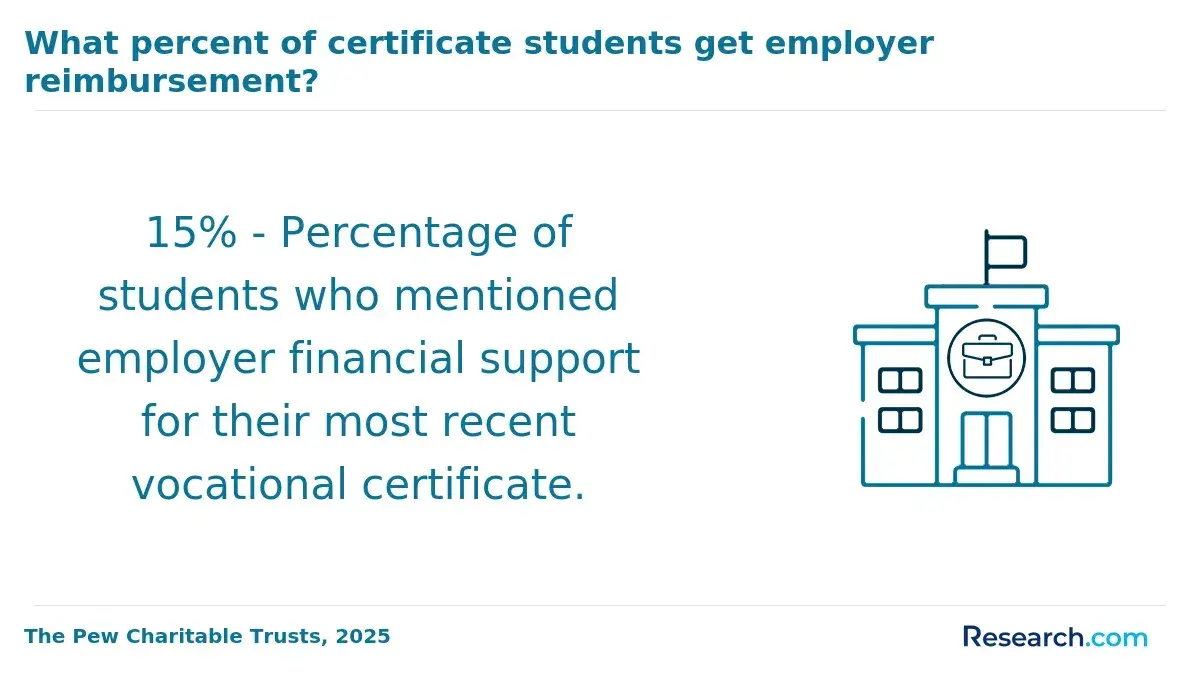
Specializing within reading & literacy careers distinctly affects salary, job advancement, and work-life quality-often yielding better outcomes than pursuing a generalist path. Data from the U.S. Bureau of Labor Statistics and professional salary surveys confirm that focused expertise usually leads to higher earnings and more leadership opportunities, although this often requires additional credentials or graduate studies.
- Early Childhood Literacy Specialists: Concentrating on young learners, this role benefits from steady demand and moderate pay typical of education jobs. The schedule generally supports a strong work-life balance due to alignment with school hours.
- Reading Interventionists: These professionals assist struggling readers and often command higher wages thanks to specialized certifications. Workloads can increase during testing periods, yet growth prospects are robust, especially in schools needing additional support.
- TESOL and Bilingual Literacy Educators: Addressing the rising multilingual student population, this specialization offers competitive salary growth and increased demand. Certification, such as TESOL, is crucial, while work-life balance may vary by district policies.
- Literacy Curriculum Developers: Designing educational materials often provides better pay with more predictable hours, though this field experiences slower job growth than direct instruction roles.
- Adult Literacy and GED Instructors: Serving non-traditional learners, this niche delivers flexible scheduling and moderate pay but tends to have slower career advancement compared to K-12 literacy roles.
The decision to specialize early-through graduate coursework or certifications-creates divergent career trajectories. Specialists often out-earn generalists by mid-career due to niche skills, but versatile professionals who cultivate leadership and administrative expertise may surpass specialists in senior roles. Notably, reading & literacy careers with bilingual focus are forecast to grow 7% faster than average education jobs through 2030, driven by demographic shifts.
Ultimately, weighing deep specialization against broader versatility requires balancing salary gains, career growth, and lifestyle preferences-where specialists gain premium pay and clearer advancement paths, while generalists enjoy diverse roles with potentially better long-term balance.
Geographic location plays a crucial role in shaping salary, career growth, and work-life balance for reading & literacy graduates. Data drawn from BLS sub-national Occupational Employment and Wage Statistics and state workforce reports reveal distinct regional patterns in the U.S., influencing career trajectories across metro areas and smaller markets.
- Northeast: Major cities such as New York City and Boston lead with some of the highest median salaries, driven by strong demand and robust educational funding. Despite this, high living costs and taxes reduce purchasing power, making smaller cities in the region potentially more affordable with balanced lifestyles.
- Southeast: This region exhibits steady employment growth, with wages generally lower than coastal markets. Urban centers like Atlanta offer competitive salaries coupled with reasonable living expenses, resulting in favorable net financial benefits and strong work-life balance due to shorter commutes and community focus.
- Midwest: Known for steady job growth and moderate salaries, the Midwest provides lower living costs. Cities such as Minneapolis and Chicago blend earning opportunities with affordable housing, while smaller towns often enhance work-life balance through reduced traffic and family-friendly amenities.
- Southwest: Rapid employment growth characterizes the Southwest, with cities like Dallas and Phoenix offering moderate salaries. Rising housing prices challenge affordability, but expanding remote work options allow graduates to benefit from competitive pay while living in lower-cost areas.
- West: High-paying markets like San Francisco and Seattle reflect strong demand for literacy specialists amid innovation. Soaring housing costs limit effective income, encouraging professionals to seek mid-tier cities or hybrid roles that separate earnings from geographic restrictions.
Remote and hybrid work models increasingly decouple salary from location for many reading & literacy roles-enabling professionals to earn salaries benchmarked to expensive metros while enjoying affordability elsewhere. This emerging dynamic encourages graduates and mid-career professionals to adopt a strategic geographic approach when planning their career paths.
Choosing an ideal locale depends on individual career goals and personal priorities such as commute preferences, community engagement, housing affordability, and family proximity. Careful evaluation of regional wage trends alongside quality-of-life factors is essential to maximize both earning potential and long-term satisfaction in reading & literacy careers.
Public and private sector careers in reading & literacy differ notably across salary, growth, and work-life balance-each offering distinct advantages depending on career advancement and lifestyle goals. These differences shape choices for students and professionals evaluating career paths in this field.
- Salary: Public sector reading & literacy roles typically report a 10% to 25% lower base salary at entry, mid, and senior levels compared to private sector positions. However, when total compensation is considered, including benefits such as defined-benefit pension plans, comprehensive health coverage, and eligibility for student loan forgiveness programs, the salary gap narrows significantly. These perks increase overall earnings security and reduce financial stress, whereas private sector roles generally offer higher immediate pay and bonuses but fewer long-term guarantees.
- Growth: Growth in public sector reading & literacy careers centers on federal and state education departments, government agencies, and programs aimed at underserved communities and adult literacy. Policy priorities emphasizing reading proficiency and demographic trends, including increasing immigrant populations, fuel this demand. The private sector sees robust expansion within educational technology companies and nonprofits focused on literacy advocacy and tutoring. Innovation and market expansion drive these openings, reflecting strong career advancement and lifestyle prospects rooted in industry trends.
- Work-Life Balance: Public sector jobs in reading & literacy often provide more predictable schedules, generous leave policies, and higher employee satisfaction scores related to work-life balance. Structured environments in school districts and government offices support clearer hours and benefits, although this varies by role and agency complexity. Private sector positions may feature greater variability in hours and leave, driven by performance pressures, especially in startups or for-profit settings. Still, some private employers offer flexible work arrangements to attract talent. Overall, balance depends strongly on specific roles and organizational cultures.
For students considering related areas, a UI UX masters degree online can provide complementary skills that enhance career flexibility and opportunities in education technology and instructional design within reading & literacy careers.
Advanced degrees and certifications significantly affect salary growth, career acceleration, and work-life balance for reading & literacy professionals in diverse roles. Evaluating the return-on-investment for each credential type is crucial when deciding career advancement strategies.
- Master's Degree: This credential typically delivers a 15-25% salary premium over bachelor's degree holders, as indicated by NACE salary data and BLS occupational classifications. It requires 1.5 to 3 years of full-time study and moderate financial investment. Master's degrees unlock leadership roles such as literacy coach or curriculum specialist that are usually inaccessible without advanced study. Many of these positions grant greater autonomy, positively impacting work-life balance for reading & literacy professionals seeking sustainable career growth.
- Doctoral Degree (EdD or PhD): Doctorates are linked to up to 40% higher earnings in academia, research, and senior educational leadership roles. These degrees involve 3 to 6 years of intensive study and significant financial commitment. Advanced scholars gain access to careers such as university professor, district evaluation director, or policy analyst. Although these positions often come with increased stress and higher demands, they also offer substantial schedule flexibility and intellectual fulfillment, which can offset lifestyle challenges.
- Professional Certifications (e.g., Reading Specialist Credential, TESOL): Certifications generally increase wages by 10-20% and can be earned within months to a year, often with lower costs than advanced degrees. These credentials accelerate career growth by qualifying professionals for specialized teaching and instructional roles. While some certified positions require strict scheduling that might limit work-life balance, they enhance job security and salary prospects. Pursuing credentials aligned with specific career goals ensures efficient advancement.
- Work-Life Balance Impact: Advanced credentials frequently lead to higher-status roles with more control over work hours. However, administrative or research-intensive careers introduced by doctoral pathways may impose greater pressure and longer hours despite pay increases. Aligning credential choices with desired lifestyle and salary growth is essential.
- Strategic Credentialing: Professionals should pursue advanced degrees and certifications strategically, targeting the credential that best matches salary growth, career acceleration, or improved lifestyle quality goals. Avoid collecting credentials without clear purpose to prevent overextension and limited returns on investment. For example, exploring options like a child mental health masters program might complement literacy-focused ambitions while balancing career and lifestyle priorities.
These considerations reflect how advanced degrees for reading & literacy professionals salary growth intersects with career advancement and work-life balance, informed by authoritative salary and credentialing research.
Remote and hybrid work options have become increasingly common across education professions, particularly within reading & literacy fields, as highlighted by the BLS American Time Use Survey and Owl Labs' State of Remote Work report.
- Location Flexibility: Careers like literacy specialists, educational consultants, and curriculum developers frequently offer hybrid or fully remote roles, thanks to the digital focus of their tasks. In contrast, roles such as reading interventionists and school-based literacy coaches usually require regular onsite attendance, limiting remote work availability.
- Salary Impact: Reading & literacy professionals working remotely generally earn salaries similar to those working onsite, with some remote roles commanding premium pay-especially in high-cost urban districts. Professionals living in areas with a lower cost of living while drawing salaries from higher-cost regions benefit from increased real income through geographic arbitrage.
- Career Growth: Initial doubts about slower career progression for remote employees have lessened as virtual work gains acceptance. Many hybrid or fully remote reading & literacy practitioners report career advancement comparable to in-office peers when organizations implement supportive policies and virtual mentorship.
- Work-Life Balance: Remote arrangements offer benefits like eliminating commuting, flexible schedules, and greater autonomy, enhancing work-life balance. However, challenges exist, including blurred boundaries between work and personal time and potential for extended work hours, varying widely depending on individual personality and home environment.
Owl Labs' 2023 data show that 55% of education professionals in literacy now access partially or fully remote roles, a substantial rise from 30% in 2019, signaling growing location flexibility within these careers.
Roles in reading & literacy that offer a strong balance of work-life harmony, competitive pay, and solid growth potential typically feature structured hours and supportive employers, often within educational or community-focused settings. Data from Glassdoor, PayScale's Work-Life Balance Index, and the BLS highlight careers where stability and advancement coexist with manageable schedules.
- Instructional Coordinators: Employed mainly by school districts or educational bodies, these professionals oversee curriculum design and standards implementation. Regular office hours and limited overtime promote predictable routines and consistent days off. The combination of leadership responsibilities and educational expertise supports upward career mobility along with salaries that often surpass average teaching wages.
- Literacy Specialists: Working primarily in public schools or non-profit organizations, literacy specialists collaborate directly with students and educators to enhance reading proficiency. The alignment with academic calendars ensures holidays, weekends, and summer breaks, fostering a natural work-life blend. While earnings are moderate, the rising demand for intervention specialists encourages stable job prospects and incremental salary growth.
- Adult Education Instructors: Teaching literacy skills to adults at community colleges or workforce agencies offers flexibility through part-time schedules and varied hours. This flexibility supports balancing professional and personal commitments effectively. Though compensation is modest, expanding adult education initiatives create ongoing opportunities for growth.
It is essential to recognize that work-life balance is subjective-factors like management style, team culture, and personal boundaries greatly influence one's experience. These rankings serve as initial filters for career exploration rather than guaranteed outcomes.
According to the Bureau of Labor Statistics, roles such as instructional coordinators are expected to grow 7% over the next decade-outpacing average growth and underscoring their appeal as balanced and rewarding professions in the field.
What Graduates Say About the Reading & Literacy Degree Careers Ranked by Salary, Growth, and Work-Life Balance
- Iker: "Choosing the reading & literacy degree was a game changer for me. From a salary perspective, the starting pay was modest but steady growth over the years made it a solid investment. What truly impressed me was the long-term career growth-there are plenty of opportunities to specialize or move into administrative roles. Plus, the day-to-day work-life balance felt manageable, allowing me to maintain my personal interests alongside my career."
- Hayden: "I've often reflected on how my reading & literacy degree shaped my professional journey-especially in regard to financial rewards and career stability. The salary wasn't skyrocketing right away, but it was enough to feel secure while planning long-term. The career growth is realistic, though it requires dedication to reach higher roles. What I appreciate most is the flexible work-life balance, which has kept me passionate about what I do without burnout."
- Caleb: "Graduating in reading & literacy opened my eyes to how different careers within this field stack up by salary, growth, and lifestyle. The initial pay might not compete with other sectors, but the upward mobility made it worthwhile. One of the best insights is how manageable the work-life balance can be-allowing professionals to thrive both inside and outside their jobs. It's a steady career path with rewarding opportunities for those who value impact."
Other Things You Should Know About Reading & Literacy Degrees
In 2027, entry-level reading & literacy careers usually offer lower salaries and fewer growth opportunities but tend to provide a better work-life balance. Senior-level positions offer higher salaries and more growth possibilities but can require longer hours, impacting work-life balance.
Salaries and growth potentials vary significantly depending on the sector-education, publishing, nonprofit, or government. Public education roles often offer stable schedules and strong benefits but may have slower salary growth. In contrast, private sector or nonprofit organizations may offer faster career advancement and higher pay but with more demanding hours. Understanding the sector's priorities helps graduates align their career goals with realistic expectations for work-life balance.
A master’s degree in reading, literacy, or curriculum and instruction often improves advancement into literacy coach, reading specialist, and instructional coordinator roles. Many districts require state reading specialist licensure or a 30-credit graduate endorsement, plus supervised practicum hours before leadership appointments.
- Really Great Reading Careers https://www.reallygreatreading.com/really-great-reading-careers
- Work-Life Balance in Remote Working and How to Maintain It https://cuckooworkout.com/how-to-maintain-work-life-balance-in-hybrid-and-remote-work/
- Careers in Literacy Education https://www.iona.edu/blog/careers-in-literacy-education
- 10 Dream Careers for People Who Love Reading https://www.shortcourses.com.au/ed/best-careers-if-you-love-reading/
- 8 Career Paths for People with Specialized Degrees in Reading https://www.notsalmon.com/2024/08/29/8-career-paths-for-people-with-specialized-degrees-in-reading/
- 10 jobs for people who love reading - Study Work Grow https://studyworkgrow.com/10-jobs-for-people-who-love-reading/
- The Future of Jobs Report 2025 https://www.weforum.org/publications/the-future-of-jobs-report-2025/in-full/3-skills-outlook/
- How Can I Advance My Teaching Career with Literacy Education? https://www.sacredheart.edu/news-room/news-listing/how-can-i-advance-my-teaching-career-with-literacy-education/
- The Top 10 Best Careers for Work-Life Balance https://www.blanchard.com/blog/the-top-10-best-careers-for-work-life-balance
- How Improving Your Reading Skills Can Unlock New Career Opportunities - readingmadeeasy12 https://readingmadeeasy12.com/how-improving-your-reading-skills-can-unlock-new-career-opportunities/


