2027 What Jobs Can You Get With a BFA (Bachelor of Fine Arts) Bachelor's Degree?

Co-Founder and Chief Data Scientist
Choosing a bachelor's degree in fine arts often raises questions about viable career paths in a competitive creative industry. Many students worry whether a BFA (Bachelor of Fine Arts) can lead to stable employment, given that approximately 60% of arts graduates find work in their field within two years of graduation. The creative sector demands versatility and practical skills, which can make employment options seem unclear at first.
Understanding the range of jobs accessible with a BFA degree is essential for making informed decisions about education and professional goals. This article explores various career opportunities tied to a BFA (Bachelor of Fine Arts) degree and how graduates can position themselves effectively in the job market.
Key Benefits of the Jobs You Can Get With a BFA (Bachelor of Fine Arts) Bachelor's Degree
- Jobs with a BFA (Bachelor of Fine Arts) offer versatility, spanning industries like advertising, entertainment, and education, enabling graduates to pivot roles and adapt in evolving job markets.
- Many positions tied to a BFA (Bachelor of Fine Arts) provide competitive salaries, with median incomes often exceeding $50,000, alongside opportunities for career advancement and leadership roles.
- Holding a BFA (Bachelor of Fine Arts) supports ongoing professional growth through skill development and networking, fostering diverse career pathways in creative and managerial fields over the long term.
What Entry-Level Jobs Can I Get With a BFA (Bachelor of Fine Arts) Bachelor's Degree?
A bachelor of fine arts (BFA) bachelor's degree offers entry-level job opportunities where graduates apply foundational artistic knowledge and technical skills in various creative fields. About 69% of bachelor's degree holders secure employment in their area of study within the first year, demonstrating how a specialized education supports early career success. Those exploring career opportunities for BFA graduates after college can find diverse roles in design, visual arts, and production.
- Graphic Designer: This role focuses on creating visual concepts by hand or with digital tools to communicate ideas that engage audiences. A bfa degree equips graduates with color theory, design principles, and software skills essential for this creative work.
- Illustrator: Illustrators produce images for books, advertisements, and more. Skills in drawing, storytelling, and media techniques learned through a bfa prepare graduates to develop compelling visual content.
- Stage Assistant: Assisting in theater or production settings, stage assistants help with set design, lighting, and costumes. BFA training in performing arts and production design is key to understanding these technical and creative tasks.
- Photography Assistant: Supporting photographers, assistants manage equipment, set up shoots, and coordinate workflow. A bfa in photography develops both artistic vision and technical skills needed to succeed.
- Art Gallery Assistant: These assistants help curate exhibits, manage artworks, and engage visitors. Knowledge from a bfa in art history and visual analysis is vital for this position.
Students looking to further their education can also explore options such as online slp masters programs, expanding their expertise beyond their initial degree.
What Industries Hire BFA (Bachelor of Fine Arts) Bachelor's Degree Graduates?
A bachelor of fine arts (BFA) bachelor's degree opens various opportunities across multiple industries, with demand shaped by graduates' specialized skills and chosen fields. Employer demand for bachelor's degree holders remains robust across sectors, especially for those combining creative talent with technical expertise. Career opportunities for BFA degree holders depend on their artistic focus and industry needs.
- Entertainment and Media: This industry hires BFA graduates for roles in film production, animation, and set design, where hands-on artistic training is crucial for visual storytelling and creative execution.
- Graphic Design and Advertising: BFA holders contribute to branding, marketing campaigns, and digital content creation. Their strong visual communication skills are key to engaging audiences and developing compelling multimedia designs.
- Fine Art and Galleries: Graduates often work as professional artists, curators, or gallery managers, relying on their education to produce original works and navigate the cultural and commercial aspects of the art world.
- Education: Some BFA graduates pursue teaching art at secondary or postsecondary levels, shaping future creative professionals while promoting artistic appreciation in diverse learning environments.
- Fashion Industry: This sector employs BFA-trained individuals in design, textile arts, and fashion illustration. Their creativity and technical expertise support the creation of clothing lines, accessories, and visual merchandising strategies.
Students interested in creative professions can explore the cheapest mental health counseling degree programs as well, broadening their skills to include counseling alongside artistic careers.
Can You Get Jobs Outside Your Major With a BFA (Bachelor of Fine Arts) Bachelor's Degree?
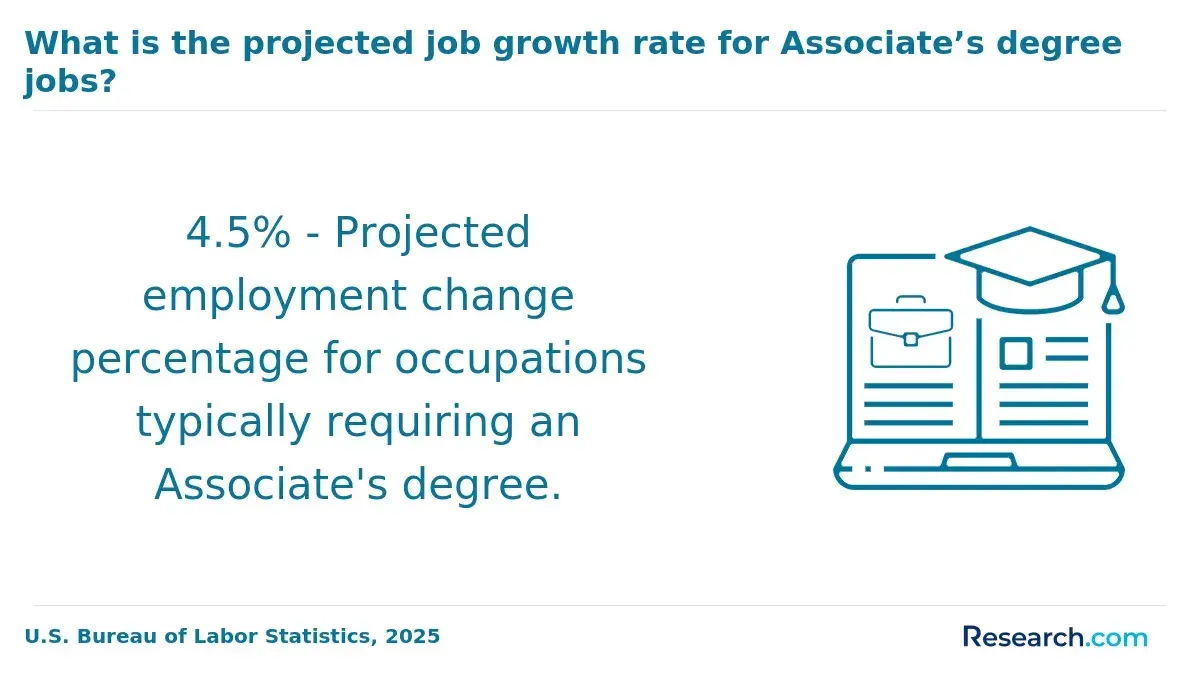
Many graduates with a bfa (bachelor of fine arts) bachelor's degree often find themselves working in fields beyond their specific area of study. This is largely due to the versatile skills they develop during their education and shifting demands within the job market. Research shows that close to 40% of arts graduates hold jobs unrelated to their major within a few years after finishing college.
- Transferable Skills: Graduates develop creativity, problem-solving, and strong communication abilities that are valuable across numerous professions. These skills enable them to adapt and thrive in different work environments.
- Employer Hiring Trends: Many employers seek candidates with diverse educational backgrounds, recognizing that creativity and innovative thinking contribute to business success. Arts education is increasingly viewed as an asset that can drive fresh ideas and solutions.
- Experience and Training: Gaining practical experience through internships, freelance projects, or supplemental courses helps graduates broaden their expertise. Such opportunities enhance their resumes and improve chances of securing roles outside traditional fine arts careers.
What Remote Jobs Can I Get With a BFA (Bachelor of Fine Arts) Bachelor's Degree?
Remote employment continues to expand, with recent data indicating that more than half of U.S. employers are open to hiring for remote roles. For graduates holding a BFA (Bachelor of Fine Arts) bachelor's degree, this growing trend offers access to creative careers that blend artistic talents with digital teamwork and communication.
- Graphic Designer: Crafts visual concepts such as branding, promotional content, and online media. A BFA program builds proficiency in design tools and principles, helping graduates collaborate and deliver projects independently within virtual teams.
- Illustrator: Creates original visuals for publications, marketing, or digital platforms. Training in creative techniques and artistic flexibility equips illustrators to adapt client requirements and communicate clearly while working remotely.
- UX/UI Designer: Enhances how users interact with websites and applications. Coursework in user-focused design and prototyping provides the skills necessary to coordinate remotely with developers and product managers to improve usability.
- Video Editor: Assembles footage for engaging digital storytelling across various media outlets. The combination of technical editing skills with creative vision learned during a BFA prepares graduates for cloud-based collaborative workflows.
- Content Creator: Produces multimedia such as animations and social content. The self-direction and deadline management emphasized in a BFA foster success in remote, distributed work environments.
One graduate of a BFA bachelor's program shared that transitioning to remote work required mastering new communication routines and software tools. She reflected, "Initially, coordinating with clients from different time zones was challenging, especially when feedback cycles overlapped unpredictable schedules." Over time, cultivating strong digital collaboration and time management skills helped her efficiently balance creativity with professionalism. "Working remotely has expanded my opportunities," she added, "but it demands a proactive approach to stay connected and meet expectations without in-person guidance."
Can I Switch Careers With a BFA (Bachelor of Fine Arts) Bachelor's Degree?
Many professionals leverage a BFA (Bachelor of Fine Arts) bachelor's degree as a strong foundation when exploring career change options with a BFA bachelor's degree, thanks to the degree's emphasis on versatile and transferable skills. Research shows that about 40% of college graduates switch careers within their first ten years, reflecting a broad trend of adaptability among degree holders. This degree's skill set enables individuals to navigate changes in the evolving workforce more confidently, as it encourages creativity alongside critical thinking. As demands shift across industries, those who hold a BFA often find opportunities to move into diverse roles beyond their original creative fields.
A bfa degree supports career switching by cultivating abilities such as communication, problem-solving, adaptability, and analytical thinking, all of which are valuable in various professional environments. Successful transitions typically depend on gaining additional experience through internships, freelance projects, or entry-level jobs, which help bridge knowledge gaps. Self-directed learning like online courses or workshops further enhances readiness for new roles. Employers also value on-the-job training, which allows graduates to apply their skills in different contexts. For those interested in educational advancement, exploring cheap online edd programs can provide further avenues for growth and career flexibility after earning a BFA degree.
What Are the Highest-Paying Jobs With a BFA (Bachelor of Fine Arts) Bachelor's Degree?
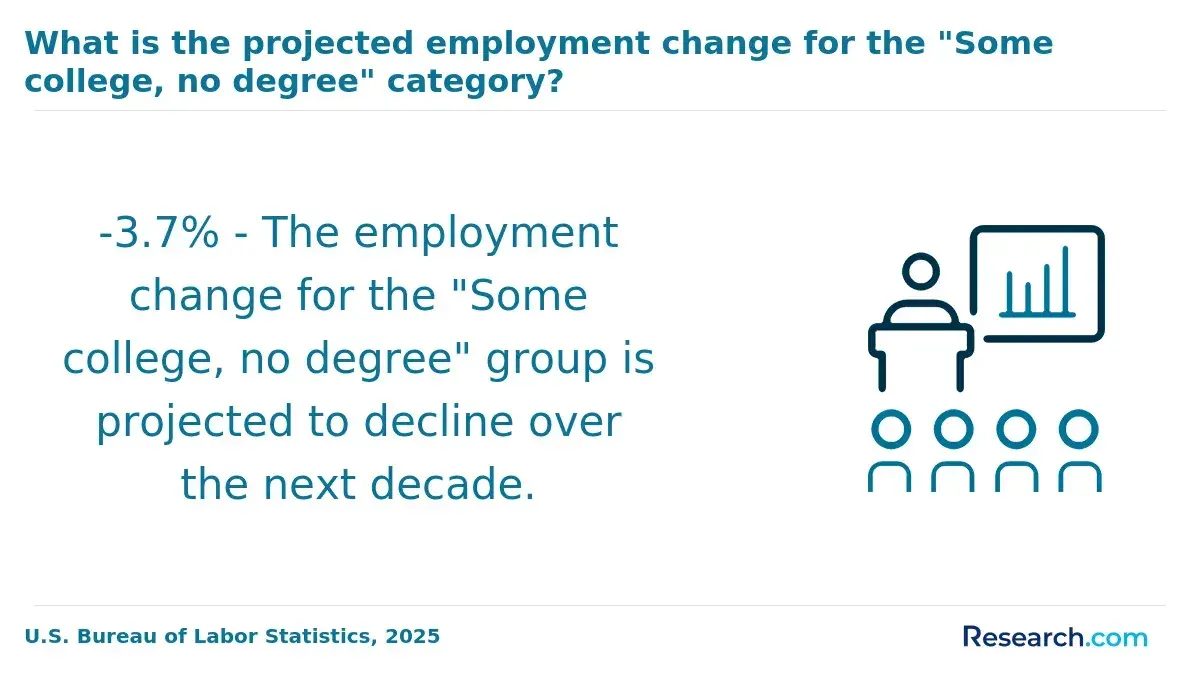
Income from jobs requiring a Bfa (Bachelor of Fine Arts) degree varies based on the specific industry, level of experience, and area of expertise. Generally, individuals with a bfa degree gain access to creative and supervisory positions that offer increased earning potential as they advance. Data suggests that bachelor's degree holders in creative fields often see their salaries rise notably with experience and leadership roles.
- Art Director: Art directors manage the visual elements across media such as advertising, film, and publishing. A bfa equips graduates with design, composition, and management skills essential for this position. Salaries typically grow with experience and can reach six figures in prominent media markets.
- Animator or Multimedia Artist: These professionals produce animations and effects for film, television, and digital platforms. A bfa in animation or related disciplines combines artistic ability with technical expertise, leading to higher pay as proficiency with software and storytelling deepens.
- Graphic Designer: While entry-level roles may offer modest pay, experienced graphic designers in major agencies or corporate settings command higher wages. A bfa fosters artistic skill and client interaction, paving the way for advancement to senior and creative lead roles.
- Industrial Designer: Industrial designers create concepts for manufactured goods, blending creativity with practical design and business considerations. A bfa supports the development of innovative thinking, with earning potential increasing substantially at leading companies in sectors like technology and automotive.
- Set Designer or Scenic Artist: These experts design environments for theater, television, and film, using a bfa's artistic training to bring stories to life visually. Pay varies by location and experience but can be quite lucrative in major entertainment centers.
What Career Growth Opportunities Are Available With a BFA (Bachelor of Fine Arts) Bachelor's Degree?
A bfa (Bachelor of Fine Arts) bachelor's degree provides a solid foundation for long-term career development across diverse creative roles. Graduates often advance by taking on positions with greater responsibility, such as project management or leadership within creative teams. Developing specialized expertise in areas like digital animation or graphic design can further enhance career prospects. Additionally, many pursue leadership or interdisciplinary roles that combine artistic skills with business, marketing, or educational functions. This progression depends largely on gaining experience and continuously refining both creative and professional competencies.
When asked about his career growth after earning a bfa (Bachelor of Fine Arts) bachelor's degree, a professional reflected on the early challenges of finding his unique artistic voice while meeting client expectations. He described the transition from hands-on creation to managing projects as both demanding and rewarding. "It wasn't just about making art anymore; it was about guiding a vision and inspiring others," he said, emphasizing how developing strong communication and organizational skills was crucial. He found that embracing opportunities to lead and collaborate across departments opened doors he hadn't anticipated, ultimately shaping a dynamic and fulfilling career path.
What Jobs Require Certifications After a BFA (Bachelor of Fine Arts) Bachelor's Degree?
Graduates holding a bfa (Bachelor of Fine Arts) degree may find that some creative and professional roles require additional certifications to meet specific industry standards. These certifications validate specialized skills beyond the foundational education of a bfa, improving eligibility and competitiveness for various positions. Depending on the career, employers often strongly prefer or mandate these credentials to ensure proficiency in technical and regulatory requirements.
Some common jobs requiring certifications after a bfa include:
- Art Therapist: Art therapists use artistic techniques alongside psychological methods to aid mental health. Although a bfa provides artistic training, certification from the Art Therapy Credentials Board (ATCB) as a Registered Art Therapist (ATR) is usually necessary for professional practice.
- Graphic Designer with UX Focus: Specializing in user experience design often involves certifications like Certified Usability Analyst (CUA) or UX Certification from Nielsen Norman Group. These credentials complement a bfa by proving expertise in designing user-centered digital products.
- Art Educator: Teaching art in schools requires state certification or licensure. Graduates may need to complete additional educator preparation programs and pass exams such as the Praxis test to meet certification requirements for art careers after a bfa degree.
- Animator or Multimedia Artist: Certifications like Adobe Certified Expert (ACE) or Autodesk credentials enhance technical skills in animation and digital media, adding professional value beyond the artistic foundations of a bfa.
- Museum Curator or Conservator: Entry-level and specialized positions sometimes require certifications through the American Alliance of Museums (AAM) or conservation-specific credentials, ensuring adherence to preservation and ethical standards.
For students exploring options after earning a bfa, pursuing relevant certification can broaden job opportunities. Those interested in interdisciplinary careers may also explore programs like online degree urban planning as an additional pathway.
What Jobs Require a Master's After a BFA (Bachelor of Fine Arts) Bachelor's Degree?
While a bfa (Bachelor of Fine Arts) degree opens many career doors, certain job roles require a master's degree for advanced specialization, professional licensure, or deeper expertise. Recent data shows that nearly 30% of art-related professions prefer or require graduate study, emphasizing the importance of master's degree requirements after a bfa for career advancement.
Some careers needing graduate study post-BFA include:
- Art Therapist: This role merges creative skills with psychological principles to support mental health. It typically requires a master's in art therapy or counseling to understand clinical methods and obtain professional licensure.
- College Art Professor: Teaching at the university level normally demands a master's degree or higher, as graduate education offers pedagogical training, research opportunities, and specialized knowledge critical for academia.
- Museum Curator: Curators are responsible for managing collections and exhibitions. A master's in art history or museum studies is usually necessary to gain expertise in curation and preservation techniques.
- Arts Administrator: Leading arts organizations or funding programs often requires a master's degree in arts administration or nonprofit management to skillfully navigate complex operational and financial environments.
- Art Conservator: Conservators restore artworks using scientific methods and materials, making a master's degree in art conservation essential for professional practice.
For bfa graduates considering advanced degrees, exploring a range of options, including an online computer science degree, may provide additional career flexibility and growth opportunities.
What Is the Job Outlook for BFA (Bachelor of Fine Arts) Careers?
Employment opportunities for bfa (Bachelor of Fine Arts) graduates are expected to grow roughly 4% from 2022 to 2032, according to the U.S. Bureau of Labor Statistics, aligning with the average growth rate for all occupations. Job prospects can differ widely depending on the specific sector and skill set. Fields like digital media, animation, and graphic design often see higher demand driven by ongoing technological innovation. In contrast, traditional visual arts positions may face slower growth or fluctuating needs influenced by economic trends and public funding for the arts. This variation highlights the importance of versatility and specialized skills within creative professions.
Long-term career outlooks for bfa holders are shaped by technological advancements such as virtual and augmented reality, which open new avenues for those with strong digital capabilities. The shifting economy and evolving consumer tastes also play a role, especially in industries closely tied to advertising, entertainment, and multimedia production. Professionals who demonstrate adaptability, rapid learning of new tools, and the ability to work across disciplines tend to have an advantage. Moreover, as freelance and contract work becomes more common, combining artistic skill with technical knowledge and business sense can improve job stability in this competitive field.
What Graduates Say About the Jobs You Can Get With a BFA (Bachelor of Fine Arts) Bachelor's Degree
- Kian: "Choosing a bfa major was a deliberate decision driven by my passion for visual storytelling and creativity. Navigating the job market was initially challenging, but the diverse skill set I acquired opened doors in graphic design, illustration, and multimedia arts. Pursuing this degree has profoundly shaped my creative career and given me the confidence to freelance successfully."
- Leonard: "Pursuing a bfa allowed me to explore my artistic abilities while also gaining practical experience in digital media. I found that employers value the unique blend of technical skills and conceptual thinking that a bfa graduate brings, especially in animation and game design fields. Reflecting on my journey, this degree truly laid the foundation for a fulfilling career in creative technology."
- David: "What stood out for me about the bfa program was its focus on both fine arts techniques and professional development, key factors that made securing roles in art direction and education more accessible. The degree prepared me to adapt to various creative industries while fostering a critical eye for detail. This pathway has been instrumental in establishing me as a well-rounded art professional."
Other Things You Should Know About BFA (Bachelor of Fine Arts) Degrees
Yes. Most creative employers ask for a portfolio showing 8–20 strong pieces, plus a résumé and often a short interview. For design, illustration, animation, and studio art roles, the portfolio usually matters more than GPA or the degree title.
Yes, internships are crucial for bfa students as they provide practical experience, industry contacts, and portfolio development. Many employers prefer candidates with hands-on experience in their art form or creative field. Internships can often lead directly to job offers or valuable professional references.
A BFA can qualify graduates to work internationally, especially in countries recognizing fine arts degrees. However, additional certifications or adaptation courses might be required depending on the country and job role in 2027. Language proficiency can also be crucial.
Yes, many bfa graduates pursue entrepreneurship by starting their own studios, freelance businesses, or creative ventures. The degree often equips students with a broad artistic skill set and the creative problem-solving abilities needed to run a freelance or small business successfully. This path allows for greater creative freedom but requires strong self-management skills.
References
- 40 Arts Jobs You Can Get With Your Fine Art Degree https://www.format.com/magazine/resources/art/arts-jobs
- 15 High-Paying Creative Careers You Can Pursue with a BFA https://aaft.com/blog/fine-art/what-can-you-do-with-a-bfa-15-high-paying-creative-careers/
- What can you do with a B.F.A. in studio art & design? | University of Idaho https://www.uidaho.edu/newsroom/what-you-can-do-with-bfa-art-design
- What the heck do I do with my fine arts degree? - careeradvice graphicdesign uidesign | Ask MetaFilter https://ask.metafilter.com/274945/What-the-heck-do-I-do-with-my-fine-arts-degree
- BFA Degree: Career Paths & Opportunities Explored https://crawler.woehler.de/web-pulse/bfa-degree-career-paths-and-opportunities-explored-1767648850
- Career Paths https://www.newschool.edu/parsons/bfa-fine-arts-career-paths/
- Fine Arts: BFA Job Opportunities, Salaries, and Key Recruiters https://urmisartforum.com/bachelor-of-fine-arts-job-opportunities-salary-and-recruiters/
- 30+ Job Profiles After Completing BFA https://www.careers360.com/courses-certifications/articles/30-job-profiles-after-completing-bfa
- BFA Jobs & Salary: Your Creative Career Awaits! https://giftsandentertainment.roche.com/open-outlook/bfa-jobs-and-salary-your-creative-career-awaits-1767647444
- 40 Jobs After a BFA Degree: Career Options for Fine Arts Graduates - Artemisia College https://www.artemisiacollege.com/blog/fine-arts-degree-career-opportunities/