2027 Is an Online BFA (Bachelor of Fine Arts) Bachelor's Degree Worth It?

Co-Founder and Chief Data Scientist
Imagine a working professional with a non-arts bachelor's degree wanting to switch to a creative career without pausing income or relocating. Online bfa programs offer flexibility, but questions persist about their industry acceptance and return on investment. Recent data shows that 68% of graduates from online bfa programs secured art-related employment within a year, reflecting growing employer recognition. However, doubts remain about networking and hands-on experience in virtual settings. This article explores the tangible benefits and potential drawbacks of pursuing an online bfa degree, providing insights to help readers decide if this flexible path aligns with their creative career goals.
Key Things to Know About the Value of an Online BFA (Bachelor of Fine Arts) Bachelor's Degree
- An online BFA program supports diverse life goals by offering flexible scheduling suited for working parents, veterans, and mid-career professionals reentering education.
- Military-friendly online BFAs often include credit transfer options and financial aid, enhancing return on investment by reducing time and cost to degree completion.
- Accredited online BFAs maintain employer recognition and graduate school compatibility, improving career advancement opportunities in creative industries with a growing demand for digital skills.
What Are the Real Costs of Earning an Online BFA (Bachelor of Fine Arts) Bachelor's Degree, and How Do They Compare to On-Campus Programs?
Tuition per credit hour is the primary expense when comparing fully online bfa (Bachelor of Fine Arts) bachelor's degrees to traditional on-campus programs. Data from IPEDS and the College Board's Trends in College Pricing report show that online bfa tuition typically ranges from $320 to $650 per credit, often lower than the $400 to $900 per credit charged on campus, depending on residency and institution.
- Tuition: Online programs often cost less or are comparable to campus tuition. Notably, the University of Florida, Arizona State University, University of Illinois Springfield, and Ball State University offer accredited online bfa programs priced below the national average.
- Fees: Both formats require application, registration, and technology fees. Online students generally encounter lower fees, around $100 to $500 per semester, but these still add to total costs.
- Required Technology: Online students must budget for reliable computers, software, and internet access, which may total several hundred dollars yearly. In contrast, on-campus learners often access university resources that minimize such expenses.
- Indirect Costs: On-campus students face additional living costs-housing, meals, and transportation-that elevate overall spending. Online learners studying from home can avoid many of these but should consider any dedicated study-space needs.
The average tuition costs online bfa programs versus traditional campuses provide a useful starting point; however, prospective students must focus on net price rather than sticker price. The sticker price lists full tuition and fees before discounts or aid, while net price reflects actual costs after grants, scholarships, and financial aid-often substantially lowering the financial burden. Investigating financial aid and hidden expenses for online bachelor of fine arts degrees is essential to accurately assess affordability.
By carefully weighing these expenses alongside transfer credit policies and employer perceptions, students can ensure the degree fits their budget and career goals. Those seeking further information on related options might explore BCBA online masters programs, which similarly balance cost and flexibility for working adults.
What Is the Return on Investment (ROI) of an Online BFA (Bachelor of Fine Arts) Bachelor's Degree Over a Career Lifetime?
Return on investment (ROI) in higher education evaluates the financial benefits of earning a degree compared with its total costs-including tuition, fees, and opportunity costs such as lost wages during study. Calculating ROI for an online BFA (Bachelor of Fine Arts) bachelor's degree involves analyzing upfront expenses alongside projected earnings from careers related to the degree. The Georgetown University Center on Education and the Workforce and the PayScale College ROI Report offer reliable discipline-specific benchmarks essential to this analysis.
The Georgetown study shows that arts graduates, including those with a BFA, generally earn less over their careers than those in STEM fields but surpass many without a bachelor's degree. According to PayScale, affordable online BFA programs typically range from $20,000 to $40,000 in total tuition, compared to a national average near $30,000 for a traditional four-year degree. Median career earnings for BFA graduates often fall between $35,000 and $50,000 annually, varying by career path and experience. This makes assessing the return on investment of an online BFA degree in the United States especially important for working parents, veterans, and mid-career professionals.
- 10-Year ROI: Modest early salary growth but increases as graduates develop professional portfolios and networks.
- 20-Year ROI: Stronger returns as careers mature and new opportunities arise in related fields.
- Cost Efficiency: Online programs with lower tuition reduce debt, enhancing overall ROI.
- National Average Comparison: While the average bachelor's degree ROI at 10 and 20 years tends to exceed that of BFA degrees, the gap narrows significantly with low-cost online options.
Beyond financial metrics, non-monetary returns significantly affect degree value. These include job satisfaction, especially in creative professions, enhanced career mobility, professional credibility, and eligibility for graduate programs. Such factors often influence long-term fulfillment but do not appear in salary data.
Prospective students should also consider financial aid strategies and transfer credit policies when evaluating programs. Those interested in "cheap online psychology degree" options may find parallels in affordability and ROI with low-cost BFA programs, encouraging careful comparison. Exploring resources like the cheap online psychology degree listings can offer useful insights into cost-effective online education paths.
How Do the Salary Outcomes for Online BFA (Bachelor of Fine Arts) Bachelor's Graduates Compare to Those With Traditional Degrees?
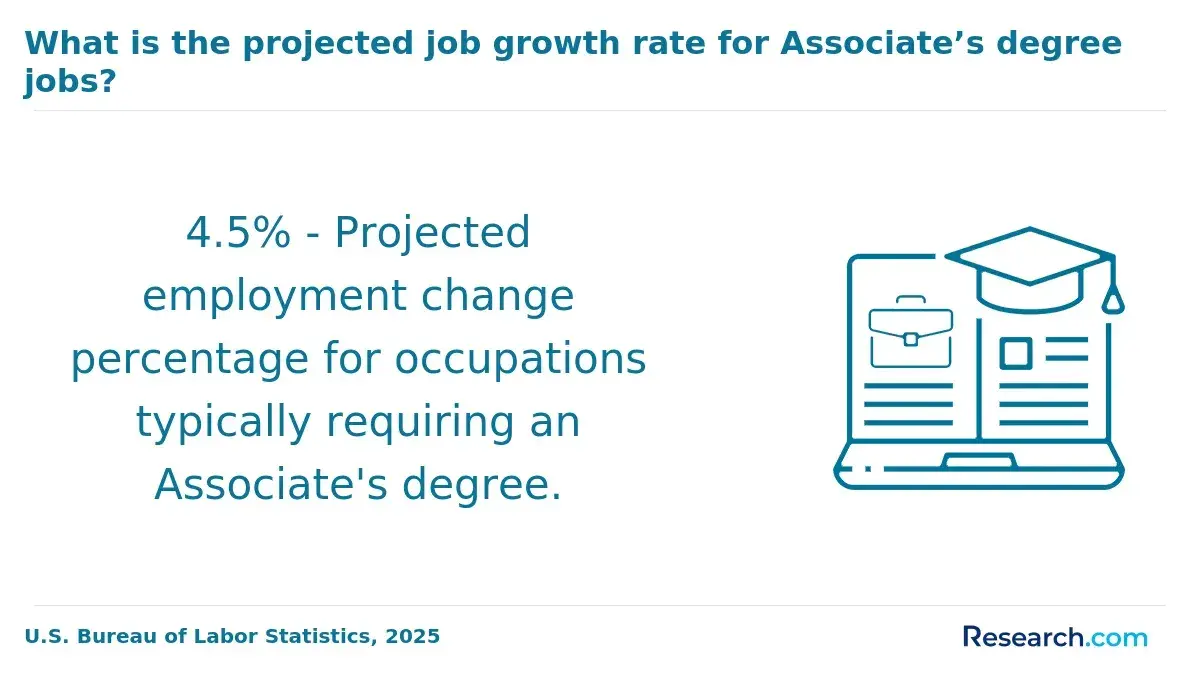
The median starting salaries for graduates of online and traditional bfa bachelor's programs generally align, with typical ranges between $35,000 and $45,000 annually. These figures depend more heavily on factors such as the prestige of the institution attended, regional employment markets, and the chosen specialization within the fine arts field, like graphic design or animation. Data from sources like the Bureau of Labor Statistics, PayScale, LinkedIn Salary Insights, and some institutional transparency reports show that graduates of both delivery modes often enjoy similar initial compensation when these variables are accounted for.
- Starting Salary: Online bfa graduates tend to start with incomes comparable to on-campus peers, typically within the $35,000 to $45,000 range, assuming similar academic credentials and geographic markets.
- Mid-Career Earnings: After about a decade of professional experience, salaries usually rise to between $50,000 and $65,000. Specialization in niche artistic roles and engagement with a local job market heavily influence this growth.
- Institution-Specific Outcomes: Several schools' IPEDS and transparency reports indicate that online bfa alumni see employment rates and early salaries nearly matching those of traditional program graduates.
- Salary Influencers: The strongest impacts on earning potential come from geographic location, years of work experience, portfolio strength, and networking-not the online or offline nature of the degree.
One professional who completed an online bfa program described the experience as demanding yet rewarding. He shared, "Balancing work, family, and coursework online was challenging, but the flexibility was unbeatable. Early on, I worried employer perceptions might limit my job prospects. However, as my skills and portfolio grew, I found employers valued my practical abilities more than the degree format." Reflecting on his career trajectory, he noted that "while the pay was modest at first, steady improvement came with persistence and networking." This realistic perspective highlights how income outcomes often depend as much on personal development and market engagement as on the method of earning the degree.
What Career Paths and Job Opportunities Are Available to Online BFA (Bachelor of Fine Arts) Bachelor's Degree Graduates?
Graduates with an online BFA (Bachelor of Fine Arts) degree have various career opportunities that typically require only a bachelor's credential, though some roles may need further education or certification. Among the most prominent paths, Graphic Designer positions involve creating marketing and digital visuals, showing steady growth of 3% through 2032 driven by advertising demand. Animator and Multimedia Artist roles-focused on animation and special effects for media-are projected to grow rapidly by about 16%, reflecting expansion in entertainment and technology industries. Art Director careers, responsible for the visual style in media and packaging, require bachelor's degrees plus significant experience and are expected to grow roughly 6% as marketing and media evolve.
Fine Artist work, including painting and sculpting, depends heavily on personal sales and commissions, with a highly competitive market but stable outlook. Photography and Related Fields involve capturing images for advertising and journalism, with moderate growth of 7%; additional certification can improve opportunities. These job prospects with an online bachelor of fine arts degree align with growing creative sectors but often benefit from specialization.
Choosing a concentration in an online BFA program-such as digital media, illustration, or studio arts-can sharpen skills and broaden potential career paths. For those seeking advanced professional or academic roles like art therapists or museum curators, graduate-level studies or licensure may be necessary. Additionally, exploring options such as an EDD in education can open further opportunities beyond entry-level positions.
What Student Support Services Do Online BFA (Bachelor of Fine Arts) Bachelor's Programs Provide to Promote Success and Retention?
- Academic Advising: Personalized support from advisors guides students through course choices, degree requirements, and transfer credits, helping to develop clear academic plans. This direction is crucial for maintaining steady progress and meeting graduation milestones.
- Tutoring Centers: Virtual tutoring services in subjects like digital media, art theory, and writing offer targeted assistance, addressing specific challenges and reinforcing essential skills needed for coursework.
- Writing Labs: Online writing labs provide critical feedback and resources to enhance communication skills, which are vital for producing art critiques, project proposals, and well-crafted portfolios.
- Mental Health Counseling: Telehealth options increasingly support students managing stress, anxiety, and other emotional issues, contributing to well-being during rigorous and creative academic pursuits.
- Career Services: Leading programs often include internship facilitation, job search support, and career counseling tailored to fine arts professions. These services may also incorporate alumni mentorship and partnerships with employers, fostering professional networks essential for career advancement.
- Retention and Graduation Support: Data from the National Survey of Student Engagement and institutional reports link comprehensive advising and proactive outreach with higher student persistence and timely degree completion, marking strong support systems as key predictors of graduation success.
A professional who forged a career after completing an online bfa program shared that consistent encouragement from academic advisors and accessible tutoring made balancing studies with personal responsibilities manageable. She recalled moments of doubt, mentioning how responsive mental health counseling helped her navigate stress during project deadlines. Moreover, career services played a pivotal role in securing internships that directly led to job opportunities. Reflecting on her experience, she noted that these layered support structures transformed what initially felt like an overwhelming journey into a well-supported path to success.
Is an Online BFA (Bachelor of Fine Arts) Bachelor's Degree Respected by Employers and Recognized Across Industries?
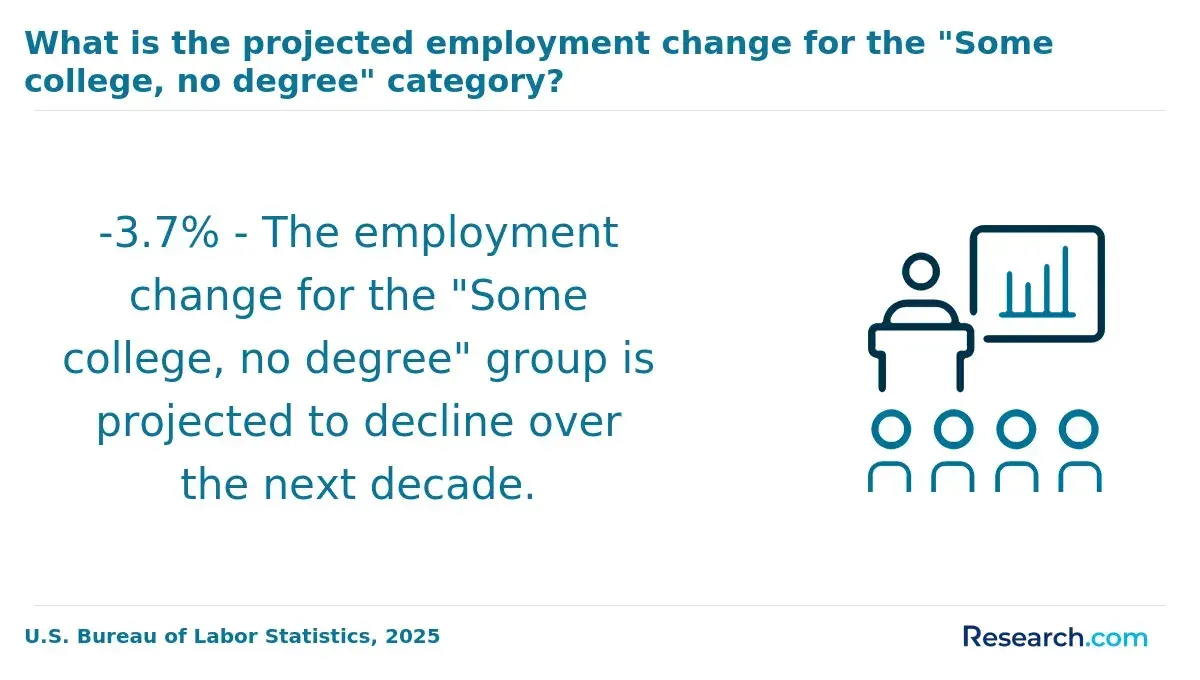
Employer trust in online bfa degrees has grown considerably, with a 2023 Society for Human Resource Management (SHRM) survey showing that 72 percent of hiring managers find online credentials on par with traditional on-campus degrees. This shift reflects stricter accreditation requirements and improved online learning quality. Still, acceptance varies by industry, making it essential for students to consider attitudes within their chosen career path.
Fields like graphic design, animation, and digital media consistently accept online bfa credentials as equivalent to in-person education. Top employers, including Adobe, Pixar, and IGN, actively seek graduates from reputable online programs accredited by recognized agencies such as the National Association of Schools of Art and Design (NASAD). These employers prioritize candidates' portfolios and demonstrated skills over the education format.
In contrast, more traditional fine arts areas-such as galleries, painting, and sculpture-often prefer candidates who have experienced direct mentorship and hands-on studio work available in campus settings. The in-person networking and resources in these sectors continue to influence hiring choices.
Graduate programs in art generally welcome accredited online bfa degrees, provided the programs maintain rigorous academic standards. For military veterans, working parents, and others balancing responsibilities, online degrees offer flexibility without sacrificing credibility, enabling professional growth with fewer barriers.
- Employer Credibility: Most employers regard online bfa degrees as credible when programs hold strong accreditation and reputation.
- Industry Differences: Creative tech sectors endorse online credentials broadly, whereas traditional fine art careers may still lean toward in-person degrees.
- Key Recruiters: Leading media and design companies emphasize practical skills and portfolios from accredited online programs when hiring.
- Graduate School Acceptance: Accredited online bfa degrees are widely accepted for continued art studies.
- Informed Decision-Making: Applicants should evaluate employer preferences by industry alongside cost, transfer policies, and career goals.
What Accreditation Standards Should an Online BFA (Bachelor of Fine Arts) Bachelor's Program Meet to Be Considered Legitimate?
Accreditation significantly impacts the credibility and value of an online bfa (Bachelor of Fine Arts) degree. Regional accreditation offers the highest level of recognition, ensuring credit transferability, employer acceptance, and eligibility for graduate programs. Six U.S. Department of Education-recognized regional accrediting bodies grant this status: HLC (Higher Learning Commission), SACSCOC (Southern Association of Colleges and Schools Commission on Colleges), NECHE (New England Commission of Higher Education), MSCHE (Middle States Commission on Higher Education), NWCCU (Northwest Commission on Colleges and Universities), and WSCUC (WASC Senior College and University Commission).
National accreditation typically applies to vocational, technical, or religious schools and often results in lower transferability and less favorable employer or graduate school recognition within the arts field. Some bfa programs have additional specialized accreditation from the National Association of Schools of Art and Design (NASAD), a mark of quality in art and design education that can enhance professional credibility and graduate opportunities.
To verify an online BFA program's accreditation status, prospective students should consult reliable resources such as the Council for Higher Education Accreditation (CHEA) or the U.S. Department of Education's database. This verification step guards against enrolling in programs with expired or dubious accreditation.
Enrollment in unaccredited or lapsed-accreditation programs carries significant risks, including loss of federal financial aid eligibility, challenges transferring credits, and degrees not recognized by employers or graduate schools. Data shows students completing regionally accredited programs experience 30% higher rates of successful credit transfer and graduate school admission compared to nationally accredited counterparts.
- Regional Accreditation: Highest transferability and acceptance; six main bodies (HLC, SACSCOC, NECHE, MSCHE, NWCCU, WSCUC).
- National Accreditation: Less transferability and acceptance; often vocational or specialized schools.
- Programmatic Accreditation: NASAD accreditation for specialized art/design quality assurance.
- Verification: Use CHEA or U.S. ED databases to confirm accreditation status.
- Risks: Lack of federal aid eligibility, nontransferable credits, employer/grad school non-recognition.
How Long Does It Take to Complete an Online BFA (Bachelor of Fine Arts) Bachelor's Degree, and What Factors Affect the Timeline?
Most online BFA (Bachelor of Fine Arts) bachelor's degree programs maintain a standard 120-credit framework, typically completed in about four years for full-time students. This timeline aligns closely with on-campus options and balances general education, specialized studio work, and art history or theory courses. However, the duration can vary significantly depending on individual circumstances, especially among those managing work, family, or military commitments.
Accelerated formats, such as eight-week course sessions, are increasingly common in online bfa programs. These condensed classes enable motivated learners to focus on fewer subjects per term and often take advantage of year-round enrollment without long summer breaks. Notable schools like the Academy of Art University and Savannah College of Art and Design offer these accelerated options, reporting average completion times as short as two and a half to three years. Such flexibility helps students reduce tuition costs and opportunity losses linked to delayed full-time employment.
Competency-based education (CBE) pathways also influence completion times by allowing students, including military veterans and professionals, to earn credits through demonstrated mastery rather than traditional seat time. Transfer credit policies and prior learning assessments further speed progress for those with relevant previous education or experience. These factors collectively shape how long it takes to complete an online BFA bachelor's degree in the United States, emphasizing the importance of personalized planning.
For working adults or recent graduates considering a creative career or further study, understanding these options supports informed decisions. Financial aid strategies, employer perceptions, and graduate school compatibility should also be evaluated carefully. Mid-career professionals seeking advancement might compare these timelines and program features to other fields, such as MBA in operations management online, to determine the best fit for their goals.
- Credit Requirements: Most programs require about 120 credits, combining studio work, general education, and art theory courses, normally completed in four years at a full-time pace.
- Accelerated Formats: Eight-week course sessions and year-round enrollment can shorten the timeline to between two and three years for highly motivated students.
- Competency-Based Education: CBE pathways allow students to earn credit by demonstrating skills, potentially reducing time for those with prior experience.
- Transfer Credits and Experience: Students with prior college credits, military training, or professional portfolios may apply these toward degree requirements, accelerating progress.
- Cost and Opportunity: Faster completion lowers tuition costs and decreases time away from full-time work, increasing the overall return on investment.
What Financial Aid, Scholarships, and Tuition Assistance Are Available for Online BFA (Bachelor of Fine Arts) Bachelor's Students?
Students pursuing an online BFA (Bachelor of Fine Arts) bachelor's degree have access to several important financial aid options to help manage the costs associated with their education. These financial aid options for online BFA bachelor's students can significantly reduce out-of-pocket expenses and make degree completion more affordable.
- Federal Pell Grants: These need-based grants require no repayment and are awarded based on FAFSA information. Pell Grants often cover a substantial portion of tuition for eligible students with demonstrated financial need.
- Direct Subsidized and Unsubsidized Loans: Federal loans provided through FAFSA offer low-interest borrowing. Subsidized loans don't accrue interest while you remain enrolled, whereas unsubsidized loans start accruing interest immediately. Both types allow for flexible repayment plans after graduation.
- Institution-Specific Scholarships: Many universities offer scholarships aimed specifically at online BFA students. Examples include:
- The National Art Education Association Scholarship-for students demonstrating academic achievement and artistic promise.
- The Creative Arts Scholarship-available for students in digital art or animation, typically awarding between $1,000 and $5,000.
- The Online Arts Achievement Grant-given by some institutions to recognize outstanding virtual studio coursework.
- State Grant Programs: Several states provide grant funds to residents enrolled in eligible online art programs. The eligibility criteria, award amounts, and deadlines vary, so researching your state's programs early is important.
Completing the Free Application for Federal Student Aid (FAFSA) early is critical since it determines eligibility for most major financial aid sources. The FAFSA collects financial and enrollment details and should be submitted as soon as possible in the award cycle to maximize available aid. Students often combine Pell Grants, scholarships, employer tuition reimbursement, and work-study options to best offset tuition and fees.
For prospective students weighing program costs and career outcomes, coordinating multiple aid sources can minimize loans and reduce debt, making an online BFA degree more feasible. Additionally, understanding transfer credit policies and how employers perceive these credentials further supports long-term return on investment. Those interested in expanding their education might consider pursuing an online master's in electrical engineering degree as a complementary pathway to diversify their skill set and career opportunities within creative and technical fields.
What Are the Admission Requirements for Online BFA (Bachelor of Fine Arts) Bachelor's Degree Programs?
- High School Diploma or GED: Nearly all online BFA bachelor's programs require applicants to have completed high school or earned a GED as a baseline qualification.
- Minimum GPA: Selective programs often expect a GPA around 3.0 on a 4.0 scale, indicating steady academic performance. Open-enrollment schools may admit students without strict GPA criteria, offering access to a wider applicant pool.
- Standardized Test Policies: Many institutions have adopted test-optional or test-blind approaches, meaning SAT or ACT scores are not mandatory, which benefits non-traditional students and those returning to education after time away.
- Prerequisite Coursework: Competitive programs usually prefer candidates with prior art or design training such as high school art classes or foundational college courses in drawing, painting, or digital media to demonstrate aptitude.
- Program Selectivity: Open-access programs typically admit students with varied academic backgrounds and less rigorous portfolio demands, ideal for career changers and adult learners. In contrast, selective institutions require strong academic records and portfolios, suiting those with solid preparatory experience.
- Rolling Admissions: Many online BFA programs offer continuous enrollment, removing fixed deadlines and providing flexibility for working parents, veterans, and mid-career professionals to apply at convenient times.
Enhancing Your Application: Applicants with lower credentials can boost their prospects by completing community college art courses, earning professional certifications, or submitting compelling letters of recommendation to showcase dedication and skill.
How Should Prospective Students Evaluate and Choose the Right Online BFA (Bachelor of Fine Arts) Bachelor's Degree Program for Their Goals?
- Accreditation: Confirm the program is regionally or nationally accredited by recognized organizations to ensure credits transfer smoothly, financial aid eligibility, and employer recognition. This foundational factor impacts both education quality and future opportunities.
- Cost and Return on Investment: Examine total expenses beyond tuition, including technology fees, proctoring charges, required residencies, and textbooks. Weigh these costs against alumni earnings and job placement rates to assess potential financial benefits over time.
- Program Format and Flexibility: Assess whether course schedules and formats accommodate your lifestyle, especially if balancing work, family, or military commitments. Look for asynchronous options and pacing that support your time management needs.
- Career Outcomes Data: Seek transparent data on graduate employment rates, industry connections, and alumni networks within creative fields to gauge potential career support and growth.
- Student Support Services: Identify available resources such as academic advising, tutoring, mental health counseling, and technical help-services that enhance success and retention throughout your studies.
- Transfer Credit Policies: Verify how many previously earned credits-including military, community college, or other institution coursework-are accepted to shorten your path to degree completion and reduce costs.
Use trusted comparison tools like the U.S. Department of Education's College Scorecard, the IPEDS Data Center, and each school's net price calculator to create a detailed, side-by-side program analysis. Be mindful of hidden charges that may not be listed alongside tuition to avoid surprises in budgeting.
What Graduates Say About the Value of Their Online BFA (Bachelor of Fine Arts) Bachelor's Degree
- Kian: "Choosing the online bfa (Bachelor of Fine Arts) program was a game changer for me because it allowed flexibility alongside my full-time job. The cost was surprisingly affordable compared to traditional schools, making the return on investment clear as I quickly landed freelance projects after graduation. This program truly equipped me with practical skills and confidence to advance my artistic career on my own terms."
- Leonard: "Reflecting on my decision to pursue an online bfa (Bachelor of Fine Arts), I realize it was the perfect fit for my learning style-self-paced and focused on modern techniques. I appreciated that the program was cost-effective yet comprehensive, which made the financial commitment feel justified. Professionally, completing this degree opened doors to teaching opportunities I hadn't imagined possible before."
- David: "The online bfa (Bachelor of Fine Arts) program provided a unique blend of rigorous coursework and real-world application that profoundly impacted my career trajectory. Despite being affordable, the program's quality rivals that of in-person degrees I researched, delivering a strong ROI. Thanks to this degree, I secured a leadership role in a creative studio much sooner than expected."
Other Things You Should Know About BFA (Bachelor of Fine Arts) Degrees
Online bfa (Bachelor of Fine Arts) programs typically deliver coursework through a combination of video lectures, virtual studio assignments, discussion boards, and digital portfolio development. Students engage with software tools relevant to their specialization and submit creative projects electronically. While the format allows flexibility, the experience requires strong self-discipline and time management to balance course deadlines with hands-on practice.
Students enrolling in online bfa (Bachelor of Fine Arts) programs can often choose from specializations such as graphic design, animation, painting, photography, sculpture, or digital media. These options vary by institution but are designed to mirror the diversity found in traditional fine arts degrees. Specializations help students tailor their learning to specific artistic interests and industry demands, enhancing career focus and employability.
Many online bfa (Bachelor of Fine Arts) programs accept transfer credit from previously completed college courses, especially those relevant to art history, studio work, or general education. The amount allowed depends on the institution's policies but often ranges from 30 to 90 credits. Additionally, some schools recognize portfolio submissions or documented prior learning experiences to grant credit, which benefits students with professional art experience.
References
- Scholarships and Grants https://www.nyfa.edu/student-finances/scholarships-and-grants/
- Client Challenge https://www.scribd.com/document/829981004/OPS-CAREERS-IN-FINE-ARTS
- Bachelor of Fine Arts in Art & Design (BFA) https://www.ualberta.ca/en/art-design/undergraduate-programs/bfa-art-and-design.html
- Types of Financial Aid | PAFA - Pennsylvania Academy of the Fine Arts https://www.pafa.org/types-financial-aid
- Bachelor of Fine Arts (BFA) | Faculty of Arts https://www.uottawa.ca/faculty-arts/visual-arts/undergraduate-programs/visual-arts
- How Long for a BFA Degree | ValidGrad https://validgrad.com/blog/how-long-does-it-take-to-get-a-bfa-degree/
- Top 150 Need-Based Scholarships in April 2026 https://bold.org/scholarships/by-type/need-based/
- How to Pursue a BFA in the US: Admissions & Career Insights https://theredpen.in/blog/pursuing-a-bachelor-of-fine-arts-in-the-us-everything-you-need-to-know/
- BA vs BFA Degree: What's the Difference? (How to Choose) https://www.allartschools.com/bachelor-art-fine-arts-compared/