2027 Online Animation Bachelor's Degree Programs With Asynchronous Classes

Co-Founder and Chief Data Scientist
Balancing work, family, or other commitments often leaves aspiring animators searching for educational options that fit unpredictable schedules. Asynchronous online bachelor's degree programs in animation offer recorded lectures and flexible deadlines, allowing learners to progress at their own pace without fixed class times. This format especially benefits working professionals and students across time zones who seek quality education while managing diverse responsibilities.
The demand for skilled animators is growing; the U.S. Bureau of Labor Statistics projects a 16% employment increase in this field through 2031, highlighting ample career prospects. This article explores how asynchronous classes operate within online animation degrees and why they suit self-directed learners.
Key Benefits of Online Animation Bachelor's Degree Programs With Asynchronous Classes
- Flexible scheduling allows students to access coursework anytime, accommodating diverse time zones and personal routines without compromising educational quality.
- The self-paced learning structure enables learners to progress based on their individual speed, improving retention and mastery of complex animation techniques.
- Asynchronous classes help balance academic commitments with work or family responsibilities, supporting 63% of online animation students who also maintain part-time or full-time jobs.
How do asynchronous online classes work in animation programs?
In animation bachelor's degree programs, asynchronous online classes allow students to access lectures and course materials on their own schedule, without the need to attend live sessions. Instead of real-time interaction, content such as pre-recorded videos, reading assignments, and project guidelines are made available through a learning management system.
This approach supports how asynchronous online classes facilitate self-paced animation learning by enabling students to review and absorb complex techniques at a comfortable pace. By removing scheduling constraints, students can better balance study time and fully engage with detailed animation processes.
Coursework in these programs is usually divided into modules, each covering distinct topics presented in a sequence that guides students through progressively advanced skills. Timelines and deadlines help maintain a structured pace while allowing flexible progress through the content.
Regular interaction occurs through forums and feedback channels, encouraging ongoing communication with instructors and peers despite the absence of live classes.
This well-organized, modular format supports effective assignment submission and course interaction in animation asynchronous programs, creating a consistent learning rhythm that benefits disciplined study habits. Prospective students interested in flexible pathways might also explore options such as the online associate degree for related fields.
How are assignments submitted in asynchronous courses?
In asynchronous online animation bachelor's degree programs, students submit assignments via digital platforms that support flexible, self-paced learning. This system enables learners to upload their coursework on their own schedule within set deadlines, which helps maintain steady progress.
Key elements of the asynchronous assignment submission process in animation courses include:
- Learning Management Systems: Assignments are submitted through platforms like Canvas, Blackboard, or Moodle. These LMS centralize deadlines, submission folders, and grading, allowing students to track their work effectively in an asynchronous format.
- Submission Deadlines: While pacing is flexible, students must meet clearly defined deadlines. Institutions typically provide a submission window to accommodate different schedules while ensuring timely feedback and course progression.
- File Formats: Assignments often require multimedia files such as MP4, MOV, PNG, and project files compatible with industry software like Autodesk Maya or Blender. Clear format guidelines ensure that submitted work is accessible and meets technical standards for review.
- Feedback Mechanisms: Digital tools built into the LMS allow instructors to provide detailed feedback, including comments, rubrics, and sometimes video or audio critiques. This ongoing assessment supports continuous learning without in-person interaction.
- Digital Assessment Tools: Structured digital evaluations facilitate transparent grading and communication, helping students understand their performance and areas for improvement in the online animated course work submission process.
For those considering distance learning options beyond animation, exploring flexible programs such as an MLIS online can offer additional pathways in related fields.
Can you take multiple asynchronous courses at once?
Students pursuing online animation bachelor's degrees with asynchronous courses often have the opportunity to enroll in multiple classes at once, offering significant scheduling flexibility. Course loads in these programs typically mirror traditional college structures, with full-time students taking about four to five classes per term, but asynchronous formats allow individuals to tailor their workload according to their own pace and availability.
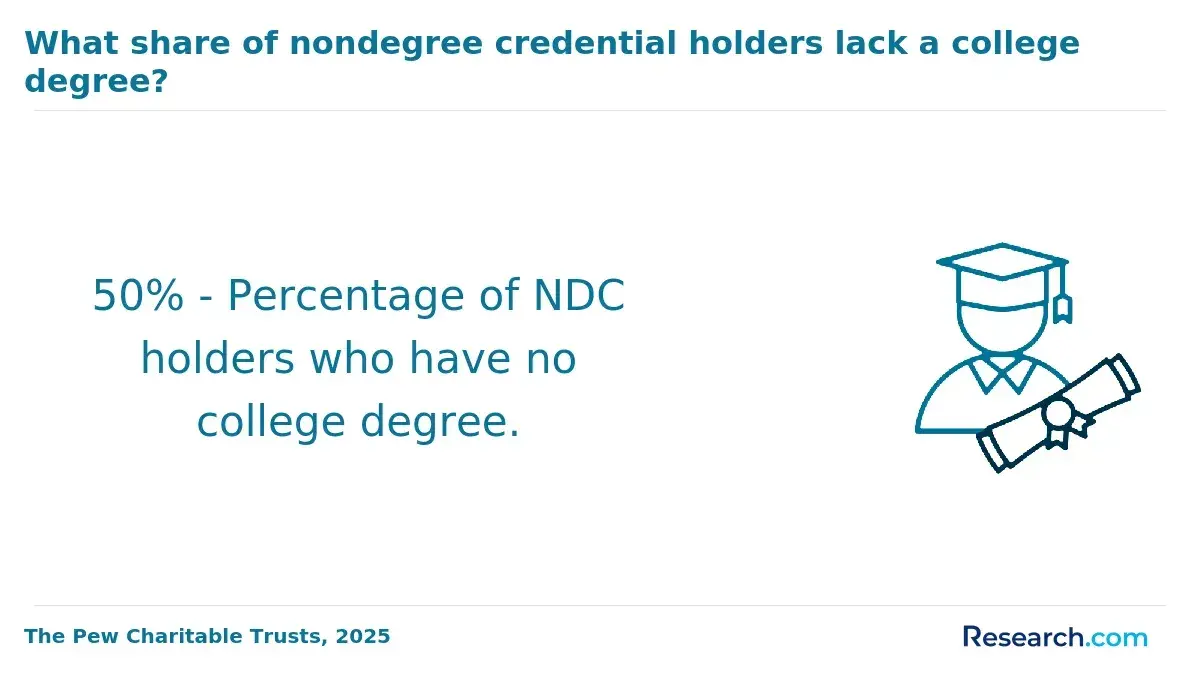
Careful time management is essential, as each course demands engagement with lectures, assignments, discussions, and assessments without fixed class times. Balancing these responsibilities requires students to realistically assess their weekly commitment to avoid overextension. In fact, recent data shows that around 68% of online undergraduates choose part-time enrollment to better manage their academic and personal obligations.
When asked about managing multiple asynchronous courses, a professional who completed an online Animation bachelor's degree shared that the experience required both discipline and adaptability. He described feeling initially overwhelmed by coordinating several deadlines without traditional class meetings but found that setting a personalized weekly schedule helped maintain steady progress.
"Starting slow and then gradually taking on more courses," he noted, "was key to avoiding burnout." He emphasized how communication with advisors and self-motivation played crucial roles in navigating the ambiguity of pacing. Ultimately, this approach made juggling multiple asynchronous classes manageable and rewarding despite the challenges.
Can you switch between asynchronous and synchronous courses?
Online Animation bachelor's degree programs often offer courses in asynchronous and synchronous formats. Asynchronous classes give students the freedom to engage with materials anytime, while synchronous courses require attending scheduled live sessions. Transitioning between these learning types depends on individual program rules and available course options.
Several factors come into play when considering switching between asynchronous and synchronous courses in animation programs, including:
- Course Availability: Some animation courses are offered exclusively as asynchronous or synchronous, while others may provide both options, influencing students' ability to switch formats based on what is accessible each term.
- Program Policies: Institutions might set firm deadlines for changing between course types or restrict switching to certain periods such as semester breaks, affecting flexibility in managing one's schedule.
- Scheduling Coordination: Balancing live discussions and group projects in synchronous classes alongside individual work in asynchronous courses can challenge students' time management and collaboration efforts.
- Learning Experience: Differences in interaction frequency and feedback style between course formats impact engagement, which is an important consideration for students valuing peer connection within animation studies.
Prospective students seeking flexibility in how they complete their coursework should explore programs carefully. For example, if interested in a related field, you can learn more about a cyber security bachelor degree online that balances flexible learning options.
How flexible are asynchronous animation programs for working students?
Asynchronous online animation bachelor's degree programs offer considerable flexibility by allowing students to access lectures and course materials whenever their schedules permit. Unlike traditional synchronous classes, these programs don't require real-time attendance, enabling learners to complete assignments by set deadlines without conflicting with work or personal obligations.
Many programs embrace self-paced structures, allowing students to accelerate through easier content or spend extra time mastering challenging animation techniques. This approach supports working adults, over 60% of whom pursue online degrees while maintaining employment, by reducing the constraints of fixed class times and promoting steady academic progress. Additionally, digital tools such as discussion boards facilitate interaction and feedback without disrupting flexible scheduling.
When asked about her experience, a working student currently enrolled in an online animation bachelor's program shared that balancing full-time employment with coursework was initially daunting, especially managing project deadlines alongside work shifts. She found that the ability to pause and revisit complex animation tutorials at her convenience was "a game-changer," allowing her to deepen skills without pressure.
Despite occasional stress during busy periods, she appreciates how asynchronous classes provide the freedom to design a study schedule that fits her life, describing the experience as both challenging and empowering. "It feels like my education adapts to me, not the other way around," she noted thoughtfully.
Who should choose an online animation program with asynchronous classes?
Asynchronous online animation bachelor's degree programs provide students the ability to engage with coursework, lectures, and assignments at any time, without the need to attend fixed live sessions. This method offers significant flexibility, making it well-suited for those managing personal and professional responsibilities.
A 2022 study by the National Center for Education Statistics found that around 35% of U.S. postsecondary students took part in asynchronous online courses, emphasizing its increasing adoption.
The following profiles highlight learners who often find asynchronous animation programs particularly advantageous:
- Working Professionals: These students can continue their education and enhance their skills while maintaining full-time employment. The freedom to study outside typical business hours helps them balance both commitments effectively.
- Parents and Caregivers: Asynchronous formats allow these learners to fit study sessions around unpredictable schedules and caregiving duties, offering essential adaptability to pursue academic goals.
- Remote or Time Zone-Based Students: Those living far from campus or in different time zones benefit from the ability to access materials whenever convenient, reducing barriers linked to geographic distance.
- Self-Directed Learners: Individuals who excel at managing their time and prefer digesting complex animation topics at their own pace often thrive in these programs without needing real-time supervision.
- Flexible Schedulers: Students who have varying periods of peak focus and creativity appreciate choosing when to concentrate on their coursework, which supports iterative learning and exploration integral to animation skill development.
How long does it take to finish an asynchronous animation degree?
Completing an asynchronous online animation bachelor's degree usually takes between three and six years. This flexible format allows students to set their own pace, which leads to varying timelines. For example, the average completion time for part-time bachelor's students is about 5.5 years, reflecting the experience of many balancing asynchronous programs with other responsibilities.
Several important factors influence the length of time it takes to earn an asynchronous animation degree:
- Self-Paced Progression: Students control how quickly they move through courses, which can either speed up or extend their overall timeline based on personal motivation and availability.
- Course Load Decisions: Taking more or fewer classes each term directly impacts how long the degree takes to complete. Heavier course loads usually shorten the time needed.
- Continuous Enrollment: Staying enrolled without breaks typically leads to faster program completion, while pauses or gaps in study can add months or years.
- Transfer Credits: Students who already have credits from other accredited institutions may reduce the number of courses required, significantly shortening their path to graduation.
Since asynchronous courses don't require live attendance, students can study when it suits them best, fostering steady progress or allowing adjustments when life demands. However, discipline remains crucial to finishing on time. Planning course loads wisely and making use of transfer credits can enable some students to complete their animation degrees in as little as three years.
What are the requirements for asynchronous animation degree programs?
Admission to asynchronous online animation bachelor's degree programs typically requires proof of academic readiness and the capability to succeed in self-directed digital learning environments. Around 70% of students in online asynchronous courses report that strong time management skills are essential for success. These programs set expectations that help ensure students are well-prepared for an independent, flexible course load.
Key asynchronous animation bachelor's degree program requirements often include the following:
- Academic Background: Applicants usually must have a high school diploma or equivalent with official transcripts verifying foundational skills in English and math, supporting their ability to handle a rigorous, independent study format.
- Time Management Ability: Given the self-paced nature, students may need to submit statements outlining how they will balance coursework with personal and professional responsibilities, demonstrating self-discipline crucial for online animation degree course load expectations.
- Technical Readiness: Candidates must prove access to appropriate hardware and software, such as computers capable of running animation design tools and stable internet. Prior experience with relevant software or courses is sometimes required.
- Digital Literacy: Comfort using learning management systems and online communication platforms is assumed, ensuring smooth navigation throughout the asynchronous learning process.
Prospective students interested in related fields may also explore options like the cheapest online masters in urban planning, which offer affordable pathways with varying structures.
How do you verify accreditation for online animation programs with asynchronous classes?
Verifying accreditation for online animation programs with asynchronous classes is crucial for ensuring academic quality and maintaining institutional credibility. It assures students and employers that the program meets recognized standards of educational excellence. This verification is especially important when considering flexible, self-paced degrees.
Key accrediting agencies to consider include the following:
- Higher Learning Commission (HLC): A major regional accreditor in the U.S., HLC evaluates entire institutions rather than specific programs. It assesses academic rigor, administrative effectiveness, and financial stability to ensure the institution meets comprehensive quality benchmarks.
- Middle States Commission on Higher Education (MSCHE): MSCHE accredits institutions in the mid-Atlantic region, focusing on institutional mission, governance, faculty qualifications, and student learning outcomes. It ensures schools provide quality higher education through ongoing review processes.
- Southern Association of Colleges and Schools Commission on Colleges (SACSCOC): This regional accreditor serves the southern U.S., examining overall institutional operations, including curriculum, faculty credentials, and resources. SACSCOC accreditation is a mark of consistent academic standards.
- National Association of Schools of Art and Design (NASAD): As a programmatic accreditor, NASAD concentrates specifically on art and design curricula, including animation. It reviews curriculum rigor, faculty expertise, facilities, and graduate outcomes, ensuring specialized quality within visual arts education.
To confirm accreditation, prospective students should consult official agency websites or databases like the U.S. Department of Education's accredited institutions list. Those seeking a bachelor's animation degree with asynchronous classes can also check verified sources, such as affordable online interdisciplinary studies degrees, which provide guidance on flexible accredited programs.
Knowing how to confirm accreditation of online animation bachelor's programs simplifies the accreditation verification process for asynchronous animation degrees and helps ensure chosen programs meet essential quality standards.
What are the disadvantages of asynchronous online degrees?
Asynchronous online animation bachelor's programs enable students to complete coursework at their own pace without attending live sessions. This format provides notable flexibility for those managing work or personal responsibilities, yet research indicates only about 40% of students finish fully asynchronous courses, reflecting certain hurdles. Below are some drawbacks to consider when choosing this learning style:
- Limited Real-Time Interaction: The lack of immediate contact with instructors and classmates can hinder collaborative learning, which is essential in animation where timely feedback and creative dialogue play key roles.
- High Self-Discipline: Without fixed class schedules, students need strong motivation and organization to meet deadlines, but many face difficulties in managing their time effectively.
- Delayed Feedback: Instructor and peer responses may take days, slowing progress in animation courses where prompt critique is vital to improving skills.
- Engagement Challenges: The absence of structured, synchronous interaction can make maintaining focus harder, potentially lowering learning effectiveness and satisfaction.
What Graduates Say About Online Animation Bachelor's Degree Programs With Asynchronous Classes
- Danny: "Choosing an online animation bachelor's degree with asynchronous classes was a game-changer for me since I needed the flexibility to work full-time while studying. The self-paced nature allowed me to dive deep into creative projects without the pressure of fixed schedules. This program truly helped me build a solid portfolio and confidence to start freelancing right after graduation."
- Jamir: "Reflecting on my journey, what stood out most about the asynchronous animation program was the balance it offered between academic life and personal commitments. Managing family responsibilities became feasible because I could watch lectures whenever I had free time. Additionally, the program's comprehensive curriculum gave me a strong foundation that boosted my career growth in the vibrant animation industry."
- Ethan: "From a professional standpoint, the online animation bachelor's degree with asynchronous classes was invaluable in developing my technical and storytelling skills at my own pace. The freedom to absorb complex concepts when I was most focused elevated my learning experience. Ultimately, this flexible structure accelerated my readiness for demanding roles in animation studios and contributed to my ongoing career success."
Other Things You Should Know About Animation Degrees
Many online animation programs offer internships as optional components to provide real-world experience, but they are not universally mandatory. When required, internships may be completed locally or through remote opportunities arranged by the institution. Students should review program details to understand any practical experience expectations.
Yes, most accredited online animation programs with asynchronous classes include access to industry-standard software like Adobe Creative Suite, Autodesk Maya, or Toon Boom Harmony. Schools often provide licenses or recommend affordable student versions, ensuring students can complete assignments using professional tools.
Networking usually occurs through discussion boards, group projects, and virtual meetings scheduled outside of core lectures. Instructors may host optional live sessions or office hours for questions and mentorship. Some programs also offer online student organizations or forums to facilitate connections despite the asynchronous format.
Most programs require a laptop or desktop with at least 16 GB RAM, a dedicated GPU, and 100 GB of free storage for software and project files. For smooth video access, schools often recommend broadband speeds of 25 Mbps download and 5 Mbps upload.
References
- Asynchronous Learning https://elmlearning.com/hub/learning-theories/asynchronous-learning/
- Asynchronous Learning vs. Real-Time Teaching https://www.proxlearn.com/blog/asynchronous-learning-vs-real-time-teaching
- Synchronous vs. Asynchronous Classes - Cairn University https://cairn.edu/synchronous-vs-asynchronous-classes/
- BA (Hons) Animation | University of East London https://www.uel.ac.uk/undergraduate/courses/ba-hons-animation
- Animation Degree Online – The Los Angeles Film School https://www.lafilm.edu/programs/animation-online/
- Asynchronous College Courses https://www.snhu.edu/online-degrees/classes/asynchronous
- How Online Animation School Can Be Better than College https://ianimate.net/more/articles/how-animation-online-can-be-better-than-college
- Flexible Learning Options: Asynchronous, Online, Part-Time and more https://www.fanshawec.ca/blog/flexible-learning-asynchronous-online-part-time
- Online Animation Degree | Programs And Career Options https://www.learnhowtobecome.org/best-online-bachelors-in-animation-degree-programs/
- Kritik - Kritik360 - Advantages and Disadvantages of Synchronous and Asynchronous Learning https://www.kritik.io/blog-post/benefits-and-challenges-of-asynchronous-learning