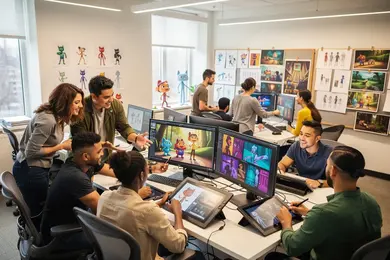
2027 Online BFA (Bachelor of Fine Arts) Bachelor's Degrees for Adults Over 30

Co-Founder and Chief Data Scientist
Adults over 30 often face unique challenges when returning to higher education, balancing careers, family responsibilities, and personal growth. Many seek a flexible path to reinvent their professional lives or pursue long-held creative passions. Online BFA (Bachelor of Fine Arts) programs offer the adaptability needed to manage time effectively, while leveraging life experience to enhance learning.
In fact, enrollment in online fine arts degrees among adults over 30 has grown by over 25% in recent years, reflecting a shift toward lifelong learning. This article explores how online BFA programs support adults in achieving their educational and career goals amid complex life demands.
Key Benefits of Online BFA (Bachelor of Fine Arts) Bachelor's Degrees for Adults Over 30
- Online BFA programs offer flexible scheduling, enabling adults over 30 to learn at their own pace while managing work and family commitments effectively.
- Adults with a BFA degree can access expanded career advancement opportunities in creative industries, with online degrees increasingly valued by employers.
- Balancing education with existing responsibilities is achievable through asynchronous coursework and digital resources tailored for adult learners, promoting sustained academic success.
Is 30 Too Old to Start a BFA (Bachelor of Fine Arts) Bachelor's Degree?
Starting a BFA at age 30 is entirely feasible as higher education becomes more accessible and welcoming to a diverse range of students. The shift in student demographics reflects a growing presence of adult learners returning to school for BFA programs who bring valuable life experience and a fresh perspective to their studies.
Colleges increasingly recognize that education is not confined to a specific age and actively create environments that respect the unique challenges and motivations of older students. This evolution helps break down outdated assumptions about age and academic readiness. Institutions today offer inclusive and structured learning environments designed to support adult learners throughout their academic journey.
These settings often feature broad academic pathways that accommodate varied life commitments while maintaining educational rigor. Emphasis is placed on creating a respectful atmosphere where students of all ages feel valued and engaged in creative pursuits. For those exploring further advanced degrees, resources such as affordable PhD programs online can provide additional opportunities for continued education beyond the bachelor's level.
Why Do Adults Over 30 Choose Online Degree Programs?
Many adults over 30 choose online BFA (Bachelor of Fine Arts) degree programs to align their education with evolving personal and professional goals. Nearly 40% of students enrolled in online higher education courses fall within this age group, demonstrating a clear trend toward lifelong learning in digital settings.
Several key reasons motivate adults to pursue these degrees through online platforms:
- Personal and Professional Development: Adults often seek to explore or enhance their artistic abilities after years in other careers or life paths. An online BFA offers formal training to refine creative skills and foster growth without career interruptions.
- Flexible Online Degree Options: The ability to balance education with ongoing responsibilities such as work and family is crucial. These programs provide practical access to learning that fits diverse schedules, supporting continuing education for adults over 30.
- Restarting or Completing Education: Many learners return to finish or restart their degrees later in life, overcoming previous barriers like finances or location. Online BFA degrees make this goal accessible and achievable.
- Expanding Creative Networks: Online learning connects students to varied artistic communities beyond their geographic location, enriching their experience through diverse interactions and resources.
For those interested in exploring affordable graduate schools or further options in flexible online degree programs, understanding these motivations can guide informed decision-making about continuing education in the arts.
What Challenges Do Adults Over 30 Face in Online BFA (Bachelor of Fine Arts) Programs?
Adults over 30 who pursue an online BFA degree often face unique hurdles when returning to academics after time away. This transition can bring specific challenges that require adjustment and resilience.
Common obstacles include:
- Academic Re-Entry Adjustment: Re-engaging with structured study after a break can trigger self-doubt and anxiety, as individuals acclimate to new expectations and academic rigor.
- Time Management: Balancing work, family, and coursework demands careful prioritization. Limited availability necessitates efficient scheduling to meet deadlines and fulfill creative assignments.
- Technology Adaptation: Navigating digital platforms and learning new software can slow progress initially, requiring patience and persistence to overcome technical challenges.
- Balancing Creativity and Life: Consistent practice and experimentation essential to fine arts may conflict with other responsibilities, while the solitude of online classes can reduce peer support and motivation.
- Confidence and Age Perception: Concerns about fitting in with younger classmates and maintaining pace may cause additional stress, impacting overall engagement and self-esteem.
A professional who earned an online BFA after age 30 shared that adjusting to the academic routine felt overwhelming at first: "I often questioned whether I could keep up, especially juggling work and family." He noted that learning unfamiliar digital tools was frustrating but crucial.
"There were moments I felt isolated, missing the energy of in-person studios. Staying motivated required building a new daily rhythm." This experience highlights the emotional and practical realities adults face when balancing online fine arts education with complex life demands.
How Flexible Are Online BFA (Bachelor of Fine Arts) Bachelor's Degrees for Adults Over 30?
Online BFA bachelor's degrees offer adaptable learning environments, helping adults over 30 balance education with work and family commitments. Studies show that nearly 60% of adult learners prioritize flexible scheduling when choosing online higher education.
Several scheduling options customize the experience for part-time BFA degree options for adults:
- Asynchronous Classes: These allow students to access lectures and assignments at their convenience, removing the need to attend live sessions at set times, which supports varied schedules.
- Evening and Weekend Courses: Designed to fit around full-time jobs and caregiving duties, these courses provide key opportunities for those who cannot study during traditional hours.
- Accelerated Course Pacing: Learners can speed up their progress by completing coursework faster than usual when time permits, offering flexibility to finish degrees earlier.
- Self-Paced Enrollment: This model lets students begin and finish classes independently without strict semester deadlines, enabling maximum control over their academic timeline.
The versatility within flexible online BFA programs for adult learners can accommodate diverse lifestyles. For those also interested in condensed degree options, a 6-month MBA exemplifies how accelerated paths can meet professional and personal goals efficiently.
How Many Hours Per Week Do Online BFA (Bachelor of Fine Arts) Students Study?
Adults over 30 enrolled in online BFA programs typically dedicate around 15 to 20 hours weekly to their studies, balancing coursework with other responsibilities. The amount of time can vary based on how many classes they take and whether the program focuses more on studio projects or theory, making some weeks busier than others.
Many find ways to integrate learning into their schedules by setting aside evenings or weekends and breaking projects into smaller, manageable parts. Individual study habits differ, with some students preferring steady daily work while others concentrate their efforts in shorter, intense sessions.
One adult learner in her 30s pursuing an online BFA shared that finding time was initially challenging amid her full-time job and family life. She described adapting by carving out quiet weekend hours specifically for writing and creating artwork, though some weeks required more flexibility.
"It wasn't just about setting a schedule but learning how to stay motivated when life felt overwhelming," she explained. Over time, she appreciated the program's flexibility, which allowed her to progress steadily while managing stress and maintaining balance. This experience highlighted how personal discipline and adaptability play key roles in sustaining study time.
How Long Does It Take to Earn a BFA (Bachelor of Fine Arts) Degree Online After 30?
The duration to complete an online BFA degree for adults aged 30 and above typically falls between two and six years, influenced by individual circumstances and commitments. The timeline varies widely depending on personal and academic choices.
Several key factors affect the time required to finish an online BFA degree, including:
- Course Load: Many learners over 30 enroll part-time to juggle work and family, which spreads out their studies over a longer period. Full-time study accelerates completion but might be impractical for those with busy schedules.
- Pacing Flexibility: Online programs often offer options like accelerated, standard, or self-paced courses. Students motivated to finish quickly might choose faster tracks, while others may extend their timeline to focus on artistic growth or personal needs.
- Transfer Credits: Previous college credits can reduce how long it takes to earn the degree if the institution accepts them. Reviewing transfer policies early helps students avoid redundant coursework and shortens their path.
- Continuous Enrollment: Taking breaks from study for work, family, or financial reasons can lengthen the process. Maintaining steady enrollment tends to lead to quicker degree completion.
How Much Do Online BFA (Bachelor of Fine Arts) Bachelor's Degrees Cost for Adults Over 30?
Costs for online BFA bachelor's degree programs for adults over 30 vary depending on the institution and program specifics, with total tuition commonly ranging from $15,000 to $40,000. This range considers differences such as public versus private schools and in-state versus out-of-state tuition rates.
Important cost components to consider include the following:
- Tuition Structure: Tuition is typically charged per credit hour and represents the largest expense. Some programs offer discounted rates for transferring previous credits, which can reduce the overall cost for adult learners balancing other commitments.
- Mandatory Fees: Additional fees often cover technology use, online resources, and student services. These fees generally add several hundred to several thousand dollars annually to the total program cost.
- Learning Materials: Online fine arts students may need to purchase digital textbooks, art supplies, and software licenses. Some programs include these in tuition, but many require separate purchases for specific materials and hardware like tablets or drawing tools.
- Financial Support: Adults over 30 often qualify for federal financial aid, scholarships tailored to adult learners, or employer tuition reimbursement programs. Exploring these options early can significantly offset expenses.
What Features Make an Online BFA (Bachelor of Fine Arts) Bachelor's Program Adult-Friendly?
Adults over 30 represent a significant portion of online college students, with more than 40% engaging in distance education, reflecting the need for programs that accommodate their unique circumstances. Effective adult-friendly online BFA programs offer tailored features to support flexible study options in online BFA bachelor's degrees while maintaining academic rigor.
Key features that help adult learners succeed include:
- Flexible Scheduling: Programs often provide asynchronous classes, allowing students to access coursework anytime. This flexibility enables learners balancing work and family to study during evenings or weekends without missing critical content.
- Accessible Course Delivery: Utilizing intuitive learning management systems compatible with smartphones and tablets ensures students can engage with their studies on the go. This reduces technological barriers and meets the needs of adult learners who prefer versatile access.
- Comprehensive Support Services: Tailored resources such as academic advising, virtual tutoring, and career counseling are vital. These services help returning students navigate academic demands and career shifts by leveraging life experience and promoting success.
- Adaptable Learning Environments: Interactive platforms like virtual studios and peer-review forums foster creativity and community interaction. Such environments keep adult learners engaged and connected, which is crucial for motivation and skill development.
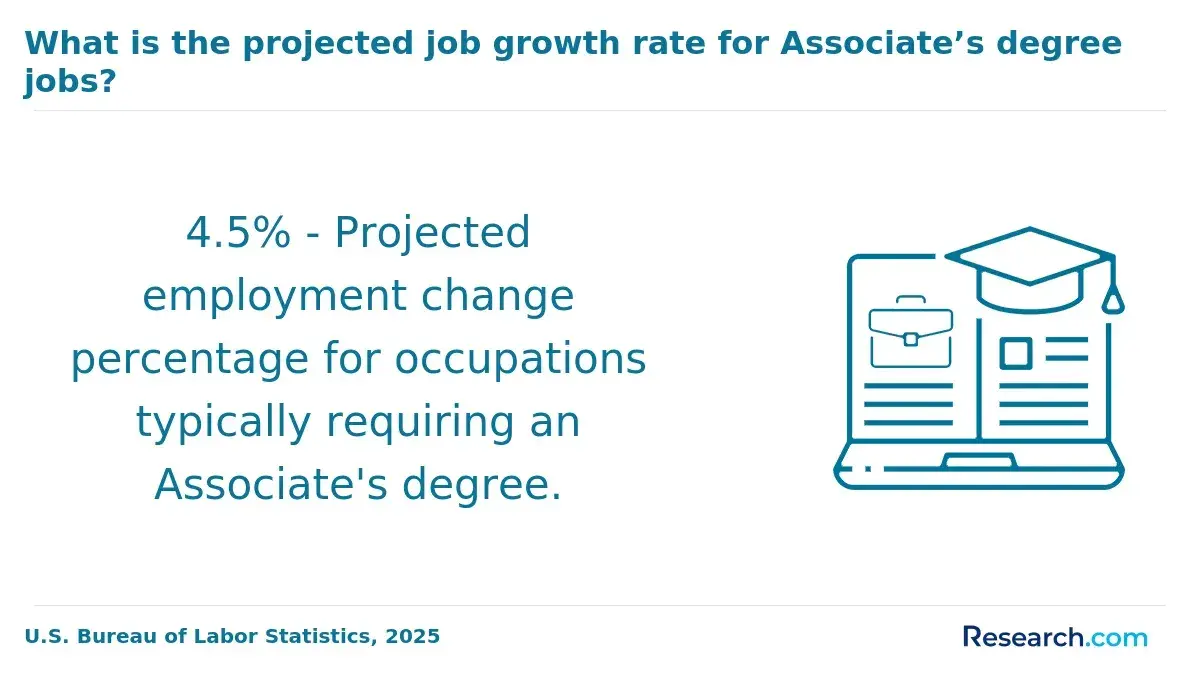
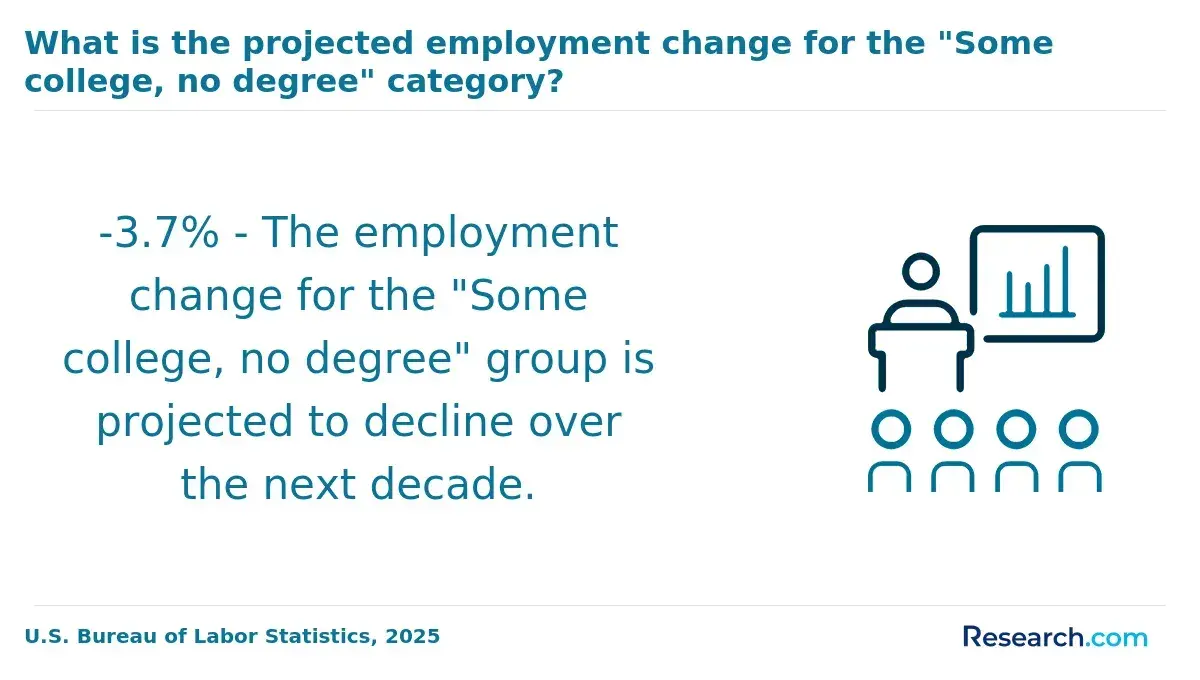
Many adults pursue flexible study options in online BFA bachelor's degrees as a pathway to jobs that only require a certificate, blending practical skill-building with academic advancement.
What Jobs Can You Get With a BFA (Bachelor of Fine Arts) Bachelor's Degree After 30?
Completing a BFA degree after age 30 can unlock a range of career opportunities in the creative and cultural industries. Nearly 40% of undergraduates are 25 or older, highlighting a growing trend of adult learners pursuing new paths or advancing existing ones. This is especially relevant for online BFA careers for adults over 30 who seek flexibility and career growth.
Graduates with a BFA degree have diverse job options. Here are some common roles that connect well to the skills learned in a BFA program:
- Graphic Designer: Creates visual concepts and designs using digital tools to communicate messages effectively. This role suits those with a focus on graphic design, visual communication, or digital arts within a BFA curriculum.
- Art Director: Leads the artistic vision and style for advertising, magazines, packaging, and media productions. It requires strong leadership and creative direction skills developed in BFA studies.
- Animator: Produces moving images for films, video games, and digital platforms. A BFA emphasizing animation or digital media equips graduates to bring characters and stories to life.
- Gallery Curator: Oversees the exhibition, acquisition, and educational presentation of artworks. Knowledge of art history and critical analysis gained in BFA programs supports success here.
For those worried about academic performance and future prospects, research shows that grad schools do consider applicants with varied backgrounds; for more information, see 'Will grad schools accept low GPA?' Pursuing a BFA degree, job opportunities after 30 can help you find fulfilling work aligned with your creative passions and skills.
Does Age Affect Hiring After Earning an Online BFA (Bachelor of Fine Arts) Degree?
Age is generally not a determining factor in hiring decisions after earning an online BFA degree. Employers focus more on a candidate's skills, portfolio, relevant experience, and suitability for the position. In creative fields, a strong body of work and demonstrated talent often outweigh considerations of age. A recent study by the Society for Human Resource Management revealed that 65% of employers see age-diverse teams as more innovative and productive, reflecting a positive shift toward valuing workers of all ages.
Ongoing education and skill enhancement are highly regarded in today's hiring landscape, especially for those earning a BFA degree later in life. Employers appreciate candidates who show adaptability and dedication through continuous learning. Mature graduates often bring valuable life experiences combined with fresh academic expertise, enriching workplace dynamics. Despite some lingering bias in certain sectors, the emphasis remains on creative ability and professional readiness rather than age alone.
What Graduates Say About Online BFA (Bachelor of Fine Arts) Bachelor's Degrees for Adults Over 30
- Kian: "Going back to school for my BFA past the age of 30 was a leap of faith, but choosing an online program made it manageable alongside my full-time job and family. The flexibility allowed me to tailor my studies around my life, making the process less overwhelming than I expected. This degree has not only reignited my passion for art but also opened doors to freelance opportunities I had never considered before."
- Leonard: "Starting an online BFA in my 30s came with its unique challenges, from staying motivated without a physical campus to balancing coursework with personal responsibilities. However, the mature student community and dedicated instructors helped create a supportive environment that eased these hurdles. Earning this degree later in life has given me renewed confidence and credibility in my creative profession."
- David: "As a professional in a creative industry, pursuing a BFA online at over 30 was a strategic choice to deepen my skills without pausing my career. The experience taught me the importance of discipline and time management while enriching my artistic techniques in a way that has directly enhanced my work projects. This degree has truly been a catalyst for professional growth and new creative collaborations."
Other Things You Should Know About BFA (Bachelor of Fine Arts) Degrees
Yes, many online BFA programs use a hybrid approach that combines virtual instruction with hands-on projects students complete independently. Programs often require students to submit artwork digitally or attend occasional on-campus workshops or residencies. This ensures students develop practical skills alongside theoretical knowledge despite the distance learning format.
Accreditation is critical for ensuring an online BFA degree meets established academic and professional standards. Regional accreditation and program-specific accreditation from arts education bodies validate the quality of instruction and can affect credit transfer, employer recognition, and eligibility for graduate studies. Prospective students should verify a program's accreditation before enrolling.
Online BFA programs in 2027 offer flexible learning schedules to accommodate adult learners over 30 while maintaining structured learning through regular assignments, critiques, and virtual studio sessions. They integrate asynchronous courses and live feedback sessions to ensure students receive comprehensive training without sacrificing their personal or professional obligations.
Online BFA programs use virtual studios, discussion forums, and group projects to foster collaboration and community among students. Many also organize live critique sessions and alumni networking events. These opportunities help adults over 30 build professional connections and receive peer feedback critical to artistic growth.
References
- Online Degree Completion Program: BFA in Performing Arts - Manhattan School of Music https://www.msmnyc.edu/admission/college-programs/online-degree-completion-program-bfa-in-performing-arts/
- Career with BFA What to do After Bachelor of Fine Arts https://bfaentrance.com/job_&_career.html
- Top 15 Jobs after BFA or Bachelor of Fine Arts: Job Duties and Skills Required https://internshala.com/blog/jobs-after-bfa/
- BFA Distance Education Admission 2026 | Last Date, Eligibility & Fee https://dde.imtsinstitute.com/bfa-distance-education/
- Visual Arts (BFA) https://www.uregina.ca/academics/programs/map/visual-arts-bfa.html
- BA Hons Fine Art Enrolment Form https://www.oca.ac.uk/courses/ba-fine-art/
- World's Largest platform as University Common Application https://www.planstudyabroad.uniagents.com/course-details.php
- Bachelor of Fine Arts (BFA) Degree https://www.utpb.edu/academics/programs/art/bfa-fine-arts
- Can a Bachelor of Fine Arts be a Good Career Option for You? https://www.mguindia.com/blogs/can-a-Bachelor-of-fine-arts-be-a-good-career-option-for-you
- Online Bachelors in Fine Arts | AcademicEarth.org https://academicearth.org/bachelors-in-fine-arts/