2027 Artificial Intelligence Degree Programs for Career Changers

Co-Founder and Chief Data Scientist
Changing careers into artificial intelligence usually comes down to three questions: what program will admit you, how much technical preparation you need, and whether the credential can help you move into an AI-related role without pausing your life. For adults already managing work, family, or financial obligations, the right degree format matters as much as the curriculum.
AI programs for career changers can range from short graduate certificates to full bachelor’s or master’s degrees. Some are built for students with computer science backgrounds, while others offer bridge courses in programming, statistics, and data structures. According to recent data, 67% of career changers pursuing degrees in artificial intelligence report improved employment rates within 12 months of graduation.
This guide explains which artificial intelligence degree programs commonly accept career changers, what specializations may fit different backgrounds, what admissions committees look for, how coursework is structured, what formats are available, and how to think about cost, skills, careers, and salary outcomes before enrolling.
Key Things to Know About Artificial Intelligence Degree Programs for Career Changers
- Many AI degree programs offer flexible scheduling, including evening and weekend classes, enabling working adults to balance education with professional and personal commitments.
- Online and hybrid formats are common, providing accessibility regardless of location, with 67% of career changers citing convenience as a key factor in program selection.
- Programs often emphasize employer-relevant skills and accelerated pacing, with 45% of graduates reporting improved job prospects within six months of completion.
What Artificial Intelligence Programs Accept Career Changers?
Artificial intelligence programs that accept career changers typically do not expect every applicant to have a computer science degree. Instead, they look for evidence that the student can handle quantitative work, learn programming, and apply AI concepts to practical problems. Around 40% of graduate STEM students are adult learners or career changers, which helps explain why more schools now offer flexible entry points, bridge courses, and applied curricula.
The best option depends on your current education level, technical background, timeline, and target role.
- Master's in Artificial Intelligence: A master’s degree is often the strongest fit for professionals who already hold a bachelor’s degree and want a recognized graduate credential. Some programs admit nontechnical majors if they complete prerequisite coursework in programming, statistics, discrete math, or data structures. This path is most useful for career changers aiming for roles such as machine learning engineer, AI analyst, data scientist, or AI product specialist.
- Graduate Certificates in AI: Certificates are shorter and more focused than degrees. They can help working adults test the field, add AI skills to an existing role, or build prerequisites before applying to a master’s program. They are usually best for professionals who need targeted skill development rather than a full academic reset.
- Post-Baccalaureate Programs in AI: These programs are designed to close academic gaps after a bachelor’s degree. They may cover programming, algorithms, probability, databases, and introductory machine learning. For career changers without a technical degree, a post-baccalaureate route can make later graduate study more realistic.
- Bachelor's Degrees in AI or Data Science: A second bachelor’s degree can make sense for adults who need a full foundation in computing, math, and data science. Transfer credits, accelerated tracks, and online delivery may shorten the path, but students should compare the time and cost against certificate or master’s options before committing.
Career changers should ask each program whether it offers prerequisite courses, academic advising for nontechnical applicants, career services for adult learners, and portfolio-based projects. Professionals comparing flexible education routes may also review online doctorate of education programs as an example of how online and accelerated formats are structured for working adults in other fields.
What Artificial Intelligence Specializations Are Best for Career Changers?
The best AI specialization for a career changer is usually the one that connects prior experience with a realistic hiring path. Hiring in AI-related roles has surged by 74% annually over the past five years, but employers still value domain knowledge, communication skills, and practical problem-solving. A finance analyst, teacher, engineer, marketer, linguist, healthcare professional, or operations manager may each enter AI through a different specialty.
- Machine Learning Engineering: This specialization suits career changers who enjoy coding, mathematics, and building systems. It is a stronger fit for applicants with prior programming, engineering, analytics, or quantitative experience. Students should expect substantial work in Python, model training, data pipelines, and algorithm evaluation.
- Natural Language Processing (NLP): NLP can be a good match for people with backgrounds in linguistics, communications, writing, software development, customer experience, or language technology. It focuses on how systems process, classify, generate, and interpret human language.
- Data Science and AI Analytics: This is often the most accessible AI pathway for career changers with business, statistics, operations, research, marketing, or reporting experience. It emphasizes data cleaning, modeling, visualization, interpretation, and decision support. For many adults, this specialization offers a practical bridge between existing industry knowledge and AI tools.
- Robotics and Autonomous Systems: This route is best for those with engineering, manufacturing, physics, logistics, or physical sciences experience. It applies AI to machines, sensors, automation, and real-world environments, so students usually need comfort with hardware, control systems, or applied engineering concepts.
When comparing specializations, consider three filters: your strongest transferable skill, the technical gap you are willing to close, and the type of work you want to do daily. Someone who wants to manage AI-enabled products may not need the same depth of coding as someone who wants to deploy machine learning models. Likewise, a professional who wants to remain in healthcare, education, finance, or manufacturing may benefit from choosing AI coursework that supports that industry rather than chasing the most technical title available. Flexible degree models in other fields, such as CACREP online counseling programs, can also help career changers understand how accreditation, scheduling, and professional outcomes vary by discipline.
What Are the Admission Requirements for Career Changers Applying to a Artificial Intelligence Program?
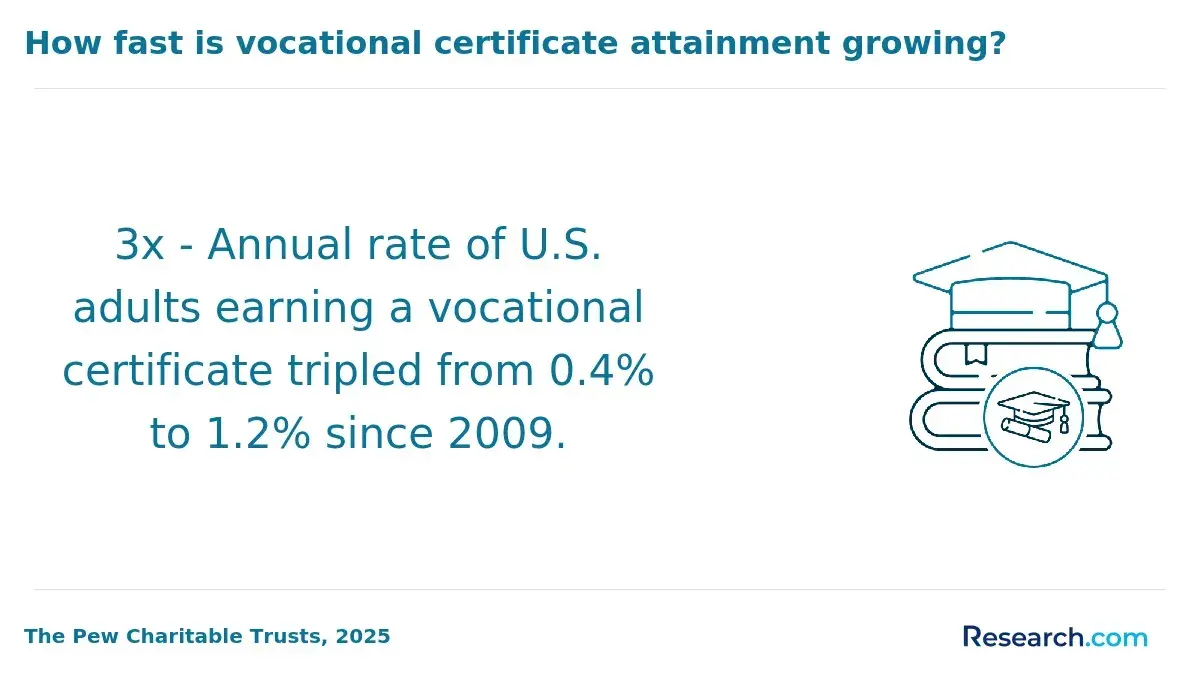
Admission requirements for AI programs vary by credential level, but most schools want to know whether a career changer can succeed in technical coursework. Adult learners account for nearly 40% of postsecondary enrollees in the U.S., so many institutions now evaluate applicants through a broader lens than undergraduate major alone.
- Bachelor's Degree: Most graduate-level AI programs require a bachelor’s degree, but it may not have to be in computer science. Applicants from business, engineering, mathematics, social science, healthcare, education, or other fields may be considered if they can demonstrate readiness for quantitative and technical study.
- Foundational Knowledge: Programs may require prior coursework or placement evidence in mathematics, statistics, and programming. Common bridge areas include Python, calculus, linear algebra, probability, algorithms, and data structures. If you lack these courses, ask whether the school offers conditional admission or prerequisite modules.
- Relevant Experience: Work experience in analytics, software, operations, research, engineering, product management, finance, or other technical-adjacent roles can strengthen an application. Admissions teams may value evidence that you have handled data, solved complex problems, managed systems, or worked with technical teams.
- Flexible Admission Paths: Some programs offer part-time enrollment, online prerequisites, competency-based assessments, or provisional admission. These options are especially important for working professionals who need to build readiness without quitting their jobs.
- Alternative Qualifications: Certifications in programming languages, data analysis, cloud platforms, or machine learning may help demonstrate preparation. They may not replace required academic prerequisites in every program, but they can show initiative and current technical exposure.
- Personal Statements and Recommendations: Many programs ask for a statement of purpose and letters of recommendation. For career changers, these materials should explain why AI is the next step, how prior experience connects to the field, and how the applicant plans to manage the academic workload.
Before applying, request a written prerequisite review if possible. A program that looks flexible on its website may still expect significant math or coding preparation. Career changers comparing nontraditional education paths may also look at online degrees in psychology to see how other fields structure flexible entry routes for adult learners.
Coursework in an AI degree for career changers usually starts with technical foundations and then moves into applied AI methods. The strongest programs do not assume that every student enters with the same background. They give nontechnical learners a structured path from basic programming and math to projects that can be discussed in interviews.
- Foundations: Students commonly study Python, algorithms, data structures, databases, statistics, linear algebra, and probability. These courses matter because AI work depends on understanding both code and mathematical reasoning. Career changers should not skip these topics, even if they are eager to move directly into machine learning.
- Specialized AI Topics: Advanced courses may cover machine learning, neural networks, natural language processing, computer vision, reinforcement learning, deep learning, and AI ethics. Some programs allow electives so students can align coursework with analytics, robotics, product management, automation, or industry-specific AI applications.
- Practical Experience: Applied projects, case studies, labs, and team assignments help students turn theory into usable experience. These projects are especially important for career changers because they can become portfolio evidence when prior job titles do not yet show AI experience.
- Flexibility and Support: Programs built for adult learners may offer modular courses, asynchronous lectures, tutoring, discussion sections, mentorship, and career coaching. These supports can make the difference between completing the program and falling behind when work or family demands increase.
A useful AI curriculum should answer three practical questions for career changers: Will I learn enough programming to build something real? Will I complete projects that show employers what I can do? Will the program help me translate my prior experience into AI-related roles?
One professional who completed an online artificial intelligence degree shared that initially juggling coursework with a full-time job and family was intimidating. He explained, "Some modules required deep focus and extensive coding practice, which meant late nights and weekends." However, the program's flexible pacing and access to mentors made a big difference, allowing him to progress steadily without feeling overwhelmed. He mentioned feeling anxious about keeping up but valued the practical assignments that connected abstract concepts to real applications, saying, "That hands-on work convinced me I could handle AI roles despite my non-technical background." This blend of challenge and support helped him confidently prepare for a career change in AI.
Career changers should choose an AI program format based on schedule, learning style, budget, and how quickly they need to show new skills. Nearly 41% of graduate-level students in the U.S. pursue education through distance learning, reflecting the importance of flexible study options for adults who cannot relocate or attend classes full time.
- Online Degree Programs: Fully online programs allow students to study from home and may offer asynchronous courses, live sessions, or a mix of both. This format is often best for working adults who need control over weekly study time. Students comparing flexible AI pathways can also review online ai degree programs to understand how cost and delivery can vary.
- Part-Time Programs: Part-time study spreads the workload across a longer period. It may be the safest option for career changers who cannot reduce work hours, but it can delay completion and extend the time before career benefits appear.
- Evening and Weekend Classes: These programs can provide more real-time interaction than fully asynchronous online study. They may work well for students who live near campus or prefer scheduled accountability, but commuting and fixed class times can be difficult for adults with unpredictable work schedules.
- Certificate or Modular Pathways: Stackable certificates and modular programs let learners build skills in stages. Some credits may apply toward a later degree, but students should verify transfer rules before enrolling. This format is useful for people who want to test AI coursework before committing to a full program.
Before choosing a format, ask how often courses are offered, whether prerequisites are available online, how group projects are scheduled, whether career services support remote learners, and whether the program includes live help for coding or math-heavy courses.
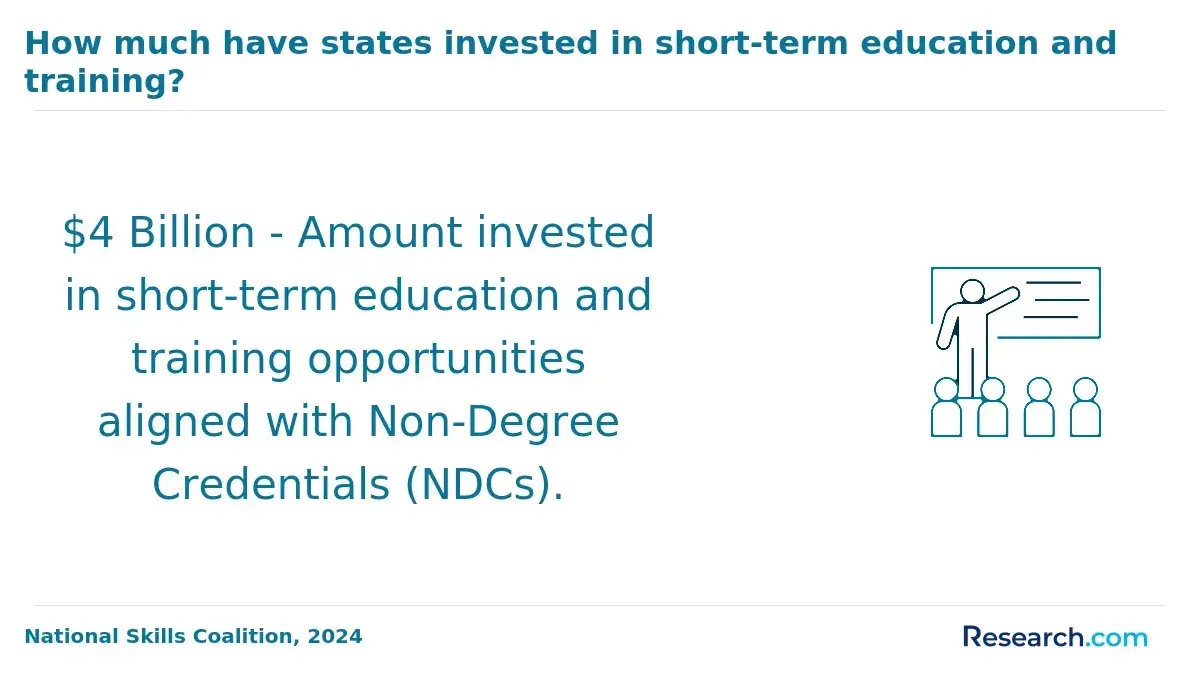
An artificial intelligence program should give career changers both technical skills and workplace-ready problem-solving abilities. This matters because 87% of employers prefer candidates with adaptable, transferable skills over those with narrow experience. For adults entering AI from another field, the goal is not only to learn tools, but also to prove they can apply those tools in practical settings.
- Programming and Software Development: Students typically gain experience with languages such as Python or R. They learn to write scripts, work with libraries, manipulate data, test code, and implement AI models. For nontechnical career changers, this is often the steepest learning curve.
- Data Analysis and Interpretation: AI programs teach students how to prepare data, identify patterns, evaluate results, and communicate findings. This skill is valuable across industries because AI systems depend on data quality and sound interpretation.
- Machine Learning Fundamentals: Students learn how models are trained, tested, validated, and improved. They also learn the limits of model performance, including overfitting, bias, and the need for careful evaluation before using AI in real decisions.
- Critical Thinking and Problem-Solving: Strong AI work requires more than running software. Students must define the problem, choose appropriate methods, question assumptions, and determine whether an AI solution is actually needed.
- Project Management and Collaboration: Many AI projects involve engineers, analysts, product teams, legal staff, executives, and subject-matter experts. Programs that include team projects help career changers practice communication, planning, documentation, and cross-functional collaboration.
Reflecting on her own journey, a career changer who completed an artificial intelligence degree shared how the program challenged her initially, especially with the technical coursework and adapting to a fast-paced learning environment. She described moments of doubt but emphasized how collaborative projects and hands-on assignments helped build confidence and practical skill sets. "The teamwork and real-world applications made the theory tangible, and gradually I saw how these skills could open doors in industries I hadn't considered before," she explained. Her experience underscores how mastering both technical and interpersonal skills in AI studies can empower adult learners to reinvent their careers successfully.
Cost is one of the biggest decision factors for career changers because tuition often competes with mortgages, childcare, existing student loans, and lost time. Graduate education expenses in the U.S. typically range between $20,000 and $60,000 for a master's degree. Recent data from the National Center for Education Statistics shows the average graduate student loan debt hovers around $66,000, so students should calculate total cost before enrolling rather than focusing only on advertised tuition.
- Tuition and Fees: Tuition is usually the largest direct expense and can range from $500 to over $2,000 per credit hour. Public, private, online, and on-campus programs may differ significantly. Career changers should compare total program tuition, not only per-credit pricing, because degree length and required prerequisites can change the final cost.
- Materials and Technology: Textbooks, cloud computing access, software licenses, hardware, lab fees, and technology fees can add several hundred to a few thousand dollars annually. Students should ask which tools are included in tuition and which must be purchased separately.
- Flexible Payment Options: Monthly payment plans, employer tuition reimbursement, scholarships, assistantships, military benefits, and federal financial aid may reduce upfront pressure. Working professionals should confirm whether their employer requires a minimum grade, continued employment period, or approved program list for reimbursement.
- Program Format and Duration: Online and part-time formats may reduce commuting and relocation costs, but longer enrollment can extend fees and delay career returns. Accelerated programs may shorten the timeline, but they can be difficult for students who are also working full time.
Cost should be weighed against realistic outcomes, not just the promise of a high-paying field. AI-related majors and technical credentials may connect to fields listed among the majors that make the most money, but individual results depend on prior experience, location, portfolio quality, networking, and the specific role pursued.
An AI curriculum supports career transitions when it helps students convert existing professional experience into evidence of AI readiness. Career changers often do not need to erase their past careers; they need to add technical capability to industry knowledge, communication skills, leadership experience, or analytical judgment they already have.
- Applied Learning: Courses that include model-building, data analysis, automation, and AI tool implementation help students practice the work employers expect. Applied assignments are more useful for career changers than purely theoretical coursework when they need portfolio examples.
- Transferable Skill Development: AI programs build coding, statistical reasoning, critical thinking, documentation, and problem-framing. These skills can combine with prior experience in business, healthcare, education, engineering, finance, logistics, or other fields.
- Flexible Pacing: Online and part-time structures allow working adults to move through demanding material without leaving the workforce. This can reduce financial risk, although students still need protected time for coding practice and projects.
- Real-World Projects: Case studies and capstone projects help career changers show practical competence. A strong project should define a problem, use appropriate data, explain the method, evaluate results, and discuss limitations.
- Continuous Skill Updating: AI tools and methods change quickly, so a good curriculum should teach students how to keep learning after graduation. This includes reading documentation, evaluating new tools, and understanding when an AI method is appropriate.
Career changers should look closely at whether a curriculum includes career coaching, portfolio development, interview preparation, and employer-connected projects. Some professionals also compare accelerated formats such as one year masters programs when they want a faster route, but speed should not come at the expense of foundational AI skills.
Career changers with AI training can pursue technical, analytical, product, and applied roles depending on their previous experience and the depth of their program. The U.S. Bureau of Labor Statistics forecasts a 22% increase in employment for computer and information research scientists, including AI-related roles, between 2020 and 2030, indicating strong demand for advanced computing and research skills.
- Machine Learning Engineer: Builds and improves algorithms that allow systems to learn from data. This role usually requires strong programming, mathematics, model evaluation, and software engineering skills.
- Data Scientist: Analyzes large datasets, builds predictive models, and communicates insights to decision-makers. Career changers with statistics, research, business intelligence, or domain expertise may find this route especially practical.
- AI Product Manager: Guides the development of AI-enabled products by connecting business goals, user needs, technical constraints, and ethical considerations. This can be a strong fit for professionals with leadership, product, operations, or strategy backgrounds.
- Robotics Engineer: Designs or improves robotic systems that use AI for sensing, movement, automation, or decision-making. Prior engineering, manufacturing, or physical sciences experience can be valuable.
- Natural Language Processing Specialist: Works on systems that process or generate human language. This path may appeal to career changers with linguistics, software, search, customer support, communications, or language technology experience.
Not every graduate will move directly into a highly technical AI title. Some first transition into adjacent roles such as data analyst, automation specialist, AI implementation consultant, business intelligence analyst, or technical project manager. These roles can provide experience that later supports a move into deeper AI work.
Salary after an AI degree depends on role, location, industry, prior experience, technical depth, and portfolio strength. A World Economic Forum report indicates reskilled tech professionals can experience median salary growth of up to 20% within two years after completing new certifications. Career changers should treat salary figures as planning ranges rather than guarantees.
- Entry-Level Salaries: Starting pay for AI specialists usually falls between $70,000 and $90,000 annually. Career changers entering through analyst or junior technical roles may start differently depending on their background and market.
- Mid-Level Compensation: Professionals with some experience often earn $100,000 to $130,000. Prior industry knowledge can help if the role applies AI to a field the graduate already understands.
- Senior and Management Roles: Advanced positions can command salaries exceeding $150,000, especially when they require model deployment, technical leadership, product strategy, or management of AI teams.
- Industry Influence: Finance, healthcare, and technology generally provide more lucrative salaries compared to academia or nonprofit sectors. However, competition and technical expectations may also be higher in those fields.
- Geographic Variation: Compensation commonly varies by location, with metropolitan tech centers paying a premium over other regions. Remote roles may broaden access but can also attract larger applicant pools.
For a more realistic estimate, career changers should compare salary data for the exact job title they want, not only broad AI averages. A machine learning engineer, data scientist, AI product manager, and NLP specialist may all use AI skills, but their compensation patterns and hiring requirements can differ substantially.
What Graduates Say About Their Artificial Intelligence Degrees for Career Changers
- : "Switching careers felt overwhelming until I found the Artificial Intelligence degree program, which had an average cost that was surprisingly manageable around $30,000. The decision to invest in myself was worth every penny as it opened doors to tech roles I never imagined. Now, I feel equipped and excited for this new chapter in my career. Louie"
- : "After much reflection, I chose an Artificial Intelligence degree to pivot my career, despite concerns about the tuition typically being between $25,000 and $35,000. Knowing the value it could provide in terms of skills and opportunities helped ease my doubts. Completing the program has empowered me professionally and given me confidence to excel in a highly competitive field. Zamir"
- : "Professionally, I needed a fresh direction, so enrolling in an Artificial Intelligence degree program was a strategic move despite the investment, often averaging about $28,000. This program transformed my understanding and skill set, allowing me to transition seamlessly into a new industry niche. The career impact has been profound and rewarding. Matthew"
Other Things You Should Know About Artificial Intelligence Degrees
In 2027, AI degree programs for career changers typically require a bachelor's degree in any field, some programming experience, and a basic understanding of mathematics, especially linear algebra and calculus. Many programs also require GRE scores, letters of recommendation, and a statement of purpose explaining the career transition.
Most 2027 artificial intelligence degree programs offer career services like job placement support, internship opportunities, and networking events. These services help graduates transition into AI roles by providing resources tailored to career changers, enhancing employability in the fast-evolving AI job market.
- Artificial Intelligence - WWSI https://wwsi.edu.pl/kandydaci/studiuj-na-wwsi/msc-in-computer-science/available-specializations/artificial-intelligence/
- Ultimate Guide to AI Career Transition Tools 2025 https://www.lockedinai.com/blog/ultimate-guide-to-ai-career-transition-tools-2025
- Finding Your Ideal AI Career Path: Which Field in Artificial Intelligence Suits You Best? https://dev.to/furqanahmadrao/finding-your-ideal-ai-career-path-which-field-in-artificial-intelligence-suits-you-best-an5
- What Can You Do with an Artificial Intelligence Degree in Today’s Job Market? https://www.schiller.edu/blog/what-can-you-do-with-an-artificial-intelligence-degree-in-todays-job-market/
- Colleges are touting AI degree programs. Here's how to decide if it's worth the cost https://www.cnbc.com/2024/03/02/college-ai-degree-programs-are-booming-will-jobs-exist-for-graduates.html
- How AI Will Transform Jobs in 2025–2030: Future Skills You Must Learn https://www.unifiedaihub.com/blog/how-ai-will-transform-jobs-2025-2030-skills-you-must-learn-now
- Free Online Certificate in Artificial Intelligence and Career Empowerment https://www.rhsmith.umd.edu/programs/executive-education/learning-opportunities-individuals/free-online-certificate-artificial-intelligence-and-career-empowerment
- How AI is changing occupational roles, skills, and career paths https://www.lmu.de/en/newsroom/news-overview/news/how-ai-is-changing-occupational-roles-skills-and-career-paths-3728f686.html
- AI Career Transition for Working Professionals: Complete Roadmap 2025 https://theaiinternship.com/blog/ai-career-transition-working-professionals-2025/
- Top 25 Highest-Paying AI and Data Jobs in the World (2025 Edition) https://www.euroamerican.eu/top-25-highest-paying-ai-and-data-jobs-in-the-world