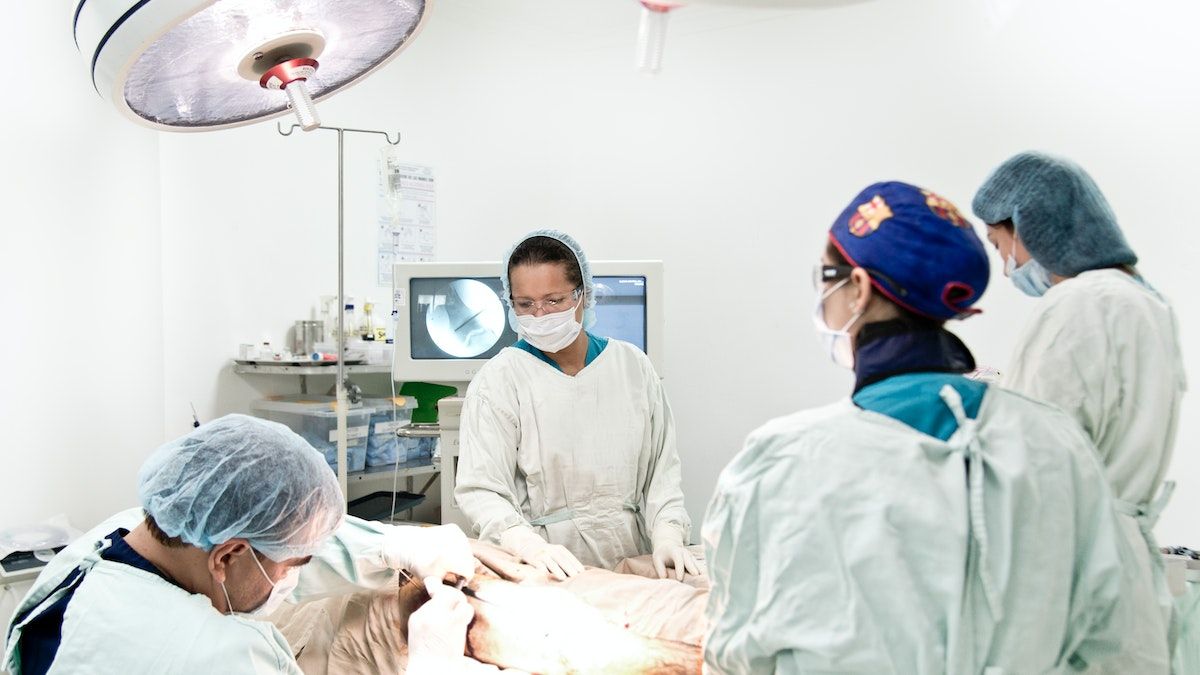
2027 Paramedic vs. Nurse: Explaining the Difference

Co-Founder and Chief Data Scientist
Choosing between becoming a paramedic and becoming a nurse is not just a question of “which healthcare job is better.” It is a decision about the type of patients you want to care for, the setting where you want to work, the level of education you are willing to complete, and the long-term career path you want available to you.
Paramedics usually provide urgent, pre-hospital care in unpredictable environments such as homes, roadways, public spaces, ambulances, helicopters, and emergency scenes. Nurses usually provide ongoing patient care in hospitals, clinics, long-term care facilities, outpatient centers, and other structured healthcare settings. Both roles require medical knowledge, emotional control, communication skills, and a strong commitment to patient safety, but the day-to-day work feels very different.
This guide compares paramedics and nurses across responsibilities, skills, salary, job outlook, advancement options, stress, transition pathways, and common challenges. It is designed for students, career changers, EMTs, healthcare workers, and anyone deciding which patient care career better fits their goals.
Key Points About Pursuing a Career as a Paramedic vs. a Nurse
- Paramedics often experience faster job placement with a growth rate of 7%, earning a median salary around $36,000 annually, focusing on emergency medical response.
- Nurses enjoy broader career opportunities, a 9% growth projection, and higher salaries averaging $77,000, with roles in various healthcare settings.
- Paramedics provide critical pre-hospital care impacting survival rates directly, while nurses deliver ongoing patient care essential for recovery and health management.
What does a Paramedic do?
A paramedic provides advanced emergency medical care before a patient reaches a hospital. The role centers on rapid assessment, stabilization, treatment, and safe transport. Paramedics often work when information is limited, the environment is uncontrolled, and decisions must be made quickly.
Common paramedic responsibilities include assessing a patient’s condition, managing airways, administering medications, controlling bleeding, treating injuries, performing resuscitation, using equipment such as defibrillators and ventilators, and monitoring patients during transport. They also communicate with dispatchers, emergency physicians, nurses, firefighters, police officers, and hospital teams.
Documentation is another major part of the job. Paramedics must record patient information, treatments provided, medications given, vital signs, response times, and handoff details accurately. These records support continuity of care and may be reviewed for quality assurance, billing, or legal purposes.
The work setting is one of the biggest differences between paramedics and nurses. Paramedics may provide care in ambulances, helicopters, fire vehicles, private homes, workplaces, accident scenes, public events, and disaster response settings. The job is best suited for people who can stay calm under pressure, tolerate uncertainty, and make sound decisions in fast-changing situations.
What does a Nurse do?
A nurse provides direct patient care, education, monitoring, and coordination across the healthcare system. While paramedics usually focus on emergency stabilization and transport, nurses are more often responsible for ongoing care before, during, and after diagnosis or treatment.
Nursing duties vary by license level, specialty, and workplace, but registered nurses commonly perform physical assessments, administer medications, monitor symptoms, track vital signs, update medical records, educate patients and families, assist with procedures, and coordinate care with physicians and other healthcare professionals. Nurses also advocate for patients by identifying safety concerns, clarifying care plans, and helping patients understand treatment instructions.
Nurses work in many settings, including hospitals, outpatient clinics, private medical offices, rehabilitation centers, schools, community health programs, long-term care facilities, and home health. Some nurses provide bedside care, while others move into case management, public health, informatics, education, leadership, or advanced practice.
The role is well suited for people who want sustained contact with patients, structured clinical teamwork, and multiple paths for specialization. Nursing can still involve urgent situations, especially in emergency departments, intensive care units, labor and delivery, and trauma settings, but many nursing roles also involve longer-term patient monitoring and care planning.
What skills do you need to become a Paramedic vs. a Nurse?
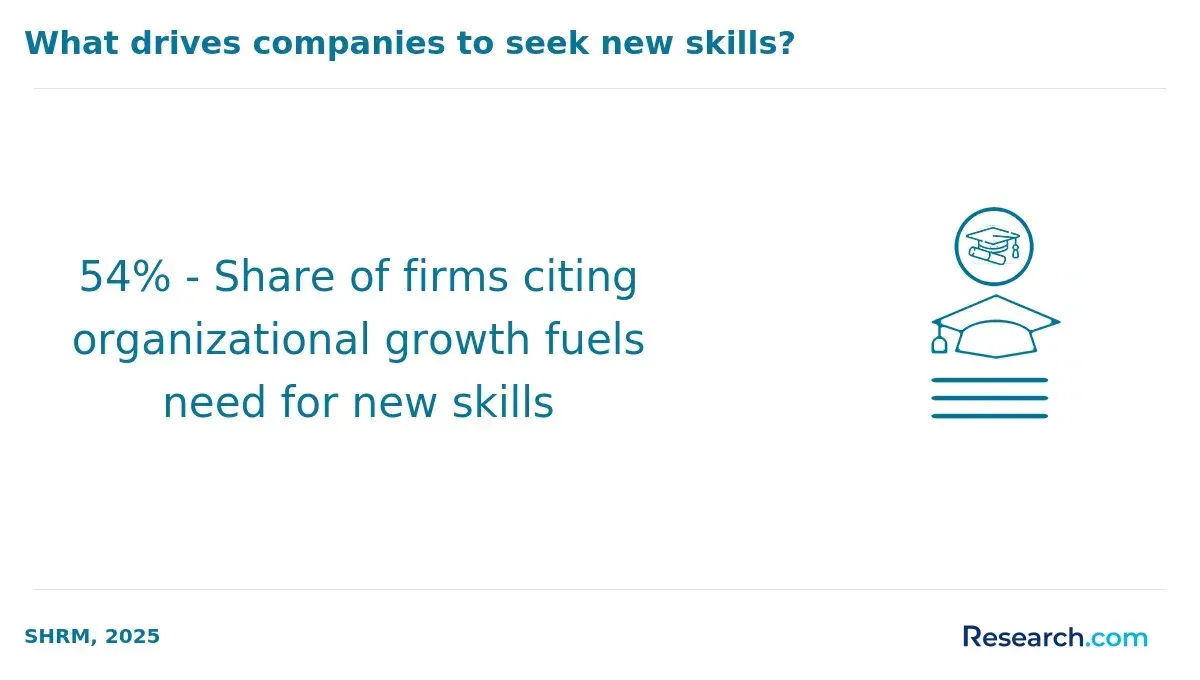
Paramedics and nurses share important healthcare skills, including patient assessment, communication, documentation, compassion, and clinical judgment. The difference is how those skills are used. Paramedics often make rapid decisions in uncontrolled environments with limited support. Nurses usually manage multiple patients over longer periods while coordinating care within a healthcare facility or clinical system.
Skills a Paramedic Needs
- Rapid assessment: Paramedics must quickly identify life-threatening problems, prioritize care, and decide what can be treated immediately in the field.
- Quick decision-making: Emergency calls often require action before a full medical history is available. Paramedics need the confidence to act while following protocols and medical direction.
- Physical stamina: The job may involve lifting patients, carrying equipment, working overnight shifts, moving through difficult environments, and staying alert during long calls.
- Clear communication: Paramedics must explain care to patients and families, coordinate with partners, relay information to hospitals, and provide concise handoffs under pressure.
- Problem-solving in unpredictable settings: Field care may happen in cramped apartments, vehicles, public spaces, remote areas, or unsafe scenes where resources are limited.
- Emotional resilience: Paramedics regularly encounter trauma, grief, violence, death, and high-stakes medical emergencies. The ability to recover and seek support matters.
Skills a Nurse Needs
- Attention to detail: Nurses monitor changes in patient condition, administer medications, document care, and follow safety procedures where small errors can have serious consequences.
- Compassion and empathy: Nurses often spend significant time with patients and families, including people who are anxious, confused, in pain, or facing difficult diagnoses.
- Critical thinking: Nurses interpret symptoms, lab results, medication responses, and changes in vital signs, then escalate concerns when needed.
- Time management: Many nurses care for several patients during one shift, each with different medications, procedures, discharge needs, and care plans.
- Technical proficiency: Nurses use electronic health records, infusion pumps, monitors, wound care tools, and other medical equipment depending on their specialty.
- Team coordination: Nurses work closely with physicians, therapists, pharmacists, social workers, aides, and families to keep care organized and safe.
Shared Skills That Matter in Both Careers
- Professional judgment: Both careers require knowing when to act, when to ask for help, and when a patient’s condition is changing.
- Accurate documentation: Records must be clear, timely, and complete because they affect patient care and legal accountability.
- Cultural awareness: Paramedics and nurses care for people from many backgrounds and must communicate respectfully.
- Ethical responsibility: Patient privacy, informed consent, scope of practice, and safety standards apply in both professions.
How much can you earn as a Paramedic vs. a Nurse?
Nurses generally earn more than paramedics, although actual pay depends on location, employer, shift differentials, overtime, specialty, credentials, union agreements, and years of experience. Salary should not be the only factor in the decision, but it is an important difference because the education requirements, advancement paths, and long-term earning potential are not the same.
A paramedic in the United States typically earns an average annual salary of $58,410, based on Bureau of Labor Statistics (BLS) data for 2025. Entry-level paramedics start closer to $39,000, while experienced paramedics with critical care skills or advanced certifications command higher wages.
Paramedic pay can improve in higher-cost or higher-demand areas. Geographic factors also influence pay, with states like Washington, New Jersey, and Connecticut offering better compensation. Urban centers may also raise earnings because of higher call volume, staffing needs, and cost of living.
Registered nurses (RNs) have a much higher median annual salary, averaging $93,600 nationally. Entry-level RNs typically begin at $65,000 to $70,000, with some in high-demand regions or specialties earning well above $100,000. For example, in California, median RN salaries can reach as high as $133,990, especially in government or hospital roles. Specialties such as oncology and critical care further boost earnings.
The salary gap reflects several factors: nursing has broader clinical settings, more formal degree pathways, more specialization options, and more opportunities to move into advanced practice, management, education, or administrative roles. Paramedics may increase income through overtime, fire-based EMS roles, critical care transport, flight paramedicine, supervisory positions, or additional credentials, but the advancement ladder is often narrower.
If earnings are a major factor in your decision, compare local job postings rather than relying only on national averages. Look at base pay, overtime rules, shift differentials, benefits, retirement plans, tuition assistance, and whether the role is hospital-based, municipal, private, or fire-based. Students comparing broader academic options may also find it useful to review easy doctorate degree programs and other long-term education pathways before choosing a healthcare track.
What is the job outlook for a Paramedic vs. a Nurse?
Both paramedics and nurses are expected to remain in demand because healthcare systems need workers who can provide direct patient care. The reasons for demand differ, however. Paramedic demand is tied closely to emergency response needs, call volume, community coverage, and transport systems. Nursing demand is driven by hospital staffing needs, chronic disease management, aging populations, retirements, outpatient care, and broader access to healthcare services.
Employment for paramedics and emergency medical technicians (EMTs) is anticipated to increase by about 5% from 2022 to 2032. This growth will generate roughly 18,100 new job opportunities over the decade. Demand may be especially important in communities with high emergency call volume, rural coverage gaps, aging populations, or shortages in emergency medical services.
Registered nurses are projected to have a 6% increase in employment over the same period, leading to nearly 193,100 new positions. This larger number reflects the size of the nursing workforce and the wide range of settings where nurses work, including hospitals, clinics, long-term care, home health, public health, and specialty care.
For career planning, the outlook suggests that both fields can offer stable employment, but nursing provides more total openings and more varied job settings. Paramedicine may appeal to people who want faster entry into emergency care and are comfortable with field work, while nursing may offer stronger geographic mobility and more options to change specialties without leaving the profession.
Job outlook also varies by state, city, employer type, and credential level. Before enrolling in a program, review local labor demand, clinical placement availability, employer hiring preferences, and state licensing rules.
What is the career progression like for a Paramedic vs. a Nurse?
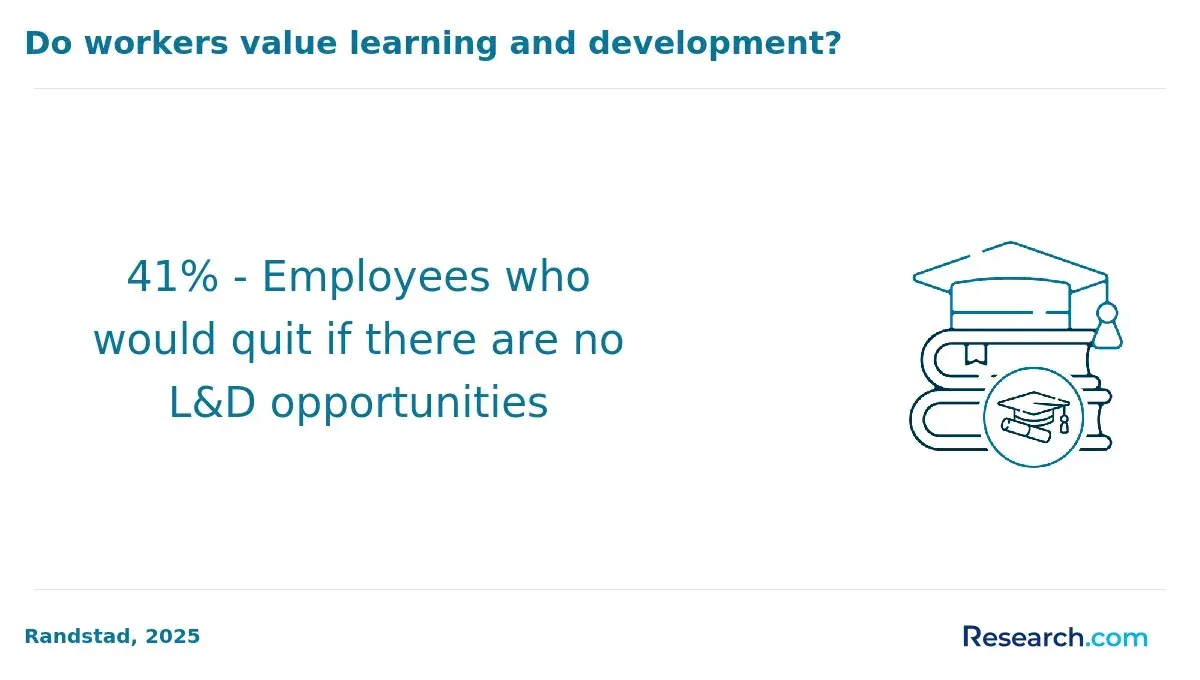
Career progression is one of the clearest differences between paramedics and nurses. Both roles offer advancement, but nursing generally has more formal pathways into specialization, leadership, graduate education, and advanced clinical practice. Paramedics can also advance, especially in critical care, flight, education, supervision, and EMS management, but the number of career lanes is usually more limited.
Typical Career Progression for a Paramedic
- Entry-Level Paramedic: Complete 1-2 years of training and obtain certification and state licensure to begin working in emergency medical services.
- Experienced Paramedic: Build field experience by responding to medical emergencies, trauma calls, cardiac events, respiratory distress, overdoses, and other urgent situations under medical direction.
- Specialist Roles: Pursue advanced certifications and specialize in areas such as critical care transport, flight paramedicine, tactical EMS, community paramedicine, or event medicine.
- Leadership Positions: Move into roles such as field training officer, paramedic supervisor, EMS coordinator, operations manager, or quality improvement specialist.
- Education and Training: Some experienced paramedics become instructors, simulation trainers, clinical preceptors, or program coordinators for EMT and paramedic education.
Typical Career Progression for a Nurse
- Registered Nurse: Obtain an associate or bachelor's degree and pass the NCLEX-RN exam to begin clinical work in hospitals, clinics, or other patient care settings.
- Specialized Nurse: Develop expertise in areas such as oncology, pediatrics, emergency care, intensive care, labor and delivery, operating room nursing, psychiatric nursing, or community health.
- Nurse Leadership: Move into management roles such as charge nurse, nurse manager, clinical coordinator, director of nursing, or healthcare administrator.
- Advanced Practice Nurse: Pursue graduate education to become a nurse practitioner or certified registered nurse anesthetist, requiring further certification and clinical training.
- Non-Bedside Career Paths: Nurses may also move into case management, informatics, education, research, quality improvement, utilization review, public health, or policy roles.
For people comparing long-term advancement, nursing usually offers broader specialization and leadership options, along with greater long-term salary potential. For example, registered nurses earned an average salary of $93,600 in 2024, compared to $58,410 for paramedics.
Both fields expect steady job growth of about 5% through 2025, reflecting continued demand for skilled healthcare workers. However, the best path depends on your preferred work environment. Choose paramedicine if you want emergency response and field-based care. Choose nursing if you want more options to change specialties, pursue advanced practice, or move into leadership over time. Students considering graduate-level healthcare or leadership roles can also explore highest-paying master's degrees when planning future education.
Can you transition from being a Paramedic vs. a Nurse (and vice versa)?
Yes, it is possible to move from paramedic to nurse or from nurse to paramedic, but neither transition is automatic. Prior healthcare experience can help, yet each profession has its own education requirements, scope of practice, clinical competencies, exams, and state licensure rules.
Paramedics who want to become nurses often use paramedic-to-RN bridge programs in the United States. These programs are designed to recognize previous emergency medical knowledge while adding the nursing theory, clinical judgment, patient care planning, and facility-based experience required for registered nursing.
Common bridge options include Paramedic-to-ADN (Associate Degree in Nursing) and Paramedic-to-BSN (Bachelor of Science in Nursing). The ADN route generally takes about 16 months full-time to complete 72 credit hours, offering a faster entry into nursing. The BSN route spans two to four years and may provide broader career prospects, especially where employers prefer or require a bachelor's degree.
Both routes commonly include prerequisites such as anatomy, physiology, chemistry, microbiology, and psychology. Students then complete nursing coursework in clinical assessment, nursing theory, mental health, chronic illness management, wellness promotion, and care coordination. These areas differ from emergency response because nurses often manage patient needs over longer periods and across multiple systems of care.
After completing the nursing program, graduates must pass the NCLEX-RN and obtain licensure. State requirements vary, so applicants should confirm whether a bridge program is approved by the relevant state board of nursing and whether clinical placements meet licensure expectations.
Nurses who want to become paramedics must complete accredited Emergency Medical Services paramedic certification programs. Nursing credentials do not automatically replace paramedic training because pre-hospital care requires different protocols, scene management, transport decision-making, rescue coordination, and emergency response skills. These programs cover emergency medical procedures, trauma response, and pre-hospital care over 12 to 24 months.
Before switching fields, compare the return on investment. Consider tuition, lost work time, clinical hour requirements, licensing exams, local wages, and whether your long-term goal is emergency care, bedside care, advanced practice, leadership, or a blended healthcare career. Those planning future graduate education may also want to compare pathways that connect to the shortest degrees with high pay and similar career-focused options.
What are the common challenges that you can face as a Paramedic vs. a Nurse?
Paramedics and nurses both work in high-responsibility roles where mistakes can affect patient outcomes. The main challenges differ because paramedics work in unpredictable emergency environments, while nurses often work within complex healthcare organizations that require continuous coordination, documentation, and patient monitoring.
Challenges for a Paramedic
- Paramedic burnout and staffing challenges: 76% report burnout, worsened by crisis-level staffing shortages where only 59% of agencies have enough staff to answer 911 calls.
- Mandatory overtime: Staffing shortages can force extended hours, increasing fatigue, reducing recovery time, and contributing to turnover among experienced paramedics.
- Unpredictable scenes: Paramedics may work in homes, highways, public places, or unsafe environments where weather, traffic, bystanders, violence, or limited space can complicate care.
- Emotional exposure: Repeated contact with trauma, overdose, cardiac arrest, child emergencies, and death can affect mental health without strong peer and organizational support.
- Interrupted patient handovers: Frequent disruptions can impair communication of critical information in chaotic emergency settings, especially when hospital teams are busy.
Challenges for a Nurse
- Nurse patient handover communication barriers: Nurses experience pressure when patient information is incomplete, especially when vital signs, medication changes, or care priorities are unclear.
- High patient workload: Nurses may need to balance medication administration, assessments, charting, family questions, admissions, discharges, and changes in patient condition during one shift.
- Complex organizational systems: Managing detailed patient assessments within facilities demands high attention to detail, strong coordination, and familiarity with policies and electronic records.
- Workplace hierarchy: Nurses often need to escalate concerns, coordinate across departments, and advocate for patients within layered clinical teams.
- Salary disparities: Median nurse salaries ($81,220) significantly exceed paramedics' ($49,090), which can affect recruitment, retention, and perceptions of career value across healthcare roles.
Both careers require emotional resilience, but resilience should not be treated as a substitute for safe staffing, fair compensation, strong supervision, and mental health support. When comparing programs or employers, ask about clinical support, orientation length, safety policies, shift schedules, overtime expectations, and access to counseling or peer support.
Is it more stressful to be a Paramedic vs. a Nurse?
Neither career is automatically more stressful in every setting. Paramedics and nurses face different kinds of stress, and the intensity depends heavily on employer support, staffing levels, patient volume, shift structure, workplace culture, and personal fit.
Paramedics often experience acute, unpredictable stress. A shift can move from routine downtime to a life-threatening emergency within minutes. They may respond to crashes, cardiac arrests, violent incidents, overdoses, or traumatic injuries with limited information and limited backup. Extended shifts, interrupted sleep, exposure to trauma, administrative pressure, and perceived undercompensation can add to long-term strain.
Nurses often experience sustained workload stress. They may care for multiple patients at once, manage complex medication schedules, handle admissions and discharges, chart extensively, respond to family concerns, and coordinate with many departments. Frequent shift changes, high patient acuity, short staffing, workplace hierarchy, and limited control over schedules can increase burnout risk.
The better question is not “Which job is more stressful?” but “Which type of stress can I manage more sustainably?” If you function well in short bursts of high-intensity emergency response, paramedicine may fit. If you prefer structured clinical environments but can manage continuous multitasking and long patient care responsibilities, nursing may fit better.
Before choosing, try to speak with working paramedics and nurses in your area. Ask about staffing, overtime, mental health support, call volume, patient ratios, safety policies, and turnover. These local factors often matter more than the job title itself.
How to choose between becoming a Paramedic vs. a Nurse?
Choose paramedic if you want emergency response, field-based care, rapid decision-making, and a shorter training route into patient care. Choose nursing if you want broader clinical options, stronger long-term advancement potential, higher typical earnings, and the ability to move across many healthcare settings.
- Work environment: Paramedics operate mainly in fast-paced emergency settings, often outdoors, in ambulances, or at incident scenes. Nurses generally work in hospitals, clinics, long-term care facilities, outpatient settings, or community health environments.
- Type of patient care: Paramedics focus on immediate stabilization and transport. Nurses usually provide ongoing assessment, treatment, education, monitoring, and coordination over a longer period.
- Education requirements: Paramedic training takes about 1,200 to 1,800 hours, whereas nursing degrees range from LPN to RN or higher, requiring 12 to 24 months or more of study.
- Salary outlook: Nurses typically earn more, with median annual salaries around $81,220 for RNs, compared to paramedics' $49,090, reflecting different training, credentialing, and career structures.
- Career advancement: Nurses have broad opportunities, including specialized roles, nurse practitioner pathways, leadership, education, informatics, and management. Paramedics can advance into critical care transport, flight paramedicine, supervision, education, and EMS coordination, but the pathways are usually narrower.
- Job growth and demand: Both fields are in demand, but local hiring conditions vary. Paramedics may find opportunities tied to emergency response systems, while nurses may find openings across many healthcare settings.
- Preferred pace: Paramedicine involves bursts of urgency and unpredictability. Nursing often involves continuous responsibility, multitasking, and longer patient relationships.
- Long-term flexibility: Nursing generally offers more options to change specialties without starting over. Paramedicine can be highly rewarding but may require additional education to move into broader clinical roles.
A practical way to decide is to shadow or interview professionals in both roles. Ask what a typical shift looks like, what the hardest part of the job is, how often overtime happens, what new graduates struggle with, and what career options exist after five or ten years.
If you want dynamic emergency-focused work with shorter training, becoming a paramedic may be the better fit. If you want wider career mobility, higher typical pay, and more options for specialization or graduate study, nursing may be a stronger long-term choice. Students who want flexibility across healthcare or combined academic pathways can also review colleges with dual degree programs when comparing education options.
What Professionals Say About Being a Paramedic vs. a Nurse
- Damian: "Choosing a career as a paramedic has given me incredible job stability in a fast-growing field. The demand for emergency medical services continues to rise, ensuring steady employment and competitive salary options. It's fulfilling to know I have a career that's resilient no matter the economy."
- Cairo: "Working as a nurse constantly challenges me to adapt and learn in diverse healthcare settings, from hospitals to community clinics. The variety keeps me engaged, and the unique patient interactions have enriched both my skills and empathy. It's a dynamic profession that never gets monotonous."
- Damian: "The opportunities for professional development in nursing are remarkable; I've advanced through specialized certifications and leadership training programs. This career path supports continuous growth and increasing responsibilities, which keeps me motivated every day. Being part of a vital healthcare team is truly rewarding."
Other Things You Should Know About Being a Paramedic & a Nurse
Paramedics usually must pass the National Registry of Emergency Medical Technicians paramedic exam, known as the NREMT-P or the NRP cognitive exam in many states. Nurses must pass the NCLEX-RN for registered nurses or the NCLEX-PN for practical nurses, both regulated by state nursing boards.
In 2027, paramedics typically require a certification or an associate degree and must pass the National Registry of Emergency Medical Technicians (NREMT) exam. Nurses, on the other hand, usually hold a Bachelor of Science in Nursing (BSN) and must pass the National Council Licensure Examination (NCLEX-RN) to practice.
In 2027, Paramedics typically pursue a certificate or associate degree in emergency medical services, while Nurses often require a bachelor's degree in nursing. Both paths involve rigorous training but nursing generally necessitates a longer academic commitment.
References
- Registered Nurses https://www.bls.gov/ooh/healthcare/registered-nurses.htm
- Stress-inducing factors vs. the risk of occupational burnout in the work of nurses and paramedics https://rpt.atar.edu.pl/info/article/UASTa5a30de0f5504cf59c4919f2ae3d6e40/Publikacja+%25E2%2580%2593+Stress-inducing+factors+vs.+the+risk+of+occupational+burnout+in+the+work+of+nurses+and+paramedics+%25E2%2580%2593+Akademia+Nauk+Stosowanych+w+Tarnowie
- A paramedic to registered nursing pathway: Addressing the nursing shortage and providing career pathways - ScienceDirect https://www.sciencedirect.com/science/article/abs/pii/S1557308725001593
- Paramedic vs. Nurse: Which is Right for You? - CSP https://absn.csp.edu/blog/paramedic-vs-nurse/
- What Do Nurses Do? https://www.gmercyu.edu/academics/learn/what-do-nurses-do
- Paramedic vs. RN: What's the Difference? | IntelyCare https://www.intelycare.com/career-advice/paramedic-vs-rn-whats-the-difference/
- CCOHS: Paramedics https://www.ccohs.ca/oshanswers/occup_workplace/paramedic.html
- Paramedic vs Nurse: Career Comparison & Best Fit Guide https://www.itm.edu/blog/ihs-paramedic-v-s-nurse-which-is-the-right-career-for-you/
- From Paramedic to RN https://www.allnursingschools.com/registered-nursing/paramedic-to-rn/
- Nurse: job description https://targetjobs.co.uk/careers-advice/job-descriptions/nurse-job-description