2027 SLP Grad School Deadlines and Application Timeline Guide

Reviewed by Rhea Paul, PhD
SLP Education & Research Expert
Applying to SLP graduate school is a timing problem as much as an admissions problem. You need to compare programs, confirm prerequisites, secure observation hours, request strong recommendations, submit through CSDCAS when required, and meet each school’s internal deadline—often while finishing coursework or working. A missed transcript, late letter, or delayed verification can put an otherwise competitive application at risk.
This guide explains how SLP grad school deadlines typically work for 2027 and how to build a realistic application plan. You will learn when most programs close applications, how CSDCAS timing affects submission strategy, when to complete FAFSA and observation hours, how early to request recommendation letters, and what to expect after you apply.
Use this as a planning framework, then verify every date on each program’s admissions page and CSDCAS profile. SLP programs may share a similar cycle, but final deadlines, priority review dates, prerequisites, interview timelines, and financial aid processes can differ by school.
Key Benefits of SLP Grad School
- Qualify for high-demand roles, including speech-language pathologist positions in schools, hospitals, private clinics, rehab centers, and telepractice settings.
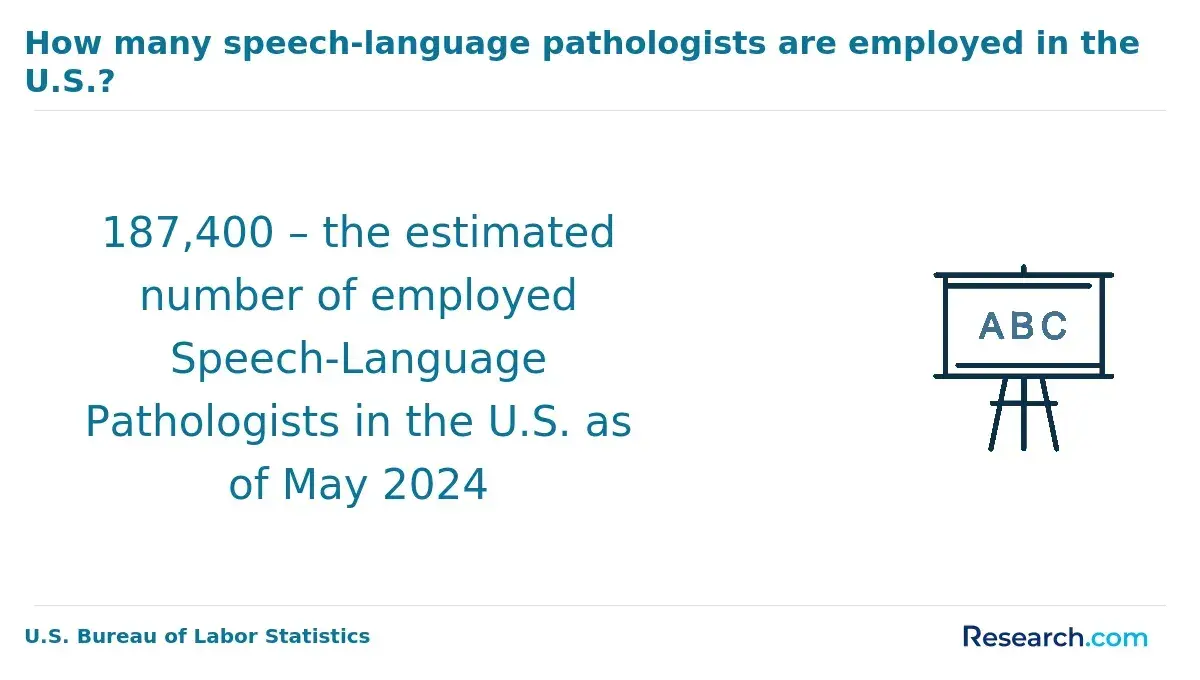
- Increase your earning potential, with licensed speech-language pathologists earning a median annual salary of about $89,000–$95,000 in the U.S. (depending on state and setting).
- Gain career flexibility and impact, with a master’s degree unlocking ASHA certification, state licensure, and the ability to help clients of all ages improve communication and quality of life.
What are the typical SLP grad school application deadlines for 2027?
Most SLP graduate programs set their main application deadlines between December and February of 2027. Competitive programs often use an early December priority deadline, followed by final deadlines in January or February. Applicants using CSDCAS should not treat the posted school deadline as the day to start submitting; transcript receipt, recommendation letters, and verification can all add processing time before a program reviews the file.
Deadlines can vary by format. Campus programs, online programs, and accelerated SLP programs may follow the same winter cycle, but some schools offer additional start terms or separate deadlines for online cohorts. Always check whether the date shown is a priority deadline, a final deadline, or a deadline by which CSDCAS must verify the application.
| Deadline type | What it usually means | Why it matters |
| Priority deadline | The first review deadline, often in early December | May improve access to scholarships, assistantships, interviews, or earlier review |
| Final deadline | The last date a program accepts applications for the cycle | Applications submitted close to this date have less room for transcript or verification delays |
| CSDCAS deadline | The date listed in the centralized application system | Applicants still need to account for document receipt and verification before review |
A safer strategy is to submit 2–3 weeks before the posted deadline. That buffer gives you time to fix missing transcript issues, delayed recommendation letters, payment problems, or CSDCAS status changes. It also reduces the chance that your application enters the review queue after a program has already begun making decisions.
What is a realistic SLP grad school application timeline for 2027?
A realistic SLP grad school application timeline for 2027 starts 9–12 months before your earliest deadline. That may feel early, but SLP applications involve several moving parts: prerequisites, observation hours, personal statements, recommendation letters, transcripts, CSDCAS entry, school-specific questions, interviews, and financial planning.
A strong timeline looks like this:
- Spring–early summer before applying: Research accredited programs, compare admission requirements, confirm prerequisite coursework, identify observation-hour expectations, and make a preliminary school list.
- Summer: Begin or finish observation hours, request unofficial transcripts for self-audit, note any missing prerequisites, and draft a résumé or experience summary.
- Late summer–early fall: Start CSDCAS, request official transcripts, draft your personal statement, and choose recommenders.
- Fall: Request recommendation letters 8–12 weeks before deadlines, revise essays for each program, and confirm whether GRE scores, interviews, or supplemental applications are required.
- October–December: Complete CSDCAS sections, upload required materials, verify that transcripts and letters are received, and submit applications at least 2–3 weeks early.
- January–April: Monitor portals, attend interviews, respond quickly to missing-document requests, and compare admission offers.
- April–May: Make a final enrollment decision, review aid packages, complete prerequisite conditions if required, and prepare for clinical placement requirements.
This timeline also gives you room to compare program formats. Some applicants may decide that online SLP programs better fit their work or location constraints, while others may prefer an accelerated SLP master’s program if they can manage a faster and more intensive schedule. The key is not to choose based on speed alone. Compare accreditation status, clinical placement support, prerequisite policies, total cost, faculty access, and licensure alignment before applying.
What are the CSDCAS deadlines for SLP programs in 2027?
CSDCAS deadlines for SLP programs in 2027 typically fall between early December and late February, but there is no single universal CSDCAS deadline. Each participating university sets its own deadline, and applicants must follow the date listed for that specific program.
The most important point is that submission and verification are not the same. You may submit your CSDCAS application, but programs may not review it until transcripts are received, required letters are in, fees are paid, and the application is verified. The verification period can take 2–4 weeks, especially when many applicants submit in late December and January.
Use this CSDCAS checklist before submitting:
- Confirm each program’s CSDCAS deadline and any separate university supplemental deadline.
- Request official transcripts early and check that CSDCAS marks them as received.
- Enter coursework carefully to reduce verification problems.
- Track recommendation letters and send polite reminders before the deadline.
- Submit at least 14–21 days before the program deadline whenever possible.
- Monitor the “Received” and “Verified” statuses until each application is complete.
Do not wait until the final week unless you have no alternative. A late transcript, incorrect course entry, or recommender delay can push your file behind other applicants. While building your school list, it is also practical to review career outcomes and regional pay expectations, including speech-language pathologist salary information, so your application choices align with your long-term goals and likely debt level.
Are rolling admission SLP programs better for late applicants?
Rolling admission SLP programs can be better for late applicants because they review applications as they arrive instead of waiting for one fixed deadline. This can create more flexibility for students who are still finishing prerequisites, waiting on recommendation letters, or deciding between program formats.
However, rolling admission is not the same as open admission. Seats can fill, clinical placement capacity can become limited, and scholarships or assistantships may be awarded earlier in the cycle. A strong applicant who applies late may still face fewer available options than a similar applicant who applied early.
| Best for | Rolling admission advantage | Risk to watch |
| Late applicants | Applications may still be reviewed after fixed-deadline programs close | The cohort may already be near capacity |
| Applicants comparing online options | Some programs may offer multiple start dates | Clinical placement and state authorization may still limit enrollment |
| Applicants seeking aid | Earlier rolling submission may lead to faster decisions | Financial aid and scholarships may not roll on the same schedule |
Rolling programs can be useful if you are exploring flexible or online options, including affordable online master’s in speech pathology programs or accelerated speech pathology programs online. Still, you should ask each program whether seats remain, whether aid is still available, and whether your state is approved for online clinical placement. Rolling admission is a helpful backup, but early submission remains the stronger strategy.
What GPA do you need to get into SLP grad school?
Most SLP graduate programs expect at least a 3.0 GPA, but competitive applicants often have a 3.5 or higher. Programs usually look beyond the overall number by reviewing CSD-related coursework, prerequisite grades, and performance in the last 60 credits. A student with a borderline cumulative GPA may be more competitive if recent grades are stronger and prerequisite performance is solid.
Admissions committees pay close attention to courses tied directly to graduate-level SLP work, such as phonetics, anatomy, audiology, and language development. Low grades in those areas can raise concerns even if the cumulative GPA meets the minimum. If your GPA is below the typical competitive range, do not rely on the minimum requirement alone. Build evidence that you can handle graduate study.
Ways to strengthen a lower-GPA application include:
- Retaking or completing missing prerequisite courses with strong grades.
- Highlighting an upward academic trend in your statement or optional essay.
- Gaining clinical exposure through observation, volunteering, or related work.
- Securing recommendation letters from faculty who can speak to your academic readiness.
- Submitting GRE scores if required or if a program allows them and they strengthen your file.
- Applying to a balanced list of programs instead of only the most selective options.
GPA matters, but it is not the only factor. Programs also consider communication skills, writing quality, fit with the profession, experience with diverse populations, professionalism, and readiness for supervised clinical training. Applicants should also consider career fit and earning potential, including how much speech therapists make, before committing to a program and its cost.
When should I submit FAFSA for SLP grad school?
You should submit the FAFSA as early as possible for SLP grad school, ideally in October when the new federal aid form is released for the upcoming academic year. Early submission matters because some forms of campus-based aid, work-study, and need-based funding can be limited.
Most SLP programs begin in summer or fall, and many admission decisions arrive in spring. If your FAFSA is already on file, schools can prepare financial aid information sooner, which helps you compare offers before committing. Without a completed FAFSA, you may have difficulty estimating tuition responsibility, loan needs, housing costs, or whether an assistantship is enough to make a program affordable.
Use this FAFSA timeline:
- Complete the FAFSA in October of the year before enrollment if it is available.
- List every SLP program you are seriously considering.
- Check each school’s financial aid deadline, not just its admissions deadline.
- Respond quickly to verification or document requests.
- Compare total cost, not only tuition, including fees, clinical travel, housing, and technology requirements.
Submitting early does not require you to attend a particular school. It simply keeps your aid options open while you wait for decisions. This is especially important if you are comparing online, campus-based, and accelerated formats, because cost structures and living expenses can differ significantly.
Do online SLP programs have different application deadlines?
Online SLP programs often follow the same December–February application window as campus-based programs, but some offer additional start dates throughout the year. A school with spring, summer, or fall entry may publish separate deadlines for each cohort, so online applicants should check the exact term they plan to enter.
The admissions requirements are usually similar: transcripts, prerequisite review, recommendation letters, personal statement, observation documentation, and sometimes interviews. The differences are often logistical. Online programs may need extra time to confirm clinical placement arrangements, state authorization, residency requirements, or whether the student can complete supervised fieldwork near home.
Before applying to an online SLP program, verify the following:
- Whether the program accepts students from your state.
- Whether clinical placements are arranged by the school, the student, or both.
- Whether online students follow the same deadlines as campus students.
- Whether there are separate deadlines for priority review, scholarships, or prerequisite completion.
- Whether synchronous class sessions, campus visits, or intensives are required.
Do not assume that online means easier to enter or less competitive. Many online SLP programs have limited seats because they must support clinical education and supervision. Submit early, confirm placement policies, and make sure the program’s timeline supports your licensure goals.
When should I complete SLP observation hours before applying?
You should complete SLP observation hours before submitting your application whenever possible. Completing them early lets you document the experience in CSDCAS, confirm supervisor verification, and write a more specific personal statement based on real exposure to the field.
A practical target is to begin observations at least 6–9 months before your earliest deadline. Some programs require 25 hours, while others recommend additional exposure or review hours as part of a broader readiness assessment. Starting early gives you time to observe different populations and settings, such as schools, hospitals, early-intervention programs, outpatient clinics, or telepractice environments.
Observation hours are not just a box to check. They help you understand the daily work of an SLP, the documentation burden, collaboration with families and educators, and the differences between medical and educational settings. That insight can strengthen interviews and essays because you can explain why the profession fits your skills and goals.
If in-person placements are difficult to secure, ask programs whether virtual observation modules are accepted. Policies vary, and some schools may distinguish between required hours and recommended exposure. Keep records of dates, settings, supervisors, and hour totals so you are not trying to reconstruct documentation right before the deadline.
When should I request letters of recommendation for SLP school?
You should request letters of recommendation at least 8–12 weeks before your SLP application deadline. Strong letters take time, and recommenders are often writing for multiple students during the same admissions season. Asking early increases the chance of receiving a detailed, specific letter instead of a rushed generic one.
The best recommenders are people who can evaluate your readiness for graduate-level academic and clinical training. Depending on your background, that may include:
- CSD professors who know your academic work.
- Clinical supervisors who observed your professionalism and communication skills.
- Research mentors who can describe your critical thinking and reliability.
- Academic advisors who understand your preparation and growth.
- Work or volunteer supervisors if they can speak directly to skills relevant to SLP training.
When you ask, provide a clear packet: résumé, unofficial transcript, draft personal statement, program list, deadlines, submission instructions, and a short reminder of your work with that person. If using CSDCAS, confirm that each recommender understands the electronic submission process.
Send polite follow-ups every 2–3 weeks as deadlines approach, and check your portal rather than assuming the letter has arrived. A missing recommendation can keep an application from being marked complete, even if every other section is finished.
How long do SLP programs take to send acceptance decisions?
Most SLP programs send admissions decisions 4–10 weeks after the application deadline. The timeline depends on application volume, interview requirements, faculty review schedules, and whether the program uses rolling admission or a fixed review cycle.
Rolling-admission programs may respond sooner because they review files as they are completed. Traditional programs often release decisions in early spring so students have time to compare offers, complete financial aid steps, and respond before the national acceptance deadline that many schools align with in mid-April.
After applying, monitor three places regularly: CSDCAS, your email, and each university’s applicant portal. Interview invitations, missing-document notices, prerequisite questions, and financial aid requests may not all appear in the same system. Responding quickly can prevent avoidable delays.
If you receive multiple offers, compare more than the admission letter. Review accreditation status, clinical placement support, total cost, assistantship availability, prerequisite conditions, graduation timeline, licensure alignment, and where graduates tend to work. If you are waitlisted, follow the program’s instructions carefully, restate your interest if appropriate, and keep other options active until you have a confirmed seat.
References
- U.S. Bureau of Labor Statistics - Speech-Language Pathologists https://www.bls.gov/ooh/healthcare/speech-language-pathologists.htm
- ASHA EdFind - Accredited Speech-Language Pathology Programs https://find.asha.org/ed/
- O*NET OnLine - Speech-Language Pathologists https://www.onetonline.org/link/summary/29-1127.00
- California State University-Northridge - Master of Science in Communicative Disorders (Online) https://tsengcollege.csun.edu/programs/CDS
- James Madison University - Master of Science (M.S.) in Speech-Language Pathology (Distance Education / Online) https://www.jmu.edu/chbs/csd/online_ms/index.shtml
- Pennsylvania Western University - Master of Science in Speech-Language Pathology https://online.pennwest.edu/programs/speech-language-pathology-grad/index.php
- Delaware Valley University - Master of Science in Speech-Language Pathology (M.S.) https://delval.edu/programs/graduate-programs/speech-language-pathology
- New England Institute of Technology - Master of Science in Speech Language Pathology https://www.neit.edu/academics/graduate-degrees/speech-language-pathology-ms