2027 Child Language Disorders Training in Online SLP Programs

Co-Founder and Chief Data Scientist

Reviewed by Rhea Paul, PhD
SLP Education & Research Expert
Many aspiring speech-language pathologists face uncertainty when selecting online programs offering child language disorders training. They often question whether virtual coursework can provide sufficient practical expertise to assess and treat pediatric communication challenges. This uncertainty can delay career moves or lead to inadequate preparation for clinical demands. Programs vary widely in curriculum depth, clinical experience opportunities, and specialized content.
This article examines how contemporary online SLP programs address these practical concerns, highlighting critical features that equip students to work confidently with children facing language disorders.
Key Things You Should Know
- Online SLP programs in 2026 increasingly integrate specialized modules in child language disorders, reflecting a 22% rise in demand for pediatric-focused certifications since 2024.
- Accredited programs emphasize evidence-based approaches, with 87% of curricula including telepractice training, enabling remote assessment and intervention for diverse child populations.
- Graduates from online programs report a 15% higher employment rate in pediatric settings, supported by updated ASHA standards promoting competency in diagnosing and treating child language delays.
What are child language disorders and why are they important in speech pathology practice?
Child language disorders significantly impact a child's ability to understand or use language effectively, encompassing difficulties with vocabulary, grammar, sentence structure, and social communication. These challenges include trouble following instructions, expressing needs, or participating in age-appropriate conversations, highlighting the importance of identifying child language disorders in speech pathology practice.
Speech pathologists address various cases such as developmental language disorder, expressive or receptive language delays, and language difficulties related to autism spectrum disorder or hearing loss. For instance, a child with expressive language disorder may understand what they want to say but struggle to produce the correct words, whereas receptive language disorder involves difficulty comprehending spoken information.
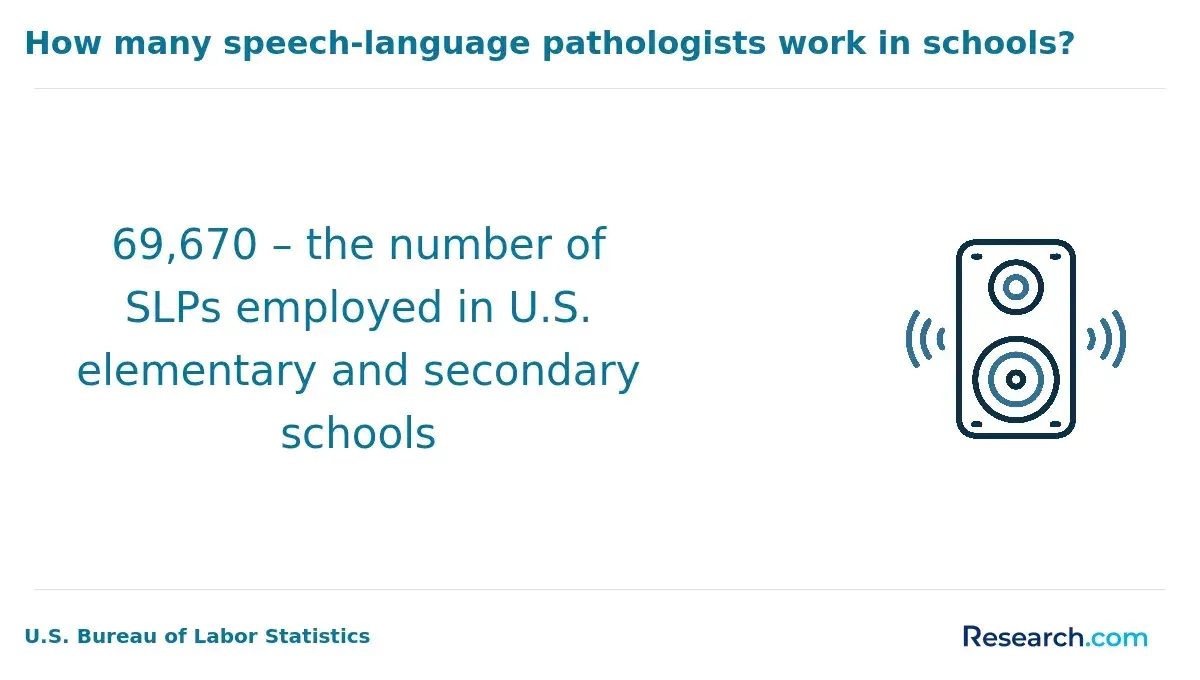
The demand for expertise in child language disorders is growing, with the Bureau of Labor Statistics projecting an 17% increase in speech language pathology positions from 2025 to 2035, adding roughly 15,200 new jobs. This growth is largely driven by pediatric cases, underscoring the critical need for trained professionals in schools, clinics, and hospitals for early intervention to support academic success and social integration.
Prospective students and professionals should prioritize developing strong assessment and intervention skills focused on child language disorders. Those seeking to advance in this field can explore speech pathology online programs to enhance their qualifications and career opportunities.
What accreditation and licensing requirements apply to online SLP programs in the United States?
Online speech pathology programs in the United States must have accreditation from the Council on Academic Accreditation in Audiology and Speech-Language Pathology (CAA), the accrediting body under the American Speech-Language-Hearing Association (ASHA). This accreditation ensures programs meet high national standards necessary for both comprehensive education and clinical training. Without CAA accreditation, students are ineligible to earn the Certificate of Clinical Competence (CCC) from ASHA, a crucial credential for entering the profession.
State licensing requirements for online speech pathology certification programs widely require graduation from a CAA-accredited program. Most states also expect completion of about 400 supervised clinical hours, with many now accepting telepractice hours due to expanding online program adaptations. Additional requirements can include state-specific jurisprudence exams or background checks depending on the state.
The impact of the pandemic on child language development has led to increased referrals, with nearly 70% of speech pathologists reporting more cases of language and social communication disorders. Online programs have responded by enhancing clinical training through remote practicums, aligning with updated licensure policies that often accept virtual clinical experiences.
Prospective students should confirm that online programs explicitly state CAA accreditation and clarify how clinical components fulfill state licensure rules. Those aiming for broader practice scopes must ensure preparation for various state exams and licensing. Early discussions with program advisors and licensure boards prevent certification delays and employment obstacles. For those curious about how much does a speech therapist make, such credentials are essential for career advancement and earning potential.
How do online SLP programs differ from campus-based programs in teaching child language disorder training?
Online SLP programs use virtual simulations, recorded case studies, and telepractice approaches to teach assessment and intervention for child language disorder, enabling students to observe diverse clinical scenarios remotely. This mode of instruction contrasts with campus-based programs, which focus on in-person clinical placements offering hands-on experience and immediate faculty supervision. These key differences between online and campus SLP child language training affect how students gain practical skills.
Students enrolled in online speech pathology programs often need to secure local externships or collaborate with nearby clinics to complete clinical hour requirements, a process that can be complex but enhances adaptability. Meanwhile, campus-based programs arrange clinical placements close to the university, simplifying logistics but sometimes limiting exposure to varied populations.
Child language disorder instruction in online speech pathology programs emphasizes self-directed study and technological skills, requiring proficiency with teletherapy platforms and digital tools. This is aligned with current industry trends, as many school-based speech-language pathologists manage caseloads of 40-60 students remotely, with telepractice becoming more common according to Beaming Health's analysis of ASHA data.
Online curricula typically include asynchronous coursework, allowing students to revisit challenging material at their own pace. Campus programs, on the other hand, often provide structured schedules with real-time peer and faculty interaction, facilitating quicker clarification of complex diagnostic techniques. Prospective students interested in flexible and remote learning options may explore accelerated SLP programs online to find suitable pathways to certification.
Online slp programs require completion of specific coursework focused on child language disorders, including advanced study in semantics, morphology, syntax, and language assessment techniques. Core classes often cover pediatric language disorder evaluation, language acquisition theories, and evidence-based intervention strategies. Some programs also include coursework in augmentative and alternative communication (AAC) designed for nonverbal children. This coursework for child language disorders provides essential knowledge to prepare students for clinical practice.
Clinical practicum requirements are rigorous, typically demanding a minimum of 400 hours, with 75 to 100 hours specifically dedicated to diagnosing and treating child language disorders. These hands-on practicum experiences, which fulfill child language disorders clinical practicum requirements, commonly take place in pediatric clinics, schools, or community settings. This exposure enables students to work directly with children experiencing a wide range of language impairments, from mild delays to complex disorders.
Programs emphasize early intervention and often promote interdisciplinary collaboration with educators and psychologists during practicum, mimicking real-world team settings. It is important for students to verify that their clinical hours meet American Speech-Language-Hearing Association (ASHA) certification standards and any state licensure criteria. Prospective students should inquire about practicum placement options to ensure diverse clinical exposure.
Many who want an accessible path should also consider the easiest SLP masters to get into for completing requirements efficiently.
Admission to accredited online master's programs in speech pathology generally requires a bachelor's degree from an accredited institution, often with a minimum GPA of 3.0. Applicants must complete prerequisite courses in subjects such as anatomy and physiology of the speech mechanism, linguistics, statistics, psychology, and communication sciences to ensure a strong foundation for graduate study.
Additional application components typically include official transcripts, letters of recommendation, and a personal statement explaining professional goals. Some programs request GRE scores, though many now waive this to support a holistic admission process. Work or volunteer experience in healthcare, education, or related fields can enhance an application but is not always mandatory.
Conditional admission may be offered to applicants with some missing prerequisites, contingent upon completing these courses before advancing in the program. This flexibility helps students from varied academic backgrounds pursue speech pathology careers, especially if they review transcripts early and plan accordingly.
Prerequisites vary by institution, with some emphasizing biological sciences or child development, while others focus more on communication disorders. Most online programs provide detailed checklists and academic advising to help applicants meet requirements. Early intervention in childhood speech disorders has a 70-90% success rate when evidence-based therapy is used (Beaming Health 2025). Being well-prepared academically enables students to contribute effectively in clinical settings and deliver successful interventions.
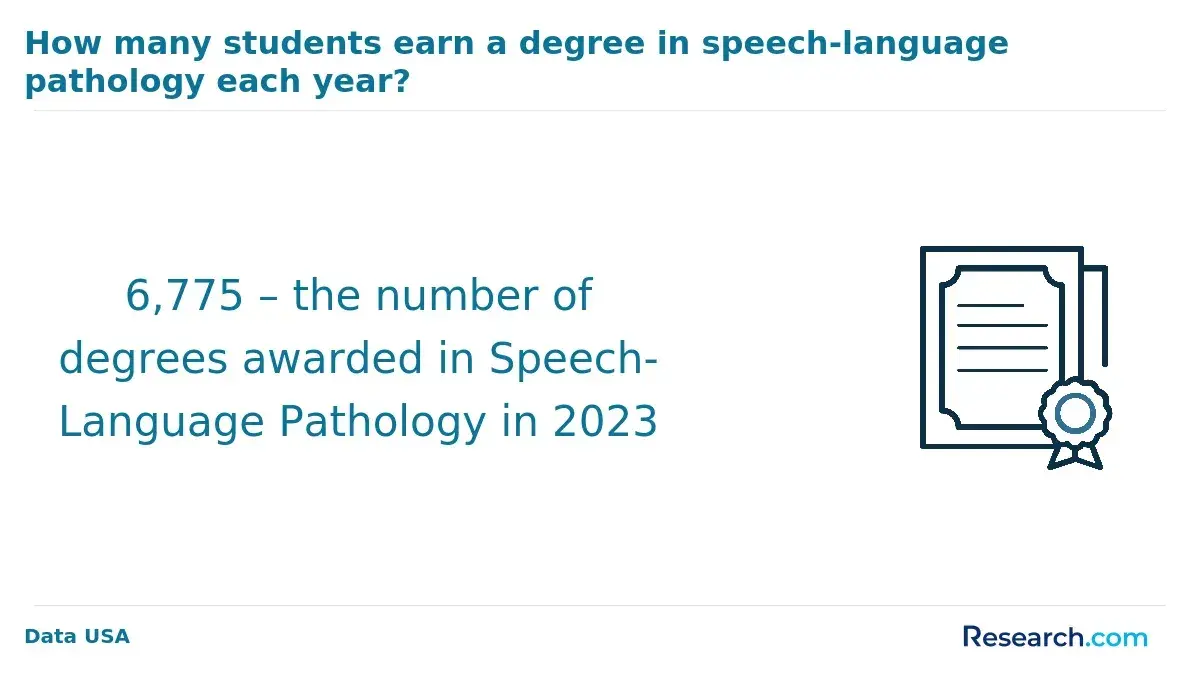
Completing an online speech pathology degree with a specialization in child language disorders usually takes two to three years for a master's program. Accredited programs follow the American Speech-Language-Hearing Association (ASHA) standards, requiring at least 400 supervised clinical hours and coursework covering language development and disorders, which impacts program duration.
Part-time study can extend completion to three to four years, depending on course load and clinical placement availability. Accelerated programs may shorten this to around two years by offering intensive terms and year-round scheduling, but these often demand high weekly commitments that can be difficult for working professionals.
Doctoral programs focusing on child language disorders generally take three to five years, including original research and advanced clinical practice. Students pursuing the certificate of clinical competence (CCC) in speech pathology with a child language emphasis must also complete a clinical fellowship year, adding approximately 9 to 12 months after graduation.
About 7% of children in the U.S. have communication disorders, underscoring the growing need for qualified specialists. Delays in clinical placements or course availability may extend program length, so timely progression through coursework and clinical hours is important for meeting workforce demands.
Online graduate programs in speech pathology generally cost between $20,000 and $60,000, varying based on the institution and program duration. Public universities typically offer lower tuition, around $20,000 to $35,000 for in-state students, while private schools often exceed $50,000. Additional expenses for technology, clinical placements, and materials may raise the total cost by several thousand dollars. It's important to consider the full program cost, not only per-credit fees.
Financial aid options include federal loans, scholarships, grants, and employer tuition reimbursement. Most online speech pathology programs qualify for federal student aid, so completing the FAFSA is essential. Specific scholarships often target students committed to serving underserved populations, addressing disparities where service rates differ significantly among White, Hispanic, and Black children. Programs may prioritize candidates who plan to work in diverse communities.
Other funding avenues include assistantships or work-study linked to clinical training, and veteran grants such as those from the GI Bill. Financial aid offices can provide details on available resources and deadlines. Prospective students should explore multiple funding sources to minimize debt and manage costs effectively.
Graduates with expertise in child language disorders often find diverse opportunities in healthcare, education, and community services. A major employer is the public and private school districts, where speech-language pathologists (SLPs) assess and treat children with communication delays and language impairments. According to Beaming Health 2025, 48% of school districts struggle to fill SLP positions, especially in rural and economically disadvantaged areas. Roles in schools typically involve direct therapy, consultation, and intervention planning for children from preschool to high school.
Healthcare employers such as pediatric hospitals, outpatient clinics, and early intervention programs also seek clinicians skilled in treating developmental language disorders, autism spectrum disorder, and related challenges. These settings emphasize collaborative care alongside pediatricians, occupational therapists, and psychologists.
Private practice offers another route, where SLPs deliver individualized treatment or coaching. Additionally, consulting for educational technology companies developing language assessment tools or working as research assistants in university labs are viable career options.
Prospective professionals should consider flexible service models like telepractice or home-based therapy to meet workforce demands in underserved regions. Knowledge of labor shortages can guide job seekers toward stable, impactful positions in high-need areas.
The employment outlook for speech-language pathologists focusing on child language is projected to grow 17% from 2025 to 2035, according to the U.S. Bureau of Labor Statistics-much faster than average for all jobs. Growth is fueled by heightened awareness of language disorders and expanded services in schools, healthcare, and early intervention programs. Graduates from respected programs, including Baylor's online and residential CSD master's degrees, report a strong 96.8% employment rate from 2020 to 2023, highlighting solid demand.
Salary ranges vary based on experience, certification, and setting. Entry-level specialists typically earn between $65,000 and $75,000 annually, while seasoned professionals often reach $80,000 to $95,000. Those in metropolitan areas or private practice may earn more. National certification and strong academic preparation also increase earning potential and job prospects.
Certification is essential for career advancement. Baylor graduates show an 89.63% Praxis exam pass rate, indicating rigorous training that employers value. For those pursuing a speech pathology career, choosing accredited programs and aiming for certification significantly improves long-term success.
How should prospective students evaluate and compare accredited online SLP programs for quality and reputation?
Accreditation is the foremost factor when evaluating online speech pathology programs. Only those accredited or in candidacy by the Council on Academic Accreditation (CAA) ensure compliance with national standards and allow graduates to pursue licensure. Of the 326 master's programs approved or recognized by CAA, fewer than 30 offer primarily online coursework, so confirming the program's online format aligns with CAA requirements is essential.
Students should inquire about how online coursework and clinical supervision are delivered. Important details include the balance of synchronous versus asynchronous learning, remote client interaction strategies, and the integration of telepractice technologies. Transparency concerning technical requirements and available support services helps ensure students are well-prepared.
Tuition costs and financial aid opportunities deserve comparison but should not overshadow program quality. Consideration of alumni networks and ongoing professional support also reveals a program's commitment to career development. Independent student reviews and advice from licensed speech pathologists offer valuable, unbiased perspectives on program strengths and limitations.
Other Things You Should Know About Speech Pathology
In 2027, online SLP programs integrate cultural and linguistic diversity through courses on cultural competence, diverse communication styles, and tailored intervention strategies. Programs often include case studies, interactive modules, and guest lectures to ensure students can meet diverse client needs effectively.
Yes, reputable online speech pathology programs incorporate training on collaboration with professionals such as audiologists, occupational therapists, educators, and medical staff. Interprofessional education is increasingly emphasized to ensure graduates can effectively participate in multidisciplinary settings, which is common in clinical and educational environments.
Online SLP programs usually require at least 25 clinical observation hours before practicum and 400 supervised clock hours total for the degree, including child-language cases. The American Speech-Language-Hearing Association requires these hours to be completed under qualified supervision and documented for state licensure and ASHA certification.
- U.S. Bureau of Labor Statistics - Speech-Language Pathologists https://www.bls.gov/ooh/healthcare/speech-language-pathologists.htm
- ASHA EdFind - Accredited Speech-Language Pathology Programs https://find.asha.org/ed/
- Audiology and Speech-Language Pathology Interstate Compact https://aslpcompact.com/compact-map/
- Ithaca College - Online Master of Science in Speech-Language Pathology https://slponline.ithaca.edu/programs/masters-speech-language-pathology-online
- University of Nebraska at Kearney - Speech-Language Pathology, Master of Science in Education (Online Track) https://www.unk.edu/online/degrees-programs/speech-language-pathology-online.php
- New York University - Online MS, Communicative Sciences and Disorders (Speech@NYU) https://steinhardt.nyu.edu/degree/online-ms-communicative-sciences-and-disorders
- Baylor University - Master of Science in Speech-Language Pathology (Online) https://csd.robbins.baylor.edu/graduate/online-csd-graduate-program
- New England Institute of Technology - Master of Science in Speech Language Pathology https://www.neit.edu/academics/graduate-degrees/speech-language-pathology-ms