2027 Low-Cost Online SLP Programs That Qualify for Financial Aid

Co-Founder and Chief Data Scientist

Reviewed by Rhea Paul, PhD
SLP Education & Research Expert
Choosing an online speech-language pathology program is not just a tuition decision. You also need to confirm accreditation, clinical placement support, licensure alignment, and access to financial aid before you commit. A program that looks inexpensive at first can become costly if it has extra fees, limited placement help, or requirements that delay graduation.
This guide is for prospective speech-language pathology students who want a flexible online or hybrid path without taking on unnecessary debt. It explains what SLP programs include, how online programs compare with campus-based options, what accreditation matters, how clinical placements usually work, and how to evaluate tuition, fees, FAFSA eligibility, scholarships, and other aid options before applying.
Key things you should know about low-cost online SLP programs:
- Always choose programs accredited by ASHA’s Council on Academic Accreditation (CAA) to ensure quality and eligibility for certification.
- Tuition rates differ by school and state residency, so comparing per-credit costs and hidden fees is essential.
- Many accredited online SLP programs qualify for federal aid, scholarships, and grants to help reduce out-of-pocket expenses
What is a Speech-Language Pathology (SLP) program?
A Speech-Language Pathology (SLP) program prepares students to evaluate and treat communication, speech, language, voice, fluency, cognitive-communication, and swallowing disorders across the lifespan. Graduate-level SLP programs typically combine academic coursework with supervised clinical practice because students must develop both theoretical knowledge and hands-on diagnostic and treatment skills.
Coursework often draws from communication sciences, linguistics, anatomy and physiology, psychology, audiology, research methods, and clinical intervention. Students also complete supervised field experiences where they work with children and adults in settings such as schools, clinics, hospitals, rehabilitation centers, and community-based practices.
Many SLP programs now use online or hybrid delivery to make graduate study more accessible to working adults, caregivers, and students who cannot relocate. However, “online” does not mean fully remote in every respect. Students should expect in-person clinical requirements, possible campus visits, background checks, immunization documentation, and daytime availability for certain placements.
An online master’s in speech pathology can be a practical route for students seeking licensure preparation without moving to a campus. The strongest programs pair rigorous online coursework with structured clinical placement support so graduates can work toward ASHA certification and state licensure requirements.
What are the main benefits of choosing an online program over an in-person one?
The main advantage of an online SLP program is flexibility, but the value depends on how the program handles clinical placements, student support, and scheduling. Online learning can reduce relocation barriers, but students should compare the full experience rather than assuming every online program is easier or cheaper.
- More flexibility for working students: Online coursework may allow students to complete lectures, readings, and assignments around work or family obligations. Some programs still require live class meetings, so applicants should check whether courses are synchronous, asynchronous, or a mix of both.
- Reduced relocation and commuting costs: Students may avoid moving expenses, daily commuting, parking, and some campus-based costs. This can be especially helpful for students who already live near potential clinical placement sites.
- Access to programs outside the local area: Online delivery lets students consider accredited programs beyond commuting distance. This matters for applicants in rural areas or regions with few campus-based SLP options.
- Ability to stay connected to current employment: Some students continue working while enrolled, especially during part-time or extended program tracks. This can help reduce borrowing, although clinical practicum schedules may still limit work hours later in the program.
- Digital learning tools: Online programs may use video case studies, discussion boards, simulation activities, recorded lectures, and virtual meetings with instructors. These tools can support learning when paired with responsive faculty and clear feedback.
Online programs also have trade-offs. Students need strong time management, reliable technology, and a plan for completing in-person clinical requirements. Before enrolling, ask how often students must be available during weekday business hours and whether the school helps secure placements near the student’s location.
What are examples of low-cost online SLP programs that qualify for financial aid?
Students looking for affordable online SLP options should focus on programs that combine accreditation, transparent tuition, and access to institutional or federal financial aid. The following programs are examples students commonly compare when researching online or blended SLP graduate study with financial aid resources:
- Baylor University – Online M.S. in Communication Sciences & Disorders: Offers tuition-based financial aid and scholarships available for online students.
- Nova Southeastern University – M.S. in Speech-Language Pathology (online/blended): Shows scholarship winners and provides financial aid resources.
- Pepperdine University – Online M.S. in Speech-Language Pathology: States federal, employer-sponsorship, and institutional aid options.
- Emerson College – Online M.S. in Communication Disorders: Provides a detailed financial aid and tuition page for online students.
- New York University (NYU) – Speech@NYU Online Master’s in SLP: A CAA-accredited program that meets clinical placement requirements and is noted as eligible for standard student aid.
Do not compare these programs on tuition alone. Request the total cost of attendance, including fees, placement-related expenses, travel, books, equipment, background checks, and any required campus intensives. Also confirm whether the program participates in federal student aid, which forms are required, and whether scholarships are automatic or require a separate application.
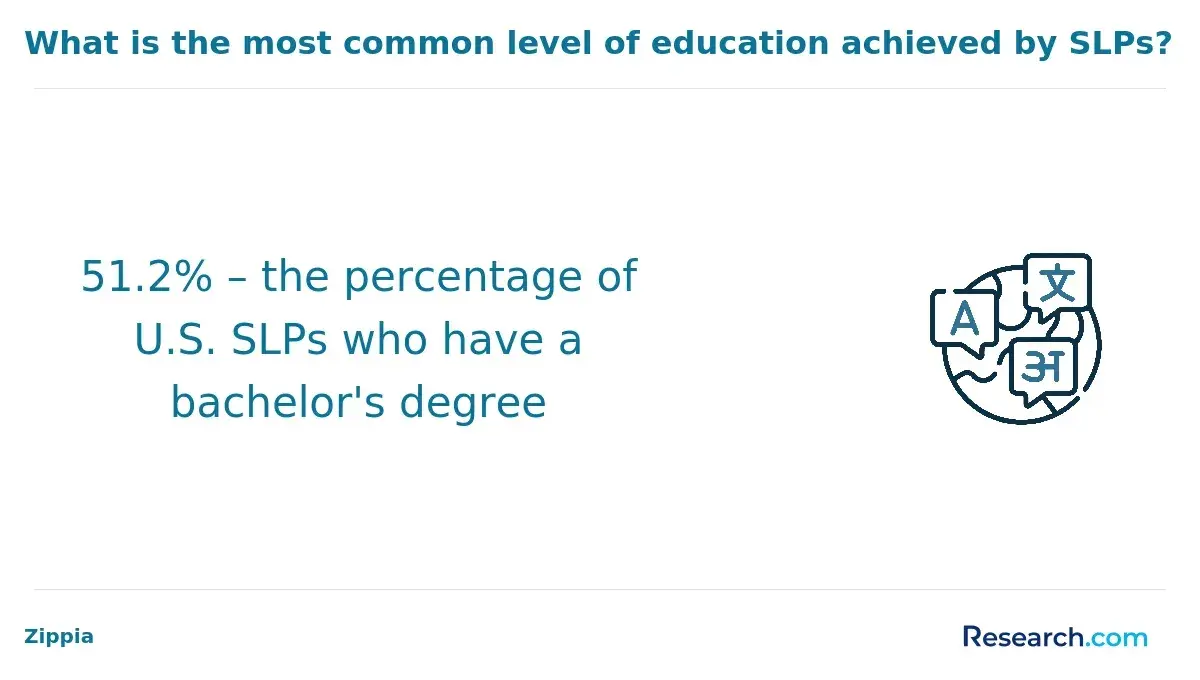
Speech language pathologist jobs are available in schools, hospitals, rehabilitation centers, private clinics, and other care settings. Typical responsibilities include assessing communication and swallowing needs, creating individualized therapy plans, collaborating with families and healthcare or education teams, and documenting client progress.
Strong online SLP programs do more than deliver courses through a learning platform. They provide structured support for clinical training, academic planning, faculty access, and professional preparation. This support is especially important because SLP students must complete supervised experiences that align with certification and licensure expectations.
- Clinical placement coordination: Many online programs help students identify supervised placements in or near their local communities. Placement teams may contact approved sites, verify supervisor qualifications, track required documentation, and help ensure students gain experience across required populations and service areas.
- Clear placement timelines: Good programs tell students when placement preparation begins, what documents are required, and how far in advance sites must be secured. Students should ask whether the school guarantees placement assistance or only provides guidance.
- Academic advising: Advisors help students sequence courses, plan for practicum requirements, understand graduation timelines, and avoid registration mistakes. This is particularly useful in lockstep programs where missing a course can delay progress.
- Faculty and clinical mentorship: Online students should have regular access to instructors, clinical supervisors, and program staff through video meetings, office hours, written feedback, and discussion forums. Mentorship helps students connect coursework to real client cases and improve clinical reasoning.
- Career and licensure guidance: Many programs offer résumé support, interview preparation, alumni connections, and guidance on certification or state licensure steps. Students should confirm whether this support is tailored to their state and intended work setting.
Before enrolling, ask direct questions: Who finds the placement? What happens if a local site falls through? Are students expected to travel? Are medical, school-based, and pediatric placements all available? The answers will tell you more about program quality than a general promise of “student support.”
Students should prioritize two forms of accreditation: programmatic accreditation for the SLP program and institutional accreditation for the college or university. Accreditation affects educational quality, financial aid eligibility, certification preparation, and licensure planning.
- Council on Academic Accreditation in Audiology and Speech-Language Pathology (CAA): Students should verify that the SLP program is accredited by the CAA, which is connected to the American Speech-Language-Hearing Association (ASHA). CAA accreditation indicates that the curriculum, faculty qualifications, clinical education, and student outcomes are reviewed against professional standards.
- Regional Accreditation: The college or university should also hold regional accreditation from a recognized accrediting body. Institutional accreditation supports overall academic quality and is important for federal financial aid eligibility, credit recognition, and graduate-level credibility.
Applicants should check accreditation status directly rather than relying only on marketing materials. Look for whether the program is fully accredited, in candidacy, or under review, and ask how its status affects graduation, certification, and licensure. State requirements can vary, so students should also confirm that the program meets requirements in the state where they plan to practice.
Students comparing timelines may also consider accelerated speech pathology programs. These options can shorten the time to degree, but the pace is often demanding because coursework and supervised clinical experiences must still prepare graduates for ASHA certification and state licensure.
Low-cost speech pathology programs do not automatically mean weaker clinical placements. The more important question is whether the program is CAA-accredited and whether it has a reliable placement process. Accredited programs must address supervised clinical education, competency development, and exposure to appropriate client populations regardless of tuition price.
That said, placement support can vary significantly by school. Some online programs maintain broad placement networks, work with school districts and healthcare facilities, and employ dedicated coordinators. Others may expect students to identify possible sites, provide local leads, or travel farther for specialized experiences.
Students should pay close attention to placement depth, not just placement availability. A program may be able to place students in school settings but have fewer opportunities in adult medical settings, acute care, voice clinics, or other specialized environments. If you have a specific career goal, ask whether students regularly complete clinical hours in that area.
- Ask who is responsible for securing placements: Some programs handle outreach; others require students to participate heavily in the search.
- Ask about geographic limits: Confirm whether the program can support placements in your state or region before you apply.
- Ask about specialty access: If you want medical, pediatric, voice, fluency, or swallowing experience, ask how those opportunities are arranged.
- Ask about scheduling expectations: Many clinical placements occur during weekday daytime hours, which can affect students who plan to work while enrolled.
A lower-tuition program can still provide strong clinical preparation if it has transparent requirements, experienced coordinators, qualified supervisors, and a history of helping online students complete placements on time.
SLP students may be able to use several forms of financial aid, but availability depends on the institution, program level, enrollment status, and the student’s eligibility. The best approach is to combine aid that does not require repayment with careful borrowing only when necessary.
- Federal and State Grants: Grants are need-based funds that generally do not have to be repaid. The Federal Pell Grant is commonly associated with undergraduate study, while graduate SLP students should ask their school what grant options, if any, are available at the institutional or state level.
- Scholarships: Scholarships may be awarded based on academic merit, financial need, service commitment, identity, location, or interest in communication sciences and healthcare. Check university scholarships, professional organizations, local foundations, and employer-sponsored awards.
- Federal Student Loans: Federal loans through the U.S. Department of Education can help cover tuition and other educational expenses. Students should compare interest rates, repayment options, and borrowing limits before accepting loans.
- Graduate Assistantships: Some universities offer assistantships that provide tuition support, stipends, or both in exchange for teaching, research, administrative, or clinical support work. These positions can be competitive and may be more common in campus-based or hybrid programs.
- Employer Tuition Assistance: Students working in education, healthcare, or related fields should ask whether their employer offers tuition reimbursement or sponsorship. Some benefits may require continued employment after graduation.
When reviewing an aid offer, separate gift aid from loans. Scholarships, grants, and assistantships reduce the amount you must pay or borrow. Loans can be useful, but they increase future repayment obligations, so accept only what you reasonably need.
Students apply for federal financial aid by completing the Free Application for Federal Student Aid (FAFSA) through the official studentaid.gov website. The FAFSA is used to determine eligibility for federal aid and may also be required for some institutional or state aid programs.
- Create or access your account: Go to studentaid.gov and use your account credentials to begin the FAFSA. Make sure your name and identifying information match official records.
- Complete the FAFSA form: Provide the requested personal, school, income, and tax information. Graduate students typically complete the form using their own financial information, but applicants should follow the instructions provided on the FAFSA.
- Add school codes: List the federal school codes for every SLP program you are considering. This allows each institution to receive your FAFSA information and prepare an aid offer if you are admitted and eligible.
- Submit any requested documentation: Schools may ask for tax records, W-2 forms, bank information, or verification documents. Respond quickly to avoid delays in your financial aid package.
- Compare aid offers carefully: Review each award letter and separate grants, scholarships, assistantships, work-study, and loans. Compare the aid package against the full cost of attendance, not just tuition.
- Accept only the aid you need: You do not have to accept every loan offered. Borrowing less can reduce repayment pressure after graduation.
Because financial aid timelines can affect enrollment decisions, complete the FAFSA as early as possible and check each school’s priority deadline. Missing a deadline can limit access to certain institutional funds even if you remain eligible for federal loans.
What strategies can students use to minimize debt while earning their SLP degree?
Students can reduce SLP program debt by choosing carefully, applying broadly for aid, and controlling borrowing throughout the degree. The goal is not simply to find the lowest tuition, but to choose an accredited program that supports timely graduation, licensure preparation, and manageable repayment.
- Apply for scholarships and grants early: Search university, ASHA-related, healthcare, education, community, and private scholarship sources. Track deadlines and required essays or recommendations so you do not miss funding that does not need repayment.
- Prioritize accredited programs with transparent costs: A lower-cost program is only a good value if it is accredited, supports clinical placements, and aligns with your licensure goals. Avoid choosing solely on price without confirming outcomes and requirements.
- Compare in-state, online, and part-time options: Some online programs may offer tuition structures that reduce costs, while part-time enrollment may allow continued employment. However, part-time study can extend the time to graduation, so compare the financial trade-off.
- Use employer tuition assistance when available: Healthcare, school, and related employers may offer tuition reimbursement. Ask about annual limits, approved programs, grade requirements, and service commitments.
- Consider assistantships or part-time work: Teaching, research, administrative, or clinical support roles can reduce expenses and build experience. Be realistic about workload, especially during clinical placements.
- Borrow only what is necessary: Create a term-by-term budget for tuition, fees, living costs, and placement expenses. Decline loan amounts you do not need, and revisit your budget each term.
- Avoid delays that add cost: Missed prerequisites, late paperwork, failed placement onboarding, or unclear licensure planning can extend enrollment. Stay in close contact with advisors and complete clinical documentation on time.
The best debt-reduction strategy is a complete plan before enrollment: verify accreditation, estimate total cost, understand clinical placement expectations, complete the FAFSA, apply for aid, and choose the program that offers the strongest combination of affordability, support, and licensure readiness.
- U.S. Bureau of Labor Statistics - Speech-Language Pathologists https://www.bls.gov/ooh/healthcare/speech-language-pathologists.htm
- ASHA EdFind - Accredited Speech-Language Pathology Programs https://find.asha.org/ed/
- Audiology and Speech-Language Pathology Interstate Compact https://aslpcompact.com/compact-map/
- Abilene Christian University - Master of Science in Speech-Language Pathology (Online) https://acu.edu/academics/graduate/master-of-science-in-speech-language-pathology/
- University of Wisconsin-Eau Claire - Master of Science in Speech-Language Pathology (Online) https://www.uwec.edu/speech-language-and-hearing-sciences-department/graduate-program/speech-language-pathology-online
- Maryville University - Master of Science in Speech-Language Pathology https://www.maryville.edu/masters/speech-language-pathology/
- Ithaca College - Online Master of Science in Speech-Language Pathology https://slponline.ithaca.edu/programs/masters-speech-language-pathology-online
- New England Institute of Technology - Master of Science in Speech Language Pathology https://www.neit.edu/academics/graduate-degrees/speech-language-pathology-ms