2027 How to Choose an Online Behavioral Health Management Degree With Strong Outcomes

Co-Founder and Chief Data Scientist
Choosing an online behavioral health management degree is really a decision about outcomes: accreditation, cost, flexibility, and whether the credential points to clinical leadership, program administration, or community services work.
The need is real: the U.S. Bureau of Labor Statistics projects medical and health services manager employment to grow 29% from 2023 to 2033, much faster than average. This guide is for working adults, career changers, and healthcare staff who want a practical way to compare programs, avoid red flags, estimate ROI, and choose a degree aligned with their goals.
Key Things You Should Know
- Strong programs combine healthcare administration, behavioral health policy, ethics, finance, quality improvement, and population health rather than offering only general business courses with a mental health label.
- For outcome-focused comparison, prioritize institutional accreditation, transparent total cost, transfer credit policy, fieldwork or capstone design, employer partnerships, and career support before considering rankings or marketing claims.
- BLS data published in 2024 shows strong adjacent labor-market demand; medical and health services managers had a $110,680 median wage in May 2023, while substance abuse, behavioral disorder, and mental health counselors had a $53,710 median wage.
What is an online behavioral health management degree and who is it best suited for?
An online behavioral health management degree prepares students to manage programs, teams, budgets, compliance processes, and service delivery in mental health, substance use treatment, community health, psychiatric, and integrated care settings. It is different from a clinical counseling degree: the management path focuses on operations and leadership, while a clinical path focuses on diagnosing and treating clients under state licensure rules.
This degree is usually best for people who want to improve how behavioral health services are delivered, not necessarily provide therapy themselves. It can fit case managers, peer support supervisors, healthcare administrators, social service workers, nonprofit staff, military or public health professionals, and career changers with a strong interest in mental health systems.
If your goal is to become a licensed counselor, compare this pathway carefully with an online mental health counseling masters, because licensure-focused counseling programs usually require specific supervised clinical coursework and field hours that management programs may not include.
The table below shows how common degree options differ. Use it to match the credential level to your current education, experience, and intended role before speaking with admissions teams:
| Program type | Typical fit | Common outcome | Important caution |
| Bachelor's degree | Students entering healthcare, behavioral health, or social services administration | Coordinator, case management support, program assistant, intake or operations roles | May not qualify you for higher-level management without experience |
| Master's degree | Working professionals seeking leadership, policy, compliance, or director-track roles | Program manager, clinic administrator, behavioral health operations manager | Usually not a substitute for clinical licensure |
| Graduate certificate | Professionals who already hold a degree and want targeted behavioral health leadership training | Skill upgrade for current healthcare, nonprofit, or public agency roles | May have less labor-market value than a full degree if you are changing fields |
| Doctoral or executive program | Senior leaders, researchers, policy professionals, or executives | Executive leadership, consulting, teaching, or system-level strategy roles | Only makes sense when the career goal requires advanced leadership or research preparation |
Students should consider a different path if they mainly want one-on-one therapy, school counseling, psychology licensure, or social work licensure. In those cases, review state licensing requirements first, because choosing a non-licensure management degree can delay your goal.
How do online behavioral health management programs compare to campus-based options?
Online and campus-based behavioral health management programs can lead to similar academic credentials when they are offered by accredited institutions. The real differences are usually schedule, networking style, field experience logistics, technology use, and how easily you can keep working while enrolled.
The comparison below highlights the trade-offs that matter most for adult learners and career changers. It can help you decide whether flexibility or in-person structure is more important for your situation:
| Factor | Online program | Campus-based program | Best choice when... |
| Schedule | Often asynchronous or hybrid, with evening options | More fixed class meeting times | Online fits better if you work shifts, have caregiving duties, or live far from campus |
| Networking | Virtual classmates may come from many regions and healthcare settings | Local peer and faculty relationships may be easier to build face to face | Campus fits better if you want local employer connections |
| Fieldwork or capstone | May allow projects at your current workplace or a local agency | May rely on nearby partner sites | Online fits better if the school supports placement in your state or community |
| Learning style | Requires self-direction, writing, video meetings, and digital collaboration | Provides more scheduled classroom accountability | Campus fits better if you learn best through in-person discussion |
| Technology exposure | Often integrates telehealth operations, dashboards, online teamwork, and digital records scenarios | May offer simulation labs or local health system visits | Online fits well if you expect to manage remote or hybrid care teams |
Online learning is now common across applied management fields, not just healthcare. If you are still comparing sectors and realize your interest is project operations rather than human services, an online bachelor's in construction management may be a more direct fit than a behavioral health management program.
Before choosing online solely for convenience, confirm whether any required intensives, internships, synchronous sessions, background checks, or state-specific placement rules apply. A program can be "online" and still require local site participation or occasional live attendance.
How can you evaluate accreditation and program quality in behavioral health management?
Accreditation is the first quality filter because it affects financial aid eligibility, transfer credit, employer recognition, and admission to later graduate study. At minimum, the institution should hold recognized institutional accreditation from an accreditor accepted by the U.S. Department of Education or the Council for Higher Education Accreditation.
Programmatic accreditation can also matter, but it depends on the degree's focus. A healthcare administration-oriented master's may seek CAHME accreditation, a public administration pathway may align with NASPAA standards, and clinical counseling degrees may follow counseling-specific accreditation.
Behavioral health management programs do not all fall under one universal programmatic accreditor, so students need to evaluate fit rather than assume one label covers every outcome.
Use the following checks before applying. These steps help you separate credible programs from offerings that sound convenient but may not support your career goal:
- Verify institutional accreditation directly with the accreditor or a recognized accreditation database, not only on the school's marketing page.
- Ask whether the curriculum is designed for management, clinical licensure, public health, healthcare administration, social services leadership, or another specific outcome.
- Request recent career outcome information, including common job titles, employer types, internship sites, and alumni advancement examples.
- Review faculty experience for behavioral health operations, compliance, managed care, nonprofit leadership, public health, addiction services, or health systems administration.
- Confirm whether the school is authorized to enroll online students in your state and whether any required fieldwork can be completed where you live.
Red flags include vague accreditation language, pressure to enroll quickly, unclear tuition disclosures, no published curriculum, no student services for online learners, and promises of licensure or employment without explaining state or employer requirements. A strong program should be willing to answer detailed questions in writing.
What admission requirements and prior experience do online behavioral health management programs expect?
Admission requirements vary by degree level, but most online behavioral health management programs look for evidence that you can handle applied coursework in healthcare, social services, policy, finance, and leadership. Prior healthcare experience can strengthen an application, but it is not always mandatory for bachelor's or entry-level master's programs.
The table below summarizes common expectations. Use it to identify gaps you may need to address before applying:
| Program level | Common admission requirements | Experience that may help | Good preparation strategy |
| Bachelor's | High school diploma or GED, transcripts, possible transfer credits, basic writing or placement requirements | Volunteer work, healthcare support roles, peer support, community service | Complete general education and statistics early if transfer-friendly options are available |
| Master's | Bachelor's degree, transcripts, resume, personal statement, recommendations, possible minimum GPA | Case management, healthcare administration, human services, public health, nonprofit work | Use the statement to connect your experience to leadership and systems improvement |
| Graduate certificate | Bachelor's degree or current graduate enrollment, shorter application, sometimes professional resume | Current healthcare, counseling support, HR, compliance, or program coordination work | Choose a certificate that can stack into a master's if you may continue later |
| Executive or doctoral | Graduate degree or significant leadership experience, writing sample, interviews, professional goals | Director-level management, policy leadership, consulting, research, or quality improvement | Confirm the program's research or executive focus matches your career direction |
Applicants without behavioral health experience can still be competitive if they show transferable strengths. Examples include supervision, budgeting, data reporting, crisis communication, scheduling, compliance documentation, customer service, and project coordination.
If you are deciding between a broad healthcare operations path and a behavioral health-specific path, compare the curriculum with a bachelors healthcare administration option.
A general healthcare administration program may be better if you want flexibility across hospitals, clinics, insurance, long-term care, and physician practices; a behavioral health management program may be better if your goal is mental health, addiction treatment, community programs, or integrated care.
One common mistake is applying before clarifying the intended outcome. To avoid this, ask each school which roles the program is designed for, whether students need prior clinical credentials for advancement, and how many credits can transfer from previous study.
How long do online behavioral health management degrees take, and what do they cost?
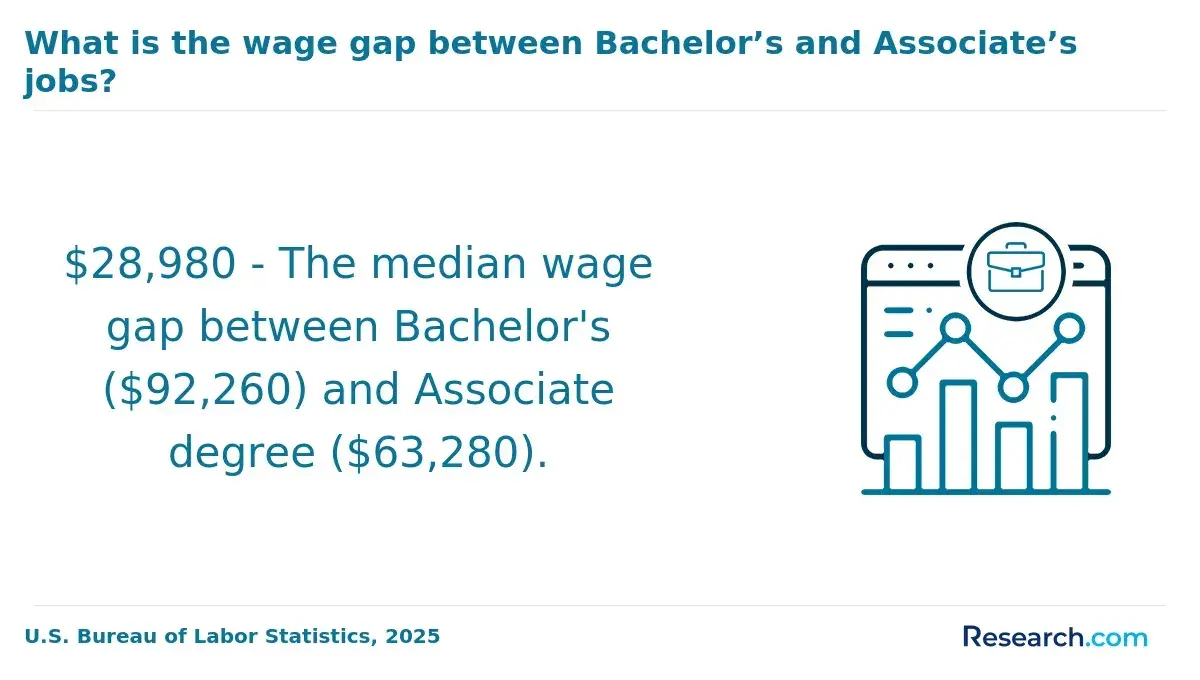
Program length depends on level, transfer credits, course load, and whether the calendar uses semesters, quarters, or accelerated terms. A bachelor's degree typically takes about four years from the start, but students with an associate degree or substantial transfer credit may finish faster. Master's programs often take one to three years, depending on full-time or part-time enrollment.
Cost is harder to compare because schools may quote tuition per credit, per term, or per year. As a national benchmark, College Board's 2024 pricing data reported average published tuition and fees of $11,610 for in-state public four-year undergraduates, $30,780 for out-of-state public four-year undergraduates, and $43,350 for private nonprofit four-year undergraduates for 2024-25.
Online behavioral health management programs may cost less or more than these benchmarks, so you should calculate the program-specific total rather than relying on averages.
The table below helps you estimate time commitment by credential. It is not a promise of completion time, but it shows the usual planning range for students comparing options:
| Credential | Typical credit structure | Common completion pattern | Cost variable to watch |
| Bachelor's degree | Usually around 120 credits | Full-time students often plan for four years; transfer students may need less time | Transfer credit acceptance and upper-division tuition |
| Master's degree | Often 30 to 48 credits, depending on design | Full-time may be shorter; part-time is common for working adults | Per-credit graduate tuition and required fees |
| Graduate certificate | Often a smaller credit block than a degree | Can often be completed in less time than a master's | Whether credits apply to a future degree |
| Doctoral or executive program | Varies widely by dissertation, project, or executive format | Often multi-year and part-time for working leaders | Residencies, research fees, and extended enrollment costs |
To compare costs fairly, focus on total price and opportunity cost, not just the per-credit number. Include the items below in your estimate because they can change the real return on investment:
- Total credits required after transfer evaluation, multiplied by tuition per credit.
- Mandatory technology, online learning, graduation, background check, or field placement fees.
- Books, software, exam preparation, travel for any required residency, and lost work hours.
- Employer tuition assistance, military education benefits, scholarships, grants, and federal aid eligibility.
- Whether accelerated courses reduce time to completion or create a workload that could hurt grades, work performance, or persistence.
A useful affordability habit is to compare programs across fields using the same total-cost logic. For example, students comparing online professional master's degrees can review how a construction management masters frames affordability, then apply the same questions to behavioral health: total credits, fees, transfer policy, employer value, and realistic career fit.
What core courses and specializations are typical in behavioral health management programs?
Behavioral health management curricula usually blend healthcare administration with the specific realities of mental health and substance use services. The strongest programs teach students how care systems work, how programs are funded, how quality is measured, and how leaders protect clients, staff, and organizations.
The table below shows common course areas and why they matter. Use it to identify whether a program is genuinely behavioral health-focused or simply a general management degree with a few electives:
| Course area | What students typically learn | Why it matters for outcomes |
| Behavioral health systems | Mental health, substance use, community care, integrated care, and social determinants of health | Helps managers understand service models and client populations |
| Healthcare finance and reimbursement | Budgets, billing basics, payer relationships, grants, and resource allocation | Prepares students to manage financially sustainable programs |
| Law, ethics, and compliance | Privacy, consent, documentation, risk management, mandated reporting, and organizational accountability | Reduces legal and operational risk in sensitive care environments |
| Quality improvement and outcomes | Performance metrics, patient safety, program evaluation, and continuous improvement methods | Supports evidence-informed management and funder reporting |
| Human resources and supervision | Workforce planning, burnout prevention, team leadership, conflict resolution, and staff development | Directly supports retention in high-stress behavioral health settings |
| Health information and analytics | Electronic health records, telehealth workflows, dashboards, data privacy, and reporting | Builds skills for modern hybrid care and compliance environments |
Specializations can make a degree more relevant, but only when they match your target role. Common concentrations include addiction services management, nonprofit leadership, healthcare quality, public health, integrated care, long-term services, health informatics, and human services administration.
Technology is becoming more important in this field. Behavioral health managers may oversee telehealth workflows, digital intake tools, care coordination platforms, AI-assisted documentation review, and analytics dashboards. The key is not to become a software engineer; it is to understand how technology affects access, privacy, staff workload, quality, and equity.
Before enrolling, ask whether the program includes a capstone, practicum, consulting project, or applied case study. Practical projects can help online students turn coursework into portfolio evidence for employers.
What behavioral health management careers can you pursue with this degree?
A behavioral health management degree can support administrative, supervisory, and program leadership roles in organizations that provide or coordinate mental health, addiction, crisis, community, or integrated healthcare services. The exact role you qualify for depends on your degree level, prior experience, clinical credentials if any, local employer requirements, and management track record.
The table below groups common career paths by function. It focuses on responsibilities rather than guaranteed job titles because employers use different titles for similar work:
| Career path | Typical responsibilities | Where these roles appear | Experience often expected |
| Behavioral health program coordinator | Scheduling services, tracking referrals, supporting reporting, coordinating staff communication | Community mental health centers, nonprofits, outpatient clinics | Bachelor's degree or related experience may be sufficient for entry-level roles |
| Case management or care coordination supervisor | Overseeing case teams, monitoring service plans, improving workflows, supporting client navigation | Health systems, Medicaid managed care, community agencies | Experience in case management, social services, or healthcare operations |
| Substance use program manager | Managing program delivery, grants, compliance documentation, partner relationships, and staff coverage | Addiction treatment centers, public agencies, residential programs | Management experience; some roles prefer or require addiction credentials |
| Clinic or practice administrator | Managing budgets, staffing, billing coordination, quality measures, and patient flow | Outpatient behavioral health practices, integrated care clinics, group practices | Healthcare administration and supervisory experience |
| Quality improvement or compliance specialist | Auditing documentation, monitoring outcomes, preparing reports, improving policies and processes | Hospitals, behavioral health providers, insurers, government contractors | Knowledge of regulations, data reporting, and healthcare quality methods |
| Community services or nonprofit manager | Managing programs, grants, partnerships, staff, volunteers, and community outreach | Nonprofits, local agencies, crisis programs, advocacy organizations | Program leadership and grant or community engagement experience |
This degree may be worth it if it helps you move from direct service into supervision, from general administration into behavioral health, or from a support role into program leadership. It may be less useful if your desired job requires a nursing license, social work license, counseling license, psychology doctorate, or board-certified behavior analyst credential that the program does not prepare you to pursue.
To strengthen employability, build evidence of practical results while studying. Examples include improving an intake process, creating a compliance checklist, analyzing service utilization, helping with grant reporting, or leading a small workflow improvement project at work or during a capstone.
What salary ranges and earning potential are common in behavioral health management roles?
Salary potential in behavioral health management varies widely because job titles may sit in healthcare administration, social services, counseling support, nonprofit management, compliance, or public health. A degree can improve competitiveness for some roles, but pay still depends on employer type, location, responsibility level, credentials, and experience.
The table below uses U.S. Bureau of Labor Statistics wage data published in 2024 for relevant occupational categories. These categories are broader than "behavioral health management," so use them as labor-market context rather than exact program outcome guarantees:
| Related occupational category | Median wage reported by BLS | How it connects to behavioral health management | Important limitation |
| Medical and health services managers | $110,680 | Relevant for clinic administrators, health program managers, and operations leaders | Includes many healthcare settings beyond behavioral health |
| Social and community service managers | $77,030 | Relevant for nonprofit, community mental health, outreach, and human services leadership | Pay can differ substantially between nonprofit, public, and healthcare employers |
| Substance abuse, behavioral disorder, and mental health counselors | $53,710 | Useful context for behavioral health service environments and supervisor pathways | Clinical counseling roles may require separate state licensure |
For ROI, compare the likely salary range for your target role with the full cost of the program and the time it will take to finish. A lower-cost program may be the smarter choice if it has the right accreditation, curriculum, and employer recognition.
A more expensive program may be reasonable if it offers strong practicum support, alumni connections, leadership preparation, and a clear path to your desired level of responsibility.
Be cautious about schools that advertise high salaries without explaining the job category, sample size, graduate experience level, or location. Management salaries often reflect years of work experience as much as the degree itself.
What is the job outlook and demand for behavioral health management professionals?
Demand for behavioral health management professionals is shaped by several overlapping forces: expanded attention to mental health, substance use treatment needs, integrated primary and behavioral care, telehealth operations, quality reporting, workforce shortages, and the need for financially sustainable service models.
These trends create demand not only for clinicians, but also for managers who can coordinate programs, supervise teams, manage compliance, and use data responsibly.
BLS projections published in 2024 show strong growth in adjacent occupations from 2023 to 2033: medical and health services managers are projected to grow 29%, substance abuse, behavioral disorder, and mental health counselors 19%, and social and community service managers 8%.
For students, the takeaway is that the field has multiple demand signals, but the best opportunities will likely favor candidates who combine behavioral health knowledge with operational, financial, supervisory, and data skills.
Current employer expectations are also changing. Behavioral health organizations increasingly need leaders who can manage hybrid teams, support telehealth access, interpret dashboard metrics, reduce documentation burden, respond to payer requirements, and improve staff retention.
AI tools may assist with scheduling, documentation review, analytics, and administrative triage, but human judgment remains central for ethics, privacy, equity, crisis response, and staff leadership.
To evaluate local demand before enrolling, take a practical approach. Review job postings in your region for the titles you want, then compare the required degree, experience, license, software skills, and salary range with the program's curriculum. If most postings require clinical licensure and you do not plan to become licensed, choose a management, compliance, operations, or community services target role instead.
Are certifications or licenses needed after a behavioral health management degree, and how do you qualify?
A behavioral health management degree alone usually does not create a clinical license. Licensure is controlled by state boards and depends on the profession, degree type, supervised experience, exams, and sometimes specific accredited coursework. Certifications can still help managers demonstrate specialized knowledge in quality, compliance, project management, addiction services, healthcare administration, or supervision.
The table below clarifies common credential categories. Use it to distinguish credentials that authorize clinical practice from those that support management credibility:
| Credential category | Examples | Who may need it | What to verify |
| Clinical counseling licensure | LPC, LMHC, LCPC or similar state titles | Professionals who diagnose and treat clients through counseling | Required degree, accreditation expectations, supervised hours, and exam rules in your state |
| Social work licensure | LMSW, LCSW or similar state titles | Professionals providing regulated social work or clinical social work services | Whether a CSWE-accredited social work degree is required |
| Addiction counseling credentials | CADC, LADC or state-specific substance use credentials | Professionals working in substance use counseling or supervision | Education, supervised practice, exam, and renewal requirements |
| Healthcare quality or compliance certifications | CPHQ, CHC or related credentials | Managers in quality improvement, compliance, auditing, or risk roles | Experience requirements, exam content, renewal, and employer preference |
| Project or operations credentials | PMP, Lean Six Sigma or similar credentials | Managers leading process improvement, implementation, or operational change | Experience thresholds and whether employers in your target setting value the credential |
Before committing to a program, follow these steps if your career goal may involve licensure or certification. They can prevent costly surprises after graduation:
- Identify the exact job title you want and whether it is clinical, administrative, supervisory, compliance-related, or community services-focused.
- Check your state licensing board if the role involves counseling, social work, psychology, substance use treatment, or behavior analysis.
- Ask the program director to confirm in writing whether the curriculum is designed to meet any specific licensure or certification requirement.
- Compare fieldwork requirements with your state's supervised experience rules, especially if you study online from another state.
- Plan continuing education early because many licenses and professional certifications require renewal, ethics training, or ongoing professional development.
The safest assumption is that management degrees support leadership careers, while clinical licenses authorize regulated treatment roles. Some professionals combine both, but that requires deliberate planning.
Other Things You Should Know About Behavioral Health Management
Yes, many students enter from adjacent fields. Business experience helps with operations and finance, psychology helps with service context, and public health helps with population-level thinking. You may need extra coursework or experience if your target role requires healthcare compliance, supervised service delivery, or behavioral health-specific knowledge.
Employers are more likely to focus on accreditation, relevant experience, skills, and whether the program fits the role. An online degree from an accredited institution with applied projects, strong faculty, and clear career alignment is generally more credible than an unaccredited or vague program, regardless of format.
A 2027 online behavioral health management degree should include comprehensive coursework in healthcare systems, policy, and ethics. Emphasizing evidence-based practices and incorporating hands-on experience through internships or practicum is essential. Strong career outcomes also depend on accreditation and mentorship opportunities that align with your career goals.
Strengthen writing, spreadsheet use, basic statistics, professional communication, and familiarity with healthcare privacy and ethics. If possible, gain exposure to intake, scheduling, case coordination, quality reporting, grant work, or team supervision. These experiences make coursework more meaningful and can improve your career readiness.
References
- What Certifications Can I Get With A Bachelor's In Psychology? https://www.psychology.org/resources/certification-skills-for-psychology-major-resumes/
- Achieving Excellence: Behavioral Health Accreditation - Haven Health Management https://havenhealthmgmt.org/achieving-excellence-behavioral-health-accreditation/
- Behavioral Health Specialist Salary and Job Description https://www.warnerpacific.edu/blog/behavioral-health-specialist/
- NBCC | National Board for Certified Counselors & Affiliates https://nbcc.org/certification/ccmhc
- Managed Behavioral Health Organization Accreditation - NCQA https://www.ncqa.org/employers/ncqa-programs-of-interest-to-employers/managed-behavioral-health-organization-accreditation/
- Behavioral Health Career Descriptions | SAMHSA https://www.samhsa.gov/about/careers/behavioral-health-workforce/careers-by-state/descriptions
- The Role of Quality Improvement in Behavioral Health Accreditation https://powderhornconsulting.com/role-of-quality-improvement-in-behavioral-health-accreditation/
- Online DBH Programs – Online Doctor of Behavioral Health https://www.onlineeducation.com/healthcare/doctor-of-behavioral-health-programs
- Mental Health Licensure, Certification & Degree Requirements https://www.publichealthonline.org/mental-health/