2027 Behavioral Health Management Careers Most Resilient to AI and Automation

Co-Founder and Chief Data Scientist
Choosing a behavioral health management career now means weighing human-centered work against rapid AI adoption in healthcare. The need is real: federal labor data projects 19% growth for substance abuse, behavioral disorder, and mental health counselors from 2023 to 2033, far faster than average. This guide is for students, career changers, and healthcare workers comparing degrees, online programs, salaries, and long-term automation risk. You will learn which roles depend most on judgment, empathy, coordination, ethics, and crisis response, so you can choose a path with stronger career durability.
Key Things You Should Know
- Behavioral health management roles are more AI-resilient when they require crisis judgment, care coordination, compliance decisions, team leadership, and direct communication with patients, families, clinicians, payers, and community agencies.
- The strongest long-term paths usually combine behavioral health knowledge with management, data literacy, privacy compliance, reimbursement, quality improvement, and workforce supervision rather than relying on counseling skills alone.
- Federal labor data shows strong demand signals: medical and health services managers had a May 2024 median wage of $117,960, while related behavioral counseling roles are projected to grow 19% from 2023 to 2033.
What is behavioral health management and why are its careers more resilient to AI?
Behavioral health management is the coordination, supervision, financing, compliance, and quality improvement of services for mental health, substance use, crisis intervention, psychiatric care, and community-based support. It sits between clinical care and healthcare administration: professionals may manage treatment programs, intake systems, case management teams, payer requirements, patient safety processes, community partnerships, and workforce schedules.
These careers are more resilient to AI because the most valuable work is not simply retrieving information. AI can summarize charts, draft documentation, flag risk patterns, and support scheduling, but it cannot fully replace accountable decisions involving vulnerable patients, safety planning, ethics, family dynamics, local resources, and regulatory consequences.
The most AI-resistant parts of behavioral health management typically involve tasks where context and accountability matter. Readers comparing healthcare-adjacent fields may also find that programs such as an environmental health and safety bachelor degree online share a similar emphasis on compliance, risk prevention, and people-centered operational judgment.
The table below shows how AI affects common behavioral health management tasks. Use it to distinguish work that may be automated from work that is more likely to remain human-led.
| Work area | How AI may help | Why human judgment still matters |
| Intake and triage | Pre-screens forms, summarizes histories, identifies missing information | Managers must evaluate urgency, safety, capacity, consent, and appropriate level of care |
| Care coordination | Suggests referrals and reminders | Real-world coordination depends on patient trust, transportation, housing, insurance, and family dynamics |
| Compliance | Flags documentation gaps or policy inconsistencies | Leaders remain responsible for interpreting rules, correcting processes, and reducing organizational risk |
| Program management | Generates dashboards and productivity reports | Managers must balance staffing, outcomes, morale, budget constraints, and ethical care access |
| Crisis response | Provides decision-support prompts | Human professionals make safety-sensitive decisions under uncertainty and must communicate with empathy |
For career planning, the key point is simple: choose training that helps you work with AI while building strengths AI cannot own, such as relationship management, ethical leadership, systems thinking, and responsibility for outcomes.
Which behavioral health management roles are least likely to be automated?
The least automatable roles are those that combine behavioral health expertise with supervision, interagency coordination, risk management, or accountable decision-making. AI may change their workflows, but it is less likely to fully replace the professional because the work involves trust, judgment, liability, and human relationships.
The table below compares roles by typical responsibility and automation resilience. Salary levels vary by employer, region, credential, and whether the position is clinical, administrative, or hybrid.
| Role | Typical responsibilities | Why it is more AI-resilient |
| Behavioral health program manager | Oversees outpatient, residential, crisis, or community mental health programs | Requires staff leadership, service design, regulatory awareness, budgeting, and accountability for patient outcomes |
| Clinical operations manager | Coordinates staffing, patient flow, documentation quality, and performance metrics | Depends on real-time operational judgment and communication across clinicians and administrators |
| Care coordination or case management supervisor | Leads teams connecting clients to treatment, housing, benefits, and community services | Requires negotiation, local resource knowledge, trauma-informed communication, and escalation decisions |
| Behavioral health quality improvement specialist | Tracks outcomes, audits processes, and improves care delivery systems | AI can analyze data, but humans define priorities, interpret context, and implement change |
| Crisis services coordinator | Supports mobile crisis, call-center, stabilization, or emergency referral systems | Involves high-stakes decisions, safety planning, de-escalation, and cross-agency coordination |
| Compliance or privacy lead in behavioral health | Monitors documentation, confidentiality, consent, billing, and policy adherence | Requires interpretation of sensitive rules and organizational responsibility for risk |
The highest-risk roles are usually narrow administrative positions built around repetitive data entry, routine appointment reminders, simple eligibility checks, or standardized documentation. Those jobs may not disappear overnight, but they are more exposed to automation unless the worker adds higher-level skills.
If your goal is resilience, prioritize roles that let you supervise people, solve ambiguous problems, work across systems, or make decisions that affect patient safety and service access. A good early-career strategy is to start in intake, patient navigation, case management, or program support, then move toward supervisory or quality-focused work after gaining field experience.
What degree do you need to start a career in behavioral health management?
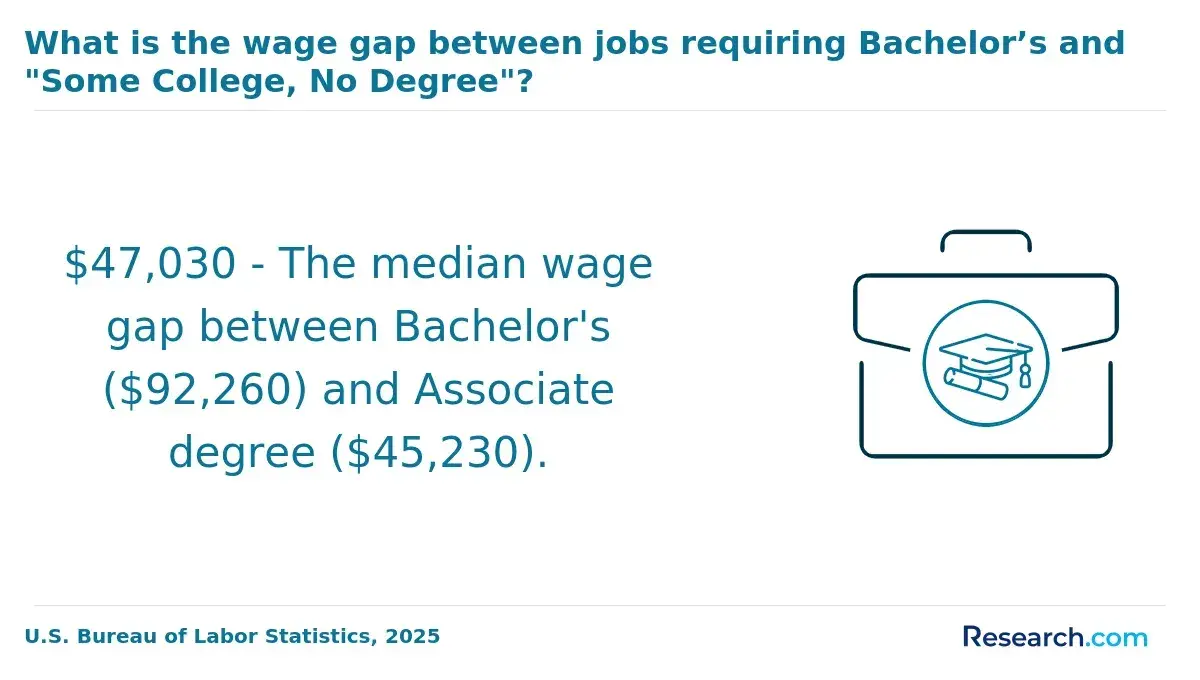
The right degree depends on whether you want to manage programs, supervise clinical services, lead healthcare operations, or move into policy and compliance. Many entry-level roles accept a bachelor's degree in psychology, social work, human services, public health, healthcare administration, or health information management. Advanced management or licensed clinical leadership roles often require a master's degree.
Students who want a data, records, privacy, and revenue-cycle angle may also compare behavioral health management with a CAHIIM accredited HIM degree online, especially if they are interested in behavioral health compliance, electronic health records, and protected health information.
The table below summarizes common education routes. Use it to match the credential to the kind of job you want, not just the fastest program available.
| Education path | Best fit | Common target roles | Important limitation |
| Certificate in behavioral health, addiction studies, case management, or healthcare administration | Working adults testing the field or adding a focused credential | Program assistant, intake coordinator, peer support pathway, administrative support | Usually not enough for management roles by itself |
| Associate degree | Students seeking lower-cost entry into human services or behavioral health support work | Behavioral health technician, community support worker, patient services representative | Advancement may require a bachelor's degree |
| Bachelor's degree | Most students seeking entry-level management-track roles | Case manager, care coordinator, behavioral health program coordinator, utilization support specialist | Clinical licensure is limited or unavailable in many states at this level |
| Master's in healthcare administration, public health, social work, counseling, psychology, or human services leadership | Students targeting supervision, director-level work, or licensed clinical leadership | Program manager, clinical operations manager, behavioral health director, quality improvement lead | Licensure alignment varies widely by discipline and state |
A bachelor's degree is often the practical starting point for nonclinical behavioral health management, while a master's degree becomes more valuable when you want to supervise licensed services, direct programs, or compete for senior healthcare administration roles. If you want to provide therapy, do not assume a management degree will qualify you; counseling, social work, marriage and family therapy, and psychology licensure follow state-specific education and supervised experience rules.
How do online behavioral health management programs compare to campus-based options?
Online programs can work well for behavioral health management because much of the academic content involves administration, policy, ethics, finance, informatics, and leadership. Campus-based programs may be stronger for students who need in-person networking, structured routines, local field placements, or access to simulation labs and faculty mentoring.
Online learning is especially useful for working adults already employed in healthcare or social services. If your goal is broad management rather than direct clinical practice, you may also compare behavioral health management programs with an accelerated online project management degree, since both can prepare students for scheduling, team leadership, budgets, process improvement, and stakeholder coordination.
The table below compares formats by decision factor. The best choice is the one that fits your schedule, support needs, internship requirements, and target job market.
| Decision factor | Online programs | Campus-based programs |
| Schedule flexibility | Often better for full-time workers, caregivers, and students outside commuting range | Better for students who prefer fixed class times and face-to-face structure |
| Field experience | May allow local placements, but students often need to secure approved sites | May have stronger relationships with nearby hospitals, clinics, and agencies |
| Networking | Can be strong if the program offers live sessions, cohorts, and employer partnerships | Often easier for students who benefit from in-person faculty and peer contact |
| Cost control | May reduce commuting and relocation costs | May offer local scholarships, assistantships, or public in-state tuition advantages |
| Licensure-sensitive paths | Requires extra verification for state authorization, supervised experience, and practicum rules | May be more straightforward if the school is designed around local licensing pathways |
Before choosing an online program, ask whether it has live faculty access, career services for behavioral health settings, field placement support, and clear state authorization disclosures. The biggest mistake is assuming that "online" means easier or less credible; the more important question is whether the program is accredited, appropriately supervised, and aligned with your target role.
What courses and skills prepare graduates for AI-resilient behavioral health management jobs?
AI-resilient preparation blends behavioral health literacy with management, compliance, analytics, and interpersonal leadership. A strong program should help students understand both the patient-care environment and the operational systems that make services safe, ethical, funded, and measurable.
Look for coursework that builds practical management capacity rather than only broad theory. The following course areas are especially useful because they connect directly to real behavioral health management responsibilities:
- Behavioral health systems and policy, including how mental health, substance use, crisis, Medicaid, private insurance, and community services interact.
- Healthcare management, budgeting, and operations, including staffing, workflow design, resource allocation, and service-line planning.
- Ethics, confidentiality, and compliance, including informed consent, protected health information, mandated reporting, documentation quality, and risk reduction.
- Quality improvement and outcomes measurement, including how to use dashboards, patient satisfaction data, readmission patterns, and process measures without over-relying on automated outputs.
- Trauma-informed leadership and communication, including conflict resolution, de-escalation, supervision, cultural responsiveness, and patient-centered decision-making.
- Healthcare informatics and data literacy, including electronic health records, privacy-aware analytics, AI-assisted documentation, and responsible use of decision-support tools.
Graduates should also be able to explain how they would use AI responsibly. Employers increasingly value candidates who can improve efficiency without compromising privacy, fairness, clinical judgment, or patient trust.
To build a resilient skill set, students should take deliberate steps before graduation. These actions help convert classroom learning into career evidence:
- Complete an internship, practicum, or project in a behavioral health setting such as a community mental health center, crisis program, residential provider, hospital outpatient unit, or managed care organization.
- Create a portfolio with examples of policy analysis, quality improvement plans, workflow maps, de-identified dashboard interpretation, or program evaluation projects.
- Practice explaining AI limits in healthcare, especially around bias, privacy, documentation accuracy, and escalation of safety concerns.
- Seek supervised exposure to interdisciplinary teams so you can learn how clinicians, case managers, billing staff, peer specialists, and administrators coordinate care.
A common mistake is choosing electives that are interesting but disconnected from target roles. If your goal is management, prioritize courses that demonstrate leadership, data use, compliance, budgeting, and systems improvement.
How long do behavioral health management programs take, and what do they cost?
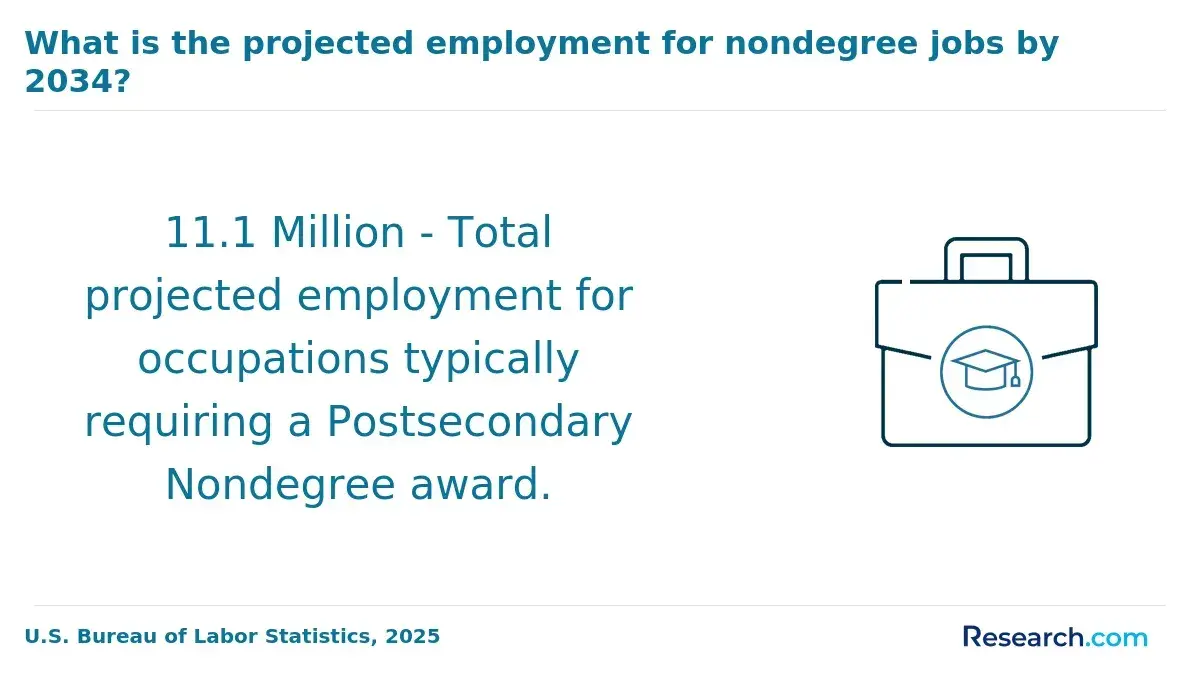
Program length depends on the credential, transfer credits, enrollment intensity, and whether supervised fieldwork is required. Certificates may take a few months to one year, bachelor's degrees commonly require about four years of full-time study, and master's programs often take one to three years depending on format and practicum requirements.
Cost varies widely, so students should compare total price rather than tuition alone. College Board's 2024 pricing data reported average published tuition and fees of $11,610 for in-state students at public four-year institutions for 2024-25, which is a useful benchmark when evaluating whether a program's price is competitive.
The table below outlines typical time and cost considerations. It does not predict an individual student's final bill because financial aid, transfer credit, employer tuition benefits, and residency status can change the net cost substantially.
| Credential | Typical completion time | Main cost drivers | Best cost-control strategy |
| Certificate | Several months to one year | Per-credit tuition, continuing education fees, books, background checks | Choose stackable credits that can apply to a later degree |
| Associate degree | Two years full time | Community college tuition, general education credits, transportation or technology fees | Use transfer agreements before moving into a bachelor's program |
| Bachelor's degree | Four years full time, shorter with transfer credits | Tuition, fees, textbooks, internship requirements, lost work time | Maximize transfer credit and compare in-state public options |
| Master's degree | One to three years | Graduate tuition, practicum hours, clinical supervision, residency requirements | Confirm whether employer reimbursement, assistantships, or part-time study reduce borrowing |
Students comparing management-focused healthcare degrees should also look at total schedule impact. For example, a working adult comparing behavioral health operations with a construction management degree online may find that both fields reward project coordination and compliance skills, but behavioral health programs may require more attention to privacy, ethics, and human services field experience.
To evaluate affordability, follow a consistent process rather than relying on advertised tuition:
- Ask for a full cost of attendance estimate, including fees, books, technology, background checks, placement costs, and travel.
- Confirm how many credits you can transfer and whether there is a maximum transfer limit.
- Compare net price after grants, scholarships, employer reimbursement, and military or public-service benefits.
- Estimate the opportunity cost of reducing work hours during internships, practicums, or intensive terms.
- Avoid borrowing based on best-case salary assumptions; use conservative salary ranges for your region and target role.
What are the admission requirements for behavioral health management bachelor's and master's programs?
Admissions requirements vary by school and degree level, but most programs evaluate academic readiness, communication skills, professional goals, and fit with human services or healthcare work. Competitive programs may also require background checks before field placements, especially when students work with vulnerable populations.
The table below shows common requirements. Use it as a checklist, but always confirm details with the specific school because requirements can change by program concentration and state authorization rules.
| Requirement | Bachelor's programs | Master's programs |
| Prior education | High school diploma, GED, or transfer college credits | Accredited bachelor's degree, often with a minimum GPA |
| Prerequisite coursework | May include composition, math, psychology, sociology, or biology | May prefer coursework in psychology, statistics, public health, human services, or healthcare administration |
| Application materials | Transcripts, application form, personal statement, sometimes recommendations | Transcripts, resume, statement of purpose, recommendations, and sometimes an interview |
| Experience | Usually not required, but volunteer or healthcare experience can help | Often preferred for management, counseling-adjacent, or leadership tracks |
| Field placement clearance | May require background check, immunization records, drug screening, or liability insurance | More common when practicum, internship, or clinical components are required |
Applicants should present a clear career goal. A strong statement of purpose explains whether you want to manage programs, coordinate care, support behavioral health operations, work in compliance, or eventually pursue licensure in a clinical discipline.
Before applying, take these practical steps to reduce delays and avoid mismatched programs:
- Request an unofficial transcript review if you have prior college credits.
- Ask whether the program supports your state if you are applying online.
- Confirm whether field placements are required and who is responsible for securing them.
- Check whether the curriculum is management-focused, clinical-track, or a hybrid of both.
- Ask admissions staff to identify the roles recent graduates typically pursue, without treating those outcomes as guarantees.
A common red flag is a program that uses broad career language but cannot clearly explain internships, employer connections, licensure limits, or graduate pathways. Clarity matters more than marketing language.
How can students verify accreditation and licensure alignment for behavioral health management programs?
Accreditation and licensure alignment are two different issues. Institutional accreditation helps confirm that a school meets recognized academic standards and that students may be eligible for federal financial aid. Licensure alignment determines whether a program's coursework and supervised experience can support a specific licensed profession, such as counseling or social work, in a particular state.
For nonclinical behavioral health management, institutional accreditation is usually the minimum requirement. For clinical leadership or therapy pathways, programmatic accreditation and state board approval can be critical. Requirements vary by profession and state, so students should verify directly rather than relying only on school webpages.
Use the following steps before enrolling, especially if the program is online or if you may move to another state:
- Confirm the school's institutional accreditation through the U.S. Department of Education or the Council for Higher Education Accreditation databases.
- Identify whether your target career requires a license, certification, supervised experience, or exam in your state.
- Check the relevant state licensing board's education requirements and compare them with the program's curriculum.
- Ask the school for written licensure disclosures for your state, not just general statements about career preparation.
- Verify field placement rules, supervision qualifications, and whether remote or local placements are accepted.
- Save documentation from the school and licensing board in case requirements change while you are enrolled.
Students pursuing management roles should also ask whether the curriculum covers healthcare compliance, privacy, reimbursement, quality improvement, and behavioral health operations. These topics can matter more for administrative jobs than counseling-theory coursework alone.
The most common mistake is assuming that a degree title automatically qualifies someone for licensure or advancement. A "behavioral health" program may be excellent for care coordination or administration but may not meet requirements for licensed counseling, clinical social work, psychology, or marriage and family therapy.
What are typical salaries and advancement pathways in behavioral health management careers?
Salaries in behavioral health management vary widely because the field includes nonprofit community agencies, hospitals, residential programs, government systems, managed care organizations, and private healthcare networks. Education level, licensure, supervisory responsibility, regional cost of living, and revenue responsibility all affect compensation.
Federal wage data provides a useful anchor. The U.S. Bureau of Labor Statistics reported a May 2024 median annual wage of $117,960 for medical and health services managers, a broad category that includes many healthcare management roles. Behavioral health-specific salaries may be lower or higher depending on employer type and scope of responsibility, so use this figure as a benchmark, not a guarantee.
The table below shows common advancement stages. It can help you see how early experience can build toward management rather than treating the first job as the final destination.
| Career stage | Common roles | What helps you advance |
| Entry level | Behavioral health technician, intake specialist, patient services coordinator, case aide | Reliable documentation, communication skills, crisis awareness, and understanding of referral systems |
| Early professional | Case manager, care coordinator, utilization review assistant, program coordinator | Bachelor's degree, field experience, knowledge of insurance, community resources, and service planning |
| Supervisory | Case management supervisor, intake supervisor, team lead, residential program supervisor | Staff coaching, compliance knowledge, scheduling, quality monitoring, and conflict resolution |
| Management | Behavioral health program manager, clinical operations manager, quality improvement specialist | Graduate education, performance metrics, budgeting, interdisciplinary leadership, and policy implementation |
| Senior leadership | Director of behavioral health services, service line administrator, compliance director, executive leader | Strategic planning, payer knowledge, regulatory risk management, workforce development, and outcome accountability |
Advancement is strongest when professionals combine frontline credibility with business and systems skills. If you want to move up, seek projects involving audits, process improvement, grant reporting, staff training, electronic health record workflows, or payer documentation standards.
Do not assume that graduate school is always the next best step. A master's degree may be valuable for leadership, licensure, or competitive healthcare administration roles, but some professionals should first gain field experience, clarify their target role, and confirm whether their employer rewards the credential.
What is the job outlook for behavioral health management professionals in an AI-driven healthcare system?
The outlook is favorable for professionals who can manage behavioral health demand, workforce constraints, compliance pressure, and technology adoption at the same time. AI is likely to reshape documentation, scheduling, risk screening, and reporting, but it also increases the need for managers who can govern how these tools are used safely.
Labor market data supports continued demand. The U.S. Bureau of Labor Statistics projects 29% growth for medical and health services managers from 2023 to 2033, which reflects broader expansion and complexity across healthcare. For behavioral health management, this suggests opportunity for people who can lead programs in a system dealing with access gaps, crisis care needs, integrated care models, and payer accountability.
Several trends will influence hiring and career resilience:
- Integrated care is expanding, so behavioral health managers increasingly work with primary care, emergency departments, schools, courts, correctional systems, and community agencies.
- Telehealth and hybrid care models require managers who understand access, privacy, provider productivity, patient engagement, and state-specific practice rules.
- AI-assisted documentation and analytics are growing, which makes data literacy and ethical oversight more valuable than routine clerical work.
- Workforce shortages place pressure on supervisors to improve retention, training, caseload balance, and staff well-being.
- Value-based care and payer scrutiny increase demand for leaders who can connect outcomes, documentation quality, compliance, and reimbursement.
To prepare for this market, students should choose programs that teach both human services and operational leadership. The best-positioned graduates will be able to explain patient needs to administrators, translate policy into workflows, use data without ignoring context, and supervise teams through complex situations.
The main risk is underpreparation. A general degree with no internship, no data exposure, no compliance training, and no clear career target may leave graduates competing for roles that AI can partially automate. A focused plan makes the difference.
Other Things You Should Know About Behavioral Health Management
No. Behavioral health management focuses on programs, teams, operations, compliance, access, and service quality. Therapy requires a separate clinical pathway, usually including a licensure-eligible graduate degree, supervised experience, and a state exam.
Yes, many administrative, coordination, quality improvement, and program management roles do not require a clinical license. However, positions supervising clinical care may require licensure or close collaboration with licensed professionals.
In 2027, certifications in behavioral health management enhance job prospects by validating expertise in specialized areas, such as mental health policy or digital health systems. These credentials can differentiate candidates in a field increasingly focused on integrating human skills that AI cannot replicate.
References
- Behavioral Health Accreditation FAQ | NCQA https://www.ncqa.org/programs/health-plans/behavioral-health-accreditation/faq/
- Building a Future in Mental, Behavioral & Cognitive Healthcare https://www.lihealthcollab.org/healthy-resources/mental-health-career-guide
- A Complete Guide to Careers in Behavioral Health Fields https://behavioralhealth.careers/blog/careers-in-behavioral-health-guide/
- How to Build an AI-Resilient Career Path Now https://www.manpower.ie/blog/2025/07/how-to-build-an-ai-resilient-career-path-now
- Using AI to Build Mental Health Resilience Skills for Remote and Hybrid Employees https://trainingindustry.com/articles/compliance/using-ai-to-build-mental-health-resilience-skills-for-remote-and-hybrid-employees/
- What's Behavioral Health Management? | Horizon Health https://horizonhealth.com/blog/behavioral-health-management/
- Behavioral Health Career Descriptions | SAMHSA https://www.samhsa.gov/about/careers/behavioral-health-workforce/careers-by-state/descriptions
- The Undeniable Workforce Benefits of Behavioral Health AI https://eleos.health/blog-posts/workforce-benefits-behavioral-health-ai/
- Mastering Behavioral Health: Is a Master’s Degree Right for You? https://masterspublichealth.com/masters-in-behavioral-health/
- Which health care jobs are the most likely to be affected by automation? - The Health Foundation https://www.health.org.uk/reports-and-analysis/analysis/which-health-care-jobs-are-the-most-likely-to-be-affected-by