2027 Best LPN Programs in Montana – Accredited Online LPN Programs

Co-Founder and Chief Data Scientist
Choosing an online LPN program in Montana is really a licensure decision, not just a school-search decision. Practical nursing students need a program that fits their schedule, prepares them for the NCLEX-PN, includes approved hands-on clinical training, and meets Montana Board of Nursing expectations. Because LPNs provide direct patient care under the supervision of registered nurses and physicians, program quality and clinical preparation matter from the first semester.
This guide explains how online and hybrid LPN programs in Montana work, what they cost, how long they take, how licensure works, and how to compare schools before enrolling. It is designed for first-time nursing students, medical assistants considering an LPN pathway, and current healthcare workers who want a practical route into nursing. For a broader role overview, see this explanation of what LPNs do in patient care.
Quick Answer: Can You Become an LPN Online in Montana?
Yes, you can complete some LPN coursework online in Montana, but you should expect in-person clinical requirements. LPN training cannot be fully online because students must practice nursing skills, patient care procedures, and clinical judgment in supervised healthcare settings. The safest choice is an accredited or state-approved program that clearly explains where clinicals take place, how students qualify for the NCLEX-PN, and whether graduates are eligible for Montana LPN licensure.
| Question | Short Answer |
| Typical program length | Most online or hybrid LPN programs in Montana take one to two years, with some accelerated options taking 9 months. |
| Typical cost range | Some schools may quote a figure that ranges from $3,000-$15,000. |
| Main licensure exam | Graduates must pass the NCLEX-PN. |
| Fully online option? | No practical nursing program should be evaluated as fully online unless it also explains required in-person labs and clinicals. |
| Job outlook note | Projections Central reports a 2.2% projected growth for LPNs in Montana by 2024. |
Best Online LPN Programs in Montana Table of Contents
- Steps to become an LPN in Montana
- Typical cost of an LPN program in Montana
- How long LPN training takes in Montana
- Whether an online degree can lead to LPN licensure
- Online LPN Programs in Montana for 2027
- Whether Montana is a strong state for LPNs
- Jobs you can pursue with an LPN credential in Montana
- Top employers for Montana LPNs
- Ways LPNs in Montana can advance
- Career options for LPNs moving into RN roles
- How LPNs can move toward a BSN degree
- Regulatory and legal requirements for Montana LPNs
- Whether certifications can strengthen an LPN career in Montana
- How technology is changing LPN work in Montana
- How LPNs can succeed in rural and urban Montana settings
- How LPNs can work toward nurse midwife roles
- How to evaluate online LPN programs in Montana
- Benefits of accelerated LPN programs in Montana
- How LPNs can prepare for nurse practitioner roles
- How nutrition training can expand an LPN’s healthcare impact
How to Become an LPN in Montana
To become a licensed practical nurse in Montana, you need approved nursing education, a licensure application, a passing NCLEX-PN score, and a background check. The process is structured because LPNs deliver direct care to sick, injured, aging, and recovering patients while working within a regulated scope of practice.
- Complete an approved practical nursing program. Future LPNs should enroll in an accredited or state-approved practical nursing program that includes classroom instruction, simulation, skills labs, and clinical practice. Many practical nursing candidates complete programs that typically span 12 to 18 months.
- Apply to the Montana Board of Nursing. After finishing the program, graduates submit a licensure application through the Montana Board of Nursing. Applicants should follow the board’s current instructions because forms, fees, and document requirements can change.
- Pass the NCLEX-PN. The National Council Licensure Examination for Practical Nurses is the required exam for practical nurse licensure. Your LPN program should prepare you for the clinical reasoning, pharmacology, safety, and patient-care content tested on the exam.
- Complete the criminal background check. Montana requires licensure applicants to complete a background review. This step helps protect patients and supports safe nursing practice across healthcare settings.
| Step | What to Verify Before You Begin | Why It Matters |
| Choose a program | Accreditation, state approval, clinical placements, graduation requirements | An unapproved program may not qualify you for licensure. |
| Plan for clinicals | Location, schedule, transportation, immunization requirements | Online coursework does not remove the need for supervised patient-care training. |
| Prepare for NCLEX-PN | Exam preparation support, practice testing, faculty advising | Passing the exam is required before you can practice as an LPN. |
| Apply for licensure | Montana Board of Nursing checklist, fees, background check instructions | Missing documents can delay your license. |
LPN License Reciprocity and Endorsement in Montana
LPNs who already hold a practical nursing license in another state may be able to seek Montana licensure by endorsement. This pathway is designed for nurses who are already licensed, active, and in good standing, but applicants still need to satisfy Montana Board of Nursing requirements.
- Confirm eligibility. You should hold a current active LPN license in another state and have no unresolved disciplinary restrictions that would prevent endorsement.
- Submit an endorsement application. Applicants apply to the Montana Board of Nursing and provide required license verification and supporting documents.
- Complete the fingerprint-based background check. Montana requires a criminal background check for applicants, including those applying by endorsement.
| Checklist of Required Documents to Submit for Application for LPN by Endorsement |
| Official license verification from states and jurisdictions in which the applicant holds or has ever held a professional license of any type. |
| Fingerprint Background Check |
| Non-Criminal Notice of Applicants Rights form |
| Application Fee |
Source: Montana Board of Nursing
What Is the Typical Cost of an LPN Program in Montana?
LPN program costs in Montana vary by school, residency status, fees, books, supplies, uniforms, background checks, testing fees, and clinical requirements. Some schools may quote a figure that ranges from $3,000-$15,000. One example is the intensive nine-month LPN program at Great Falls College MSU, which has a tuition cost of $10,265 per year.
When comparing programs, look beyond tuition. A lower advertised price may not include clinical supplies, exam preparation, travel to clinical sites, or required health screenings. Ask each school for a full estimated cost of attendance before deciding.
| Cost Item | Why Students Should Ask About It |
| Tuition and fees | This is the main quoted cost, but it may not include all required expenses. |
| Books, software, and testing platforms | Nursing programs often require specialized learning tools and exam-prep resources. |
| Clinical compliance costs | Students may need background checks, immunizations, drug screening, CPR certification, or health documentation. |
| Transportation and scheduling | Clinical sites may require travel, especially for students outside the school’s immediate area. |
| Licensure and exam fees | Graduates should budget for the NCLEX-PN and Montana licensure application process. |
How Long Does It Take to Become an LPN in Montana?
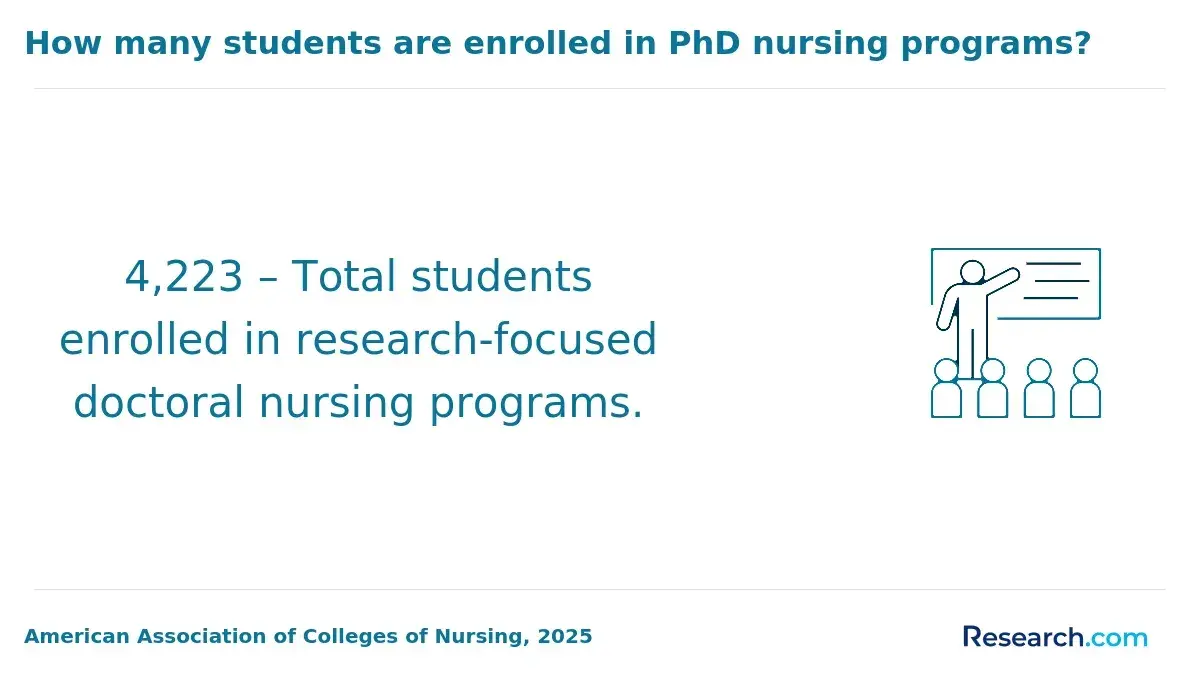
Online and hybrid LPN programs in Montana generally take one to two years to complete. Some accelerated options are shorter; for example, the LPN program at Helena College University of Montana is designed to be completed in one year. After completing the academic and clinical requirements, graduates still need to pass the NCLEX-PN and obtain the required licensure before working as LPNs in Montana.
| Path | Typical Timeline Mentioned | Best Fit |
| Accelerated practical nursing program | 9 months to 12 months | Students who can manage an intensive schedule and want to enter the workforce quickly. |
| Standard LPN program | One to two years | Students who want a more traditional pace or need time for work and family obligations. |
| LPN-to-RN pathway after licensure | Varies by bridge program | Licensed LPNs who want broader scope, RN licensure, and additional career options. |
Can You Become an LPN in Montana With an Online Degree?
You can use online coursework as part of your LPN education in Montana, but you should not expect the entire program to be remote. Practical nursing requires direct skill development, simulation, lab practice, and supervised clinical experience. Many online LPN programs in Montana use a hybrid format: theory courses may be online, while clinical and skills components take place on campus or at approved healthcare locations.
Students interested in broader nursing pathways can also compare online nursing programs in Montana. Montana State University-Billings, for example, offers graduate nursing programs, and the MSU Billings accelerated nursing program is another option for eligible students. If you already hold a non-nursing bachelor’s degree and want an advanced nursing route, you can also review direct entry MSN programs for non-nursing majors.
| Module | Course Title |
| 1 | Role of the Board |
| 2 | What happens when a compalint is filed? |
| 3 | Delegation |
| 4 | Nurse Licensure Compact |
| 5 | Licensing Process |
| Medication Aide II | Medication Administration CE Course |
| 8 | Nurse Ethics |
Source: Montana Board of Nursing
Online LPN Programs in Montana for 2027
The Montana LPN programs below offer practical nursing preparation with online or flexible components, but students should verify the current delivery format directly with each school. Before applying, confirm accreditation, clinical placement expectations, NCLEX-PN preparation, admission requirements, and total program cost.
| School | Program Length | Required Credits | Cost per Credit | Accreditation Listed |
| City College at Montana State University Billings | 1 year | 40 | $373 | Northwest Commission of Colleges and Universities |
| Helena College University of Montana | 1 year | 40 | $273 | Accreditation Commission for Education in Nursing |
| Great Falls College at Montana State University | 9 months | 40 | $224 | Northwest Commission of Colleges and Universities |
| Flathead Valley Community College | 1 year | 41 | $188 | Nursing Commission for Nursing Education Accreditation |
| University of Montana -Bitterroot | 1 year | 42 | $169 | Nursing Commission for Nursing Education Accreditation |
City College at Montana State University Billings
The Practical Nursing program at City College at Montana State University Billings prepares students for entry-level practical nursing responsibilities in patient-care settings. Students develop clinical skills such as taking vital signs, communicating with registered nurses and physicians, and applying critical thinking to safe patient care.
- Program Length: 1 year
- Tracks/concentrations: Practical Nursing
- Cost per Credit: $373
- Required Credits to Graduate: 40
- Accreditation: Northwest Commission of Colleges and Universities
Helena College University of Montana
The practical nursing program at Helena College University of Montana provides foundational nursing education across biological, physical, behavioral, psychological, and sociological concepts. Students use independent study, simulation demonstrations, and skills-lab practice to build competence in patient observation, basic nursing procedures, illness care, and health maintenance.
- Program Length: 1 year
- Tracks/concentrations: Practical Nursing
- Cost per Credit: $273
- Required Credits to Graduate: 40
- Accreditation: Accreditation Commission for Education in Nursing
Great Falls College at Montana State University
The Practical Nurse program at Great Falls College MSU is designed to prepare students for entry-level practical nursing practice. The program emphasizes safe and effective nursing care, faculty guidance, student support, and preparation for work in healthcare teams.
- Program Length: 9 months
- Tracks/concentrations: Practical Nursing
- Cost per Credit: $224
- Required Credits to Graduate: 40
- Accreditation: Northwest Commission of Colleges and Universities
Flathead Valley Community College
The Practical Nursing curriculum at Flathead Valley Community College combines nursing science with practical patient-care procedures. The program prepares students to support disease prevention, cost-effective care, patient education, family communication, and ethical nursing practice.
- Program Length: 1 year
- Tracks/concentrations: Practical Nursing
- Cost per Credit: $188
- Required Credits to Graduate: 41
- Accreditation: Nursing Commission for Nursing Education Accreditation
University of Montana -Bitterroot
The University of Montana-Bitterroot offers LPN certificate preparation for students who want to provide direct patient care in structured healthcare settings. Students complete clinical experiences at approved facilities and apply nursing concepts under the supervision of licensed nurses.
- Program Length: 1 year
- Tracks/concentrations: Practical Nursing
- Cost per Credit: $169
- Required Credits to Graduate: 42
- Accreditation: Nursing Commission for Nursing Education Accreditation
Is Montana Good for LPNs?
Montana can be a practical choice for LPNs who want steady healthcare employment, smaller-community practice settings, and access to both rural and urban care environments. The state’s mix of hospitals, clinics, long-term care facilities, home health organizations, and public health settings creates several employment options for practical nurses.
- Healthcare workforce need. Montana continues to rely on LPNs in patient-care delivery. Based on nursing shortage statistics, only 1.1% of LPNs in Montana are unemployed, indicating a tight labor market and high demand for nursing professionals (Trautman E., n.d.).
- Cost-of-living considerations. The cost of living in Helena, Montana is 3.5% higher than the national average (Salary.com, n.d.). Even so, Montana may still compare favorably with some higher-cost states such as California, Florida, or New York, depending on the city and household budget.
- Salary potential. LPNs in Montana can work across multiple care settings, and pay may vary by employer, shift, location, experience, and specialty skill.
- Advancement options. LPNs can continue into RN bridge programs, pursue specialty certifications, or move toward supervisory and nonclinical healthcare roles. Some may later consider registered nursing or a career in healthcare management.
What Can I Do With an LPN Degree in Montana?
With an LPN credential in Montana, you can pursue direct-care roles in hospitals, long-term care facilities, rehabilitation centers, outpatient clinics, home health agencies, school clinics, and physician offices. LPNs often support medication administration, wound care, vital-sign monitoring, patient comfort, documentation, and communication with RNs and physicians.
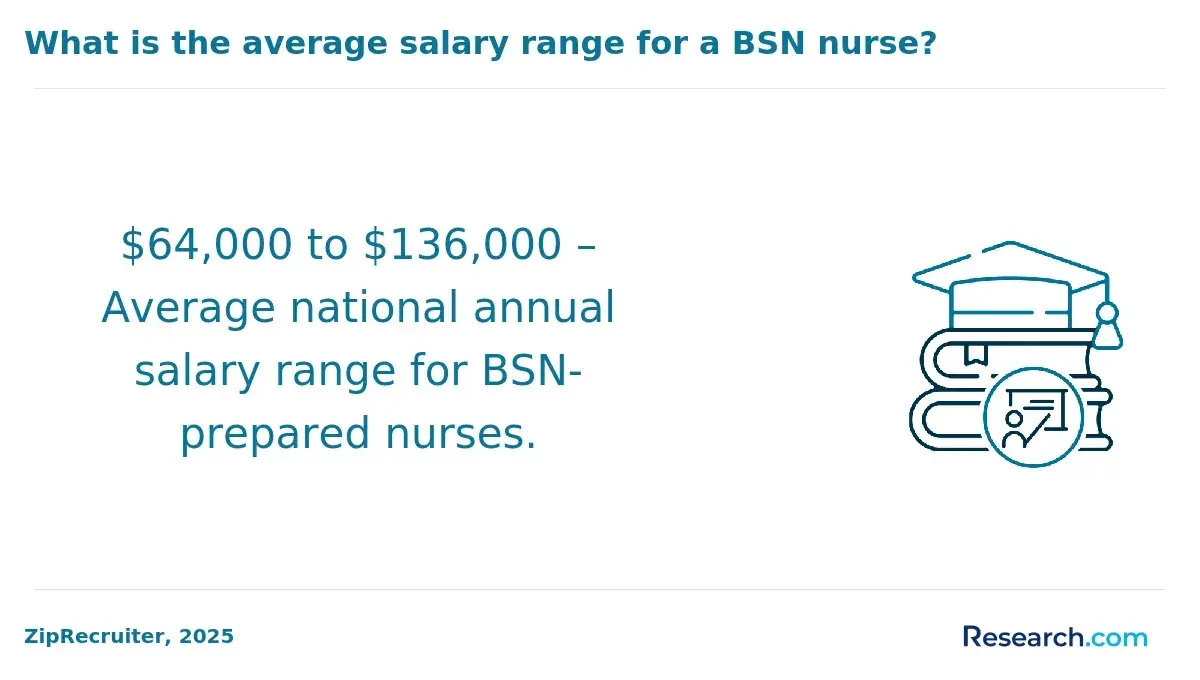
Indeed reports that LPNs in Montana have an average annual salary of $65,341, which is 11% higher than the national average (Indeed, n.d.). Actual pay can differ by region, employer, overtime, shift differentials, experience, and certifications. LPNs who want to move into leadership, medical office operations, or care coordination can also consider programs in nursing or medical administration.
| Work Setting | Common LPN Responsibilities | Good Fit For |
| Long-term care and nursing homes | Resident monitoring, medication support, daily-care assistance, family communication | LPNs who enjoy ongoing patient relationships and geriatric care. |
| Hospitals | Basic bedside care, vitals, documentation, care-team support | LPNs comfortable with faster-paced team environments. |
| Clinics and physician offices | Patient intake, basic procedures, education, follow-up support | LPNs who prefer regular schedules and outpatient care. |
| Home health | Medication management, wound care, condition monitoring, patient teaching | LPNs who can work independently while following care plans. |
| School or community settings | Basic health support, documentation, communication with families and staff | LPNs interested in prevention, education, and community care. |
What Are the Top Employers for LPNs in Montana?
Montana LPNs may find openings with hospitals, long-term care providers, rehabilitation centers, home health agencies, outpatient clinics, public health departments, and school-based health services. The right employer depends on your preferred pace, schedule, patient population, and long-term career goal.
Employers often value LPNs who can document accurately, communicate well with care teams, adapt to technology, and maintain current clinical competencies. Some LPNs broaden their profile by adding adjacent healthcare skills, including training options connected to the best medical assistant programs in Montana. To find strong opportunities, monitor employer career pages, state job portals, local hospital networks, and long-term care organizations.
How Can LPNs in Montana Advance Their Careers?
LPN career growth usually comes from one of three moves: earning a higher nursing credential, building a specialty skill, or shifting toward administrative or educational work. The best path depends on whether you want more clinical responsibility, better schedule options, leadership duties, or long-term advancement into RN, BSN, or advanced practice roles.
- Enroll in an LPN-to-RN bridge program. This is one of the most direct ways to expand scope of practice and qualify for RN roles. Bridge programs build on practical nursing experience and prepare graduates for the NCLEX-RN.
- Add a specialty certification. Certifications in areas such as IV therapy, wound care, geriatric care, pharmacology, or emergency response can make an LPN more useful in specific care settings.
- Move toward administrative work. LPNs with strong organization and communication skills may pursue medical office management, care coordination, case management support, or healthcare operations roles.
- Use continuing education strategically. Continuing education should not be treated only as a renewal requirement. Choose courses that match your desired specialty, employer needs, or next degree pathway.
- Support nursing education. Experienced LPNs may assist in skills labs, mentor newer nurses, or help train healthcare staff, depending on employer and program requirements.
Why Consider an MA-to-LPN Bridge Program?
Medical assistants who want more clinical responsibility may consider an MA-to-LPN bridge program. These programs can help students build on existing healthcare experience while preparing for practical nursing licensure.
- Time efficiency. Bridge formats may reduce repeated coursework when prior healthcare training is accepted.
- Cost control. Receiving credit for relevant prior learning may reduce the total number of courses needed.
- Expanded career options. An LPN license can open opportunities in hospitals, clinics, nursing homes, and home health while also creating a foundation for RN study.
If this pathway fits your background, compare options through an MA to LPN Bridge Program Online guide before choosing a school.
What Are the Career Opportunities for LPNs Transitioning to RNs in Montana?
LPNs who become RNs can pursue a broader nursing scope, more complex patient-care duties, and additional career paths. The transition usually begins with an LPN-to-RN bridge program that recognizes previous practical nursing education while adding RN-level coursework and clinical experience.
Working LPNs should compare bridge programs carefully. Important factors include schedule flexibility, clinical site access, transfer-credit policies, NCLEX-RN preparation, tuition, and whether courses are available in evening, hybrid, or online formats. Clinical rotations remain essential because RN practice requires expanded assessment, care planning, and clinical judgment.
After completing an eligible program, graduates must pass the NCLEX-RN to become licensed as registered nurses. For a more detailed pathway, review Research.com’s guide on how to become a registered nurse in Montana.
How Can LPNs Transition to a BSN Degree?
A Bachelor of Science in Nursing can help LPNs move toward RN practice, leadership roles, specialized care, and future graduate study. LPN-to-BSN pathways generally combine previous practical nursing experience with advanced nursing theory, clinical practice, leadership concepts, population health, and evidence-based care. Students who need flexibility while working can start by comparing LPN to BSN online options.
| Pathway | Best For | Key Question to Ask |
| LPN-to-RN | LPNs who want the fastest practical move into registered nursing. | Does the program prepare graduates for NCLEX-RN eligibility? |
| LPN-to-BSN | LPNs who want a bachelor’s credential and stronger long-term advancement options. | How are clinicals arranged for working students? |
| BSN-to-graduate nursing | Nurses planning for advanced practice, education, or leadership. | What GPA, licensure, and experience requirements apply? |
How Can LPNs Navigate Regulatory and Legal Requirements in Montana?
Montana LPNs must understand the rules that govern licensure, renewal, documentation, delegation, scope of practice, and professional conduct. Staying compliant protects patients and helps nurses avoid preventable licensing problems. Requirements can change, so LPNs should rely on the Montana Board of Nursing and current state guidance rather than informal advice. For a focused overview, see Montana nursing license requirements.
Can Additional Certifications Boost My LPN Career in Montana?
Additional certifications can strengthen an LPN’s career when they match employer needs and patient-care settings. Useful areas may include wound care, pharmacology, IV therapy, geriatric care, emergency response, and medication-related training. Certifications do not replace licensure, but they can show focused competence and support advancement into specialized practical nursing roles. For licensure-focused guidance, review how to become a certified LPN in Montana.
How Can Emerging Technologies Enhance LPN Roles in Montana?
Telehealth, electronic health records, remote monitoring, and digital communication tools are becoming more common in healthcare. Montana LPNs who are comfortable with these systems can document more accurately, communicate more efficiently with care teams, and support patients in both clinic and remote-care environments. Technology skills may also help nurses prepare for future education and advanced clinical pathways, including the steps outlined in how to become a nurse practitioner in Montana.
How Can LPNs Thrive in Both Rural and Urban Settings in Montana?
Rural and urban LPN roles can look different. Urban settings may offer larger care teams, more specialized departments, and structured professional development. Rural settings may require broader hands-on adaptability, close community relationships, and comfort working with limited onsite resources. LPNs who want flexibility should build strong fundamentals, maintain current licensure, learn digital documentation systems, and network with regional employers. Students comparing long-term nursing pathways can also review the best nursing schools in Montana.
| Setting | Advantages | Challenges to Consider |
| Rural healthcare | Broader patient exposure, close community relationships, high versatility | Travel, limited specialty resources, smaller teams |
| Urban healthcare | More specialized departments, larger employers, structured training options | Higher competition for preferred roles, busier care environments |
How Can LPNs Transition Into Nurse Midwife Roles in Montana?
LPNs who want to become nurse midwives need a multi-stage education plan. The usual progression is to become an RN, earn a bachelor’s degree in nursing, complete an accredited graduate-level midwifery program, and meet certification and state practice requirements. This pathway requires significant academic and clinical preparation in maternal, reproductive, and newborn care. For more detail, see nurse midwife education requirements in Montana.
How Do I Evaluate Online LPN Programs in Montana?
The best online LPN program is the one that is approved for your licensure goal, fits your schedule, and provides strong clinical preparation. Do not choose a program based only on convenience. Practical nursing is regulated, and clinical readiness matters as much as online flexibility.
- Verify accreditation and approval. Confirm that the school and nursing program meet the requirements needed for Montana LPN licensure.
- Ask exactly where clinicals happen. Find out whether you must travel to campus, local facilities, or assigned clinical sites.
- Review NCLEX-PN support. Ask about exam preparation, practice testing, tutoring, and faculty advising.
- Compare total cost, not just tuition. Include fees, supplies, background checks, immunizations, transportation, and licensure costs.
- Check schedule realism. Make sure online classes, labs, clinical shifts, and work obligations can fit together.
- Evaluate student support. Look for advising, tutoring, technology support, clinical placement coordination, and career services.
For broader nursing options beyond practical nursing, compare the best online nursing programs in Montana.
| Question to Ask a School | Why It Matters |
| Is the practical nursing program approved for Montana LPN licensure? | This determines whether the program can support your licensing goal. |
| Which parts are online, and which are in person? | Hybrid formats vary widely by school. |
| Who arranges clinical placements? | Students may face delays if clinical placement support is weak. |
| What is the total estimated program cost? | Tuition alone does not show the full financial commitment. |
| What happens if I fail or need to repeat a course? | Progression policies can affect graduation time and cost. |
What Are the Post-Graduation Opportunities for LPNs in Montana?
After completing an LPN program and earning licensure, graduates can enter practical nursing roles or continue their education. Some LPNs build experience in long-term care, clinics, hospitals, or home health before pursuing RN programs. Others explore specialty credentials, management-oriented roles, or future advanced practice pathways. If your long-term goal is advanced nursing practice, researching the best nurse practitioner programs in Montana can help you understand the additional education required.
What Are the Benefits of Choosing an Accelerated LPN Program in Montana?
Accelerated LPN programs can be useful for students who are academically prepared, financially ready, and able to manage a demanding schedule. These programs compress coursework and clinical training into a shorter period, which can help students enter the workforce sooner. They are not the right fit for everyone, especially students who need a lighter course load or substantial work hours during school.
- Faster route to licensure preparation. Accelerated programs typically last between 9 to 12 months, compared with longer traditional formats.
- Earlier workforce entry. Finishing sooner may allow graduates to begin earning sooner, assuming they pass the NCLEX-PN and complete licensure requirements.
- Focused curriculum. Condensed programs can keep students immersed in nursing content and clinical skill development.
- Strong fit for motivated students. Students with good study habits, reliable transportation, and strong time management may benefit from the faster pace.
- Some flexible online components. Some accelerated LPN programs include online coursework, though clinical hours still require in-person participation.
| Accelerated LPN Program Pros | Accelerated LPN Program Cons |
| Shorter time in school | Less schedule flexibility during the program |
| Potential to enter the workforce sooner | Heavy weekly workload |
| Focused nursing preparation | May be difficult for students working full time |
| Can reduce time away from career goals | Repeating a course may delay graduation significantly |
How Can LPNs Pursue Nurse Practitioner Roles in Montana?
An LPN cannot move directly into nurse practitioner practice without completing several additional education and licensure steps. The typical pathway is LPN to RN, RN to BSN, and then graduate nursing education focused on an advanced practice specialty. Each stage has admissions requirements, clinical expectations, and licensing milestones. LPNs who want this long-term path should compare bridge programs early and review online nurse practitioner programs to understand future graduate-level options.
Can LPNs Expand Their Healthcare Impact by Incorporating Nutrition Expertise?
Nutrition knowledge can help LPNs support patient education, chronic disease management, recovery, and wellness conversations within their scope of practice. Short courses or certifications in nutrition may be especially useful for LPNs working with older adults, patients with chronic conditions, or community health populations. LPNs considering a separate credentialed nutrition pathway can review how to become a nutritionist in Montana.
Common Mistakes to Avoid When Choosing an Online LPN Program
| Mistake | Better Approach |
| Assuming “online” means no campus or clinical attendance | Ask for a written breakdown of online classes, labs, simulations, and clinical requirements. |
| Choosing only by lowest tuition | Compare total cost, including supplies, testing, travel, fees, and licensure expenses. |
| Ignoring accreditation or state approval | Confirm that the program supports Montana LPN licensure before applying. |
| Not checking clinical placement logistics | Ask who secures clinical sites and how far students may need to travel. |
| Assuming salary outcomes are guaranteed | Use salary figures as context, not promises; pay varies by employer, shift, location, and experience. |
| Waiting until graduation to understand licensure | Review Montana Board of Nursing requirements before enrollment. |
Best Online LPN Programs in Montana: Final Decision Guide
Montana offers practical nursing pathways for students who want an entry-level nursing role with room to grow. The strongest choice is not always the cheapest or fastest program. Instead, prioritize approval for licensure, clinical quality, realistic scheduling, NCLEX-PN preparation, and total affordability.
If you plan to stop at LPN practice, choose a program with strong clinical preparation and employer connections. If you want to become an RN, BSN-prepared nurse, nurse practitioner, or nurse midwife later, choose a program that gives you a clean academic foundation and clear transfer or bridge options. Montana students interested in graduate nursing can also explore best online MSN programs and doctorate nursing programs when planning long-term advancement.
Key Insights
- Online LPN study in Montana is usually hybrid. Coursework may be online, but labs and clinicals require in-person participation.
- Licensure should drive your school choice. Before enrolling, confirm program approval, clinical requirements, NCLEX-PN preparation, and Montana Board of Nursing expectations.
- Costs vary widely. Some schools may quote a figure that ranges from $3,000-$15,000, and students should also budget for supplies, clinical compliance, testing, travel, and licensure.
- Program length depends on format. Most programs take one to two years, while accelerated options may take 9 months to 12 months.
- Montana offers several employment settings. LPNs can work in hospitals, nursing homes, clinics, home health, school clinics, and community-based care.
- Career growth is realistic with planning. LPNs can pursue RN bridge programs, BSN pathways, specialty certifications, healthcare administration, nurse practitioner preparation, or nurse midwifery over time.
- Do not rely on rankings alone. The best program is the one that matches your licensure goal, budget, clinical access, learning style, and long-term nursing plan.
Related Articles for Nearby States
- 2027 Best LPN Programs in Idaho – Accredited Online LPN Programs
- 2027 Best LPN Programs in Wyoming – Accredited Online LPN Programs
- 2027 Best LPN Programs in North Dakota – Accredited Online LPN Programs
- 2027 Best LPN Programs in South Dakota – Accredited Online LPN Programs
- 2027 Best LPN Programs in Washington – Accredited Online LPN Programs
- 2027 Best LPN Programs in Oregon – Accredited Online LPN Programs
- 2027 Best LPN Programs in Utah – Accredited Online LPN Programs
- 2027 Best LPN Programs in Nebraska – Accredited Online LPN Programs
- 2027 Best LPN Programs in Minnesota – Accredited Online LPN Programs
- 2027 Best LPN Programs in Colorado – Accredited Online LPN Programs
References:
- Hanson M. (n.d.). Average Cost of College & Tuition. Retrieved from: https://educationdata.org/average-cost-of-college
- Indeed. (n.d.). Salary of Licensed Practical Nurses in Montana. Retrieved from: https://www.indeed.com/career/licensed-practical-nurse/salaries/MT
- Montana Board of Nursing. (n.d.). Checklist for License by Credentialing. Retrieved from: https://boards.bsd.dli.mt.gov/_docs/nur/lpn-app-checklist.pdf
- Projections Central. (n.d.). Short-Term Occupational Projections. Retrieved from: https://projectionscentral.org/Projections/ShortTerm?AreaName=&AreaNameSelect%5B%5D=30&Name=&NameSelect%5B%5D=489&items_per_page=10
- Salary.com. (n.d.). Cost of Living in Helena, Montana. Retrieved from: https://www.salary.com/research/cost-of-living/helena-mt
- Trautman E. (n.d.). Nursing Survey. Retrieved from: https://lmi.mt.gov/_docs/2023_NursingSurvey.pdf
Other Things You Should Know About LPN Programs in Montana
Yes, scholarships are available for online LPN programs in Montana. Various institutions offer financial aid to qualifying students, including merit-based and need-based scholarships. Contact individual schools in 2027 for specific eligibility criteria and application deadlines to access these opportunities.
Completing an LPN program in Montana typically takes about 12 to 18 months, depending on whether you enroll full-time or part-time. These programs are designed to equip students with the necessary practical and theoretical skills required for licensure and entry into the nursing workforce.
To enroll in an online LPN program in Montana in 2027, students typically need a high school diploma or GED, completion of prerequisite courses in subjects like biology and chemistry, and sometimes CPR certification. Individual programs may have additional specific requirements.
The Montana Board of Nursing approves practical nursing programs in the state. Programs must meet board standards for curriculum, clinical hours, and faculty qualifications before graduates can qualify for the NCLEX-PN and apply for licensure in Montana.
In 2027, LPNs in Montana can explore a variety of career paths. They may work in hospitals, nursing homes, or clinics providing essential patient care. Opportunities also exist in home healthcare, rehabilitation centers, and hospice care. With further education, LPNs can transition into roles such as nurse educators or administrators, expanding their career prospects even further.
LPNs in Montana are required to renew their licenses every two years. To renew, they must complete continuing education hours as mandated by the Montana Board of Nursing, which ensures that nurses stay current with industry standards and practices.