2027 Fastest Online LVN Programs

Co-Founder and Chief Data Scientist
The U.S. healthcare system has about 54,000 LVN openings to fill every year, creating a tremendous opportunity for those ready to step in. For ambitious planners and pragmatic career-changers, the fastest online LVN programs represent a direct and powerful answer to this urgent demand.
But making a smart career move takes more than a list of schools; it requires a clear, strategic blueprint. This guide is built on over a decade of career planning expertise to give you that exact advantage. Think of it as the trusted advice you need to choose the right path with confidence.
What are the benefits of getting a fast online LVN program?
- Secure a professional role providing essential patient care in high-demand settings like hospitals, physician offices, and residential care facilities.
- Start earning a competitive professional salary, with a national median pay of approximately $62,340 per year.
- Gain the flexibility to balance your studies with your life by completing coursework online while still receiving essential hands-on clinical training.
What can I expect from a fast online LVN program?
You should expect a hybrid program that combines online coursework with mandatory, in-person clinical training. While you get the flexibility of learning theory online, the essential hands-on skills are built at a real healthcare facility. That part is non-negotiable and ensures you are fully prepared for the job.
It is also critical to understand that "fast" means intense. These programs compress a lot of learning into a shorter timeframe, which demands significant focus and discipline. Quality is never sacrificed; it's guaranteed by proper accreditation. You are simply on an accelerated path, so be prepared for a challenging but rewarding pace.
Where can I work with a fast online LVN program?
Your LVN license opens doors to a variety of healthcare settings, well beyond the common assumption of just nursing homes. Here are the primary places you can build your career:
- Nursing and Residential Care Facilities: As the largest employer (35% of LVNs), you'll provide essential long-term and rehabilitative care to residents.
- Hospitals: In this fast-paced environment (16% of LVNs), you will deliver direct patient care in state, local, or private hospital systems.
- Home Healthcare Services: This growing field (12% of LVNs) allows you to provide personalized care to patients in their own homes, offering a more autonomous role.
- Physician's Offices and Clinics: Also employing 12% of LVNs, these roles often involve more regular business hours while you assist with patient check-ups and treatments.
How much can I make with a fast online LVN program?
You can expect to earn a highly competitive professional wage. The national median salary for LVNs is approximately $62,340 a year. This figure places the role well above the median for all occupations in the country, which sits around $49,500.
Of course, your specific salary will depend on several key factors. Your location, the type of healthcare facility you work in—for instance, government roles often pay more—and your level of experience will all influence your earning potential. It's a field with significant financial rewards and clear pathways for growth.
Fastest Online LVN Programs for 2027: What to Know Before You Enroll
Choosing a fast online LVN program is not just about finding the shortest timeline. It is about finding a state-approved, properly accredited practical nursing pathway that fits your schedule, prepares you for the NCLEX-PN, and gives you enough in-person clinical training to work safely with patients. Most “online” LVN or LPN programs are actually hybrid programs: theory courses may be delivered online, but labs, simulations, and clinical rotations must be completed in person.
This guide is designed for students who want a quicker entry into nursing without committing to a four-year degree right away. You will learn how fast LVN programs work, how long they take, what they cost, how online and campus formats compare, what admissions requirements to expect, and how to choose a program that supports licensure and future nursing advancement.
Quick Answer: What Is the Fastest Way to Become an LVN Online?
The fastest online LVN programs usually take about 7 to 12 months for students who meet admission requirements and can attend required labs and clinical rotations. However, the full path to licensure can take longer once prerequisites, background checks, clinical scheduling, graduation processing, and NCLEX-PN preparation are included. A fast program is only a good choice if it is approved for your state, includes supervised clinical experience, and makes you eligible to take the NCLEX-PN.
| Decision Point | What to Look For | Why It Matters |
| Program format | Hybrid online coursework with in-person labs and clinicals | LVN training cannot be completed fully online because patient-care skills require supervised practice. |
| Licensure eligibility | State board approval and NCLEX-PN preparation | Graduation alone is not enough; you need eligibility to sit for the licensing exam. |
| Accreditation | Institutional and, when available, nursing program accreditation | Accreditation can affect financial aid, transfer options, employer recognition, and future bridge programs. |
| Total cost | Tuition, fees, uniforms, supplies, background checks, exams, and transportation | The lowest tuition is not always the lowest total cost. |
| Clinical placement | Clear information on where and how clinical rotations are arranged | Clinical access can determine whether you finish on time. |
How We Rank the Programs
Because LVN students often compare programs based on speed, cost, and licensure value, rankings should be based on transparent and verifiable information rather than marketing claims. Research.com uses education data sources such as the IPEDS database, Peterson's database, the College Scorecard database, and National Center for Education Statistics resources to evaluate schools and programs.
These sources help support comparisons related to institutional data, costs, program characteristics, and student decision factors. You can review Research.com's ranking process on the methodology page.
List of the Fastest Online LVN Programs for 2027
The programs below are practical nursing or vocational nursing pathways with accelerated, blended, online-supported, or fast-track features. Before applying, confirm with the school and your state board of nursing that the program meets your licensure requirements in the state where you plan to work.
| Rank | School | Program Length | Credits | Published Cost Information | Accreditation Listed |
| 1 | University of Wisconsin-Oshkosh | 1 year after prerequisite coursework | Varies; comprises Year Two coursework | $8,530 in-state; $16,444 out-of-state approximate annual tuition | Accreditation Commission for Education in Nursing (ACEN) |
| 2 | Rasmussen University-Minnesota | 1 year; as few as 12 months | 56 quarter credits | $359.00 per quarter credit; $25,339.00 total tuition plus $5,235 in other fees | Higher Learning Commission (HLC) |
| 3 | North Central Texas College | 1 year; 12 months | Not explicitly provided in available information | $57.00 in-district cost per credit; $12,758.99 total tuition in-district; $17,168.99 total tuition out-of-district | Southern Association of Colleges and Schools Commission on Colleges (SACSCOC) |
| 4 | Blinn College | 1 year; 10-12 months | 39 | $123.00 in-district cost per credit; $279.00 out-of-district cost per credit; $4,797.00 in-district total tuition; $10,881.00 out-of-district total tuition | Southern Association of Colleges and Schools Commission on Colleges (SACSCOC) |
| 5 | Delta College | 1 year; three semesters: Fall, Winter, Spring/Summer | 44 | $136.00 in-district cost per credit; $240.00 out-of-district cost per credit; $5,984.00 in-district total tuition; $10,560.00 out-of-district total tuition | Accreditation Commission for Education in Nursing (ACEN); Higher Learning Commission (HLC) |
| 6 | Gateway Community College | 7-9 months | 22 | $97.00 per credit for Arizona residents; $4,057.00 total tuition for Arizona residents | Higher Learning Commission (HLC) |
| 7 | Lake Area Technical College | 11-18 months | 45.5 | $124.00 per credit; $8,110.00 total tuition | Higher Learning Commission (HLC) |
| 8 | Florida Gateway College | 1 year; 12-month certificate | 45 | $84.89 in-state cost per credit; $7,318.55 in-state total tuition | Southern Association of Colleges and Schools Commission on Colleges (SACSCOC) |
| 9 | Central Community College | 1 year | 35 | $15,862.00 in-state total tuition; $17,302.00 out-of-state total tuition | Higher Learning Commission (HLC) |
| 10 | West Virginia Junior College | 1 year; 12 months | Not explicitly provided in available information | $27,952.00 total tuition | Accrediting Bureau of Health Education Schools (ABHES) |
1. University of Wisconsin-Oshkosh
The Technical Diploma in Practical Nursing at the University of Wisconsin-Oshkosh is part of a 1+2+1 nursing pathway that allows students to pursue LPN licensure after two years and then continue toward ADN and BSN credentials. This option may appeal to students who want early nursing licensure while keeping a structured path open for future registered nursing education.
- Program Length: 1 year after prerequisite coursework
- Required Credits to Graduate: Varies; comprises Year Two coursework
- Approximate Annual Tuition: $8,530 in-state; $16,444 out-of-state
- Accreditation: Accreditation Commission for Education in Nursing (ACEN)
2. Rasmussen University-Minnesota
The Rasmussen University-Minnesota Practical Nursing Diploma is designed for students who want a direct route to LPN preparation with no prerequisite coursework and frequent start dates. The program combines online learning, campus-based instruction, and clinical experiences to prepare graduates for the NCLEX-PN® exam in as few as 12 months.
- Program Length: 1 year; as few as 12 months
- Required Quarter Credits to Graduate: 56
- Cost per Quarter Credit: $359.00
- Total Tuition: $25,339.00 plus $5,235 in other fees
- Accreditation: Higher Learning Commission (HLC)
3. North Central Texas College
The Vocational Nursing Certificate at North Central Texas College is an approved LVN program with flexible hybrid options connected to multiple campus locations. It is intended for students preparing for entry-level vocational nursing practice in Texas and emphasizes direct patient care, technical nursing skills, and clinical judgment for NCLEX-PN eligibility.
- Program Length: 1 year; 12 months
- Required Credits to Graduate: Not explicitly provided in available information
- Cost per Credit: $57.00 in-district; $12,758.99 total tuition in-district; $17,168.99 total tuition out-of-district
- Accreditation: Southern Association of Colleges and Schools Commission on Colleges (SACSCOC)
4. Blinn College
Blinn College offers a Vocational Nursing program with traditional and blended/online formats. Because no prerequisite courses are required for entry, it may be a practical option for students who meet admissions standards and want a competitive, structured route into LVN training through classroom, lab, and clinical learning.
- Program Length: 1 year; 10-12 months
- Required Credits to Graduate: 39
- Cost per Credit: $123.00 in-district; $279.00 out-of-district
- Total Tuition: $4,797.00 in-district; $10,881.00 out-of-district
- Accreditation: Southern Association of Colleges and Schools Commission on Colleges (SACSCOC)
5. Delta College
The Practical Nurse Advanced Certificate at Delta College is a full-time, three-semester program for students prepared for a demanding academic and clinical schedule. The curriculum is built to prepare graduates to provide practical nursing care under the direction of an RN or physician.
- Program Length: 1 year; three semesters: Fall, Winter, Spring/Summer
- Required Credits to Graduate: 44
- Cost per Credit: $136.00 in-district; $240.00 out-of-district
- Total Tuition: $5,984.00 in-district; $10,560.00 out-of-district
- Accreditation: Accreditation Commission for Education in Nursing (ACEN); Higher Learning Commission (HLC)
6. Gateway Community College
The Fast Track Practical Nursing Certificate of Completion at Gateway Community College is a 7-9 month option for Arizona residents. Its compressed timeline may work best for students who can commit to an intensive schedule and complete required in-person training in Arizona.
- Program Length: 7-9 months
- Required Credits to Graduate: 22
- Cost per Credit: $97.00 for Arizona residents
- Total Tuition: $4,057.00 for Arizona residents
- Accreditation: Higher Learning Commission (HLC)
7. Lake Area Technical College
The Licensed Practical Nursing program at Lake Area Technical College prepares students for practical nursing practice and also offers a route to continue into the college’s on-campus Registered Nursing program. This can be useful for students who want to start as an LPN but already expect to continue toward RN preparation later.
- Program Length: 11-18 months
- Required Credits to Graduate: 45.5
- Cost per Credit: $124.00
- Total Tuition: $8,110.00
- Accreditation: Higher Learning Commission (HLC)
8. Florida Gateway College
The Practical Nursing certificate at Florida Gateway College is a 12-month option that prepares students for practical nursing roles in healthcare settings. The program highlights NCLEX-PN first-time pass rates above state and national averages and focuses on essential procedures, medication administration, and safe patient care.
- Program Length: 1 year; 12-month certificate
- Required Credits to Graduate: 45
- Cost per Credit: $84.89 in-state
- Total Tuition: $7,318.55 in-state
- Accreditation: Southern Association of Colleges and Schools Commission on Colleges (SACSCOC)
9. Central Community College
The Practical Nursing Diploma at Central Community College is available through the Columbus, Grand Island, and Kearney campuses. The program expects a solid science foundation and prepares graduates to assist with patient care under the supervision of an RN or another healthcare provider.
- Program Length: 1 year
- Required Credits to Graduate: 35
- Total Tuition: $15,862.00 in-state; $17,302.00 out-of-state
- Accreditation: Higher Learning Commission (HLC)
10. West Virginia Junior College
The Practical Nursing Online/Hybrid program at West Virginia Junior College combines online coursework with hands-on lab and clinical experiences. It may be a fit for students in West Virginia who need more scheduling flexibility but still want a structured 12-month route to practical nursing preparation.
- Program Length: 1 year; 12 months
- Required Credits to Graduate: Not explicitly provided in available information
- Total Tuition: $27,952.00
- Accreditation: Accrediting Bureau of Health Education Schools (ABHES)
How Long Does It Take to Complete a Fast Online LVN Program?
Many accelerated LVN programs take about 12 to 15 months, but the program calendar is only one part of the timeline. Students may also need time for prerequisites, entrance testing, immunizations, background checks, clinical clearance, NCLEX-PN preparation, and state licensing paperwork. For many students, the complete path from preparation to licensure is closer to 18 to 24 months.
If your long-term goal is registered nursing, treat the LVN program as the first stage of a larger plan. After gaining practical nursing experience, many graduates compare LPN to RN online pathways to move into a broader scope of practice.
An LVN Program Can Be a Starting Point, Not a Career Limit
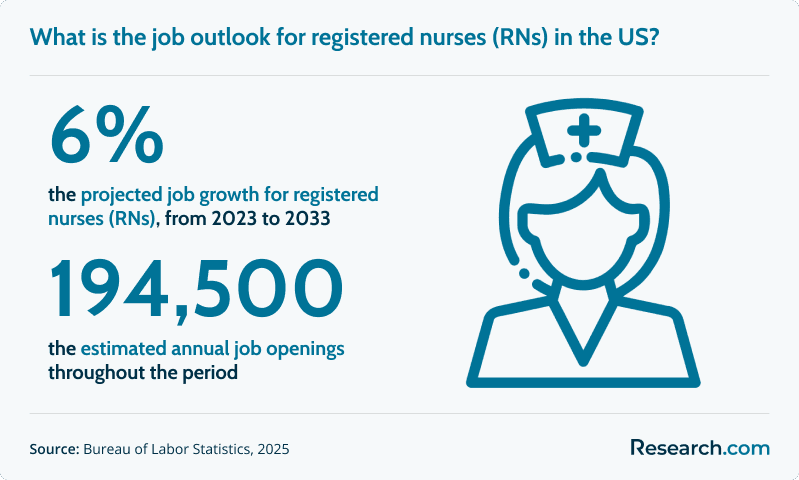
Starting as an LVN can be a deliberate career strategy. Data shows that 16% of all Registered Nurses working today began their careers as an LPN. That does not mean every LVN must become an RN, but it does show that practical nursing can provide real clinical experience, income, and a foundation for advancement.
How Does a Fast Online LVN Program Compare to an On-Campus Program?
The most important difference between an online LVN program and a campus program is delivery format, not the basic licensure goal. In both cases, students must learn nursing theory, complete hands-on skills training, finish clinical rotations, and meet state requirements for NCLEX-PN eligibility.
| Factor | Fast Online or Hybrid LVN Program | On-Campus LVN Program |
| Course delivery | Many theory courses may be online, with scheduled campus labs and clinical rotations. | Most lectures, labs, and student support services occur on campus. |
| Clinical training | Clinical hours are completed in person at approved healthcare sites. | Clinical hours are also completed in person at approved healthcare sites. |
| Schedule flexibility | Often better for working adults or caregivers, but clinical days may still be fixed. | May be easier for students who prefer set class times and direct instructor access. |
| Self-discipline required | High; students must manage online lectures, assignments, skills practice, and exam preparation. | Still high, but the structure of campus attendance may help some students stay on track. |
| Best fit | Students who are organized, comfortable with online learning, and able to travel for labs and clinicals. | Students who want face-to-face instruction, campus routines, and regular in-person peer interaction. |
What Matters More Than Online vs. Campus
Before choosing either format, confirm that the program is approved for practical nursing preparation in your state, provides enough supervised clinical experience, and has clear NCLEX-PN preparation. Employers generally focus on whether you hold a valid LVN or LPN license, can work safely, and can perform required patient-care duties.
Preparing for the Demands of Practical Nursing
LVN work is hands-on and physically and emotionally demanding. Data shows that 80% of LPNs face daily exposure to infections, and 41% have seen their workload increase. A strong program should prepare you not only to pass exams but also to manage infection control, documentation, patient communication, changing workloads, and the realities of team-based care.
What Is the Average Cost of a Fast Online LVN Program?
LVN program costs vary widely. A typical investment may fall between $10,000 and $30,000 depending on whether the school is public or private, whether you qualify for in-district or in-state tuition, and how many additional fees are charged. When comparing programs, do not rely only on the advertised tuition figure.
Ask each school for a full cost sheet that includes tuition, program fees, textbooks, uniforms, shoes, supplies, simulation or lab fees, background checks, drug screening, immunizations, testing fees, NCLEX-related costs, and transportation to clinical sites. Students trying to limit debt should compare most affordable online LVN programs while still prioritizing state approval and licensure eligibility.
| Cost Category | Why Students Often Miss It | Question to Ask |
| Program fees | They may be listed separately from tuition. | Are all nursing, lab, technology, and testing fees included in the published estimate? |
| Clinical expenses | Transportation, parking, and required documentation can add up. | Where are clinical sites located, and will I need to travel outside my area? |
| Supplies and uniforms | Nursing programs often require specific items. | What equipment, uniforms, shoes, and supplies must I buy before clinicals? |
| Licensing and exam costs | These may occur after graduation rather than during enrollment. | Which NCLEX-PN, fingerprinting, application, or state licensing costs should I budget for? |
| Repeat or remediation costs | Fast programs leave little room for failed courses. | What happens financially if I need to repeat a course or delay clinical placement? |
How to Think About ROI
The median annual pay for LVNs is $62,340, compared with around $49,500 for the median for all occupations. That income difference can make LVN training financially worthwhile for many students, but ROI is not automatic. Your return depends on your tuition, debt, graduation timeline, licensing success, local wages, work setting, and whether you later pursue an RN bridge program.
What Financial Aid Options Are Available for Fast Online LVN Students?
Shorter vocational nursing programs may still qualify for financial aid, but eligibility depends on the school, program structure, accreditation, and federal aid participation. Always verify aid eligibility directly with the financial aid office before enrolling.
- File the FAFSA first. The Free Application for Federal Student Aid is used to determine eligibility for federal grants, federal student loans, and work-study opportunities when the program qualifies.
- Search for nursing scholarships. Professional associations, hospitals, community foundations, and local healthcare organizations may offer awards for practical nursing students.
- Ask about payment plans. Some schools allow students to divide tuition into scheduled payments, which may reduce the need for private borrowing.
- Consider employer tuition assistance. If you already work in healthcare, ask your human resources department whether tuition reimbursement or advancement funding is available.
- Use private loans cautiously. Private loans can help cover gaps, but compare interest rates, repayment terms, fees, and whether payments begin while you are still in school.
What Are the Prerequisites for Enrolling in a Fast Online LVN Program?
Admission requirements vary by school and state, but fast LVN programs often expect applicants to prove academic readiness, meet health and safety requirements, and complete clinical clearance steps before beginning patient-care training.
- High school diploma or GED: Most accredited practical nursing programs require proof of secondary education or an equivalent credential.
- Entrance exam: Many schools use an assessment such as the Test of Essential Academic Skills to evaluate readiness for nursing coursework.
- Prerequisite courses: Some programs require Anatomy & Physiology, basic math, English composition, or related college-level coursework before admission.
- Background check and health screening: Students commonly need a criminal background check, immunization records, drug screening, CPR certification, and other clinical-site clearances.
- State residency or service-area rules: Some fast-track options are limited to residents of a specific state or require students to complete labs and clinicals in a defined region.
Applicants with healthcare experience may also want to compare bridge options, including a medical assistant to LPN bridge program, if they want a pathway that recognizes prior patient-care exposure.
What Courses Are Typically Included in a Fast Online LVN Program?
Fast LVN programs compress a large amount of practical nursing content into a short period. Students study patient assessment, safety, medication administration, common health conditions, communication, documentation, and clinical decision-making. Although course titles differ by school, the core subjects are usually similar.
| Course Area | What You Learn | Why It Matters in LVN Practice |
| Anatomy and Physiology | Human body systems, structure, and function | Helps you understand symptoms, disease processes, and patient responses to care. |
| Pharmacology | Medication classes, administration, side effects, and safety checks | Medication support is a major practical nursing responsibility in many settings. |
| Fundamentals of Nursing | Vital signs, infection control, hygiene, mobility, assessment basics, and safe care routines | Builds the hands-on skills used every shift. |
| Medical-Surgical Nursing | Care for adults with common medical and surgical conditions | Prepares students for work in hospitals, long-term care, rehabilitation, and related environments. |
| Clinical Practice | Supervised patient care in approved healthcare settings | Connects classroom knowledge to real patient-care responsibilities. |
The LVN curriculum aligns with common employment settings. LVNs are needed in nursing facilities at 35%, hospitals at 16%, home healthcare at 12%, and physician offices at 12%. Courses such as pharmacology, fundamentals, and medical-surgical nursing help prepare students for those environments.
What Types of Specializations Are Available After a Fast Online LVN Program?
LVN programs generally prepare students as practical nursing generalists rather than formal specialists. After licensure, however, LVNs can build focused expertise through work experience, employer training, continuing education, and facility-specific competencies.
- Gerontology: Care for older adults in long-term care, rehabilitation, assisted living, and related settings.
- Pediatrics: Support for infants, children, and adolescents in clinics, schools, pediatric offices, or home-care environments.
- Wound care: Skill development in dressing changes, wound monitoring, documentation, and prevention practices.
- Pharmacology and IV therapy: Expanded medication-related experience, including intravenous therapy where state rules and employer policies allow it.
How Work Setting Can Affect Earnings
Specialization is often shaped by where you work. Certain sectors may pay more for LVN experience and reliability. For example, the median salary for LVNs working in government positions is around $66,370, while LVNs in nursing and residential care facilities earn a median of $64,170. Students who care about income should compare local wage patterns by setting, not just broad national figures.
How to Choose the Fastest Online LVN Program
A short timeline can be attractive, but speed should never outweigh licensure eligibility, clinical quality, and student support. Use the checklist below before committing to a program.
- Confirm state approval. Make sure the program meets practical nursing education requirements in the state where you want to become licensed.
- Verify accreditation. Check institutional accreditation and any nursing-specific accreditation listed by the school, such as ACEN when applicable.
- Review NCLEX-PN outcomes. Ask for the program’s first-time NCLEX-PN pass rate and compare it with state expectations when available.
- Clarify clinical placement. Ask whether the school assigns clinical sites, whether you must find your own, and how far you may need to travel.
- Understand the weekly schedule. Fast programs can be difficult to combine with full-time work, childcare, or long commutes.
- Compare total cost. Request a complete estimate that includes fees, supplies, uniforms, books, and post-graduation licensing expenses.
- Ask about progression policies. Find out what happens if you fail a course, miss clinical hours, or need to pause enrollment.
- Evaluate bridge options. If you plan to become an RN, ask whether credits transfer into LPN-to-RN, ADN, or BSN pathways.
| Red Flag | Why It Is Risky | Better Move |
| The program claims to be fully online with no clinicals. | Practical nursing requires hands-on clinical training. | Choose a hybrid program with verified in-person clinical placements. |
| Admissions staff cannot explain licensure eligibility. | You may graduate without meeting state requirements. | Contact the state board of nursing and request written confirmation from the school. |
| The total cost is unclear. | Hidden fees can increase borrowing and reduce ROI. | Ask for an itemized cost of attendance before applying. |
| The program has limited clinical placement information. | Clinical delays can extend your graduation timeline. | Ask where students complete clinical rotations and how placements are assigned. |
| You choose only by ranking or speed. | The fastest option may not be the best fit for your schedule, location, or future goals. | Compare approval, outcomes, support, cost, and clinical access together. |
What Career Paths Are Available After a Fast Online LVN Program?
After passing the NCLEX-PN and earning state licensure, graduates can pursue practical nursing roles in long-term care, hospitals, home healthcare, clinics, rehabilitation settings, physician offices, and related environments. Some LVNs focus on building experience in a preferred care area, while others use the license as a step toward RN education.
For students already thinking ahead, the next move may be a bridge program. Many compare the fastest LPN to RN program options to see whether they can build on LVN training and move toward registered nursing more efficiently.
Geographic and Demographic Opportunities
Location can affect both job options and earnings. The Nurse Licensure Compact (NLC) allows nurses in member states to practice across state lines under compact rules, which can expand employment flexibility for eligible nurses. States like Washington and California offer the highest annual mean wages in the country. The LVN workforce also includes approximately 35% of professionals from diverse racial and ethnic backgrounds, reflecting the range of communities served by practical nurses.
A Workforce Shift New LVNs Should Understand
The median age of an LPN today is 50 years old, which points to a profession with many experienced nurses approaching later career stages. For new graduates, this can create opportunities as employers look for practical nurses who are ready to step into direct-care roles, adapt to changing healthcare needs, and eventually grow into experienced team members themselves.
What Is the Job Market for Fast Online LVN Program Graduates?
The healthcare industry projects about 54,000 openings for LVNs every year for the next decade, driven by a projected shortage of 12%. This demand is one reason accelerated options receive attention from students who want to enter patient care quickly. Some learners also compare broader practical nursing pathways, including a 6 month LPN program online, when evaluating how quickly they can complete training and become license-eligible.
How Can I Transition From LVN Training to an Accelerated BSN Path?
An LVN program can support a longer nursing plan, but the transition to a BSN depends on transfer credits, admissions requirements, prior college coursework, GPA, science prerequisites, and the receiving school’s policies. Students who want to move beyond practical nursing should ask early whether their LVN coursework can apply toward an ADN, LPN-to-RN, RN-to-BSN, or bachelor’s pathway.
Look for schools with articulation agreements, clear prerequisite maps, and advising for working nurses. If you are comparing bachelor’s-level options, resources on the easiest accelerated BSN program can help you understand how admission pathways may differ across institutions.
Common Mistakes to Avoid When Choosing a Fast Online LVN Program
- Assuming “online” means no campus visits. LVN programs require in-person labs, simulations, and clinical rotations.
- Choosing the shortest program without checking licensure rules. A fast timeline is not useful if the program does not qualify you for the NCLEX-PN in your state.
- Comparing tuition but ignoring fees. Nursing supplies, testing, uniforms, health records, and clinical costs can change the real price.
- Not asking about clinical placement. If placements are limited or far away, your schedule and completion date may be affected.
- Overestimating how much you can work during school. Accelerated programs move quickly and may require daytime labs or clinical shifts.
- Ignoring future transfer plans. If you want to become an RN or earn a BSN later, ask how credits transfer before you enroll.
- Relying only on rankings. Rankings can help narrow your list, but your best program depends on state approval, location, cost, schedule, and career goals.
Questions to Ask Before Enrolling
| Question | Why It Matters |
| Is this program approved for LVN or LPN licensure in my state? | State approval affects NCLEX-PN eligibility and licensing. |
| What parts of the program are online, on campus, and in clinical settings? | You need to know whether the format fits your schedule and location. |
| Where are clinical rotations held? | Travel time and placement availability can affect completion. |
| What is the first-time NCLEX-PN pass rate? | Pass rates can indicate how well the program prepares students for licensure testing. |
| What is the full cost of attendance? | Tuition alone does not show the real financial commitment. |
| Can I receive federal financial aid for this program? | Not every short program qualifies for the same aid options. |
| What happens if I fail a course or miss clinical hours? | Progression policies affect both timeline and cost. |
| Do credits transfer into RN or BSN programs? | This matters if your LVN program is part of a long-term nursing plan. |
Here’s What Graduates Say About Fast Online LVN Programs
- : "I needed a practical path into healthcare without putting my life on hold. The online coursework helped me study around my family schedule, but the program still demanded a lot of discipline. Once clinicals started, I could see how each assignment connected to real patient care. After graduation, I had a license path and a career direction that felt realistic. — Sil"
- : "At first, I wondered whether starting as an LVN was too small of a step. It turned out to be the right move. I began earning nursing experience sooner, and now I am planning an RN bridge with support from my employer. For me, the LVN route was not a shortcut. It was the first stage of a larger nursing career. — Fatima"
- : "I was nervous about online learning because I thought I would feel disconnected. Instead, the discussions, group assignments, and instructor feedback kept me accountable. The pace was intense, but it taught me how to manage time and stay prepared, which are skills I use constantly in clinical work. — Charisse"
Can a Fast Online LVN Program Accelerate My Path to Advanced Nursing Degrees?
A fast online LVN program can help you enter nursing sooner, but it does not automatically shorten every future degree. Whether it accelerates your progress depends on transfer policies, bridge agreements, prerequisites, state rules, and the type of nursing degree you pursue next. Students who want to continue should keep syllabi, transcripts, clinical documentation, and licensing records organized from the start.
Some institutions may offer bridge courses or articulation pathways that recognize LVN education and clinical experience. If your long-term plan includes bachelor’s-level nursing education, compare options such as an accelerated BSN online program and confirm whether your LVN background helps you meet admissions or credit requirements.
Key Insights
- The fastest LVN programs are usually hybrid, not fully online. Online coursework may be available, but labs and clinical rotations must be completed in person.
- Speed should not be your only priority. State approval, accreditation, clinical placement, NCLEX-PN preparation, and total cost matter more than a short advertised timeline.
- The full licensure path can take longer than the program length. Prerequisites, testing, health clearance, clinical scheduling, graduation, and NCLEX-PN preparation can extend the total timeline.
- Costs vary significantly. Published program costs range widely, and students should compare tuition, fees, supplies, transportation, and licensing expenses before enrolling.
- LVN training can support career mobility. Some graduates remain in practical nursing roles, while others use the LVN license as a foundation for LPN-to-RN, ADN, BSN, or accelerated nursing pathways.
- Clinical quality is essential. A program that cannot clearly explain clinical placement, supervision, and licensure preparation should be approached with caution.
References and Data Sources
Other Things You Should Know About Fast Online LVN Programs
Yes. Fast online LVN programs usually place the clinical component in approved local healthcare sites near the student’s home. California LVN programs must still meet Board of Vocational Nursing and Psychiatric Technicians requirements, and students typically complete set clinical hours under supervision before eligibility for the NCLEX-PN exam.
To enroll in 2027's fastest online LVN programs, you'll need a reliable computer, high-speed internet, and often specific software like Zoom or Canvas. Some programs may require additional tools like webcams for proctoring exams. These ensure smooth participation in course activities and assessments.
In 2027, some of the fastest online LVN programs can be completed in as little as 12 months. These accelerated programs are designed to provide flexibility and speed, allowing students to quickly prepare for licensing exams while balancing other commitments.