
2027 How to Become a Nutritionist in Montana

Co-Founder and Chief Data Scientist
Choosing a nutrition career in Montana is not just a question of liking food, wellness, or science. It is a decision about which credentials you need, whether you want to provide general nutrition education or licensed dietetic care, how much schooling you can afford, and where you want to work in a state with large rural areas and significant public health needs. Montana faces ongoing nutrition-related challenges, including 13.1% of households experiencing food insecurity in 2026 and persistent diet-related chronic disease concerns, according to USDA and federal nutrition program data.
This guide explains how to become a nutritionist in Montana, how the path differs from becoming a licensed dietitian, what education and supervised practice may be required, how long the process can take, what it may cost, and how to evaluate whether this career fits your goals. It also covers practical career options, legal responsibilities, common mistakes, and ways nutrition professionals can serve communities across Montana.
Quick Answer: How Do You Become a Nutritionist in Montana?
Montana does not require every person using the general title “nutritionist” to hold a state license. However, professionals who want to practice as dietitians or provide regulated nutrition care must meet Montana Board of Medical Examiners requirements. The standard licensed dietitian route includes earning a bachelor’s degree in nutrition, dietetics, or a related field; completing an accredited supervised practice program; passing the Commission on Dietetic Registration exam; and submitting documentation to the state licensing board.
- General nutrition education roles may not require Montana licensure, but employers often prefer formal education, relevant experience, and recognized credentials.
- Licensed dietitian roles require approval through the Montana Board of Medical Examiners.
- Accredited education matters, especially for students who plan to become Registered Dietitian Nutritionists.
- Supervised practice, exam preparation, and continuing education should be included in your career timeline.
- Montana’s rural geography creates both challenges and opportunities for telehealth, community nutrition, school-based programs, and public health work.
- Education requirements for nutritionists in Montana
- Montana licensing rules for nutritionists and dietitians
- Typical timeline to enter the field
- Certification options for nutrition professionals
- Practical experience and supervised practice
- Estimated cost of becoming a nutritionist
- Job outlook and salary expectations
- Collaboration with healthcare teams
- Nutrition support in substance abuse recovery
- Professional development options
- Combining nutrition and nursing credentials
- Trends changing nutrition practice
- Administrative skills that strengthen a practice
- Interdisciplinary career options
- Public health policy opportunities
- Nutritionist and pharmacist collaboration
- Research and innovation opportunities
- Steps to become a registered dietitian
- Career advancement paths
- Specialization options
- Major challenges in Montana
- Legal duties and professional responsibilities
What are the educational requirements to become a nutritionist in Montana?
The education you need depends on the type of nutrition work you want to do. A person offering general wellness education may follow a different path than someone seeking a licensed dietitian role in hospitals, clinics, long-term care, or medical nutrition therapy. For students who want the strongest employment options, the safest route is to choose an accredited nutrition or dietetics program that can support future credentialing.
- Bachelor’s degree: Most career-focused nutrition paths begin with a four-year degree in dietetics, food and nutrition, nutritional science, or a closely related field. Students study human nutrition, anatomy and physiology, food systems, counseling methods, public health, and disease prevention. Montana State University and the University of Montana are commonly considered by students exploring in-state options.
- Master’s degree: A graduate degree can help professionals move into advanced clinical, research, academic, leadership, or specialized counseling roles. The University of Montana offers a Master of Science in Dietetics for students seeking more advanced preparation.
- Accredited programs: Students planning to become Registered Dietitian Nutritionists should look for programs accredited by the Accreditation Council for Education in Nutrition and Dietetics (ACEND). Accreditation is important because it affects eligibility for supervised practice and national credentialing.
| Education option | Best for | Important consideration |
| Bachelor’s degree in nutrition, dietetics, or related field | Students seeking entry-level nutrition roles or a foundation for dietitian credentialing | Choose an accredited program if you plan to pursue the RDN pathway. |
| Master’s degree in nutrition or dietetics | Professionals aiming for advanced clinical, research, leadership, or specialized roles | Graduate study may add time and cost, so compare it with your target job requirements. |
| Online nutrition degree | Working adults, rural students, or learners who need scheduling flexibility | Confirm accreditation, supervised practice options, and whether the program supports your licensing goals. |
Is there a licensing requirement to become a nutritionist in Montana?
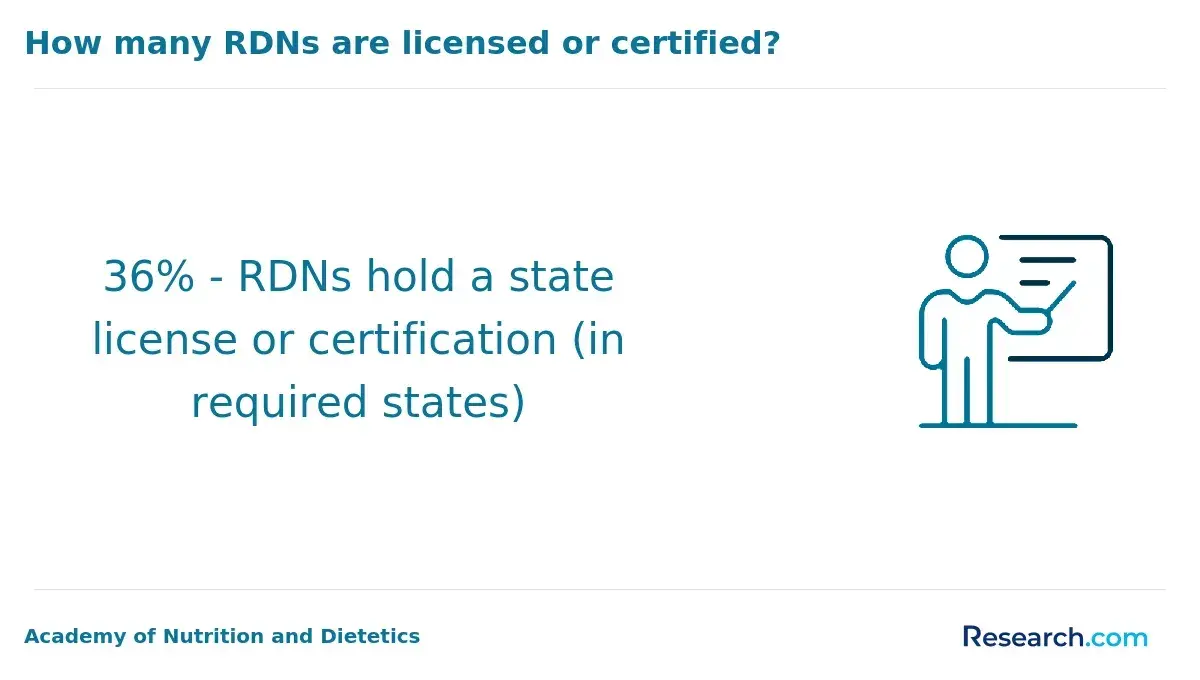
Montana’s licensing rules are a key distinction for anyone entering the field. The state does not require all general nutritionists to be licensed, but regulated dietitian practice is different. If your goal is to provide nutrition care in clinical settings, work under a protected professional title, or qualify for jobs that require dietitian credentials, you should plan for licensure through the Montana Board of Medical Examiners.
This distinction matters because employers, insurers, healthcare teams, and clients may treat credentials differently. A wellness coach who teaches general healthy eating concepts does not have the same authority as a licensed dietitian who provides individualized nutrition assessment, counseling, or therapy in a medical context.
| Path | Montana license required? | Typical work |
| General nutritionist or nutrition educator | Not required for all roles | Wellness education, community programs, coaching, prevention-focused guidance, food education |
| Licensed dietitian | Yes, through the Montana Board of Medical Examiners | Clinical nutrition care, medical nutrition therapy, hospital or clinic-based counseling, regulated dietetics practice |
| Registered Dietitian Nutritionist | National credential plus state licensure for regulated practice | Broad clinical, community, food service, public health, and specialty nutrition roles |
If you are unsure which path fits your goals, start by reading job postings in your target city or region. Hospitals, public health agencies, schools, and long-term care organizations often specify whether they require RDN credentials, state licensure, or a related degree.
How long does it take to become a nutritionist in Montana?
The timeline can range from several years to more than a decade, depending on whether you want a general nutrition education role, a licensed dietitian career, or an advanced specialty. Students should plan backward from the job they want instead of assuming one credential fits every role.
- Bachelor’s degree: A traditional undergraduate program typically takes four years and provides the academic foundation in nutrition science, food systems, counseling, and health behavior.
- Supervised practice: Dietitian candidates must complete an accredited supervised practice experience. The original requirement described here includes at least 900 hours, and completion may take six months to a year depending on the program structure.
- Exam preparation: After supervised practice, candidates usually spend several months preparing for the Commission on Dietetic Registration exam.
- Advanced degree: A master’s degree can add about two more years for students pursuing advanced practice, research, teaching, or specialized clinical work.
| Career goal | Possible timeline | What to verify |
| General nutrition educator | Often tied to completion of a relevant degree or certificate | Employer requirements, scope of practice, and whether the role involves individualized counseling |
| Licensed dietitian | Bachelor’s degree, supervised practice, exam preparation, and state application | ACEND accreditation, supervised practice eligibility, CDR exam requirements, and Montana licensing rules |
| Advanced specialist or researcher | May include graduate education and additional credentials | Whether your intended specialty requires a master’s degree, certification, or clinical experience |
What are the certification options for nutritionists in Montana?
Certification can help clarify your training, strengthen your credibility, and qualify you for jobs that require specific credentials. The two most recognized pathways discussed for Montana nutrition professionals are the Registered Dietitian Nutritionist credential and the Certified Nutrition Specialist credential.
The RDN route is designed for professionals who want to practice dietetics and often work in clinical, public health, school, long-term care, or food service settings. It requires a nutrition-related degree, supervised practice, and a passing score on the national registration exam. The CNS pathway is generally associated with advanced nutrition training and individualized nutrition practice, and the route described here requires a master’s degree in nutrition or a related field and a passing score on the CNS exam.
| Credential | Typical requirement described | When it makes sense |
| Registered Dietitian Nutritionist | Bachelor’s degree, supervised practice program, and national exam | You want regulated dietetics roles, clinical work, or jobs that specifically ask for RDN credentials. |
| Certified Nutrition Specialist | Master’s degree in nutrition or a related field and passing the CNS exam | You want an advanced nutrition credential with an emphasis on individualized nutrition support. |
| Continuing education credentials | Varies by provider and certification body | You want to stay current in diabetes care, sports nutrition, public health, pediatric nutrition, or another specialty. |
What practical experience is required to become a nutritionist in Montana?
Practical experience is where nutrition students learn how classroom concepts apply to real people, real budgets, real health conditions, and real food access barriers. In Montana, experience can be especially valuable because nutrition professionals may serve rural communities, Indigenous populations, agricultural regions, school systems, and healthcare facilities with different needs.
- Community nutrition work: Students can seek experience with local health initiatives, including programs such as the Montana Nutrition and Physical Activity Program, to learn how prevention-focused education works in schools, counties, and community settings.
- Food systems experience: Working with farms, food cooperatives, school meal programs, or Farm to School efforts can help future nutritionists understand local food sourcing, seasonal eating, and food access issues.
- Clinical exposure: Hospitals and clinics, including Billings Clinic and St. Peter’s Health, may offer opportunities to observe or support dietitians and healthcare teams that provide patient-centered nutrition care.
- Research participation: Montana State University collaborations and nutrition-related studies can help students build skills in data collection, program evaluation, and evidence-based practice.
- Cultural competency: Experience with Indigenous communities can deepen understanding of traditional foods, community priorities, food sovereignty, and culturally respectful health education.
Students should document hours, supervisors, duties, and learning outcomes. This record can be useful for internships, graduate applications, certification preparation, and employer interviews.
How much does it cost to become a nutritionist in Montana?
The total cost to become a nutritionist in Montana can range from $35,000 to over $70,000, depending on the program, residency status, degree level, housing costs, books, fees, and whether you pursue additional certification or licensure.
Tuition fees
At institutions such as the University of Montana and Montana State University, in-state tuition for nutrition-related programs is typically between $7,000 and $10,000 annually. Out-of-state students may pay more than $25,000 each year. Because tuition changes by institution and program, students should confirm current charges directly with the school before applying.
Additional education expenses
Books may average around $1,000 annually, and supplies can add another $500. Students should also budget for transportation, technology, lab fees, background checks, health requirements, internship travel, and exam preparation materials.
Licensing and certification expenses
Students pursuing dietitian licensure should expect exam, application, documentation, and renewal-related costs. If flexibility is a priority, an online bachelor in nutrition degree may be worth comparing with campus-based options, especially for rural students or working adults.
| Cost category | What to include | How to control the cost |
| Tuition | Annual program charges, residency rate, online course fees | Compare in-state, transfer, online, and part-time options. |
| Books and supplies | Textbooks, lab supplies, software, professional materials | Ask whether used books, digital materials, or library reserves are available. |
| Supervised practice | Internship tuition or fees, travel, housing, health screenings | Ask programs where placements are located and whether rural placements are available. |
| Credentialing | Exam fees, state application fees, continuing education | Plan for these costs before the final year of study. |
What is the job outlook and salary for nutritionists in Montana?
According to the U.S. Bureau of Labor Statistics, employment of dietitians and nutritionists is projected to grow by 7% through 2034. In Montana, demand is shaped by healthcare needs, rural access issues, school and community nutrition programs, chronic disease prevention, and growing use of telehealth.
- More attention to preventive health: Nutrition counseling is increasingly connected to chronic disease prevention, weight management, diabetes education, heart health, and healthy aging.
- Multiple work settings: Nutrition professionals may work in hospitals, clinics, schools, long-term care, public health agencies, wellness centers, universities, food service, and private practice.
- Telehealth access: Remote consultations can help nutritionists reach clients in areas where in-person care is limited.
- Older adults: An aging population can increase demand for nutrition support related to medication use, chronic illness, appetite changes, and long-term care.
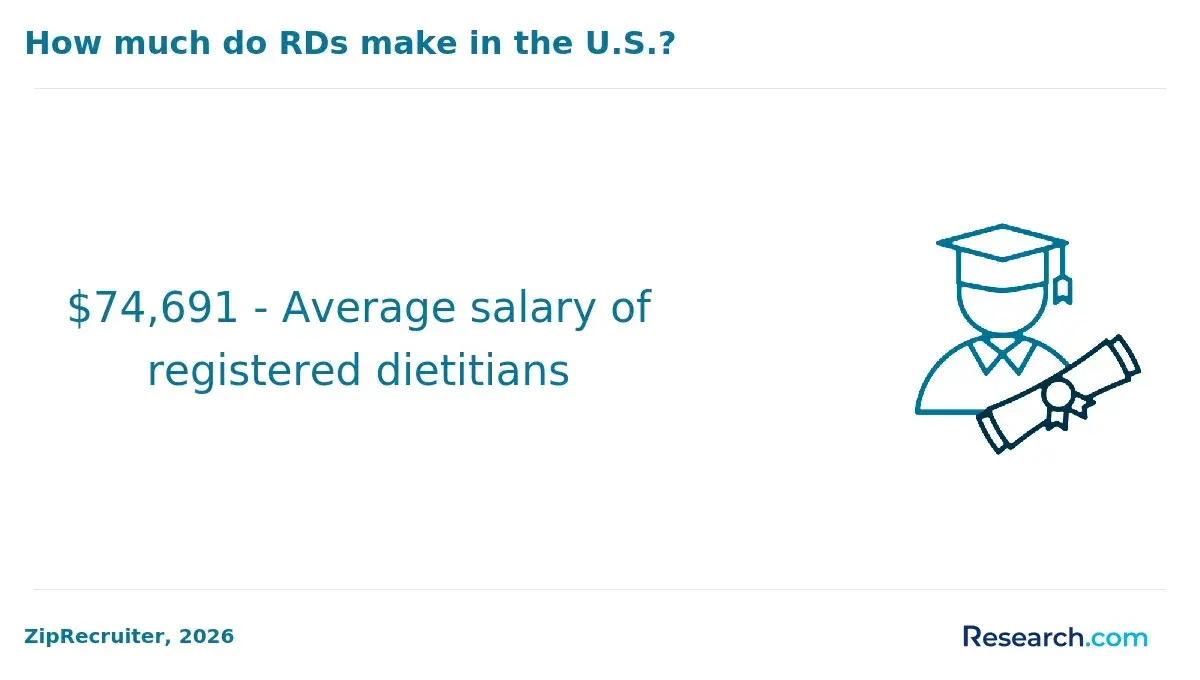
Nutritionists in Montana can expect a median annual wage of around $60,000, though pay varies by credential, employer, city, years of experience, and whether the role is clinical, community-based, administrative, or private practice. Urban areas such as Billings or Missoula may offer different salary opportunities than rural communities.
| Factor | How it affects earnings |
| Credential level | Licensed dietitians and RDNs may qualify for roles that general nutrition educators cannot access. |
| Employer type | Hospitals, schools, government agencies, private practices, and corporate wellness programs may pay differently. |
| Location | Urban markets can offer more employers, while rural areas may have fewer openings but strong community need. |
| Specialization | Clinical, pediatric, sports, geriatric, diabetes, or public health expertise may improve competitiveness. |
How do nutritionists collaborate with other healthcare professionals in Montana?
Nutritionists often work as part of a broader care team rather than in isolation. In hospitals, clinics, recovery programs, long-term care, and community health settings, they may coordinate with physicians, nurses, nurse practitioners, pharmacists, mental health providers, social workers, and public health staff. This teamwork helps align nutrition plans with diagnoses, medications, physical activity recommendations, behavioral health needs, and social barriers such as food insecurity.
Students who want to understand adjacent clinical roles can compare nutrition training with how to become a nurse in Montana, especially if they are interested in patient education, chronic disease care, or interdisciplinary health teams.
How can nutritionists integrate substance abuse support into their practice in Montana?
Nutrition care can support recovery by addressing nutrient deficiencies, appetite changes, blood sugar instability, digestive issues, and weight changes that may occur during substance abuse treatment. Nutritionists do not replace addiction counselors or medical providers, but they can contribute to a recovery plan when they coordinate with licensed behavioral health professionals and follow an appropriate scope of practice.
Professionals who want to work more directly in recovery services may find it useful to review how to become a substance abuse counselor in Montana and compare the training, licensing, and responsibilities of each role.
How Can Nutritionists Access Ongoing Professional Development in Montana?
Nutrition science changes as new research, clinical guidelines, telehealth tools, and public health priorities emerge. Continuing education helps professionals maintain credentials, improve client outcomes, and stay within evidence-based practice. Useful options include professional association events, accredited online courses, regional seminars, clinical workshops, peer networks, journal clubs, and supervised specialty training.
For a broader overview of the profession and educational pathways, readers can also review Research.com’s guide to becoming a nutritionist.
Can nutritionists pursue dual roles in nutrition and nursing in Montana?
Some professionals consider combining nutrition knowledge with nursing credentials because both fields involve patient education, prevention, chronic disease management, and care coordination. This is a major commitment, not a simple add-on. Nursing has separate admission standards, clinical training requirements, licensing exams, and state board rules.
Nutrition professionals considering this route should compare the additional education and licensure requirements outlined in the board of nursing program requirements in Montana before committing to a dual pathway.
What emerging trends are shaping nutrition practices in Montana?
Several trends are changing how nutrition services are delivered in Montana. Telehealth is especially relevant because distance can limit access to in-person care. Digital food logs, mobile health apps, remote monitoring tools, and virtual coaching platforms can help nutrition professionals support clients between appointments. At the same time, professionals must use technology carefully, protect privacy, and avoid overreliance on generic app-generated advice.
Online education is also expanding access for students who cannot relocate for school. Learners comparing flexible training options can review online nutrition degrees and then confirm accreditation, supervised practice support, and career alignment before enrolling.
What additional administrative skills can enhance a nutritionist’s practice in Montana?
Nutrition expertise alone may not be enough for professionals who want to run a practice, work in healthcare operations, or manage reimbursement-related tasks. Skills in scheduling, documentation, privacy compliance, referral management, billing workflows, and basic business planning can make a nutrition practice more sustainable.
Those interested in the administrative side of healthcare may want to compare nutrition roles with training on how to become a medical biller and coder in Montana, particularly if they plan to work in clinics or build a private practice.
Can nutritionists diversify their career with interdisciplinary opportunities in Montana?
Nutrition professionals can expand their impact by building skills in public health, epidemiology, food safety, research methods, health education, agriculture, behavioral health, and data analysis. These skills are useful for professionals who want to evaluate nutrition programs, investigate food access barriers, support community interventions, or work on prevention initiatives.
For readers interested in scientific investigation and transferable analytical training, the forensic scientist education requirements in Montana can offer a useful comparison of how evidence-based methods are taught in another field.
How can nutritionists influence public health policy in Montana?
Nutritionists can contribute to public health policy by participating in advisory committees, sharing program evaluation results, supporting school and community nutrition initiatives, helping identify food access gaps, and translating nutrition research into practical recommendations for local leaders. Their work can inform prevention strategies, grant-funded programs, and community health planning.
Policy work is often interdisciplinary. Nutritionists may collaborate with public health nurses, physicians, social workers, educators, and advanced practice clinicians. Professionals interested in broader clinical leadership can compare this work with how to become a nurse practitioner in Montana.
How can nutritionists and pharmacists collaborate to enhance patient care in Montana?
Nutritionists and pharmacists can improve care when they coordinate around medication use, diet quality, chronic disease management, and possible drug-nutrient interactions. For example, a nutrition plan may need to account for medications that affect appetite, blood sugar, blood pressure, digestion, hydration, or nutrient absorption.
Pharmacists bring medication expertise, while nutritionists support food and behavior strategies that fit the treatment plan. Readers who want to understand the pharmacist side of this collaboration can review pharmacist licensure requirements in Montana.
How Can Nutritionists Contribute to Nutritional Research and Innovation in Montana?
Nutritionists can support research by helping design community surveys, collecting dietary data, evaluating intervention outcomes, reviewing evidence, and translating research findings into practical education materials. In Montana, research may focus on rural access, chronic disease prevention, school nutrition, local food systems, food insecurity, aging, or culturally responsive nutrition programs.
Collaboration with academic institutions, health agencies, and clinical teams can strengthen this work. Nutritionists interested in clinical research partnerships may also look at programs connected to advanced healthcare roles, including the best accredited NP programs in Montana.
What are the key steps to become a registered dietitian in Montana?
The registered dietitian path is more structured than general nutrition coaching. Candidates must complete approved education, fulfill supervised practice, pass the required national exam, and meet Montana’s licensing process. A detailed step-by-step overview is available in Research.com’s guide to the requirements to become a registered dietitian in Montana.
- Choose an accredited nutrition or dietetics program that supports dietitian eligibility.
- Complete required academic coursework in nutrition, food science, human biology, counseling, and related subjects.
- Finish an accredited supervised practice experience.
- Prepare for and pass the Commission on Dietetic Registration exam.
- Submit education, supervised practice, and exam documentation to the Montana Board of Medical Examiners with the required fee.
- Maintain credentials through continuing education and renewal requirements.
What are the career advancement opportunities for nutritionists in Montana?
Career growth in nutrition depends on credentials, experience, specialty knowledge, and the ability to work across healthcare, education, public health, and food systems. In Montana, advancement may come from earning dietitian licensure, specializing in a high-need population, moving into leadership, building a private practice, or contributing to community health programs.
- Healthcare roles: Hospitals, clinics, long-term care facilities, and outpatient programs may offer clinical and interdisciplinary positions.
- Community and school nutrition: Nutritionists can support prevention programs, food education, school meals, and public health outreach.
- Private practice: Experienced professionals may offer counseling, coaching, group programs, or telehealth services, provided they stay within legal and ethical limits.
- Corporate wellness: Employers may hire nutrition professionals to support employee health, prevention programs, and wellness education.
- Teaching and training: Advanced education and experience can support roles in colleges, universities, community education, or professional training.
- Research and policy: Nutrition professionals can help evaluate public health interventions and contribute to evidence-based recommendations.
In Montana, the average salary for dietitians and nutritionists is around $57,610, with experienced professionals earning upwards of $77,210. Major employers include healthcare facilities and educational institutions. Students who want a structured academic foundation can explore nutrition science courses.
What specialization options are available for nutritionists in Montana?
Specialization can help nutrition professionals serve a defined population and stand out in the job market. The best choice depends on your interests, local demand, credential level, and whether you want clinical, community, athletic, educational, or private-practice work.
- Sports nutrition: Montana’s outdoor recreation culture creates opportunities to support athletes, student-athletes, skiers, hikers, and active adults with performance-focused nutrition strategies.
- Pediatric nutrition: Professionals in this area help children and families build healthy eating patterns and address nutrition concerns during growth and development.
- Geriatric nutrition: Older adults may need support with chronic conditions, appetite changes, nutrient intake, medication interactions, and long-term care nutrition.
- Sustainable nutrition: Montana’s agricultural base makes local food systems, farm-to-table education, and sustainable food practices meaningful areas of work.
A sports nutritionist in Bozeman, for example, might partner with high schools to improve student-athlete meal planning, hydration, and recovery habits. A community nutritionist in a rural county might focus instead on affordable meal planning and food access.
Students comparing affordability and flexibility can review options for the cheapest online dietetics degree, while still checking accreditation and supervised practice requirements before enrolling.
What are the biggest challenges faced by nutritionists in Montana?
The biggest challenges faced by nutritionists in Montana include geographic distance, limited access to resources, workforce shortages in some areas, public misunderstanding of nutrition credentials, and the difficulty of delivering individualized care in communities with food insecurity or limited healthcare access.
Geographical isolation
Montana’s size can make service delivery difficult. Nutrition professionals may need to travel long distances, rely on telehealth, or coordinate with local agencies to reach people who cannot easily visit a clinic.
Limited resources
Some areas have fewer healthcare providers, fewer registered dietitians, and limited access to specialized services. According to the Montana Department of Public Health and Human Services, some counties have only 1.5 registered dietitians per 10,000 residents.
Public awareness
Many people still do not understand the difference between a general nutritionist, a health coach, and a licensed dietitian. Programs such as the Montana Nutrition Education Program can help improve nutrition literacy in schools and communities.
A Montana nutrition professional described working with a school district where parents were surprised to learn how balanced meals affect energy, concentration, and long-term health. The experience showed that nutrition work often involves correcting misinformation as much as creating meal plans.
For readers interested in nursing-adjacent nutrition work, it may also be helpful to review the qualifications for nutrition nurse roles.
What are the legal regulations and responsibilities for nutritionists in Montana?
Montana’s legal framework requires careful attention because the general term “nutritionist” and the regulated practice of dietetics are not always the same. The state recognizes licensed individuals for regulated nutrition care, and dietitians who meet the required standards may be identified as licensed nutritionists under Montana’s rules. Anyone entering the field should verify current requirements with the Montana Board of Medical Examiners before offering services.
Professionals must avoid presenting themselves as licensed or qualified for medical nutrition therapy unless they meet the applicable legal requirements. Ethical practice also includes using evidence-based information, maintaining client confidentiality, referring out when a concern is beyond one’s scope, documenting appropriately, and avoiding exaggerated promises about weight loss, disease treatment, or guaranteed outcomes.
| Common mistake | Why it is risky | Better approach |
| Choosing a program without checking accreditation | It may not qualify you for supervised practice or credentialing. | Confirm ACEND status if you plan to become an RDN. |
| Assuming “nutritionist” and “dietitian” mean the same thing legally | Montana regulates dietitian practice and protected professional activities. | Check state licensing rules before advertising services. |
| Focusing only on tuition | Books, internship costs, exam fees, travel, and lost work time can change the real price. | Build a full cost estimate before enrolling. |
| Ignoring rural placement logistics | Supervised practice or work sites may require travel or relocation. | Ask programs where placements are located and how students are matched. |
| Assuming salary outcomes are guaranteed | Pay depends on credentials, setting, location, and experience. | Compare local job postings and employer requirements. |
Students exploring adjacent wellness or human performance fields can also review exercise science career opportunities.
Here's What Nutritionists Have to Say About their Career in Montana
Working in Bozeman has shown me how much nutrition matters to people who build their lives around movement, sports, and the outdoors. I spend a lot of time helping active clients match their food choices to training, recovery, and everyday energy needs. Seeing those changes translate into better performance is one of the most rewarding parts of the job. – Emily
In Billings, much of my work centers on families who want practical, affordable ways to eat better. The most meaningful wins are often simple: planning meals, cooking together, stretching a grocery budget, and replacing confusion with confidence. Montana communities are close, so the impact feels personal. – Jonathan
My work in Helena connects nutrition education with local agriculture. Partnering with farmers and community groups has helped me teach people how local food can support both health and the regional economy. That connection between food, place, and prevention keeps me committed to this career. – Tanya
Related Articles for Nearby States
- 2027 How to Become a Nutritionist in Idaho
- 2027 How to Become a Nutritionist in Wyoming
- 2027 How to Become a Nutritionist in North Dakota
- 2027 How to Become a Nutritionist in South Dakota
- 2027 How to Become a Nutritionist in Washington
- 2027 How to Become a Nutritionist in Oregon
- 2027 How to Become a Nutritionist in Utah
- 2027 How to Become a Nutritionist in Nebraska
- 2027 How to Become a Nutritionist in Minnesota
- 2027 How to Become a Nutritionist in Colorado
Key Insights
- Montana does not require licensure for every general nutritionist role, but licensed dietitian practice is regulated through the Montana Board of Medical Examiners.
- The most portable and employer-recognized path is usually an accredited dietetics education, supervised practice, the Commission on Dietetic Registration exam, and state licensure.
- Becoming a licensed dietitian takes longer than entering general nutrition education because it includes supervised practice and exam requirements.
- Costs can range from $35,000 to over $70,000, so students should compare tuition, fees, books, internship expenses, credentialing costs, and travel before choosing a program.
- Montana’s rural geography creates access challenges, but it also makes telehealth, community nutrition, school programs, and public health work especially important.
- Career advancement is strongest for professionals who combine nutrition expertise with credentials, specialization, communication skills, cultural competency, and practical experience.
- Before enrolling, ask whether the program is accredited, whether it supports your intended credential, where supervised practice occurs, and what graduates typically do after completion.
References:
- Academy of Nutrition and Dietetics — Commission on Dietetic Registration. (n.d.). Commission on Dietetic Registration. https://www.cdrnet.org/
- Board of Medical Examiners. (n.d.). Board of Medical Examiners – License information for nutritionists. https://boards.bsd.dli.mt.gov/medical-examiners/license-information/nutritionists
- montana.edu (n.d.). Nutrition Counseling / Coaching available at Student Health Services.
- Montana Office of Tourism. (n.d.). Population & workforce trends affecting nutrition careers in rural MT. https://www.visitmt.com/industry
- Montana Department of Labor & Industry. (n.d.). Montana Nutritionist salary & employment statistics. https://lmi.mt.gov/
- Montana State Legislature – HB 806 (2025). (2025). Enrolled bill establishing dietitian and nutritionist license types. https://archive.legmt.gov/content/Sessions/69th/Contractor_index/CH0536.pdf
- National Association of Nutrition Professionals. (n.d.). Accreditation and education resources. https://nanp.org/education/accreditation
- U.S. Bureau of Labor Statistics. (2024, August 29). Dietitians and nutritionists: Occupational outlook handbook. https://www.bls.gov/ooh/healthcare/dietitians-and-nutritionists.htm
- U.S. Department of Health & Human Services. (n.d.). Healthy People 2030 nutrition goals & workforce implications. https://health.gov/healthypeople
Other Things You Should Know about Becoming a Nutritionist in Montana
Yes, you can embark on an online journey to become a nutritionist in Montana! Several accredited institutions offer online nutrition degree programs. For instance, Montana State University provides a robust online Bachelor of Science in Food and Nutrition, blending flexibility with quality education.
The Montana Academy of Nutrition and Dietetics emphasizes the importance of local expertise, encouraging graduates to address unique dietary needs in rural communities. As you navigate this path, remember that the state’s growing health consciousness opens doors for nutritionists, with a projected 11% job growth in the field by 2028. Embrace the adventure!
To become a licensed nutritionist in Montana in 2027, you must earn a bachelor's degree in nutrition or a related field, complete an internship, and pass the Commission on Dietetic Registration exam. You also need to apply for licensure through the Montana Board of Nutritionists.
To become a licensed nutritionist in Montana in 2027, you must complete a degree in nutrition or a related field from an accredited institution. Then, you need to pass the Commission on Dietetic Registration (CDR) exam and apply for state licensure through the Montana Board of Nutritionists.


