2027 How to Become a Nutritionist in Louisiana

Co-Founder and Chief Data Scientist
Choosing a nutrition career in Louisiana is not just a question of liking food, health, or wellness. The real decision is whether you want to provide general nutrition education, pursue clinical dietetics, work in public health, or build a private practice—and each path has different education, supervision, certification, and legal considerations.
This guide explains how to become a nutritionist in Louisiana in a practical way: what education you may need, when licensure matters, how long the process can take, what it may cost, where jobs exist, and how to compare nutrition, dietetics, and related allied health pathways. It is written for students, career changers, and working health professionals who want a clear plan before investing time and money in a program.
Quick Answer: How Do You Become a Nutritionist in Louisiana?
To become a nutrition professional in Louisiana, start by deciding whether you want to work as a general nutritionist or pursue the more regulated dietitian route. For clinical practice, medical nutrition therapy, and many healthcare jobs, you should plan for an accredited nutrition or dietetics degree, supervised practice, the Commission on Dietetic Registration exam, and state licensure through the Louisiana Board of Examiners in Dietetics and Nutrition. For broader wellness, community education, coaching, or food-related roles, requirements may be more flexible, but employers still tend to value formal education and recognized credentials.
| Career Goal | Typical Preparation | Best Fit For |
| General nutrition education or wellness coaching | Nutrition-related coursework, bachelor’s degree preferred, optional certification | People interested in wellness programs, community education, fitness settings, or non-clinical roles |
| Licensed dietitian or clinical nutrition role | Accredited dietetics education, supervised practice, national exam, Louisiana licensure | Students who want to work in hospitals, clinics, long-term care, medical nutrition therapy, or insurance-connected care |
| Specialized nutrition practice | Advanced degree, certification, focused experience, continuing education | Professionals interested in sports nutrition, public health, pediatrics, chronic disease, research, or private practice |
Key Things You Should Know About Becoming a Nutritionist in Louisiana
- Louisiana has important legal boundaries around dietetics and nutrition practice, especially for professionals who provide individualized therapeutic nutrition care or use regulated titles.
- For licensed dietitian roles, candidates generally need an appropriate nutrition or dietetics degree, supervised practice, and a passing score on the Commission on Dietetic Registration exam.
- Credentials such as Registered Dietitian Nutritionist, Certified Nutrition Specialist, and Certified Clinical Nutritionist can strengthen credibility, but they are not interchangeable.
- Education, supervised experience, exams, state applications, and continuing education should all be included when estimating the total cost and timeline.
- The best path depends on your target setting: hospital, school, public health agency, private practice, sports organization, food company, or community program.
- Education requirements for nutritionists in Louisiana
- Louisiana nutritionist licensing rules
- Timeline to become a nutritionist in Louisiana
- Certification options for Louisiana nutrition professionals
- Practical experience requirements
- Cost to become a nutritionist in Louisiana
- Salary and job outlook in Louisiana
- Interdisciplinary collaboration opportunities
- Allied health certifications that can complement nutrition practice
- Technology trends in nutrition practice
- Career advancement options
- Continuing professional development strategies
- Private practice considerations
- Food forensics and nutrition careers
- Specialization options
- Challenges Louisiana nutritionists face
- Advanced clinical training options
- Registered dietitian vs. nutritionist in Louisiana
- Legal responsibilities and scope of practice
- Why nursing licensure knowledge can help nutritionists
- Working with nurse practitioners
- Working with pharmacists
What are the educational requirements to become a nutritionist in Louisiana?
The right education depends on the kind of nutrition work you want to do. If your goal is general wellness education, food service, community nutrition, or health coaching, a nutrition-related degree can help you compete for jobs even when a specific license is not the main requirement. If you want to work as a licensed dietitian or provide medical nutrition therapy, you should choose a program designed to meet dietetics education and supervised practice standards.
- Bachelor’s degree: A bachelor’s degree in nutrition, dietetics, human nutrition, food science, or a related field is the usual starting point for serious nutrition careers. It gives students grounding in nutrients, metabolism, food systems, public health, counseling, and evidence-based practice.
- Advanced degrees: The minimum requirement for RDN licensure has been changed to a master's degree. A graduate degree can also help professionals move into clinical specialization, research, public health leadership, higher education, or advanced counseling roles.
- Louisiana program options: Louisiana State University offers a Bachelor of Science in Nutrition and Food Sciences, and the University of Louisiana at Lafayette offers a Bachelor of Science in Dietetics. Students who need more flexibility may also compare online programs, including online bachelor’s degrees in nutritional science.
| Education Level | What It Can Prepare You For | Important Limitation |
| Associate degree | Entry-level support roles in nutrition, food service, wellness, or community programs | Usually not enough for licensed dietitian roles or advanced clinical practice |
| Bachelor’s degree | Nutrition education, food systems, public health roles, preparation for dietetics pathways | Students must confirm whether the program supports licensure or dietetic internship eligibility |
| Master’s degree | Advanced clinical, research, public health, policy, or specialty nutrition roles | Cost and time increase, so students should compare outcomes before enrolling |
Before choosing a school, ask whether the curriculum aligns with your intended credential, whether supervised practice is built in or separate, and whether graduates are eligible for the exam or licensure route you plan to pursue.
Is there a licensing requirement to become a nutritionist in Louisiana?
Louisiana’s licensing issue can be confusing because “nutritionist” is used casually in wellness settings, while dietetics and certain nutrition services are regulated. The practical answer is this: if you plan to provide individualized clinical nutrition care, medical nutrition therapy, or use regulated professional titles, you should treat Louisiana licensure as essential and verify requirements with the Louisiana Board of Examiners in Dietetics and Nutrition.
For non-clinical wellness education, food education, or general health promotion, the requirements may be less rigid. However, that does not mean the work is risk-free. Unlicensed practitioners must avoid presenting themselves as licensed dietitians, diagnosing disease, prescribing therapeutic diets beyond their legal scope, or implying medical authority they do not have.
Voluntary certification can be useful even when it is not the same as state licensure. Employers, healthcare organizations, schools, and clients often look for evidence that a nutrition professional has formal training, follows ethical standards, and understands evidence-based practice.
| Activity | Licensure Concern | What to Do Before Practicing |
| General nutrition education | Lower risk when limited to broad education and wellness information | Use clear disclaimers and avoid medical claims outside your training |
| Medical nutrition therapy | High risk if performed without proper authorization | Confirm Louisiana Board requirements and pursue the licensed pathway |
| Use of dietitian or regulated nutrition titles | Title protection may apply | Verify permitted titles before advertising services |
| Private practice nutrition counseling | Depends on services offered, claims made, and client population | Consult the state board, review insurance rules, and document scope carefully |
If your long-term plan involves hospitals, clinics, diabetes education, renal nutrition, eating disorder care, or reimbursement-connected services, build your plan around licensure rather than assuming a general nutrition credential will be enough.
How long does it take to become a nutritionist in Louisiana?
The timeline depends on whether you stop at a non-clinical nutrition role or continue into the dietitian pathway. A basic entry route can take about two years with an associate degree, while advanced clinical preparation can take over six years when graduate education and supervised practice are included.
| Path | Typical Time | Best Use |
| Associate degree | About two years | Entry-level nutrition support, food service, wellness assistant, or transfer preparation |
| Bachelor’s degree | Four years | Foundation for nutrition careers, graduate study, or dietetics preparation |
| Master’s degree | Usually two additional years after the bachelor’s degree | Advanced practice, specialization, research, public health, or RDN-aligned preparation |
| Supervised practice | Six months to a year | Hands-on preparation for clinical, community, and food service competencies |
| ACEND-accredited dietetic internship | Six to twelve months | Required preparation for many dietetics candidates pursuing the RDN route |
Students interested in broader wellness models may also explore whether holistic nutrition fits their goals. To understand the difference between evidence-based nutrition practice and wellness-oriented approaches, read this guide to holistic nutrition.
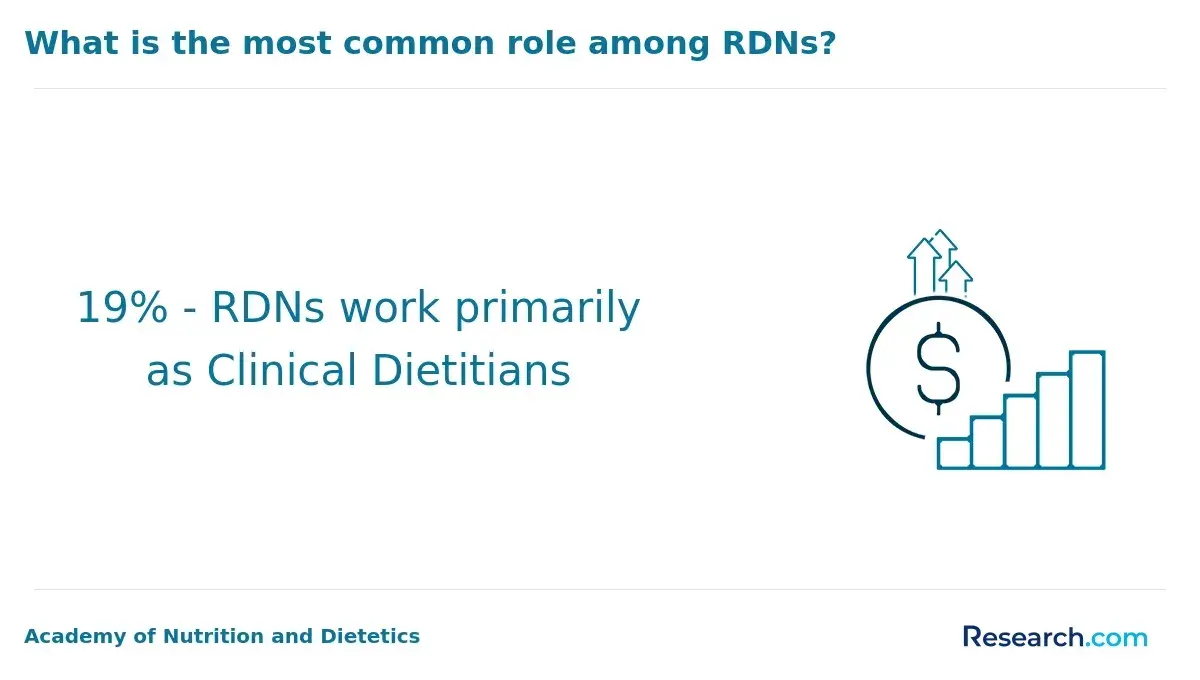
What are the certification options for nutritionists in Louisiana?
Certification is not a single category. Some credentials are designed for clinical dietetics, while others are aimed at advanced nutrition science, wellness, or specialty practice. The value of a credential depends on whether employers recognize it, whether it supports your scope of practice, and whether it aligns with Louisiana regulations.
| Credential | Issuing Organization | Typical Candidate | Why It Matters |
| Registered Dietitian Nutritionist | Commission on Dietetic Registration | Students pursuing clinical dietetics, medical nutrition therapy, and licensed roles | Commonly expected in hospitals, clinics, long-term care, and many regulated nutrition positions |
| Certified Nutrition Specialist | Certification Board for Nutrition Specialists | Professionals with graduate-level nutrition training | Can support advanced nutrition practice and professional credibility |
| Certified Clinical Nutritionist | Various credentialing pathways | Nutrition professionals focused on clinical or wellness-oriented nutrition services | May help with positioning, but students should verify employer and state recognition |
The safest approach is to start with your target job description. If the job requires an RDN, a different nutrition certificate will not substitute for it. If the job is in wellness, fitness, food education, or community programming, a recognized certification may strengthen your resume but should still be paired with solid education and clear ethical boundaries.
Nutrition professionals who are interested in adjacent clinical pathways can also explore nutrition nurse training, especially if they want to combine patient care with nutrition-focused education.
What practical experience is required to become a nutritionist in Louisiana?
Practical experience is where nutrition students learn whether they enjoy client counseling, food systems, community health, research, or clinical care. It also helps employers see that you can apply nutrition science in real settings rather than only discussing it academically.
- Clinical exposure: Hospitals, clinics, long-term care facilities, and community health centers can help students understand patient assessment, charting, dietary interventions, and collaboration with medical teams.
- Community nutrition work: Public health programs, extension services, schools, food access initiatives, and nonprofit organizations expose students to Louisiana’s nutrition challenges at the population level.
- Food service management: Schools, hospitals, and institutional kitchens teach menu planning, food safety, procurement, and compliance with health department expectations.
- Research and evaluation: University projects, local health departments, and nonprofit partnerships can help students develop data skills and understand how nutrition interventions are measured.
Students who need flexible academic options can compare online nutrition programs, but they should confirm how each program handles in-person labs, supervised practice, internships, and state eligibility.
How much does it cost to become a nutritionist in Louisiana?
The cost of becoming a nutritionist in Louisiana depends on the school, degree level, residency status, supervised practice requirements, exam fees, transportation, books, insurance, and time away from full-time work. Tuition alone does not show the full financial commitment.
| Cost Category | Estimated Amount Stated | What to Check |
| Annual tuition for Louisiana nutrition programs | $4,000 and $10,000 for in-state students | Whether the rate applies to your residency status, degree level, and credit load |
| Supervised practice or dietetic internship costs | $5,000 to $10,000 | Whether fees include placement, liability insurance, background checks, and required materials |
| Required supervised practice hours | Minimum of 900 hours | Whether the program arranges sites or expects students to secure placements |
| Commission on Dietetic Registration exam | Approximately $200 | Whether you also need exam prep, transcripts, state fees, or credential maintenance costs |
How to reduce the cost
- Choose an accredited program that actually supports your target credential so you do not pay for credits that do not move you toward licensure or certification.
- Ask about transfer credits before enrolling, especially if you already have college coursework.
- Compare total program cost, not just advertised tuition.
- Look for assistantships, employer tuition support, scholarships, and lower-cost in-state options.
- If graduate study is needed, compare campus and online formats carefully. Students planning advanced study may want to research how online master’s options fit their career goals before committing.
What is the job outlook and salary for nutritionists in Louisiana?
Louisiana offers nutrition career opportunities in healthcare, schools, public health, food service, wellness, and private practice. According to ONET OnLine, employment of dietitians and nutritionists in Louisiana is projected to grow by 5% through 2032. The median annual salary for nutritionists in Louisiana is approximately $70,440.
Salary and job prospects vary by credential, setting, location, experience, and specialization. A licensed dietitian in a hospital may face different requirements and pay structures than a wellness nutrition coach, public health educator, food service manager, or private-practice consultant.
| Work Setting | Common Responsibilities | What Employers May Look For |
| Hospitals and clinics | Nutrition assessment, patient counseling, diet planning, care team collaboration | RDN credential, state licensure, clinical experience |
| Public health agencies | Nutrition education, food access programs, chronic disease prevention, community outreach | Public health knowledge, program evaluation skills, cultural competence |
| Schools and institutions | Menu planning, food service compliance, nutrition education, wellness initiatives | Food safety knowledge, management skills, policy awareness |
| Fitness and wellness organizations | General nutrition education, lifestyle support, group programs | Nutrition education, coaching skills, clear scope-of-practice boundaries |
| Private practice | Client counseling, business operations, marketing, documentation | Licensure where required, niche expertise, liability protection, referral network |
Students should be cautious about assuming that a degree automatically leads to a specific salary. The stronger question is: “What jobs do graduates from this program actually get, and what credentials do those jobs require?”
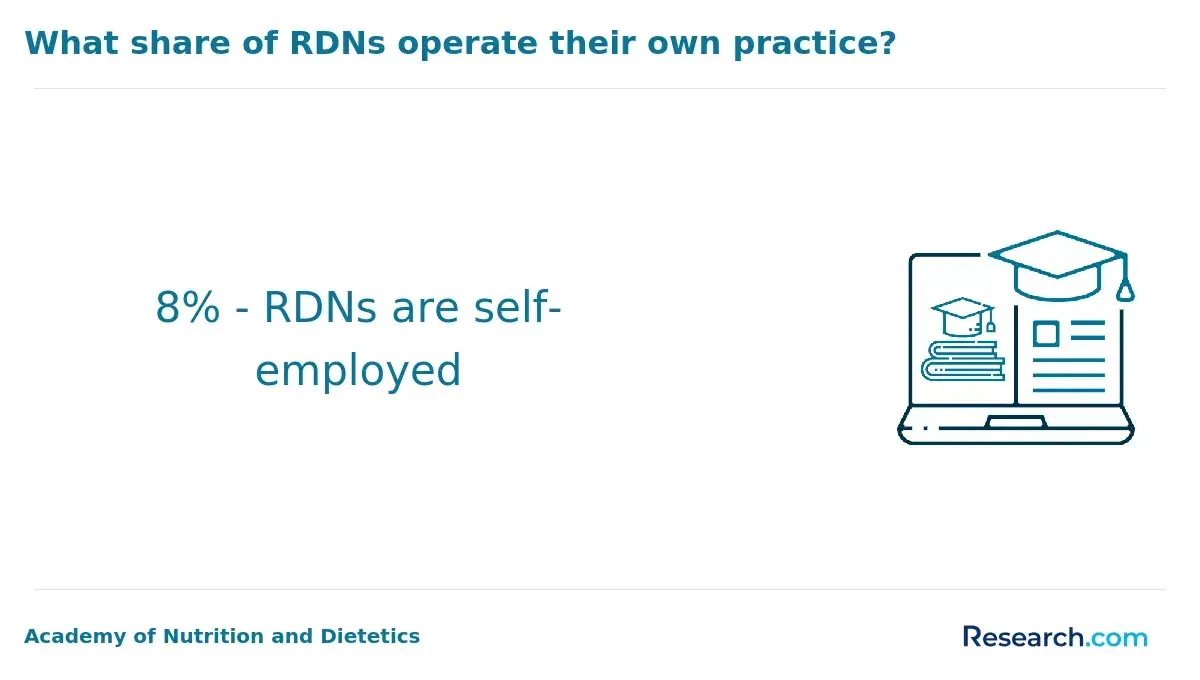
How can nutritionists benefit from interdisciplinary collaboration in Louisiana?
Nutrition work is rarely isolated. In Louisiana healthcare and community settings, nutritionists may collaborate with physicians, dietitians, nurses, pharmacists, behavioral health providers, social workers, public health teams, and food access organizations. These relationships help professionals design nutrition plans that fit medical needs, medication use, culture, budget, and daily routines.
Collaboration with nurses can be especially useful in patient education, chronic disease monitoring, discharge planning, and community outreach. Nutrition professionals exploring broader healthcare teamwork can review how to become a nurse in Louisiana to better understand nursing education and care responsibilities.
What additional allied health certifications can benefit nutritionists in Louisiana?
Additional allied health training can help nutrition professionals serve clients whose needs go beyond food choices alone. Behavioral health, prevention, exercise science, medical billing, and public health knowledge can all make nutrition practice more effective, especially when clients face chronic conditions, addiction concerns, limited food access, or complex lifestyle barriers.
For example, professionals who work with clients affected by substance use or disordered lifestyle patterns may benefit from understanding counseling frameworks. One related pathway is explained in this guide on becoming a substance abuse counselor in Louisiana.
How can technology enhance nutrition practice in Louisiana?
Technology is changing how nutrition professionals communicate, monitor progress, and reach clients. Telehealth, secure messaging, nutrition tracking platforms, wearable devices, and digital food logs can make follow-up easier, especially for clients in rural or under-resourced areas. These tools can also help professionals identify patterns in food intake, physical activity, blood glucose records, weight trends, and adherence.
Technology should support care, not replace judgment. Nutritionists still need to assess whether app data is reliable, protect privacy, document carefully, and avoid making claims beyond their scope. Those comparing multiple nutrition roles can use this nutrition careers guide to understand how technology affects different career paths.
What are the career advancement opportunities for nutritionists in Louisiana?
Career growth in nutrition usually comes from one of four moves: earning a higher credential, specializing, moving into leadership, or building an independent practice. In Louisiana, advancement opportunities are strongest for professionals who combine nutrition knowledge with practical skills in counseling, data, community health, chronic disease prevention, food systems, or clinical care.
| Advancement Path | How It Can Look in Practice | When It Makes Sense |
| Clinical specialization | Working with diabetes, renal disease, pediatrics, oncology, gastrointestinal conditions, or critical care | You want patient care, medical teams, and evidence-based therapeutic nutrition |
| Public health leadership | Managing food access, obesity prevention, school nutrition, or community education initiatives | You want to improve population health rather than work only one-on-one |
| Food industry roles | Product development, labeling, quality assurance, consumer education, or health-focused marketing | You are interested in food systems, regulation, and consumer behavior |
| Private practice | Offering counseling, group programs, corporate wellness, or specialty coaching | You want autonomy and are ready to manage business, compliance, and client acquisition |
| Research or academia | Teaching, conducting studies, evaluating programs, or training future nutrition professionals | You enjoy evidence generation, education, and long-term scholarly work |
What strategies can nutritionists adopt for continuous professional development in Louisiana?
Nutrition science changes as research, guidelines, food systems, and health technologies evolve. Louisiana nutritionists can stay current through continuing education, professional conferences, webinars, journal reading, supervision, mentorship, and collaboration with academic or public health teams.
Cross-disciplinary learning can also strengthen nutrition practice. For example, understanding biology, physiology, and research methods can help nutrition professionals evaluate evidence more carefully. Students considering science-heavy career routes can compare related careers for biology majors.
Can nutritionists successfully launch a private practice in Louisiana?
Private practice can be viable, but it is not just counseling clients about food. A nutritionist who wants to work independently must understand legal scope, business registration, liability insurance, documentation, billing, privacy practices, referral relationships, marketing ethics, and client boundaries.
| Private Practice Question | Why It Matters |
| Am I legally allowed to offer the services I plan to advertise? | Scope-of-practice mistakes can create regulatory and liability problems. |
| Will I accept insurance, private pay, or both? | Billing method affects documentation, credentialing, cash flow, and client access. |
| Who is my ideal client? | A clear niche helps with referrals, program design, and marketing. |
| How will I document outcomes? | Good records support continuity, compliance, and professional credibility. |
Nutrition professionals who want to understand healthcare reimbursement and administrative workflows may find it useful to learn how medical billing and coding works in Louisiana.
Can nutritionists expand their expertise through food forensics in Louisiana?
Food forensics is a niche area that uses scientific methods to examine food quality, authenticity, contamination, labeling issues, and safety concerns. While it is not the main route for most nutritionists, it can interest professionals who want to connect nutrition, food science, public health, regulation, and consumer protection.
Nutritionists with strong science backgrounds may collaborate with food safety specialists, laboratories, public agencies, or researchers. Those interested in investigative science careers can compare the skills required for forensic scientist education in Louisiana.
What specialization options are available for nutritionists in Louisiana?
Specialization helps nutrition professionals stand out and serve specific populations more effectively. In Louisiana, useful specializations include clinical nutrition, public health nutrition, sports nutrition, pediatric nutrition, food service management, and culturally responsive nutrition education.
- Clinical nutrition: Focuses on nutrition care for patients with chronic disease or medical conditions. Louisiana’s needs in areas such as obesity and diabetes make this a meaningful path for properly credentialed professionals.
- Public health nutrition: Emphasizes community programs, food security, policy, education, and prevention.
- Sports nutrition: Supports performance, recovery, hydration, and fueling strategies for athletes and active clients.
- Pediatric nutrition: Addresses child growth, family eating patterns, school meals, and early prevention of diet-related health issues.
- Food service and systems nutrition: Connects menu planning, procurement, safety, and institutional wellness goals.
One example from the field involved a clinical nutritionist at a major hospital in New Orleans who developed a dietary program for diabetic patients and reported a 30% improvement in patient compliance with dietary recommendations over six months. Results like that should not be treated as guaranteed, but they show why targeted nutrition support can matter when it is carefully designed and monitored.
What are the biggest challenges faced by nutritionists in Louisiana?
Nutrition professionals in Louisiana must often work within complex social, economic, and cultural realities. Good advice must fit a client’s budget, food access, family traditions, medical needs, transportation options, cooking skills, and trust in healthcare systems.
Socioeconomic barriers
According to the U.S. Census Bureau, approximately 19.6% of Louisiana residents live below the poverty line. Cost, transportation, work schedules, and food access can make nutrition recommendations difficult to follow, even when clients understand the advice.
Cultural food traditions
Louisiana’s food culture is a strength, not an obstacle to erase. Effective nutritionists learn how to adapt traditional meals rather than simply telling clients to abandon familiar foods. This requires respect, creativity, and realistic portion, preparation, and substitution strategies.
Access and awareness
Programs such as the Supplemental Nutrition Assistance Program can help address food insecurity, but stigma, eligibility confusion, and limited awareness may reduce participation. Nutritionists who understand local resources can connect clients to more practical support.
| Common Challenge | Better Professional Response |
| Giving ideal meal plans clients cannot afford | Build plans around budget, transportation, storage, and cooking equipment. |
| Ignoring local food culture | Modify traditional dishes instead of dismissing them. |
| Using generic national advice only | Adapt recommendations to Louisiana communities and available resources. |
| Assuming education alone changes behavior | Use follow-up, motivational interviewing, referrals, and practical problem-solving. |
How can advanced clinical training elevate nutrition practice in Louisiana?
Advanced clinical training can help nutrition professionals interpret lab values, understand disease processes, communicate with healthcare teams, and design safer interventions for complex patients. This is especially relevant for those working near medical nutrition therapy, chronic disease management, or interdisciplinary care.
Nutritionists do not need to become nurse practitioners to collaborate effectively with them, but understanding advanced clinical training models can improve teamwork. Professionals interested in related healthcare education can compare the best accredited NP programs in Louisiana.
What distinguishes a registered dietitian from a nutritionist in Louisiana?
The difference matters because employers, licensing boards, insurers, and healthcare teams may treat the titles very differently. A registered dietitian follows a structured national credentialing pathway that includes accredited education, supervised practice, and an exam. A nutritionist may have strong training, but the title can also be used more broadly depending on context and legal limits.
| Comparison Point | Registered Dietitian Nutritionist | Nutritionist |
| Training structure | Standardized accredited pathway with supervised practice and exam requirements | Can vary widely by degree, certification, and experience |
| Clinical recognition | Commonly required for medical nutrition therapy and healthcare roles | May be limited unless the person also holds required licensure or credentials |
| Career settings | Hospitals, clinics, long-term care, public health, private practice, food service | Wellness, community education, coaching, food industry, fitness, or other non-clinical roles |
| Best choice if you want clinical practice | Usually the safer and more recognized route | Only appropriate if aligned with legal scope and employer expectations |
If your goal is the clinical route, review the requirements to become a registered dietitian in Louisiana before choosing a degree program.
What are the legal regulations and responsibilities for nutritionists in Louisiana?
Louisiana nutrition professionals are responsible for understanding what they can legally do, what titles they can use, and when a service crosses into regulated practice. The Louisiana Dietetics/Nutrition Practice Act is the key legal framework to review because it defines protected practice areas and helps protect the public from unqualified nutrition care.
At minimum, nutrition professionals should avoid diagnosing medical conditions, promising disease cures, prescribing therapeutic diets outside their authority, misrepresenting credentials, or advertising services that imply licensure they do not hold. When in doubt, contact the Louisiana Board of Examiners in Dietetics and Nutrition or seek legal guidance before launching services.
Students who want a broader movement, wellness, and health science foundation may also compare affordable online exercise science programs, especially if their goal is fitness, health promotion, or lifestyle coaching rather than clinical dietetics.
How can understanding nursing licensure requirements benefit nutritionists in Louisiana?
Nutritionists who work with nurses benefit from knowing how nursing scope, documentation, patient education, and care coordination operate. This knowledge improves communication and helps nutrition professionals align dietary recommendations with broader treatment plans. For context, review Louisiana’s board of nursing program requirements.
How can collaborating with nurse practitioners boost nutrition practice in Louisiana?
Nurse practitioners often manage patients with chronic conditions where nutrition plays a major role. Collaboration can help connect medical assessment, medication management, lab monitoring, and nutrition counseling into one coordinated plan. Nutritionists who want to understand this partner role can read about how to become a nurse practitioner in Louisiana.
How can collaborating with pharmacists enhance nutritional care in Louisiana?
Pharmacists can help nutritionists understand medication-nutrient interactions, supplement risks, side effects that affect appetite or digestion, and adherence challenges. This is particularly helpful for clients managing multiple medications or chronic diseases. Nutrition professionals can improve collaboration by learning about pharmacist licensure requirements in Louisiana.
Common Mistakes to Avoid When Becoming a Nutritionist in Louisiana
| Mistake | Why It Can Hurt You | Better Approach |
| Choosing a program before checking licensure alignment | You may graduate without meeting the requirements for your intended role. | Confirm accreditation, supervised practice, exam eligibility, and state requirements first. |
| Focusing only on tuition | Internship fees, exam costs, books, transportation, and lost work time can change affordability. | Calculate total cost of completion before enrolling. |
| Assuming all online programs qualify for Louisiana practice | Some programs may not meet state or credentialing expectations. | Ask the program in writing how it supports Louisiana students. |
| Using the “nutritionist” title without understanding legal limits | You could unintentionally misrepresent your qualifications. | Review the Louisiana Dietetics/Nutrition Practice Act and state board guidance. |
| Expecting a salary outcome to be guaranteed | Pay depends on credential, employer, region, setting, and experience. | Compare real job postings and ask programs for graduate outcome data. |
Questions to Ask Before Choosing a Nutrition Program in Louisiana
- Does this program prepare students for the exact credential or license I want?
- Is supervised practice included, arranged separately, or left for students to find?
- What percentage of graduates pursue clinical dietetics, public health, wellness, food service, or graduate school?
- What are the total estimated costs, including fees, exams, internships, books, travel, and insurance?
- Will my transfer credits apply to major requirements or only general electives?
- Does the program support online students with local placements if I do not live near campus?
- What career services, advising, exam preparation, and alumni connections are available?
- Does the curriculum include counseling skills, cultural competence, chronic disease prevention, and ethics?
Here’s What Nutritionists Say About Working in Louisiana
“Starting my nutrition career in New Orleans has shown me how powerful food culture can be. The most meaningful work is not asking clients to give up the dishes they love, but helping them adjust portions, ingredients, and routines in ways that still feel familiar.” — Avery
“In Baton Rouge, community health work has made the biggest impression on me. Nutrition advice only works when it connects to transportation, food access, family habits, and realistic follow-up.” — Jackson
“Working in Lafayette has helped me see the value of local food relationships. Farmers, markets, families, and health professionals all play a part in helping clients make sustainable changes.” — Isabelle
Related Articles for Nearby States
- 2027 How to Become a Nutritionist in Mississippi
- 2027 How to Become a Nutritionist in Arkansas
- 2027 How to Become a Nutritionist in Texas
- 2027 How to Become a Nutritionist in Alabama
- 2027 How to Become a Nutritionist in Tennessee
- 2027 How to Become a Nutritionist in Missouri
- 2027 How to Become a Nutritionist in Oklahoma
- 2027 How to Become a Nutritionist in Florida
- 2027 How to Become a Nutritionist in Kentucky
- 2027 How to Become a Nutritionist in Georgia
Key Insights
- The best Louisiana nutrition path depends on your target role. Clinical dietetics requires a more structured route than general wellness education.
- If you want to provide medical nutrition therapy or use regulated titles, plan around Louisiana licensure and verify requirements with the state board before enrolling.
- Education costs should include tuition, supervised practice, exam fees, materials, transportation, and time commitment—not tuition alone.
- According to ONET OnLine, Louisiana dietitians and nutritionists are projected to grow by 5% through 2032, and the median annual salary is approximately $70,440.
- Strong nutrition professionals in Louisiana combine science with cultural awareness, practical problem-solving, and respect for local food traditions.
- Before choosing a program, ask whether it supports your credential goal, supervised practice needs, state eligibility, and long-term career plans.
References:
- Academy of Nutrition and Dietetics. (2024). Compensation & Benefits Survey of the Dietetics Profession 2024 (biennial). https://www.cdrnet.org/vault/2459/web//Compensation%20Benefits%20Survey%20of%20the%20Dietetics%20Profession%202024-TOC_Exec%20Sum.pdf
- Accreditation Council for Education in Nutrition and Dietetics. (2024). Program Enrollment Trends 2000-2024. ACEND Data. https://www.eatrightpro.org/-/media/files/eatrightpro/acend/about-acend/acend-data/program-enrollment-trends.pdf
- Commission on Dietetic Registration. (2026, January 26). Nutrition Dietetics Technician, Registered (NDTR) and Dietetic Technician Registered by Region. Retrieved January 2026, from https://www.cdrnet.org/registry-statistics?id=6925&actionxm=All
- Louisiana Board of Examiners in Dietetics and Nutrition. (n.d.). Practice act. https://lbedn.org/practice-act/Louisiana State University. (n.d.). Dietetics concentration. https://lsu.edu/agriculture/nutrition/undergraduate-programs/dietetics.php
- ONET OnLine. (2025). Louisiana Employment Trends 29-1031.00 - Dietitians and Nutritionists. Retrieved February 2026, from https://www.onetonline.org/link/localtrends/29-1031.00?st=LA
- U.S. Bureau of Labor Statistics. (2025, August 28). Occupational projections and worker characteristics. Retrieved January 2026, from https://www.bls.gov/emp/tables/occupational-projections-and-characteristics.htm
- U.S. Bureau of Labor Statistics. (2024). Occupational Employment and Wage Statistics - Louisiana May 2024. Retrieved January 2026, from https://data.bls.gov/oes/#/area/2200000
Other Things You Should Know about Becoming a Nutritionist in Louisiana
In 2027, Louisiana requires nutritionists to obtain a license as a Licensed Dietitian/Nutritionist (LDN). Candidates must complete a bachelor's degree in nutrition or a related field, an accredited dietetic internship, and pass the Commission on Dietetic Registration (CDR) exam to practice legally in the state.
To become a nutritionist in Louisiana in 2027, start by obtaining a bachelor's degree in nutrition or a related field. Then, complete a supervised practice program accredited by ACEND. Finally, pass the Commission on Dietetic Registration (CDR) exam to gain licensed dietitian/nutritionist credentialing.