
2027 Louisiana Nursing License Requirements

Co-Founder and Chief Data Scientist
Becoming a nurse in Louisiana requires more than finishing a nursing program. Before you can practice, you must meet state eligibility rules, pass the correct NCLEX exam, complete background-check requirements, and receive authorization from the Louisiana State Board of Nursing or the appropriate practical nursing authority. For many applicants, the confusing part is not deciding to become a nurse; it is knowing which license applies, what documents are required, how endorsement works, and how to avoid delays.
This guide explains the Louisiana nursing license process for future RNs, LPNs, compact-license nurses, out-of-state nurses, and nurses considering advanced practice or bridge programs. It also covers renewal, program selection, financial aid, exam preparation, and practical mistakes to avoid. In 2023, Louisiana employed 36,840 registered nurses (RNs), with an average annual salary of $80,760, making nursing a meaningful career option for students who want a healthcare role with direct patient impact and multiple advancement paths.
Quick answer: How do you get a nursing license in Louisiana?
To become licensed as a nurse in Louisiana, you generally need to graduate from an approved nursing program, apply through the Louisiana Nurse Portal, submit required documentation, complete a criminal background check, and pass the appropriate National Council Licensure Examination: the NCLEX-RN for registered nurses or the NCLEX-PN for practical nurses. Louisiana nursing licenses must be renewed every two years, and nurses are expected to meet continuing education requirements, including 30 contact hours for renewal.
The exact process depends on whether you are applying for your first license, transferring from another state, using a multistate compact license, or pursuing an advanced practice role. Always confirm current forms, fees, and eligibility rules with the Louisiana State Board of Nursing before submitting an application.
Key things to know before applying for a Louisiana nursing license
- State oversight: The Louisiana State Board of Nursing (LSBN) regulates registered nursing practice and sets licensing expectations for RNs and APRNs in the state.
- Required exam: RN candidates take the NCLEX-RN, while practical nursing candidates take the NCLEX-PN. These exams measure whether applicants are prepared to deliver safe entry-level nursing care.
- Core requirements: Applicants typically need an approved nursing education credential, official records, a criminal background check, and proof of citizenship or legal residency.
- Online application: Most applicants begin through the LSBN website or Louisiana Nurse Portal, where they submit forms, documentation, exam information, and a non-refundable fee, typically around $100.
- Renewal cycle: Louisiana nursing licenses must be renewed every two years, and nurses must complete continuing education requirements to remain eligible to practice.
- What is a Louisiana nursing license and why is it necessary?
- What types of nursing licenses are available in Louisiana?
- What are the requirements for a Louisiana nursing license?
- How do you apply for a nursing license in Louisiana?
- How often do you need to renew your nursing license in Louisiana?
- Can a Compact nurse practice in Louisiana?
- What advanced education opportunities can boost your nursing career in Louisiana?
- What are the benefits of engaging in advanced nursing certifications in Louisiana?
- What career opportunities and professional growth prospects await licensed nurses in Louisiana?
- How can nurses licensed in other states obtain a license in Louisiana?
- What tips and resources can help you through the licensing exam in Louisiana?
- What are the career benefits of becoming an LPN in Louisiana?
- What non-clinical certifications can expand your professional scope in Louisiana?
- Are there any upcoming regulatory or licensure changes affecting Louisiana nurses?
- What financial aid options are available for aspiring nurses in Louisiana?
- What factors should you consider when choosing a nursing program in Louisiana?
- How can bridging programs elevate your nursing career in Louisiana?
- What alternative healthcare licenses can complement your nursing career in Louisiana?
- How can pursuing nurse midwifery expand your career in Louisiana?
- What are the costs and considerations of becoming a nurse in Louisiana?
- How can you start your career as an LVN in Louisiana?
What is a Louisiana nursing license and why is it necessary?
A Louisiana nursing license is the legal authorization that allows a qualified person to practice nursing in the state. It signals that the nurse has completed the required education, met state eligibility standards, passed the appropriate licensing exam, and satisfied the background-check process. Without an active license or valid compact privilege, a person cannot legally work as a nurse in Louisiana.
The license matters because nursing is a regulated healthcare profession. Nurses assess patients, administer medications, document care, monitor changes in condition, educate families, and coordinate with physicians and other clinicians. A licensing system helps protect the public by ensuring that people using the title of nurse have met minimum safety and competency standards.
The Louisiana State Board of Nursing plays a central role in regulating registered nursing practice. Its work includes licensing eligible nurses, establishing standards, reviewing complaints, and taking action when a nurse fails to meet professional obligations. For applicants, that means licensure is not only a one-time approval; it is part of an ongoing accountability system.
| Why licensure matters | What it means for nurses and patients |
| Public protection | Patients and employers can verify that a nurse has met state education, exam, and conduct standards. |
| Professional accountability | The board can investigate practice concerns and take disciplinary action when necessary. |
| Legal authority to practice | Licensure defines who may use nursing titles and perform nursing functions in Louisiana. |
| Ongoing competence | Renewal and continuing education expectations help nurses stay current throughout their careers. |
For nurses planning advanced roles, it is also useful to understand how graduate credentials differ. For example, the distinction between a clinical doctorate and a nurse practitioner track is explained in this guide to DNP vs FNP pathways.
What types of nursing licenses are available in Louisiana?
Louisiana offers several nursing pathways, and the right choice depends on how quickly you want to enter the workforce, how much responsibility you want, and whether you plan to pursue advanced practice later. The three most common categories are RN, LPN, and APRN.
| License type | Typical education route | Required exam or credential | Best fit |
| Registered Nurse (RN) | Associate Degree in Nursing (ADN) or Bachelor of Science in Nursing (BSN) from an accredited program | NCLEX-RN | Students who want broad clinical responsibility, hospital opportunities, and strong options for future graduate study |
| Licensed Practical Nurse (LPN) | Practical nursing program, often around one year | NCLEX-PN | Students who want a faster entry into bedside care under RN or physician supervision |
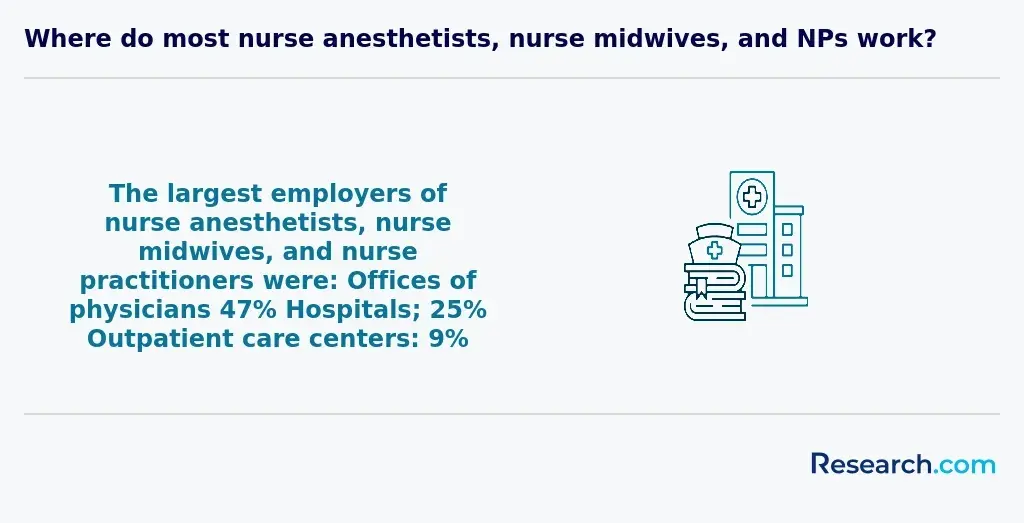
| Advanced Practice Registered Nurse (APRN) | Graduate nursing education, typically a master's degree in nursing, plus specialty preparation | National certification in the specialty area | RNs seeking expanded practice, such as nurse practitioner, clinical nurse specialist, nurse anesthetist, or nurse midwife roles |
RNs usually have a broader scope than LPNs. They develop care plans, administer many types of treatments, evaluate patient responses, and coordinate care across healthcare teams. LPNs provide essential nursing care, monitor patients, support activities of daily living, and work under the direction of RNs or physicians. APRNs practice at an advanced level and may diagnose conditions, prescribe medications, and manage patient care depending on their role, certification, and state rules.
If you already work in a healthcare support role, you may be able to build on your experience. Students comparing practical nursing options can review medical assistant to LPN online programs to understand how prior healthcare experience may connect to practical nursing education.
What are the requirements for a Louisiana nursing license?
The basic Louisiana nursing license requirements include education, clinical preparation, examination, identity verification, and background screening. The details vary by license type, but most first-time RN applicants follow a similar sequence: complete an approved program, finish required clinical training, apply for licensure, register for the NCLEX-RN, and clear the required background check.
Nursing students in Louisiana complete classroom instruction and supervised clinical practice. Depending on the program, students may complete between 500 to 1,000 clinical hours. These placements help students apply nursing theory in real patient-care settings, build documentation habits, practice communication skills, and learn how to function safely in hospitals, clinics, long-term care facilities, and community-based environments.
After meeting education requirements, RN candidates must pass the NCLEX-RN. The exam is designed to assess whether a graduate has the judgment and knowledge needed for safe entry-level practice. LPN candidates take the NCLEX-PN, which focuses on practical nursing responsibilities and safe care under supervision.
Common Louisiana nursing license requirements
- Graduation from an approved or accredited nursing program appropriate to the license sought
- Completion of required supervised clinical experience
- Application through the state licensing process
- Criminal background check, often including fingerprinting
- Submission of required identity, residency, affidavit, and education documents
- Passing score on the NCLEX-RN or NCLEX-PN, depending on the license
- Payment of the required application and examination-related fees
Students entering nursing from another academic or professional background should compare program formats carefully. An online nursing degree for non nurses may be useful for learners who need a structured route into nursing while meeting state approval and clinical placement expectations.
How do you apply for a nursing license in Louisiana?
Most Louisiana nursing license applicants begin online through the Louisiana Nurse Portal. The portal is used to create an applicant profile, submit forms, upload certain documents, and track application status. However, not every item can always be completed electronically; some materials, such as criminal background check packets or notarized affidavits, may need to be mailed according to board instructions.
Step-by-step application process
- Confirm the correct license type. Decide whether you are applying as an RN, LPN, APRN, endorsement applicant, or compact nurse.
- Check program eligibility. Make sure your nursing program meets Louisiana’s requirements before you apply.
- Create your portal account. Use the Louisiana Nurse Portal to start the application and follow the instructions for your license category.
- Submit education records. Provide transcripts or program completion documents as required by the board.
- Complete the background check. Follow fingerprinting and criminal background check instructions exactly, because incomplete packets can delay approval.
- Register for the NCLEX. First-time applicants must complete the appropriate exam registration process for the NCLEX-RN or NCLEX-PN.
- Pay required fees. Review the current fee schedule before submitting payment; fees can vary by application type.
- Monitor your status. Check the portal and respond promptly if the board requests additional information.
| Application item | Why it matters | Common delay to avoid |
| Official transcripts | They verify that you completed an eligible nursing program. | Submitting unofficial records when official documentation is required. |
| Background check | It supports patient safety and state eligibility review. | Missing fingerprinting instructions or mailing an incomplete packet. |
| Notarized affidavit | It confirms required applicant statements and identity information. | Forgetting notarization or sending a form with mismatched information. |
| Exam registration | It connects your application to the correct NCLEX examination. | Registering late or choosing the wrong exam type. |
Students considering healthcare roles outside nursing can also compare shorter administrative training options, such as affordable online medical billing and coding courses, before committing to a clinical licensure path.
How often do you need to renew your nursing license in Louisiana?
Louisiana nursing licenses must be renewed every two years. Renewal is separate from initial licensure and is usually less complex, but it is just as important. If your license expires or becomes inactive, you may lose the legal authority to practice until the issue is resolved.
Renewal typically involves confirming your personal and professional information, paying the applicable fee, and documenting completion of continuing education. Louisiana requires 30 contact hours to maintain licensure. Nurses should keep records of completed continuing education in case the board requests verification.
What to check before renewing
- Renewal window: Know when your license expires and avoid waiting until the last day.
- Continuing education: Confirm that your courses meet Louisiana requirements before paying for them.
- Portal access: Make sure you can log in to the Louisiana Nurse Portal well before the deadline.
- Disclosures: Answer renewal questions accurately, especially if your employment, discipline, or legal history has changed.
- Payment: Verify the current renewal fee instead of relying on an old fee schedule.
Maintaining an active license is especially important in a healthcare system that depends heavily on nursing labor across hospitals, clinics, home health, behavioral health, and long-term care. In 2020, the U.S. allocated $196.8 billion for nursing home care, underscoring how central licensed nursing services are to the broader care system.
RNs planning to move into psychiatric advanced practice can use renewal periods as a time to evaluate graduate study options, including affordable psychiatric nurse practitioner programs.
Can a Compact nurse practice in Louisiana?
Yes. Louisiana participates in the Nurse Licensure Compact, which allows eligible nurses with a multistate license to practice in other compact states without applying for a separate single-state license each time. The NLC was enacted in 2018 and currently includes 39 states. Louisiana joined the compact on January 1, 2021.
The compact can be especially useful for travel nurses, telehealth nurses, nurses living near state borders, and employers that need staffing flexibility. However, compact privilege is not automatic for every nurse. A nurse must hold an active, unencumbered multistate license from a compact member state and meet NLC eligibility requirements.
| Situation | What to do |
| You live in Louisiana and qualify for a multistate license | Apply through Louisiana as your primary state of residence if you meet compact eligibility rules. |
| You hold a multistate license from another compact state | You may practice in Louisiana under compact privilege if your license remains active and unencumbered. |
| You move permanently to Louisiana | Review compact rules because a change in primary state of residence can require a new license application. |
| You hold a license from a non-compact state | You may need to apply for Louisiana licensure by endorsement before practicing. |
What advanced education opportunities can boost your nursing career in Louisiana?
Advanced education can help Louisiana nurses move beyond entry-level practice into roles with more responsibility, specialization, and leadership. RNs may pursue BSN completion, MSN programs, doctoral nursing programs, nurse practitioner tracks, nurse educator preparation, nurse leadership degrees, or specialty-focused graduate certificates.
The best option depends on your current license, your desired patient population, and whether you want direct advanced practice, administration, education, informatics, or research. Nurses interested in diagnosing and managing patients should compare graduate pathways carefully, including nurse practitioner programs in Louisiana.
| Education goal | When it makes sense |
| ADN to BSN | You are an RN who wants broader career mobility, leadership preparation, or a foundation for graduate school. |
| MSN | You want advanced clinical, education, leadership, or specialty preparation. |
| DNP | You are preparing for high-level clinical leadership, systems improvement, or advanced practice development. |
| Post-graduate certificate | You already hold a graduate nursing degree and want to add a new specialty focus. |
What are the benefits of engaging in advanced nursing certifications in Louisiana?
Advanced nursing certifications allow nurses to document specialized competence in a defined area of practice. They can be valuable for nurses working in critical care, oncology, pediatrics, emergency nursing, case management, nursing education, informatics, or advanced practice specialties.
Certification does not replace state licensure, but it can strengthen a resume, support promotion into specialized units, satisfy employer expectations, and demonstrate commitment to professional growth. Before choosing a credential, review eligibility rules, renewal requirements, exam content, and whether your employer recognizes or financially supports the certification. Nurses comparing options can start with this overview of nursing certifications.
What career opportunities and professional growth prospects await licensed nurses in Louisiana?
Licensed nurses in Louisiana can work in hospitals, physician practices, urgent care centers, rehabilitation facilities, long-term care settings, home health agencies, public health programs, correctional healthcare, behavioral health, schools, and telehealth roles. Career growth often depends on education level, specialty experience, certifications, leadership ability, and willingness to work in high-need settings.
Entry-level nurses may begin in medical-surgical units, long-term care, clinics, or rehabilitation settings. With experience, nurses can move into charge nurse roles, specialty units, case management, quality improvement, utilization review, education, management, or graduate-level practice. If you want a full career roadmap from education through employment, review this guide on how to become a nurse in Louisiana.
How can nurses licensed in other states obtain a license in Louisiana?
Nurses who already hold a license in another state may be able to obtain a Louisiana nursing license through endorsement. Endorsement is not the same as starting over; it is a process that allows Louisiana to review your existing license, education, exam history, and background information before granting state authorization.
Typical endorsement requirements
- Completed Louisiana endorsement application and required fee
- Proof of a current, active nursing license in another state
- Verification that the existing license is in good standing
- Criminal background check as required by Louisiana law
- Official nursing education transcripts or equivalent documentation
- Any additional records requested by the licensing board
Foreign-educated nurses may need additional review before becoming eligible. This can include a recognized credential evaluation, evidence that education meets U.S. expectations, NCLEX-RN completion when required, and English proficiency documentation such as the TOEFL.
If you hold a multistate compact license, endorsement may not be necessary for temporary or remote work in Louisiana, but permanent relocation can change the rules. Nurses should verify their situation before accepting employment.
What tips and resources can help you through the licensing exam in Louisiana?
The NCLEX is not an exam you should approach with last-minute memorization. It tests clinical judgment, prioritization, safety, pharmacology, delegation, infection control, and patient-centered care. The best preparation starts during nursing school and continues with a focused study plan after graduation.
How to prepare for the NCLEX-RN or NCLEX-PN
- Read the candidate instructions early. Make sure you understand authorization to test, identification rules, scheduling, and retesting policies.
- Use NCLEX-style questions daily. Practice questions help you learn how the exam asks about priorities, risk, and safe interventions.
- Review rationales, not just scores. The explanation behind each answer is often more valuable than the percentage correct.
- Identify weak content areas. Focus extra study time on pharmacology, maternal-child nursing, mental health, fundamentals, or management of care if those areas are low.
- Simulate test conditions. Timed practice can improve stamina and reduce anxiety on exam day.
- Use school and board resources. Your nursing program, the LSBN website, and professional organizations can help clarify requirements and deadlines.
| Common NCLEX mistake | Better approach |
| Studying only content summaries | Combine content review with practice questions and detailed rationale review. |
| Ignoring test logistics | Confirm ID requirements, test location, arrival time, and authorization to test before exam day. |
| Waiting too long after graduation | Build a study calendar soon after program completion while course material is still fresh. |
| Changing answers without a reason | Use clinical judgment and safety principles rather than second-guessing every item. |
Professional groups such as the Louisiana State Nurses Association can also be useful for networking, continuing education, mentorship, and early-career support.
What are the career benefits of becoming an LPN in Louisiana?
Becoming an LPN can be a practical route into nursing for students who want to begin patient care sooner than a traditional RN pathway may allow. LPN programs are usually shorter than ADN or BSN programs, and they can lead to work in long-term care, clinics, rehabilitation, home health, and other supervised care environments.
The LPN path can also serve as a stepping stone. Many practical nurses later complete LPN-to-RN or LPN-to-BSN programs to expand their scope of practice and increase career mobility. Before enrolling, compare program approval status, NCLEX-PN preparation, clinical placement quality, and bridge-program transfer options. For a more focused overview, see this guide on what is required to become an LPN in Louisiana.
What non-clinical certifications can expand your professional scope in Louisiana?
Not every nurse wants to stay in direct bedside care for an entire career. Non-clinical certifications can help nurses move into healthcare administration, quality assurance, compliance, utilization review, informatics, case management, documentation improvement, revenue cycle roles, or education support positions.
One example is medical billing and coding. While it is not a nursing license, knowledge of coding and reimbursement can help nurses who want to work with documentation, claims, audits, healthcare operations, or payer-provider communication. Nurses interested in that route can review how to earn a medical billing and coding certification in Louisiana.
Are there any upcoming regulatory or licensure changes affecting Louisiana nurses?
Nursing rules can change because of workforce needs, compact licensure updates, continuing education standards, fee adjustments, telehealth practice, public health requirements, or changes in advanced practice regulation. Because licensure is legally binding, nurses should avoid relying on outdated school handouts, old forum posts, or secondhand advice.
The safest approach is to check the Louisiana State Board of Nursing directly before applying, renewing, moving to Louisiana, changing specialties, or starting an advanced practice program. Students who need flexibility as requirements evolve can also compare online nursing programs in Louisiana, but they should confirm that any online program includes approved clinical experiences and meets Louisiana licensing expectations.
What financial aid options are available for aspiring nurses in Louisiana?
Nursing education can be expensive, especially when students account for tuition, fees, books, uniforms, clinical supplies, transportation, exam fees, background checks, and lost work time during clinical rotations. Louisiana students should compare aid options before choosing a program.
Financial aid options to explore
- State grants and scholarships: Louisiana students may qualify for state-based aid, including programs administered through the Louisiana Office of Student Financial Assistance. The Taylor Opportunity Program for Students (TOPS) can cover tuition for qualifying Louisiana residents.
- Federal financial aid: Completing the FAFSA can help students qualify for federal grants, loans, and work-study opportunities, including Pell Grant funding when eligible.
- Loan repayment programs: The Nurse Corps Loan Repayment Program can repay up to 60% of a nurse's outstanding student loan debt for eligible nurses who commit to working in a designated Health Professional Shortage Area (HPSA).
- Employer support: Some healthcare employers offer tuition reimbursement, scholarships, paid training arrangements, or loan assistance for employees pursuing nursing credentials.
- Specialty scholarships: Professional associations and healthcare organizations may offer funding for students entering areas such as pediatrics, geriatrics, rural health, or behavioral health.
Do not choose a nursing program based on tuition alone. A lower-cost program may become more expensive if credits do not transfer, clinical sites are limited, exam pass support is weak, or the program does not meet licensure requirements.
What factors should you consider when choosing a nursing program in Louisiana?
The nursing program you choose can affect your eligibility for licensure, NCLEX readiness, clinical confidence, debt level, and long-term career options. Rankings can be helpful, but they should not replace your own review of accreditation, state approval, cost, clinical placement quality, student support, and graduate outcomes. Students comparing institutions can start with this list of the best nursing schools in Louisiana.
| Factor | Why it matters | Question to ask |
| Approval and accreditation | Licensure eligibility depends on completing a program that meets state requirements. | Is this program approved for Louisiana nursing licensure? |
| NCLEX preparation | Your license depends on passing the required exam. | How does the program support students who are preparing for the NCLEX? |
| Clinical placements | Strong clinical experiences build practical judgment and confidence. | Where are clinical rotations located, and who arranges them? |
| Total cost | Tuition is only one part of the real expense. | What are the full costs for fees, supplies, uniforms, testing, transportation, and background checks? |
| Schedule format | Work and family responsibilities can affect completion. | Are evening, weekend, hybrid, or part-time options available? |
| Transfer and bridge options | Your first credential may not be your final nursing credential. | Will credits apply toward an RN, BSN, MSN, or other future program? |
How can bridging programs elevate your nursing career in Louisiana?
Bridge programs are designed for nurses who already hold one credential and want to advance without starting from the beginning. Common examples include LPN-to-RN, RN-to-BSN, ADN-to-MSN, and ADN-to-NP routes. These programs can help nurses qualify for broader practice responsibilities, graduate education, leadership roles, or advanced practice preparation.
The best bridge program is not always the fastest one. Nurses should compare accreditation, clinical requirements, faculty support, state authorization, specialty fit, and whether the schedule is realistic while working. Those aiming for advanced practice can compare ADN to NP programs to understand how associate-degree nurses may move toward graduate-level roles.
What alternative healthcare licenses can complement your nursing career in Louisiana?
Some nurses expand their careers by adding credentials outside traditional nursing. Complementary credentials can support work in interdisciplinary care, healthcare operations, medication safety, public health, compliance, education, or administration. However, each licensed profession has its own education, exam, and regulatory requirements, so nurses should not assume that nursing coursework automatically transfers into another profession.
Pharmacy is one possible healthcare pathway for professionals interested in medication systems and patient safety from a different clinical perspective. If you are evaluating that route, review this guide on how to become a licensed pharmacist in Louisiana.
How can pursuing nurse midwifery expand your career in Louisiana?
Nurse midwifery is an advanced practice nursing specialty focused on pregnancy, birth, postpartum care, reproductive health, and preventive services. For RNs who are drawn to women's health and community-centered care, this path can offer more clinical autonomy and a deeper specialty focus.
Because nurse midwifery is an advanced practice role, nurses should review graduate education requirements, certification expectations, clinical hour requirements, state practice rules, and employment settings before applying. For Louisiana-specific guidance, see this overview of the educational requirements for a nurse midwife in Louisiana.
What are the costs and considerations of becoming a nurse in Louisiana?
The cost of becoming a nurse in Louisiana depends on the credential, school type, program length, financial aid, and how much time a student can work while enrolled. ADN programs often cost less than BSN programs, but a BSN may create broader options for leadership, specialty practice, and graduate education. LPN programs may offer a faster entry point, while APRN pathways require additional graduate-level investment.
Costs to include in your nursing budget
- Tuition and institutional fees
- Textbooks, digital learning platforms, and exam-prep tools
- Uniforms, shoes, stethoscope, and clinical supplies
- Immunizations, health screenings, and drug testing if required by clinical sites
- Fingerprinting and criminal background checks
- NCLEX registration and related testing costs
- Licensure application and renewal fees
- Transportation, parking, and possible lost wages during clinical rotations
If you plan to continue into advanced practice, account for the additional expenses of graduate education, certification exams, clinical placements, and renewal. Nurses weighing that step can review how much it costs to become a nurse practitioner in Louisiana as part of their long-term planning.
Common mistakes to avoid
| Mistake | Why it can hurt you | Better decision |
| Choosing a school without checking approval | You may complete coursework that does not support Louisiana licensure. | Verify state approval and accreditation before enrolling. |
| Looking only at tuition | Fees, supplies, travel, testing, and lost work time can change the real cost. | Compare total cost of attendance and available aid. |
| Assuming online means fully remote | Nursing programs still require clinical practice and in-person skills training. | Ask how clinical placements and labs are handled. |
| Ignoring renewal rules | An expired license can interrupt employment and legal practice authority. | Track renewal deadlines and continuing education requirements. |
| Relying only on rankings | A highly ranked program may not fit your schedule, finances, or location. | Use rankings as one data point, not the entire decision. |
| Assuming salary outcomes are guaranteed | Pay varies by employer, specialty, experience, shift, and location. | Research local employers and compare multiple career paths. |
How can you start your career as an LVN in Louisiana?
Louisiana commonly uses the term LPN, while LVN is the term used in some other states for a similar practical nursing role. If you are searching for LVN information in Louisiana, you should generally look for approved practical nursing or LPN programs, confirm NCLEX-PN eligibility, and verify the correct state licensing process.
Students who want a direct entry into patient care should compare approved practical nursing programs, clinical placements, NCLEX-PN support, cost, and bridge options into RN education. For a state-focused explanation, review how to become an LVN in Louisiana.
Related Articles for Nearby States
- 2027 Mississippi Nursing License Requirements
- 2027 Arkansas Nursing License Requirements
- 2027 Texas Nursing License Requirements
- 2027 Alabama Nursing License Requirements
- 2027 Tennessee Nursing License Requirements
- 2027 Missouri Nursing License Requirements
- 2027 Oklahoma Nursing License Requirements
- 2027 Florida Nursing License Requirements
- 2027 Kentucky Nursing License Requirements
- 2027 Georgia Nursing License Requirements
References:
- Grabowski, D., Chen, A., & Saliba, D. (2023). Paying for Nursing Home Quality: An Elusive But Important Goal. Journal of the American Geriatrics Society, 71, 342 - 348. https://doi.org/10.1111/jgs.18260
- lsbn.state.la.us (05 Apr 2021). Louisiana State Board of Nursing. [lsbn.state.la.us]
- U.S. Bureau of Labor Statistics. (2023, September 6). Occupational outlook handbook - Nursing assistants and orderlies. Retrieved February 16, 2024, from BLS.
Key Insights
- A Louisiana nursing license is required before you can legally practice as a nurse in the state unless you qualify to work under a valid Nurse Licensure Compact privilege.
- RN candidates generally need an approved ADN or BSN pathway and must pass the NCLEX-RN; LPN candidates complete practical nursing education and take the NCLEX-PN.
- Application delays often come from incomplete background-check packets, missing transcripts, incorrect exam registration, or failure to follow portal instructions.
- Louisiana nursing licenses must be renewed every two years, and nurses should plan ahead for the 30 contact hours required to maintain licensure.
- Program choice matters. Before enrolling, verify state approval, accreditation, clinical placement arrangements, NCLEX support, total cost, and transfer or bridge options.
- The Nurse Licensure Compact can improve mobility, but compact rules depend on primary state of residence, license status, and eligibility requirements.
- Advanced education, certifications, and bridge programs can expand a Louisiana nurse’s career options, but they should be chosen based on scope-of-practice goals, cost, and employer value.
- Financial planning should include more than tuition. Budget for supplies, testing, licensing fees, background checks, transportation, and time away from work during clinical training.
Other Things You Should Know About Nursing Licenses in Louisiana
In 2027, to become a registered nurse in Louisiana, candidates must graduate from an accredited nursing program, pass the NCLEX-RN exam, submit a completed application to the Louisiana State Board of Nursing, undergo a criminal background check, and pay the necessary licensing fees.
To obtain a registered nurse license in Louisiana in 2027, applicants must graduate from an accredited nursing program, pass the NCLEX-RN exam, and submit a complete application to the Louisiana State Board of Nursing. Additionally, candidates must undergo a criminal background check and provide proof of U.S. citizenship or lawful presence.
Louisiana nursing applicants must pass the NCLEX-RN for registered nurse licensure or the NCLEX-PN for practical nurse licensure. After graduation from an approved program and Board of Nursing approval, candidates register with Pearson VUE and schedule the exam through the Louisiana State Board of Nursing.




