2027 How to Become a Mechanic in Kentucky: Requirements & Certification

Co-Founder and Chief Data Scientist
Becoming a mechanic in Kentucky is a practical skilled-trades path for people who want hands-on work, steady vehicle service demand, and a faster route into the workforce than a four-year degree. The challenge is knowing which training route to choose, whether certification is necessary, how much tools and tuition may cost, and which mechanic specialties offer the best long-term options.
This guide explains how to become a mechanic in Kentucky in 2026, including education choices, ASE certification, apprenticeships, costs, salary expectations, job options, tools, skills, technology changes, and common mistakes to avoid. It is written for high school students, career changers, military veterans, and working adults comparing automotive training with other technical careers.
Key Things to Know About Becoming a Mechanic in Kentucky
- Kentucky does not require a state mechanic license for general automotive repair work, but employers commonly look for training, experience, a valid driver’s license, and safety awareness.
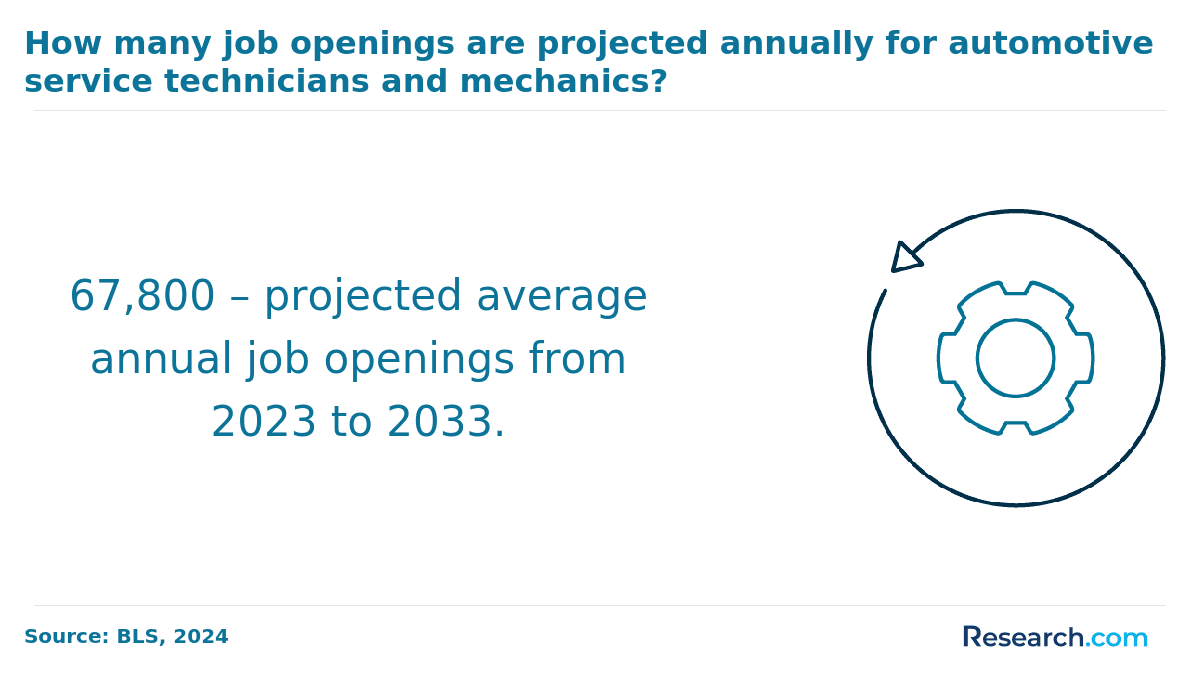
- Available source figures point to continued demand, including a projection of over 8% in the next decade and another projection of 7% from 2022 to 2032 for Kentucky’s mechanic job market.
- The median annual salary for mechanics in Kentucky is approximately $42,500, with pay varying by location, employer type, specialization, certifications, and experience.
- Many Kentucky automotive training programs take 12 to 24 months and combine classroom instruction with shop-based practice.
- ASE certification is not legally required in Kentucky, but it is one of the most useful credentials for proving competence to dealerships, fleet employers, and independent repair shops.
Quick Answer: How do you become a mechanic in Kentucky?
To become a mechanic in Kentucky, earn a high school diploma or GED, build basic automotive and safety skills, complete technical training or an apprenticeship, gain hands-on shop experience, and pursue ASE certification once you meet the experience requirements. Kentucky does not require a state license for most auto mechanic jobs, but employers often prefer candidates who have formal automotive technology training, a valid driver’s license, their own starter tool set, and proof of job-ready skills.
| Decision Point | Best Choice for Most Beginners | Why It Matters |
| Minimum education | High school diploma or GED | Most employers and training programs expect it, especially for entry-level technician roles. |
| Training route | Certificate, diploma, associate degree, or apprenticeship | The right path depends on budget, schedule, and how quickly you want to work. |
| Certification | ASE certification after gaining experience | It can improve credibility and help you qualify for better roles, even though Kentucky does not mandate it. |
| Typical training length | 12 to 24 months | Shorter certificates may lead to entry-level work; longer programs may provide broader preparation. |
| Estimated starting investment | Tuition, tools, books, exams, and safety gear | Tools and fees can add significantly to tuition, so compare total cost instead of tuition alone. |
- Steps to become a mechanic in Kentucky
- Training and education options in Kentucky
- Certification requirements for Kentucky mechanics
- How long mechanic training takes
- How much mechanic training costs
- Kentucky mechanic job opportunities
- Whether related trades can help your mechanic career
- How new vehicle technology affects mechanics
- Mechanic training ROI in Kentucky
- Alternative technical careers to compare
- Ways to finance mechanic training
- Mechanic salaries in Kentucky
- Tools and skills mechanics need
- Career advancement options
- Pros and cons of the career
What are the steps to become a mechanic in Kentucky?
The most efficient path is to build basic eligibility first, then add training, experience, and credentials in the order employers value them. Kentucky’s lack of a statewide mechanic license makes entry more accessible, but it also means your training record, work experience, and certifications carry more weight.
Meet the Basic Legal Requirements
Start by making sure you meet the basic expectations for employment. Most shops want mechanics to be at least 18 years old and to hold a valid driver’s license because technicians often move customer vehicles, test-drive cars, or operate shop equipment. Kentucky does not issue a general auto mechanic license, but some employers may require safety training aligned with KOSHA, the Kentucky Occupational Safety and Health Administration.
Get Your High School Diploma or GED
A high school diploma or GED is the usual starting point for mechanic training and entry-level hiring. Courses in math, physics, computer science, electronics, welding, and automotive repair can help you prepare for diagnostic work, measuring tolerances, reading service information, and understanding electrical systems.
Consider Post-Secondary Education
Formal automotive technology training is not mandatory for every shop job, but it can shorten the learning curve and make you more competitive. Community colleges and vocational schools may cover engine performance, brakes, steering and suspension, transmissions, electrical systems, emissions, and shop safety. Programs with NATEF accreditation are especially worth reviewing because they are designed around industry-recognized training standards. Bluegrass Community and Technical College is one Kentucky option commonly associated with automotive training.
Earn ASE Certification
ASE certification is voluntary, but it is one of the clearest ways to show employers that your skills have been tested. It can be useful for advancement, dealership work, fleet maintenance roles, and customer trust. Some programs, including pathways connected with schools such as BCTC, may also help students prepare for ASE exams or apply exam success toward college credit.
Gain Hands-On Experience
Shop experience is where classroom knowledge becomes job-ready skill. Look for apprenticeships, internships, paid entry-level technician jobs, tire and lube technician roles, dealership assistant positions, or fleet maintenance openings. Many employers want at least a year of on-the-job training, and a two-year automotive repair degree can help you stand out when applying for more technical roles.
| Step | What to Do | What to Watch For |
| 1. Confirm eligibility | Secure a valid driver’s license and meet age expectations. | Some employers may require a clean driving record or drug screening. |
| 2. Finish high school or GED | Build math, science, computer, and mechanical foundations. | Skipping this step can limit training and hiring options. |
| 3. Choose a training path | Compare certificates, diplomas, associate degrees, and apprenticeships. | Do not choose based only on the shortest timeline. |
| 4. Get shop experience | Work in repair shops, dealerships, tire centers, or fleet service departments. | Ask whether the role includes mentoring or only repetitive basic tasks. |
| 5. Add credentials | Prepare for ASE exams and, if useful, manufacturer-specific training. | Certification helps most when paired with real experience. |
What training and education options are available in Kentucky?
Kentucky students can prepare for mechanic jobs through community college programs, vocational training, high school technical centers, apprenticeships, and employer-based training. The best choice depends on how quickly you need to earn income, whether you want an academic credential, and whether you plan to specialize later.
| Training Option | Best For | Typical Advantage | Possible Limitation |
| Certificate program | Students who want a faster entry into basic technician work | Focused training in core repair skills | May provide less general education or advanced coverage |
| Diploma program | Learners who want more depth than a short certificate | Can prepare for several shop functions | Usually costs more and takes longer than a short certificate |
| Associate degree | Students who want broader training and possible advancement options | Combines technical coursework with a more complete credential | Requires a longer time commitment |
| Apprenticeship or on-the-job training | People who want to earn while learning | Direct work experience and employer connections | Training quality can vary by employer |
| High school technical program | Students planning early entry into the trade | Early exposure before college or full-time work | Usually not enough alone for advanced technician roles |
- Community colleges and vocational schools provide structured instruction in automotive theory, diagnostics, and shop practice. Bluegrass Community and Technical College and Jefferson Community and Technical College are examples of Kentucky schools associated with automotive technology training.
- Apprenticeships and paid training positions allow you to learn repair procedures, shop workflow, tool use, and customer-service expectations while building employment history.
- High school career and technical education programs can help students test their interest before committing to a postsecondary program.
- The Kentucky Community and Technical College System (KCTCS) may connect students with advising, financial aid information, career services, and job-placement support.
- ASE preparation can be an important add-on because many Kentucky employers use ASE certification as a practical signal of technician competence.
Students comparing mechanic apprenticeship programs Kentucky employers may offer should look for a combination of supervised shop work, clear wage progression, exposure to multiple repair systems, and support for certification. If you are still comparing trades, Research.com’s guide to the best jobs for trade school graduates can help you see how automotive careers compare with other hands-on occupations.
Do you need certifications to work as a mechanic in Kentucky?
No. Kentucky does not require a state-issued license or certification for most general auto mechanic jobs. That said, certification can matter a great deal in the hiring process because employers still need evidence that you can diagnose problems, complete repairs safely, and work efficiently.
When people search for Kentucky auto mechanic certification requirements, they are usually asking whether ASE is required. It is not required by state law, but it is widely recognized by employers. ASE certification for mechanics in Kentucky typically involves 1-2 years of hands-on experience and passing one or more specialized exams.
Manufacturer certifications may also be useful if you want to work for a dealership or focus on a specific brand. These credentials can cover brand-specific diagnostic software, repair procedures, warranty requirements, hybrid systems, or electric vehicle components.
| Credential | Required in Kentucky? | When It Helps Most |
| ASE certification | No | Applying to competitive shops, advancing beyond entry-level work, or proving specialty knowledge |
| Manufacturer certification | No | Working at dealerships or servicing specific vehicle brands |
| Safety training | Employer-dependent | Working around lifts, chemicals, powered tools, and shop hazards |
| Driver’s license | Usually expected by employers | Moving vehicles, test-driving repairs, and handling shop responsibilities |
Before paying for exams, ask employers in your area which certifications they value. If you want a broader view of the occupation, Research.com’s career guide on how to become an auto mechanic, salary expectations, and career paths explains how credentials fit into the larger career plan.
How long does it take to become a mechanic in Kentucky?
Most Kentucky mechanic training routes take about one to two years, although the timeline depends on whether you choose a short certificate, a diploma, an associate degree, or a paid apprenticeship. Some learners can enter basic service roles sooner, but becoming a well-rounded technician usually takes sustained shop experience beyond the first credential.
Community college programs in the Kentucky Community and Technical College System often provide a more structured two-year route. These programs can include general repair foundations, diagnostics, and hands-on lab work. Shorter certificate programs may be completed in less than a year and may focus on the fastest path into entry-level work.
Apprenticeships are another option. The Transportation Mechanic Apprenticeship Program (TMAP) is a two-year pathway that combines employment-based learning with college coursework. This type of model can be attractive if you want income, mentoring, and a clearer connection between training and real repair work.
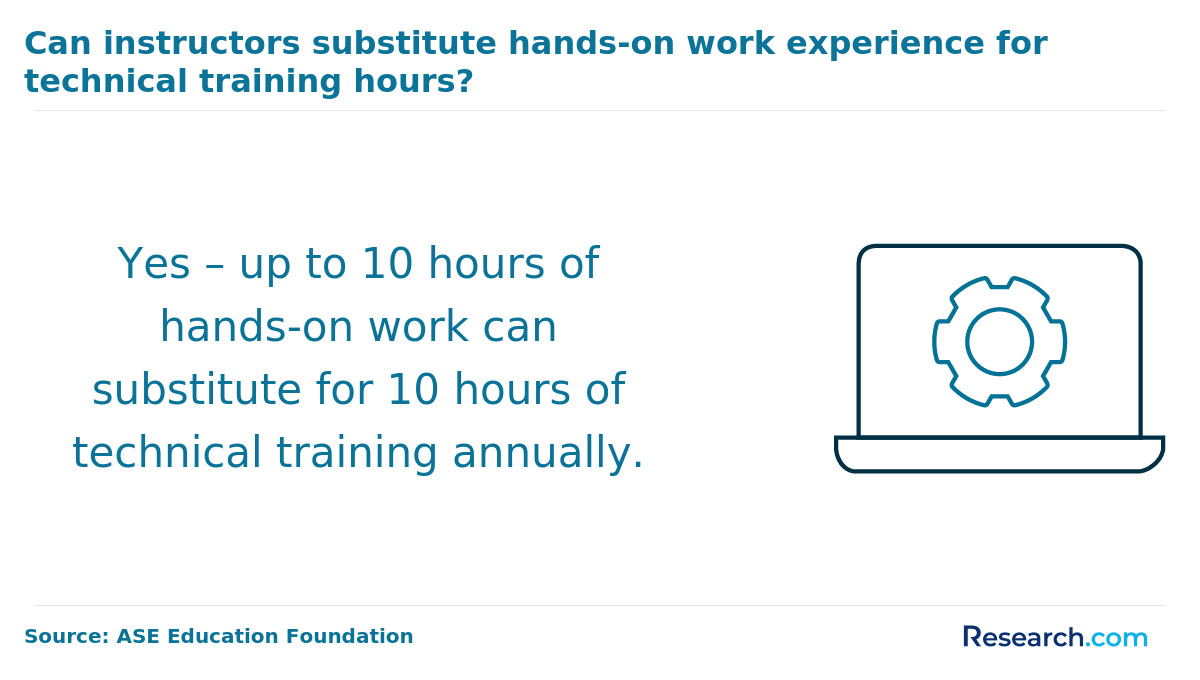
ASE or manufacturer credentials can add preparation time, especially if you need to build 1-2 years of hands-on experience before sitting for certain exams. Still, certification preparation can happen while you are already working, so it does not always delay employment.
| Path | Approximate Timeline | Good Fit If You... |
| Short certificate | Less than a year | Want to qualify for basic service or entry-level shop work quickly |
| Diploma or technical program | 12 to 24 months | Want more structured training before applying for technician roles |
| Associate degree | About two years | Want broader preparation and a stronger academic credential |
| TMAP-style apprenticeship | Two-year program | Prefer earning wages while completing guided training |
| ASE certification path | Often after 1-2 years of experience | Want to document specialized competence after gaining shop experience |
How much does it cost to become a mechanic in Kentucky?
The total cost to become a mechanic in Kentucky can range from about $4,000 to $14,000 depending on the school, credential type, residency status, tools, supplies, and certification exams. Tuition is only one part of the budget; tools and equipment can be a major upfront expense for new technicians.
- Tuition for an Associate Degree in Automotive Technology is around $13,464, while diploma programs run about $11,968.
- In-state tuition at some Kentucky community colleges can be as low as $4,248 per year, while out-of-state students may pay up to $14,400.
- A starter tool set may cost between $1,500 and $3,500.
- Books and course materials can add $500 to $1,000 annually.
- ASE certification exams cost about $47 each, and many candidates take at least 4 or 5 to stay competitive.
- Work clothing and protective gear may require $200 to $400 upfront.
| Cost Category | Estimated Amount Stated | How to Evaluate It |
| Associate degree tuition | Around $13,464 | Ask whether tools, fees, and books are included. |
| Diploma program tuition | About $11,968 | Compare the credential length and employer recognition. |
| In-state community college tuition | As low as $4,248 per year | Confirm residency rules and program-specific fees. |
| Out-of-state tuition | Up to $14,400 | Consider whether relocating or waiting for residency status changes the cost. |
| Starter tools | $1,500 to $3,500 | Ask whether the school has tool discounts or required tool lists. |
| Books and materials | $500 to $1,000 annually | Check whether digital service information fees are separate. |
| ASE exams | About $47 each | Plan for multiple tests if you want broader certification coverage. |
| Protective gear | $200 to $400 upfront | Budget for boots, eye protection, gloves, and durable workwear. |
Ways to reduce costs include applying for the Work Ready Kentucky Scholarship, comparing Gateway and Bluegrass Community and Technical Colleges, asking employers about tuition assistance, and considering apprenticeships that combine paid work with training. If you are comparing fast trade options beyond automotive repair, see Research.com’s guide to quick-to-learn trade jobs that pay well for additional context.
What job opportunities are available for mechanics in Kentucky?
Kentucky mechanics can work in independent repair shops, dealerships, trucking companies, public agencies, manufacturers, equipment rental companies, construction firms, agricultural service operations, and fleet maintenance departments. The best opportunity depends on the systems you want to repair and the kind of work environment you prefer.
Automotive Service Technicians and Mechanics
Automotive service technicians handle passenger vehicle maintenance, diagnostics, and repair. This is often the most familiar path for new mechanics and may include oil service, brakes, inspections, alignments, electrical diagnostics, and engine performance work. The source material notes that the industry is valued at nearly $900 million by 2025, which points to a substantial service market.
Diesel Mechanics
Diesel mechanics service trucks, buses, farm equipment, and other diesel-powered vehicles. Kentucky’s logistics, transportation, and agriculture activity can make diesel skills valuable, especially for technicians who enjoy larger systems and fleet work.
Industrial Maintenance Technicians
Industrial maintenance technicians apply mechanical troubleshooting to production equipment rather than passenger vehicles. This path may appeal to mechanics who like hydraulics, motors, belts, bearings, sensors, and preventive maintenance in manufacturing settings.
Mechanical Engineering Technicians
Mechanical engineering technician roles combine repair ability with testing, measurement, documentation, and technical problem-solving. This can be a good direction for mechanics interested in design support, product testing, or engineering-adjacent work.
Electro-Mechanical and Mechatronics Technicians
Automation has increased the need for technicians who understand mechanical systems, electronics, controls, sensors, and computer-guided equipment. Mechanics who are comfortable with diagnostics and wiring may find this transition especially practical.
Construction Equipment Mechanics
Construction equipment mechanics maintain and repair loaders, excavators, lifts, graders, and similar heavy machinery. The source article notes that Kentucky’s construction industry added over 4,000 jobs recently, which may support demand for heavy equipment service skills.
| Role | Common Employers | Best Skill Focus |
| Auto service technician | Dealerships, independent shops, tire and service centers | Diagnostics, brakes, electrical systems, engine performance |
| Diesel mechanic | Trucking firms, bus fleets, agricultural operations | Diesel engines, hydraulics, preventive fleet maintenance |
| Industrial maintenance technician | Manufacturers, warehouses, production facilities | Mechanical systems, sensors, motors, troubleshooting |
| Mechatronics technician | Automated plants and technical service employers | Controls, electronics, mechanical repair, diagnostics |
| Construction equipment mechanic | Construction firms, rental companies, equipment dealers | Heavy equipment repair, hydraulics, diesel systems |
If you want to compare mechanic training with broader automotive education options, Research.com’s overview of an automotive technology degree can help you understand how education may connect with salary and advancement.
Can expanding skills into related trades benefit a Kentucky mechanic's career?
Yes. Cross-training can make a mechanic more versatile, especially when the added skill supports vehicle systems, facility maintenance, or service business growth. HVAC, electrical, welding, diesel, and industrial maintenance skills can help mechanics qualify for specialized roles or move into environments beyond passenger auto repair.
HVAC knowledge, for example, can support work on vehicle climate systems and may also open a separate service path. If you are considering that direction, Research.com’s guide on how to get HVAC license in Kentucky explains a related trade route that may complement automotive experience.
How will emerging automotive technologies impact mechanic careers in Kentucky?
Vehicle repair is becoming more diagnostic, software-driven, and electronics-heavy. Electric vehicles, hybrid systems, advanced driver-assistance features, automated diagnostic platforms, and networked control modules are changing what mechanics need to know. Technicians who rely only on traditional mechanical repair may face limits, while those who understand electrical testing, scan tools, software updates, and high-voltage safety may have stronger long-term options.
Electrical skills are increasingly relevant because modern vehicles depend on sensors, wiring, modules, charging systems, and communication networks. If you are interested in a related path with strong electrical foundations, Research.com’s guide on how to become an electrician in Kentucky can help you compare requirements and career fit.
What is the return on investment from mechanic training in Kentucky?
The return on investment depends on the total amount you spend, how quickly you begin earning, whether your program helps you secure a job, and whether certifications or specializations lead to better wages. A lower-cost certificate may produce a faster short-term payoff, while a broader associate degree may provide more flexibility if you want advancement, management, or specialized technical roles.
To evaluate ROI, compare tuition, tools, books, certification exams, transportation, lost work time, and expected local wages. Also ask each program for job-placement support, employer partnerships, and whether credits can transfer. Mechanics who eventually want to run a shop or move into management may also benefit from business training; Research.com’s list of top business schools in Kentucky can help you explore that longer-term option.
| ROI Question | Why It Matters |
| How much will I pay in total, including tools? | Tool costs can change the real price of an otherwise affordable program. |
| How soon can I start paid work? | A paid apprenticeship may reduce debt and speed up earnings. |
| Does the program prepare students for ASE exams? | Certification preparation may improve career mobility. |
| Are local employers hiring graduates? | Employer connections can matter as much as coursework. |
| Can I specialize later? | Diesel, diagnostics, fleet, and advanced vehicle technology may support growth. |
Are there alternative technical career paths worth considering in Kentucky?
Yes. If you like diagnostics, repair, and technical problem-solving but are not fully committed to automotive work, compare mechanic training with other applied technical careers. Industrial maintenance, HVAC, electrical work, biomedical equipment repair, welding, diesel technology, and healthcare technology roles may offer different schedules, work settings, licensing rules, and earnings potential.
Some mechanics use their troubleshooting skills to move into equipment service outside the automotive field. For example, those interested in healthcare equipment or imaging-related technical work may want to review Kentucky ultrasound technician requirements to understand how a different technical career path is structured.
How can you finance your mechanic training and career advancement in Kentucky?
Mechanic training can be financed through scholarships, grants, workforce programs, student loans, employer reimbursement, apprenticeships, and school payment plans. Start with lower-cost public options and grant-based aid before taking on debt. Then ask employers whether they reimburse ASE exams, tools, uniforms, or continuing education.
- Ask the school’s financial aid office about grants, scholarships, and Work Ready Kentucky Scholarship eligibility.
- Compare total program cost, not just advertised tuition.
- Look for apprenticeships or entry-level shop jobs that provide paid training.
- Ask local dealerships, fleet employers, and repair shops whether they sponsor tools or certifications.
- Consider whether part-time enrollment helps you keep income while training.
It can also be useful to compare financing structures across technical programs. Research.com’s guide on how to become a radiology technician in Kentucky offers another example of how students evaluate training costs, requirements, and career investment.
How much do mechanics make in Kentucky?
Mechanic pay in Kentucky varies by data source, city, employer, specialization, and experience level. The median annual salary for mechanics in Kentucky is approximately $42,500, but individual wages can be higher or lower depending on whether you work in general automotive service, diesel repair, commercial fleets, dealerships, or advanced diagnostics.
- Indeed reports an average mechanic wage of about $24.17 per hour, plus some overtime.
- ZipRecruiter lists a slightly lower average hourly wage of $22.69.
- Talent.com reports annual pay around $58,500, or $28.13 per hour.
- Salary.com places entry-level mechanics closer to $45,742 yearly, with higher pay for experienced technicians.
- CareerExplorer shows a broader range, from $23,310 at the lower end to over $61,000 for top earners.
Based on the figures cited above, many Kentucky mechanics fall somewhere between $36,000 and $50,000 a year, although specialized or experienced technicians can exceed that range. Louisville, Lexington, and other larger labor markets may offer stronger pay than smaller rural areas, but cost of living, commute, and shop culture also matter.
Commercial fleet work can be especially competitive. For example, commercial fleet mechanics at Estes Express Lines in Lexington make between $32.75 and $38.75 per hour. Skills in diagnostics, diesel service, hybrid systems, and electric vehicles may also help technicians pursue higher-paying roles.
If you want to compare automotive repair with a more engineering-oriented path, Research.com’s ranking of most affordable online mechanical engineering degrees can help you explore related education options.
What tools and skills do mechanics need to succeed?
Successful mechanics combine manual skill, diagnostic thinking, tool discipline, safety habits, and customer communication. Modern vehicles also require comfort with computers, electronic testing, and technical service information.
| Skill or Tool Area | Why It Matters |
| Engine systems | Mechanics need to understand gasoline and diesel operation, drivability issues, and repair procedures. |
| Computerized diagnostics | Scan tools and diagnostic software help identify faults in modern vehicles. |
| Electrical systems | Wiring, sensors, modules, and charging systems are central to current vehicle repair. |
| Brake, suspension, and transmission service | These systems are among the most common repair and maintenance areas. |
| Manual dexterity | Technicians often work in tight spaces with small fasteners, connectors, and precision parts. |
| Customer communication | Clear explanations help customers understand repairs, costs, and maintenance priorities. |
| Safety practices | Shops involve lifts, chemicals, hot parts, sharp tools, and heavy components. |
| Continuous learning | Vehicle technology changes quickly, so training cannot stop after the first credential. |
- Build a starter tool set gradually and prioritize quality for tools you use every day.
- Learn to read service manuals, wiring diagrams, diagnostic trouble codes, and technical service bulletins.
- Practice documenting repairs clearly; strong documentation helps with warranty work and customer trust.
- Develop physical habits that reduce injury risk, including safe lifting, eye protection, and proper use of vehicle lifts.
- Strengthen communication skills because many technician roles involve explaining complex problems in simple terms.
What are the career growth opportunities for mechanics in Kentucky?
Get Certified and Keep Learning
ASE certification, manufacturer training, diagnostic coursework, and continuing education can help Kentucky mechanics move beyond entry-level service. The more complex the repair work, the more employers tend to value proven training and problem-solving ability.
Specialize in High-Demand Areas
Diesel systems, hybrid vehicles, electric vehicles, heavy equipment, advanced diagnostics, and fleet maintenance can create stronger advancement options than staying only in basic maintenance. Specialization can also make your skills more portable across employers.
Look to Bigger Cities and Employers
Louisville, Lexington, and Northern Kentucky often offer a wider range of dealerships, fleet operators, logistics employers, and industrial companies. Larger employers may provide more structured pay scales, benefits, training reimbursement, and promotion paths.
Take Advantage of Local Training Programs
Community colleges and trade schools can help mechanics refresh skills, prepare for certification, and connect with employers. If you are already working, ask whether your employer will support evening classes, online coursework, or certification exam fees.
Build Experience and Network
Reputation matters in local repair markets. Reliable attendance, clean workmanship, honest communication, and strong diagnostic habits can lead to referrals, better jobs, and mentorship opportunities. Networking with instructors, parts suppliers, shop owners, and experienced technicians can also uncover jobs that are not widely advertised.
| Career Stage | Typical Goal | Next Move |
| Entry-level technician | Build speed, accuracy, and safety habits | Learn from senior technicians and document completed repairs |
| General service technician | Handle common maintenance and repair work | Prepare for ASE exams and expand diagnostic skills |
| Specialized technician | Focus on diesel, electrical, diagnostics, fleet, or advanced systems | Pursue manufacturer or specialty training |
| Lead technician or shop foreman | Guide workflow and support other technicians | Develop leadership and communication skills |
| Shop owner or service manager | Manage customers, staff, operations, and profitability | Add business, accounting, and management knowledge |
What are the pros and cons of becoming a mechanic in Kentucky?
A mechanic career in Kentucky can be a strong fit for people who want practical work, quicker training, and clear skill progression. It may not be ideal for people who want desk-based work, predictable physical demands, or a career that does not require ongoing technical training.
Pros
- Accessible entry: Kentucky does not require a general state mechanic license, so students can enter the field through several training and work-based routes.
- Hands-on work: Mechanics solve visible, practical problems and can see the result of their labor quickly.
- Multiple employer types: Jobs may be available in independent shops, dealerships, fleets, manufacturing, agriculture, and construction equipment service.
- Specialization potential: Diesel, diagnostics, hybrid systems, electric vehicles, and heavy equipment can support career growth.
- Training options: Kentucky community colleges, technical schools, and apprenticeships provide several ways to prepare.
Cons
- Physical strain: The job may involve lifting, bending, awkward positions, heat, cold, noise, and long hours on your feet.
- Upfront tool costs: New technicians often need to buy tools, safety gear, and work clothing before earning higher wages.
- Early-career pay limits: Entry-level wages may be modest until you gain experience, certifications, and speed.
- Technology pressure: Mechanics must keep learning as vehicles become more computerized and electrified.
- Customer and deadline stress: Repair work can involve urgent schedules, cost-sensitive customers, and warranty or comeback pressure.
| Common Mistake | Better Approach |
| Choosing the cheapest program without checking outcomes | Compare total cost, employer partnerships, hands-on hours, and job-placement support. |
| Ignoring tool costs | Ask for the required tool list before enrolling and budget for $1,500 to $3,500 if needed. |
| Assuming certification is unnecessary because Kentucky has no license | Treat ASE certification as an employer-recognized career asset, not a legal formality. |
| Training only on older vehicle systems | Build skills in electrical diagnostics, scan tools, hybrid systems, and emerging vehicle technology. |
| Relying only on rankings or school advertisements | Visit shops, talk to employers, review program requirements, and ask recent graduates about results. |
| Overlooking paid apprenticeship options | Compare earn-while-you-learn routes with full-time school programs before deciding. |
What do mechanics say about their careers in Kentucky?
Student and worker comments in the source material point to three recurring themes: hands-on practice matters, access to training resources builds confidence, and community-based repair work can make the trade feel meaningful.
Jason described vocational automotive training as the point where engine work and diagnostic practice turned an interest in cars into a serious career goal. He emphasized that practical instruction helped prepare him for real shop problems.
Thomas credited state-supported career resources with giving him repeated practice on advanced mechanical tasks, which helped him become more confident when troubleshooting difficult vehicle issues.
Darnell highlighted the value of community-focused repair work, noting that working on many types of vehicles while helping others made the learning process more motivating.
Questions to ask before choosing a mechanic program in Kentucky
- Is the program certificate, diploma, or associate degree level?
- How many hours are spent in a shop or lab, not just in a classroom?
- Does the program prepare students for ASE exams?
- Are tools included, discounted, rented, or purchased separately?
- What is the total cost after tuition, fees, books, tools, exams, and safety gear?
- Does the school have relationships with local dealerships, fleet employers, or repair shops?
- Can credits transfer if you later pursue another technical credential?
- Are evening, part-time, or apprenticeship options available?
- What support is available for job placement, resume building, and interviews?
- Does the curriculum include electrical diagnostics, hybrid systems, electric vehicles, and modern scan tools?
Key Insights
- Kentucky does not require a general mechanic license, but training, experience, a valid driver’s license, safety habits, and ASE certification can strongly affect employability.
- Most automotive training routes take 12 to 24 months, while some certificates can be completed in less than a year and some apprenticeships, such as TMAP-style pathways, may run two years.
- The real cost of becoming a mechanic includes more than tuition. Budget for tools, books, ASE exams, work clothing, and protective equipment.
- ASE certification is voluntary, but it is one of the most practical ways to demonstrate skill in a state without formal licensing for general mechanic work.
- Mechanic pay in Kentucky varies widely, with cited sources reporting figures such as $24.17 per hour, $22.69 per hour, around $58,500 annually, entry-level pay closer to $45,742 yearly, and a range from $23,310 to over $61,000.
- The strongest long-term opportunities may go to technicians who combine mechanical skill with diagnostics, electrical knowledge, diesel systems, hybrid or electric vehicle training, and customer communication.
- Before enrolling, compare total program cost, hands-on training time, employer connections, certification preparation, and whether the school’s schedule fits your work and family responsibilities.
Related Articles for Nearby States
- 2027 How to Become a Mechanic in Indiana: Requirements & Certification
- 2027 How to Become a Mechanic in Ohio: Requirements & Certification
- 2027 How to Become a Mechanic in Tennessee: Requirements & Certification
- 2027 How to Become a Mechanic in West Virginia: Requirements & Certification
- 2027 How to Become a Mechanic in Virginia: Requirements & Certification
- 2027 How to Become a Mechanic in Illinois: Requirements & Certification
- 2027 How to Become a Mechanic in Missouri: Requirements & Certification
- 2027 How to Become a Mechanic in North Carolina: Requirements & Certification
- 2027 How to Become a Mechanic in Georgia: Requirements & Certification
- 2027 How to Become a Mechanic in Mississippi: Requirements & Certification
References:
- Learn to be an automotive technician and get paid while you do it https://www.heraldtribune.com/story/special/special-sections/2018/07/31/learn-to-be-automotive-technician-and-get-paid-while-you-do-it/11188331007/
- How to Become An Auto Mechanic in 7 Steps | UTI https://www.uti.edu/blog/automotive/becoming-an-auto-mechanic
- Automotive Technician Training | CareerForce https://www.careerforcemn.com/training-programs/automotive-technician-training
- Apprenticeship Program | WeGo Public Transit https://www.wegotransit.com/careers/apprenticeship-program/
- Auto Repair & Mechanic Shop Frankfort, KY Lexington, KY Versailles, KY | David Toles Tire & Auto Pro https://www.davidtolesautopros.com/Auto-Repair
- Auto Repair Lexington, KY - Car Service | Stuttgart Motors Llc https://stuttgartmotorslexky.com/
- Auto Repair Maysville KY - Mechanic Near Me - Oil Change https://maysvilleautorepair.com/
- Auto Mechanic Schools in Kentucky https://automechanicschools.com/kentucky/
- Auto Repair in Nicholasville, KY | Nicholasville Mechanic | Christian Brothers Automotive Brannon Crossing https://www.cbac.com/brannon-crossing/
- Mechanic, Auto Repair - Mechanic Masters - Paris, Kentucky https://mechanicmastersllc.com/
Other Things You Should Know About Becoming a Mechanic in Kentucky
The Kentucky Department of Education oversees mechanic certification for public school bus mechanics through the Office of Career and Technical Education. For automotive repair work, Kentucky does not require a state mechanic license, so training and employer standards are set by shops and voluntary industry certifications such as ASE.
To work as a mechanic in Kentucky in 2027, you need ASE certifications, which are nationally recognized. Typically, certifications like the A1-A9 series for auto mechanics are crucial. These certifications ensure a standard level of knowledge and skills necessary for automotive repairs.
Mechanics in Kentucky are required to complete ongoing training courses to maintain certification. This includes updates on new automotive technologies and techniques, ensuring they remain current in the field. Specific course requirements and hours may vary depending on certification bodies and specializations.