
2027 Best Online Master in Music Education Programs

Co-Founder and Chief Data Scientist
Choosing an online master’s in music education is not just a question of convenience. It is a decision about how you want to teach, lead, design curriculum, use technology, and grow professionally without stepping away from your current classroom, studio, ensemble, or school district role. For many music educators, the right graduate program can strengthen instructional practice, support advancement into curriculum or leadership positions, and provide deeper training in pedagogy, research, assessment, and music learning.
This guide explains how online master’s in music education programs work, what they usually cost, how employers view online degrees, what accreditation means, which admissions requirements to expect, and how to compare programs before applying. It also reviews selected online programs, career paths, funding options, return on investment, common challenges, and trends shaping music education in online graduate study. Reported salary figures in this field currently range from $47,040 to $194,530, but actual earnings depend on role, employer, location, experience, licensure, and bargaining agreements.
Online Master’s in Music Education Guide: Table of Contents
- Can you get a master’s degree in music education completely online?
- Will employers take my online degree seriously?
- Are online degrees recognized all over the world?
- Online vs. Traditional Master’s Degree in Music Education
- How much does it take to be an online master in music education?
- What are the requirements for an online Master’s Degree in Music Education?
- Courses to Expect in Online Master’s Degree in Music Education
- Things to Look for in an Online Master’s Degree in Music Education
- 2027 Best Online Master in Music Education Programs
- How Can Interdisciplinary Approaches Enhance Online Music Education?
- How Can I Secure Funding for My Online Master’s in Music Education?
- What is the Return on Investment of an Online Master’s in Music Education?
- What Are the Common Challenges of Pursuing an Online Master’s in Music Education?
- What are the advantages of pursuing a doctorate after an online master’s in music education?
- How Does Accreditation Enhance the Value of an Online Master’s in Music Education?
- What Factors Should I Consider When Selecting an Online Master’s in Music Education Program?
- Career Paths and Opportunities with an Online Master in Music Education
- Building Networking and Collaboration Opportunities in Online Music Education
- The Future of Music Education: Trends in Online Master's Programs
- What Other Fields Can Benefit from Online Education Programs?
Quick Answer: Is an Online Master’s in Music Education a Good Option?
Yes, you can earn a master’s degree in music education online, and employers generally take online degrees seriously when the school is accredited, the curriculum is rigorous, and the program aligns with your professional goals. The strongest online programs are usually designed for working music teachers and include advanced study in pedagogy, curriculum, research, assessment, music technology, and sometimes a capstone, portfolio, or applied teaching project.
An online master’s in music education is most useful for educators who want graduate-level training while continuing to work. It is less ideal for students who need intensive in-person ensemble work, studio instruction, campus facilities, or a program that directly leads to initial teacher licensure unless the school clearly confirms that licensure requirements are included.
Can You Earn a Master’s Degree in Music Education Completely Online?
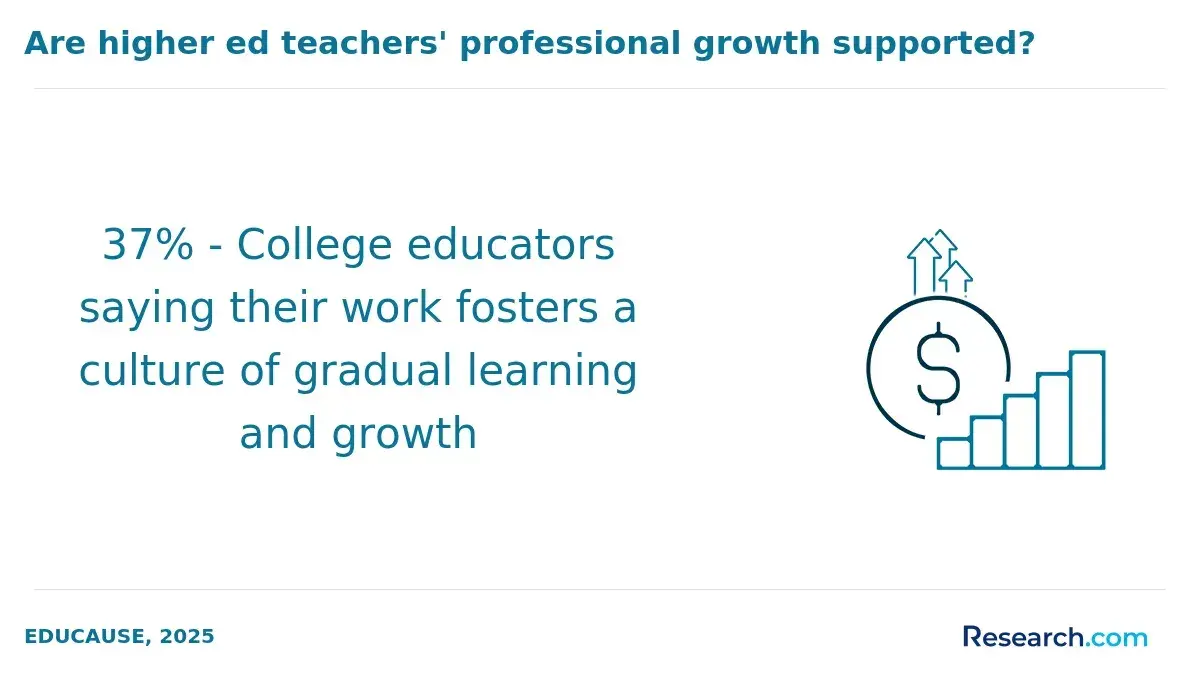
A music education master’s is one of the graduate education degree types that can be completed fully online, depending on the university and program design. In 2025, at least 13% of higher education leaders reported that more than 90% of their graduate students were taking fully online asynchronous courses, which reflects how common online graduate delivery has become.
Most online music education master’s programs are built for licensed or experienced educators who want to improve how they teach music in schools, studios, community settings, or higher education environments. Coursework commonly covers music theory, music history, instructional design, pedagogy, assessment, research methods, curriculum development, and technology-supported teaching.
Online delivery usually combines learning management systems, recorded lectures, readings, discussion boards, virtual meetings, digital portfolios, collaborative projects, and faculty feedback. Some programs are fully asynchronous, while others require live online sessions, summer residencies, virtual performances, or supervised teaching activities. Before applying, confirm whether the program is 100% online or includes any required campus or field components.
If you are comparing online graduate options across education fields, you may also want to review Research.com’s guide to online master of library science programs or explore early childhood education masters online programs to see how other education-focused online degrees are structured.
Will Employers Respect an Online Master’s in Music Education?
Employers are generally receptive to online degrees when the institution is properly accredited and the program is comparable in quality to campus-based graduate study. If you are asking what can you do with a teaching degree you earned online, the answer depends less on the delivery format and more on accreditation, licensing relevance, practical experience, and how well the degree fits the position. According to a study from the Society for Human Resources Management, 92% of employers value online degrees.
For music educators, credibility is strongest when the degree comes from a recognized college, university, school of music, or education department with transparent faculty qualifications and a curriculum that supports real teaching practice. On your resume, emphasize applied projects, research work, curriculum design experience, assessment work, technology integration, and measurable outcomes from your teaching setting. Certifications, professional development, ensemble leadership, conference presentations, and classroom experience can further support your qualifications.
| What Employers Usually Look For | Why It Matters | How to Verify It |
| Institutional accreditation | Shows the university meets recognized academic standards. | Check the school’s accreditation page and accreditor database. |
| Music or educator preparation accreditation | May matter for school districts, graduate study, and professional recognition. | Look for programmatic recognition such as NASM or educator preparation accreditation where relevant. |
| Practical teaching application | Employers want evidence that graduate work improved instruction. | Review capstone, portfolio, practicum, research, or field-based project requirements. |
| Faculty expertise | Experienced faculty can provide stronger mentorship and professional guidance. | Read faculty bios, publications, teaching backgrounds, and professional affiliations. |
| Licensure relevance | Some roles require state certification or endorsements beyond the degree. | Ask the program and your state licensing agency directly. |
Are Online Music Education Degrees Recognized Internationally?
Some online degrees are accepted outside the country where they were earned, but recognition is not automatic everywhere. A master’s in music education from a reputable accredited institution is more likely to be recognized by employers, universities, and credential evaluators, yet each country may apply its own rules. Accreditation is important because accredited institutions undergo rigorous evaluation processes designed to confirm that programs meet academic quality standards. In the United States, the National Association of Schools of Music (NASM) is the accrediting association for post-secondary music schools and conservatories recognized by the U.S. Department of Education.
If you plan to teach, pursue doctoral study, or work abroad, research recognition requirements before enrolling. Some countries or employers may request transcript evaluations, credential assessments, course-by-course reviews, translations, or proof that the online degree is equivalent to a local graduate credential. Membership in national and international music education associations can also help you understand professional expectations in different regions.
Online vs. Traditional Master’s Degree in Music Education
Online and campus-based music education master’s programs can both be valuable, but they serve different student needs. Online programs are usually best for working teachers who need schedule flexibility and do not want to relocate. Traditional campus programs may be better for students who want in-person ensemble participation, rehearsal facilities, studio access, immediate face-to-face critique, and a more immersive campus music community.
| Program Format | Best For | Main Advantages | Potential Drawbacks |
| Fully online asynchronous | Working educators with unpredictable schedules | High flexibility; coursework can often be completed around teaching and family responsibilities. | Less real-time interaction; requires strong self-direction. |
| Online with live sessions | Students who want flexibility but also regular faculty and peer engagement | More discussion, collaboration, and immediate feedback than fully asynchronous formats. | Live meetings may conflict with rehearsals, teaching schedules, or time zones. |
| Hybrid or low-residency | Educators who want online coursework plus limited campus experiences | Can provide hands-on workshops, ensemble interaction, or intensive summer sessions. | Travel, lodging, and time away from work may add cost. |
| Traditional campus-based | Students who value in-person performance, studio work, and campus networking | Direct access to facilities, faculty, ensembles, libraries, and local professional networks. | Less flexible; may require relocation or reduced work hours. |
Is an Online Music Education Master’s Cheaper?
Online tuition varies widely by school, residency status, program length, and fee structure. Some students save money by avoiding relocation, commuting, parking, and some campus-based expenses. Others may pay technology fees, online course fees, proctoring costs, or travel expenses for required residencies. The ability to remain employed while studying can be one of the biggest financial advantages of an online format.
To compare cost accurately, calculate the full program price rather than only the per-credit tuition. Include fees, software, instruments or equipment, course materials, travel, graduation costs, and the opportunity cost of reducing work hours if needed.
Is an Online Degree as Strong as a Campus-Based Degree?
An online master’s in music education can be comparable to an on-campus degree when it is offered by an accredited institution, taught by qualified faculty, and designed with meaningful interaction and applied learning. The delivery format alone does not determine quality. What matters is whether the curriculum is current, the assignments connect to real music teaching, the faculty understand the field, and the program is respected by school districts, colleges, or professional organizations relevant to your goals.
Students interested in other teaching specializations can compare program structures through Research.com’s guide to an elementary education degree online.
How Much Does an Online Master’s in Music Education Cost?
The cost of an online master’s in music education depends on the institution, residency rules, fees, credit requirements, and whether the program includes any in-person components. Residency can make a major difference. For example, the most affordable online master’s in music education program to date offered by North Carolina University can cost in-state students a little more than $8,200, while out-of-state students may pay up to $29,500 for the same program.
Main Cost Factors to Compare
- Institution type. Public universities often charge lower rates to in-state students, while private institutions and for-profit institutions may use different tuition structures.
- Program length. Longer programs can cost more because students complete more credits, terms, or required courses.
- Course delivery model. Self-paced, asynchronous programs may have different pricing from cohort-based programs with scheduled faculty interaction and structured progression.
- Technology and learning resources. Online students may pay for specialized platforms, music software, digital tools, or online student services even when their degree is unrelated to computer science majors.
Common Extra Costs in Online Programs
- Computer and internet access. You may need a reliable computer, high-speed internet, a webcam, a microphone, headphones, and backup storage.
- Software and platform fees. Some courses require music notation software, digital audio tools, recording platforms, or university technology fees.
- Books and digital materials. Graduate music education courses may use textbooks, journal access, online readings, scores, or course-specific materials.
- Proctoring and assessment fees. If a program uses proctored exams or verified assessment tools, additional charges may apply.
- Residency or travel expenses. A program marketed as online may still require an on-campus intensive, summer session, workshop, or final presentation.
- Graduation expenses. Students who attend commencement may need to budget for travel, lodging, regalia, and related costs.
| Cost Category | Questions to Ask Before Enrolling |
| Tuition | Is the rate charged by credit, term, or full program? Are online students charged in-state or out-of-state tuition? |
| Fees | Are there online learning, technology, student service, or graduation fees? |
| Materials | Will I need textbooks, scores, software, subscriptions, recording equipment, or notation tools? |
| Residency | Does the program require campus visits, and who pays for travel and lodging? |
| Financial aid | Is the program eligible for federal aid, scholarships, assistantships, employer reimbursement, or payment plans? |
Is an Online Master’s Degree in Music Education Worth It?
The degree may be worth it if it helps you qualify for salary advancement, leadership duties, curriculum work, postsecondary teaching opportunities, or specialized instructional roles. One common path after a master’s in music education is teaching in postsecondary schools, which have the highest concentration of employment in music teachers. Graduates may also pursue roles such as music curriculum specialist, music education consultant, private instructor, or music industry professional.
However, the degree is not automatically worth the cost for every student. Before enrolling, compare total tuition against your district’s salary schedule, promotion rules, licensure requirements, and long-term career plans. If your employer does not reward graduate credits or if you need initial certification rather than advanced study, a different credential may offer better value.
What Are the Requirements for an Online Master’s Degree in Music Education?
Admissions requirements vary by school, but most online master’s in music education programs expect applicants to show academic preparation, music background, teaching experience, and readiness for graduate-level work. Some programs are designed for certified teachers, while others accept musicians, private instructors, or educators working outside K-12 schools.
Common Admission Materials
- Letters of recommendation. Programs often ask for references from professors, supervisors, principals, department chairs, or professional colleagues who can speak to your teaching, musicianship, leadership, and graduate readiness.
- Statement of purpose. This essay usually explains why you want the degree, what you hope to study, and how the program supports your teaching or career goals.
- Resume or CV. Schools typically request a summary of your education, teaching experience, performance background, professional development, certifications, and music-related accomplishments.
- Writing sample or essay. Some programs use a writing sample to assess graduate-level communication, reflection, and critical thinking.
- Audition or performance submission. Programs with performance-focused elements may ask for recordings or evidence of musicianship.
- Interview. Faculty may conduct an in-person or video interview to evaluate your fit, goals, communication skills, and readiness for the program.
Typical Academic Requirements
- Bachelor’s degree. Applicants generally need a bachelor’s degree from an accredited institution, often in music education, music, education, or a closely related field.
- Official transcripts. Programs usually require transcripts from every college or university previously attended.
- Minimum GPA. Many schools set a minimum GPA, often around a 3.0 on a 4.0 scale.
- English proficiency. International applicants or students whose first language is not English may need TOEFL, IELTS, or another approved proof of English proficiency.
Technology Requirements for Online Music Education Students
Online music education students need more than basic internet access. Because many courses involve audio, video, notation, recording, discussion, and teaching demonstrations, your technology setup can affect your academic performance. Around 76% of students in distance learning programs use laptop computers, making a reliable laptop or desktop an important starting point.
- Computer. Use a device that meets the school’s operating system, memory, processing, and software requirements.
- Internet connection. A stable broadband connection is important for video meetings, uploads, streaming, and course participation.
- Audio and video equipment. A clear microphone, webcam, headphones, and sometimes external recording tools may be necessary for lessons, critiques, and presentations.
- Music software. Courses may require notation software, recording tools, digital audio workstations, or video conferencing applications.
- Learning Management System. Students should be comfortable using the university’s LMS to access materials, submit assignments, post discussions, and review feedback.
- Technical support. Strong online programs provide help desk access and student support. Technical support work itself can connect to information system jobs, but for music education students, the priority is knowing where to get help quickly when platforms fail.
Courses to Expect in an Online Master’s Degree in Music Education
Curriculum varies by institution, but most online master’s programs in music education combine advanced music study with pedagogy, research, assessment, and technology. The best courses should help you improve real instruction rather than only add theoretical knowledge.
| Course Area | What Students Usually Study | Why It Matters in Practice |
| Curriculum Development and Assessment in Music Education | Curriculum planning, instructional sequencing, assessment methods, standards alignment, and technology-supported evaluation. | Helps teachers design coherent programs and measure student learning more effectively. |
| Music Pedagogy | Teaching methods for different ages, skill levels, instruments, ensembles, and learning contexts. | Improves lesson design, rehearsal strategies, differentiation, and student engagement. |
| Music Psychology and Human Development | Cognitive processes, music learning, student motivation, social-emotional development, and cultural influences. Courses may draw on research related to motivation and learning theories. | Supports more responsive teaching and stronger understanding of how students learn music. |
| Music Technology in Education | Notation tools, recording and editing, digital audio, instructional software, composition tools, and online teaching methods. | Prepares educators to use technology for creation, performance, feedback, and accessibility. |
| Research in Music Education | Research design, literature reviews, data collection, analysis, ethics, and scholarly writing. | Helps educators evaluate evidence, conduct classroom-based inquiry, and contribute to the field. |
What to Look for in an Online Master’s Degree in Music Education
A strong program should fit your schedule, budget, teaching context, and long-term career plan. In 2025, 20,332 graduate students enrolled in music programs, making it the top major among the visual and performing arts group. With many options available, careful comparison matters.
- Accreditation. Confirm that the institution is accredited and check whether the music program has relevant professional recognition. Accreditation affects credibility, credit transfer, financial aid eligibility, and sometimes employer acceptance.
- Curriculum fit. Review required courses and electives. Look for advanced work in pedagogy, research, assessment, technology, curriculum, diversity, and your area of teaching interest.
- Faculty expertise. Examine faculty backgrounds in music education research, K-12 teaching, higher education, conducting, technology, curriculum leadership, or your specialization.
- Schedule structure. Determine whether courses are asynchronous, synchronous, or mixed. Asynchronous coursework can be valuable for working teachers, but live sessions may provide more interaction.
- Student support. Look for academic advising, library access, technology support, writing help, career services, and online student orientation.
- Total cost and aid. Compare full program tuition, fees, materials, software, travel requirements, scholarships, and employer reimbursement options.
Questions to Ask Before You Apply
- Is the program designed for licensed teachers, practicing musicians, private instructors, or all of these groups?
- Does the program lead to initial teacher certification, endorsement, salary-lane movement, or only graduate academic credit?
- Are any campus visits, summer sessions, recitals, fieldwork, or synchronous meetings required?
- What software, equipment, and recording tools will I need?
- How are teaching demonstrations, performances, or ensemble-related assignments evaluated online?
- Can I complete the program while teaching full time?
- What percentage of students receive financial aid, scholarships, or employer tuition support?
- Will credits transfer into a doctorate or education specialist program later?
2027 Best Online Master in Music Education Programs
The following online master’s in music education programs stand out for curriculum design, academic focus, delivery format, and available program information. Use this list as a starting point, then confirm tuition, admissions rules, accreditation, licensure relevance, and current requirements directly with each university.
| Program | Length | Credits | Published Cost | Notable Focus Areas |
| University of Georgia’s Master of Music Education (M.M.Ed.) | 14 months | 33 | $20,757 for the entire program | Research Design in Music Education; Music Theory; Psychology of Music |
| Boston University’s Online Master of Music Education | 20 months | 32 | $29,154 for the entire program | Music Education Research; History and Philosophy in Music Education; Psychology and Sociology in Music Education |
| University of Buffalo’s Master in Music Education Studies (EdM) | 4 to 5 part-time semesters | 33 | $15,900 for the entire program | Music Learning Theory; Design and Evaluation of Music Curriculum; Technology in Music Education |
| University of Florida’s Online Master of Music in Music Education | 2 years | 33 | $20,980 for the entire program | Psychology of Music; American Vernacular Music; Research in Music Education |
| University of Minnesota’s Master of Music (MM) | Approximately 2 years | 30 to 33 | $16,700 for the entire program | Pedagogical; Research |
1. University of Georgia’s Master of Music Education (M.M.Ed.)
The University of Georgia’s Master of Music Education (M.M.Ed.) program offers graduate study in areas such as curriculum development, pedagogy, assessment, research methods, technology use, and cultural diversity. Students can focus their work around specific professional interests while engaging with current issues in music education.
Faculty in the Hugh Hodgson School of Music provide academic guidance and mentorship throughout the program. Applied learning opportunities, field-connected assignments, and student teaching or practical work help students connect graduate concepts to real music education settings.
- Program Length: 14 months
- Tracks/concentrations: Research Design in Music Education; Music Theory; Psychology of Music
- Cost: $20,757 for the entire program
- Required Credits to Graduate: 33
- Accreditation: National Association of Schools of Music, Southern Association of Colleges and Schools Commission on Colleges
2. Boston University’s Online Master of Music Education
Boston University’s online Master of Music Education program emphasizes research, analysis, and the philosophical, sociological, and psychological foundations of music education. Students examine major questions in the field while strengthening their ability to evaluate research and apply scholarly ideas to teaching.
The curriculum also supports deeper study of music theory, composition, perception, scholarly writing, and elective topics that allow students to tailor the degree to their professional interests.
- Program Length: 20 months
- Tracks/concentrations: Music Education Research; History and Philosophy in Music Education; Psychology and Sociology in Music Education
- Cost: $29,154 for the entire program
- Required Credits to Graduate: 32
- Accreditation: National Association of Schools of Music
3. University of Buffalo’s Master in Music Education Studies (EdM)
The University of Buffalo’s Master in Music Education Studies (EdM) program is designed for educators seeking advanced study in curriculum, pedagogy, assessment, learning psychology, technology, and cultural diversity in music education.
The program places importance on research and scholarly inquiry, encouraging students to think critically about teaching practice and contribute to the field through their own academic work. Flexible course selection allows students to shape the degree around their goals and areas of interest.
- Program Length: 4 to 5 part-time semesters
- Tracks/concentrations: Music Learning Theory; Design and Evaluation of Music Curriculum; Technology in Music Education
- Cost: $15,900 for the entire program
- Required Credits to Graduate: 33
4. University of Florida’s Online Master of Music in Music Education
The University of Florida’s online Master of Music in Music Education program combines advanced musical study with contemporary teaching practice. The curriculum is structured for music educators who want to deepen theoretical knowledge while improving how they engage students through music.
Students explore practical and scholarly topics that can support lesson planning, curriculum design, student engagement, and professional growth across different music education settings.
- Program Length: 2 years
- Tracks/concentrations: Psychology of Music; American Vernacular Music; Research in Music Education
- Cost: $20,980 for the entire program
- Required Credits to Graduate: 33
- Accreditation: National Association of Schools of Music; Council for the Accreditation of Educator Preparation
5. University of Minnesota’s Master of Music (MM)
The University of Minnesota’s online Master of Music (MM) program offers pedagogical and research tracks so students can align the degree with teaching practice or scholarly inquiry. The program includes study in philosophy, history, practice, curriculum design, and action research.
Evening classes and synchronous classroom/online formats support remote students. The pedagogical track includes foundational music education courses, pedagogy courses, electives, a master’s project, and a final oral exam. The research track combines music education foundations, research coursework, pedagogy, electives, a master’s project, and a final oral exam.
- Program Length: Approximately 2 years
- Tracks/concentrations: Pedagogical; Research
- Cost: $16,700 for the entire program
- Required Credits to Graduate: 30 to 33
How Can Interdisciplinary Approaches Improve Online Music Education?
Modern music education increasingly draws from fields such as digital technology, cognitive science, learning analytics, psychology, curriculum design, and inclusive education. Interdisciplinary study can help music teachers design more engaging lessons, use data responsibly, support different learning needs, and connect music to broader academic and cultural contexts.
For example, educators interested in data-informed instruction and quantitative reasoning may find useful parallels in an online math education degree. While music education remains the core focus, methods from other disciplines can strengthen assessment, creative problem-solving, and technology-supported learning.
How Can You Secure Funding for an Online Master’s in Music Education?
Start by asking each university whether the program is eligible for federal financial aid, scholarships, grants, payment plans, or graduate assistantships. Then check whether your employer offers tuition reimbursement, salary-lane incentives, professional development funds, or union-supported education benefits. Some school districts reimburse only approved programs, so get written confirmation before enrolling.
Students should also compare lower-cost programs, part-time pacing, transfer credit policies, and the effect of continued employment while studying. For another view of cost-conscious advanced education planning, Research.com’s guide to the best EdD programs can help you think about timelines, cost, and doctoral progression.
| Funding Source | Best Use | Important Caution |
| Federal or state aid | Students enrolled in eligible accredited programs | Confirm eligibility with the school’s financial aid office. |
| University scholarships | Reducing tuition for strong applicants or specific student groups | Deadlines may be earlier than admission deadlines. |
| Employer reimbursement | Working teachers whose districts support graduate study | Some employers require preapproval, minimum grades, or continued employment. |
| Payment plans | Students who want to spread costs across the term | Fees may apply, and plans do not reduce total cost. |
| Part-time enrollment | Students balancing full-time teaching with graduate work | Longer timelines can delay career or salary benefits. |
What Is the Return on Investment of an Online Master’s in Music Education?
ROI depends on how the degree changes your earnings, responsibilities, credentials, and career options compared with its total cost. A music teacher in a district with a clear graduate salary schedule may see a more predictable financial return than a private instructor or arts professional whose income depends on clients, contracts, or market demand.
To evaluate ROI, compare tuition and fees with expected benefits such as salary-lane movement, promotion eligibility, leadership roles, curriculum positions, postsecondary teaching opportunities, or stronger private studio pricing. Also factor in opportunity costs, including time spent studying, reduced availability for paid performances or lessons, and any travel required by the program. For a broader comparison of graduate education outcomes, see Research.com’s guide, What can you do with a masters in library science?
Common Challenges of Pursuing an Online Master’s in Music Education
Online music education graduate study can be demanding because music teaching is often performance-based, collaborative, and highly interactive. Students may miss immediate in-person critique, ensemble energy, campus rehearsal spaces, and informal peer learning. At the same time, online programs require careful time management, reliable technology, and self-directed participation.
- Limited face-to-face feedback. Video submissions and virtual meetings can help, but they may not fully replace in-person conducting, rehearsal, or performance critique.
- Technology demands. Audio quality, video recording, notation software, and large file uploads can create barriers if your setup is weak.
- Time pressure. Teachers often study during evenings, weekends, summers, or performance seasons when workload is already high.
- Practical experience design. Remote fieldwork, classroom inquiry, or capstone projects require planning and support from both the university and your teaching site.
- Engagement challenges. Students must actively participate in discussions, peer reviews, and group projects to avoid isolation.
Students comparing quality and affordability in other online graduate programs can review Research.com’s article on the most affordable online MLIS program.
Common Mistakes to Avoid When Choosing a Program
| Mistake | Why It Can Hurt You | Better Approach |
| Choosing based only on tuition | The cheapest program may lack the curriculum, support, or recognition you need. | Compare total cost, accreditation, faculty, support, and career relevance together. |
| Ignoring accreditation | Unrecognized credentials can create problems with employers, financial aid, transfers, or doctoral admission. | Verify institutional accreditation and relevant music or educator preparation recognition. |
| Assuming online means no campus visits | Some online programs require residencies, intensives, or live events. | Ask for a written list of all in-person and synchronous requirements. |
| Assuming the degree leads to licensure | Many master’s programs are advanced degrees, not initial teacher certification programs. | Confirm licensure outcomes with the university and your state education agency. |
| Overlooking technology requirements | Poor audio, video, or software access can weaken performance-based assignments. | Review required equipment and test your setup before classes begin. |
| Relying only on rankings | A highly ranked program may not fit your schedule, goals, or budget. | Use rankings as one input, not the entire decision. |
What Are the Advantages of Pursuing a Doctorate After an Online Master’s in Music Education?
A doctorate can make sense if you want to conduct original research, teach in higher education, move into advanced leadership, influence curriculum policy, or specialize in a scholarly area of music education. Doctoral study can deepen research methods, strengthen academic writing, and position educators for roles that require a terminal degree.
It is not the right next step for everyone. A doctorate requires significant time, money, and research commitment, and it may not produce immediate salary gains in every workplace. If your long-term goal involves higher education administration, educational research, or leadership beyond music education, Research.com’s guide to the best doctoral programs in higher education online can help you compare doctoral pathways.
How Does Accreditation Increase the Value of an Online Master’s in Music Education?
Accreditation provides an external quality check on a college, university, or program. For students, it can affect employer trust, financial aid eligibility, credit transfer, graduate admission, and sometimes licensure-related recognition. In music education, accreditation also signals that the program’s curriculum, faculty qualifications, assessment processes, and academic standards have been reviewed against established expectations.
Before applying, verify both institutional accreditation and any relevant program-level recognition. If you plan to continue into leadership roles after the master’s degree, you may also want to compare options such as an affordable doctorate in educational leadership online.
What Factors Should You Consider When Selecting an Online Master’s in Music Education Program?
The best program is the one that fits your goals, not necessarily the one with the lowest price or most recognizable name. Start by identifying whether you want to become a stronger K-12 music teacher, move into curriculum leadership, prepare for doctoral study, teach in higher education, expand a private studio, or work in music technology or arts administration.
- Career alignment: Match coursework and capstone options to your intended role.
- Licensure impact: Ask whether the degree changes certification, endorsements, or salary status in your state or district.
- Faculty access: Look for meaningful feedback, mentoring, and opportunities to discuss your teaching context.
- Learning format: Decide whether asynchronous flexibility or live interaction matters more to you.
- Applied work: Prioritize programs with projects you can use in your classroom, ensemble, studio, or school system.
- Cost control: Compare full program cost, aid, employer benefits, and whether you can keep working.
- Complementary credentials: If you need teacher certification rather than a graduate music education degree, an accelerated alternative certification for teachers may be more appropriate.
Career Paths and Opportunities with an Online Master in Music Education
An online master’s in music education can support several education, leadership, consulting, and music-related career paths. Some roles require additional certification, licensure, experience, or doctoral study, so always check employer requirements before assuming the master’s degree is sufficient.
Educational Roles
- Music Teacher: K-12 educators use graduate training to improve instruction, lead ensembles, design curriculum, and support student musicianship in public or private schools.
- College Music Instructor: A master’s degree may qualify graduates for some college teaching roles, especially in community colleges, adjunct positions, or applied areas, though requirements vary by institution.
- Music Education Consultant: Consultants may advise schools, districts, arts organizations, or publishers on curriculum, instructional strategy, teacher training, and program design.
Administrative and Leadership Positions
- Director of Music Programs: These professionals oversee music departments or programs, coordinate performances, manage budgets, supervise staff, and guide long-term planning.
- Arts Administrator: Arts administrators support musical initiatives through community organizations, foundations, councils, nonprofits, or education-focused arts programs.
Nontraditional Roles
- Private Music Instructor: Graduates may teach voice, instruments, theory, composition, or audition preparation through private studios or online platforms.
- Music Therapist: This path typically requires additional education, clinical training, or certification, but music educators interested in therapeutic applications may explore it after graduate study.
Industry-Related Roles
- Music Publisher: Professionals in publishing may work with rights, licensing, educational materials, composers, arrangers, or instructional products.
- Music Technology Specialist: These specialists support digital tools, learning platforms, composition software, recording resources, and technology integration for music programs.
Because career outcomes vary, students should review salary schedules, state requirements, and employer expectations before enrolling. Research.com’s guide on whether are online degrees worth it can help you evaluate the broader value of online credentials.
Building Networking and Collaboration Opportunities in Online Music Education
Online programs can create strong professional networks, but students must be intentional. Instead of hallway conversations, networking happens through discussion boards, live seminars, collaborative projects, virtual conferences, shared research groups, and professional association activity.
Because online cohorts may include educators from different regions, school systems, teaching levels, and cultural contexts, students can gain exposure to approaches they might not encounter locally. These connections can lead to curriculum ideas, research partnerships, guest teaching opportunities, conference proposals, private studio collaborations, and long-term professional support.
Faculty relationships are also important. Professors can help students refine research questions, prepare for doctoral study, identify leadership opportunities, or connect with professional communities. For additional context on earnings and career movement in education-related graduate pathways, see Research.com’s guide to master's in education jobs salary.
The Future of Music Education: Trends in Online Master's Programs
Online music education is being shaped by technology, flexible learning models, demand for accessible graduate study, and changing expectations for digital teaching. Students should view these trends carefully: new tools can improve learning, but program quality still depends on faculty design, feedback, assessment, and student support.
Immersive and Simulation-Based Learning
Some programs and courses are experimenting with immersive environments, simulations, and virtual performance spaces to support practice, conducting, rehearsal planning, or classroom scenarios. These tools may supplement traditional instruction, but students should ask whether they are required, optional, or still emerging.
AI-Supported Learning and Feedback
Artificial intelligence is influencing online higher education through adaptive learning, writing support, practice tools, analysis platforms, and administrative systems. In music education, AI may support personalized practice, composition feedback, lesson planning, or assessment, but educators still need human judgment, ethics, and musical interpretation.
Global Collaboration
Online programs can connect music educators across regions and countries through virtual ensembles, guest lectures, peer critique, and collaborative projects. This can broaden cultural understanding and expose teachers to different repertoire, teaching models, and school systems.
Interactive Composition and Notation Tools
Digital platforms allow students to compose, arrange, analyze, record, and share music remotely. These tools can make online coursework more interactive when faculty provide clear expectations and substantive feedback.
Gamified Music Theory and Practice
Game-based tools can help motivate learners and reinforce music theory, ear training, rhythm, and practice routines. In graduate education, the stronger use case is often learning how to evaluate and apply these tools in one’s own classroom rather than simply using them as a student.
Accessibility and Inclusive Design
Online learning can expand access for working educators, rural teachers, caregivers, and students who cannot relocate. Strong programs also consider accessibility in course materials, captions, recordings, participation options, and technology requirements.
Educators exploring broader online teaching pathways can compare options in Research.com’s guide to online teaching degrees.
What Other Fields Can Benefit from Online Education Programs?
Online education is useful beyond music education, especially for working professionals who need flexible access to graduate study, certification, or professional advancement. Fields such as educational leadership, curriculum and instruction, library science, early childhood education, elementary education, math education, and teacher certification can all benefit from well-designed online programs.
Students comparing broader education pathways can review Research.com’s guide to online education programs to understand available specializations and how online learning may support different career goals.
How to Choose the Right Online Master’s in Music Education
- Define your goal first. Decide whether you want better classroom practice, a salary increase, leadership work, doctoral preparation, postsecondary teaching, or a specialized music education role.
- Check accreditation. Verify institutional accreditation and any relevant program-level music or educator preparation accreditation.
- Confirm licensure and salary impact. Ask your state agency, district, union, or HR office whether the degree affects certification, endorsements, or pay.
- Compare total cost. Include tuition, fees, software, equipment, materials, travel, and time away from paid work.
- Review the curriculum carefully. Choose a program with courses that match your teaching context and career goals.
- Evaluate online support. Look for advising, library access, writing help, technical support, and faculty responsiveness.
- Ask about applied projects. The strongest programs help you create research, curriculum, portfolios, or teaching tools you can use professionally.
- Talk to current students or alumni. Ask how manageable the workload is while teaching and whether the program delivered on expectations.
Final Thoughts: Is This the Right Graduate Path for You?
An online master’s in music education can be a strong choice for educators who want advanced training without leaving their current work. The format can provide flexibility, access to faculty expertise, and practical coursework in pedagogy, research, curriculum, assessment, and technology. But the degree should be chosen carefully. Accreditation, licensure relevance, total cost, program format, and career fit matter more than marketing claims.
If your goal is advanced study in music teaching, curriculum leadership, or professional growth, a well-designed online program can be a practical path. If you need initial teacher certification, intensive in-person performance training, or a guaranteed salary increase, verify those outcomes before enrolling. Some professionals may later pursue doctoral study, including options related to education leadership or research. For further reading, see What can you do with a PhD in Education? Graduates interested in technology-connected music roles may also encounter work alongside professionals in programming jobs in the music industry.
Key Insights
- Online completion is possible: Many master’s in music education programs can be completed online, but some still require live sessions, fieldwork, residencies, or campus components.
- Accreditation is essential: Employer trust, financial aid eligibility, credit transfer, and international recognition are stronger when the institution and program meet recognized standards.
- Cost varies widely: Residency, school type, credit requirements, fees, technology, materials, and travel can all change the real price of the degree.
- ROI depends on your workplace: A graduate degree may be financially valuable if your district rewards master’s credits or if it helps you move into leadership, consulting, or postsecondary roles.
- Online is not automatically easier: Music education involves performance, feedback, collaboration, and applied teaching, so students need strong time management and reliable technology.
- The best program fits your goal: Choose based on accreditation, curriculum, faculty, delivery format, applied learning, licensure relevance, and total cost—not rankings or tuition alone.
References:
- EDUCAUSE. (2025). Findings From The 2025 Teaching and Learning Workforce Report. https://events.educause.edu/-/media/files/events/webinar/2025/web2513/slides.pdf
- National Student Clearinghouse Research Center. (2026, January 15). Final Fall Enrollment Trends. https://nscresearchcenter.org/final-fall-enrollment-trends
- Simunich, B., Garrett, R., Fredericksen, E. E., & Gay, K. (2025). CHLOE 10 | Meeting the Moment: Navigating Growth, Competition, and AI in Online Higher Education, 2025. Quality Matters. https://qualitymatters.org/qa-resources/resource-center/articles-resources/CHLOE-10-report-2025
- Steiner, E. D., Levine, P. R., Doan, S., & Woo, A. (2025). Teacher WellBeing, Pay, and Intentions to Leave in 2025. RAND. https://www.rand.org/pubs/research_reports/RRA1108-16.html
- U.S. Bureau of Labor Statistics. (2025, August 28). Occupational projections, 2024–2034, and worker characteristics. Retrieved February 2026, from https://www.bls.gov/emp/tables/occupational-projections-and-characteristics.htm
Other Things You Should Know About Online Master in Music Education Programs
Some programs require a recorded audition or live interview, but many online master’s in music education programs do not require a performance audition. Instead, they may ask for a teaching license, transcripts, letters of recommendation, and a statement of purpose. Applicants should check each program’s admission rules.
The application deadlines for online master's programs in music education typically fall in late spring, around May 31, 2027. However, specific dates can vary, so it's essential to check individual program websites for precise deadlines.
To successfully engage in a 2027 online Master’s in Music Education, you'll need a reliable computer with a high-speed internet connection. Essential software includes video conferencing tools like Zoom, a MIDI Keyboard, and updated digital audio workstations (DAWs) for assignments.
In 2027, some online master's programs in music education may require performance components, mandating students to submit recorded recitals or participate in virtual ensembles. Check individual program details for specific requirements and formats of these performance-based assessments.


