
2027 How to Become a Medical Biller & Coder in Georgia

Co-Founder and Chief Data Scientist
Choosing medical billing and coding in Georgia is mainly a training, certification, and employer-fit decision. The role can be a practical way to enter healthcare without becoming a licensed clinical provider, but it still requires accuracy, knowledge of coding systems, comfort with billing software, and a willingness to keep up with payer rules and documentation standards. Georgia’s healthcare market includes large hospital systems, outpatient practices, specialty clinics, public health providers, and pediatric facilities, giving new billers and coders several possible work settings.
This guide explains how to become a medical biller and coder in Georgia, what education is typically expected, whether certification is necessary, how to prepare for exams, what financial aid options may help lower training costs, which employers commonly hire, and how salary and advancement compare with related healthcare administration careers. It also covers technology trends, common mistakes, and practical questions to ask before enrolling in a program.
Quick Answer: Becoming a Medical Biller and Coder in Georgia
- Georgia does not require a state license for medical billing and coding, but employers often prefer applicants who complete a certificate, associate degree, or focused training program and earn a recognized certification.
- The average salary for medical billers in Georgia ranges from $42,000 to $50,000 annually, while entry-level roles may start around $35,000 depending on location, employer, experience, and credentials.
- Common certifications include the Certified Professional Coder, Certified Coding Specialist, Certified Billing and Coding Specialist, and Certified Coding Associate credentials.
- Healthcare reports cited for Georgia indicate a nearly 20% increase in need over the last five years, while other projections cited in this article estimate 8% to 10% growth over the next decade.
- Strong programs should teach medical terminology, anatomy, ICD and CPT coding, reimbursement rules, claims workflows, compliance, EHR systems, and certification exam preparation.
- Education requirements for medical billing and coding in Georgia
- Certification requirements for Georgia medical billers and coders
- How to prepare for certification exams
- Financial aid options for training programs
- Reasons to choose this healthcare career in Georgia
- Major Georgia employers for billing and coding roles
- Medical billing and coding salaries in Georgia
- Job outlook for medical billing and coding in Georgia
- Challenges to expect in the field
- Related career paths for billers and coders
- When to broaden your healthcare education
- How to gain experience and build a Georgia network
- How advancement compares with other healthcare roles
- How regulations affect career flexibility
- How technology is changing billing and coding work
- Soft skills that help Georgia billers and coders succeed
What Education Do You Need for Medical Billing and Coding in Georgia?
The usual starting point for a medical billing and coding career in Georgia is a high school diploma or GED. From there, most job seekers complete postsecondary training through a certificate, diploma, technical certificate, or associate degree program. These programs are designed to teach the language of healthcare documentation, insurance claims, coding systems, reimbursement, and compliance.
Georgia does not impose a separate state-specific education requirement for this occupation. However, employers may screen applicants based on formal training, certification readiness, hands-on coding practice, and familiarity with electronic health records. A program such as the Medical Coding Technical Certificate of Credit at Georgia Northwestern Technical College is one example of a pathway focused on coding practices and billing procedures. Schools such as Gwinnett Technical College may also include certification exam preparation within the curriculum.
Students should not choose a program based only on convenience. The better question is whether the curriculum prepares you to code real documentation accurately, understand payer rules, and sit for a certification exam if your target employers expect one.
| Education path | Best for | What to look for |
| Short certificate or technical certificate | Students who want focused, career-specific training without a longer degree plan | Courses in medical terminology, anatomy, coding systems, billing workflows, compliance, and exam preparation |
| Associate degree | Students who want broader healthcare administration training and possible advancement options | General education, health information coursework, coding practice, reimbursement, and transferable credits |
| Online program | Working adults, parents, rural students, and learners who need scheduling flexibility | Accreditation, instructor support, coding labs, practicum options, certification alignment, and transparent costs |
| Self-study plus exam prep | Learners with healthcare experience or strong independent study habits | Current coding manuals, practice cases, exam blueprints, and access to professional guidance |
A practical education plan usually includes four steps:
- Earn a high school diploma or GED if you have not already completed one.
- Complete a medical billing and coding certificate, technical certificate, or associate degree program.
- Prepare for a recognized certification that matches your target workplace.
- Continue learning as coding guidelines, payer policies, software tools, and compliance expectations change.
Continuing education matters because billing and coding work is not static. A coder who learned older workflows must still adapt to updated documentation requirements, new software platforms, and revised coding guidance. Certification organizations commonly require ongoing education to maintain credentials, so students should view learning as part of the career rather than a one-time step.
Do You Need Certification to Work as a Medical Biller and Coder in Georgia?
No. Georgia does not require a state license or mandatory certification for medical billing and coding jobs. Still, certification can make a major difference in how employers evaluate your application, especially if you are applying without prior healthcare revenue cycle experience.
Certification tells an employer that you have been tested on coding systems, medical terminology, anatomy, billing rules, documentation standards, and professional expectations. It does not guarantee a job or a higher salary, but it can help you compete for positions in hospitals, physician practices, outpatient centers, specialty clinics, and remote billing operations.
| Certification | Issuing organization | Typical focus | When it may fit |
| Certified Professional Coder | American Academy of Professional Coders | Outpatient and physician-based coding | Good option for students targeting outpatient practices, specialty clinics, or professional-fee coding roles |
| Certified Coding Specialist | American Health Information Management Association | Hospital, inpatient, and outpatient coding knowledge | Useful for candidates interested in hospital coding environments and more complex records |
| Certified Billing and Coding Specialist | National Healthcareer Association | Billing processes, coding fundamentals, claims, and administrative workflows | Suitable for entry-level candidates seeking a broad billing and coding credential |
| Certified Coding Associate | American Health Information Management Association | Entry-level coding knowledge | Appropriate for learners building foundational coding credibility |
Before paying for an exam, compare job postings in your area of Georgia. If most employers near you mention one credential repeatedly, prioritize that credential. A student in Atlanta seeking hospital roles may make a different certification choice than a student targeting small physician practices in a rural community.
How Can You Prepare for Medical Billing and Coding Certification in Georgia?
The best certification preparation starts before you register for an exam. Choose the credential that matches your preferred work setting, then build a study plan around that exam’s content outline. For many Georgia students, the decision comes down to whether they want outpatient coding, hospital coding, billing-focused work, or a broad entry-level credential.
Use these steps to prepare effectively:
- Match the certification to your career goal. The Certified Professional Coder credential is often associated with outpatient coding, while credentials from the American Health Information Management Association may appeal to students interested in broader health information or hospital coding pathways.
- Choose a program with exam alignment. Ask whether the school’s courses map to the credential you plan to pursue. A useful curriculum should include medical terminology, anatomy, coding systems, billing procedures, compliance, and practice cases.
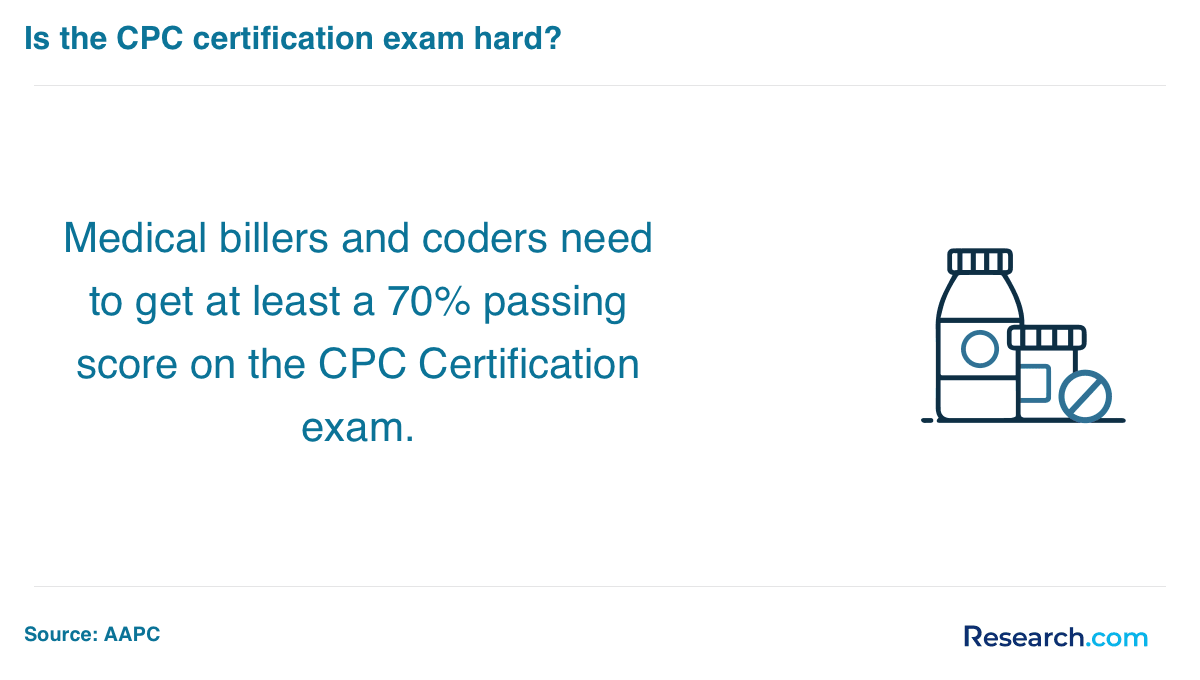
- Use official exam resources. Study guides, practice exams, and review materials from certification organizations can help you understand question formats and knowledge gaps.
- Practice with realistic records. Memorizing codes is not enough. You need to interpret provider documentation, identify missing information, and apply coding guidelines correctly.
- Join a professional community. Local or virtual groups connected to AAPC or AHIMA can provide study support, networking, continuing education, and insight into Georgia employer expectations.
- Set a weekly study schedule. Consistent preparation is better than cramming. Divide your time across terminology, anatomy, coding guidelines, billing scenarios, and timed practice questions.
If you need a flexible format, compare accredited online medical billing and coding schools carefully. Online programs can work well for adults balancing work and family responsibilities, but students should confirm accreditation, total cost, instructor access, exam preparation, and whether the coursework uses current coding materials.
Are There Financial Aid Options for Medical Billing and Coding Students in Georgia?
Yes. Georgia students may have access to state aid, institutional aid, professional association scholarships, and lower-cost program options. Eligibility depends on the type of school, program length, enrollment status, academic record, and whether the program qualifies for specific aid sources.
Students should compare the full cost of attendance, not just tuition. Books, coding manuals, exam fees, technology fees, commuting, childcare, and certification renewals can affect affordability.
| Financial aid option | Amount cited | Who it may help |
| HOPE Scholarship | Up to $4,000 per academic year | High school graduates with a minimum GPA of 3.0 enrolled in eligible degree programs |
| Zell Miller Scholarship | Up to $10,000 per year | High-achieving students who maintain a GPA of 3.7 and earn a SAT score of 1200 or an ACT score of 26 |
| Georgia Student Finance Commission Grants | Up to $1,500 annually through programs such as the Georgia Tuition Equalization Grant | Students attending eligible private institutions in Georgia |
| Professional Association Scholarships | $500 to $1,500 | New and returning students pursuing healthcare coding or related training |
To reduce debt, compare public technical colleges, community-based options, employer tuition assistance, payment plans, and affordable medical billing and coding certification options. Ask every school whether financial aid applies to the exact program you plan to enter. Some short-term certificate programs may have different aid eligibility than degree programs.
Is Medical Billing and Coding a Good Career Choice in Georgia?
Medical billing and coding can be a strong fit in Georgia for people who want healthcare work that is detail-driven, administrative, and technology-supported rather than bedside clinical care. It may appeal to career changers, recent high school graduates, military spouses, parents seeking flexible training, and healthcare workers who want to move into revenue cycle or health information roles.
The field is not ideal for everyone. If you dislike detailed documentation, repetitive review, insurance rules, or strict deadlines, the work may feel frustrating. The best candidates are comfortable with accuracy, compliance, software systems, and continual learning.
| Choose this path if... | Consider another path if... |
| You want to enter healthcare without a long clinical licensure process. | You want direct patient care as the main part of your workday. |
| You enjoy detail, rules, documentation, and problem-solving. | You prefer work that changes constantly and involves little screen time. |
| You are willing to keep up with coding updates and payer requirements. | You do not want continuing education or certification maintenance. |
| You want options in hospitals, clinics, physician practices, and administrative settings. | You are looking for guaranteed remote work immediately after training. |
Several factors make Georgia a practical market for this career. Healthcare services continue to expand, the state has large hospital systems and outpatient networks, and accurate billing remains essential for reimbursement. Reports cited for Georgia describe steady demand, including a 10% projected increase over the next decade and a nearly 20% increase in need over the last five years. These figures should be viewed as labor-market indicators, not promises of employment for every graduate.
Location also matters. Atlanta, Augusta, Savannah, and other healthcare hubs may offer more openings, while rural areas may have fewer employers but less competition. Remote jobs can expand the search area, but many remote billing and coding roles still prefer experience.
Which Georgia Employers Hire Medical Billers and Coders?
Medical billers and coders in Georgia can work for hospitals, outpatient centers, specialty practices, public health organizations, pediatric systems, insurance-related organizations, billing companies, and revenue cycle vendors. Large healthcare systems may offer more structured teams and advancement ladders, while smaller practices may give employees broader responsibilities across billing, coding, front-office coordination, and claims follow-up.
| Employer | Why it matters for billing and coding careers |
| Emory Healthcare | As one of Georgia’s major healthcare networks, Emory Healthcare includes hospitals, outpatient locations, and specialty services where accurate coding, documentation, and reimbursement processes are central to operations. |
| Piedmont Healthcare | Piedmont Healthcare operates hospitals and outpatient facilities, creating demand for professionals who can support patient records, claims processes, and administrative accuracy. |
| WellStar Health System | WellStar Health System includes multiple hospitals and health parks, making coding knowledge, billing software skills, and claims problem-solving valuable across a broad care network. |
| Grady Health System | Grady Health System serves a large and diverse Atlanta population, offering exposure to complex public healthcare documentation, payer requirements, and revenue cycle workflows. |
| Children’s Healthcare of Atlanta | This pediatric-focused system requires careful documentation and billing support for specialized children’s healthcare services. |
When evaluating employers, look beyond name recognition. Ask whether the role is coding-heavy, billing-heavy, denial-management focused, patient-account focused, or a hybrid position. Also check whether the employer supports certification, continuing education, promotion, and remote or hybrid work after training.
How Much Do Medical Billers and Coders Earn in Georgia?
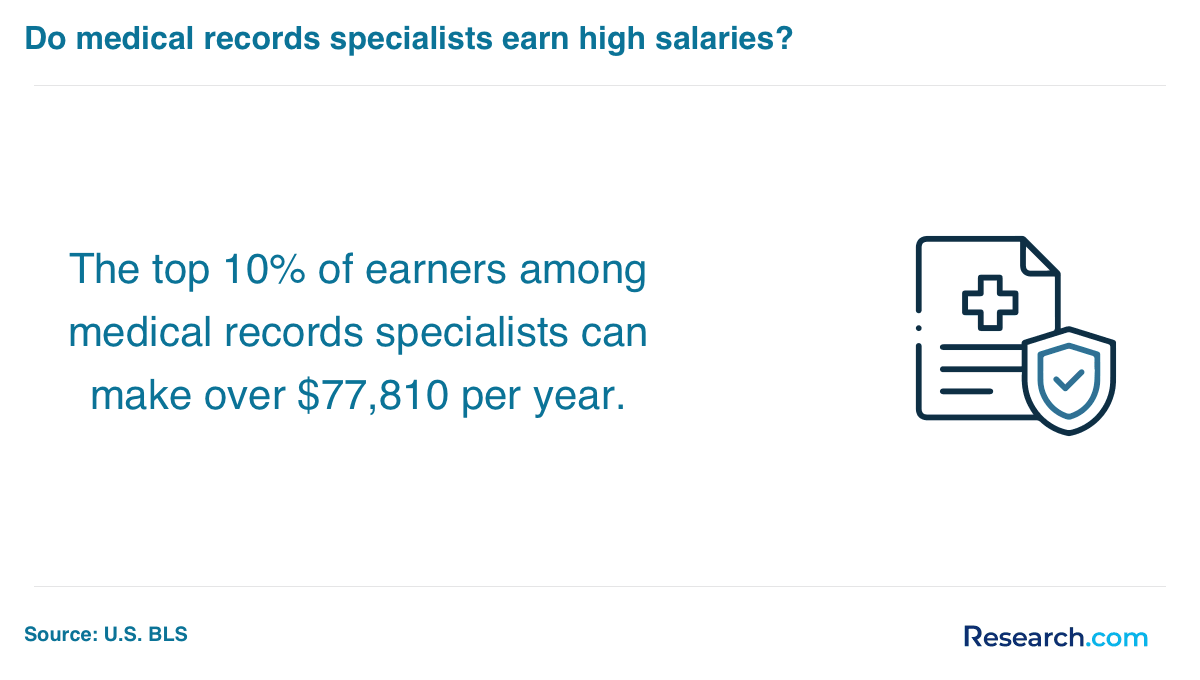
Medical billing and coding pay in Georgia depends on experience, certification, employer type, region, specialty knowledge, and whether the role focuses on billing, coding, denial management, compliance, or health information. The average salary for medical billers in Georgia ranges from $42,000 to $50,000 annually. Another salary figure cited for medical billers and coders in the state is approximately $50,000 per year.
Entry-level workers may start around $35,000. More experienced professionals, certified coders, and those working in complex specialties or larger healthcare systems may have stronger earning potential. Urban areas such as Atlanta often provide more job openings and may offer higher wages than some rural regions, though cost of living and commute time should be considered.
| Career stage or factor | Salary information cited | What can influence pay |
| Entry-level billing and coding roles | Around $35,000 | Training quality, certification, internship experience, employer size, and local demand |
| Average Georgia medical biller range | $42,000 to $50,000 annually | Experience, credentials, city, specialty, and responsibilities |
| Medical billers and coders in Georgia | Approximately $50,000 per year | Certification, hospital or clinic setting, coding complexity, and revenue cycle skills |
Certification can improve your competitiveness, but salary outcomes are never automatic. Before enrolling, ask programs for graduate employment support, exam pass support, employer connections, and realistic starting-pay expectations. If you are comparing credentials and program formats, a medical billing and coding online certificate program may be more relevant than a longer degree if your immediate goal is entry-level employment.
What Is the Job Outlook for Medical Billing and Coding in Georgia?
The job outlook for medical billing and coding in Georgia is generally positive because healthcare providers need accurate documentation, coding, claims submission, reimbursement tracking, and denial resolution. The medical billing and coding job outlook in Georgia has been cited as having an 8% projected increase over the next decade, and another cited estimate points to a 10% projected increase in demand over the next decade.
Demand is connected to several factors: healthcare service expansion, growth in outpatient care, electronic health records, payer documentation requirements, and the continuing need to convert clinical services into accurate billing codes. However, job growth does not mean every graduate will find the same opportunities. Candidates with certification, software experience, strong accuracy, and knowledge of claims workflows are likely to compete more effectively.
- Hospitals and health systems may need coders who can handle more complex documentation and compliance expectations.
- Physician practices and clinics may value candidates who understand both coding and billing follow-up.
- Revenue cycle companies may offer remote or centralized billing opportunities, often with productivity and accuracy expectations.
- Specialty practices may prefer coders familiar with the documentation patterns of a specific clinical area.
To stay competitive, consider continuing education, certification renewal, payer-specific training, and online medical billing and coding courses with financial aid if cost and flexibility are important factors.
What Challenges Should Georgia Medical Billers and Coders Expect?
Medical billing and coding is often described as an accessible healthcare career, but the work can be demanding. Accuracy affects reimbursement, compliance, provider workflows, and patient accounts. Mistakes can create claim denials, delayed payment, audits, or administrative backlogs.
| Challenge | Why it matters | How to prepare |
| Staffing pressure | Shortages across healthcare teams can increase workloads and make turnaround times tighter. | Build time-management habits, learn productivity tools, and clarify workload expectations before accepting a role. |
| Regulatory complexity | Codes, payer policies, reimbursement rules, and documentation standards change over time. | Commit to continuing education and follow updates from employers, payers, and certification organizations. |
| Technology changes | EHR systems, billing platforms, claim scrubbers, and automated tools are now part of everyday workflows. | Practice with software during training and stay open to learning new systems on the job. |
| Denials and appeals | Denied claims require investigation, correction, documentation review, and communication with payers or clinical teams. | Learn common denial reasons, payer documentation rules, and appeals procedures. |
| Accuracy expectations | Coding errors can affect reimbursement and compliance. | Develop a checking process, use current references, and ask for feedback early in your career. |
Common mistakes include choosing a program without checking accreditation, assuming every online course prepares students for certification, focusing only on tuition, overlooking exam fees, ignoring transfer-credit rules, and expecting immediate remote work after graduation. A stronger approach is to compare outcomes, curriculum, employer connections, certification alignment, and total cost before committing.
What Related Careers Can Georgia Medical Billers and Coders Pursue?
Medical billing and coding can lead to other roles in health information, revenue cycle operations, medical office administration, compliance, and healthcare management. The right next step depends on whether you prefer data, operations, leadership, payer rules, or compliance work. Before changing direction, review the advantages and drawbacks of medical billing and coding careers so you understand what you want to keep and what you want to move away from.
| Alternative role | How billing and coding experience helps | Salary information cited |
| Health Information Technician | Experience with patient records, data accuracy, privacy, and coding supports health information work. | Approximately $48,000 per year |
| Medical Office Manager | Billing knowledge helps with workflow oversight, staff coordination, patient accounts, and practice operations. | Around $60,000 annually |
| Health Services Manager | Revenue cycle and documentation knowledge can support broader planning, coordination, and administrative leadership. | About $90,000 per year in Georgia |
| Compliance Officer | Coding, billing, documentation, and regulatory awareness can transfer into healthcare compliance roles. | Around $78,000 annually |
Advancement may require additional experience, supervisory skills, a degree, specialized certification, or knowledge of healthcare law and compliance. If your long-term goal is management, choose training that allows credit transfer or further education rather than a dead-end course with no academic pathway.
Should You Study More Than Medical Billing and Coding?
Broader healthcare education can be valuable if you want more career mobility. Billing and coding teach the administrative and reimbursement side of care, but additional study in health administration, health information management, compliance, medical assisting, nursing, or patient care can help you understand how clinical documentation is created and how healthcare teams operate.
Expanding beyond billing and coding may make sense if you want to move into supervision, compliance, clinical documentation improvement, office management, or a patient-facing role. For students considering a clinical direction, researching the best nursing schools in Georgia can help compare the time, cost, licensure, and patient-care expectations of nursing programs with administrative healthcare training.
Do not broaden your education just to collect credentials. Additional training is most useful when it supports a specific career goal, improves eligibility for target jobs, or creates a realistic advancement route.
What Do Georgia Medical Billers and Coders Say About the Work?
-
: "
“Medical billing and coding in Georgia gave me a way to support healthcare operations without working in a clinical role. The training helped me understand how accurate records and claims affect both providers and patients.” – Ivory
"
-
: "
“The work combines traditional healthcare administration with constant technology changes. I have had to keep learning, but that has also made the career more engaging.” – Fred
"
-
: "
“Coding opened the door to professional growth because the skills connect to compliance, health records, and revenue cycle operations. The more I learned, the more career options I could see.” – Anne
"
How Can You Gain Experience and Build a Professional Network in Georgia?
New medical billers and coders often face the same problem: employers want experience, but entry-level candidates need a first job to get it. The best strategy is to build practical exposure before graduation and document it clearly on your resume.
- Ask programs about internships or practicums. Hands-on experience with billing workflows, coding cases, or EHR systems can strengthen your first application.
- Look for front-office healthcare roles. Patient registration, insurance verification, medical records, scheduling, and claims follow-up can provide useful exposure.
- Attend local professional events. AAPC and AHIMA-related meetings, workshops, and webinars can help you meet working professionals and learn employer expectations.
- Request informational interviews. Speaking with coders, billing specialists, revenue cycle managers, and office managers can clarify which credentials are valued in your area.
- Build a work sample language bank. You cannot share private patient information, but you can describe training projects, coding systems used, software exposure, and accuracy-focused tasks.
Some students also add complementary healthcare training to widen entry-level options. For example, researching medical assistant programs in Georgia may help students compare administrative coding roles with more patient-facing healthcare support positions.
How Does Advancement in Medical Billing and Coding Compare With Other Georgia Healthcare Careers?
Medical billing and coding usually has a shorter entry pathway than many licensed clinical careers. A certificate or associate-level route can prepare students for entry-level administrative healthcare roles, while careers such as pharmacy, nursing, and advanced practice nursing require longer education, state licensure, clinical training, or graduate-level preparation.
| Career direction | Typical entry barrier | Best fit |
| Medical billing and coding | Postsecondary training and employer-preferred certification | People who want healthcare administration, documentation, coding, claims, and compliance work |
| Medical assisting | Training program and employer expectations that may include clinical and administrative duties | People who want a mix of patient interaction and office support |
| Nursing | Approved education, clinical training, and state licensure requirements | People who want direct patient care and clinical responsibility |
| Pharmacy | Extended education and licensure requirements | People interested in medication therapy, patient counseling, and pharmacy practice |
If you are comparing long-term healthcare routes, reviewing how to become a licensed pharmacist in Georgia can show how dramatically education and licensure timelines differ across healthcare professions. Billing and coding may be faster to enter, but clinical professions may offer different responsibilities, advancement structures, and earning potential.
How Do Georgia Regulations Affect Career Flexibility?
Medical billing and coding is more flexible than many clinical healthcare roles because Georgia does not require a state license for the occupation. That flexibility can make it easier to enter the field, change employers, or work across different administrative settings. However, the absence of state licensure does not mean the work is unregulated. Billers and coders must still follow payer requirements, privacy rules, documentation standards, employer policies, and coding guidelines.
Clinical healthcare careers are different. They often require approved education, exams, supervised practice, and state licensure. If you are considering a move from billing and coding into patient care, review Georgia nursing license requirements before assuming your administrative healthcare background will shorten the process.
For career planning, separate three concepts: employer preference, professional certification, and state licensure. Medical billing and coding generally involves the first two. Nursing and many clinical roles involve all three.
How Is Technology Changing Medical Billing and Coding in Georgia?
Technology is changing how billers and coders work, but it is not eliminating the need for human judgment. Electronic health records, billing platforms, claim-scrubbing tools, automated edits, analytics dashboards, and artificial intelligence-assisted workflows can speed up routine processes. They can also introduce new quality-control responsibilities.
As automation improves, employers may expect billers and coders to do more than enter codes. Valuable professionals will know how to review documentation, identify payer-specific problems, investigate denials, use software efficiently, communicate with clinical teams, and spot inconsistencies that automated systems miss.
- AI-assisted coding may suggest codes, but professionals still need to validate accuracy and compliance.
- Automation can reduce repetitive work while increasing the need for exception handling and denial analysis.
- Data tools can create opportunities in revenue cycle reporting, quality review, and workflow improvement.
- Remote systems may expand job options, but remote roles often require experience, productivity discipline, and strong communication.
Healthcare technology affects clinical careers as well as administrative roles. Students comparing future-focused healthcare paths may find it useful to review how to become a nurse practitioner in Georgia to understand how advanced clinical roles combine regulation, technology, documentation, and patient-care responsibility.
What Soft Skills Help Medical Billers and Coders Succeed in Georgia?
Technical knowledge is essential, but soft skills often determine who succeeds long term. Medical billers and coders must work with incomplete documentation, payer delays, software changes, high claim volumes, and time-sensitive deadlines. The work rewards calm, accurate, organized professionals.
| Soft skill | Why it matters in billing and coding |
| Attention to detail | Small coding or documentation errors can delay payment or create compliance concerns. |
| Analytical thinking | Denied claims and coding questions require careful review of records, payer rules, and billing logic. |
| Written communication | Clear notes, appeals, emails, and documentation queries help teams resolve problems faster. |
| Time management | Billing and coding teams often work under deadlines and productivity expectations. |
| Adaptability | Software, payer policies, coding rules, and employer workflows can change quickly. |
| Professional judgment | Coders must know when to ask questions rather than guess from unclear documentation. |
These skills also matter in other healthcare careers. If you are comparing administrative healthcare with nutrition and patient-education roles, researching how to become a registered dietitian in Georgia can help you understand a different type of regulated healthcare pathway.
Questions to Ask Before Choosing a Medical Billing and Coding Program in Georgia
- Is the school accredited, and does the accreditation matter for financial aid or transfer credits?
- Which certification exam does the curriculum prepare students for?
- Are coding manuals, exam fees, software access, and textbooks included in the published cost?
- Does the program include hands-on coding practice using realistic medical documentation?
- Are instructors experienced in billing, coding, health information, or revenue cycle work?
- Does the school publish job placement support or employer partnerships?
- Can credits transfer into an associate or bachelor’s degree later?
- Are classes online, in person, hybrid, synchronous, or self-paced?
- What support is available if you struggle with anatomy, terminology, or coding guidelines?
- Will the program help you prepare a resume for entry-level Georgia healthcare employers?
Common Mistakes to Avoid
| Mistake | Better approach |
| Choosing the cheapest program without checking quality | Compare accreditation, curriculum, exam preparation, support, and total cost. |
| Assuming certification is legally required in Georgia | Understand that certification is not state-mandated, but it may be preferred by employers. |
| Expecting guaranteed remote work immediately | Build experience first and apply for remote roles once you can prove accuracy and productivity. |
| Ignoring certification alignment | Select a program that prepares you for the credential most relevant to your target employers. |
| Looking only at advertised salary | Consider entry-level pay, location, benefits, commute, advancement, and cost of training. |
| Skipping software practice | Choose training that includes EHR, billing, or coding platform exposure whenever possible. |
Key Insights
- Medical billing and coding in Georgia does not require a state license, but formal training and certification can improve job competitiveness.
- The average salary for medical billers in Georgia ranges from $42,000 to $50,000 annually, while entry-level salaries may be around $35,000.
- Georgia demand is supported by healthcare growth, expanding documentation needs, and the ongoing importance of accurate reimbursement workflows; cited outlook figures include 8% and 10% projected growth over the next decade.
- Program choice matters. Prioritize accreditation, certification preparation, hands-on coding practice, transparent costs, and transfer options.
- Major employers such as Emory Healthcare, Piedmont Healthcare, WellStar Health System, Grady Health System, and Children’s Healthcare of Atlanta represent different work environments, from hospital systems to specialized pediatric care.
- Career advancement can lead toward health information technician roles at approximately $48,000 per year, medical office manager roles around $60,000 annually, compliance officer roles around $78,000 annually, or health services manager roles at about $90,000 per year in Georgia.
- Technology will continue to reshape the field. The strongest candidates will combine coding knowledge with software fluency, denial-resolution skills, compliance awareness, and sound professional judgment.
Related Articles for Nearby States
- 2027 How to Become a Medical Biller & Coder in South Carolina
- 2027 How to Become a Medical Biller & Coder in Florida
- 2027 How to Become a Medical Biller & Coder in Alabama
- 2027 How to Become a Medical Biller & Coder in Tennessee
- 2027 How to Become a Medical Biller & Coder in North Carolina
- 2027 How to Become a Medical Biller & Coder in Mississippi
- 2027 How to Become a Medical Biller & Coder in Kentucky
- 2027 How to Become a Medical Biller & Coder in Virginia
- 2027 How to Become a Medical Biller & Coder in Louisiana
- 2027 How to Become a Medical Biller & Coder in West Virginia
References:
- Bureau of Labor Statistics (2022). Medical Records Specialists. https://www.bls.gov/ooh/healthcare/medical-records-and-health-information-technicians.htm#tab-1
- American Academy of Professional Coders (2022). 10 Things to Know About a Career in Medical Coding. https://www.aapc.com/medical-coding/career.aspx
- American Academy of Professional Coders (2023). 2023 Medical Coding and Billing Salary Report. https://www.aapc.com/tools/medical-coding-salary-survey/
- Salary.com (2023). Salaries for Medical Coder with a Bachelor’s Degree. https://www1.salary.com/Salaries-for-Medical-Coder-with-a-bachelors-degree
Other Things You Should Know About How to Become a Medical Biller & Coder in Georgia
To become a medical biller & coder in Georgia in 2027, typically a high school diploma or equivalent is needed. Enrolling in a certificate or associate degree program focused on medical billing and coding is recommended. Certifications, such as CPC or CCA, can improve job prospects.
Georgia medical billers and coders work for hospitals, physician offices, outpatient clinics, nursing facilities, and billing companies. Many employers ask for a certificate or associate degree plus CPC, CCS, or CBCS certification from AAPC or AHIMA. Health insurance, Medicare, and Medicaid claims experience is also valued.
In 2027, aspiring medical billers and coders in Georgia should consider certifications like the Certified Professional Coder (CPC) or the Certified Coding Specialist (CCS). These certifications are recognized by employers and enhance job prospects and salary potential.


