2027 How to Become a Nutritionist in Tennessee

Co-Founder and Chief Data Scientist
Becoming a nutritionist in Tennessee starts with one important question: do you want to offer general nutrition coaching, or do you want to qualify for regulated clinical dietetics work as a Registered Dietitian Nutritionist? The answer affects your degree choice, supervised practice requirements, licensing steps, job options, and how long the process will take.
This guide is for students, career changers, and health professionals who want a practical roadmap for entering the nutrition field in Tennessee. It explains education requirements, licensure rules, certification options, costs, timelines, salary expectations, specializations, and common mistakes to avoid. It also shows how nutrition professionals can work across healthcare, public health, schools, wellness programs, and community organizations in a state where nearly 18% of children face food insecurity.
Quick Answer: How Do You Become a Nutritionist in Tennessee?
The safest path to a recognized nutrition career in Tennessee is to complete an accredited nutrition, dietetics, or related degree; gain supervised practice experience if you plan to become a Registered Dietitian Nutritionist; pass the required credentialing exam; and apply for state licensure if your work falls under Tennessee’s regulated dietitian/nutritionist practice rules. People who provide non-clinical wellness education should still check Tennessee law carefully before using protected titles or offering individualized medical nutrition therapy.
Key Things You Should Know About Becoming a Nutritionist in Tennessee
- Tennessee distinguishes between general nutrition-related work and regulated dietitian/nutritionist practice, so your scope of services matters as much as your job title.
- To qualify as a Registered Dietitian Nutritionist, candidates generally complete an accredited nutrition or dietetics education pathway, supervised practice, and the national exam administered by the Commission on Dietetic Registration.
- Beginning January 1, 2024, candidates need a graduate degree to qualify for the Registered Dietitian Nutritionist exam.
- The Tennessee Department of Health and the Tennessee Board of Dietitian/Nutritionist Examiners oversee state licensure for regulated dietitian/nutritionist practice.
- Common professional credentials include the Registered Dietitian Nutritionist, Certified Nutrition Specialist, and Certified Clinical Nutritionist, but each credential has different education, experience, and exam requirements.
- Before enrolling in a program, confirm accreditation, supervised practice access, licensure preparation, transfer credit policies, total cost, and whether the program supports your intended career path.
- What education do you need to become a nutritionist in Tennessee?
- Does Tennessee require nutritionists to be licensed?
- How long does the process take?
- Which certifications are available for Tennessee nutrition professionals?
- What practical experience should aspiring nutritionists get?
- How much does it cost to prepare for a nutrition career in Tennessee?
- What salary and job outlook should Tennessee nutritionists expect?
- How can nutritionists collaborate across healthcare teams in Tennessee?
- How can nutritionists support substance abuse recovery teams?
- How can graduate education improve career options?
- What advancement paths are available for nutritionists in Tennessee?
- Are online nutrition degrees a flexible option for Tennessee students?
- Which complementary skills can strengthen a nutrition career?
- What nutrition specializations are available in Tennessee?
- How are telehealth and digital tools changing nutrition practice?
- What continuing education options should nutritionists consider?
- What challenges do nutritionists face in Tennessee?
- What legal responsibilities should Tennessee nutritionists understand?
- How can nursing collaboration expand a nutritionist’s impact?
- What interdisciplinary career paths can nutrition professionals pursue?
- Can nutrition and nurse practitioner training complement each other?
- How can Tennessee nutritionists validate their expertise?
What education do you need to become a nutritionist in Tennessee?
Your education plan should match the type of nutrition work you want to do. A person providing general wellness education may choose a different academic path than someone who wants to work in hospitals, long-term care, clinical nutrition, public health programs, or medical nutrition therapy.
- Bachelor’s degree: Many students begin with a bachelor’s degree from an accredited college or university in nutrition, dietetics, food science, public health, biology, exercise science, or a related field. A program such as the Bachelor of Science in Nutrition and Dietetics at the University of Tennessee, Knoxville, can help students build a foundation in human nutrition, food systems, metabolism, community nutrition, and evidence-based practice. Students comparing remote options should review online nutrition degree program cost before committing.
- Didactic Program in Dietetics: Students planning to become Registered Dietitian Nutritionists should look for a Didactic Program in Dietetics or another approved academic pathway that satisfies required dietetics coursework. This requirement is often built into a nutrition or dietetics major, but students should confirm this with the school before enrolling.
- Graduate degree: Starting January 1, 2024, candidates need a graduate degree to qualify for the Registered Dietitian Nutritionist exam. This change makes graduate planning especially important for students who want clinical or licensed dietetics roles.
- Supervised practice preparation: Students who want the Registered Dietitian Nutritionist credential should choose programs that clearly explain how supervised practice is completed, whether through an internship, coordinated program, graduate program, or other approved model.
- Continuing education: Nutrition science changes quickly. Professionals should expect to keep learning about chronic disease prevention, cultural food practices, community health, public policy, behavioral counseling, supplements, and emerging evidence throughout their careers.
The chart below lists the most common majors for dietitians and nutritionists, as reported by the Census Bureau.
Education Pathways Compared
| Path | Best For | Key Considerations |
| Bachelor’s degree in nutrition or dietetics | Students starting from the beginning who want a strong nutrition foundation | Confirm accreditation, required coursework, internship support, and whether the program leads toward Registered Dietitian Nutritionist eligibility. |
| Graduate degree in nutrition or related field | Students pursuing Registered Dietitian Nutritionist eligibility or advanced roles | Needed for candidates seeking the Registered Dietitian Nutritionist exam beginning January 1, 2024. |
| Related health degree plus nutrition coursework | Career changers from nursing, public health, exercise science, or counseling | May be useful for wellness or community roles, but students must verify whether it satisfies licensure or credentialing requirements. |
| Certificate or non-degree nutrition training | Professionals adding basic nutrition knowledge to another role | Usually not enough for regulated dietetics practice or clinical nutrition roles. |
Does Tennessee require nutritionists to be licensed?
Tennessee’s rules are important because nutrition-related services can range from general wellness education to regulated clinical practice. The state’s dietitian/nutritionist licensing framework is overseen by the Tennessee Department of Health and the Tennessee Board of Dietitian/Nutritionist Examiners. Anyone planning to use a protected title, provide individualized nutrition care, or work in a clinical setting should verify current requirements directly with the board before advertising services or accepting clients.
Many Tennessee professionals pursue the Registered Dietitian Nutritionist credential through the Commission on Dietetic Registration because it is widely recognized by employers, healthcare organizations, and insurance-related settings. The credential generally requires approved education, supervised practice, and a national exam.
Students should also understand the difference between a credential and a license. A credential, such as Registered Dietitian Nutritionist, Certified Nutrition Specialist, or Certified Clinical Nutritionist, is granted by a professional body after specific requirements are met. A license is a state authorization to practice within a legally defined scope. Holding a private certification does not automatically mean a person can practice under Tennessee law.
Questions to Ask Before Practicing in Tennessee
- Does the work I plan to do involve medical nutrition therapy or individualized nutrition treatment?
- Am I using a title that Tennessee law protects?
- Does my employer require the Registered Dietitian Nutritionist credential or state licensure?
- Will my services be delivered in a hospital, clinic, school, long-term care facility, public health agency, wellness company, or private practice?
- Do I need professional liability insurance, referral relationships, or documentation procedures?
- Have I checked the Tennessee Department of Health’s current dietitian/nutritionist licensing guidance?
How long does it take to become a nutritionist in Tennessee?
The timeline depends on whether you want a general nutrition-related role or the full Registered Dietitian Nutritionist pathway. A basic bachelor’s degree route often takes about four years. The Registered Dietitian Nutritionist route can take four to six years or more because it includes undergraduate preparation, graduate study, supervised practice, exam preparation, and licensure steps.
| Step | Typical Timeframe | What Happens During This Stage |
| Bachelor’s degree | About four years | Students complete foundational coursework in nutrition, food science, biology, chemistry, public health, and related areas. Online learners can compare accredited online nutrition courses when looking for flexible options. |
| Graduate degree | Often adds about two years | Candidates seeking the Registered Dietitian Nutritionist exam must plan for graduate-level study under the January 1, 2024 requirement. |
| Supervised practice | Six to twelve months in many cases | Aspiring Registered Dietitian Nutritionists complete at least 900 hours of supervised practice in approved settings. |
| Exam preparation and application | Several months for many candidates | Graduates prepare for the national credentialing exam and submit required documentation for credentialing and state licensure if applicable. |
Students can shorten or lengthen this timeline based on transfer credits, part-time enrollment, graduate program structure, internship availability, and whether they need to work while studying.
Which certifications are available for Tennessee nutrition professionals?
Certification can help demonstrate competence, but it should be chosen carefully. The right credential depends on whether you want clinical dietetics authority, advanced nutrition science recognition, holistic or integrative practice, corporate wellness work, public health roles, or private consulting.
| Credential | Who It May Fit | Important Notes |
| Registered Dietitian Nutritionist | Students who want healthcare, clinical nutrition, hospital, long-term care, school nutrition, or regulated dietetics roles | Requires approved education, supervised practice, and the national exam administered by the Commission on Dietetic Registration. |
| Licensed Dietitian Nutritionist | Professionals practicing under Tennessee’s licensed dietitian/nutritionist framework | Licensure is handled through Tennessee’s health professional regulatory process. Requirements should be verified with the Tennessee Department of Health. |
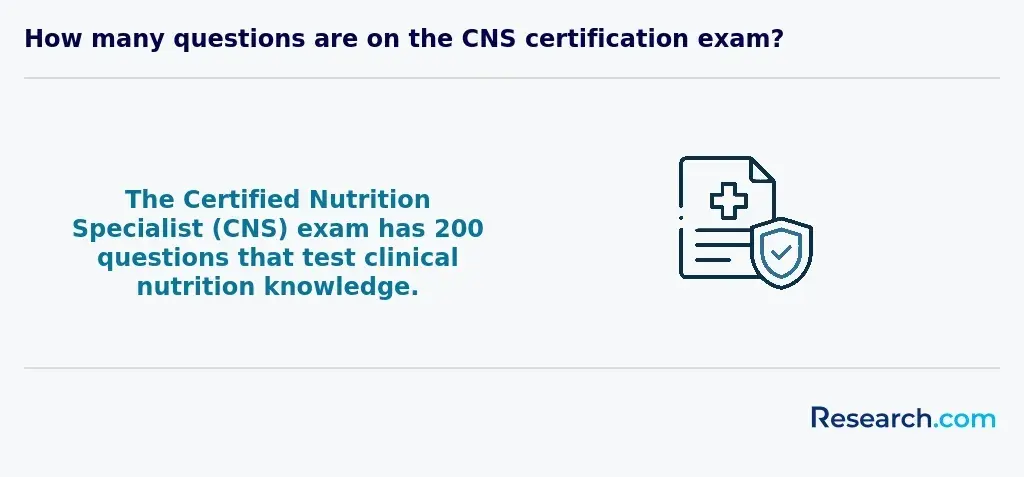
| Certified Nutrition Specialist | Professionals seeking an advanced nutrition science credential | Often pursued by those with graduate-level preparation who want to demonstrate advanced competency. |
| Certified Clinical Nutritionist | Professionals interested in clinical or integrative nutrition knowledge | May support credibility, but students must verify how the credential fits Tennessee scope-of-practice rules. |
A common mistake is choosing the shortest or cheapest certificate without checking whether employers recognize it. Before paying for a certification, review job postings in Tennessee, ask potential employers which credentials they require, and confirm whether the credential supports your intended legal scope of practice.
What practical experience should aspiring nutritionists get?
Classroom knowledge is not enough for most nutrition careers. Tennessee employers often value candidates who can communicate clearly with clients, understand community barriers, interpret evidence, document services, and collaborate with healthcare or public health teams.
- Clinical settings: Hospitals, clinics, and medical centers expose students to patient care, therapeutic diets, documentation, interdisciplinary rounds, and chronic disease management. Facilities such as Vanderbilt University Medical Center can help students understand how registered dietitians work in healthcare teams.
- Community nutrition: Local health departments, nonprofits, food access programs, and Tennessee Department of Health initiatives can help students learn how nutrition education works across different income levels, age groups, and regions.
- Food service operations: Schools, hospitals, long-term care facilities, and institutional kitchens teach menu planning, food safety, dietary compliance, budgeting, and operations management.
- Research experience: University research projects can introduce students to nutrition assessment, public health data, program evaluation, and evidence-based interventions.
- Private sector internships: Wellness companies, gyms, food companies, employee wellness vendors, and community businesses may offer practical experience in coaching, program design, communications, and client engagement.
How to Build Experience Before Graduation
- Ask your academic advisor which internships, practicums, or supervised practice placements align with your credentialing goals.
- Volunteer with food banks, school nutrition programs, community gardens, public health campaigns, or senior meal programs.
- Shadow registered dietitians in different settings before choosing a specialization.
- Develop counseling and communication skills, not just technical nutrition knowledge.
- Keep records of hours, responsibilities, supervisors, and learning outcomes in case they are needed for applications.
How much does it cost to prepare for a nutrition career in Tennessee?
The cost can begin from $10,000, but the total depends heavily on school type, residency status, degree level, internship structure, books, fees, commuting, online delivery, exam costs, and lost income while studying.
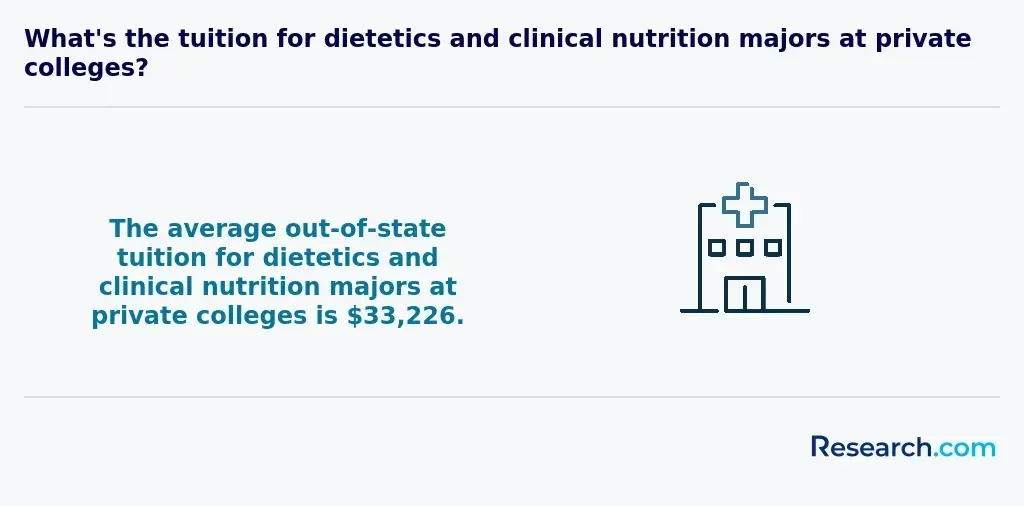
- Tuition: At a public university such as the University of Tennessee Knoxville, in-state students may pay around $10,000 annually, while out-of-state students may face costs closer to $30,000 yearly. Graduate programs, including a Master of Science in Clinical Nutrition, can exceed $20,000 per year.
- Program fees: Application fees, laboratory fees, technology fees, health screening expenses, background checks, and internship-related costs can add several hundred dollars each semester.
- Books and supplies: Students should plan for textbooks, software, equipment, and learning materials that may cost between $1,000 and $1,500.
- Credentialing and licensure costs: Exam registration, transcript submission, license application fees, and continuing education can add to the total cost.
- Online or alternative learning costs: Some students compare remote or flexible programs, including holistic nutrition programs online, but they should verify whether those programs lead to the credential or license they actually need.
Cost Questions to Ask Schools
- What is the total program cost, including tuition, fees, books, supplies, and required travel?
- Does the program include supervised practice, or is that arranged separately?
- Are internship placements guaranteed, competitive, or student-arranged?
- Can I use transfer credits to reduce time and cost?
- Does the program meet requirements for the Registered Dietitian Nutritionist pathway?
- What percentage of graduates complete the program, pass required exams, and find related employment?
- Is financial aid available for my enrollment status?
What salary and job outlook should Tennessee nutritionists expect?
According to the U.S. Bureau of Labor Statistics, employment for dietitians and nutritionists is projected to grow 6 percent from 2024 to 2034, faster than the average for all occupations. Tennessee nutritionists earn a mean annual wage of $57,770, although pay can vary by location, credential, employer, experience, specialization, and whether the role is clinical, public health, corporate, school-based, or private practice.
- Healthcare demand: Hospitals, clinics, long-term care facilities, and outpatient programs need nutrition professionals who can support chronic disease prevention and treatment.
- Public health need: Food insecurity, diet-related disease, and access barriers create demand for nutrition education and community programs.
- School and family nutrition: Childhood nutrition, meal planning, obesity prevention, and family education remain important areas for nutrition professionals.
- Wellness and prevention: Employers, fitness organizations, and community groups increasingly use nutrition programs to support healthier lifestyles.
The chart below lists the top-paying industries for nutritionists, as reported by the BLS.
Where Nutrition Professionals Work in Tennessee
| Work Setting | Typical Focus | Who This Path Fits |
| Hospitals and clinics | Medical nutrition therapy, patient education, disease management, care coordination | Students pursuing Registered Dietitian Nutritionist and licensure pathways |
| Public health agencies | Community education, food access, maternal and child health, prevention programs | Professionals interested in population health and outreach |
| Schools and universities | Meal programs, student wellness, nutrition education, food service management | Students interested in children, adolescents, and institutional nutrition |
| Corporate wellness | Employee health programs, workshops, coaching, lifestyle education | Nutrition professionals with communication and program design skills |
| Private practice | Client counseling, specialty coaching, group programs, entrepreneurship | Experienced professionals who understand legal scope, business operations, and referral networks |
How can nutritionists collaborate across healthcare teams in Tennessee?
Nutrition work becomes more effective when it is integrated into broader care plans. In Tennessee, nutritionists and dietitians may collaborate with physicians, nurses, pharmacists, behavioral health professionals, public health workers, social workers, and community organizations to address barriers that food advice alone cannot solve.
For example, a patient with diabetes may need nutrition counseling, medication management, transportation support, culturally appropriate meal planning, and follow-up care. Nutrition professionals who understand care coordination can contribute more effectively to these teams. Those who want to understand another clinical pathway can review how to become a nurse in Tennessee to see how nursing education, patient advocacy, and care planning intersect with nutrition.
How can nutritionists support substance abuse recovery teams?
Nutrition can play a supportive role in recovery because eating patterns, nutrient intake, gastrointestinal health, weight changes, chronic disease risk, and mental health can all affect long-term wellness. In Tennessee recovery settings, nutrition professionals may help design meal plans, teach practical food skills, support stable routines, and coordinate with counselors and medical providers.
Nutritionists who want to work in recovery environments should understand boundaries. They do not replace licensed behavioral health care, but they can contribute to holistic recovery teams. Professionals interested in this type of collaboration can explore how to become a substance abuse counselor in Tennessee to better understand the training and responsibilities of counseling partners.
How can graduate education improve career options?
Advanced degrees can help nutrition professionals qualify for the Registered Dietitian Nutritionist exam, deepen their scientific training, and prepare for leadership roles in clinical nutrition, research, public health, education, and program management. Graduate education may also strengthen skills in evidence review, biostatistics, counseling, policy, and specialized practice.
Students who need flexibility can compare a master's in nutrition online, but they should look beyond convenience. The most important questions are whether the program is accredited for the intended credential, supports supervised practice, fits Tennessee licensure goals, and provides strong advising.
What advancement paths are available for nutritionists in Tennessee?
Nutrition careers can grow in several directions. Advancement usually depends on credentials, experience, specialization, leadership ability, and the setting in which you work.
- Clinical nutritionist or dietitian: Professionals in hospitals, clinics, outpatient centers, and long-term care may specialize in diabetes, kidney disease, oncology, cardiovascular health, gastrointestinal disorders, or critical care.
- Public health nutritionist: These professionals work on nutrition education, food access, family health, obesity prevention, maternal health, and community wellness programs.
- Corporate wellness consultant: Businesses may hire nutrition professionals to design employee wellness programs, lead workshops, review cafeteria options, or provide coaching.
- Research or academia: Graduate training can support teaching, research coordination, data analysis, grant-funded projects, and university roles. Students interested in deeper study can compare nutritional science graduate programs.
- Private practice owner: Experienced professionals may build a consulting business, but they must understand Tennessee scope-of-practice rules, business registration, documentation, referral relationships, and ethical marketing.
- Program leadership: Nutrition professionals can advance into management roles in hospitals, school nutrition departments, public health agencies, food service organizations, and nonprofit programs.
Career Advancement Decision Table
| If You Want To... | Consider This Path | Why It Helps |
| Work with patients in medical settings | Registered Dietitian Nutritionist plus Tennessee licensure | Clinical employers commonly expect regulated credentials for medical nutrition therapy. |
| Lead community health programs | Nutrition degree plus public health experience | Program design, outreach, and population health skills are valuable in public agencies and nonprofits. |
| Build a private practice | Strong credentialing, business training, and legal review | Independent practice requires clear scope, ethical marketing, and sustainable client systems. |
| Move into management | Graduate education, leadership experience, and operations knowledge | Supervisory roles require budgeting, compliance, staff training, and program evaluation. |
Are online nutrition degrees a flexible option for Tennessee students?
Online nutrition programs can be useful for working adults, rural students, parents, and career changers who need a flexible schedule. However, online delivery does not automatically mean the program is cheaper, faster, or appropriate for licensure. Students should verify accreditation, supervised practice arrangements, exam preparation, faculty support, and state authorization.
Students comparing affordable remote options can review the best online registered dietitian programs and then confirm directly with each school whether the program fits Tennessee credentialing goals.
Online vs. Campus Nutrition Programs
| Factor | Online Program | Campus Program |
| Schedule flexibility | Often better for working students and those outside major cities | May require fixed class times and commuting |
| Hands-on learning | May require local placements, virtual labs, or scheduled intensives | May offer easier access to campus labs, faculty, and local clinical partners |
| Networking | Can be strong if the program offers active advising and placement support | Often easier for students who want in-person faculty and peer connections |
| Licensure preparation | Must be verified carefully before enrollment | Must also be verified, especially for transfer and graduate students |
| Cost | May reduce commuting or relocation costs | May offer in-state tuition advantages or campus-based support services |
Which complementary skills can strengthen a nutrition career?
Nutrition professionals often work inside systems that involve billing, documentation, referrals, insurance, compliance, scheduling, and electronic health records. Learning how healthcare administration works can make a nutritionist more effective in clinics, private practice, wellness programs, and interdisciplinary teams.
For example, understanding coding and reimbursement basics can improve communication with administrative staff and help private practitioners avoid operational mistakes. Students interested in this side of healthcare can review how to become a medical biller and coder in Tennessee.
What nutrition specializations are available in Tennessee?
Specialization can help nutrition professionals stand out, but it should be chosen based on employer demand, personal interest, credential requirements, and the population you want to serve.
- Clinical nutrition: Clinical professionals work with medical conditions and are often employed in hospitals, clinics, rehabilitation facilities, and long-term care settings.
- Sports nutrition: Tennessee’s college athletics, fitness communities, and professional sports environment can create opportunities for specialists who understand performance, recovery, hydration, and body composition.
- Pediatric nutrition: Specialists support children, families, schools, and clinics with growth, feeding concerns, chronic conditions, and healthy habits.
- Community nutrition: This path focuses on food access, public health education, prevention programs, and underserved populations.
- Food service management: Nutrition professionals in schools, hospitals, and institutions may oversee menus, regulations, budgets, safety, and dietary compliance.
- Corporate wellness: Professionals may design workshops, health challenges, coaching programs, and employee education initiatives.
Students interested in specialization should seek internships in more than one setting. A semester in a hospital, a summer with a public health program, and volunteer work in a food access organization can clarify which population and work environment fits best.
How are telehealth and digital tools changing nutrition practice?
Telehealth has expanded how nutrition professionals reach clients, especially in rural areas or communities with transportation barriers. Digital tools can support virtual counseling, food logs, appointment reminders, secure messaging, group education, and progress tracking.
Technology does not remove professional responsibilities. Nutritionists still need privacy safeguards, documentation standards, referral processes, evidence-based guidance, and clarity about whether their services fall under regulated practice. Nutrition professionals who collaborate with advanced clinicians may also benefit from understanding how to become a nurse practitioner in Tennessee, especially when working with patients who have chronic or complex conditions.
What continuing education options should nutritionists consider?
Continuing education helps nutrition professionals stay current, maintain credentials, and respond to new evidence. Useful topics include chronic disease nutrition, motivational interviewing, cultural humility, food insecurity, telehealth ethics, sports nutrition, pediatric nutrition, renal nutrition, public health policy, eating disorders, and documentation practices.
Nutrition professionals can learn through conferences, webinars, graduate coursework, employer training, professional associations, research seminars, and interprofessional education. Reviewing related healthcare licensing models, such as pharmacist licensure requirements in Tennessee, can also help nutritionists understand how regulated health professions approach continuing competence.
What challenges do nutritionists face in Tennessee?
Nutrition professionals in Tennessee work in a state with significant nutrition-related needs, but the work can be complex. Food access, income, transportation, health literacy, cultural preferences, rural healthcare shortages, and chronic disease all affect whether nutrition advice can be followed in real life.
- Food access barriers: According to the USDA, nearly 15% of Tennesseans live in food deserts, which can make healthy eating recommendations difficult to implement without practical local solutions.
- Food insecurity: Nearly 18% of Tennessee’s children face food insecurity, creating a strong need for school, community, and family-focused nutrition support.
- Regulatory complexity: Students may misunderstand the difference between general wellness coaching, certification, Registered Dietitian Nutritionist credentialing, and state licensure.
- Public awareness gaps: Some clients may have limited nutrition knowledge, distrust health systems, or struggle with conflicting online information.
- Rural access issues: Rural communities may have fewer specialists, fewer grocery options, and longer travel times for healthcare services.
- Cost of education: Graduate degree requirements, supervised practice, tuition, and exam costs can create financial barriers for aspiring professionals.
Common Mistakes to Avoid
| Mistake | Why It Can Hurt You | Better Approach |
| Choosing a program without checking accreditation | You may complete coursework that does not support your credentialing or licensure goal. | Confirm accreditation and credential eligibility before enrolling. |
| Assuming all nutrition certificates are equal | Employers and licensing boards may not recognize every credential. | Compare requirements, recognition, and legal scope before paying for a certificate. |
| Looking only at tuition | Fees, books, internship costs, travel, and exam expenses can change the real cost. | Calculate total cost of attendance and credentialing. |
| Ignoring supervised practice requirements | You may graduate without the experience needed for the Registered Dietitian Nutritionist pathway. | Ask how placements are arranged and whether they are included. |
| Assuming online programs automatically meet Tennessee requirements | State authorization and licensure preparation can vary. | Contact the school and Tennessee licensing board before enrolling. |
| Expecting salary outcomes to be guaranteed | Pay depends on role, location, credential, employer, and experience. | Use wage data as a planning tool, not a promise. |
What legal responsibilities should Tennessee nutritionists understand?
Tennessee nutrition professionals should be careful about titles, advertising, service descriptions, client documentation, and the line between general education and regulated practice. The Tennessee Board of Dietitian/Nutritionist Examiners oversees licensure, and state rules can affect who may use certain professional titles or provide specific nutrition services.
Anyone planning to provide individualized nutrition plans, work with disease treatment, advertise as a dietitian or nutritionist, or accept referrals in clinical settings should review Tennessee law and confirm requirements with the Tennessee Department of Health. If your interest is broader health and wellness rather than licensed nutrition practice, related fields may offer additional routes; for example, students can review the top industries for exercise science degree holders.
Ethical nutrition practice also means using evidence-based recommendations, staying within your training, referring clients when medical issues exceed your scope, protecting client information, avoiding exaggerated claims, and clearly explaining fees and services.
How can nursing collaboration expand a nutritionist’s impact?
Nurses often see patients frequently and understand medication routines, symptoms, social barriers, and care plans. Nutritionists who collaborate with nurses can improve follow-up, reinforce patient education, identify barriers earlier, and support chronic disease management more consistently.
Nutrition professionals who work in hospitals, clinics, long-term care, community health, or home-based programs should understand how nursing teams are trained and regulated. Reviewing board of nursing program requirements in Tennessee can help nutritionists communicate more effectively with nursing colleagues and build stronger interdisciplinary care models.
What interdisciplinary career paths can nutrition professionals pursue?
Nutrition knowledge can be useful beyond one-on-one counseling. Professionals may work in food safety, public health inspection, quality assurance, school nutrition administration, food policy, community program evaluation, research, regulatory compliance, wellness technology, or health communications.
Some interdisciplinary roles require additional science, laboratory, data, or regulatory training. Nutrition professionals interested in food contamination, quality control, or investigative public health work may find it useful to compare their training with forensic scientist education requirements in Tennessee.
Can nutrition and nurse practitioner training complement each other?
Nutrition and advanced clinical training can complement each other when professionals are working with complex patients, chronic disease prevention, primary care, metabolic health, or community health programs. A clinician with strong nutrition knowledge may be better prepared to connect dietary interventions with diagnoses, medications, labs, and long-term care plans.
This path is not necessary for most nutritionists, but it may interest professionals who want advanced patient assessment authority. Students considering this direction can compare the best accredited NP programs in Tennessee while also reviewing how nurse practitioner and nutrition scopes differ.
How can Tennessee nutritionists validate their expertise?
Nutrition is a trust-based field. Clients, employers, and healthcare partners need to know that advice is grounded in evidence and delivered within a professional scope. Tennessee nutritionists can strengthen credibility by earning recognized credentials, completing supervised practice, pursuing graduate education, joining professional associations, documenting continuing education, and seeking mentorship.
Those who want the most established clinical pathway should review the requirements to become a registered dietitian in Tennessee. This route can be especially valuable for students who want hospital, outpatient, long-term care, school nutrition, or regulated medical nutrition therapy roles.
Here's What Graduates Have to Say About Becoming a Nutritionist in Tennessee
"Practicing nutrition in Tennessee has helped me see how meaningful this work can be. Supporting underserved families with realistic food choices has made a visible difference in their day-to-day health." – Lionel
"The variety is what keeps me engaged. I may spend one day counseling clients in an urban clinic and another day helping a rural community understand practical nutrition basics." – Marcus
"Tennessee gave me room to build a career after graduation. I found mentors, joined public health projects, and learned how much nutrition can contribute to healthier communities." – Serena
Related Articles for Nearby States
- 2027 How to Become a Nutritionist in Kentucky
- 2027 How to Become a Nutritionist in Mississippi
- 2027 How to Become a Nutritionist in Alabama
- 2027 How to Become a Nutritionist in Georgia
- 2027 How to Become a Nutritionist in North Carolina
- 2027 How to Become a Nutritionist in Missouri
- 2027 How to Become a Nutritionist in Arkansas
- 2027 How to Become a Nutritionist in Virginia
- 2027 How to Become a Nutritionist in Indiana
- 2027 How to Become a Nutritionist in South Carolina
Key Insights
- The best route depends on your intended scope: general wellness education, community nutrition, and regulated clinical dietetics have different requirements.
- Students aiming for the Registered Dietitian Nutritionist pathway must plan for accredited coursework, graduate education, supervised practice, the national exam, and Tennessee licensure requirements.
- Beginning January 1, 2024, a graduate degree is required to qualify for the Registered Dietitian Nutritionist exam.
- Cost planning should include tuition, fees, books, supervised practice expenses, exam costs, and licensure-related fees—not just advertised tuition.
- Tennessee nutritionists earn a mean annual wage of $57,770, and the U.S. Bureau of Labor Statistics projects 6 percent employment growth for dietitians and nutritionists from 2024 to 2034.
- Food insecurity, food deserts, chronic disease, and rural access issues make nutrition work especially important in Tennessee, but they also require practical, culturally aware, community-based solutions.
- Before choosing any program or certification, verify accreditation, employer recognition, Tennessee legal requirements, supervised practice access, and whether the credential supports your long-term career goal.
References:
- Become a Nutritionist. (n.d.). Becoming a Registered Dietitian in Tennessee. Become a Nutritionist.
- Bureau of Labor Statistics (BLS). (2024a). Tennessee. Occupational Employment and Wage Statistics. BLS.
- Bureau of Labor Statistics (BLS). (2025). Dietitians and Nutritionists. Occupational Outlook Handbook. BLS.
- eatrightPRO Academy of Nutrition and Dietetics. (2025). Tennessee Statutes. Licensure Map and Statutes by State. eatrightPRO.
- National Association of Nutrition Professionals (NANP). (n.d.). Tennessee. State Laws. NANP.
- NutritionED. (n.d.). Tennessee Nutritionist Certification. NutritionED.
- NutritionistDegreeOnline. (n.d.). How to Become a Nutritionist and Registered Dietitian in Tennessee. NutritionistDegreeOnline.
- Tennessee Department of Health. (2025). The State of Health in Tennessee. Tennessee Department of Health.
- Tennessee Department of Health. (n.d.). Frequently Asked Questions. Board of Dietitians/Nutritionist Examiners. Tennessee Department of Health.
- Tennessee Tech University. (n.d.). Nutrition and Dietetics. Tennessee Tech University.
- The University of Tennessee Knoxville. (n.d.). Becoming a Registered Dietitian Nutritionist (RDN). The University of Tennessee Knoxville.
Other Things You Should Know About Becoming a Nutritionist in Tennessee
The Academy of Nutrition and Dietetics offers certification through its Commission on Dietetic Registration. Nutritionists in Tennessee can also be certified by the American Nutrition Association, which provides various pathways depending on education and experience.
Yes, but Tennessee does not issue a statewide nutritionist license. A registered dietitian credential from the Commission on Dietetic Registration is widely accepted, and employers may verify that your education and supervised practice meet national standards before hiring.