
2027 How to Become a Nutritionist in Washington

Co-Founder and Chief Data Scientist
Becoming a nutrition professional in Washington is not just a question of choosing a nutrition degree. The bigger decision is which role you want: an unlicensed nutrition coach, a state-certified nutritionist, a registered dietitian nutritionist, a public health nutrition professional, or a specialist working in clinical, sports, pediatric, or community nutrition. Each path has different education expectations, supervised experience requirements, costs, legal limits, and career outcomes.
This guide explains how to become a nutritionist in Washington, what credentials matter, how long the process can take, what you may spend, and how to evaluate whether this career path fits your goals. It is designed for students, career changers, health and wellness workers, and anyone comparing nutrition, dietetics, nursing, public health, or exercise science careers in Washington.
Quick answer: How do you become a nutritionist in Washington?
Washington does not require every person using the general title “nutritionist” to hold a license. However, state rules do protect certain professional titles, including “certified dietitian” and “certified nutritionist.” If you want stronger clinical credibility, insurance-friendly employment options, or the ability to compete for hospital, public health, school, or medical nutrition roles, you should plan for a formal nutrition or dietetics education, supervised practice, national certification, and, when applicable, Washington State Department of Health certification.
| Path | Best for | Typical requirement | Key limitation |
| General nutritionist or wellness nutrition coach | Wellness education, lifestyle coaching, general nutrition guidance | No statewide license is required for the general “nutritionist” title | Cannot imply protected certification or practice beyond legal scope |
| Certified nutritionist | Professionals who want a protected state-recognized title | Must meet Washington certification rules and pay applicable fees | Requirements and scope should be checked directly with the Washington State Department of Health |
| Registered dietitian nutritionist | Clinical care, hospitals, medical nutrition therapy, public health, food service leadership | Degree, supervised practice, national exam, and state credentialing steps | Longer and more structured pathway than general nutrition coaching |
| Certified Nutrition Specialist | Advanced nutrition counseling, integrative or specialized nutrition practice | Master’s degree in nutrition or a related field, 1,000 hours of supervised practice, and CNS exam | May not replace the RDN credential for jobs that specifically require dietitian status |
Key Things You Should Know About Becoming a Nutritionist in Washington
- The general title “nutritionist” is not licensed in the same way as dietitian practice. Washington does not require every nutritionist to hold a state license, but protected titles and certified practice are regulated.
- The Washington State Department of Health oversees dietitian and nutritionist certification. Anyone planning to use a protected title should verify current requirements directly with the department.
- Professional certification can make a major difference. Credentials such as Certified Nutrition Specialist (CNS) and Board Certified Nutritionist (BCN) can help signal training and credibility in a field where the general title may be used broadly.
- The CNS pathway is graduate-level. Candidates need a master’s degree in nutrition or a related field, 1,000 hours of supervised practice, and a passing score on the CNS exam.
- Continuing education matters after you enter the field. Organizations such as the Washington State Academy of Nutrition and Dietetics can help professionals stay current on practice standards, research, networking, and career development.
- What education do you need to become a nutritionist in Washington?
- Does Washington require nutritionists to be licensed?
- How long does it take to become a nutritionist in Washington?
- Which nutrition certifications are available in Washington?
- What practical experience should Washington nutritionists complete?
- How much does it cost to become a nutritionist in Washington?
- What salary and job outlook can nutritionists expect in Washington?
- What continuing education options help nutritionists stay competitive?
- How can nutritionists advance their careers in Washington?
- What nutrition specializations are available in Washington?
- What challenges should Washington nutritionists prepare for?
- What legal responsibilities apply to nutrition practice in Washington?
- How can interdisciplinary collaboration improve nutrition practice?
- How can emerging research strengthen nutrition services?
- Can nursing knowledge help nutritionists?
- How can pharmacists support safer nutrition planning?
- When does a dual credential make sense?
- Are advanced credentials worth considering?
- How can nutritionists build client trust?
- Why do administrative and billing skills matter?
- How is digital health changing nutrition practice?
- How do healthcare policy changes affect nutritionists? Related topics: digital innovation, billing skills, client trust, nursing credentials, research updates, research application, collaboration, legal duties
What are the educational requirements to become a nutritionist in Washington?
The education you need depends on the kind of nutrition work you want to do. A person offering general wellness guidance may enter the field with less formal training than someone pursuing clinical dietetics, medical nutrition therapy, public health nutrition, or advanced nutrition certification. If your goal is credibility, career mobility, and eligibility for more competitive roles, a structured degree in nutrition, dietetics, food systems, public health, or a related science is usually the better foundation.
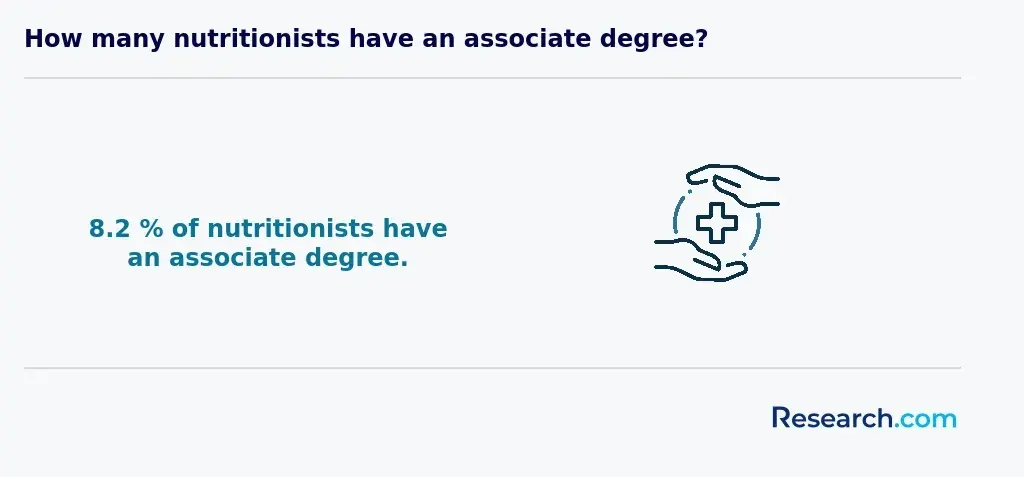
- Associate degree: A two-year program, such as an Associate of Arts in Nutrition Science, can introduce basic nutrition concepts, human health, food systems, and general wellness education. This may support entry-level wellness roles, but it is usually not enough for advanced clinical or dietitian positions.
- Bachelor’s degree: A four-year degree is the common starting point for many nutrition careers. Students may compare nutritional science degree programs, including options such as the Bachelor of Arts in Food Systems, Nutrition and Health from the University of Washington or the Bachelor of Science in Nutrition and Exercise Physiology from Washington State University.
- Master’s degree: Graduate education is important for advanced credentials and specialized practice. Bastyr University offers a Master of Science in Integrative Nutrition online, which may appeal to students interested in whole-person and wellness-focused nutrition education.
| Education level | What it can prepare you for | When it may not be enough |
| Associate degree | Introductory nutrition knowledge, wellness education support, transfer preparation | Clinical nutrition, RDN pathways, CNS eligibility, and many professional roles |
| Bachelor’s degree | Nutrition program entry, public health roles, food systems work, preparation for supervised practice | Advanced certifications that require graduate education |
| Master’s degree | Advanced nutrition practice, specialization, CNS preparation, leadership or research-oriented roles | Jobs that specifically require the RDN credential or a dietetic internship pathway |
Formal coursework is only one part of preparation. Nutrition work requires communication skills, cultural awareness, ethical judgment, and the ability to translate research into practical guidance. Students should look for programs that include applied learning, supervised practice options, research exposure, and training in counseling or behavior change.
Is there a licensing requirement to become a nutritionist in Washington?
Washington does not require a person to hold a license simply to use the broad title “nutritionist.” That makes the field more accessible, but it also means clients and employers may see wide variation in training, credentials, and practice quality. The important distinction is that Washington protects certain titles and credentials, including certified dietitian and certified nutritionist designations.
The Washington State Department of Health does not regulate every person who gives general nutrition advice. However, professionals who want to use protected titles must meet state requirements. This matters because hospitals, clinics, public health agencies, schools, and insurance-related employers often prefer or require recognized credentials rather than informal wellness training alone.
For students, the practical takeaway is simple: do not plan your career around the word “nutritionist” alone. Decide whether you want to provide general wellness coaching, pursue state certification, become a registered dietitian nutritionist, or qualify for an advanced credential such as CNS. Each route has different legal, educational, and employment consequences.
| Question | Washington answer |
| Can anyone call themselves a nutritionist? | The general term is not regulated in the same way as protected titles. |
| Can anyone call themselves a certified nutritionist? | No. Protected titles require meeting Washington State Department of Health rules. |
| Do dietitians have stricter requirements? | Yes. Registered dietitian nutritionist pathways involve specific education, supervised practice, examination, and state credentialing steps. |
| What should clients look for? | Relevant degree, supervised experience, recognized certification, ethical scope of practice, and evidence-based methods. |
How long does it take to become a nutritionist in Washington?
The timeline depends on your target credential. A general wellness nutrition role may take less time than becoming a registered dietitian nutritionist or qualifying for an advanced nutrition credential. Students should map the timeline before enrolling because supervised practice, exam preparation, and graduate study can add significant time after the first degree.
- Bachelor’s degree: A bachelor’s program in dietetics, nutrition, food systems, exercise physiology, or a related field typically takes about four years.
- Master’s degree: Graduate study generally adds about two years for students pursuing advanced nutrition knowledge or credentials that require graduate-level preparation.
- Dietetic internship: Candidates on the dietitian route must complete a supervised practice experience of at least 900 hours. Depending on the program structure, this can take six to twelve months.
- Certification exam preparation: After academic and practice requirements are complete, candidates must prepare for the Commission on Dietetic Registration exam or other relevant credentialing exams. This can add several weeks to the timeline.
| Career goal | Estimated timeline | Important planning note |
| General nutrition wellness role | Varies by training choice | May be faster, but employment options and credibility can be limited without recognized credentials. |
| Bachelor’s-trained nutrition professional | About four years | Useful for some public health, food systems, education, and wellness roles. |
| Registered dietitian nutritionist pathway | Four to six years or more | Includes degree work, supervised practice, exam preparation, and state credentialing steps. |
| CNS pathway | Usually graduate-level plus supervised practice | Requires a master’s degree in nutrition or a related field, 1,000 hours of supervised practice, and CNS exam completion. |
If you are comparing adjacent clinical careers, it may also help to review the nutrition nurse career path, especially if you are interested in combining nutrition education with patient care.
What are the certification options for nutritionists in Washington?
Certification is one of the clearest ways to separate evidence-based nutrition practice from informal advice. In Washington, the most relevant credential decisions usually involve the registered dietitian nutritionist pathway, the Certified Nutrition Specialist credential, state certification rules, and specialty credentials that support a focused area of practice.
| Credential | Core requirement stated in this guide | Best fit | Career value |
| Registered Dietitian Nutritionist | Bachelor’s degree in nutrition or a related field, supervised practice, and a national exam | Clinical nutrition, hospitals, medical nutrition therapy, food service, public health | Often the preferred or required credential for dietitian jobs |
| Certified Nutrition Specialist | Master’s degree in nutrition or a related field, 1,000 hours of supervised practice, and CNS exam | Advanced counseling, integrative nutrition, specialized nutrition practice | Signals graduate-level training and advanced nutrition knowledge |
| Board Certified Nutritionist | Recognized as a certification option in Washington | Professionals seeking an additional credential marker | Can support credibility depending on employer and practice setting |
| Washington certified title | Must meet Washington State Department of Health rules | Professionals who want to use protected titles legally | Protects title use and supports public accountability |
The best certification depends on your intended scope. If you want to work in a hospital, diabetes education setting, school nutrition leadership role, or medical team, the registered dietitian nutritionist path may open more doors. If your goal is graduate-level nutrition counseling or integrative nutrition practice, the CNS pathway may be a stronger match. If you want to practice broadly in wellness, certification may not be legally required, but it can help clients and employers evaluate your preparation.
Before choosing a certification, ask three questions: Does this credential match the jobs I want? Does it meet Washington title-use rules? Will employers in my preferred setting recognize it?
What practical experience is required to become a nutritionist in Washington?
Hands-on experience is essential because nutrition practice is not only about knowing nutrients, metabolism, or dietary guidelines. Professionals must learn how to assess client needs, communicate clearly, adapt recommendations to culture and income, document services, and work with other healthcare or community professionals.
- Clinical experience: Hospitals, outpatient clinics, long-term care settings, and community health clinics help students understand patient-centered nutrition care and interdisciplinary teamwork.
- Community nutrition experience: Public health programs expose future nutritionists to food access, health disparities, nutrition education, and the social factors that shape eating patterns.
- Food service management: Schools, hospitals, and institutional food operations provide experience in menu planning, dietary restrictions, sanitation, budgeting, and nutrition policy.
- Research projects: Research involvement, including opportunities connected to institutions such as the University of Washington, helps students evaluate nutrition evidence rather than relying on trends or unsupported claims.
| Experience setting | What you learn | Why it matters in Washington |
| Clinical care | Assessment, counseling, documentation, referral awareness | Healthcare employers often expect applied patient-care exposure. |
| Community programs | Food access, public health education, cultural responsiveness | Washington communities have diverse needs, incomes, and dietary traditions. |
| Food service | Meal planning, food safety, operations, special diets | Schools, healthcare systems, and public institutions need nutrition-informed planning. |
| Research | Evidence review, data interpretation, scientific communication | Strong research literacy helps professionals counter misinformation. |
How much does it cost to become a nutritionist in Washington?
The cost depends on the route you choose. A short wellness certificate, a bachelor’s degree, a coordinated dietetics program, and a graduate nutrition degree can have very different price tags. Students should budget beyond tuition because application fees, books, supervised practice expenses, transportation, background checks, exam fees, and renewal fees can affect the total cost.
| Cost category | What to expect | How to control the cost |
| Tuition | Nutrition and dietetics programs can cost tens of thousands of dollars over the full program, depending on the school and degree level. | Compare public, private, online, and transfer-friendly options before enrolling. |
| Application and certification fees | Washington State Department of Health certification as a nutritionist includes an application fee of $81. | Confirm the current fee schedule before applying. |
| Reciprocity | If already licensed in another state, reciprocity costs $30. | Ask whether your current credential qualifies before paying other application costs. |
| Renewal | Maintaining licensure includes renewal fees of $61. | Track renewal dates and continuing education requirements early. |
| Background check | A criminal background check may create additional costs. | Budget for it before the credentialing stage. |
The University of Washington's Graduate Coordinated Program in Dietetics combines academic study with dietetic training, and students should expect tuition that reflects the program’s comprehensive structure. Specific figures for an upcoming academic year may change, so applicants should use official school cost pages and financial aid offices rather than relying on outdated third-party estimates.
If affordability is a major factor, compare accredited and credential-aligned options carefully. Research.com also maintains information on lower-cost nutrition and dietetics online degree programs, which can help you start a cost comparison.
What is the job outlook and salary for nutritionists in Washington?
Washington offers a favorable employment outlook for dietitians and nutritionists. According to the U.S. Department of Labor, employment of dietitians and nutritionists in Washington is projected to grow 15.5% from 2023 to 2033. The average salary for nutritionists in Washington is approximately $76,180 per year, compared with the national average of $71,280.
Salary and job access can vary by credential, employer, location, experience, and specialization. A professional working in a hospital system may face different requirements and compensation than someone offering wellness coaching, corporate nutrition education, or community nutrition programming.
| Factor | How it affects career outcomes |
| Credential level | RDN, CNS, and state-recognized credentials can improve competitiveness for regulated or clinical roles. |
| Practice setting | Hospitals, schools, public health agencies, private practice, and corporate wellness programs may use different pay structures. |
| Specialization | Clinical, pediatric, sports, diabetes, public health, and food service expertise may influence job options. |
| Location | Urban, suburban, rural, and tribal health settings can differ in demand and employer type. |
| Experience | Supervised practice, internships, research, and client-facing experience can strengthen employability. |
Several forces support demand: greater attention to chronic disease prevention, public interest in food and wellness, nutrition’s role in healthcare, and the expansion of community and workplace wellness programs. Some career materials also cite a projected growth rate of 17.2% for dietitians and nutritionists over the next eight years, with over 2,000 job openings annually. When making enrollment or career decisions, use the most current official labor market source available.
What are the professional development and continuing education opportunities for nutritionists in Washington?
Continuing education helps Washington nutrition professionals stay current in a field where research, client expectations, public health priorities, and reimbursement practices continue to evolve. Useful options include state and regional workshops, annual conferences, specialty certification courses, mentorship programs, academic seminars, and professional association events.
Professional development is especially important for nutritionists who work near the boundary of healthcare, behavioral health, public health, or chronic disease support. Learning how related professions operate can improve referrals and team-based care. For example, nutrition professionals who frequently collaborate with nurses may benefit from understanding how nurses become licensed in Washington and how nursing roles intersect with patient education.
What are the career advancement opportunities for nutritionists in Washington?
Advancement usually comes from one or more of four moves: earning a stronger credential, specializing, gaining leadership experience, or building a practice model that employers and clients trust. Washington nutritionists can move into clinical nutrition, public health leadership, WIC program roles, food service management, corporate wellness, private practice, research support, or education.
- Registered dietitian nutritionist: This route is often the strongest option for clinical, hospital, medical nutrition therapy, and advanced dietetics roles.
- WIC Coordinator: This community-focused position supports Women, Infants, and Children program operations and requires a bachelor's degree in nutrition.
- Certified Nutrition Specialist: CNS professionals may provide tailored counseling for clients with more complex health concerns, depending on scope and credential recognition.
- Public health nutritionist: These professionals work with agencies and nonprofits on prevention, food access, education, and population health initiatives.
- Corporate wellness or health coaching professional: Washington’s business environment can create opportunities for nutrition education in employee wellness programs.
If you are still choosing your first degree, comparing online bachelor’s degrees in nutritional science can help you identify programs that match your schedule, transfer credits, and long-term credential goals.
What specialization options are available for nutritionists in Washington?
Specialization helps nutritionists move beyond general advice and serve clients or populations with specific needs. It can also improve credibility in a competitive market, especially when paired with recognized credentials and supervised experience.
| Specialization | Focus | Who may benefit from this path |
| Clinical nutrition | Dietary support for health conditions such as diabetes and heart disease | Students interested in hospitals, outpatient clinics, long-term care, or medical teams |
| Sports nutrition | Nutrition for training, recovery, body composition, and athletic performance | Professionals interested in athletes, outdoor recreation, fitness centers, and team settings |
| Pediatric nutrition | Nutrition needs of infants, children, adolescents, and families | Students drawn to child health, family education, schools, or pediatric care settings |
| Public health nutrition | Food access, community education, prevention, and nutrition equity | Professionals who want to work with agencies, nonprofits, WIC, or population health initiatives |
Washington’s diverse population and public health needs create room for nutritionists who understand cultural food practices, food insecurity, chronic disease prevention, and evidence-based counseling. According to the Washington State Department of Health, nearly 10% of adults in the state have diabetes, which is one reason clinical nutrition expertise remains relevant.
Students who want a broader health and performance foundation may also compare nutrition with kinesiology and exercise science. Research.com’s guide to career options with an exercise science degree can help clarify overlapping paths.
What are the biggest challenges faced by nutritionists in Washington?
Nutrition can be a rewarding career, but Washington nutritionists should prepare for legal ambiguity, credential competition, misinformation, diverse client needs, and business realities. These challenges are manageable, but only if you plan for them early.
| Common challenge | Why it matters | Better strategy |
| Misunderstanding title rules | The general “nutritionist” title is broad, but protected titles are regulated. | Check Washington State Department of Health rules before marketing services. |
| Choosing the cheapest program only | Low tuition does not guarantee credential eligibility or employer recognition. | Compare accreditation, supervised practice, transfer credit, outcomes, and credential alignment. |
| Ignoring misinformation | Clients may arrive with beliefs shaped by social media trends rather than science. | Use evidence-based communication and explain trade-offs without shaming clients. |
| Underestimating cultural differences | Nutrition advice that ignores food traditions, budget, or access is unlikely to work. | Practice culturally responsive counseling and realistic meal planning. |
| Neglecting business skills | Private practice requires documentation, billing knowledge, scheduling, and client retention. | Learn operations before launching independent services. |
Washington’s population includes many cultural backgrounds, dietary patterns, and economic situations. Effective nutritionists need more than textbook knowledge; they need the ability to adapt advice to real lives. They also need confidence responding to fad diets, supplement claims, and viral health advice with clear, nonjudgmental explanations.
What are the legal regulations and responsibilities for nutritionists in Washington?
Washington law protects the integrity of certain nutrition and dietetics titles. Under Chapter 18.138 of the Revised Code of Washington, individuals may not use protected titles such as “certified dietitian” or “certified nutritionist” unless they hold the required certification. At the same time, a person may provide some forms of nutrition guidance without certification if they do not use protected titles or represent themselves beyond their legal scope.
This distinction is important for marketing, client safety, employer expectations, and professional liability. A nutritionist should be clear about credentials, education, services offered, and limits of practice. When clients have medical conditions, eating disorders, complex medication regimens, or symptoms requiring diagnosis, referral to licensed healthcare professionals may be necessary.
- Use accurate titles. Do not call yourself certified unless you meet Washington requirements.
- Stay within scope. Avoid diagnosing, treating, or making claims outside your legal and educational preparation.
- Document responsibly. Keep clear records of assessments, goals, recommendations, referrals, and follow-up.
- Use evidence-based methods. Avoid unproven claims, extreme diets, or supplement recommendations that exceed your competence.
- Refer when appropriate. Clients with medical nutrition needs may require an RDN, physician, nurse practitioner, pharmacist, therapist, or other clinician.
If you are considering an adjacent field that combines movement, health, and nutrition-related knowledge, you may also review exercise science career options.
How can interdisciplinary collaborations boost nutrition practice in Washington?
Nutrition problems rarely exist in isolation. Food choices may be affected by income, trauma, medication, chronic illness, mental health, addiction, housing, family responsibilities, or cultural expectations. Collaboration with other professionals can help nutritionists provide more realistic and safer support.
For example, clients dealing with substance use concerns may need coordinated care that includes behavioral health support, medical oversight, and nutrition education. Nutritionists who want to understand this area more deeply can explore how substance abuse counselors are trained in Washington. The goal is not to replace those professionals, but to recognize when nutrition care should be part of a broader support plan.
How can nutritionists in Washington leverage emerging research to advance their practice?
Nutrition science changes as new evidence emerges. Washington nutritionists can strengthen their practice by reading peer-reviewed research, attending conferences, participating in academic or community-based projects, and learning how to evaluate study quality. This is especially important when clients ask about supplements, personalized nutrition, gut health, diabetes prevention, sports performance, or weight management trends.
Professionals who enjoy the science side of nutrition may also find value in broader life science careers. Research.com’s guide to well-paying jobs for biology majors can help readers compare research-oriented and applied health pathways.
Is pursuing a nursing credential beneficial for nutritionists in Washington?
A nursing credential is not required to become a nutritionist, but nursing knowledge can be useful for professionals who want deeper clinical context. Understanding patient assessment, care planning, documentation, risk management, and interprofessional communication may improve collaboration in healthcare settings.
A dual background can be valuable for someone who wants to work closely with patients managing chronic conditions. However, nursing is a separate regulated profession with its own education, licensing, and clinical practice requirements. Before pursuing that route, review the Washington nursing license requirements to understand the commitment involved.
How can collaboration with pharmacists enhance nutrition practice in Washington?
Pharmacists can help nutrition professionals think more carefully about medication-nutrient interactions, supplement safety, side effects that affect appetite, and nutrition concerns related to chronic disease treatment. This is especially relevant for clients taking multiple medications or using supplements alongside prescribed therapies.
Nutritionists do not need to become pharmacists to collaborate effectively, but they should know when to refer questions about medications or drug interactions. Understanding pharmacist licensure requirements in Washington can also clarify the pharmacist’s role in patient safety.
How can a dual credential enhance nutrition practice in Washington?
A dual credential can make sense when your career goal requires both nutrition expertise and another defined clinical scope. For example, a nutritionist who later becomes a nurse practitioner may be able to combine nutrition counseling with broader patient assessment and treatment responsibilities, depending on licensure and scope rules.
This path is not necessary for most nutrition careers. It requires significant time, cost, and clinical training. Readers considering this direction should compare the investment carefully and review accredited nurse practitioner programs in Washington before making a decision.
Is pursuing advanced credentials beneficial for nutritionists in Washington?
Advanced credentials are most useful when they connect directly to your target job, practice setting, or client population. If employers in your field ask for RDN, CNS, graduate education, or state certification, then credentialing is more than a resume boost; it may be a requirement for entry or advancement.
For readers who want the clinical dietetics route, Research.com’s guide to the steps to become a registered dietitian in Washington can help clarify the RDN pathway.
How can nutritionists in Washington build and maintain trust with clients?
Trust is especially important in an area where clients encounter conflicting advice online. Nutritionists can build credibility by being transparent about credentials, avoiding exaggerated promises, personalizing recommendations, explaining the evidence behind advice, and referring clients when a concern falls outside their scope.
- Be clear about your role. Tell clients what you can and cannot provide.
- Use measurable goals. Replace vague promises with trackable behavior and health-related objectives.
- Respect food culture and budget. Practical recommendations are more useful than idealized meal plans.
- Keep learning. Continuing education helps you update advice as evidence changes.
- Maintain ethical marketing. Avoid guaranteed weight-loss, cure, or disease-treatment claims unless they are legally and clinically appropriate.
Readers comparing this path at a broader level can review Research.com’s general guide on how to become a nutritionist.
How can mastering administrative and billing skills enhance nutrition practice in Washington?
Administrative skills can determine whether a nutrition practice runs smoothly. Documentation, scheduling, intake forms, privacy practices, billing workflows, referral tracking, and follow-up systems all affect client experience and business sustainability.
Nutritionists who plan to work in private practice or insurance-connected environments should learn the basics of coding, billing, reimbursement, and recordkeeping. Research.com’s guide on how to become a medical biller and coder in Washington can help explain the administrative side of healthcare work.
How can digital innovation reshape nutrition practice in Washington?
Telehealth, nutrition tracking apps, wearable devices, online coaching platforms, and digital food logs can expand access and improve follow-up. These tools can be useful, but they do not replace professional judgment. Nutritionists should understand privacy, data quality, accessibility, and the limits of automated recommendations.
Digital tools are also changing how many science-based fields collect and interpret information. For a broader example of technology-driven applied science work, readers may review forensic scientist education requirements in Washington.
How do evolving healthcare policies influence nutrition practice in Washington?
Healthcare policy affects nutrition practice through reimbursement rules, public health priorities, credentialing requirements, telehealth standards, and the way nutrition services are integrated into care teams. Nutritionists who follow policy changes can adapt more quickly and avoid compliance problems.
Policy awareness is especially important for professionals working with clinics, public agencies, schools, or interdisciplinary teams. Those interested in a broader clinical role can compare nutrition practice with the path to becoming a nurse practitioner in Washington, while keeping in mind that nurse practitioner practice involves separate education and licensure requirements.
Questions to ask before choosing a nutrition program in Washington
- Does the program match my target credential? Confirm whether it supports RDN, CNS, state certification, graduate study, or general nutrition careers.
- Is the school transparent about total cost? Ask about tuition, fees, books, background checks, travel, internships, exams, and renewal costs.
- Will credits transfer? This matters if you begin at a community college or switch institutions later.
- Does the program include supervised or applied experience? Employers often value direct practice, not coursework alone.
- What jobs do graduates pursue? Ask for examples by employer type, not just general career categories.
- Will an online format meet my goals? Online coursework may be convenient, but supervised practice and credential eligibility must still be verified.
- Does the curriculum include counseling skills? Nutrition knowledge is only useful if you can communicate it effectively.
- How does the program address evidence-based practice? Strong programs teach students how to evaluate nutrition claims and research quality.
Common mistakes to avoid
| Mistake | Why it can hurt you | What to do instead |
| Assuming any nutrition certificate is enough | Employers may require specific credentials, degrees, or supervised practice. | Start with job postings and work backward to the required qualification. |
| Confusing “nutritionist” with “certified nutritionist” | Protected titles have legal requirements in Washington. | Check title rules before advertising services. |
| Choosing based only on tuition | A cheaper program may not support your credential pathway. | Compare cost, accreditation, practice placement, exam preparation, and outcomes. |
| Ignoring supervised experience | Practical skills are essential for counseling and many credentials. | Seek internships, community placements, clinical exposure, or research roles. |
| Overpromising results to clients | Guaranteed health or weight-loss claims can damage trust and create legal risk. | Use ethical, evidence-based language and realistic goals. |
Here's What Nutritionists in Washington Have to Say About Their Careers
- Working as a registered dietitian in Washington has allowed me to connect health education with the state’s interest in sustainability, local food, and prevention. I work with community partners and clients who want practical guidance, and that makes the work feel meaningful. Katrina
- Nutrition practice here gives me the chance to serve a wide range of people, from families managing everyday food choices to employers building wellness programs. The variety keeps the career challenging and rewarding. Daniel
- Washington’s access to fresh foods and strong community health focus shape the way I counsel clients. I enjoy helping people use local options while still respecting their budgets, cultures, and health goals. Tara
Related Articles for Nearby States
- 2027 How to Become a Nutritionist in Oregon
- 2027 How to Become a Nutritionist in Idaho
- 2027 How to Become a Nutritionist in Montana
- 2027 How to Become a Nutritionist in California
- 2027 How to Become a Nutritionist in Nevada
- 2027 How to Become a Nutritionist in Utah
- 2027 How to Become a Nutritionist in Wyoming
- 2027 How to Become a Nutritionist in Arizona
- 2027 How to Become a Nutritionist in Colorado
- 2027 How to Become a Nutritionist in New Mexico
Key Insights
- Washington does not license every general nutritionist, but protected titles matter. If you want to use “certified dietitian” or “certified nutritionist,” you must meet Washington requirements.
- Your credential choice should match your career goal. Wellness coaching, public health nutrition, clinical dietetics, CNS practice, and private counseling do not all require the same preparation.
- The RDN path is often the strongest clinical route. It typically supports hospital, medical nutrition therapy, food service, and many public health roles.
- The CNS pathway is graduate-level and practice-based. It requires a master’s degree in nutrition or a related field, 1,000 hours of supervised practice, and the CNS exam.
- Washington’s labor outlook is favorable, but competition still exists. Employment is projected to grow 15.5% from 2023 to 2033, and the average salary is approximately $76,180 per year, but outcomes depend on credential, setting, experience, and specialization.
- Do not choose a program by price alone. Check credential alignment, supervised practice, transfer policies, total fees, and employer recognition before enrolling.
- Trust is a career asset. Evidence-based practice, clear scope, ethical marketing, cultural responsiveness, and strong referral habits help nutritionists stand out in an uneven marketplace.
References:
- Bastyr University. (n.d.). What Can You Do with a Nutrition Degree? educate.bastyr.edu.
- Projections Central. (2024). Long-Term Occupational Projections (2023-2033) [Washington]. https://projectionscentral.org/Projections/LongTerm
- BecomeANutritionist.org (2023, February 6). Becoming a Licensed or Non-Licensed Nutritionist in Washington. becomeanutritionist.org.
- HealthCarePathway.com. (2019, January 17). Dietitian and Nutritionist Certification Requirements in Washington State. healthcarepathway.com.
- Healthier Washington Collaboration Portal. (n.d.). Career Pathways Overview | WIC Job Positions Overview. waportal.org.
- NutritionistDegreeOnline.Org (2017, January 16). Requirements to Become a Dietitian in Washington. nutritionistdegreeonline.org.
- NutritionED.org. (2020, October 27). Steps to Become a Registered Dietitian in Washington. nutritioned.org.
- University of Washington - Food Systems, Nutrition, and Health | School of Public Health. (n.d.). RDN Training | Costs. foodsystems.uw.edu.
- Washington State Department of Health. (2024, April 30). Significant Legislative Rule Analysis. eatrightwashington.org.
- Washington State Department of Health. (n.d.). The RCW and WAC that directly relate to dietitian and nutritionist. doh.wa.gov.
- Washington State Legislature. (n.d.). Chapter 18.138 RCW | DIETITIANS AND NUTRITIONISTS. app.leg.wa.gov.
Other Things You Should Know About Becoming a Nutritionist in Washington
To become a nutritionist in Washington in 2027, individuals typically need a bachelor's degree in nutrition, dietetics, or a related field from an accredited institution. Completing a supervised practice program and passing the national registration exam for dietitians are also crucial steps in meeting educational and certification requirements.
In 2027, Washington mandates that licensed nutritionists complete 30 hours of continuing education every two years. These hours must focus on relevant areas like clinical nutrition or public health to maintain their licensure. Verification is required by the Washington State Department of Health.
The Washington State Department of Health regulates nutritionist practice and issues the Certified Dietitian/Nutritionist credential under Chapter 18.138 RCW. Applicants must meet education, supervised practice, and exam requirements before using the title in Washington.





