
2027 How to Become a Nutritionist in Texas

Co-Founder and Chief Data Scientist
Becoming a nutritionist in Texas can mean several different things: offering general wellness guidance, earning a nutrition degree, pursuing a private certification, or meeting the stricter requirements to become a Registered Dietitian Nutritionist. The right path depends on where you want to work, the type of advice you plan to provide, and whether you want to qualify for clinical roles that require recognized credentials.
This guide explains the education, certification, experience, cost, legal boundaries, salary expectations, and advancement options for nutrition professionals in Texas. It is designed for students comparing nutrition programs, career changers entering health and wellness, and current nutrition workers deciding whether the Registered Dietitian route is worth the additional time and expense.
Quick Answer: How Do You Become a Nutritionist in Texas?
Texas does not require a state license for someone to provide general nutrition services under the title “nutritionist.” However, the protected clinical route is different: professionals who want to work as licensed dietitians or Registered Dietitian Nutritionists must complete approved education, supervised practice, pass the national exam, and meet Texas licensing requirements. For most people, the best path is to choose a nutrition degree, gain supervised or applied experience, decide whether clinical dietetics is the goal, and then pursue the credential that matches their career plans.
Key Things You Should Know About Becoming a Nutritionist in Texas
- Texas does not require licensure for general nutritionist work, but the title and scope connected with licensed dietitian practice are regulated.
- The Registered Dietitian Nutritionist pathway requires a nutrition-related degree, supervised practice, and passing the national RD exam administered by the Commission on Dietetic Registration.
- Texas dietitian licensure is handled through state regulatory processes, and candidates should verify current requirements directly with the Texas Department of Licensing and Regulation before applying.
- Nutritionists who are not licensed dietitians often build credibility through education, supervised experience, and voluntary credentials such as Certified Nutrition Specialist or Certified Clinical Nutritionist.
- The job market is favorable, with nutritionist employment in Texas expected to grow by 21.3%, but stronger credentials generally improve access to clinical, hospital, public health, and leadership roles.
- What education do you need to become a nutritionist in Texas?
- Do nutritionists need a license in Texas?
- How long does the nutritionist career path take in Texas?
- Which nutrition certifications are available in Texas?
- What hands-on experience should Texas nutritionists get?
- How much does nutrition education cost in Texas?
- What salary and job outlook can nutritionists expect in Texas?
- How can interdisciplinary collaboration expand a nutritionist’s role in Texas?
- How does nutrition work connect with substance abuse counseling in Texas?
- Why do research and continuing education matter in nutrition practice?
- How can networking and mentorship help nutritionists in Texas?
- How can graduate education strengthen a Texas nutrition career?
- How can nutritionists manage clients and administrative work more effectively?
- How can cross-disciplinary training improve analytical skills?
- How can nutritionists collaborate with nurse practitioners?
- What career advancement options are available for nutritionists in Texas?
- How can nutritionists market a private practice in Texas?
- How can a nutritionist become a Registered Dietitian in Texas?
- What nutrition specializations are available in Texas?
- What challenges should Texas nutritionists expect?
- How can added certifications support a nutrition career?
- What legal rules and responsibilities apply to nutritionists in Texas?
What education do you need to become a nutritionist in Texas?
For general nutritionist work in Texas, education is not mandated in the same way it is for licensed dietitians. Still, employers, clients, healthcare partners, and insurance-related organizations are far more likely to trust candidates with formal training in nutrition science, food systems, counseling, anatomy, physiology, and public health.
The best educational route depends on the role you want. A short certificate may be enough for basic wellness coaching, but clinical nutrition, medical nutrition therapy, public health programs, research, and dietetics usually require a deeper academic foundation.
| Education option | Typical purpose | Best for | Important limitation |
| Certificate or short training program | Introduces nutrition basics, wellness coaching, and client education | Career changers testing the field or professionals adding nutrition knowledge to another role | May not qualify you for clinical jobs or regulated dietitian practice |
| Associate degree | Builds a foundation in food, health, and introductory nutrition science | Students seeking entry-level exposure or a lower-cost first step | May need to be followed by a bachelor’s degree for stronger career mobility |
| Bachelor’s degree | Covers core subjects such as metabolism, nutrition education, food science, and related health topics | Most aspiring nutritionists and students considering the RDN path | Program selection matters, especially if you plan to pursue dietetics credentials later |
| Master’s degree | Develops advanced clinical, research, public health, or specialized nutrition expertise | Professionals seeking leadership, specialization, teaching, research, or advanced credential eligibility | Requires more time and tuition, so ROI should be evaluated carefully |
Most nutritionists in Texas hold at least a bachelor’s degree in nutrition or a closely related field. Programs may include coursework in metabolism, food science, lifecycle nutrition, nutrition counseling, biochemistry, and community health. Texas Woman’s University and the University of Houston offer programs in areas such as Human Nutrition and Foods or Nutritional Sciences. Students who need a flexible format can compare online bachelor’s degrees in nutrition to see whether distance learning fits their schedule and career goals.
A master’s degree is not always required for general nutrition work, but it can be valuable for students who want deeper expertise or stronger competitiveness for advanced roles. Texas Tech University and the University of Texas at Austin offer advanced study options in Nutrition and Dietetics. Graduate education can also support future specialization, research involvement, or preparation for higher-level credentials.
Shorter options can also be useful. An Associate of Science in Nutrition from a school such as San Antonio College or a certificate in Food, Nutrition, and Health from Texas Christian University may help students explore the field before committing to a longer degree. These routes are often most useful when they transfer into a bachelor’s program or supplement an existing healthcare, fitness, counseling, or wellness background.
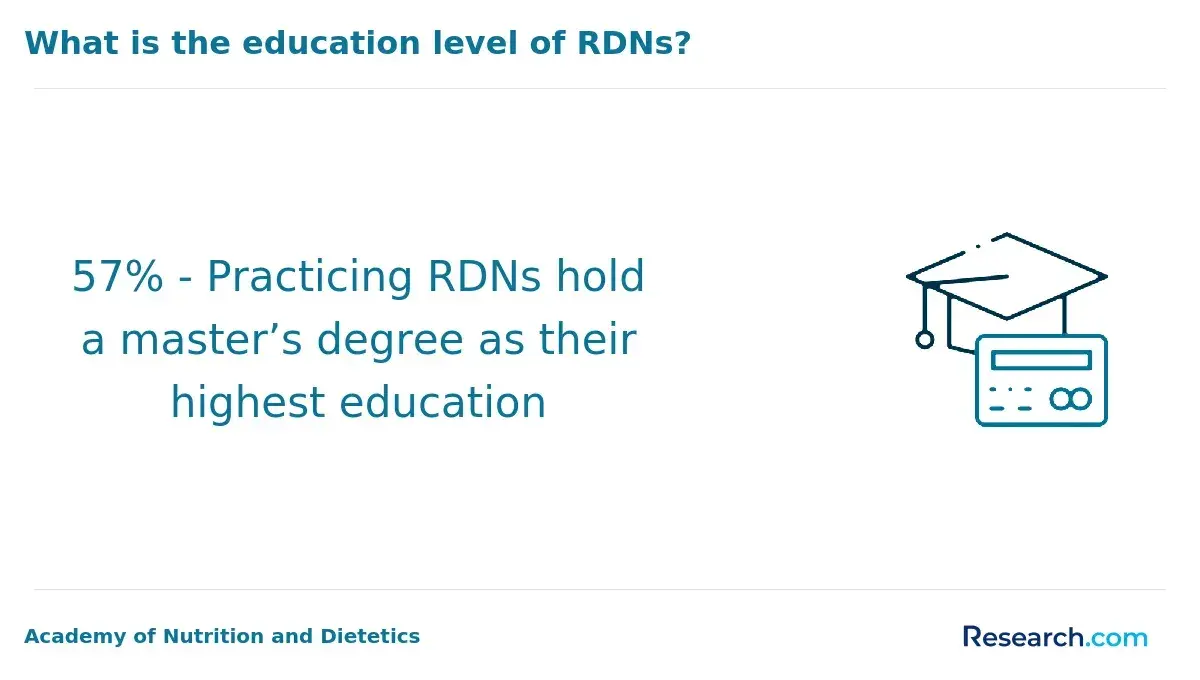
In Texas, about 40% of nutritionists aged 25 to 44 have a bachelor’s degree, while around 35% have advanced degrees. That does not mean every nutrition role requires graduate study, but it does show that formal education is common among working professionals and can help separate serious candidates from people with minimal training.
Do nutritionists need a license in Texas?
Texas does not require a license for general nutritionist practice. However, this does not mean nutrition professionals can present themselves as licensed dietitians, provide services outside their training, or make medical claims without appropriate credentials. The legal distinction matters.
The safest way to think about the field is this: “nutritionist” is a broad term, while “licensed dietitian” and Registered Dietitian Nutritionist are credentialed pathways connected to specific education, supervised practice, examination, and regulatory standards. If your goal is to work in hospitals, clinics, long-term care, physician practices, or medical nutrition therapy, the dietitian route is typically the more appropriate path.
| Path | License required in Texas? | Common work settings | Best fit |
| General nutritionist | No state license is required for general nutrition guidance | Wellness programs, coaching, community education, fitness settings, private wellness services | People focused on non-clinical nutrition education and lifestyle support |
| Registered Dietitian Nutritionist | Requires approved education, supervised practice, exam completion, and applicable licensure steps | Hospitals, outpatient clinics, public health, schools, long-term care, food service management | People who want clinical credibility and broader healthcare employment options |
| Certified Nutrition Specialist | Voluntary certification, not a Texas license by itself | Advanced nutrition practice, functional nutrition, consulting, education, wellness programs | Professionals seeking a rigorous non-RDN credential with advanced education expectations |
Registered Dietitian Nutritionists are recognized by the Academy of Nutrition and Dietetics and must meet national credentialing requirements. They complete supervised practice and pass a national exam, and they commonly maintain continuing education to keep their knowledge current. Texas requires RDNs to complete 75 hours of continuing education every five years to maintain their registration.
For students comparing career paths, the key question is not only “Can I work without a license?” It is “Will the jobs I want require dietitian credentials?” If you want clinical responsibility, employer recognition, and the ability to work in regulated healthcare environments, the RDN pathway is usually worth serious consideration.
How long does the nutritionist career path take in Texas?
The time required depends on whether you want a quick non-clinical entry point, a degree-based nutrition career, or the full dietitian pathway. A person pursuing general wellness nutrition can start much sooner than someone preparing for licensed clinical dietetics.
| Goal | Estimated timeline | What you complete | Decision point |
| Non-licensed nutritionist or wellness nutrition role | About six months to a year for many online certifications | Introductory nutrition training, coaching skills, and possibly a voluntary certificate | Useful for non-clinical roles, but limited for hospital or medical settings |
| Associate degree route | About two years | Lower-division coursework in nutrition, food, science, and health | May work best as a transfer step toward a bachelor’s degree |
| Bachelor’s degree route | Around four years | Nutrition major coursework, science prerequisites, labs, and applied learning | Often the baseline for stronger nutrition job options |
| Master’s degree route | An additional two years | Advanced nutrition, research, clinical, public health, or specialty coursework | Most useful when tied to a credential, specialization, or career advancement plan |
In practical terms, the path can take anywhere from six months to six years or more. Students who need flexibility can compare online dietetics programs, but they should confirm whether online coursework, labs, supervised practice, and credentialing requirements align with their intended role.
A smart timeline starts with the end job in mind. If you want to coach clients in a fitness or wellness setting, a shorter route may be enough. If you want to work in clinical nutrition, apply for hospital jobs, or become a dietitian, plan for a longer and more structured pathway.
Which nutrition certifications are available in Texas?
Certifications can help Texas nutrition professionals demonstrate training and credibility, especially when they are not pursuing state dietitian licensure immediately. The two most important credential categories to understand are Registered Dietitian Nutritionist and Certified Nutrition Specialist. Certified Clinical Nutritionist is another option some professionals consider depending on their education and practice focus.
| Credential | Core requirements stated in this guide | Where it can help | Who should consider it |
| Registered Dietitian Nutritionist | Bachelor’s degree in nutrition or a related field, supervised practice program, and passing the national exam | Clinical care, hospitals, schools, public health, food service, wellness programs | Students who want the most recognized clinical nutrition credential |
| Certified Nutrition Specialist | Master’s degree in nutrition or a related field plus 1,000 hours of supervised practice | Advanced nutrition consulting, functional nutrition, research-informed practice, private services | Professionals seeking an advanced credential outside or alongside the RDN route |
| Certified Clinical Nutritionist | Specific educational and experiential qualifications | Clinical-adjacent and wellness-oriented nutrition services, depending on scope and background | Nutrition professionals looking for a structured voluntary credential |
The RDN credential is often the strongest choice for people who want to work in healthcare settings. It is widely understood by employers, referral partners, and patients. The CNS route may appeal to students who are interested in advanced nutrition science, holistic or functional nutrition, or consulting work that relies on graduate-level preparation.
Before paying for any certification, check three things: whether employers in your target setting recognize it, whether it requires supervised practice, and whether it fits Texas rules on scope of practice. A credential should expand your options, not create confusion about what you are legally and professionally prepared to do.
What hands-on experience should Texas nutritionists get?
Nutrition is an applied field. Coursework teaches the science, but experience teaches how people actually make food choices, follow medical instructions, manage budgets, navigate culture, and respond to behavior change. Texas nutritionists should look for practical experience that matches their career goals.
- Clinical exposure: Experience in hospitals, outpatient clinics, health centers, or long-term care settings helps students understand patient needs, chronic disease management, charting expectations, and team-based care. Texas State University and other institutions may connect students with local healthcare partners.
- Community nutrition work: Volunteering with public health programs, food access initiatives, school wellness programs, or nonprofit organizations can prepare nutritionists to serve diverse communities and address barriers such as affordability and access.
- Food service experience: Work in school, hospital, or institutional food service builds knowledge of menu planning, dietary restrictions, safety procedures, budgeting, and nutrition standards.
- Research participation: University research projects can help students learn how nutrition evidence is produced, interpreted, and applied in practice.
- Corporate and wellness settings: Partnerships with companies or wellness programs can expose students to employee health initiatives, nutrition education workshops, and program evaluation.
Students should document their hours, responsibilities, supervisors, and learning outcomes. This record can support graduate school applications, certification eligibility, internships, and job interviews.
How much does nutrition education cost in Texas?
The cost of becoming a nutritionist in Texas depends heavily on the school type, degree level, residency status, and whether you pursue dietetic internship or licensing steps. Tuition is usually the largest expense, but books, supplies, transportation, testing, certification, and supervised practice costs can also affect your budget.
| Cost category | Estimated amount stated in this guide | Why it matters | How to manage it |
| Public university tuition | Around $10,000 annually for in-state students at public universities like Texas A&M; closer to $30,000 for out-of-state students | Residency status can change the total cost substantially | Compare in-state options, transfer pathways, and financial aid before enrolling |
| Private institution tuition | Often exceeding $40,000 each year | Higher tuition can reduce ROI if career goals do not require that program | Ask about scholarships, assistantships, and outcomes for nutrition graduates |
| Books and supplies | Between $1,000 and $2,000 yearly | Science courses, labs, and nutrition texts can add recurring costs | Use used books, rentals, digital resources, and library reserves when available |
| Dietetic internship and licensing-related costs | A $25 application fee and $50 for various licensing requirements | Credential-focused paths include expenses beyond tuition | Build exam, application, and supervised practice costs into your plan early |
Students considering graduate study should compare format, accreditation, supervised practice compatibility, and total cost rather than looking only at tuition. Online options can reduce commuting and relocation expenses, and online master’s in nutrition programs may be useful for working adults who need flexibility.
Before enrolling, ask schools for the full cost of attendance, not just tuition. Also ask whether credits transfer, whether the program supports dietetics requirements, what supervised practice support exists, and how graduates typically use the degree.
What salary and job outlook can nutritionists expect in Texas?
The career outlook for nutrition professionals in Texas is positive, but salary and job access vary by credential, experience, setting, and specialization. The U.S. Bureau of Labor Statistics projects 6% employment growth for dietitians and nutritionists from 2024 to 2034, which is faster than the average for all occupations. Texas-specific demand is also strong, with projected growth of 21.3% and over 1,000 new positions expected to become available.
Several factors are shaping nutrition hiring in Texas:
- Population growth: A larger population increases demand for healthcare, prevention programs, chronic disease management, and nutrition education.
- Chronic disease concerns: Obesity, diabetes, cardiovascular disease, and related conditions continue to drive demand for nutrition guidance.
- Multiple employment settings: Nutritionists and dietitians work in hospitals, schools, clinics, public health agencies, wellness companies, food service organizations, and private practice.
- Telehealth expansion: Remote nutrition counseling can help professionals reach clients in rural or underserved areas, although scope, privacy, and documentation rules still matter.
Nutritionists in Texas earn a median annual wage of around $61,000, with higher earnings possible depending on experience, advanced education, clinical credentials, specialization, and employer type. Salary outcomes are not guaranteed, so students should compare the cost of their education with realistic job targets.
How can interdisciplinary collaboration expand a nutritionist’s role in Texas?
Nutritionists can increase their value by working with physicians, nurses, behavioral health professionals, pharmacists, fitness specialists, and public health teams. In practice, this may mean contributing to chronic disease programs, employee wellness plans, school nutrition initiatives, recovery support teams, or community health projects.
Collaboration works best when nutritionists understand the boundaries and language of other healthcare professions. For readers considering broader clinical mobility, Research.com’s guide on how to become a nurse in Texas can help explain how nursing education and licensure differ from nutrition training.
How does nutrition work connect with substance abuse counseling in Texas?
Nutrition and recovery often intersect. People dealing with substance use disorders may face appetite changes, nutrient deficiencies, gastrointestinal issues, unstable routines, or co-occurring mental health needs. Nutritionists do not replace counselors, but they can support recovery teams by helping clients rebuild consistent eating patterns and improve overall wellness.
Professionals who want to understand this adjacent field can review the pathway for becoming a substance abuse counselor in Texas. That comparison can help nutritionists decide whether cross-training, referrals, or team-based collaboration makes sense for their practice.
Why do research and continuing education matter in nutrition practice?
Nutrition advice changes as evidence develops. A responsible nutrition professional needs to evaluate research quality, distinguish strong clinical evidence from social media claims, and translate science into practical guidance clients can actually follow.
Continuing education is also important for credibility. It helps professionals keep up with new findings in metabolism, chronic disease prevention, dietary patterns, gut health, food access, sports performance, and personalized nutrition. Students who want a deeper research-based foundation can explore a nutritional science degree and compare how it differs from dietetics, food science, public health, or exercise science programs.
How can networking and mentorship help nutritionists in Texas?
Networking can lead to internships, referrals, job leads, supervision opportunities, and clearer insight into the Texas nutrition job market. Mentors can also help students avoid common mistakes, such as choosing a program that does not align with their credential goals or underestimating the importance of supervised experience.
Nutrition students can benefit from joining professional associations, attending workshops, speaking with faculty, volunteering in community programs, and connecting with dietitians in their target work setting. Reviewing regulated healthcare pathways, such as Texas nursing license requirements, can also help nutritionists understand how structured licensure, continuing education, and professional accountability work in adjacent fields.
How can graduate education strengthen a Texas nutrition career?
Graduate education can be valuable when it supports a specific outcome: clinical advancement, research competence, specialization, leadership, teaching, public health program design, or eligibility for advanced credentials. It is less useful when chosen only because the student is unsure what to do next.
Before enrolling in a master’s program, compare curriculum, faculty expertise, supervised practice connections, online delivery, total cost, and graduate outcomes. Cost-conscious students can start with Research.com’s guide to the most affordable online master’s degrees in nutrition to identify programs that may fit a working adult’s budget and schedule.
How can nutritionists manage clients and administrative work more effectively?
Private practice and consulting require more than nutrition knowledge. Nutritionists must manage scheduling, intake forms, documentation, client communication, payments, privacy expectations, and follow-up systems. Poor administration can damage client trust even when the nutrition advice is strong.
Useful tools may include secure scheduling platforms, electronic intake forms, telehealth systems, client education templates, and organized recordkeeping. Nutritionists who work with insurance, healthcare referrals, or clinical documentation may also benefit from understanding billing workflows. Research.com’s guide on how to become a medical biller and coder in Texas can provide context on the administrative side of healthcare services.
How can cross-disciplinary training improve analytical skills?
Nutrition professionals often analyze food records, lab-related information, research findings, ingredient lists, dietary patterns, and program outcomes. Cross-disciplinary training can strengthen those analytical habits, especially in areas such as food safety, quality control, data interpretation, and evidence review.
For nutritionists interested in scientific investigation, contamination concerns, or regulatory collaboration, reviewing forensic scientist education requirements in Texas can offer a useful comparison of how evidence collection, laboratory thinking, and analytical methods are taught in another field.
How can nutritionists collaborate with nurse practitioners?
Nurse practitioners and nutritionists can work together on diabetes management, cardiovascular risk reduction, weight management, prenatal nutrition, pediatric wellness, digestive concerns, and chronic disease prevention. The strongest collaborations have clear referral processes, documentation expectations, and role boundaries.
Nutritionists do not diagnose or prescribe unless they hold the appropriate credentials and authority, but they can provide education, meal planning support, behavior-change coaching, and follow-up that helps patients apply clinical recommendations. To understand the training and scope of an advanced clinical partner, review Research.com’s guide on how to become a nurse practitioner in Texas.
What career advancement options are available for nutritionists in Texas?
Texas offers several advancement routes for nutrition professionals, especially those who combine education, supervised experience, strong communication skills, and recognized credentials. With projected job growth of 21.3% and over 1,000 new positions expected, nutrition professionals can build careers in clinical care, public health, wellness, sports, food systems, and consulting.
| Career path | Main responsibilities | Credential advantage | Good fit for |
| Registered Dietitian | Develops individualized nutrition care plans and provides medical nutrition therapy | RDN and Texas licensure are commonly expected for clinical roles | Professionals who want hospital, clinic, or healthcare-based work |
| Clinical Nutrition Manager | Oversees nutrition services, staff, standards, and care processes in healthcare settings | Advanced experience and dietitian credentials can be important | Nutrition professionals with leadership and operations skills |
| Community Nutritionist | Designs and delivers nutrition education programs for local populations | Public health training and community experience can help | People motivated by prevention, access, and population health |
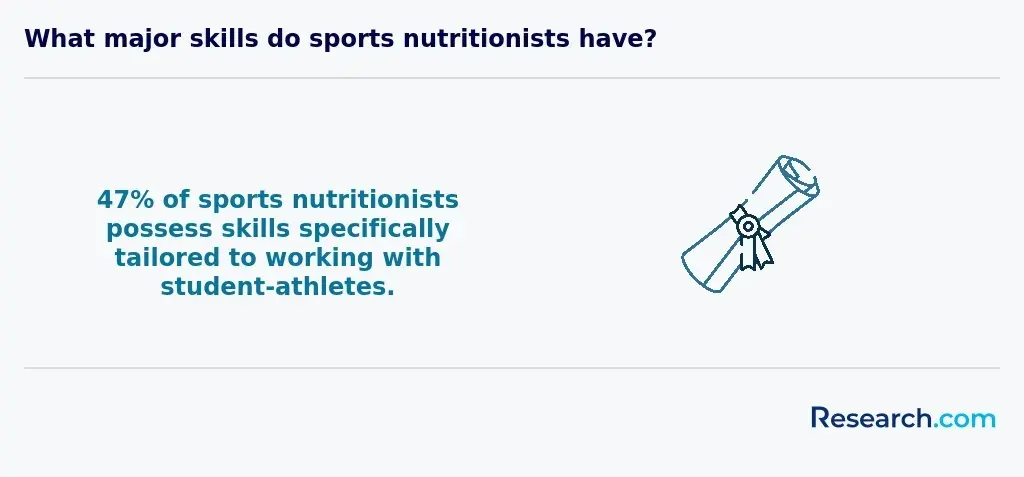
| Sports Nutritionist | Supports training, performance, recovery, hydration, and fueling strategies | Sports nutrition education and experience with athletes are valuable | Professionals interested in athletics, fitness, and performance |
| Corporate Wellness Consultant | Creates workplace nutrition and wellness programs | Program design, coaching, and communication skills matter | Nutritionists who enjoy education, workshops, and organizational health |
Major employers such as Texas Health Resources and Baylor Scott & White Health may seek qualified nutrition professionals for healthcare and wellness-related roles. Students interested in building a degree foundation should compare accredited online nutrition bachelor’s programs and choose one that supports their intended credential route.
How can nutritionists market a private practice in Texas?
A nutrition practice needs a clear niche, credible credentials, compliant messaging, and a reliable referral strategy. Rather than marketing vague wellness promises, nutritionists should define who they serve, what problems they help address, what their qualifications are, and when they refer clients to licensed clinicians.
- Build a professional website that explains services, credentials, pricing, scheduling, and scope of practice.
- Create educational content that answers real client questions without making unsupported medical claims.
- Develop referral relationships with fitness centers, primary care offices, therapists, nurse practitioners, community organizations, and corporate wellness teams.
- Use testimonials carefully and avoid implying guaranteed outcomes.
- Track which channels actually bring qualified clients instead of relying only on social media visibility.
Nutritionists who want stronger healthcare referral networks can also learn how advanced nursing programs prepare clinical partners by reviewing the best accredited NP programs in Texas.
How can a nutritionist become a Registered Dietitian in Texas?
A Texas nutritionist who wants more clinical recognition can transition toward the Registered Dietitian pathway by completing the required academic preparation, supervised practice, national examination, and state licensure steps. This route is more demanding than general nutrition practice, but it can open doors in hospitals, clinics, schools, long-term care, and public health.
The transition should start with a credential audit. Review your previous coursework, identify missing prerequisites, confirm whether your program meets dietetics requirements, and speak with advisors before enrolling in additional classes. Research.com’s guide to the requirements to become a registered dietitian in Texas can help you map the steps more clearly.
What nutrition specializations are available in Texas?
Specialization can help nutritionists stand out in a broad market. Texas has diverse populations, large healthcare systems, major school districts, competitive sports programs, rural and urban food access issues, and strong demand for chronic disease prevention. These conditions create opportunities for nutrition professionals who develop focused expertise.
- Clinical nutrition: Focuses on nutrition support for patients managing conditions such as diabetes, cardiovascular disease, digestive concerns, and weight-related health issues. This route is strongest for those pursuing dietitian credentials.
- Sports nutrition: Supports athletes with fueling, hydration, recovery, body composition goals, and performance planning. Students interested in this area may also compare affordable online exercise science programs to build complementary knowledge.
- Pediatric nutrition: Helps children and families develop healthy eating patterns, address growth-related concerns, and manage nutrition needs at different developmental stages.
- Public health nutrition: Works at the community or population level through education, food access programs, policy support, and prevention initiatives.
- Corporate wellness: Designs workplace nutrition education, health challenges, coaching programs, and employee wellness resources.
- Food service and systems nutrition: Involves menu planning, safety, dietary accommodations, procurement, and nutrition standards in schools, hospitals, or other institutions.
For example, a sports nutritionist working with a college football program may plan meals and recovery strategies around training loads, travel, and game schedules. A public health nutritionist may focus instead on food insecurity, school meal participation, or culturally relevant nutrition education.
What challenges should Texas nutritionists expect?
Nutrition can be rewarding, but new professionals should enter the field with realistic expectations. The largest challenges are not limited to coursework; they include regulation, scope of practice, client adherence, misinformation, access barriers, and business operations.
| Challenge | Why it happens | Better approach |
| Confusion about licensure | Texas allows general nutrition work, but dietitian practice is regulated | Clarify your title, credential, and scope before advertising services |
| Choosing a program too quickly | Students may focus on convenience without checking credential alignment | Ask whether the program supports RDN, CNS, transfer, or graduate goals |
| Food access barriers | Some communities have limited access to affordable healthy foods | Design recommendations around budget, location, transportation, and culture |
| Nutrition misinformation | Clients may rely on trends, influencers, or unsupported supplement claims | Use evidence-based education and explain uncertainty honestly |
| Private practice complexity | Business, marketing, documentation, and client retention require separate skills | Build systems for scheduling, records, referrals, and follow-up |
Government and community initiatives can help, but they do not remove the challenge of reaching people who need services most. Programs such as the Texas Farm Fresh initiative can support access to fresh produce, while nutritionists still need local partnerships, culturally aware education, and realistic client plans.
How can added certifications support a nutrition career?
Additional certifications can be useful when they deepen a nutritionist’s skill set, support a defined niche, or improve collaboration with healthcare partners. They are less useful when they are collected without a plan or marketed in a way that overstates scope.
When evaluating any credential, ask whether it is recognized by employers, whether it requires meaningful education or supervised practice, whether it has continuing education requirements, and whether it fits your legal role in Texas. Comparing stricter healthcare credentialing pathways, such as pharmacist licensure requirements in Texas, can help nutritionists understand why regulation, documentation, and professional accountability matter in patient-facing work.
What legal rules and responsibilities apply to nutritionists in Texas?
Texas protects regulated dietitian practice, but it does not require every person offering general nutrition guidance to hold a dietitian license. This creates flexibility for wellness professionals, but it also creates responsibility. Nutritionists must avoid misleading the public, misrepresenting credentials, or providing services that should be handled by a licensed healthcare professional.
Key responsibilities include giving accurate information, staying within training and scope, avoiding unsupported claims, maintaining client confidentiality, documenting services appropriately, and referring clients when medical concerns exceed your qualifications. Nutritionists should also check whether local business rules, telehealth considerations, or employer policies affect how they practice.
The Texas Department of Licensing and Regulation oversees dietitian regulation and related rules. Anyone planning to use a protected title, pursue clinical nutrition work, or provide medical nutrition therapy should verify current requirements directly before advertising services or accepting clients.
Nutritionists who want to broaden their expertise in movement, performance, and wellness may also consider related graduate education, such as the most affordable online master’s degrees in exercise science, especially if they plan to work with athletes, fitness clients, or corporate wellness programs.
Common Mistakes to Avoid When Becoming a Nutritionist in Texas
- Assuming “nutritionist” and “dietitian” mean the same thing: They do not. Dietitian roles have stricter credentialing and licensing expectations.
- Choosing a school based only on convenience: Online and local programs can be excellent, but only if they align with your credential goals.
- Ignoring supervised experience: Employers often value applied experience as much as classroom knowledge.
- Focusing only on tuition: Books, supplies, application fees, licensing costs, transportation, and lost work time can affect total cost.
- Making medical claims without proper authority: General nutrition education is different from diagnosing, treating, or prescribing for medical conditions.
- Relying only on rankings or marketing language: Ask programs for outcomes, credential alignment, transfer policies, and supervised practice support.
Questions to Ask Before Choosing a Nutrition Program in Texas
- Does this program support my goal of becoming a nutritionist, Registered Dietitian Nutritionist, Certified Nutrition Specialist, or another type of professional?
- Is the program’s curriculum aligned with the credential or graduate pathway I may need later?
- What supervised practice, internship, research, or community placement opportunities are available?
- What is the full cost of attendance, including books, supplies, fees, travel, and testing?
- Can I complete the program online, in person, or in a hybrid format without delaying required experiences?
- What percentage of graduates work in nutrition-related roles after completion?
- Will credits transfer if I start with an associate degree or certificate?
- Who advises students on Texas licensure and dietetics requirements?
What do graduates say about becoming a nutritionist in Texas?
Vic describes Texas as a rewarding place to build a nutrition career because the state’s diverse communities create opportunities to support many dietary needs, family habits, and local food partnerships. - Vic
Sebastian points to growing demand in schools, hospitals, and private practices as a major reason nutrition can provide both stability and purpose for professionals who want to improve public health. - Sebastian
Estefan emphasizes the professional growth available in Texas, including collaboration with motivated clients, specialized conferences, and exposure to new research in health and wellness. - Estefan
Key Insights
- Texas allows general nutritionist practice without a state nutritionist license, but licensed dietitian work follows a regulated credentialing pathway.
- The RDN route is the strongest option for clinical roles, while general nutritionist, CNS, and CCN pathways may fit wellness, consulting, or advanced non-RDN practice goals.
- Education level affects opportunity. About 40% of Texas nutritionists aged 25 to 44 have a bachelor’s degree, and around 35% have advanced degrees.
- The field has favorable demand, with Texas nutritionist employment expected to grow by 21.3% and over 1,000 new positions expected, but job quality depends on credentials, experience, and specialization.
- Costs vary widely, from public university tuition around $10,000 annually for in-state students to private tuition often exceeding $40,000 each year, so students should calculate total ROI before enrolling.
- Before choosing a program, confirm whether it supports your intended credential, supervised practice needs, transfer plans, and legal scope of practice in Texas.
Related Articles for Nearby States
- 2027 How to Become a Nutritionist in Louisiana
- 2027 How to Become a Nutritionist in Oklahoma
- 2027 How to Become a Nutritionist in Arkansas
- 2027 How to Become a Nutritionist in New Mexico
- 2027 How to Become a Nutritionist in Kansas
- 2027 How to Become a Nutritionist in Missouri
- 2027 How to Become a Nutritionist in Colorado
- 2027 How to Become a Nutritionist in Mississippi
- 2027 How to Become a Nutritionist in Tennessee
- 2027 How to Become a Nutritionist in Arizona
References:
- nutritioned.org (6 Oct 2025). Becoming a Nutritionist in Texas. https://www.nutritioned.org/texas-nutritionist
- becomeanutritionist.org (n.d.). Becoming a Registered Dietitian in Texas. https://becomeanutritionist.org/states/becoming-a-registered-dietitian-in-texas
- tdlr.texas.gov (n.d.). Laws and Rules. https://www.tdlr.texas.gov/diet/laws-rules.htm
- fcs.txst.edu (n.d.). Find Your Career Path and Mentorship. https://www.fcs.txst.edu/nutrition/with-you/future.html
- nutrition.tamu.edu (n.d.). Career Opportunities in Dietetics. https://nutrition.tamu.edu/dpd/career-opportunities-in-dietetics
- texascareercheck.com (n.d.). O*NET 29-1031.00. https://texascareercheck.com/OccupationInfo/OccupationSummary/29-1031.00
- onlinenutrition.cns.utexas.edu (n.d.). Certified Nutrition Specialists® (CNS®) Academic Requirements. https://onlinenutrition.cns.utexas.edu/careers
- mytexasfuture.org (n.d.). Dietitians and Nutritionists. https://www.mytexasfuture.org/career-explorer/dietitians-and-nutritionists
- bls.gov (28 Aug 2025). Dietitians and Nutritionists. https://www.bls.gov/ooh/healthcare/dietitians-and-nutritionists.htm
- texreg.sos.state.tx.us (n.d.). Texas Administrative Code. https://texreg.sos.state.tx.us/public/readtac%24ext.TacPage?sl=T&app=9&p_dir=F&p_rloc=198205&p_tloc=14737&p_ploc=1&pg=2&p_tac=&ti=25&pt=1&ch=133&rl=41
Other Things You Should Know About Becoming a Nutritionist in Texas
Texas does not license “nutritionists” under a separate state board. The Texas State Board of Examiners of Dietitians regulates licensed dietitians through the Texas Department of Licensing and Regulation, and the Protected Title Act limits use of titles tied to dietetics credentials.
To become a nutritionist in Texas in 2027, you must complete coursework in nutrition, biology, chemistry, and human anatomy. Accredited programs typically require about 120 credit hours, including supervised practice. The program must be approved by the Accreditation Council for Education in Nutrition and Dietetics (ACEND).


