2027 How to Become a Nutritionist in Kentucky

Co-Founder and Chief Data Scientist
If you want to work in nutrition in Kentucky, the first decision is not simply which school to attend. You also need to understand the difference between giving general nutrition guidance, becoming a licensed dietitian, earning a recognized credential, and choosing a career setting where your training will be accepted. Kentucky allows some nutrition-related work without a license, but protected titles and clinical dietetics practice come with specific education, supervised practice, exam, and continuing education expectations.
This guide explains how to become a nutritionist in Kentucky in a practical, decision-focused way. You will learn which degrees matter, when licensure is required, how long the process can take, what certification options are available, how much programs may cost, where jobs are found, and which mistakes to avoid before investing in a nutrition career path.
Quick Answer: How Do You Become a Nutritionist in Kentucky?
In Kentucky, the path depends on the type of nutrition work you want to do. General nutrition coaching may not require state licensure, but anyone who wants to practice as a licensed dietitian or use protected professional titles must meet Kentucky Board of Licensure for Dietitians and Nutritionists requirements. The standard dietitian route includes a relevant degree, accredited supervised practice, and passing the Commission on Dietetic Registration exam. Licensed dietitians must also complete 30 hours of professional development every two years.
| Goal | Typical Requirement in Kentucky | Best Fit For |
| General nutrition education or wellness coaching | May not require state licensure if you avoid protected titles and stay within legal scope | Wellness educators, community health workers, fitness professionals |
| Licensed dietitian practice | Bachelor's degree or higher in a relevant field, supervised practice, and CDR exam | Clinical, hospital, long-term care, school, and medical nutrition roles |
| Advanced nutrition credentialing | Certification such as RDN or CNS, depending on education and supervised practice background | Professionals seeking stronger credibility, specialization, or clinical advancement |
Key Things You Should Know About Becoming a Nutritionist in Kentucky
- Kentucky does not require every person offering nutrition guidance to hold a license, but dietitians and professionals using protected titles must meet state requirements.
- Licensed dietitian candidates generally need a bachelor's degree in nutrition or a related field, an accredited supervised practice experience, and a passing score on the Commission on Dietetic Registration exam.
- Common professional credentials include the Registered Dietitian Nutritionist credential and the Certified Nutrition Specialist credential, each with different education and practice expectations.
- Dietitians must complete 30 hours of professional development every two years to keep their Kentucky license active.
- Before enrolling in a program, confirm whether it prepares you for licensure, certification, supervised practice, or only general nutrition education.
- Education requirements for nutritionists and dietitians in Kentucky
- Kentucky nutritionist licensing rules explained
- How long the Kentucky nutrition career path takes
- Certification options for Kentucky nutrition professionals
- Practical experience and supervised practice requirements
- Cost of becoming a nutritionist in Kentucky
- Kentucky nutritionist salary and job outlook
- Working with healthcare teams in Kentucky
- Nutrition support in substance abuse recovery
- How biology strengthens nutrition practice
- Career growth options for Kentucky nutritionists
- Using online nutrition courses for professional development
- Specialization options in Kentucky nutrition careers
- Major challenges nutritionists face in Kentucky
- Legal responsibilities and scope of practice
- Collaboration with pharmacists
- Nurse practitioner education and nutrition practice
- Healthcare policy trends affecting nutrition practice
- Nursing licensure and collaborative care
- Administrative skills for nutrition professionals
- Complementary scientific disciplines
- Mentorship with nurse practitioners
What are the educational requirements to become a nutritionist in Kentucky?
Kentucky education requirements depend on whether you want a general nutrition role or a licensed dietitian pathway. A short certificate may help with wellness education, but it is not the same as completing the academic preparation needed for dietetics licensure or the RDN credential.
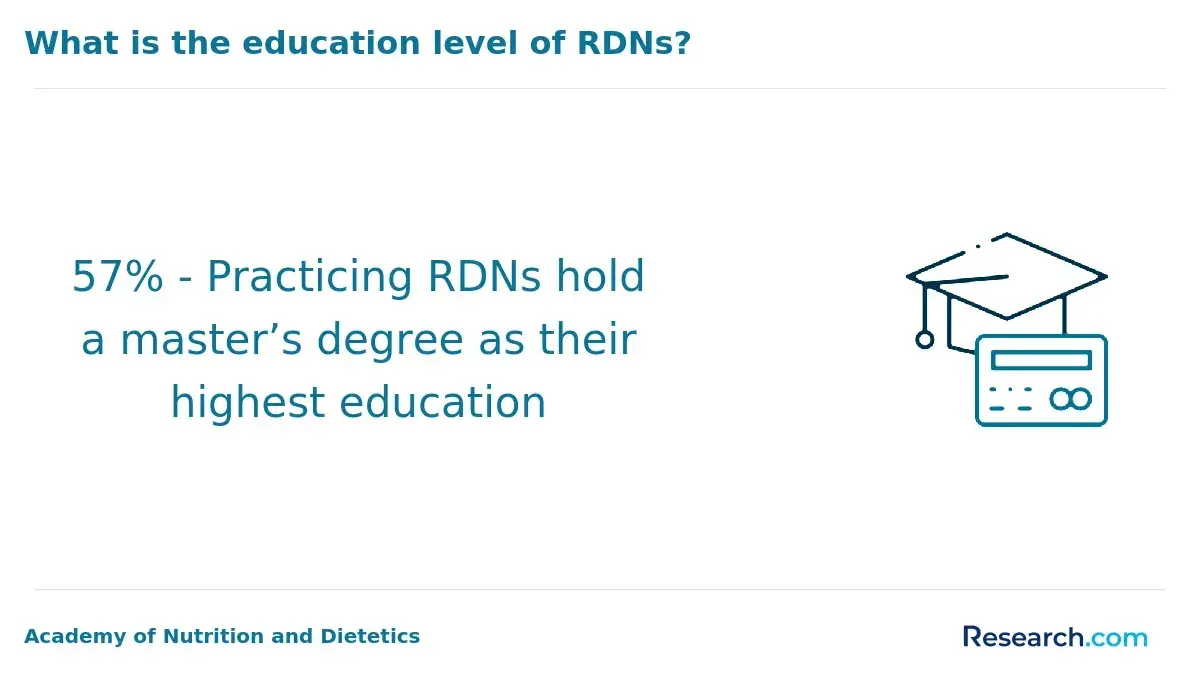
- Bachelor's degree: A bachelor's degree from an accredited institution is the usual foundation for professional nutrition work. Programs in nutrition, dietetics, food science, or a closely related field help students build the science background needed for counseling, assessment, and food systems work. Students comparing nutritional science career options should look closely at whether the curriculum includes human nutrition, biochemistry, food science, and medical nutrition therapy.
- Master's degree: A master's degree can support advanced practice, research, public health, or leadership roles. It may also be important for professionals who want stronger clinical preparation or plan to pursue credentials with graduate-level education expectations.
- Core coursework: Useful coursework includes lifecycle nutrition, nutrition assessment, anatomy and physiology, foodservice systems, counseling methods, community nutrition, and medical nutrition therapy. These subjects matter because employers and licensing bodies often expect more than general wellness knowledge.
- Certificate and alternative programs: Shorter programs, such as an Undergraduate Certificate in Nutrition for Human Performance at the University of Kentucky or online training such as the Certified Nutrition Therapy Practitioner, may strengthen a resume. However, students should confirm whether these programs support licensure, certification, continuing education, or only general knowledge.
| Education Option | What It Can Help You Do | Important Limitation |
| Certificate in nutrition or wellness | Build focused knowledge for coaching, fitness, or community education | Usually not enough for licensed dietitian practice |
| Bachelor's degree in nutrition, dietetics, or food science | Prepare for many entry-level nutrition roles and graduate study | Must align with supervised practice requirements if you want the RDN path |
| Master's degree in nutrition or a related field | Support advanced clinical, public health, research, or specialist roles | Program quality, accreditation, and supervised practice access still matter |
The chart below lists the most common majors for dietitians and nutritionists, as reported by Data USA.
Is there a licensing requirement to become a nutritionist in Kentucky?
Kentucky's licensing rules are easiest to understand by separating general nutrition advice from protected professional practice. Not every person who discusses nutrition is required to hold a license. However, professionals who want to practice as dietitians or use regulated titles must meet the requirements set by the Kentucky Board of Licensure for Dietitians and Nutritionists.
For the licensed dietitian route, candidates typically need to document their education, complete supervised practice, pass the CDR exam, and submit the required application materials to the state board. This is the path most relevant for clinical dietetics, hospital work, long-term care, medical nutrition therapy, and roles where employers require a recognized credential.
Licensure is not a one-time task. Kentucky dietitians must complete 30 hours of professional development every two years. Those hours help professionals stay current on research, ethical standards, counseling practices, and changes in patient care expectations.
Students should also be cautious about program language. A school or course may use words such as nutrition, wellness, health coaching, or holistic nutrition, but that does not automatically mean the program qualifies graduates for Kentucky licensure or the RDN credential.
How long does it take to become a nutritionist in Kentucky?
The timeline can range from a short certificate for general education roles to six to seven years after high school for students pursuing full dietitian preparation. The exact length depends on your starting point, degree choice, transfer credits, internship placement, and whether you study full time or part time.
| Step | Typical Time | Why It Matters |
| Bachelor's degree | About four years | Provides the academic base in nutrition, science, and food systems |
| Master's degree | Typically two additional years | Can deepen clinical, public health, research, or advanced nutrition expertise |
| Didactic dietetics preparation | May add another year depending on the program | Builds the formal theory required for dietetics practice |
| Dietetic internship or supervised practice | Six months to a year | Provides hands-on experience before credentialing and licensure |
Students who already hold a related bachelor's degree may shorten the process by entering a qualifying graduate program or completing missing prerequisite coursework. Students starting from scratch should plan carefully, especially if they are comparing campus programs with nutrition degree online accredited options.
What are the certification options for nutritionists in Kentucky?
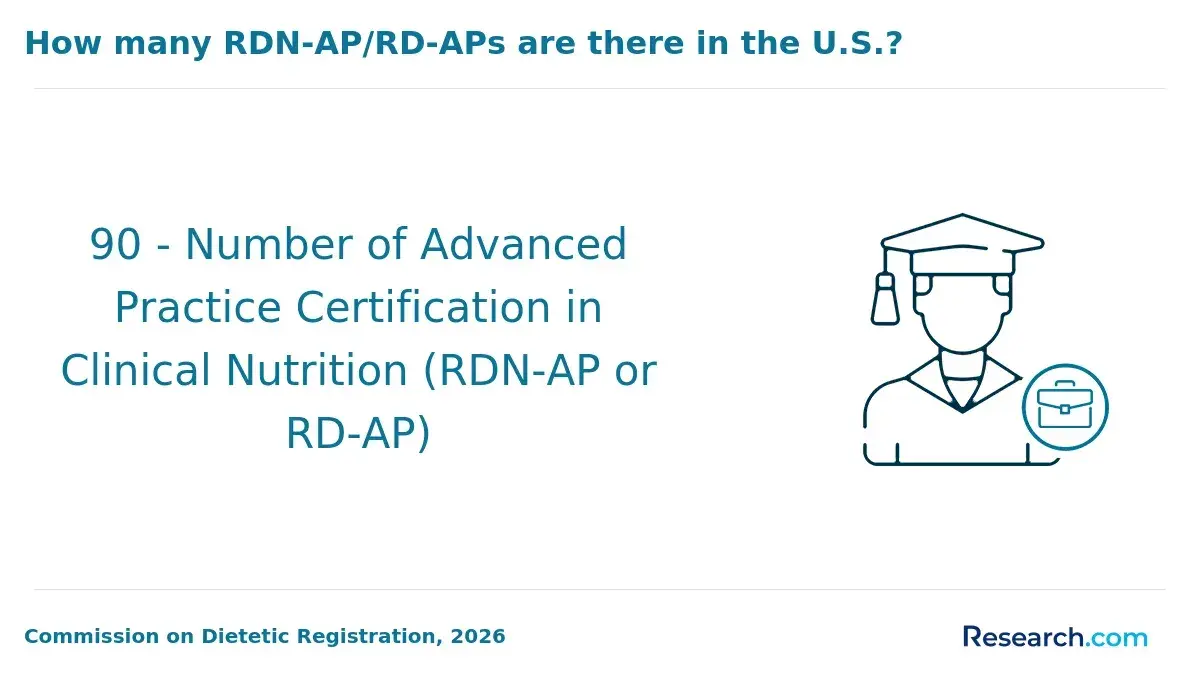
Certification is not the same as state licensure, but the right credential can make a major difference in credibility, employability, and scope of practice. The two commonly discussed options are the Registered Dietitian Nutritionist credential and the Certified Nutrition Specialist credential.
| Credential | Typical Requirements Mentioned | When It Makes Sense |
| Registered Dietitian Nutritionist | Bachelor's degree in nutrition or a related field, supervised practice, and passing the national exam | Best for clinical dietetics, hospitals, schools, medical nutrition therapy, and regulated roles |
| Certified Nutrition Specialist | Master's degree in nutrition or a related field plus 1,000 hours of supervised practice | Often considered by professionals interested in advanced, holistic, or functional nutrition work |
The RDN credential is widely recognized by employers because it is connected to a standardized education, supervised practice, and examination pathway. The CNS credential may appeal to professionals whose goals lean toward advanced nutrition counseling, integrative practice, or graduate-level expertise.
Before choosing a credential, ask whether your desired job postings in Kentucky mention RDN, licensure, CNS, or another requirement. A credential is valuable only if it aligns with the work you plan to perform.
What practical experience is required to become a nutritionist in Kentucky?
Practical experience is where nutrition students learn how classroom knowledge applies to real people, real budgets, real health conditions, and real community barriers. For licensed dietitian preparation, supervised practice is required. For non-licensed roles, volunteer work, internships, and community programs can still help you build competence and trust.
- Volunteer work: Food banks, community health organizations, schools, and wellness programs can expose students to food access issues and nutrition education needs across Kentucky.
- Clinical observation: Shadowing registered dietitians in hospitals, clinics, or long-term care settings can help students understand medical nutrition therapy, documentation, referrals, and interdisciplinary care.
- Community nutrition programs: Programs such as the Kentucky Nutrition Education Program give students and early-career professionals a closer look at how nutrition education is delivered outside private practice.
- University and public health partnerships: The University of Kentucky has partnerships with local health departments and private sector organizations, which can create opportunities for students to work on applied nutrition projects.
How much does it cost to become a nutritionist in Kentucky?
The cost depends heavily on the credential level you pursue. Becoming a nutrition professional in Kentucky can cost anywhere from $14,000 to $80,000 for many degree-based paths. Associate-level programs may cost between $5,000 and $30,000, but they generally do not qualify graduates for licensure.
| Expense Category | Cost Information Provided | What to Check Before Enrolling |
| Associate's degree | Between $5,000 and $30,000 | Whether it transfers into a bachelor's program and what jobs it supports |
| Bachelor's degree | Tuition ranges from $14,300 to $80,000 | Whether the program meets dietetics preparation needs and includes required science coursework |
| Eastern Kentucky University example | A program costing around $14,300 for 58 credit hours | Whether total cost includes fees, books, prerequisites, and living expenses |
| Master's degree | Between $20,000 and $65,000 | Whether the degree connects to supervised practice, certification, or licensure goals |
| Northeastern University example | About $21,400 for 41 credit hours | Whether online, out-of-state, or program-specific fees apply |
| Certification and licensing expenses | Application and exam-related costs can add to the total | Which fees are paid to the school, certifying body, and Kentucky board |
To manage costs, compare tuition with transfer policies, internship placement support, exam preparation, accreditation status, and total program length. Students seeking lower-cost options can review affordable nutrition science degrees, but they should still verify whether any program supports their Kentucky career goals.
What is the job outlook and salary for nutritionists in Kentucky?
Kentucky has about 1,260 nutritionists and dietitians, and employment prospects are supported by healthcare needs, public health programs, aging populations, and growing interest in preventive care. According to the ONET OnLine, employment for dietitians and nutritionists is projected to grow by about 9% through 2032, producing around 90 annual openings over the decade.
Nutritionists in Kentucky can expect to earn an average annual salary of $66,250, although actual pay varies by credential, employer type, experience, location, and whether the role is clinical, community-based, academic, corporate, or self-employed.
| Factor | How It Affects Kentucky Nutrition Careers |
| Healthcare demand | Hospitals, clinics, and long-term care organizations often need credentialed professionals for patient care and medical nutrition support. |
| Preventive health focus | Public health and wellness programs create opportunities for nutrition education and chronic disease prevention work. |
| Rural access issues | Some communities need nutrition professionals who understand food access, transportation, and local resource barriers. |
| Credential requirements | Roles involving clinical care may require licensure or the RDN credential rather than a general nutrition certificate. |
How do nutritionists collaborate with other healthcare professionals in Kentucky?
Nutrition professionals often work most effectively when they are part of a larger care team. In Kentucky hospitals, clinics, public health agencies, and community settings, nutritionists may coordinate with physicians, nurses, pharmacists, social workers, and behavioral health professionals to align nutrition plans with diagnoses, medications, treatment goals, and patient preferences.
This collaboration is especially important when patients have diabetes, heart disease, digestive disorders, eating difficulties, substance use histories, or limited food access. Professionals who want to better understand nursing roles in team-based care can explore how to become a nurse in Kentucky.
How can nutritionists support substance abuse recovery in Kentucky?
Nutrition can be an important part of recovery support because substance use can affect appetite, hydration, digestion, nutrient intake, and overall physical stability. Nutritionists working with treatment teams may help clients rebuild consistent eating patterns, address deficiencies, and support overall wellness during recovery.
This work should be coordinated with licensed counselors, physicians, and mental health professionals. Nutritionists interested in the behavioral health side of recovery can review how to become a substance abuse counselor in Kentucky.
How can a background in biology enhance a nutritionist’s practice in Kentucky?
Biology gives nutrition professionals a stronger understanding of physiology, metabolism, genetics, microbiology, and disease processes. That foundation can improve how they interpret research, understand lab values in clinical contexts, and communicate with healthcare providers.
Students with biology training may also find nutrition-related opportunities in research, public health, food science, and education. Those comparing science-based career directions can review biology major jobs.
What are the career advancement opportunities for nutritionists in Kentucky?
Career advancement in Kentucky usually comes from combining stronger credentials, specialized experience, leadership skills, and a clear practice focus. The more clinical the role, the more important licensure and recognized credentials become.
- Registered Dietitian Nutritionist: This path is often preferred for hospital, school, long-term care, and medical nutrition therapy roles. It requires formal education, supervised practice, and a registration exam.
- Certified nutritionist or advanced nutrition professional: Certification can support personalized nutrition counseling when it matches the practitioner's education, legal scope, and employer expectations.
- Public health nutritionist: These professionals work with agencies, schools, nonprofits, and community programs to improve access to nutrition education and healthier food choices.
- Corporate wellness coach: Employers may hire nutrition professionals to support workplace wellness, employee education, and healthier lifestyle initiatives.
- Research or academic professional: Advanced degrees can lead to teaching, university research, program evaluation, or food science roles.
Some professionals also build a practice around whole-person wellness. If that interests you, review the benefits of holistic nutrition while also checking Kentucky's title and scope-of-practice rules.
Can online nutrition courses boost your credentials in Kentucky?
Online nutrition courses can be useful for continuing education, career exploration, and focused skill development. They are especially helpful for working adults who need flexible study options or licensed professionals completing continuing education requirements.
However, online courses are not all equivalent. Before enrolling, check whether the course is for general knowledge, professional development, certification preparation, or a degree pathway. A short online course may strengthen your resume, but it may not qualify you for licensure. For options to compare, see nutrition courses online.
What specialization options are available for nutritionists in Kentucky?
Specialization can help Kentucky nutrition professionals stand out, especially when they choose a niche that matches local needs, employer demand, and their own training level.
| Specialization | Typical Work | Who Should Consider It |
| Sports nutrition | Helping athletes and active clients use nutrition to support training, recovery, and performance | Professionals interested in schools, colleges, fitness, and athletic programs |
| Pediatric nutrition | Supporting children's dietary needs, family education, and healthy development | Nutritionists who enjoy working with families, schools, and pediatric care teams |
| Clinical nutrition | Working with patients who have chronic diseases or medical nutrition needs | Those pursuing licensure, RDN preparation, and healthcare employment |
| Community nutrition | Designing and delivering nutrition education programs for local populations | Professionals interested in public health, nonprofits, and food access work |
| Food science and human performance | Studying food systems, product quality, performance nutrition, or applied nutrition science | Students drawn to research, food systems, or performance-focused nutrition |
Sports nutrition can be a visible path in Kentucky because of school, college, and community athletics. Still, students should confirm whether employers expect an RDN credential, a graduate degree, or another recognized certification before choosing this specialty.
What are the biggest challenges faced by nutritionists in Kentucky?
Nutrition professionals in Kentucky face challenges that go beyond meal planning. Food access, public misunderstanding of nutrition credentials, chronic disease burden, and limited resources can all affect how effective nutrition counseling can be.
- Limited access to healthy foods: In many rural areas, clients may struggle to find affordable fresh produce or convenient healthy options. According to the USDA, about 15% of Kentuckians live in food deserts.
- Confusion about professional roles: Many people do not understand the difference between a nutritionist, a dietitian, a health coach, and a licensed healthcare provider. This can make it harder for qualified professionals to explain their scope and value.
- High obesity rates: Kentucky has one of the highest obesity rates in the nation, with around 36% of adults classified as obese. Nutritionists often work with clients facing complex social, medical, and behavioral barriers.
| Common Mistake | Why It Creates Problems | Better Approach |
| Choosing a program based only on tuition | A low-cost program may not lead to licensure, supervised practice, or the credential you need | Compare total cost, accreditation, outcomes, transfer credits, and credential alignment |
| Assuming all nutrition certificates are equal | Some certificates are for general education only | Ask what credential, license, or job type the program actually supports |
| Ignoring Kentucky title rules | Using protected titles without meeting requirements can create legal risk | Review state board rules before marketing services |
| Skipping practical experience | Employers often value hands-on work with patients, communities, or food systems | Seek internships, volunteer roles, supervised practice, or community placements early |
| Assuming salary outcomes are guaranteed | Pay varies by credential, employer, location, and role | Review job postings and talk with local professionals before enrolling |
What are the legal regulations and responsibilities for nutritionists in Kentucky?
Kentucky allows some nutrition-related guidance without a license, but that freedom has limits. The key issue is whether you are using protected titles, practicing dietetics, providing medical nutrition therapy, or representing yourself as a licensed or certified professional.
If you want to use titles such as dietitian or certified nutritionist, you must meet the state's requirements and obtain the appropriate license or certification. The Kentucky Board of Licensure and Certification oversees dietitian licensure, education documentation, supervised practice verification, examination requirements, and continuing education for license holders.
General nutrition advice should stay within a practitioner's training and legal scope. When a client has a medical condition, medication concerns, eating disorder symptoms, or complex dietary needs, referral to a licensed healthcare provider or registered dietitian may be necessary.
Students who want a broader health and fitness foundation may also compare nutrition training with low-cost exercise science degrees online, especially if they are interested in wellness, movement, and preventive health.
How can collaboration with pharmacists enrich nutrition services in Kentucky?
Pharmacists can help nutrition professionals understand medication schedules, nutrient-drug interactions, supplement risks, and patient adherence issues. This is especially useful when clients take multiple medications or have chronic conditions that require coordinated care.
Nutritionists who understand pharmacist licensure requirements in Kentucky may be better prepared to communicate professionally, make appropriate referrals, and support safer patient education.
How can dual-degree programs with nurse practitioner education elevate nutritionist expertise in Kentucky?
Nutrition professionals who want deeper clinical knowledge may benefit from coursework or collaborative training that overlaps with advanced nursing practice. Exposure to assessment, diagnosis, care planning, and evidence-based treatment can improve how nutritionists communicate with clinical teams.
Those considering advanced interdisciplinary education can compare options among the best accredited NP programs in Kentucky to understand how nurse practitioner training approaches patient care.
How do evolving healthcare policies affect nutrition practice in Kentucky?
Healthcare policy affects how nutrition services are delivered, reimbursed, documented, and integrated into care teams. Preventive care initiatives, telehealth growth, insurance requirements, and value-based care models can all influence whether nutrition counseling is accessible to patients.
Because standards can change, Kentucky professionals should monitor board updates, payer policies, and employer requirements. Those pursuing the dietitian path should also review the requirements to become a registered dietitian in Kentucky.
How do nursing licensure requirements influence collaborative practices in Kentucky?
Nutritionists who work with nurses need to understand how licensed clinical teams communicate, document care, and manage patient responsibilities. Knowing the board of nursing program requirements in Kentucky can help nutrition professionals coordinate recommendations more appropriately in hospitals, clinics, schools, and community health programs.
How can developing administrative expertise improve a nutritionist’s practice in Kentucky?
Administrative skills can make nutrition practice more sustainable. Scheduling, documentation, billing awareness, compliance, privacy procedures, and digital records all affect client experience and professional risk.
Nutritionists who want to run a private practice or work in healthcare operations may benefit from understanding coding, claims, and billing workflows. A related path to explore is how to become a medical biller and coder in Kentucky.
How can complementary scientific disciplines enhance a nutritionist’s practice in Kentucky?
Nutrition practice draws from more than diet planning. Epidemiology, psychology, biology, food science, statistics, and public health can all improve how professionals evaluate evidence and design interventions. Even fields focused on investigation and evidence handling can strengthen analytical thinking.
For example, reviewing forensic scientist education requirements in Kentucky can show how scientific training emphasizes careful observation, documentation, and evidence-based conclusions.
How can interdisciplinary mentorship with nurse practitioners elevate a nutritionist’s clinical impact in Kentucky?
Mentorship with nurse practitioners can help nutrition professionals better understand patient assessment, clinical decision-making, treatment planning, and communication across care teams. This is especially valuable for nutritionists working in clinics, chronic disease programs, or integrated wellness settings.
Learning how to become a nurse practitioner in Kentucky can provide useful context for how advanced practitioners are trained and how nutrition professionals can collaborate with them effectively.
How to Choose the Right Nutrition Program in Kentucky
The right program depends on your intended scope of practice. A student who wants to become an RDN should evaluate programs very differently from someone who wants a wellness coaching certificate.
- Define your career goal first: Decide whether you want clinical dietetics, community nutrition, sports nutrition, food science, wellness coaching, or public health.
- Check licensure alignment: Ask whether the program prepares students for Kentucky dietitian licensure or only provides general nutrition education.
- Confirm supervised practice access: If your goal is the RDN path, make sure you understand how supervised practice is arranged and how competitive placement may be.
- Compare total cost: Look beyond tuition. Include fees, textbooks, prerequisites, internship expenses, exam fees, travel, and lost work time.
- Review outcomes carefully: Ask about exam preparation, graduate employment settings, internship placement support, and faculty qualifications.
- Ask about online limitations: Online coursework can be convenient, but some clinical or supervised experiences may require in-person placements.
Questions to Ask Before You Enroll
- Does this program qualify me for the career title I want to use in Kentucky?
- Will I be eligible for supervised practice, the CDR exam, or another credential after graduation?
- Is the program accredited or recognized by the body relevant to my career goal?
- How are internships, clinical placements, or community experiences arranged?
- What is the total estimated cost, including fees and required materials?
- Can previous credits transfer into the program?
- What kinds of employers hire graduates from this program?
- Does the school provide licensure guidance for Kentucky students?
Here's What Graduates Have to Say About Becoming a Nutritionist in Kentucky
"My nutrition career in Kentucky has shown me how much families need practical food and health education. Working with schools and community centers has let me see small changes turn into real progress." – Hannah
"Kentucky's rural and urban communities require different approaches, and that has pushed me to become more adaptable. The work is challenging, but there is room to grow if you care about improving health." – Lucas
"I did not expect nutrition work in Kentucky to feel so connected to local farms, families, and community projects. Every role has reminded me that food choices are tied to something much bigger than a single meal plan." – Abigail
Related Articles for Nearby States
- 2027 How to Become a Nutritionist in Indiana
- 2027 How to Become a Nutritionist in Ohio
- 2027 How to Become a Nutritionist in Tennessee
- 2027 How to Become a Nutritionist in West Virginia
- 2027 How to Become a Nutritionist in Virginia
- 2027 How to Become a Nutritionist in Illinois
- 2027 How to Become a Nutritionist in Missouri
- 2027 How to Become a Nutritionist in North Carolina
- 2027 How to Become a Nutritionist in Georgia
- 2027 How to Become a Nutritionist in Mississippi
References:
- Academy of Nutrition and Dietetics. (2024). Compensation & Benefits Survey of the Dietetics Profession 2024 (biennial). Academy of Nutrition and Dietetics.
- Become a Nutritionist. (n.d.). Becoming a Licensed or Non-Licensed Nutritionist in Kentucky. Become a Nutritionist.
- Commission on Dietetic Registration. (2026, January 26). Registry Statistics. Retrieved January 2026, from CDR.
- Feeding America. (2024). What Hunger Looks Like in Kentucky. Kentucky. Feeding America.
- HealthCarePathway. (n.d.). Dietitian License and Nutritionist Certification Requirements: How to Become a Dietitian or Nutritionist in Kentucky. HealthCarePathway.
- Kentucky Academy of Nutrition & Dietetics. (n.d.). Career Opportunities. Kentucky Academy of Nutrition & Dietetics.
- NutritionistDegreeOnline. (n.d.). How to Become a Registered Dietitian in Kentucky. NutritionistDegreeOnline.
- NutritionED. (n.d.). Steps to Become a Registered Dietitian in Kentucky. NutritionED.
- University of Kentucky. (n.d.). Career Opportunities. University of Kentucky.
- U.S. Bureau of Labor Statistics. (2025, August 28). Occupational projections and worker characteristics. Retrieved January 2026, from https://www.bls.gov/emp/tables/occupational-projections-and-characteristics.htm
- Western Kentucky University. (n.d.). AHS Nutrition and Dietetics. Western Kentucky University.
Key Insights
- Kentucky does not require licensure for every type of nutrition guidance, but dietitian practice and protected titles require formal state approval.
- The safest path for clinical nutrition careers is the dietitian route: relevant degree, supervised practice, CDR exam, state application, and 30 hours of continuing education every two years.
- Certificate programs can be useful, but they should not be confused with licensure preparation unless the school clearly documents that connection.
- Becoming fully qualified for dietitian practice can take six to seven years after high school, depending on degree sequence and supervised practice timing.
- Costs vary widely, from $14,000 to $80,000 for many degree-based paths, so students should compare total cost with credential outcomes, not tuition alone.
- Kentucky nutritionists earn an average annual salary of $66,250, but pay depends on credentials, work setting, experience, and location.
- Before enrolling, ask whether the program leads to the role you actually want: general wellness educator, licensed dietitian, public health nutritionist, sports nutrition specialist, or another career path.
Other Things You Should Know About Becoming a Nutritionist in Kentucky
In 2027, while online programs can cover coursework, Kentucky requires hands-on training and a license to practice as a nutritionist. It's crucial to ensure any online educational program is accredited and complements state-specific requirements like supervised practice hours.
You don’t need a specific license to call yourself a nutritionist in Kentucky. Nutritionists can offer advice without formal credentials, unlike dietitians, who must be licensed and meet specific educational requirements. However, having some solid training or certification is always a good idea to build credibility.
Lexington is a fantastic spot if you're considering working in a vibrant city. It has a growing health and wellness scene, making it a great place to connect with clients and share your nutrition knowledge. Remember, while you can practice without a license, staying informed about local regulations is critical to ensuring you’re on the right track.
To become a nutritionist in Kentucky in 2027, you typically need a bachelor's degree in nutrition or a related field from an accredited program. This educational foundation is crucial for building the necessary knowledge and skills to practice effectively in the state.