2027 How to Become a Nutritionist in New Mexico

Co-Founder and Chief Data Scientist
Becoming a nutritionist in New Mexico means making two decisions at the same time: what type of nutrition work you want to do and which credential pathway will legally support that work. The state’s needs are real and varied, from food insecurity and chronic disease prevention to culturally responsive nutrition counseling for rural, Tribal, Hispanic, and urban communities.
For 2026, the stakes are especially clear: data showed that 1 in 4 children in New Mexico faces hunger. That makes nutrition professionals important not only in hospitals and clinics, but also in schools, public health agencies, community programs, food service settings, and private practice. This guide explains the education, licensing, certification, experience, cost, salary, career paths, and practical steps you should compare before investing in a nutrition career in New Mexico.
Quick Answer: How Do You Become a Nutritionist in New Mexico?
To become a nutritionist in New Mexico, you generally need relevant nutrition education, supervised experience, and the correct credential for the services you plan to provide. Individuals who want to practice as licensed dietitians or nutritionists must work through the New Mexico Regulation and Licensing Department (RLD). Many clinical and medical nutrition roles also require Registered Dietitian Nutritionist (RDN) preparation through an accredited dietetics pathway and the Commission on Dietetic Registration (CDR) exam.
Key Things You Should Know About Becoming a Nutritionist in New Mexico
- New Mexico requires individuals who want to practice as dietitians or nutritionists to obtain licensure through the New Mexico Regulation and Licensing Department (RLD).
- The licensed dietitian pathway typically requires a bachelor's degree in nutrition or a related field, an accredited supervised practice program, and a passing score on the Commission on Dietetic Registration (CDR) exam.
- Nutrition professionals may also pursue the Certified Nutrition Specialist (CNS) credential through the Certification Board for Nutrition Specialists.
- Credential maintenance usually involves continuing education. Depending on the organization, requirements commonly range from 30 to 75 hours every five years.
- The New Mexico dietitian licensure application generally requires documentation of education, supervised practice, CDR exam completion, a finished application, and payment of the required fee to the RLD.
- Education requirements for nutritionists in New Mexico
- Licensing rules for nutritionists and dietitians
- How long the process takes
- Certification options: RDN, CNS, and related credentials
- Practical experience and supervised training
- Estimated cost of becoming a nutritionist
- New Mexico salary and job outlook
- Interdisciplinary collaboration in healthcare and public health
- Career advancement opportunities
- How a master's degree can affect career options
- Staying current with regulations and standards
- Using innovation and research in nutrition practice
- Administrative and billing skills for nutrition practice
- What nutritionists can learn from forensic science methods
- Nutrition specialization options in New Mexico
- Working with pharmacists
- Additional clinical training and certifications
- Transitioning from nutritionist to registered dietitian
- Collaboration with substance abuse counselors
- Collaboration with nurse practitioners
- Common challenges for nutritionists in New Mexico
- Legal responsibilities and professional boundaries
What are the educational requirements to become a nutritionist in New Mexico?
Your education requirements depend on the role you want. A community nutrition educator, wellness coach, licensed nutritionist, clinical dietitian, food service manager, and public health nutrition specialist may all study nutrition, but they do not always need the same degree, supervised practice, or credential.
For students who want the broadest professional mobility, the safest starting point is an accredited nutrition, dietetics, public health nutrition, human nutrition, or closely related degree. If your goal is clinical nutrition care or licensure, confirm that the program aligns with New Mexico requirements before enrolling.
- Graduate-level preparation: Candidates pursuing advanced nutrition practice may need a master’s or doctoral degree in fields such as human nutrition, nutrition education, foods and nutrition, or public health nutrition from an accredited institution. Graduate study is especially relevant for advanced clinical, research, teaching, and specialist roles.
- Bachelor’s programs: New Mexico students can begin with undergraduate nutrition education. The University of New Mexico offers a Bachelor of Science in Nutrition and Dietetics, while New Mexico State University offers a Bachelor of Science in Human Nutrition and Dietetic Science. Students comparing flexible options can also review accredited online nutrition bachelor’s programs.
- Accreditation: Accreditation matters because employers, licensing boards, internships, and credentialing organizations may reject degrees that do not meet required standards. For dietetics pathways, look for programs connected to the Accreditation Council for Education in Nutrition and Dietetics (ACEND).
- Professional organization pathways: Some candidates may meet specific educational criteria through valid membership in recognized professional organizations, including the American Clinical Board of Nutrition or the American Society for Nutrition. This route should be verified carefully with the credentialing body and the New Mexico RLD before making career plans.
| Education Path | Best For | Important Limitation |
| Associate degree in nutrition | Students exploring the field, preparing for transfer, or seeking entry-level wellness and food service roles | Usually not enough for licensed clinical dietitian roles |
| Bachelor’s degree in nutrition or dietetics | Students preparing for supervised practice, graduate study, or entry-level nutrition-related employment | Program accreditation and course alignment matter for credential eligibility |
| Master’s or doctoral degree | Advanced practice, CNS preparation, research, public health leadership, teaching, and specialized clinical work | Higher cost and longer timeline; still may require supervised practice or exams |
| ACEND-aligned dietetics pathway | Students aiming for the RDN credential and clinical dietetics roles | Requires supervised practice and a national exam |
Is there a licensing requirement to become a nutritionist in New Mexico?
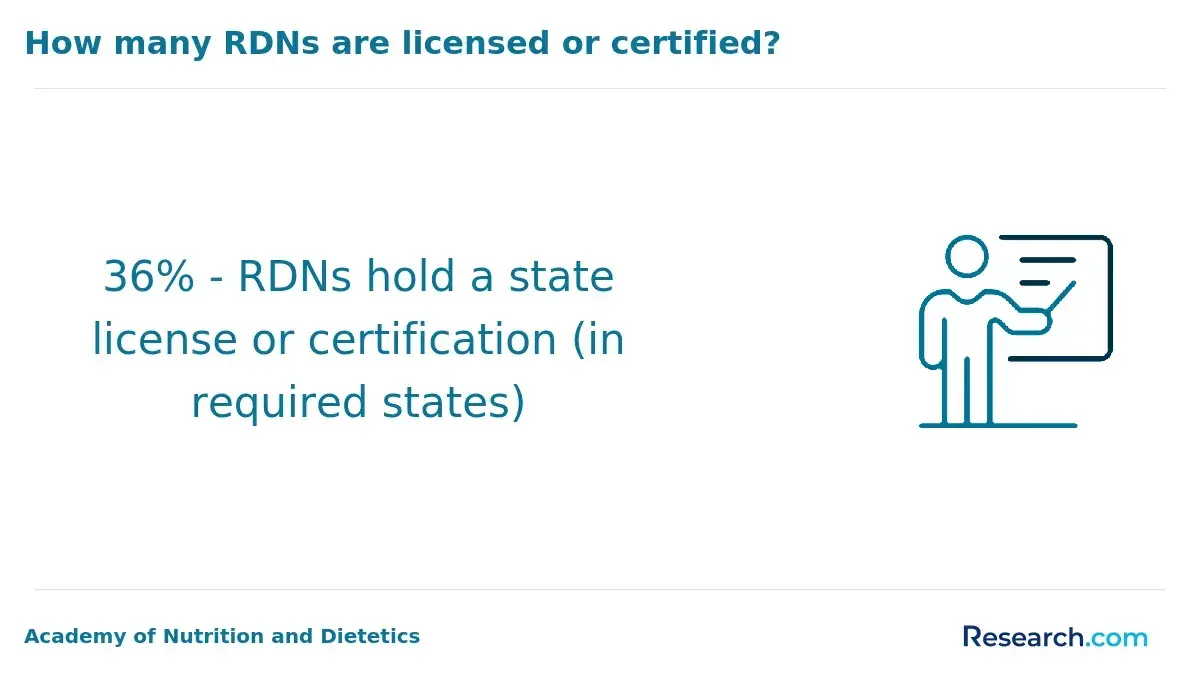
Yes. If you want to practice as a dietitian or nutritionist in New Mexico, you should treat licensure as a central requirement and verify your pathway with the New Mexico Regulation and Licensing Department. Licensing protects the public by setting minimum education, examination, and professional standards for people who provide nutrition care services.
The most recognized clinical pathway is Registered Dietitian Nutritionist preparation. RDN status is widely used by hospitals, healthcare systems, long-term care facilities, schools, public health agencies, and insurers when they evaluate nutrition professionals for clinical and medical nutrition roles.
New Mexico nutrition professionals should also understand the difference between general wellness education and individualized nutrition care. Providing basic food education is not the same as diagnosing nutrition-related conditions, creating therapeutic diet plans, or using protected professional titles. Before starting a business or accepting clients, check whether your services fall within licensed nutrition and dietetics practice.
Professional membership can help. Groups such as the New Mexico Academy of Nutrition and Dietetics can provide networking, updates, continuing education opportunities, and context on how state rules affect day-to-day practice. Because New Mexico’s population is culturally diverse, ethical practice also requires culturally informed counseling, respect for local food traditions, and evidence-based recommendations that fit a client’s budget, access to food, and health needs.
How long does it take to become a nutritionist in New Mexico?
The timeline can range from two years to more than six years, depending on the credential you pursue. The shortest route may prepare you for entry-level nutrition-related work, while the longer route is usually necessary for advanced, licensed, or clinical practice.
- Associate degree: An Associate of Science in Nutrition typically takes two years. This option can be useful for students who want a lower-cost starting point before transferring into a bachelor’s program.
- Bachelor’s degree: A Bachelor of Science in Nutrition generally takes four years. This is the common foundation for many nutrition careers and for students planning further professional preparation.
- Master’s degree: A master’s degree usually adds two more years after the bachelor’s degree. Graduate study can support advanced clinical, public health, research, administrative, and specialist roles.
- Dietetic internship or supervised practice: After completing the required degree, candidates pursuing dietetics credentials must complete a dietetic internship or supervised practice experience, which often takes six to twelve months.
| Goal | Typical Time Frame | What to Plan For |
| Explore nutrition or prepare to transfer | Two years | Associate coursework, transfer advising, and lower-division science classes |
| Prepare for many nutrition-related roles | Four years | Bachelor’s coursework, lab sciences, community nutrition, and possible volunteer experience |
| Pursue advanced nutrition practice | More than six years | Bachelor’s degree, graduate degree, supervised practice, exams, and licensing steps |
| Become an RDN | Varies by program structure | Accredited education, supervised practice, CDR exam, and state licensure |
Students interested in adjacent healthcare paths may also compare nutrition with nursing-focused roles, such as the nutrition nurse career path.
What are the certification options for nutritionists in New Mexico?
The two most important credentials to compare are the Registered Dietitian Nutritionist (RDN) credential and the Certified Nutrition Specialist (CNS) credential. Both can strengthen credibility, but they are built for different career goals.
The RDN pathway is the standard route for many clinical dietetics roles. In New Mexico, candidates typically complete a nutrition or related bachelor’s degree, finish an ACEND-accredited supervised practice program, and pass the national RDN exam administered through the Commission on Dietetic Registration. Employers often prefer or require this credential for medical nutrition therapy, hospital work, long-term care, and other regulated healthcare settings.
The CNS credential may fit professionals who want an advanced nutrition science credential and who have completed a master’s or doctoral degree in nutrition or a related field, along with 1,000 hours of supervised practice. It can be especially relevant for professionals interested in integrative, functional, research-oriented, or advanced counseling roles, depending on employer and state requirements.
| Credential | Common Requirements Mentioned | Best Fit |
| Registered Dietitian Nutritionist (RDN) | Bachelor's degree in nutrition or a related field, ACEND-accredited supervised practice, and CDR exam | Clinical dietetics, hospitals, healthcare systems, schools, public health, and roles requiring recognized dietetics credentials |
| Certified Nutrition Specialist (CNS) | Master’s or doctoral degree in nutrition or a related field plus 1,000 hours of supervised practice | Advanced nutrition counseling, integrative nutrition, research-informed practice, and specialized nutrition services |
| Continuing education credentials | Requirements vary, often 30 to 75 hours every five years | Maintaining competence, meeting renewal requirements, and building specialization |
What practical experience is required to become a nutritionist in New Mexico?
Practical experience is where nutrition students learn how complicated food decisions can be in real life. New Mexico nutrition professionals must be able to work with clients who may face food insecurity, chronic illness, transportation barriers, rural access issues, and culturally specific food traditions.
- Community-based experience: Work with local health agencies, community centers, schools, food access programs, or nonprofit organizations. Initiatives such as the New Mexico Department of Health’s “Healthy Kids” program can expose students to family nutrition education and prevention work.
- Clinical exposure: Seek placements in hospitals, outpatient clinics, long-term care facilities, or university-affiliated healthcare settings. Clinical experience helps students understand patient assessment, therapeutic diets, medical teams, documentation, and follow-up care.
- Food service operations: Food service experience is useful for nutritionists who want to work in schools, hospitals, correctional facilities, senior programs, or other institutional settings. It builds knowledge of menu planning, food safety, procurement, budgeting, and meal production.
- Research participation: Nutrition and public health research can help students learn data collection, community assessment, program evaluation, and evidence-based practice. Institutions such as New Mexico State University may offer opportunities connected to local dietary patterns and health needs.
| Experience Type | Skills You Build | Why It Matters in New Mexico |
| Community nutrition | Education, outreach, food access support, group programming | Useful for rural communities, schools, and families facing food insecurity |
| Clinical nutrition | Assessment, care planning, patient counseling, documentation | Important for diabetes, obesity, chronic disease, and hospital-based work |
| Food service management | Menu planning, compliance, purchasing, staff coordination | Relevant to schools, hospitals, senior nutrition programs, and institutional meals |
| Research and evaluation | Data analysis, literature review, program measurement | Helps improve nutrition programs and justify funding decisions |
How much does it cost to become a nutritionist in New Mexico?
The cost depends on the degree level, school type, residency status, credentialing exams, application fees, books, transportation, and whether you can transfer credits. Do not compare schools by tuition alone. A cheaper program may cost more in the long run if it does not meet licensing, internship, or credential requirements.
- Tuition: New Mexico State University offers a Bachelor of Science in Nutrition, with tuition rates around $10,000 per year for in-state students and approximately $25,000 for out-of-state students. Central New Mexico Community College offers an Associate of Science in Nutrition, with lower tuition costs, typically around $3,000 per year for in-state students. Students looking for flexibility may also compare an online bachelor in nutrition degree.
- Exam fees: Candidates pursuing the Registered Dietitian Examination should plan for an exam fee of approximately $200.
- Licensing costs: Applicants must also account for state licensing fees through the New Mexico Board of Nutrition and Dietetics or the appropriate RLD process.
- Indirect costs: Books, lab materials, commuting, housing, internship travel, background checks, and lost work hours can change the real cost of a program.
| Cost Category | What to Check Before Enrolling | How to Reduce Risk |
| Tuition and fees | In-state vs. out-of-state rates, online fees, lab fees, and annual increases | Compare total program cost, not only cost per credit |
| Transfer credits | Whether prior coursework applies to the degree | Request a written transfer evaluation before committing |
| Supervised practice | Internship placement process, travel demands, and unpaid hours | Ask where students are placed and whether local options exist |
| Credentialing and licensing | Exam fees, state applications, renewal costs, and continuing education | Build these costs into your budget from the start |
What is the job outlook and salary for nutritionists in New Mexico?
Nutrition careers in New Mexico are supported by public health needs, chronic disease prevention efforts, food insecurity programs, school nutrition services, and healthcare demand. The projected growth rate for nutritionists is 7% through 2033, which aligns with the national average for this profession. According to the U.S. Bureau of Labor Statistics, the annual mean salary for nutritionists in New Mexico is approximately $64,120.
- Healthcare demand: Diet-related health concerns, including obesity and diabetes, create demand for professionals who can provide nutrition counseling and prevention support.
- Multiple work settings: Nutritionists may work in hospitals, schools, community health organizations, public agencies, food service operations, and private practice.
- Credential sensitivity: Salary and job access can depend heavily on whether a candidate holds RDN status, state licensure, a graduate degree, or specialty training.
- Location differences: Rural and urban opportunities may differ in pay, responsibilities, caseload, and access to interdisciplinary teams.
| Career Setting | Typical Focus | Credential Advantage |
| Hospitals and clinics | Medical nutrition therapy, patient assessment, chronic disease management | RDN and state licensure are often important |
| Schools and child nutrition programs | Meal planning, nutrition education, wellness policies | Food service and public health experience can help |
| Community health organizations | Food access, prevention programs, group education | Public health training and cultural competency are valuable |
| Private practice | Individual counseling, specialty nutrition services, business development | Licensure, liability awareness, billing skills, and niche expertise matter |
How can nutritionists enhance interdisciplinary collaboration in New Mexico?
Nutrition problems rarely exist by themselves. A client may be managing diabetes, pregnancy, medication side effects, behavioral health needs, limited food access, or transportation barriers. That is why New Mexico nutritionists can increase their impact by working closely with physicians, nurses, pharmacists, nurse practitioners, public health workers, social workers, school personnel, and behavioral health providers.
Strong collaboration usually means shared care plans, clear referral processes, consistent documentation, and patient education that does not contradict medical advice. Nutrition professionals interested in broader healthcare pathways can review how to become a nurse in New Mexico to better understand how nursing roles fit into interdisciplinary care.
What are the career advancement opportunities for nutritionists in New Mexico?
Advancement usually comes from one of four moves: earning a stronger credential, specializing, moving into leadership, or building an independent practice. The right choice depends on whether you prefer direct patient care, population health, management, research, or entrepreneurship.
- Registered Dietitian Nutritionist: RDN status is one of the most important advancement routes for clinical nutrition jobs. It requires accredited dietetics education, supervised practice, and successful exam completion.
- Clinical nutrition specialist roles: Nutritionists who focus on patient care can move into settings that serve people with chronic disease, complex medical needs, or specialized dietary requirements. Additional certification and experience may be necessary.
- Public health nutritionist: Government agencies and nonprofit organizations need professionals who can design programs, educate communities, evaluate outcomes, and support policy initiatives. A master’s degree and public health experience may improve competitiveness.
- Dietary manager: Nutrition professionals with management skills can oversee food service teams, menus, compliance, and institutional meal programs.
- Private practice owner: Independent practice can offer autonomy, but it requires licensing clarity, marketing, documentation systems, liability coverage, business planning, and a reliable referral network.
Students who want to deepen their academic preparation can compare nutritional science online degrees with campus-based programs and supervised practice options.
How does a master's degree impact career prospects and compensation in New Mexico?
A master’s degree can make sense for nutrition professionals who want advanced clinical responsibilities, research roles, public health leadership, teaching opportunities, or preparation for credentials that require graduate education. It can also strengthen a candidate’s position when applying for competitive roles or negotiating responsibilities.
Graduate school is not automatically the best financial decision for every student. Before enrolling, compare tuition, required supervised hours, local employer preferences, and whether the degree directly supports your target role. To understand how graduate education may relate to compensation, review this guide on registered dietitian salary with master's.
How can nutritionists stay updated with regulatory changes and professional standards in New Mexico?
Nutrition practice is shaped by licensing rules, credential renewal requirements, insurance policies, employer standards, and evidence-based guidelines. New Mexico nutritionists should regularly check updates from the RLD, professional associations, credentialing organizations, and employers.
A practical compliance routine includes saving renewal deadlines, tracking continuing education hours, documenting scope-of-practice decisions, and reviewing state guidance before changing services or titles. Professionals who work in healthcare teams may also benefit from understanding how other regulated fields manage compliance, such as the board of nursing program requirements in New Mexico.
How can nutritionists leverage innovation and research to enhance their impact in New Mexico?
Nutrition practice is becoming more data-informed. Digital food logs, telehealth visits, remote patient education, outcomes tracking, and population health dashboards can help nutritionists identify needs and measure whether interventions work. These tools are especially useful when serving clients across rural areas or coordinating with public health programs.
Innovation should still be evidence-based. Nutritionists should avoid overreliance on apps, generic meal plans, or unsupported supplement claims. Instead, use technology to improve assessment, follow-up, access, and documentation. Professionals exploring broader career possibilities can consult this guide to nutrition career paths and salary.
How can nutritionists integrate administrative and billing skills to optimize their practice in New Mexico?
Administrative skill can determine whether a nutrition practice is sustainable. Nutritionists who understand scheduling, documentation, coding, billing workflows, privacy requirements, and reimbursement processes are better prepared to work in clinics or run a private practice.
Billing knowledge is especially important when services involve insurance, physician referrals, medical nutrition therapy, or chronic disease management programs. Nutrition professionals who want to strengthen this side of practice can review training pathways related to how to become a medical biller and coder in New Mexico.
How can nutritionists benefit from forensic science methodologies in New Mexico?
Nutritionists do not need to become forensic scientists, but they can borrow a useful mindset from forensic science: verify evidence, document carefully, and evaluate claims with discipline. This approach is helpful in food safety, supplement evaluation, quality control, menu compliance, and nutrition research.
For example, nutrition professionals may need to interpret ingredient labels, assess possible contamination concerns, evaluate dietary claims, or support food safety practices in institutions. Those interested in analytical methods can review forensic scientist education requirements in New Mexico for a broader view of evidence-based investigation.
What specialization options are available for nutritionists in New Mexico?
Specialization can help nutritionists serve a defined population and stand out in the job market. In New Mexico, useful specialties often connect to chronic disease, child health, public health, rural access, culturally responsive counseling, and active lifestyles.
- Clinical nutrition: Clinical nutritionists work with medical teams and patients managing chronic conditions. This specialty is especially relevant because diabetes and obesity affect approximately 30% of adults in New Mexico.
- Pediatric nutrition: Pediatric nutrition professionals support healthy growth, family education, school wellness, and prevention efforts, particularly in underserved communities.
- Sports nutrition: New Mexico’s outdoor culture and active communities create opportunities for nutritionists who understand athletic performance, recovery, hydration, and fueling strategies.
- Public health nutrition: Public health nutritionists focus on population-level problems such as food insecurity, nutrition education, rural access, and prevention programs.
One example of specialization in action is the work of a clinical nutritionist at the University of New Mexico Hospital who developed a tailored nutrition program for diabetic patients. The initiative produced a 20% improvement in patient adherence to dietary guidelines over six months.
Students seeking formal advanced training can consider the University of New Mexico’s Master of Science in Nutrition, which includes specialized clinical and public health nutrition tracks designed to address the state’s health challenges.
How can nutritionists collaborate with pharmacists in New Mexico?
Diet and medication plans often intersect. Nutritionists and pharmacists can work together on diabetes care, cardiovascular risk management, renal nutrition considerations, supplement safety, food-drug interactions, and patient education.
Effective collaboration may include case reviews, referral protocols, shared patient education materials, and clear communication about medication timing, nutrient interactions, and supplement use. Understanding pharmacist licensure requirements in New Mexico can help nutritionists better define each professional’s role on the care team.
How can nutritionists benefit from additional clinical training and certifications in New Mexico?
Additional clinical training can help nutritionists work more confidently with complex cases. Training in chronic disease prevention, diabetes education, renal nutrition, maternal and child health, behavioral counseling, gerontology, or food allergies can make a candidate more useful to healthcare teams.
Nutritionists who want to understand advanced clinical workflows may benefit from reviewing related healthcare education models, including the best accredited NP programs in New Mexico. The goal is not to replace medical providers, but to understand how collaborative care, assessment, documentation, and follow-up work in advanced practice settings.
How can nutritionists transition into a registered dietitian role in New Mexico?
Nutritionists who want to become registered dietitians should map their current education against RDN requirements. The transition may involve completing missing prerequisite courses, enrolling in an accredited dietetics program, finishing supervised practice, passing the CDR exam, and applying for state licensure.
This pathway is worth considering if you want stronger access to clinical roles, hospital positions, medical nutrition therapy work, or jobs that specifically require the RDN credential. For a more detailed pathway, review the requirements to become a registered dietitian in New Mexico.
How can nutritionists collaborate with substance abuse counselors in New Mexico?
Nutrition can support recovery by addressing appetite changes, nutrient deficiencies, gastrointestinal issues, energy levels, and routines around meals. Substance abuse counselors and nutritionists can coordinate care so clients receive behavioral support and realistic nutrition guidance at the same time.
This collaboration works best when nutritionists stay within scope, avoid making behavioral health diagnoses, and create practical plans that support counseling goals. To understand the behavioral health side of care, see how to become a substance abuse counselor in New Mexico.
How can nutritionists collaborate effectively with nurse practitioners in New Mexico?
Nurse practitioners often manage chronic conditions, order tests, prescribe medications, and monitor patient progress. Nutritionists can support this work by providing dietary assessment, counseling, follow-up education, and behavior-change support.
Good collaboration requires clear communication about goals, lab values, medication changes, referral reasons, and patient barriers. Nutritionists who want to better understand this partner role can review how to become a nurse practitioner in New Mexico.
What are the biggest challenges faced by nutritionists in New Mexico?
The biggest challenges for nutritionists in New Mexico are not only clinical. They include limited food access, cultural complexity, poverty, transportation barriers, rural service gaps, and the need to provide advice that is realistic for each client’s life.
- Limited access to resources: Many rural areas lack convenient access to fresh produce and nutritious food options. According to the USDA, approximately 20% of New Mexicans live in food deserts, where grocery stores are scarce. This makes generic meal plans less useful unless nutritionists account for what clients can actually buy.
- Cultural diversity: New Mexico’s communities have distinct food traditions, family structures, languages, and health beliefs. Effective counseling requires respect, listening, and adaptation rather than one-size-fits-all advice.
- Economic disparities: The state has one of the highest poverty rates in the nation, with 19.1% of residents living below the poverty line. When food budgets are tight, nutritionists must focus on affordable, accessible, and sustainable changes.
The New Mexico Department of Health has programs such as the New Mexico Nutrition and Physical Activity Program, which aims to improve access to healthy foods and encourage physical activity in underserved communities.
-
: "
“I often find myself working with clients who are eager to improve their health but are constrained by their financial situation. It's disheartening to see how economic barriers can overshadow the best nutrition advice.”
"
What are the legal regulations and responsibilities for nutritionists in New Mexico?
New Mexico nutrition professionals must understand the Nutrition and Dietetics Practice Act and any applicable RLD rules before using professional titles or offering nutrition care services. The law is designed to ensure that people providing regulated nutrition and dietetics services meet appropriate education and competency standards.
Applicants for licensure must meet required educational and professional criteria, which may include advanced degrees in relevant fields and a board-approved examination. New Mexico also recognizes certain exemptions under the Unlicensed Health Care Practice Act, which may allow holistic practitioners to provide nutritional information without licensure as long as they do not claim protected titles or provide services outside their legal scope.
If you are building a nutrition career, do not assume that a certificate, online course, or wellness background automatically permits licensed practice. Verify your scope, titles, documentation requirements, advertising claims, and referral relationships. Students comparing lower-cost related programs can also explore low-cost online exercise science degrees as a complement to nutrition and wellness education.
Common Mistakes to Avoid When Becoming a Nutritionist in New Mexico
| Mistake | Why It Can Hurt You | Better Approach |
| Choosing a program without checking accreditation | You may not qualify for supervised practice, exams, licensure, or preferred jobs | Confirm accreditation and credential alignment before enrolling |
| Assuming “nutritionist” means the same thing in every state | Scope, titles, and licensing rules vary by location | Check New Mexico RLD rules and credentialing requirements |
| Looking only at tuition | Internship costs, exam fees, travel, and lost income can change affordability | Calculate total cost of attendance and credentialing |
| Ignoring cultural and economic realities | Clients may not be able to follow advice that does not fit their food access or traditions | Build culturally responsive and budget-conscious counseling skills |
| Expecting salary outcomes to be guaranteed | Pay depends on credential, employer, location, experience, and setting | Compare local job postings and required qualifications |
Questions to Ask Before Choosing a Nutrition Program in New Mexico
- Does this program meet the education requirements for the credential or license I want?
- Is the program connected to ACEND or another relevant accrediting body for my career goal?
- What percentage of students secure supervised practice placements?
- Will my credits transfer if I start at a community college?
- What are the total costs, including fees, books, transportation, exams, and licensing?
- Does the curriculum include clinical nutrition, public health nutrition, food service, cultural competency, and counseling skills?
- Can I complete required experiences near where I live?
- What credentials do local employers require for the jobs I want?
Here's What Graduates Have to Say About Becoming a Nutritionist in New Mexico
"In New Mexico, I saw how deeply food insecurity affects children and families. Becoming a nutritionist here let me work directly with communities, crafting nutrition plans that fit their unique traditions and challenges. It's humbling to know my work is helping kids grow up healthier." – Rosa
"The cultural diversity in New Mexico made my journey as a nutritionist incredibly meaningful. I've learned how to integrate local foods into health plans and respect traditions while promoting wellness. It's a career that feels connected to the heart of the community." – Matthew
"Working as a nutritionist in New Mexico isn't just about teaching people to eat better—it's about helping them access the resources they need to thrive. I've partnered with schools and nonprofits to improve access to nutritious meals, and seeing the difference has been life-changing." – Elane
Related Articles for Nearby States
- 2027 How to Become a Nutritionist in Arizona
- 2027 How to Become a Nutritionist in Colorado
- 2027 How to Become a Nutritionist in Texas
- 2027 How to Become a Nutritionist in Utah
- 2027 How to Become a Nutritionist in Oklahoma
- 2027 How to Become a Nutritionist in Nevada
- 2027 How to Become a Nutritionist in Kansas
- 2027 How to Become a Nutritionist in Wyoming
- 2027 How to Become a Nutritionist in Nebraska
- 2027 How to Become a Nutritionist in California
Key Insights
- New Mexico nutrition careers require careful planning because licensure, protected titles, supervised practice, and credential expectations can affect what services you may legally provide.
- The RDN pathway is the strongest route for many clinical and healthcare nutrition roles, while the CNS credential may fit advanced nutrition professionals with graduate education and supervised practice.
- Timelines vary widely: an associate degree may take two years, a bachelor’s degree generally takes four years, and advanced licensed or credentialed practice can take more than six years.
- Cost comparisons should include tuition, internship expenses, exam fees, licensing fees, travel, and whether credits transfer.
- New Mexico’s nutrition needs are shaped by food insecurity, rural access gaps, cultural diversity, chronic disease, and poverty, so successful nutritionists must combine science with practical, culturally responsive counseling.
- The annual mean salary for nutritionists in New Mexico is approximately $64,120, and the projected growth rate is 7% through 2033, but individual outcomes depend on credentials, experience, employer, and location.
- Before enrolling in any program, verify accreditation, licensing alignment, supervised practice options, and local employer requirements.
References:
- American Academy of Nutrition and Dietetics. (2025). Become a registered dietitian nutritionist. https://www.eatrightpro.org/acend/students-and-advancing-education/information-for-students
- American Academy of Nutrition and Dietetics. (2026). Licensure map. https://www.eatrightpro.org/advocacy/licensure/licensure-map
- Bureau of Labor Statistics. (2025). Dietitians and nutritionists. U.S. Department of Labor. https://www.bls.gov/ooh/healthcare/dietitians-and-nutritionists.htm
- Bureau of Labor Statistics. (2026). Occupational outlook handbook: Healthcare occupations. https://www.bls.gov/ooh/healthcare/home.htm
- Become a Nutritionist. (n.d.). Becoming a Registered Dietitian in New Mexico. Become a Nutritionist.
- Bureau of Labor Statistics (BLS). (2024a). New Mexico. Occupational Employment and Wage Statistics. BLS.
- Bureau of Labor Statistics (BLS). (2024b). Dietitians and Nutritionists. Occupational Outlook Handbook. BLS.
- Central New Mexico Community College (CNM). (n.d.). Nutrition. CNM.
- National Association of Nutrition Professionals (NANP). (n.d.). New Mexico. State Laws. NANP.
- New Mexico Regulation & Licensing Department (NMRLD). (n.d.). Nutrition and Dietetics: Overview and Contact Information. Nutrition and Dietetics. NMRLD.
- NutritionistDegreeOnline. (n.d.). How to Become a Registered Dietitian in New Mexico. NutritionistDegreeOnline.
- NutritionED. (n.d.). New Mexico Nutritionist Certification. NutritionED.
- The University of New Mexico (UNM). (2024a). Requirements to become a Registered Dietitian Nutritionist (RDN). Nutrition. UNM.
- The University of New Mexico (UNM). (2024b). Welcome to Nutrition & Dietetics. Nutrition. UNM.
Other Things You Should Know About Becoming a Nutritionist in New Mexico
To become a licensed nutritionist in New Mexico in 2027, you must earn a bachelor’s degree in nutrition or a related field, complete a supervised practice program, and pass the Commission on Dietetic Registration (CDR) exam. Additionally, apply to the New Mexico Nutrition and Dietetics Board for licensure.
In 2027, New Mexico does not require licensure specifically for nutritionists yet. However, obtaining credentials from the Commission on Dietetic Registration (such as Registered Dietitian Nutritionist) can expand job prospects. Always verify state laws as regulations may evolve.
The New Mexico Board of Examiners for Dietitians regulates dietitian licensing and enforcement. In 2027, applicants should verify rules, approved credentials, and any supervised practice requirements through the board and the New Mexico Regulation and Licensing Department before submitting an application.