
2027 Best Nurse Practitioner Programs in New Mexico – Accredited Schools Online & Campus

Co-Founder and Chief Data Scientist
Choosing a nurse practitioner program in New Mexico is not just a school decision. It affects your licensure eligibility, certification pathway, clinical training, debt load, and ability to serve communities where advanced practice nurses are urgently needed. New Mexico has also expanded support for healthcare workers, including up to $75,000 in student debt repayment for doctors and healthcare professionals, which can make graduate nursing education more attainable for current and future nurse practitioners.
This guide is for registered nurses planning to become nurse practitioners, BSN students comparing graduate options, working nurses deciding between online and campus programs, and career changers exploring advanced nursing pathways. It explains how nurse practitioner education works in New Mexico, what the state requires for certification and prescribing authority, how much programs may cost, which schools offer NP pathways, and what factors matter most before enrolling.
A nurse practitioner career can offer greater clinical autonomy, stronger earning potential, and the opportunity to provide primary, acute, mental health, pediatric, women’s health, or specialty care. It can also preserve many of the professional and personal rewards associated with nursing, including the health benefits of being a nurse. However, the path requires careful planning because accreditation, clinical placement, specialty certification, and state licensure rules all influence whether a program is the right fit.
Quick Answer: Is New Mexico a Good State for Nurse Practitioners?
Yes. New Mexico can be a strong state for nurse practitioners because it offers full practice authority, competitive pay, healthcare workforce support, and demand in rural and underserved areas. Nurse practitioners in New Mexico earn an annual median salary of $138,440, compared with the national median salary of $129,210. The state also expects nurse practitioner employment to grow by 48.8% by 2033.
The best program choice depends on your license status, preferred specialty, budget, schedule, and access to clinical placements. Before applying, confirm that the program is accredited, prepares graduates for national certification, includes appropriate clinical hours, and meets New Mexico Board of Nursing requirements.
Best Nurse Practitioner Programs in New Mexico Table of Contents
- Nurse Practitioner Careers in New Mexico
- Steps to Become a Nurse Practitioner in New Mexico
- Program Costs and Financial Aid
- Online vs. Campus NP Programs
- Best Nurse Practitioner Programs in New Mexico for 2027
- Cultural Competence and Health Equity Training
- Resources for Finding Nursing Schools in New Mexico
- How to Choose a Nurse Practitioner Program in New Mexico
- Benefits of Training in Rural and Underserved Communities
- Accreditation Standards for New Mexico NP Programs
- Direct-Entry MSN Options for Career Switchers
- Popular Nurse Practitioner Specializations in New Mexico
- Admission Requirements for NP Programs
- Continuing Education and License Renewal
- Supplemental Certifications for Nurse Practitioners
- Interdisciplinary Value of Advanced Certifications
- Interprofessional Collaboration in NP Education
- Affordable Online FNP Program Options
- Digital Health and Telemedicine in NP Curricula
Nurse Practitioner Careers in New Mexico
New Mexico is a practical state to consider for nurse practitioner practice because compensation, projected growth, rural healthcare needs, and state policy all support the role. Before enrolling, however, students should understand both the opportunities and the trade-offs. NP programs require graduate-level study, supervised clinical training, national certification, and ongoing professional requirements after licensure.
| Factor | What it means for NP students in New Mexico |
| Income | Nurse practitioners in New Mexico earn an annual median salary of $138,440, which is higher than the national median salary of $129,210. |
| Job outlook | New Mexico projects 48.8% employment growth for nurse practitioners by 2033. The state’s prevalence rate for NP jobs is also above the national average for the profession, which is 40%. |
| Cost of living context | New Mexico spent an average of $8,675.9 million in total on food and beverages and $18,916 million on housing and utilities, according to BEA 2025 data. Salary should still be evaluated against local housing, commuting, childcare, and loan repayment obligations. |
| Work environment | WalletHub ranked New Mexico first for nursing opportunity and competition and sixth overall. Work-life balance, staffing pressure, and workplace resources can still vary widely by employer and location. |
| Policy support | New Mexico’s debt relief and loan repayment efforts can help reduce the cost burden for healthcare workers who qualify. The state also allows a certified nurse practitioner in New Mexico to provide medical direction during emergencies, expanding the profession’s role in care delivery. |
What Nurse Practitioners Do Day to Day
Nurse practitioners assess patients, order and interpret diagnostic tests, diagnose conditions, create treatment plans, prescribe medications when authorized, provide counseling, manage chronic illness, and coordinate care with physicians, pharmacists, behavioral health professionals, social workers, and other providers. Their daily work depends heavily on specialty and setting.
- Primary care NPs often manage preventive care, screenings, chronic disease follow-up, medication management, and referrals.
- Psychiatric-mental health NPs assess and treat mental health conditions, prescribe psychiatric medications when licensed to do so, and support therapy-based care plans.
- Acute care NPs work with seriously ill patients in hospitals, ICUs, emergency departments, and specialty units.
- Pediatric and women’s health NPs focus on age- or population-specific care, preventive services, education, and disease management.
Steps to Become a Nurse Practitioner in New Mexico
Becoming a nurse practitioner in New Mexico usually involves three major milestones: earning and maintaining RN licensure, completing an accredited graduate-level NP program, and passing a national certification exam in your population focus or specialty. Nurse practitioners who want to prescribe must also meet New Mexico’s prescriptive authority requirements.
| Step | Main requirement | Why it matters |
| 1. Become a licensed RN | Hold a valid, unencumbered New Mexico or multi-state RN license. | NP programs generally require RN licensure before admission or before advanced clinical coursework. |
| 2. Complete graduate NP education | Finish a Board-approved, accredited master’s-level or higher NP program. | Graduate education determines certification eligibility, specialty preparation, and clinical readiness. |
| 3. Earn national certification | Pass the certification exam that matches your NP specialty. | New Mexico requires national certification for NP practice authorization. |
| 4. Apply to the Board of Nursing | Submit required documents, fees, transcripts, clinical hour documentation, and certification evidence. | The Board reviews whether you meet state practice requirements. |
| 5. Add prescribing authority if needed | Meet experience or preceptorship rules and complete controlled substance requirements when applicable. | Prescriptive authority is essential for many NP roles, especially in primary care, psychiatry, and acute care. |
Registered Nurse Licensure
New Mexico NP applicants must first be licensed registered nurses. The broader U.S. nursing workforce continues to face staffing pressure, which is one reason many students ask how many RNs in the US are available to meet patient demand. For aspiring NPs, RN licensure is the foundation that allows progression into graduate-level clinical practice.
The traditional route begins with a Bachelor of Science in Nursing. After completing the BSN, candidates sit for the National Council Licensure Examination for registered nurses, commonly known as the NCLEX-RN. Once they pass, they apply to the New Mexico Board of Nursing by submitting fees, education verification, background check materials, and other required documentation. NP candidates must hold a valid and unencumbered New Mexico or multi-state RN license.
Nurse Practitioner Education
New Mexico requires nurse practitioner preparation at the master’s level or higher. This means students commonly pursue either a Master of Science in Nursing with an NP concentration or a Doctor of Nursing Practice pathway. Before enrolling, verify that the program aligns with New Mexico requirements and prepares you for the certification exam attached to your intended specialty.
- The NP program should be at the master’s level or above.
- The program should be Board-approved and accredited by a recognized nursing accreditor, such as the Commission on Collegiate Nursing Education or the Accreditation Commission for Education in Nursing.
- The curriculum should prepare graduates for one or more practice areas, including Primary Care, Acute Care, Chronic Care, Long-Term Care, or End-of-Life Care.
- The school should document clinical hours, graduation date, and degree or credential awarded through official transcripts.
When applying for permission to practice as a nurse practitioner in New Mexico, candidates must provide an official signed transcript that includes the graduation date. They must also document the credential conferred and the number of completed clinical hours.
National Certification
New Mexico nurse practitioner candidates must earn national certification in their selected specialty. Certification options include family practice, gerontology primary care, gerontology acute care, pediatric primary care, pediatric acute care, psychiatric-mental health, women’s health, neonatal, and emergency nursing.
Common certifying organizations include the American Nurses Credentialing Center, the American Association of Nurse Practitioners, the American Association of Critical-Care Nurses, the Pediatric Nurses Certifying Board, and the National Certification Corporation. The certification exam must match the student’s educational preparation and intended scope of practice. A strong NP program should make clear which exams its graduates are prepared to take.
After passing the certification exam, candidates submit their application to the New Mexico Board of Nursing with the required documentation, fees, education records, clinical experience evidence, and certification proof. New Mexico NP license verification is important for employers, renewals, and disciplinary review because license lookups may show status and relevant board actions.
Prescriptive Authority in New Mexico
Certified nurse practitioners in New Mexico who want prescribing authority must meet additional requirements. They must show either 400 hours of recent experience prescribing dangerous drugs or complete a 400-hour preceptorship under a licensed certified nurse practitioner, clinical nurse specialist, or physician within six months.
Nurse practitioners who plan to prescribe controlled substances must also complete several separate steps:
- New Mexico Controlled Substance License: Apply for a New Mexico Controlled Substance License through the New Mexico Board of Pharmacy.
- Prescription Monitoring Program registration: Register with the Board of Pharmacy’s Prescription Monitoring Program and participate in required inquiry and reporting activities.
- DEA licensure: After receiving the New Mexico Controlled Substance License, apply for the federal Drug Enforcement Administration license through the DEA website for either a new application or renewal.
- Non-Cancer Pain Management continuing education: NPs with a Controlled Substance License and DEA registration must complete five hours of Non-Cancer Pain Management continuing education during each renewal period. The New Mexico Nurse Practitioner Council offers a continuing education activity designed to satisfy the required five hours.
Program Costs and Financial Aid for New Mexico NP Students
Before applying for a New Mexico NP license, students must complete an accredited graduate program, and the cost can vary significantly. Debt relief and loan repayment programs may help, but they should not be treated as guaranteed funding. Your final cost will depend on residency status, school type, program length, transfer credits, clinical fees, technology costs, books, travel, and whether you can keep working while enrolled.
Nurse practitioner programs may cost anywhere from $18,800 to $169,500. Students who still need undergraduate nursing preparation should also account for BSN costs. A review of how much nursing school costs shows that private four-year institutions cost around $25,000, while public four-year schools charge an average of $8,000 for in-state students and $22,000 for out-of-state residents.
| Cost factor | Why it can change your total price |
| Residency status | Public universities often charge different rates for in-state and out-of-state students. |
| Program format | Online programs may reduce relocation and commuting costs, but students may still pay technology, clinical, and residency fees. |
| Clinical placement | Travel, background checks, immunizations, drug screening, and placement requirements can add costs. |
| Part-time vs. full-time enrollment | Part-time study may help working nurses keep income, while full-time study may shorten the path to graduation. |
| Degree level | MSN, post-master’s certificate, and DNP pathways can differ in credit requirements and total tuition. |
Graduate nursing students in New Mexico should compare several funding sources before borrowing. The strongest financial plan usually combines employer support, scholarships, responsible federal borrowing, and service-based repayment options when applicable.
- Federal financial aid: Complete the Free Application for Federal Student Aid to determine eligibility for federal loans and other aid programs.
- Scholarships: Schools, foundations, and nursing organizations may offer awards based on academic performance, financial need, specialty interest, or service goals.
- Grants: Grants usually do not require repayment. Students can review federal, state, and private options, including state-specific grants and financial aid options from the New Mexico Higher Education Department and the New Mexico Educational Assistance Foundation.
- Loan forgiveness and repayment programs: Programs such as the Nurse Corps Loan Repayment Program and Public Service Loan Forgiveness may help nurses who meet employment and service requirements.
- Employer tuition assistance: Hospitals, clinics, and health systems may help current RNs pay for graduate school, especially when the degree supports workforce needs.
- Military education benefits: Current service members, veterans, and eligible family members may be able to apply military benefits toward graduate nursing education.
- Professional nursing associations: Organizations such as the American Association of Nurse Practitioners and the American Nurses Association may provide scholarships or grants to members pursuing advanced nursing education.
Online vs. Campus NP Programs in New Mexico
New Mexico nurse practitioner programs may be delivered online, on campus, or in hybrid formats. Accreditation is the baseline requirement, but format still matters because it affects schedule flexibility, clinical placement support, commuting, peer interaction, simulation access, and total cost. Working RNs should be especially careful to choose a format that fits their clinical schedule and family responsibilities.
| Decision point | Online NP program | Campus NP program |
| Tuition and fees | Accredited online NP programs may reduce commuting and relocation costs, but students still need reliable technology and may pay online learning or clinical fees. | Campus students may pay for commuting, parking, relocation, housing, books, lab access, and campus-based services. |
| Learning environment | Students use video meetings, learning platforms, discussion boards, recorded lectures, and webinars. This works best for disciplined learners who can manage deadlines independently. | Students benefit from face-to-face interaction, structured class times, immediate faculty access, and in-person professional networking. |
| Hands-on preparation | Some skills may be assessed through virtual simulation, recorded demonstrations, or required campus intensives. | Students may have more routine access to simulation labs, equipment, and in-person skills demonstrations. |
| Clinical placement | Students may need to identify local clinical sites, although some schools provide placement support or site guidance. | Campus programs may use established partnerships with nearby hospitals, clinics, and community health organizations. |
| Flexibility | Often better for working RNs because courses may be asynchronous or structured around professional schedules. | May be less flexible, although some schools offer evening, weekend, or part-time options. |
Who Should Choose an Online NP Program?
- Working RNs who need schedule flexibility.
- Students who live far from a campus-based NP program.
- Self-directed learners who can stay organized without daily in-person structure.
- Students who can confirm clinical placement support in their local area.
Who Should Consider a Campus or Hybrid NP Program?
- Students who prefer live classroom interaction and in-person faculty access.
- Learners who want frequent simulation lab practice.
- Students who need stronger school-arranged clinical placement networks.
- Applicants who learn best with fixed schedules and direct peer engagement.
Best Nurse Practitioner Programs in New Mexico for 2027
Our research team reviewed publicly available information and credible sources to identify nurse practitioner programs in New Mexico. The programs below were evaluated using factors such as accreditation, curriculum delivery, average cost, and acceptance rates. Use this list as a starting point, then verify current tuition, admission requirements, clinical placement policies, certification outcomes, and state authorization directly with each school.
1. University of New Mexico
The University of New Mexico offers a post-bachelor Doctor of Nursing Practice pathway with four nurse practitioner concentrations: acute care adult-gerontology, family nurse practitioner, primary care pediatric nurse practitioner, and psychiatric/mental health. The in-person program can be completed in two years and nine months by full-time students. Coursework and clinical preparation emphasize advanced clinical concepts, healthcare systems, leadership, and population-focused practice.
- Acceptance Rate: 97%
- Average Cost: Starting at $46,987.34 for in-state students, $95,478.88 for out-of-state residents
- Accreditation: CCNE
2. New Mexico State University
New Mexico State University provides online nurse practitioner options in family practice and psychiatric/mental health. The curriculum is built to prepare students for ANCC and AANP national certification exams. Students study differential diagnosis, pathophysiology, pharmacology, and care across the lifespan, which supports practice with varied patients, families, and communities.
- Acceptance Rate: 57%
- Average Cost: $444.40 per credit + $49 nursing fee
- Accreditation: CCNE
3. New Mexico Highlands University
New Mexico Highlands University offers an online MSN-FNP program focused on evidence-based, patient-centered care. The program includes practicum opportunities and hands-on learning components, with an accelerated option for eligible students. The curriculum can typically be completed in two to three years and is designed to prepare graduates for APRN certification exams.
- Acceptance Rate: 100%
- Average Cost: $625 per credit
- Accreditation: CCNE
Cultural Competence and Health Equity Training in New Mexico
Nurse practitioner education in New Mexico must prepare students for the realities of serving diverse communities. The state includes substantial Hispanic and Native American populations, as well as rural communities where access to primary care, behavioral health, specialty services, and transportation may be limited. For NP students, cultural competence is not an optional soft skill; it directly affects communication, trust, diagnosis, adherence, and patient outcomes.
Strong programs address health disparities through coursework on social determinants of health, rural health, cultural humility, community assessment, language access, health equity, and trauma-informed care. Clinical rotations may place students in tribal health facilities, rural clinics, community health centers, and urban underserved settings. These experiences help students understand how geography, income, culture, insurance access, language, and historical inequities shape patient care.
Some programs may encourage Spanish language development or exposure to Native language and cultural practices to reduce communication barriers. Students exploring how to become a nurse practitioner in New Mexico should look closely at how each program teaches culturally responsive care, especially if they plan to work in primary care, family practice, mental health, pediatrics, women’s health, or rural health.
Resources for Finding Top Nursing Schools in New Mexico
Students comparing nursing schools should start with accreditation, degree level, clinical opportunities, faculty expertise, certification preparation, and graduate outcomes. Rankings can be useful, but they should not replace a program-by-program review. For broader school comparisons, review Research.com’s guide to the best nursing schools in New Mexico, then confirm details directly with the institutions that match your career goals.
How to Choose a Nurse Practitioner Program in New Mexico
The right NP program should match your intended specialty, budget, learning style, clinical placement needs, and licensure goals. Do not choose only by name recognition or tuition. A less expensive program can become costly if it does not support clinical placement, does not prepare you for your certification exam, or does not fit your work schedule.
| What to check | Questions to ask before applying |
| Accreditation | Is the program accredited by CCNE or ACEN, and is it accepted by the New Mexico Board of Nursing? |
| Certification alignment | Which national certification exam does the program prepare graduates to take? |
| Clinical placement support | Does the school place students, help students find sites, or require students to secure all preceptors independently? |
| Format | Can you realistically complete synchronous classes, campus intensives, labs, and clinical hours while working? |
| Cost | What is the total estimated cost, including fees, travel, books, background checks, and clinical requirements? |
| Student outcomes | What are the certification pass rates, graduation rates, and employment outcomes for your specialty track? |
| Flexibility | Are part-time, full-time, and accelerated plans available? |
| State authorization | If the program is online, is it authorized to enroll New Mexico students and support New Mexico clinical placements? |
Students who need more flexibility may also want to compare online nursing programs in New Mexico to understand how virtual delivery, clinical hours, and state requirements interact.
Benefits of Training in Rural and Underserved Communities
New Mexico’s rural and underserved areas can offer excellent training for nurse practitioner students who want broad clinical exposure and meaningful community impact. These settings may require NPs to manage complex cases, coordinate limited resources, use telehealth, and practice with a high degree of independence.
- Strong demand: Rural communities often need more primary care, behavioral health, chronic disease management, and preventive care providers, which can create opportunities for NPs.
- Financial incentives: Loan repayment and service-based programs, including options such as the New Mexico Health Service Corps, may support clinicians who work in high-need areas.
- Wide-ranging clinical experience: Students may encounter preventive care, urgent visits, chronic illness, behavioral health needs, maternal care, pediatric concerns, and emergency stabilization in the same clinical environment.
- Cultural competence: Training in underserved communities can strengthen the ability to provide respectful care to Native American, Hispanic, rural, and low-income populations.
- Community connection: NPs in underserved areas may build long-term patient relationships and see the direct effect of improved access to care.
- Professional networking: Rural clinical sites can connect students with local healthcare leaders, public health professionals, policy advocates, and interdisciplinary care teams.
How New Mexico Healthcare Policies Affect NP Careers
State policy plays a major role in the nurse practitioner career landscape. New Mexico’s approach to advanced practice nursing can support autonomy, rural access, telehealth growth, and workforce development.
- Full practice authority: New Mexico allows nurse practitioners to diagnose, treat, and prescribe independently within their scope, supporting broader access to care.
- Loan repayment and debt relief: State efforts and programs such as the Health Service Corps Loan Repayment Program can help reduce educational debt for qualifying healthcare workers. Students planning finances can also review guidance on how much it costs to become a nurse practitioner.
- Rural and underserved workforce focus: Policy attention to shortage areas can create more incentives for NPs willing to practice where provider access is limited.
- Telehealth expansion: Telemedicine can help NPs reach patients in remote communities and support more flexible care delivery models.
- Workforce partnerships: Collaboration among schools, healthcare organizations, and state agencies can improve training in chronic disease management, mental health, and culturally competent care.
Accreditation Standards for Nurse Practitioner Programs in New Mexico
Accreditation should be one of the first items you verify. A program should be accredited by a recognized nursing accreditor and should meet New Mexico Board of Nursing expectations for advanced practice preparation. Accreditation reviews curriculum quality, faculty qualifications, student learning outcomes, clinical experiences, and program effectiveness.
Accreditation also affects certification eligibility and licensure. A program that lacks appropriate accreditation may limit your ability to sit for national certification or obtain authorization to practice. This is similar to the foundational importance of understanding how to become a registered nurse in New Mexico before advancing into graduate-level practice.
Are Direct-Entry MSN Programs a Viable Option for Career Switchers in New Mexico?
Direct-entry MSN programs can be an option for students who hold a non-nursing bachelor’s degree and want to transition into nursing. These programs combine foundational nursing preparation with graduate-level coursework. However, career switchers must be careful: not every direct-entry program leads directly to nurse practitioner certification, and some require RN licensure or additional experience before NP clinical coursework.
Direct-entry MSN programs may work well for motivated students who understand the intensity of accelerated nursing education and are prepared for clinical immersion. Before enrolling, ask whether the program leads to RN licensure, whether it includes an NP concentration, whether graduates are eligible for national certification, and whether the pathway satisfies New Mexico requirements.
Popular Nurse Practitioner Specializations in New Mexico
Specialization affects your coursework, clinical placements, certification exam, scope of practice, job market, and patient population. In New Mexico, many students consider specialties that align with rural care, primary care access, mental health needs, pediatric care, acute care, and women’s health.
| Specialization | Best fit for students who want to... |
| Family Nurse Practitioner | Provide primary care across the lifespan in clinics, rural settings, community health centers, and family practices. |
| Psychiatric-Mental Health Nurse Practitioner | Assess, diagnose, and treat mental health conditions in outpatient, inpatient, community, or integrated care settings. |
| Acute Care Nurse Practitioner | Care for seriously ill or unstable patients in hospitals, ICUs, emergency departments, and specialty units. |
| Pediatric Nurse Practitioner | Focus on infants, children, adolescents, preventive care, pediatric chronic conditions, and child health education. |
| Women’s Health Nurse Practitioner | Provide reproductive, prenatal, gynecologic, preventive, and menopause-related care for women across the lifespan. |
Family Nurse Practitioner
Family Nurse Practitioners are widely used in primary care because they are trained to treat patients across the lifespan. In New Mexico, FNPs may be especially valuable in rural or underserved communities where patients need accessible primary care, chronic disease management, preventive screenings, and care coordination.
Psychiatric-Mental Health Nurse Practitioner
Psychiatric-Mental Health Nurse Practitioners provide mental health assessment, diagnosis, medication management, and treatment planning. This specialty can be a strong fit for students interested in behavioral health access, integrated care, substance use treatment, community mental health, and rural mental health service gaps.
Acute Care Nurse Practitioner
Acute Care Nurse Practitioners work with critically ill and medically complex patients, often in hospitals, ICUs, trauma settings, and emergency-related environments. Students drawn to fast-paced clinical decision-making may want to compare the best acute care NP programs before choosing a pathway.
Pediatric Nurse Practitioner
Pediatric Nurse Practitioners care for newborns, children, and adolescents. Their work may include preventive visits, immunization counseling, developmental screening, acute illness care, chronic condition management, and family education. This specialty is well suited to students who want to improve child health outcomes.
Women’s Health Nurse Practitioner
Women’s Health Nurse Practitioners focus on reproductive care, prenatal services, gynecologic care, health education, preventive screenings, and menopause management. In New Mexico, culturally responsive women’s health care can be especially important for communities with varied language, access, and cultural needs.
Admission Requirements for Nurse Practitioner Programs in New Mexico
Admission standards vary by school and degree level, but most nurse practitioner programs expect applicants to show academic readiness, clinical maturity, and a clear reason for pursuing advanced practice. Requirements may be more competitive for high-demand specialties such as family practice and psychiatric-mental health.
- Valid RN license, usually unencumbered.
- Bachelor of Science in Nursing for many traditional MSN or DNP pathways.
- Official transcripts showing prior nursing coursework and degree completion.
- Minimum GPA requirements set by the school.
- Professional recommendations from supervisors, faculty, or advanced practice clinicians.
- Personal statement explaining career goals, specialty interest, and readiness for graduate study.
- Resume or curriculum vitae documenting nursing experience.
- Clinical experience, especially for programs that prefer applicants with direct patient care backgrounds.
Students still early in the nursing pathway can review how to get an LPN license in New Mexico to understand entry-level nursing options before advancing toward RN and NP credentials.
Continuing Education and License Renewal for New Mexico Nurse Practitioners
After becoming licensed, nurse practitioners must maintain eligibility through renewal and continuing education. Requirements may include advanced clinical education, pharmacology updates, specialty-related learning, and documentation of completed credits. NPs with controlled substance prescribing authority must also complete the required five hours of Non-Cancer Pain Management continuing education during each renewal period.
Because state rules can change, NPs should check the New Mexico Board of Nursing directly and keep personal records of continuing education completion, certification renewal, prescribing credentials, and license status. For broader licensing context, review how to get a nursing license in New Mexico.
Supplemental Certifications That Can Strengthen an NP Career
Additional credentials can help nurse practitioners build expertise beyond their original specialty. The best choice depends on career goals. Some NPs pursue leadership, billing, informatics, wound care, diabetes education, public health, or administrative credentials to expand their role in clinics, hospitals, academic settings, or community health organizations.
For NPs interested in practice operations or reimbursement, training related to revenue cycle management can be useful. For example, learning about medical billing and coding certification in New Mexico may help clinicians better understand documentation, coding accuracy, payer requirements, and compliance.
Interdisciplinary Value of Advanced Certifications
Advanced certifications can help nurse practitioners connect clinical care with related fields such as maternal health, behavioral health, pharmacy, population health, leadership, and quality improvement. These credentials do not replace NP licensure or national certification, but they may support role expansion, interdisciplinary teamwork, and career mobility.
For example, NPs interested in reproductive and maternity care may explore nurse midwife qualifications in New Mexico to understand how midwifery education and advanced nursing practice intersect. The right added credential should support a clear professional goal, not simply add letters after a name.
Interprofessional Collaboration in New Mexico NP Education
Modern nurse practitioner education increasingly emphasizes team-based care. NP students may learn with or from pharmacists, physicians, social workers, laboratory professionals, behavioral health clinicians, medical assistants, public health workers, and care coordinators. This helps students practice communication, medication safety, referral management, case review, and collaborative decision-making.
Collaboration with pharmacy professionals is especially useful for pharmacology, dosage adjustment, adverse effect monitoring, and controlled substance safety. Students interested in that side of care can compare NP training with pathways such as how to become a licensed pharmacist in New Mexico.
How to Find Affordable Online FNP Programs
Online FNP programs can be more accessible for working nurses, but affordability should be measured by total cost, not tuition alone. Students should include technology fees, books, clinical compliance costs, travel to required campus sessions, preceptor search expenses, and the potential income impact of reducing work hours.
Before enrolling, confirm accreditation, certification exam alignment, clinical placement expectations, faculty access, student support, and whether the school can support New Mexico clinical placements. To compare lower-cost options, review Research.com’s list of affordable online FNP programs.
Common Mistakes to Avoid When Choosing an NP Program
- Choosing a program without verifying accreditation: Accreditation affects certification and licensure eligibility.
- Focusing only on tuition: Fees, travel, clinical costs, lost work time, and financing terms can change the true cost.
- Assuming online programs handle clinical placement: Some programs require students to secure their own sites and preceptors.
- Picking a specialty too quickly: Your specialty determines your exam, scope, clinical hours, and job options.
- Ignoring prescriptive authority requirements: If your target role involves prescribing, plan early for New Mexico’s experience, preceptorship, pharmacy board, PMP, DEA, and continuing education steps.
- Relying only on rankings: Rankings can help narrow choices, but licensure fit, certification outcomes, clinical support, and affordability matter more.
- Assuming salary is guaranteed: The annual median salary of $138,440 is a useful benchmark, but actual pay depends on specialty, location, experience, employer, schedule, and bargaining power.
Leveraging Opportunities for Future Nurse Practitioners
The best nurse practitioner program in New Mexico is the one that prepares you for the specialty, certification, community, and work setting you actually want. Start by confirming your preferred population focus, then compare accredited programs by cost, format, clinical placement support, and graduate outcomes. If you are still uncertain, Research.com’s guide to specialty nursing career choices can help you compare advanced nursing directions before committing to a graduate pathway.
Students should also think beyond admission. Ask how the program supports certification readiness, rural health exposure, telehealth skills, cultural competence, and transition into advanced practice. A strong NP education should help you graduate ready not only to pass an exam, but also to deliver safe, equitable, and independent care in New Mexico’s healthcare system.
Digital Health and Telemedicine in NP Curricula
Digital health is now a routine part of care delivery, particularly in states with rural and remote populations. New Mexico NP programs may include telehealth simulations, virtual patient encounters, electronic health record training, remote monitoring tools, and digital communication strategies. These experiences help students learn how to assess patients, document care, manage follow-up, and maintain patient engagement through technology.
Telemedicine does not replace clinical judgment, but it can expand access when patients face transportation barriers or live far from specialty care. NP students may also benefit from understanding how other healthcare workers are trained for technology-supported care, including pathways such as medical assistant training in New Mexico.
Key Insights
- New Mexico is a strong NP market: Nurse practitioners in the state earn an annual median salary of $138,440, above the national median salary of $129,210.
- Demand is projected to grow: New Mexico expects nurse practitioner employment growth of 48.8% by 2033, with especially meaningful opportunities in rural and underserved communities.
- Licensure planning matters: Students need RN licensure, accredited graduate NP education, national certification, and additional steps for prescribing authority.
- Program format should match your life: Online programs can help working nurses, while campus and hybrid options may offer stronger in-person simulation and placement networks.
- Total cost is more than tuition: NP programs may cost anywhere from $18,800 to $169,500, so students should compare fees, clinical expenses, travel, and loan repayment options.
- Accreditation is non-negotiable: Verify CCNE or ACEN accreditation and New Mexico Board of Nursing alignment before applying.
- Specialty choice drives your career: Family practice, psychiatric-mental health, acute care, pediatrics, and women’s health each lead to different certifications, clinical roles, and patient populations.
Related Articles for Nearby States
- 2027 Best Nurse Practitioner Programs in Arizona – Accredited Schools Online & Campus
- 2027 Best Nurse Practitioner Programs in Colorado – Accredited Schools Online & Campus
- 2027 Best Nurse Practitioner Programs in Texas – Accredited Schools Online & Campus
- 2027 Best Nurse Practitioner Programs in Utah – Accredited Schools Online & Campus
- 2027 Best Nurse Practitioner Programs in Oklahoma – Accredited Schools Online & Campus
- 2027 Best Nurse Practitioner Programs in Nevada – Accredited Schools Online & Campus
- 2027 Best Nurse Practitioner Programs in Kansas – Accredited Schools Online & Campus
- 2027 Best Nurse Practitioner Programs in Wyoming – Accredited Schools Online & Campus
- 2027 Best Nurse Practitioner Programs in Nebraska – Accredited Schools Online & Campus
- 2027 Best Nurse Practitioner Programs in California – Accredited Schools Online & Campus
References:
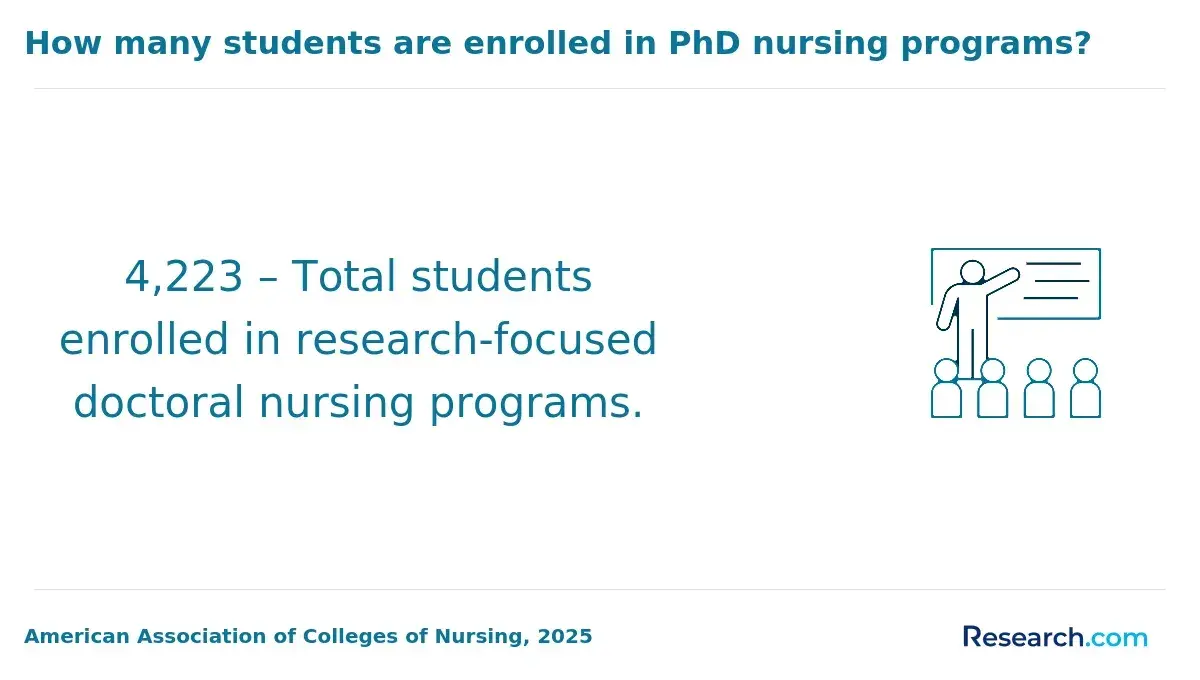
- American Association of Colleges of Nursing. (2025). 2024-2025 Enrollment and Graduations in Baccalaureate and Graduate Programs. https://www.aacnnursing.org/news-data/all-news/schools-of-nursing-enrollment-increases-across-most-program-levels-signaling-strong-interest-in-nursing-careers
- Kiernan, J. (2025). Best & Worst States for Nurses (2026). Wallet Hub. https://wallethub.com/edu/best-states-for-nurses/4041
- New Mexico Department of Workforce Solutions. (2025). New Mexico 2025 State of the Workforce. https://www.dws.state.nm.us/Portals/0/DM/LMI/State_of_the_Workforce_2025.pdf
- New Mexico Legislature. (2025). New Mexico's Healthcare Workforce - Sources and Trends, June 2025. https://www.nmlegis.gov/handouts/LHHS%20062525%20Item%204%20Health%20Care%20Workforce.pdf
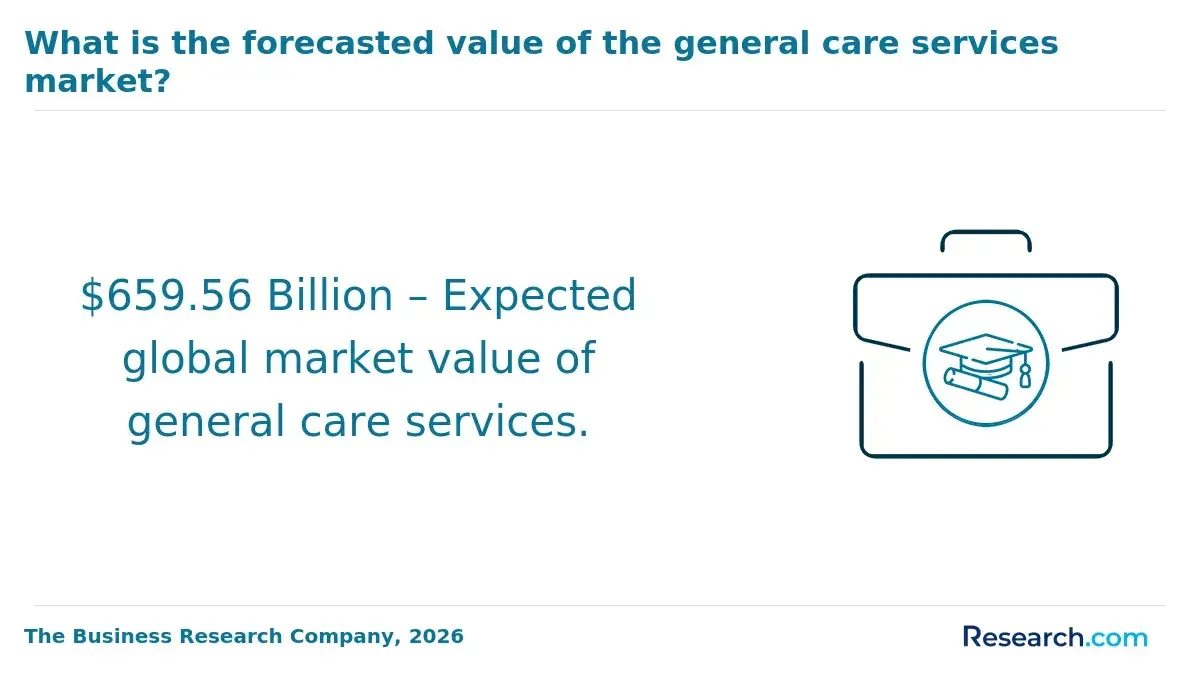
- The Business Research Company. (2026). Care Services Market Report. https://www.thebusinessresearchcompany.com
- Think New Mexico. (2026). Health Care Worker Shortage. https://www.thinknewmexico.org/health-care-worker-shortage
- U.S. Bureau of Economic Analysis. (2026). Consumer Spending by State. https://www.bea.gov/data/consumer-spending/state
Other Things You Should Know About Nurse Practitioner Programs in New Mexico
New Mexico APRN licensure requires national certification in the nurse practitioner role from an accepted body such as the ANCC, AANPCB, or PNCB, depending on specialty. After graduation, applicants submit proof of certification, transcripts, and RN licensure to the New Mexico Board of Nursing.
In 2027, the costs for nurse practitioner programs in New Mexico vary by institution. Tuition ranges from approximately $500 to $1,200 per credit hour, not including additional fees such as lab costs, books, and supplies. Financial aid options may help offset these costs, so prospective students should explore scholarships, grants, and loans.
In New Mexico, nurse practitioner students can access various financial aid options including federal grants like the Pell Grant, scholarships specific to nursing education, need-based aid, and loan forgiveness programs. Many schools offer personalized financial aid counseling to help students maximize these opportunities.
Admission requirements typically include a Bachelor of Science in Nursing (BSN), a current registered nurse (RN) license, and a minimum GPA of 3.0. Prospective students may also need to submit letters of recommendation, a personal statement, and proof of relevant work experience.
The duration varies by program and enrollment status. For example, the post-bachelor Doctor of Nursing Practice (DNP) program at the University of New Mexico takes approximately two years and nine months for full-time students.
Specialties include family nurse practitioner, psychiatric/mental health, acute care adult-gerontology, primary care pediatric NP, and more. Each specialty prepares students for specific roles within healthcare.
Nurse practitioner programs in New Mexico typically offer clinical placements in hospitals, community clinics, and private practices. These placements provide hands-on experience, crucial for gaining practical skills. Some programs may also have affiliations with specific healthcare facilities for specialized or rural health training.


