2027 Cheapest Online Artificial Intelligence Master's Degrees That Pay Well: Tuition, Duration, and Earnings

Co-Founder and Chief Data Scientist
Choosing an online artificial intelligence master's degree is mainly a return-on-investment decision: how much you will pay, how long you will study, and whether the credential can move you into stronger technical or leadership roles. For working professionals, the stakes are higher because tuition, weekly study time, and delayed career moves all affect the true cost of the degree.
Affordability matters because tuition costs averaging over $25,000 nationwide can make graduate study difficult to justify without a clear career plan. Program length also matters; many degrees take two years or more, which adds opportunity costs for students trying to advance quickly. At the same time, online AI degrees report a 15% faster employment rate post-graduation compared to traditional paths, making flexible graduate study a serious option for professionals who want to keep working while building advanced AI skills.
This guide explains what online artificial intelligence master's programs typically cost, what fees to expect, how long completion may take, which careers can pay well, and how to judge whether a lower-cost program still offers strong value.
Key Things to Know About the Cheapest Online Artificial Intelligence Master's Degrees That Pay Well
- Online artificial intelligence master's degrees typically cost 30-50% less than on-campus programs, making advanced education more accessible to a broader student base.
- Many programs offer accelerated formats, allowing completion within 12 to 18 months, enabling faster entry into high-demand AI-related job markets.
- Graduates often see a 20-40% salary increase post-degree, benefiting from the growing need for AI skills in technology, finance, and healthcare sectors.
How Much Does an Online Artificial Intelligence Master's Degree Cost?
Online artificial intelligence master's programs typically cost between $15,000 and $30,000 nationally. That range is useful as a starting benchmark, but the amount you actually pay depends on the university, residency rules, credit requirements, technology fees, and whether you receive scholarships, employer support, or federal aid.
Cost-conscious students should compare the full degree price, not only the advertised per-credit tuition. A program with a lower tuition rate may still become expensive if it requires more credits, charges high online learning fees, or has limited financial aid. A program with a higher tuition rate may be more affordable in practice if it is shorter, includes course materials, or offers generous institutional scholarships.
Public universities often provide the lowest prices for students who qualify for in-state tuition. Out-of-state students may pay nearly double those rates, although some online programs charge the same distance-learning tuition regardless of residency. Private institutions usually charge one rate for all students, and that rate is often higher, though some private programs offset the cost through scholarships or accelerated formats.
When comparing options, ask each school for a written estimate that includes tuition, required fees, expected course materials, and any residency-based pricing rules. Students researching AI-specific affordability can also compare listed programs through online masters in artificial intelligence resources to identify lower-cost options before requesting official cost details from universities.
It can also help to compare pricing across other online graduate fields. For example, an affordable MSW program may show how tuition structure, fees, and credit loads affect the final price of an online master's degree.
What Fees Are Included in the Total Cost of an Online Artificial Intelligence Master's Program?
The total cost of an online artificial intelligence master's program usually includes more than tuition. Schools may list a per-credit rate prominently, but students should also check for technology charges, administrative fees, software costs, exam fees, and graduation-related expenses. These charges can change the final bill and should be included in any affordability comparison.
- Tuition fees: Tuition is the largest cost and is usually charged by credit hour, semester, or term. Confirm whether the published rate applies to online students, out-of-state students, and part-time students.
- Technology fees: Online AI programs may charge fees for learning platforms, technical support, cloud-based tools, virtual labs, or software access. These costs are especially important in AI programs because coursework may require specialized computing resources.
- Student activity and administrative fees: These fees may support advising, library access, registration, records processing, student services, and other university operations. Some schools charge them every term, even for fully online students.
- Exam or evaluation fees: Some programs use proctored exams, portfolio reviews, project assessments, or capstone evaluations. Ask whether these costs are included in tuition or charged separately.
- Course materials fees: AI courses may require digital textbooks, datasets, simulation tools, coding environments, or specialized software. In some programs, these are bundled into tuition; in others, students pay separately.
Before enrolling, request a full cost-of-attendance estimate and ask whether fees are fixed or subject to change. Also confirm whether students must pay for hardware upgrades, external certifications, residency sessions, or travel. These costs are not always obvious in marketing materials.
Students comparing affordability across fields may find it useful to review how easy masters programs describe workload, tuition, and fees, but AI applicants should focus on programs that still provide rigorous training in machine learning, data systems, programming, and applied AI methods.
How Long Does It Take to Complete an Online Artificial Intelligence Master's Degree?
Most online artificial intelligence master's degrees take about two years to complete. Full-time students may finish in 1 to 2 years, while part-time students often need up to 3 years or more. The right timeline depends on your work schedule, technical background, financial aid status, and ability to handle advanced quantitative and programming coursework.
- Enrollment type: Full-time study usually shortens the path to graduation, but it requires more weekly hours for lectures, coding assignments, projects, and exams. Part-time study spreads out the workload and may be better for professionals with demanding jobs.
- Accelerated programs: Some programs let students graduate in less than 18 months. These options can reduce time away from career advancement, but the pace can be intense and may leave less room for review, portfolio building, or networking.
- Scheduling flexibility: Asynchronous courses allow students to watch lectures and complete assignments around work and family responsibilities. However, flexibility only helps if students can maintain a consistent study schedule.
- Personal and work obligations: Students with full-time jobs, caregiving responsibilities, or frequent travel may benefit from a slower plan. A longer timeline can reduce burnout and improve learning quality, especially in mathematically demanding AI courses.
A graduate of an online artificial intelligence master's program described the experience as a balancing act. “Juggling full-time work and studies was tough,” he said, explaining that weekends often became the time for lectures, coding work, and assignments. He valued the flexibility, but he also emphasized that finishing quickly was not the only goal. “It wasn’t just about finishing quickly—it was about understanding the material deeply while managing life’s demands.”
That perspective is important. The best completion timeline is not always the shortest one. Students should choose a pace that allows them to build durable skills, complete strong projects, and avoid sacrificing job performance or personal stability.
How Many Credits Are Required for an Online Artificial Intelligence Master's Degree?
Credit requirements for an online artificial intelligence master's degree vary by institution and curriculum design. Students should review the total number of credits, the number of required core courses, elective options, and whether the program includes a capstone, thesis, practicum, or applied project.
- Program specialization: Tracks in machine learning, robotics, computer vision, natural language processing, or data science may require additional advanced courses. More specialized programs can be valuable, but they may also increase cost and workload.
- Core versus elective courses: Core courses usually cover the foundation of the degree, such as algorithms, data modeling, machine learning, ethics, and AI systems. Electives allow customization, but students should make sure elective choices support their career goals rather than simply filling credits.
- Capstone or thesis: Many programs require a final project or research thesis. These credits can be highly valuable if they produce a portfolio-quality AI project, but they also require time, planning, and faculty guidance.
- Credit system differences: Schools define credit hours differently, and some use quarter systems while others use semesters. A lower credit total does not automatically mean an easier or cheaper program, so compare total tuition and workload carefully.
Students looking for the cheapest online artificial intelligence master's degree should not judge affordability by credit count alone. A program with fewer credits may cost more per credit, while a longer program may offer stronger technical depth, better project work, or more career-relevant electives.
For broader context on how credit requirements affect online degree pricing, students can compare undergraduate affordability models through this most affordable bachelor's degree online resource, then apply the same cost-per-credit logic when evaluating graduate AI programs.
Do Accelerated Online Artificial Intelligence Master's Programs Cost More?
Accelerated online artificial intelligence master's programs do not always cost more in total, but they can create higher short-term expenses. Many accelerated degrees require the same total credits as traditional programs, which means the full tuition may be similar. The difference is that students pay those costs over a shorter period and manage a heavier workload each term.
- Credit load per term: Accelerated programs often require more credits at once. This can increase the amount due each billing period, even if the total degree cost is comparable to a standard program.
- Program duration: A shorter timeline may reduce opportunity costs, including the time spent before qualifying for better roles or promotions. For some students, faster completion can offset a higher per-term bill.
- Institution type: Public universities may keep tuition comparatively lower regardless of pace, while private universities may charge higher rates for both traditional and accelerated formats. Always compare the complete program price.
- Technology and resources: Some accelerated programs rely heavily on AI labs, software platforms, cloud computing tools, or intensive project support. These resources can be valuable, but students should check whether they create additional charges.
- Financial aid availability: Scholarships, federal aid, and employer tuition assistance may have enrollment-status rules. Confirm whether accelerated terms qualify before committing to a fast-track schedule.
An accelerated program can be a good choice for students with strong preparation in programming, statistics, and data analysis. It may be a poor fit for students who need foundational support or who cannot consistently dedicate time to demanding technical coursework. The right question is not simply whether the program is faster, but whether you can complete it well enough to use the degree in the job market.
What Financial Aid Is Available for Online Artificial Intelligence Master's Degrees?
Financial aid can make an online artificial intelligence master's degree more manageable, especially for students trying to avoid excessive loan debt. Recent data shows that about 85% of graduate students receive some type of financial assistance, which means applicants should not assume they must pay the full listed price out of pocket.
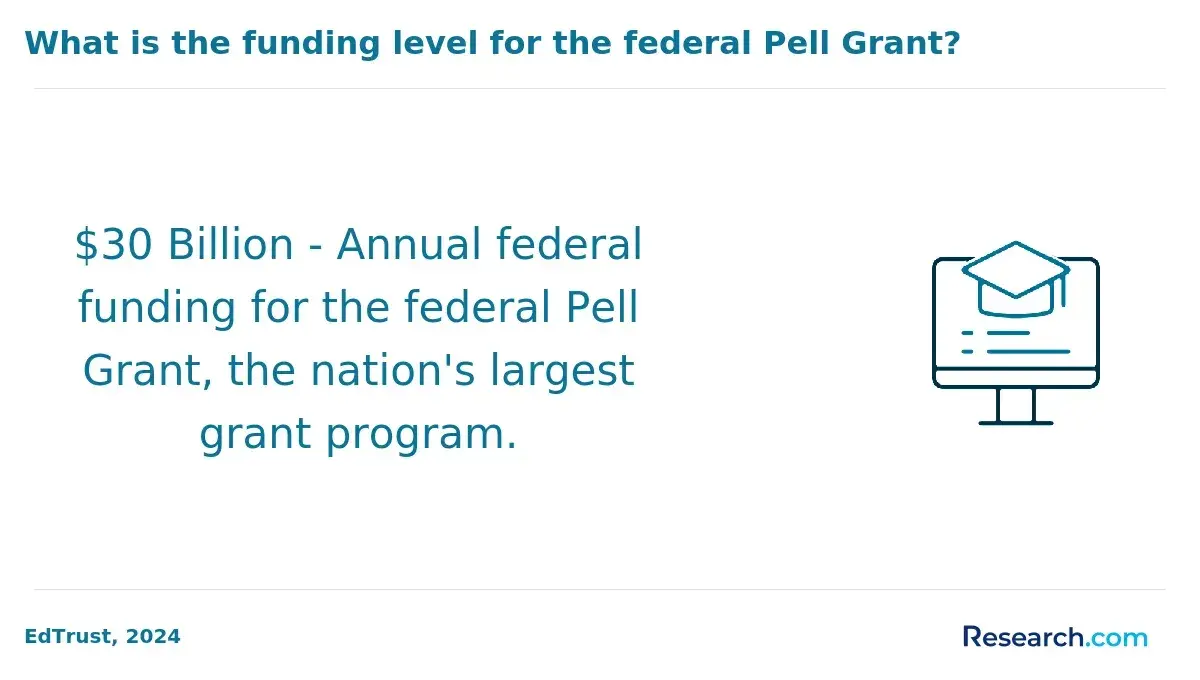
- Federal loans and grants: U.S. citizens and eligible non-citizens may qualify for federal aid by submitting the FAFSA. Federal loans usually offer fixed interest rates and structured repayment options. Grants do not require repayment, but availability at the graduate level can be limited.
- Merit-based scholarships: Universities, professional organizations, and private funders may offer awards based on academic performance, professional experience, technical ability, or career goals. Deadlines can be early, so apply as soon as possible after identifying target programs.
- Employer tuition assistance: Many technology-focused employers support graduate education when the degree relates to an employee’s current or future role. Some programs require minimum grades, continued employment, or repayment if the employee leaves within a set period.
- Private student loans: Private loans can fill funding gaps, but they often have stricter credit requirements and less flexible repayment terms than federal loans. They should usually be considered after scholarships, employer aid, and federal options.
Applicants should build a funding plan before enrolling. Start with the total program cost, subtract confirmed grants and scholarships, estimate employer support, and then calculate any remaining loan amount. This approach gives a clearer view of monthly repayment risk after graduation.
One online AI master's graduate said the financial aid process felt overwhelming at first because every funding source had different eligibility rules and deadlines. A merit-based scholarship reduced her tuition burden, and employer tuition support lowered the amount she needed to borrow. “It was challenging at first to piece everything together,” she said, “but combining scholarships and employer help made the program manageable without sacrificing my career or savings.”
How Much Can You Earn With an Online Artificial Intelligence Master's Degree?
Graduates with an online artificial intelligence master's degree generally start in the mid-$70,000 range, with potential for higher earnings as they gain experience, build specialized skills, and move into more complex technical roles. Salary outcomes are not guaranteed, but AI expertise can improve access to roles in machine learning, data science, automation, research, and applied analytics.
Earning potential depends on several factors: prior experience, programming ability, mathematics background, portfolio quality, industry, location, employer size, and whether the graduate can apply AI tools to real business or research problems. A master's degree may help open doors, but employers still look for evidence of hands-on skill through projects, internships, publications, GitHub work, or professional experience.
Students should compare expected earnings against total debt, not just starting salary. A lower-cost program can produce a stronger return if it provides credible training, career-relevant projects, and enough flexibility to keep working while enrolled. A higher-cost program may be worth considering if it offers stronger recruiting pipelines, advanced research opportunities, or specialized coursework aligned with high-demand roles.
For perspective, students comparing graduate programs across different fields may review affordability and outcomes in areas such as a library degree, then apply the same return-on-investment thinking to AI programs.
What Are the Highest-Paying Jobs for Online Artificial Intelligence Master's Graduates?
Some of the strongest salary outcomes for online artificial intelligence master's graduates are in roles that combine advanced modeling, software engineering, data infrastructure, and applied business judgment. The degree can be useful, but the highest-paying jobs usually require demonstrated technical ability, not just completion of coursework.
- Machine Learning Engineer: Machine learning engineers design, train, test, and deploy models that allow systems to improve from data. These roles often pay between $110,000 and $160,000 annually, especially in technology, finance, and product-driven organizations.
- Data Scientist: Data scientists analyze large datasets, build predictive models, and translate findings into business or research decisions. Typical salaries range from $100,000 to $150,000, depending on technical depth, industry, and experience.
- AI Research Scientist: AI research scientists develop new methods, improve existing models, and test advanced AI applications. Salaries range from $120,000 up to $170,000, particularly in research labs and organizations working on cutting-edge systems.
- Robotics Engineer: Robotics engineers design intelligent machines and automation systems. They earn roughly $90,000 to $140,000, with compensation varying by sector, hardware expertise, and software skill.
- Computer Vision Engineer: Computer vision engineers build systems that interpret images and video. Salaries typically range from $100,000 to $150,000, especially in industries using visual recognition, automation, medical imaging, or autonomous systems.
Students targeting these roles should choose programs with substantial coursework in algorithms, machine learning, Python or similar programming tools, data engineering, model evaluation, and applied projects. Career changers may need extra preparation before starting graduate-level AI coursework.
For students comparing online program structure in other professional areas, resources on the best online MFT programs can illustrate how duration, flexibility, and cost affect graduate school decisions, even though AI applicants should evaluate technical depth and employer relevance more heavily.
What Industries Hire Online Artificial Intelligence Master's Graduates?
Online artificial intelligence master's graduates can work across many industries because organizations increasingly use AI to automate processes, analyze data, improve predictions, and personalize services. AI-related roles are expected to increase by over 40% by 2028, according to the World Economic Forum, which makes the degree relevant beyond traditional technology companies.
- Technology: Technology companies hire AI graduates for machine learning engineering, product intelligence, cybersecurity automation, search, recommendation systems, and AI research. These roles often require strong coding and model deployment skills.
- Healthcare: Healthcare organizations use AI for diagnostics, imaging, clinical decision support, patient risk prediction, and health data management. Graduates may work as data scientists, AI specialists, or analytics professionals supporting clinical and operational teams.
- Finance: Banks, investment firms, insurers, and fintech companies use AI for fraud detection, risk modeling, algorithmic trading, underwriting, and customer analytics. Common roles include quantitative analyst, AI developer, and machine learning specialist.
- Manufacturing: Manufacturers use AI for robotics, predictive maintenance, quality control, supply chain forecasting, and process automation. Graduates may work as automation engineers, AI systems designers, or industrial analytics specialists.
- Retail and e-commerce: Retailers use AI for personalization, inventory management, demand forecasting, dynamic pricing, and recommendation engines. Graduates may build models that improve customer experience and operational efficiency.
Industry choice affects both salary and daily work. A healthcare AI role may require knowledge of privacy and clinical workflows, while a finance role may demand stronger statistics and risk modeling. Students should choose electives and projects that match the industry they want to enter.
Is an Online Artificial Intelligence Master's Degree a Smart Financial Investment?
An online artificial intelligence master's degree can be a smart financial investment when the program is affordable, technically rigorous, and aligned with a realistic career goal. It is less likely to pay off if the student overborrows, chooses a weak curriculum, or enters the program without enough preparation for advanced AI coursework.
Graduates typically see notable salary increases—studies show a 20% to 30% boost compared to those holding bachelor's degrees in related fields. That wage premium can help justify tuition and time costs, but students should evaluate the numbers carefully. A salary increase matters most when it exceeds loan payments, lost time, and any reduced work hours during school.
A practical return-on-investment review should include the following questions:
- What is the full price? Include tuition, fees, materials, software, hardware, and interest on any loans.
- Can you keep working? Online flexibility can protect income while you study, which improves the financial case.
- Does the curriculum match target jobs? Look for machine learning, programming, data systems, model evaluation, ethics, and applied projects.
- Will you graduate with proof of skill? Employers often value portfolios, capstones, research, and real-world projects alongside the degree.
- How much debt is reasonable? Borrowing should be measured against expected salary, current obligations, and repayment timeline.
For many professionals, the best value comes from a program that is not necessarily the cheapest, but the most efficient: affordable tuition, credible faculty, practical AI training, flexible scheduling, and strong alignment with target roles. Shorter programs can be attractive, but only if they maintain enough depth to support career advancement.
What Graduates Say About Their Cheapest Online Artificial Intelligence Master's Degrees That Pay Well
- : "Pursuing an online artificial intelligence master's degree was a game-changer for me, especially considering how affordable the tuition was compared to traditional programs. The flexibility allowed me to balance my job and studies with ease, taking courses at my own pace. Since graduating, my salary has significantly increased, giving me much-needed financial stability. — Callen"
- : "Reflecting on my journey through an online artificial intelligence master's program, I appreciate how the duration was just right to keep me engaged without overwhelming my personal commitments. The cost was manageable, and I felt that every dollar invested translated into strong career prospects. Today, I'm thriving in a role that rewards both my expertise and time, which is incredibly fulfilling. — Odo"
- : "From a professional standpoint, enrolling in an online artificial intelligence master's degree was a strategic move. The tuition fees were competitive, and the program's structure provided the flexibility required by my demanding work schedule. The most important outcome has been the clear boost in my earning potential, making this degree a smart financial and career decision. — Winnona"
Other Things You Should Know About Artificial Intelligence Degrees
Financial aid options for inexpensive online AI master's degrees in 2027 may include federal student aid, scholarships, and grants specific to technology fields. Students should also explore work-study programs and financial aid offices at their chosen institutions for additional support.
The admission requirements for affordable online AI master's programs with good earnings often include a bachelor's degree in a relevant field, a minimum GPA of 3.0, letters of recommendation, and sometimes GRE scores. It's crucial to review each program's specific criteria for 2027.
References
- Master's in Artificial Intelligence https://www.ucumberlands.edu/academics/graduate/masters-artificial-intelligence
- Master’s in Artificial Intelligence Salary | University of Bridgeport https://www.bridgeport.edu/news/masters-in-artificial-intelligence-salary-expectations/
- What career opportunities are available after completing a master's degree in AI and machine learning? https://m.umu.com/ask/a11122301573854174079
- Online master's in artificial intelligence | edX https://www.edx.org/masters/online-masters-in-artificial-intelligence
- Top 12 Paying Careers for AI Graduates in 2026 - AI Degrees Online https://aidegreesonline.com/careers/highest-paying-ai-careers/
- Program Details https://www.eastern.edu/academics/graduate-programs/ms-applied-ai
- Online Master's in Computer and Information Technology https://online.seas.upenn.edu/degrees/mse-ai-online/
- Top 12 Highest-Paying AI Jobs in 2026 (SEO Edition) - Swiss School of Business and Management Geneva https://www.ssbm.ch/top-12-highest-paying-ai-jobs-in-2026-seo-edition/
- Unlocking Potential: Salaries for Masterâs in Artificial Intelligence Graduates - Oreate AI Blog https://www.oreateai.com/blog/unlocking-potential-salaries-for-masters-in-artificial-intelligence-graduates/965be11de0f824187fa369e49ce40c7e
- 5 In-Demand Jobs You Can Pursue with a Online Master of Science in Artificial Intelligence Systems https://gst.touro.edu/blogs/articles/online-ms-artificial-intelligence-top-careers.php