2027 Best Online Master’s in Clinical Research Programs

Co-Founder and Chief Data Scientist
Choosing an online master’s in clinical research is not just a question of convenience. It is a decision about how you want to enter or advance in a field that supports clinical trials, drug and device development, regulatory compliance, patient safety, and evidence-based healthcare. Clinical research remains difficult and high-risk—drug development has an 86% failure rate (Zhu et al., 2024)—but approved interventions continue to shape diagnosis, prevention, and treatment. Graduate training can help professionals understand how studies are designed, monitored, analyzed, and managed under ethical and regulatory standards.
This guide explains how online master’s in clinical research programs work, what they cost, how employers may view online credentials, which programs are worth comparing, and what career paths may follow. It is designed for working healthcare professionals, research coordinators, life science graduates, and career changers who want a practical way to evaluate program quality, cost, accreditation, support services, and return on investment.
Best Online Master’s in Clinical Research Programs
- Can you complete a clinical research master’s fully online?
- Do employers respect online clinical research degrees?
- Are online degrees accepted internationally?
- Online vs. campus master’s in clinical research
- Best Online Master’s in Clinical Research Programs for 2027
- How much does an online Master’s in Clinical Research cost?
- What are the admission and skill requirements?
- Courses commonly included in clinical research master’s programs
- What careers can you pursue after a Master’s in Clinical Research?
- Should you choose a non-profit institution?
- Can certifications strengthen a clinical research career?
- How should you evaluate accreditation and student support?
- Why do post-graduation career services matter?
- How can online clinical research students handle common challenges?
- What should you look for before enrolling?
- Why financial aid matters for online clinical research students
- How technology is changing clinical research education
- What hands-on research experiences can online students get?
- How do clinical research earnings compare with other healthcare fields?
Quick Answer: Is an Online Master’s in Clinical Research Worth Considering?
An online master’s in clinical research can be worth considering if you want graduate-level training in clinical trial design, research operations, regulatory affairs, ethics, data management, and clinical study oversight without leaving your current job or relocating. The best choice is an accredited program with relevant coursework, transparent tuition, strong faculty, practical research projects, and career support connected to pharmaceutical companies, hospitals, academic medical centers, contract research organizations, or government agencies.
It may not be the right fit if your target role requires a different credential, a license in another healthcare profession, intensive in-person laboratory work, or a more data-heavy pathway such as health informatics. Students comparing healthcare graduate options may also want to review related healthcare masters degrees before committing to clinical research specifically.
Can you get a degree completely online?
Yes. Many colleges now offer fully online undergraduate and graduate programs, including online master’s degrees connected to healthcare, research, and health administration. Online learning existed before the COVID-19 pandemic, but global stay-at-home policies accelerated the shift to remote education, as discussed in research on the rapid move to online learning during the pandemic. In the United States, 25.6% of all undergraduate students exclusively took online courses (National Center for Education Statistics, 2024).
For clinical research, a fully online format is especially common because much of the graduate curriculum focuses on protocol development, research ethics, regulatory documentation, clinical trial operations, data management, and project coordination. Some programs may still include optional or required in-person experiences, so students should verify whether campus visits, internships, practicums, or site-based projects are required before enrolling.
Will employers take my online degree seriously?
Employers are generally more open to online degrees than they were before the pandemic, especially when the degree comes from an accredited institution with a recognizable academic reputation. Some hiring managers may still be more familiar with campus-based programs, but employer attitudes have shifted. In the United States, hiring managers are now almost 10 times more likely to hire an applicant with an online degree than before the pandemic, according to Virginia Commonwealth University research (Millar & Harper-Anderson, 2024).
For clinical research roles, the degree format usually matters less than the program’s credibility and the graduate’s demonstrated skills. Employers commonly look for knowledge of Good Clinical Practice, study documentation, informed consent, regulatory compliance, data quality, monitoring, and cross-functional communication. A strong online program should help you show those competencies through coursework, projects, internships, capstone work, or prior professional experience.
Are online degrees recognized all over the world?
Online degrees from properly accredited institutions can be recognized internationally, but recognition depends on the country, employer, professional body, and purpose of the credential. A degree used for employment may be evaluated differently than a degree used for licensure, immigration, doctoral admission, or regulated healthcare practice.
Global employers are also placing greater emphasis on verifiable skills. Talent shortages, labor market resets, and post-pandemic hiring changes have encouraged many organizations to consider skills-based hiring. The World Economic Forum reported that 50% of surveyed businesses across multiple countries view workforce training as a useful response to skills gaps. Other cited responses include flexible hiring and firing practices (~50%), incentives for organizations to improve wages (~50%), and development of school systems (~50%) (World Economic Forum, 2025).
If you plan to use an online master’s degree outside the United States, ask the university whether international credential evaluations, transcript documentation, and accreditation records are available. You should also check with employers, professional associations, or government agencies in the country where you plan to work.
Online vs. Traditional Master’s Degree in Clinical Research
The best format depends on your schedule, location, learning style, finances, and career goals. Online and campus-based clinical research programs often cover similar academic content, but they differ in delivery, networking style, hands-on access, and cost structure.
| Factor | Online Master’s in Clinical Research | Campus-Based Master’s in Clinical Research | Best Fit |
| Course content | Typically covers research methods, ethics, regulations, trial management, data, and clinical operations through virtual coursework. | Usually covers comparable academic material through classroom instruction and campus resources. | Either format can work if the curriculum matches your target role. |
| Delivery method | Uses learning management systems, video meetings, email, online discussions, digital libraries, and remote collaboration tools. | Relies on in-person classes, campus meetings, labs, seminars, and face-to-face faculty interaction. | Online suits working adults; campus suits students who want structured in-person learning. |
| Flexibility | Often better for professionals balancing employment, family responsibilities, or geographic limits. | May require commuting, relocation, or daytime attendance. | Online is usually more practical for students who cannot pause their careers. |
| Networking | Depends on virtual engagement, faculty access, alumni networks, group projects, and career services. | May offer easier access to campus events, research teams, and local institutional networks. | Choose the format with stronger connections to your preferred industry or region. |
| Hands-on learning | May use simulations, capstones, remote projects, internships, or employer-based research work. | May offer more direct access to labs, academic medical centers, or on-site study teams. | Students without research experience should prioritize programs with structured practical components. |
Student experience also depends on instructional quality. Research on online learning found that students responded more positively when virtual courses used consistent delivery, interactive tools, and accessible communication with instructors and classmates. These features supported satisfaction and self-regulated learning, as discussed in work on the benefits and conditions of effective virtual classrooms.
Is an online degree cheaper?
Online degrees can be less expensive than in-person programs, but this is not guaranteed. Students may save on housing, commuting, relocation, meals, and campus-based expenses. However, tuition, technology fees, course materials, remote proctoring costs, and occasional travel requirements can still add up. Similar to other distance programs, including online dental hygiene programs, the final price depends on institutional policy and program structure.
For online master’s programs in clinical research, the cost per credit may range between $543 and $1,343 (Arizona State University, 2024). Differences in tuition may reflect school type, faculty qualifications, curriculum design, student services, and program reputation.
Is an online degree as good as a regular degree?
An online degree can be academically comparable to a campus degree when it comes from an accredited institution, uses qualified faculty, includes rigorous assessment, and teaches the same professional competencies expected in the field. The learning experience is different, but different does not automatically mean weaker.
Online learning may be a better match for students who need flexibility, prefer self-directed study, or want to continue working while earning a graduate credential. It may be a poor match for students who need daily in-person structure, immediate face-to-face support, or extensive laboratory-based learning.
Best Online Master’s in Clinical Research Programs for 2027
The Research.com team reviewed online master’s in clinical research programs using available information from U.S. colleges and universities. Key considerations included accreditation, curriculum scope, tracks or specializations, affordability, program flexibility, and alignment with clinical research career preparation.
| School | Program | Length | Credits | Tuition Information | Accreditation |
| Ohio State University-Main Campus | Master of Clinical Research | Two to three years | 36 credits | $12,092 annual tuition | Higher Learning Commission |
| George Washington University | MSHS in Clinical Research Administration | Two years | 36 credits | $990 per credit | Middle States Association of Colleges and Schools |
| MCPHS University | Master of Science in Clinical Research | Two years | 30 credits | $1,110 per credit | New England Commission of Higher Education |
| Drexel University | Online Master’s in Clinical Research Management, Organization, and Administration | Two to three years | 36 credits | $1,255.00 per credit | Middle States Commission on Higher Education |
| Arizona State University | Online Master of Science in Clinical Research Management | Two to three years | 33 credits | $543$1,343 per credit | Commission on Accreditation of Allied Health Education Programs; Higher Learning Commission |
1. Ohio State University-Main Campus
Ohio State University offers a fully online Master of Clinical Research built around multidisciplinary training. The curriculum addresses research foundations, ethics, pharmacology, medical product regulation, business operations, and clinical research management.
- Program Length: Two to three years
- Specializations: Clinical Research Management; Regulatory Affairs
- Annual Tuition: $12,092
- Required Credits to Graduate: 36 credits
- Accreditation: Higher Learning Commission
2. George Washington University
George Washington University offers an MSHS in Clinical Research Administration that was established in 2001 and is identified as the first online program for the degree. The program emphasizes strategic leadership, clinical trial administration, research design, regulatory compliance, ethical decision-making, cultural awareness, and access to an alumni network across the United States.
- Program Length: Two years
- Cost per Credit: $990
- Required Credits to Graduate: 36 credits
- Accreditation: Middle States Association of Colleges and Schools
3. MCPHS University
MCPHS University offers a Master of Science in Clinical Research with flexible study options, including part-time or full-time enrollment and online or on-campus learning. Students who choose in-person coursework may interact with professionals working across drugs, devices, biologics, healthcare, policy, and related research areas.
- Program Length: Two years
- Tracks: Patient-based Clinical Research Track; Industry-related Track
- Cost per Credit: $1,110
- Required Credits to Graduate: 30 credits
- Accreditation: New England Commission of Higher Education
4. Drexel University
Drexel University offers an Online Master’s in Clinical Research Management, Organization, and Administration focused on clinical research administration, regulatory knowledge, and applied management. Students may have up to seven years to finish the program, although the average completion time is two to three years. The program does not require a thesis, campus visit, or residency period.
- Program Length: Two to three years
- Areas of Study: New Product Research and Development; Compliance and Safety Surveillance; Ethics and Law; Regulatory Affairs; Biostatistics and Data Management; Clinical Research Management; New Therapeutic Product Business and Strategic Planning
- New Product Research and Development
- Compliance and Safety Surveillance
- Ethics and Law
- Regulatory Affairs
- Biostatistics and Data Management
- Clinical Research Management
- New Therapeutic Product Business and Strategic Planning
- Cost per Credit: $1,255.00
- Required Credits to Graduate: 36 credits
- Accreditation: Middle States Commission on Higher Education
5. Arizona State University
Arizona State University offers an Online Master of Science in Clinical Research Management intended to prepare students to manage clinical research studies efficiently while building entrepreneurial and operational skills. The curriculum includes six core courses, four electives, and a clinical research management project.
- Program Length: Two to three years
- Core Courses: Clinical Research Data Management and Technology Implementation; Clinical Research Monitoring; Clinical Research Operations; Fundamentals of Regulatory Affairs; Responsible Conduct of Clinical Research; Scientific and Research Review Boards
- Clinical Research Data Management and Technology Implementation
- Clinical Research Monitoring
- Clinical Research Operations
- Fundamentals of Regulatory Affairs
- Responsible Conduct of Clinical Research
- Scientific and Research Review Boards
- Cost per Credit: $543$1,343
- Required Credits to Graduate: 33 credits
- Accreditation: Commission on Accreditation of Allied Health Education Programs; Higher Learning Commission
How much does an online Master’s in Clinical Research cost?
The cost per credit for an online master’s in clinical research may range between $543 and $1,343 (Arizona State University, n.d.). By comparison, traditional in-person master’s degrees in clinical research may cost around $1,050 per credit (Regis College, n.d.) at private academic institutions and $1,009 per credit (Rutgers University, n.d.) at public academic institutions. Online students should also budget for technology fees, books, course materials, software, possible proctoring fees, and any required campus or site-based activities.
| Cost Category | What to Check Before Enrolling | Why It Matters |
| Tuition per credit | Confirm the current rate and whether online students pay different tuition than campus students. | The per-credit price is usually the largest cost driver. |
| Required credits | Compare total credits needed for graduation, not just tuition per course. | A lower per-credit rate may not mean a lower total cost if the program requires more credits. |
| Fees | Ask about technology, graduation, student services, library, and proctoring fees. | Fees can change the real cost of attendance. |
| Residency or travel | Verify whether the program requires campus visits, practicums, or in-person events. | Travel can reduce the cost advantage of online study. |
| Employer support | Check whether your employer offers tuition reimbursement or professional development funding. | Employer assistance can reduce out-of-pocket costs. |
Is an online Clinical Research degree worth it?
An online clinical research master’s may be worth it for students who want to move into clinical trial management, regulatory affairs, clinical operations, research coordination, medical writing, drug safety, or related research roles. The degree can be especially useful when paired with prior healthcare, laboratory, public health, pharmaceutical, or research experience.
Like a masters in medical science, this credential may support employment in hospitals, universities, research organizations, pharmaceutical companies, and related healthcare settings. Possible roles include clinical research coordinator, drug safety specialist, and medical writer. The annual median master’s in clinical research salary is $107,336 in the US in 2026 (ZipRecruiter, 2026). Salary outcomes are not guaranteed and vary by employer, location, role, experience, certifications, and industry sector.
What are the requirements for an online Master’s Degree in Clinical Research?
Admissions requirements differ by school, but most online master’s programs in clinical research expect applicants to show academic readiness, relevant scientific or healthcare preparation, and the ability to complete graduate-level work independently. Always confirm requirements directly with the universities you are considering.
Common Admission Requirements
- Bachelor’s Degree. Many programs expect a bachelor’s degree in clinical research or a related discipline such as biology, epidemiology, pharmacology, public health, nursing, or another life science field. This background helps students understand clinical research methods and medical terminology.
- Official Transcripts. Schools use transcripts to evaluate previous coursework, academic performance, completed degrees, and prerequisite preparation.
- Work Experience. Some institutions prefer or require clinical research or healthcare experience. Relevant backgrounds may include healthcare outcomes research, public-health services research, nutritional-supplement clinical research, study coordination, laboratory work, or patient-facing healthcare roles.
Skills That Help Students Succeed
- Research Skills. Students should be ready to study research design, data collection, data interpretation, evidence evaluation, and ethical study conduct. Learners who are more interested in analytics, health data systems, and information infrastructure may want to compare health informatics programs.
- Collaboration Skills. Clinical research is team-based. Professionals communicate with investigators, coordinators, sponsors, monitors, regulatory staff, data teams, clinicians, and participants.
- Technological Literacy. Online students need comfort with word processors, spreadsheets, presentation tools, video conferencing, databases, and learning platforms. In professional settings, clinical trial management software and other research systems may also be used.
What are the Technological Requirements of Students for Online Learning?
Students need a dependable computer or laptop, stable internet access, webcam and microphone capability, current software, and the ability to use online learning platforms. Similar to students in the best online schools for medical office administration, clinical research students should check technical requirements before classes start. Some courses may require specialized tools, and devices may also be required to have laboratory software or systems used for clinical trial management.
Online student support has expanded as distance education has become more common in higher education. In fall 2024, exclusively distance education enrollments from SARA member states reached 1,661,689 students. Distance education now accounts for over 50% of higher education enrollment nationwide, remaining above pre-COVID levels while stabilizing after 2020 peaks (NC-SARA, 2025).
Courses to Expect in Online Master’s Degree Programs in Clinical Research
Online clinical research master’s programs usually combine scientific, ethical, regulatory, operational, and management coursework. The strongest programs connect theory to real clinical trial practices so graduates understand how studies move from protocol development to monitoring, documentation, analysis, and reporting.
| Course Area | What Students Learn | Career Relevance |
| Principles and Methods of Clinical Research | Research design, study methods, ethics, data collection, data analysis, and interpretation of findings. | Useful for coordinators, project managers, research associates, and study team members. |
| Ethical and Regulatory Considerations | Informed consent, privacy, confidentiality, compliance, participant protection, and ethical issues in human subjects research. | Important for roles involving institutional review boards, regulatory files, audits, and participant safety. |
| Clinical Trial Management and Monitoring | Trial operations, site oversight, documentation, quality checks, safety monitoring, and risk management. | Relevant to clinical research associate, clinical trial manager, and clinical operations roles. |
| Biostatistics and Data Management | Basic statistical reasoning, data quality, databases, study endpoints, and interpretation of clinical datasets. | Supports work with data teams, trial reports, and evidence evaluation. |
| Regulatory Affairs | Regulatory pathways, medical product oversight, submission processes, and compliance expectations. | Useful for pharmaceutical, biotechnology, device, and regulatory affairs careers. |
- Principles and Methods of Clinical Research. This course introduces the concepts and methods behind ethical, valid, and useful clinical studies. Students examine research methods, study design, ethics, data analysis, and how findings are translated into evidence.
- Ethical and Regulatory Considerations in Clinical Research. This course focuses on the ethical principles and regulatory frameworks that protect study participants. Topics often include informed consent, privacy, confidentiality, compliance, participant safety, and ethical challenges in clinical trials.
- Clinical Trial Management and Monitoring. This course teaches students how clinical trials are organized, tracked, monitored, and evaluated for quality. Students may study safety review, risk assessment, documentation, and operational procedures used in clinical research settings.
What are the career paths after a Master’s in Clinical Research?
An online Master’s in Clinical Research can support several career directions, especially for students who already have healthcare, science, regulatory, or research experience. Graduates may begin or advance in clinical research coordination, data management, regulatory affairs, clinical operations, safety, medical writing, or study leadership. Those who want broader healthcare leadership roles may also compare clinical research with 1 year MHA programs online, which focus more directly on healthcare management and administration.
| Career Path | Typical Focus | Who It Fits Best |
| Clinical Research Coordinator | Supports study visits, documentation, participant communication, regulatory files, and site-level trial activities. | Students entering clinical research or moving from patient care into research operations. |
| Regulatory Affairs Specialist | Helps ensure studies and products meet regulatory expectations and documentation standards. | Detail-oriented professionals interested in compliance, submissions, and agency requirements. |
| Clinical Research Director | Leads clinical trial programs, supervises teams, develops protocols, and oversees ethical and regulatory compliance. | Experienced professionals aiming for leadership in clinical operations or research administration. |
| Medical Science Liaison | Connects research evidence with healthcare providers, often in pharmaceutical or biotechnology settings. | Professionals with strong scientific communication skills and advanced clinical knowledge. |
| Healthcare Administrator | Manages research operations, teams, budgets, and programs in hospitals or health systems. | Clinical research professionals who add management preparation, such as an MHA. |
Clinical research professionals may work in biopharmaceutical companies, academic research institutions, contract research organizations, hospitals, medical device companies, and government agencies. Advancement usually depends on experience, leadership ability, therapeutic area knowledge, regulatory understanding, and evidence of successful project execution.
Are Non-Profit Institutions the Best Option for Online Clinical Research Programs?
Non-profit institutions are often worth considering because they may emphasize academic mission, research quality, transparent outcomes, and long-term student support. However, non-profit status alone does not guarantee that a program is the best choice. Students should compare accreditation, faculty credentials, curriculum, outcomes, student services, cost, and employer recognition.
When comparing schools, review whether the institution invests in research partnerships, clinical affiliations, alumni networks, and career services that are relevant to clinical research. Students who want a broader starting point for evaluating institutional quality can review accredited non-profit colleges as part of their school research.
Can supplementary certifications boost your career in clinical research?
Certifications can strengthen a clinical research career when they validate practical skills that employers value. A master’s degree provides graduate-level academic preparation, while certifications may demonstrate applied knowledge in specific areas such as clinical trial operations, regulatory procedures, data management, safety, billing, coding, or healthcare administration.
The right certification depends on your target role. For example, someone moving toward research billing, documentation, or revenue-cycle work may find value in short term medical billing and coding programs online. Students should avoid collecting unrelated credentials and instead choose certifications that match job descriptions, employer expectations, and long-term career goals.
What Should You Look for in Program Accreditation and Support Services?
Accreditation should be one of the first items you verify. Institutional accreditation helps confirm that the school meets recognized standards for academic quality, governance, student services, and financial practices. Programmatic recognition may also matter when a degree is tied to specific professional expectations.
Support services are also important in online study. Look for academic advising, faculty access, writing support, library access, technical help, tutoring, career coaching, internship guidance, and disability services. Students considering broader healthcare pathways may also compare clinical research with an online school for pharmacist, but they should remember that pharmacy pathways and clinical research pathways have different academic, professional, and licensure considerations.
How Can Post-Graduation Career Services Enhance Your Clinical Research Career?
Career services can make a significant difference in how effectively students turn graduate coursework into job opportunities. Strong programs may offer resume reviews, interview preparation, employer events, alumni networking, job boards, internship connections, and guidance for moving into clinical trials, regulatory affairs, medical writing, or research operations.
Ask each school how career support works for online students specifically. Some programs provide the same services to online and campus learners, while others offer limited remote access. Students who want to diversify into adjacent healthcare roles may also explore accelerated options such as the fastest medical assistant certification, but career planning should stay aligned with the roles they actually want to pursue.
How can you overcome challenges in an online master’s in clinical research program?
Online clinical research programs offer flexibility, but they also require discipline. Students must manage deadlines, communicate proactively, troubleshoot technology, participate in virtual teamwork, and stay engaged without the structure of a physical classroom.
| Common Challenge | Why It Happens | Better Strategy |
| Falling behind in asynchronous courses | Flexible deadlines can create a false sense of extra time. | Block weekly study hours and treat them like work meetings. |
| Feeling isolated | Online students may not naturally meet classmates before or after class. | Join discussion groups, attend live sessions, and contact faculty early. |
| Technology problems | Clinical research courses may use multiple platforms and software tools. | Test systems before classes begin and use technical support immediately. |
| Weak professional networking | Remote students may miss informal campus interactions. | Use alumni networks, virtual office hours, LinkedIn, faculty contacts, and professional associations. |
| Unclear career direction | Clinical research includes many pathways, from regulatory affairs to operations. | Compare job postings early and tailor electives, projects, and certifications to target roles. |
Students still exploring online healthcare education can compare clinical research with other healthcare degrees you can earn online to make sure the format and field match their career plans.
Things to Look for in an Online Master’s Degree in Clinical Research
Before applying, evaluate the program as a career investment rather than only an academic credential. The right program should match your target role, budget, timeline, learning needs, and professional background. Students who are more interested in hospital leadership, operations, or healthcare business functions may find online master’s degree programs in healthcare administration more relevant than clinical research.
- Accreditation. Confirm institutional accreditation and review whether the program has field-relevant recognition. Accrediting and professional organizations connected to this space may include the Commission on Accreditation of Allied Health Education Programs (CAAHEP), the Council on Education for Public Health (CEPH), and the Association for Clinical Research Professionals (ACRP). Institutions may also hold accreditation from bodies such as the Higher Learning Commission.
- Teaching modality. Many online clinical research programs do not require campus attendance, but students should verify whether any laboratory, residency, practicum, internship, or in-person component is required. Other online healthcare programs, such as an SLP masters online, may include campus-based or clinical requirements, so assumptions can be costly.
- Financial Aid. U.S. students may be able to use scholarships, grants, loans, employer tuition assistance, or work-study options. Princeton University ranked first among private colleges for scholarships during the previous academic year, with an average need-based scholarship of $68,820. The University of Virginia was the top public school with $29,910 (The Princeton Review, 2024).
Questions to Ask Before You Apply
- Is the institution accredited by a recognized accrediting agency?
- Does the curriculum include clinical trial operations, ethics, regulatory affairs, data management, and research methods?
- Are there capstone projects, internships, simulations, or employer-based research assignments?
- Can online students access the same faculty, library, advising, and career services as campus students?
- What is the total program cost, including credits, fees, materials, and travel?
- Does the program align with your target role: coordinator, manager, regulatory specialist, data professional, medical writer, or research administrator?
- How does the school help graduates connect with employers in pharmaceutical, biotechnology, academic, hospital, or government settings?
Why Financial Aid Matters for Online Clinical Research Students
Cost can determine whether a student can enroll, persist, and graduate without taking on unmanageable debt. Because online master’s programs vary widely in tuition and fees, students should compare total cost and available aid before choosing a school. Financial aid can make graduate study more accessible, but aid packages differ by institution, enrollment status, citizenship status, employer benefits, and program eligibility.
Types of Financial Aid Available
- Scholarships and Grants. These are valuable because they generally do not need to be repaid. Universities, professional associations, foundations, and outside organizations may offer awards for graduate healthcare or research students. Review eligibility rules and deadlines carefully.
- Federal and State Financial Aid. U.S. students may qualify for federal or state aid, including federal student loans. Students should complete the Free Application for Federal Student Aid (FAFSA) to learn what aid may be available.
- Employer Assistance Programs. Some employers reimburse tuition or provide professional development funds when the degree is related to the employee’s current or future role.
- Work-Study Programs. Some students may be able to work part-time while enrolled. Relevant positions can provide experience in research administration, healthcare operations, or academic support.
- Flexible Payment Plans. Payment plans may allow students to divide tuition across a term or year. Compare fees, due dates, and refund rules before relying on this option.
Finding the Most Affordable Programs
Affordability should be evaluated using total cost, not tuition alone. A program with a lower per-credit price may still be expensive if it requires more credits, charges high fees, or requires travel. Students seeking lower-cost online options can use resources on the cheapest nationally accredited online colleges as a starting point for broader affordability research.
The Role of Technology in Advancing Clinical Research Education
Technology is central to modern clinical research education. Online programs may use learning platforms, virtual simulations, remote collaboration tools, electronic documentation exercises, data analytics platforms, and digital case studies to help students practice study design, protocol management, data review, and regulatory decision-making. For students comparing accessible online institutions, including online colleges easy to get into, the quality of digital instruction should be a major selection factor.
Technology also reflects the way clinical research teams now work. Trials may involve sponsors, sites, monitors, investigators, data teams, safety teams, and regulatory staff across different locations. Online coursework that requires group projects, remote presentations, digital documentation, and virtual collaboration can help students prepare for that environment.
What hands-on research opportunities do online clinical research programs offer?
Hands-on learning in online clinical research programs may include virtual lab simulations, capstone projects, protocol development assignments, data management exercises, remote monitoring scenarios, internship placements, employer-based projects, and collaborative research work. The best programs explain exactly how students gain applied experience instead of relying only on lectures and exams.
Students should ask whether practical experiences are guaranteed, optional, competitive, or dependent on the student’s current workplace. Programs with healthcare institution partnerships, research center relationships, or faculty-led projects may offer stronger applied learning. Students comparing experiential models across healthcare fields may also review the best online PharmD programs, while noting that pharmacy education and clinical research education serve different professional goals.
How do earnings in clinical research compare to other healthcare fields?
Clinical research compensation can be competitive, especially for professionals who move into specialized or leadership roles. However, salary depends heavily on job title, employer type, location, therapeutic area, years of experience, certifications, and whether the role is in academia, hospital-based research, government, biotechnology, pharmaceuticals, or a contract research organization.
The annual median master’s in clinical research salary is $107,336 in the US in 2026 (ZipRecruiter, 2026). Students evaluating return on investment should compare this figure with likely debt, opportunity cost, and salary expectations in related healthcare fields. For example, allied health compensation benchmarks such as speech pathologist salary can help students think more broadly about long-term earning potential across healthcare careers.
Common Mistakes to Avoid When Choosing an Online Clinical Research Master’s
- Choosing a program without checking accreditation. Accreditation affects credibility, transferability, financial aid eligibility, and employer confidence.
- Comparing only tuition per credit. Total cost includes credits, fees, books, software, travel, and time away from work.
- Assuming every online program is fully online. Some programs may require campus visits, practicums, internships, or in-person research activities.
- Ignoring career alignment. A clinical research degree is different from healthcare administration, pharmacy, medical assisting, public health, or informatics. Match the credential to the job you want.
- Overlooking practical experience. Employers may value applied research work, project experience, and documentation skills as much as coursework.
- Relying only on rankings. Rankings can help narrow choices, but they cannot replace a careful review of curriculum, faculty, cost, support, and outcomes.
- Assuming salary outcomes are guaranteed. Published salary figures are useful benchmarks, not promises.
Take Part in the Advancement of Patient Care
An online master’s in clinical research can help prepare you for work that supports safer studies, stronger evidence, better regulatory compliance, and more effective healthcare innovation. The degree is most valuable when it fits your professional goals, builds marketable skills, and comes from an accredited institution with strong academic and career support.
Before enrolling, compare clinical research with related paths such as health informatics, healthcare administration, medical science, pharmacy, and public health. Students interested in broader health services leadership may also review the best schools for healthcare administration as part of long-term academic planning.
Key Insights
- Online clinical research master’s programs can be credible: Employer acceptance of online degrees has improved, especially when the credential comes from an accredited institution and the graduate can demonstrate practical research skills.
- Accreditation should be non-negotiable: Verify institutional accreditation and review any field-specific recognition before applying.
- Cost varies widely: Online clinical research tuition may range from $543 to $1,343 per credit, but students should calculate total program cost, not just per-credit tuition.
- The best program depends on your career target: Regulatory affairs, clinical operations, medical writing, data management, and research coordination require overlapping but different strengths.
- Hands-on learning matters: Look for capstones, simulations, internships, employer-based projects, or applied research assignments that help translate coursework into workplace evidence.
- Financial aid and employer support can change the ROI: Scholarships, grants, loans, payment plans, and tuition reimbursement should be reviewed before choosing a school.
- Clinical research is not the only healthcare graduate path: If your goal is hospital management, health data, pharmacy, or direct patient care, another degree may fit better.
References
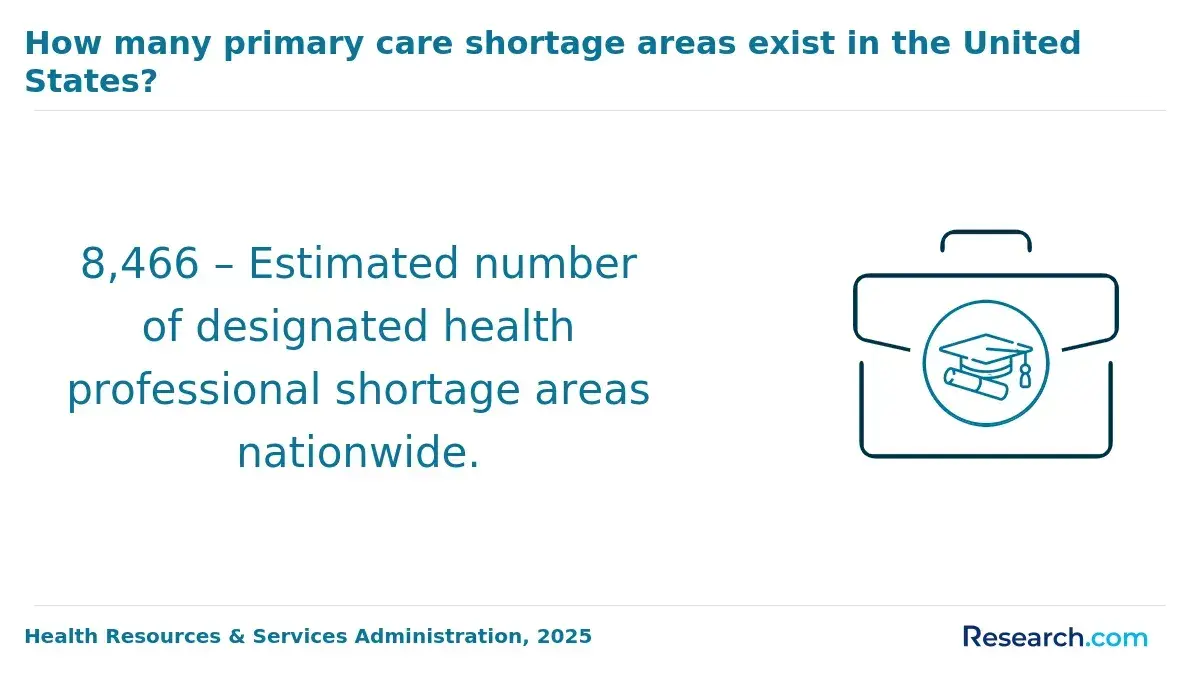
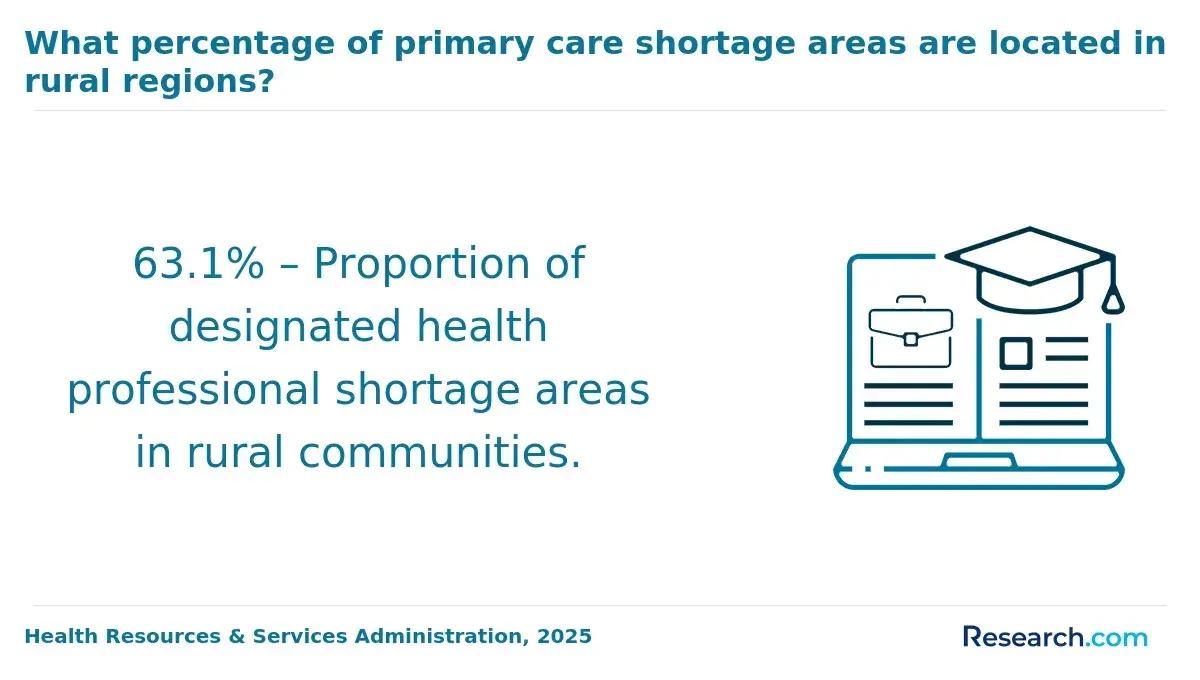
- HRSA. (2025). State of the Primary Care Workforce, 2025. https://bhw.hrsa.gov/sites/default/files/bureau-health-workforce/data-research/State-of-the-Primary-Care-Workforce-2025.pdf
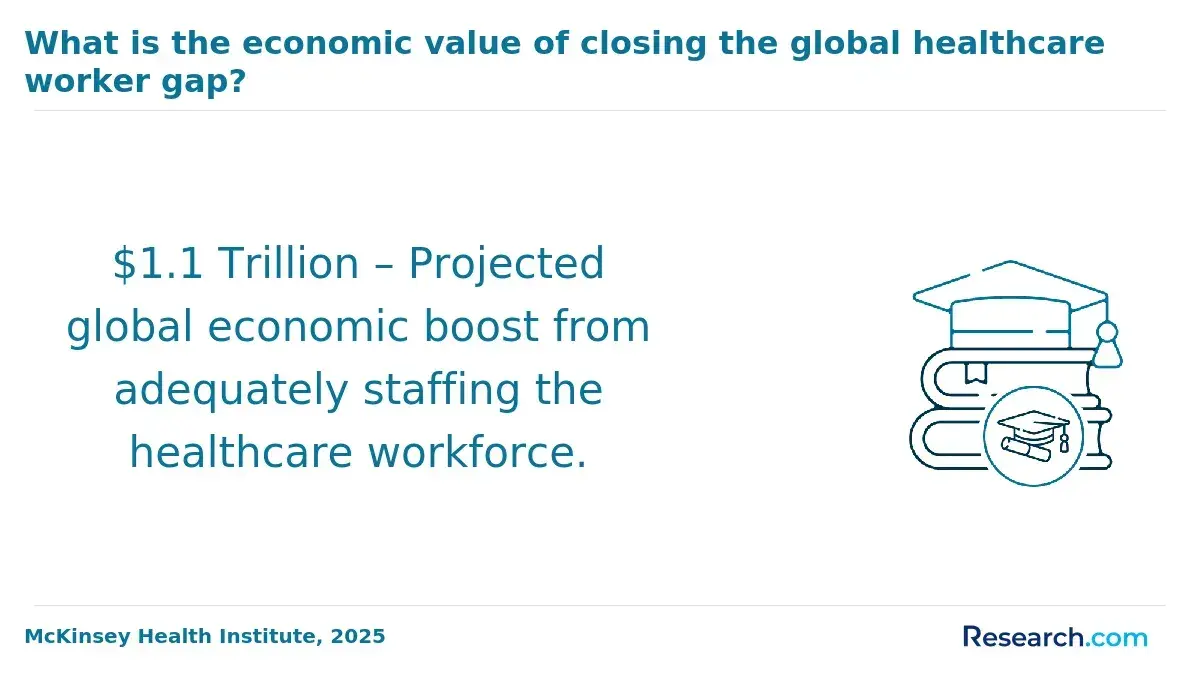
- McKinsey & Company. (2025). Heartbeat of health: Reimagining the healthcare workforce of the future. https://www.mckinsey.com/mhi/our-insights/heartbeat-of-health-reimagining-the-healthcare-workforce-of-the-future
- Millar, H., & Harper-Anderson, E. (2024). Online degrees viewed more positively post-pandemic, VCU research finds. EurekAlert. https://www.eurekalert.org/news-releases/1117802
- National Center for Education Statistics. (2024). Distance education status of student - Trend Generator. https://nces.ed.gov/ipeds/TrendGenerator/app/build-table/2/42?rid=6
- NC-SARA. (2025). Technical report for fall 2024 exclusively distance education enrollment & 2024 out-of-state learning placements. https://nc-sara.org/news-events/new-report-steady-out-of-state-online-enrollment-reflects-continued-high-demand-for-online-learning/
- The Princeton Review. (2024). Best financial aid colleges. Retrieved from https://www.princetonreview.com/college-rankings/best-financial-aid
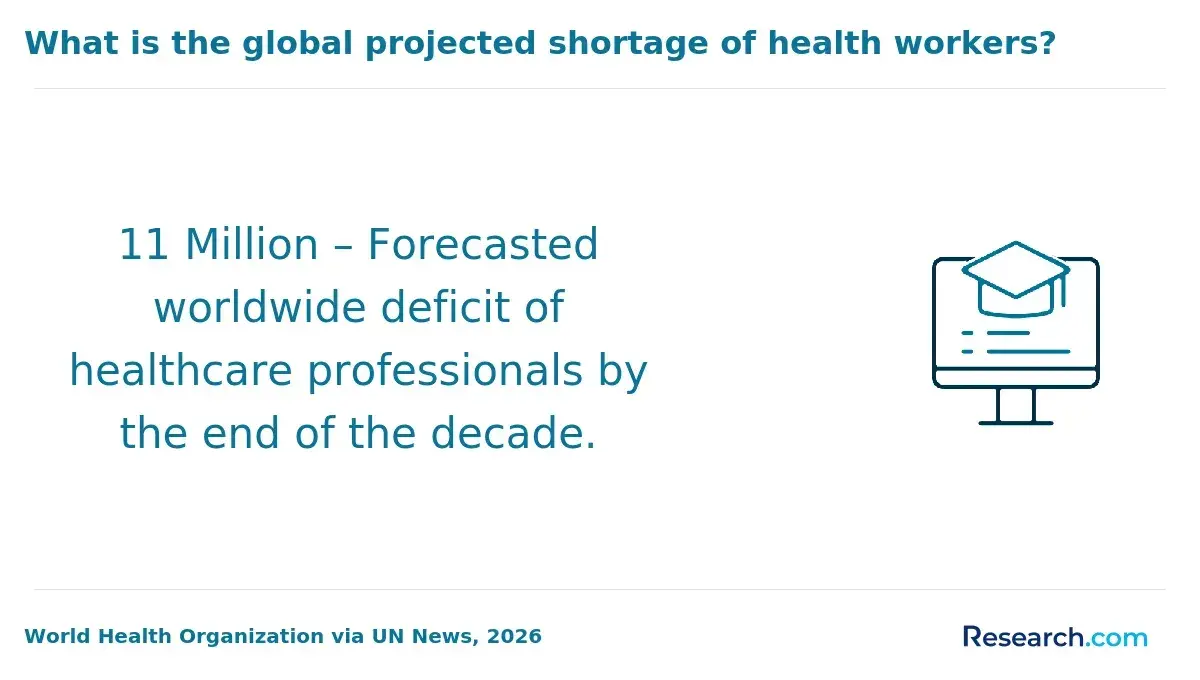
- UN News. (2026). Global health systems 'at risk' as funding cuts bite, warns WHO. https://news.un.org/en/story/2026/02/1166869
- U.S. Bureau of Labor Statistics. (2025). Employment Projections 2024-2034. https://www.bls.gov/emp/
- World Economic Forum. (2025). The future of jobs report 2025. https://www.weforum.org/publications/the-future-of-jobs-report-2025/in-full/3-skills-outlook/
- Zhu, H., Zhou, Y., & Zhang, L. (2024). Success rates in drug development: An updated analysis of clinical trial transitions. Journal of Pharmaceutical Innovation. https://doi.org/10.1007/s12247-024-09812-4
- ZipRecruiter. (2026). Salary: MS clinical research (March, 2026) United States. https://www.ziprecruiter.com/Salaries/Ms-Clinical-Research-Salary
Other Things You Should Know About Online Master’s in Clinical Research Programs
Many programs require a practicum, internship, or capstone project, often completed in a clinical, academic, or industry setting. Requirements usually include 100 to 300 supervised hours, faculty approval, and a final project or report documenting research methods, ethics, or trial operations.
In 2027, requirements typically include a bachelor’s degree in a related field, such as life sciences or health care. Some programs may require relevant work experience or specific coursework. Admission may also rely on letters of recommendation, a statement of purpose, and meeting minimum GPA requirements.
Typical courses include Biostatistics, Clinical Trial Design, Ethical Issues in Clinical Research, and Regulatory Affairs. Students might also engage in a capstone project focused on real-world clinical research problems. Programs commonly require completion of 30–36 credit hours.
Yes, some programs prepare students for certifications like the Certified Clinical Research Professional (CCRP) offered by the Society of Clinical Research Associates (SOCRA) or the Association of Clinical Research Professionals (ACRP). These certifications can enhance career opportunities in clinical research.